Toy Embroidered Beanies Material Sample Guide for Buyers
Use this toy embroidered Beanies Material Sample guide to compare yarns, patches, stitching, costs, and timelines before approving plush beanies.
Toy Embroidered Beanies Material Sample Guide: What You Are Really Approving
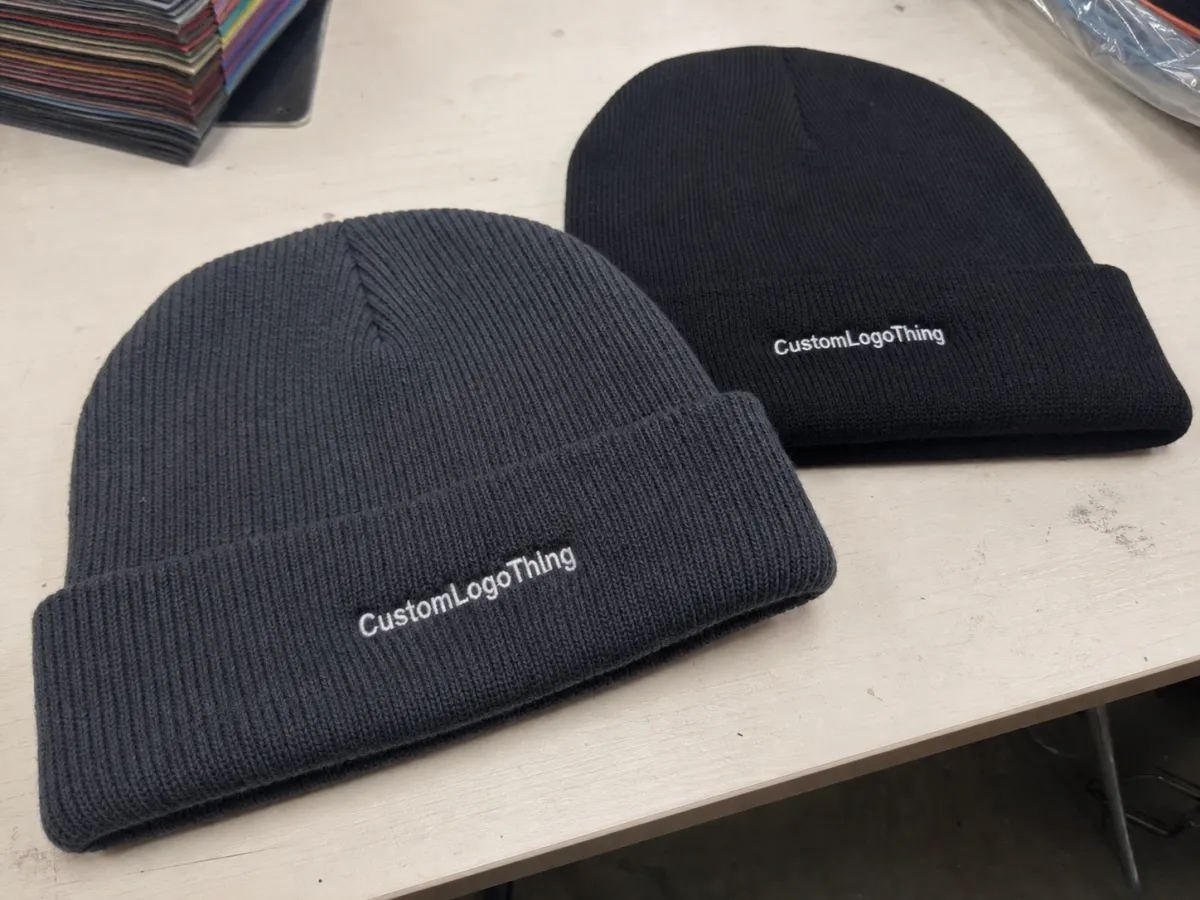
A toy beanie sample is not just a cute color swatch. A good toy embroidered Beanies Material Sample guide is really a small production test, because yarn stretch, embroidery density, lining choices, plush attachment points, and cuff shaping all start arguing with each other once the piece is knitted, stitched, handled, folded, and packed.
Many buyers approve a beanie from a pretty photo, then find out later that the embroidered face puckers, the little ears flop forward, the cuff sits 12 mm higher than expected, or the logo looks sharp on the proof but muddy on the actual rib knit. That does not mean anyone acted in bad faith. It usually means the sample stage did not answer enough physical questions before bulk manufacturing started.
In practical terms, a material sample guide is the set of physical references and production notes used to compare knit yarns, embroidery threads, stabilizing backing, labels, appliques, plush pieces, patches, trims, and finishing details. For brand teams, toy companies, school programs, gift shops, subscription boxes, and promotional buyers, that guide helps turn a soft idea into something repeatable.
Each sample type answers a different question. A loose swatch tells you about yarn color and hand feel. An embroidery strike-off shows thread coverage, stitch density, and whether small details survive on stretch fabric. A pre-production sample checks size, construction, decoration, labels, and packaging assumptions. A full toy beanie prototype goes further by proving the character features, balance, trim security, and retail presentation together.
Practical rule: approve the material, decoration, and construction as separate decisions whenever the design has ears, horns, pom-poms, face embroidery, private labels, or display packaging. One attractive sample can hide three unresolved production risks.
How Materials, Knit Construction, and Embroidery Work Together
Base material drives the whole feel of the beanie. Acrylic is common because it is soft, color-flexible, washable, and usually cost-efficient for promotional and retail runs. Cotton-acrylic blends feel a little drier and more natural against the skin, though they may not spring back as strongly after stretching. Recycled polyester can support recycled materials goals, especially when a buyer also wants kraft paper tags or packaging with post-consumer waste content. Wool blends add warmth and perceived retail value, but they need clearer care labeling and may not suit every end user.
Knit structure matters just as much as fiber. Rib knit has grip and recovery, which helps cuffs stay put, but it can make vertical embroidery lines wobble if the artwork is too fine. Jersey knit gives a smoother face for decoration, though it may feel less snug. Chunky knit looks cozy on a shelf, yet small lettering can sink into the texture. Double-layer beanies feel more substantial and hide some internal stitching, but they add weight, bulk, and cost.
Embroidery behaves differently on a beanie than it does on a flat canvas tote. Dense fills can lock down the knit and create a stiff badge area. Small letters under about 5 mm tall often close up. Satin stitches need enough width to stay clean, especially on curves. Backing must stabilize the fabric without leaving scratchy corners against the forehead.
Toy-style additions raise the stakes. Ears, horns, pom-poms, felt cheeks, woven labels, silicone patches, plush faces, and applique shapes all affect balance, seam stress, carton size, and inspection time. A pair of ears may look simple, but the placement tolerance, seam allowance, stuffing level, and stitch anchoring all need to be clear.
For safety and comfort, avoid sharp trim edges, loose decorative parts, and rough backing. Age grade, retail channel, and destination market decide the actual testing path, so do not assume one generic approval covers everything. If your buyer has a formal compliance program, ask early whether they reference ASTM standards, chemical restrictions, small-parts review, or packaging transit testing such as ISTA procedures.
Key Sample Factors to Compare Before You Approve Artwork
The first checkpoint is hand feel. Pick up the sample and stretch it gently across the decorated area. Does the knit recover, or does the face distort? Does the cuff hold its fold after three or four handling cycles? A buyer should review yarn gauge, cuff height, crown shape, inside finish, embroidery placement, thread sheen, patch edge quality, color match, trim security, and how the beanie looks after light wear.
Color deserves controlled review. Acrylic yarn, rayon or polyester embroidery thread, felt, woven labels, and printed hangtags can all interpret the same Pantone target differently because each surface reflects light in its own way. A bright red embroidery thread may look clean beside the yarn under office lighting, then shift warmer beside a printed sleeve or corrugated cardboard shipper under warehouse lighting.
Scale causes a lot of problems on toy beanies. A smiling face that looks perfect on a flat digital mockup may sit too high on the crown once the cuff is folded. Eyes can disappear under a pom-pom shadow. Whiskers can crowd the cheek area after ears or horns are added. Honestly, I think this is one of the easiest mistakes to catch early, but only if the buyer reviews a physical sample on a rounded form rather than a flat photo.
Look inside the beanie. That is where the wearer feels the product. Long floats, hard knots, backing corners, and thick label seams can turn a cute item into an uncomfortable one. For adult promotional beanies, comfort complaints are annoying. For toy-style or child-oriented products, they can create a bigger approval issue with buyers, parents, or retailers.
Ask for multiple options when the decision affects cost, comfort, or decoration clarity. Two yarn weights, two thread colors, or a flat embroidered face versus a felt applique can reveal the better tradeoff quickly. A focused toy embroidered beanies material sample guide should make those tradeoffs visible, not bury them in a single “approved” photo.
Process and Timeline: From Material Sample to Bulk Beanie
A normal custom beanie program usually moves through artwork review, material recommendation, quote, digital proof, yarn or fabric swatch, embroidery strike-off, prototype sample, buyer revisions, pre-production approval, bulk knitting, decoration, finishing, inspection, packing, and shipping. Simple orders may combine a few of those steps. Character-style beanies should not skip too many of them.
The first sample round often takes longer than a repeat order because the team is proving basic behavior. Will the yarn stretch enough? Does the embroidery density need to drop from 9,000 stitches to 6,500 to reduce puckering? Can the ears be secured with a clean seam allowance? Does the label sit flat against the cuff? These are production questions, not just design preferences.
Several details can slow the schedule: custom-dyed yarn, difficult thread matches, tiny embroidery, metallic thread, multiple sewn-on toy features, private-label packaging, buyer compliance documentation, and revisions after the physical sample is already made. If the beanie also needs a printed insert, kraft paper hangtag, FSC certified paperboard backer, or biodegradable packaging claim, allow time to confirm material availability and wording.
| Sample or Production Step | Typical Timing | What It Proves | Common Delay |
|---|---|---|---|
| Digital proof | 1-3 business days | Artwork size, placement, thread callouts, label notes | Missing vector artwork or unclear Pantone targets |
| Material swatch review | 3-7 business days when stock options are available | Yarn color, gauge, stretch, lining feel | Custom dye request or unavailable stock shade |
| Embroidery strike-off | 5-10 business days | Stitch density, small detail, thread sheen, backing comfort | Fine lettering, gradients, or too many thread colors |
| Prototype sample | 10-20 business days for many custom toy styles | Full shape, trims, decoration, labels, fit, packaging bulk | Revised ears, appliques, pom-poms, or private labels |
| Bulk production after approval | Often 20-40 business days, depending on quantity and complexity | Repeatable knitting, decoration, finishing, inspection, packing | Material lead time, high stitch count, expedited freight changes |
Approve in stages if the launch date matters. Material first. Decoration next. Full construction after that. Waiting for one perfect sample to answer every question can feel tidy, but it often creates late-stage revisions that are more expensive and more stressful than a staged approval plan.
Pricing, MOQ, and Unit Cost Drivers for Toy Beanies
Pricing for toy embroidered beanies is shaped by base knit material, yarn weight, number of yarn colors, embroidery stitch count, applique or plush components, inside finishing, labels, packaging, order quantity, sampling needs, and shipping method. Two beanies can look similar in a photo and still land at very different unit costs once the real construction is specified.
Embroidery cost is not only about size. Dense filled areas take machine time and can require more careful trimming. Metallic threads may run slower. Tiny lettering needs testing and may still be rejected if it closes up. Multiple thread changes add handling. Curved placement on a cuff or crown can increase inspection because small shifts are easier to see on a face or logo.
MOQ depends on the design. A simple stock-color acrylic beanie with one embroidery location may be workable at a lower quantity. Custom yarn colors, special trims, silicone patches, exact character components, or private-label packaging usually require higher minimums because materials must be purchased, staged, and run in production quantities. For many buyer programs, a practical planning range might be 250-500 pieces for simpler custom decoration and 1,000 pieces or more for more involved toy-style construction, though this depends on supplier capability and material availability.
Unit prices vary widely, but a simple embroidered stock-style beanie might sit around $3.50-$6.50 per unit at moderate quantities, while a toy-style beanie with ears, face embroidery, Custom Woven Label, hangtag, and individual bagging may run closer to $6.50-$12.00 or more. Sampling can range from modest setup charges to several hundred dollars for a detailed prototype, especially if custom trims or repeated revisions are involved.
Compare quotes line by line. Does the price include sampling, embroidery setup, one revision, labels, hangtags, polybags, cartons, inspection, duties, and freight? Or is it only the ex-works unit cost? A cheaper quote may use thinner yarn, lower stitch density, fewer trims, or simpler inside finishing. That may be perfectly fine for a giveaway, but not for a retail plush beanie program.
Cost control does not have to ruin the design. Use stock yarn colors. Reduce stitch density where a solid fill is not needed. Choose one strong decoration area instead of three weak ones. Simplify toy add-ons. Approve standard packaging if the sales channel allows it. Increase order quantity only if storage, cash flow, and sell-through forecasts make sense.
Common Mistakes That Make Samples Look Better Than Production
The biggest sample trap is approving a hand-made or overly polished prototype without asking how the bulk run will be produced. A one-off sample may have extra hand shaping, hand trimming, or careful steam finishing that is not practical across 2,000 or 10,000 pieces. Ask which details are representative of bulk production and which are only for sample visualization.
Artwork is the next trouble spot. Thin whiskers, tiny eyes, small lettering, tight outlines, and gradients can look charming on a screen but fail in thread. Embroidery has thickness. Knit fabric moves. If the design relies on a 1 mm line, it may need to become a wider satin stitch, a simplified applique, or a printed patch instead.
Soft goods need tolerances. Beanie height, cuff fold, ear angle, embroidery placement, and patch centering will not behave like machined metal parts. A realistic approval might allow plus or minus 5 mm on placement, a small angle range on ears, and a defined cuff height range after folding. The tighter the tolerance, the more inspection time and rejection risk you create.
Screen color approval is risky. Physical material should be reviewed wherever possible, especially if the beanie must coordinate with packaging, plush toys, apparel, or licensed brand colors. For paper components, ask whether the hangtag or backer uses virgin board, recycled content, or FSC certified stock. The Forest Stewardship Council can be useful background if your packaging brief includes responsible sourcing language.
Packaging fit is easy to overlook. Pom-poms, 3D ears, thick cuffs, and folded knit bulk can change carton size, display tray fit, freight cost, and shelf presentation. A beanie that looks beautiful on a sample table may arrive crushed if the carton count is too aggressive or the inner packing does not protect raised features.
Buyer checkpoint: ask for one packed sample or a packing photo before final approval if the beanie has tall pom-poms, dimensional ears, bulky cuffs, or a retail display requirement.
Next Steps: Build a Sample Packet Your Supplier Can Actually Use
A useful quote request does not need to be fancy, but it should be complete. Send the target quantity, delivery location, launch date, beanie size range, preferred material feel, artwork files, Pantone targets, embroidery size, trim details, label requirements, packaging style, and any testing or retail compliance needs. If you have a target retail price or landed cost, say so early.
Reference photos help, but notes make them useful. Mark what matters: cuff height, ear shape, yarn texture, face expression, thread finish, label placement, pom-pom size, or softness level. A supplier cannot know whether you care most about plush character accuracy, budget, warmth, sustainability messaging, or fast repeat production unless you spell it out.
Request the sample packet clearly. Ask for recommended base materials, available stock yarn colors, embroidery thread references, backing options, label samples, and one or two decoration approaches if the design has cost or stitchability concerns. For a buyer comparing suppliers, ask each one to respond against the same requirements so the toy embroidered beanies material sample guide stays fair and useful.
Set approval priorities before the sample arrives. Brand color, trim security, and wearer comfort may be non-negotiable. Yarn blend, exact pom-pom diameter, carton pack count, or packaging fold may have more room for adjustment. That separation saves time because everyone knows what can move and what cannot.
If packaging claims are part of the program, keep the wording grounded. Recycled materials, post-consumer waste content, biodegradable packaging, and FSC certified paper all need documentation from the packaging supplier. For broader packaging guidance, the EPA’s sustainable materials management resources are a sensible starting point.
A strong toy embroidered beanies material sample guide turns a soft, cute idea into a measurable production plan. It helps you approve yarn, stitching, trims, labels, packaging, and tolerances with fewer surprises, cleaner communication, and a finished beanie that feels as good in hand as it looked in the original concept.
FAQ
What should a toy embroidered beanie material sample include?
It should include the proposed knit yarn or fabric, embroidery thread colors, backing material, label or patch samples, trim references, and a clear note showing which items are final options versus placeholders. For toy-style beanies, the packet should also show ears, pom-poms, felt pieces, plush add-ons, or applique materials that affect shape, comfort, safety review, and packaging bulk.
How do I use a toy embroidered beanies sample guide to compare suppliers?
Compare the same design requirements across suppliers, including yarn blend, gauge, embroidery size, stitch density, labels, packaging, MOQ, sampling fees, revision policy, lead time, and what is included in the unit cost. Do not compare only the lowest price; a cheaper sample may use thinner yarn, lighter backing, fewer stitches, simpler trims, or less finishing than the product you actually need.
Which material is best for embroidered toy beanies?
Acrylic is common because it is soft, affordable, color-flexible, and easy to care for, while cotton blends can feel more natural and recycled polyester can support certain sustainability goals. The best choice depends on the beanie’s use: retail winterwear may need warmth and recovery, while a promotional toy beanie may prioritize softness, bright color, decoration clarity, and budget.
How long does sampling take for custom toy embroidered beanies?
A simple embroidered beanie generally samples faster than a character-style design with ears, appliques, multiple thread colors, private labels, or custom packaging. Plan extra time for artwork adjustments, physical color approvals, embroidery strike-offs, revised prototypes, and final pre-production approval before bulk work begins.
What raises the cost of toy embroidered beanie samples and production?
Major cost drivers include custom yarn, high stitch counts, multiple embroidery colors, dense filled designs, sewn-on ears or plush parts, custom labels, special packaging, low order quantities, and expedited shipping. To control cost, simplify the decoration, use stock material colors, keep embroidery bold and readable, reduce unnecessary trims, and confirm whether sampling, setup, and freight are included in the quote.


