Buyer Fit Snapshot
| Best fit | Kraft Labels Wholesale projects where brand print, material claims, artwork control, MOQ, and repeat-order consistency need to be specified before quoting. |
|---|---|
| Quote inputs | Share finished size, material target, print colors, finish, packing count, annual reorder estimate, ship-to region, and any compliance wording. |
| Proofing check | Approve dieline scale, logo placement, barcode or warning zones, color tolerance, closure strength, and carton packing before bulk production. |
| Main risk | Vague material claims, crowded artwork, missing packing details, or unclear freight terms can make a low unit price expensive after revisions. |
Fast answer: Kraft Labels Wholesale: Pricing, Specs, and Lead Time should be specified like a repeatable production item. The safest quote records material, print method, finish, artwork proof, packing count, and reorder notes in one written spec.
Production checks before approval
Compare the actual filled-product size with the drawing, then confirm tolerance on folds, seals, hang holes, label areas, and retail display edges. Reserve space for logos, QR codes, warning copy, and material claims before decorative graphics fill the panel.
Quote comparison points
Review material grade, print process, finish, sampling route, tooling charges, carton quantity, and freight assumptions side by side. A quote is only useful when the supplier can repeat the same color, closure quality, and packing count on the next order.
kraft labels wholesale is a practical choice for brands that want packaging with a grounded look, predictable handling, and a unit cost that does not climb for no clear reason. Brown kraft stock hides scuffs, fingerprints, and minor box flaws better than glossy labels, which is one reason coffee roasters, candle makers, snack brands, and shipping teams keep coming back to it.
A label should not behave like decoration that needs explaining. It has to sit cleanly on the package, stay readable, and match the brand without turning every reorder into a production headache. That is the real value of kraft labels wholesale: repeatable output, sensible pricing, and a surface that feels natural without pretending to be handmade when it is not.
Buyers comparing packaging options often land in the same place. A product that should feel eco-minded, understated, or quietly premium usually benefits from kraft first. Built correctly, with the adhesive matched to the surface, the label does its job and disappears into the workflow. Good packaging often works that way. The customer notices the product, not the mechanics behind it.
There is also a practical retail advantage. Kraft softens the look of mixed materials. A recycled carton, a slightly textured pouch, or a corrugated mailer can look intentional under kraft where a bright white label would expose every ripple. That difference matters in the warehouse, on the shelf, and in the unflattering light of a fulfillment table.
"If the label fails on the first run, the price was never the real issue. The spec was wrong."
That sounds blunt because it usually is. In wholesale label buying, the lowest quote is a poor trophy if the label curls, smears, peels, or washes out after production. Buyers ordering kraft labels wholesale are trying to solve a real operating problem: the package must look right, stay on, and keep the per-unit cost inside a workable range.
If you are comparing label formats, our Custom Labels & Tags page covers other application styles, while the Wholesale Programs page shows how repeat ordering and bulk pricing work across product lines.
Kraft Labels Wholesale: Why They Still Win on Shelf
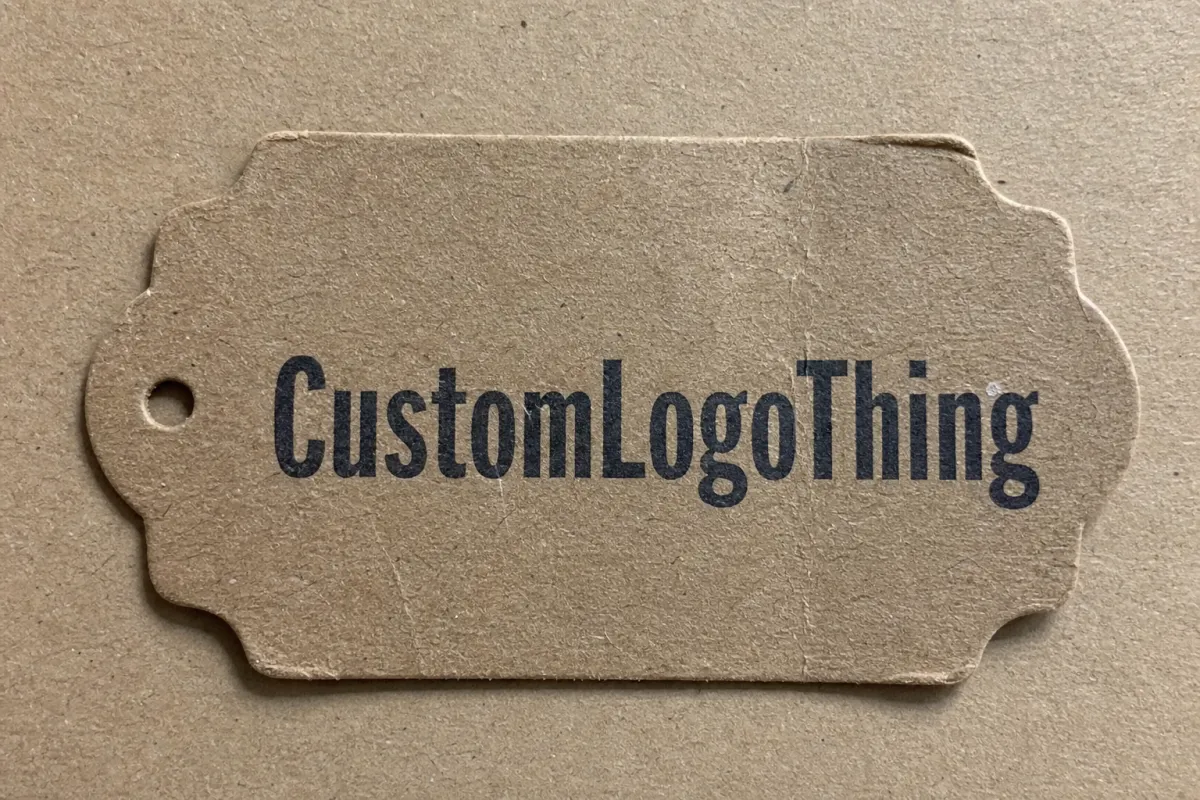
Kraft labels keep winning shelf space for a simple reason: they communicate without shouting. No heavy gloss. No metallic flourish. No coating so shiny it throws light across the aisle. The finish reads as honest, tactile, and approachable, which helps products in food, coffee, candles, soaps, supplements, and shipping categories feel steady in a crowded market.
Packaging buyers also like kraft because it solves a narrow but expensive problem. The label needs to feel premium without paying for decorative extras that add cost but little else. Brown stock hides minor flaws in the container itself. A jar with a slight seam line, a recycled pouch with rough texture, or a mailer with a scruffy edge looks calmer under kraft than under a stark white label that exposes every ripple.
That visual cue matters for brands that want an eco-minded presentation. Kraft signals natural materials quickly, and customers understand that signal almost immediately. It does not certify sustainability on its own, of course. Claims still need support. The visual language does make it easier to align the outer package with a responsible brand story instead of fighting against it.
Production buyers have another reason to favor it. Kraft handles a wide range of print designs and can be standardized across a product family with less friction. A coffee brand can keep one label shape for several roast types, swap only the color block or SKU name, and preserve a consistent system. Proofing stays simpler. Reorders stay orderly. The brand does not need a new puzzle every month.
There is a shelf psychology piece here too. Brown paper tones often read as artisanal even before the copy is read. That can help a small brand look established, or help a larger brand avoid looking overdesigned. The effect is subtle, which is why it can be useful. It does not promise luxury. It suggests restraint.
That is not the same as saying kraft fits every product. A high-gloss cosmetics line or a bright color system built around photographic imagery may need a different substrate. Kraft is strongest when the design language respects the material instead of trying to hide it. Once buyers accept that constraint, the label usually performs better.
Product Details: Paper, Adhesive, Finish, and Print Options
Kraft is not one material. That is where many buyers trip up. Surface texture, coating, and print method all change how the label behaves after the proof leaves the screen. A label that looks crisp in a digital mockup can print muddy, too dark, or too rough if the stock and ink are not matched with care.
Uncoated kraft gives the most natural feel. It has visible fiber, a flatter surface, and enough character for handmade products, bakery goods, and minimal branding. The tradeoff is print sharpness. Fine detail, small legal text, and pale colors can sink into the stock if the design is too delicate. Thin type and low-contrast elements need close attention here.
Smoother kraft sits between rustic and refined. The print lands more cleanly on the surface, so logos and small type tend to hold up better. Brands that want a cleaner retail look often prefer this version because it keeps the brown tone without forcing the artwork to fight the texture.
Premium kraft usually means a tighter surface, better print consistency, or a stronger base paper. It is a sensible choice for products that need consistent brand color across multiple SKUs. High-density artwork also benefits here, since the print is less likely to look blotchy or uneven.
Adhesive matters just as much as paper. A label with the wrong adhesive wastes ink and stock. The basic choices are straightforward:
- Permanent adhesive for retail packaging, shipping boxes, jars, and pouches that need the label to stay put.
- Removable adhesive for promotions, temporary campaigns, or packaging that may need to be reused.
- Freezer-safe or cold-chain adhesive for chilled or frozen goods where condensation and low temperatures can break ordinary bonds.
- High-tack adhesive for textured, recycled, or slightly rough surfaces where standard adhesive would fail.
Finish changes the final impression. A matte kraft label reads as natural and restrained. Spot varnish or selective embellishment can create contrast without turning the entire label into a shiny billboard. Protective coatings deserve a look if the labels face moisture, abrasion, or repeated handling. For products sitting in humid storage, packed by hand, or moving through refrigerated distribution, a little protection is cheaper than a replacement run.
Print method matters too. Digital printing usually fits short runs, multiple SKUs, and frequent artwork changes. Flexographic printing tends to work better for larger repeat orders where unit cost matters and the artwork stays stable. Exact color matching deserves a direct question. Ask about the workflow, proof process, and how closely the supplier can hold brand colors across batches. Brown kraft is not white paper. It changes how color reads, and that needs to be planned for instead of discovered later.
One detail buyers often miss is the kraft tone itself. Some labels use naturally brown kraft stock. Others print a brown background onto lighter paper to imitate the look. Those are not the same thing. Natural brown kraft will darken whites and mute light inks. A printed brown background can look more even, though it may lack the same fiber character. If the logo depends on crisp white space or very pale ink, confirm the base stock before approval.
Another practical issue is legibility. Small type that reads well on a white label may disappear faster on kraft than the design team expects. That is not a flaw in the material. It is a design choice that needs adjustment. Bump up the font weight, increase contrast, or simplify the layout before production starts.
Specifications That Actually Matter
Most label buying mistakes start with thin information. "We need a kraft label" is not enough. The quote changes with size, format, application method, and whether the label is going on a glass jar, paperboard carton, pouch, or shipping mailer. A label that works for hand application on a candle jar can be the wrong choice for a machine-applied snack pouch.
The basic specs should be settled before pricing is requested:
- Size — width and height in inches or millimeters.
- Shape — square, rectangle, circle, oval, or custom die-cut.
- Format — rolls or sheets.
- Roll details — core size, outer diameter, and labels per roll.
- Application method — hand-applied, dispenser-fed, or machine-applied.
- Finish — matte, coated, varnished, or uncoated.
- Adhesive — standard permanent, removable, freezer-safe, or specialty tack.
Those details are not paperwork for the sake of paperwork. They shape the production setup and the final cost. If the labels are going onto a labeling machine, the roll direction, unwind direction, core size, and outer diameter become critical. Guess wrong, and the labels may not feed properly. A low-cost order can turn into a slow, messy one in a hurry.
Performance specs deserve the same attention. Ask about temperature resistance, moisture resistance, oil resistance, and adhesion on textured packaging. If the labels will sit on food packaging, think about condensation, grease, and refrigerated storage. Shipping labels need abrasion and handling resistance, not just a good first impression. Packaging gets bumped, stacked, and dragged long before the customer sees it.
Two adhesive tests are worth knowing: ASTM D3330 for peel adhesion and ASTM D3654 for shear adhesion. Buyers do not need to speak in standards all day, but those references help when comparing suppliers and asking for evidence that the label will hold under real use. If your package is part of a ship-ready carton or a product that has to survive distribution abuse, the handling conditions should also be checked against transport testing guidance such as the material published by ISTA.
Artwork files matter more than many buyers admit. A clean vector file, a correct dieline, proper bleed, and outlined fonts save time and reduce proofing errors. If the file is not print-ready, delays follow. That is not a supplier flaw. It is the cost of sending a rough file into production. Tiny text, thin lines, and low-contrast artwork need extra review on kraft because the stock will not forgive weak design choices.
If the packaging claim mentions recycled content, responsibly managed fiber, or chain-of-custody language, documentation matters. Paper sourcing and certification then come into play. A supplier should explain whether the stock is certified and how the claim is supported. The FSC system exists for a reason, and buyers who care about sourcing should ask for the paperwork instead of relying on a logo and a promise.
Package context matters too. Kraft labels look strong when the design is built for the material. They look weak when someone tries to force a glossy, high-detail luxury design onto a rough brown surface. In practice, the best kraft labels use bold type, clear hierarchy, and enough empty space to let the material breathe. A crowded layout on kraft just looks tired.
For brands that are comparing multiple packaging types, it helps to think in systems, not one-off orders. A label spec that fits a jar today may not work on a pouch next month. The more a supplier understands the full packaging line, the easier it is to keep your orders aligned across materials and reorders.
Pricing, MOQ, and Quote Basics
Pricing for kraft labels wholesale comes down to a few predictable variables: material grade, size, print colors, finish, adhesive, shape complexity, and quantity. Boring, yes. Useful, absolutely. A supplier can only quote accurately if those inputs are fixed. Otherwise, the estimate wanders around like a guess with a logo on it.
MOQ is not a moral issue. It is a production reality. Smaller quantities usually cost more per label because setup costs are spread across fewer pieces. Larger orders lower the unit price because the press setup, cutting, and packing are divided across more labels. The right MOQ is not the one that sounds biggest in a sales email. It is the one that matches reorder patterns and storage space.
Think about it this way: if a new product is still being tested, a smaller run can be the sensible move even if the unit cost is higher. If sales are steady and replenishment happens every month, a larger run usually improves the cost position. The mistake is buying more labels than can be used before the next artwork change.
For a clearer comparison, the table below shows rough wholesale ranges buyers often see. These are ballpark figures, not a promise. The exact quote depends on stock, print coverage, finish, and order size.
| Label Type | Typical MOQ | Typical Unit Price at 5,000 pcs | Best Use Case | Main Tradeoff |
|---|---|---|---|---|
| Standard uncoated kraft roll labels | 1,000-2,000 pcs | $0.05-$0.12 | Simple retail branding, jars, cartons, handmade goods | Less moisture resistance and softer print detail |
| Smoother kraft with matte coating | 2,000-3,000 pcs | $0.08-$0.18 | Cleaner logos, stronger retail shelf presentation | Higher cost than plain uncoated stock |
| Custom die-cut kraft with specialty adhesive | 3,000+ pcs | $0.10-$0.24 | Textured packaging, cold storage, machine-fed applications | Tooling, setup, and proofing can add time and cost |
Quote requests should be specific. A complete request usually includes dimensions, quantity, stock preference, adhesive type, finish, artwork file, roll or sheet format, and shipping destination. If the supplier also knows whether the labels are hand-applied or machine-applied, the quote improves. Do not make them guess. Guessing is where pricing mistakes begin.
There are real ways to save money without making the label look cheap. Standard sizes cost less than highly custom shapes. Fewer ink colors reduce cost. Cleaner artwork is cheaper to proof and easier to print. Consolidating multiple SKUs into one production run can also lower setup cost. That is why many wholesale buyers plan seasonal art in batches instead of ordering one product at a time like office supplies.
Shipping and packing format can affect cost too. Labels on rolls are often the right choice for higher-volume application, but sheeted labels can make sense for smaller hand-applied runs. If the team is labeling by hand, sheets might be enough. If the labels need to feed through equipment, rolls are usually the safer bet.
For buyers comparing vendor options, our Wholesale Programs page is a good place to start if the order will repeat. Wholesale pricing only helps if the supplier can keep the spec stable on reorder. Otherwise, the savings disappear into reapproval time and avoidable production changes.
Process, Timeline, and Turnaround
The order process should feel predictable. If it feels mysterious, something is off. A normal wholesale label job usually follows a clear path: request quote, confirm specs, send artwork, approve proof, produce, pack, and ship. Each step exists for a reason, and each step can stall if the inputs are messy.
Most delays are avoidable. Missing artwork is one. Changing label size after the proof is another. Color revisions after the layout is already set can also slow the schedule. The classic mistake is waiting to confirm quantity until everything else is nearly done. That usually means the quote must be reworked, which slows production and irritates everyone involved.
Proofing is often the fastest part of the process if the file is clean. A simple job can move through proof approval quickly, while a more complex project with custom die-cuts, specialty adhesive, or difficult color matching needs more review. That is normal. There is no prize for pretending a complicated order should move as fast as a reorder.
Turnaround depends on print method and order size. Repeat digital jobs can move relatively quickly if the specs are already locked. Flexographic work usually has a longer setup because the economics improve at scale, but the workflow is different. New die lines, special shapes, and custom finishes may add days, especially if the artwork goes through several revisions before approval.
Typical timing often looks like this:
- Proofing — about 1-2 business days for clean files, longer if revisions are needed.
- Production — often 5-10 business days for simple repeat jobs, 10-15 business days for more complex runs.
- Shipping — separate from production, and it can add a few days depending on destination and method.
Buyers who want faster turnaround usually get it by reducing uncertainty. Know the exact size. Choose the finish before the quote. Confirm whether the order is a launch run or a reorder. Use a print-ready file. The fastest order is the one where the supplier does not need to solve basic questions before the press starts.
The packaging environment should be part of the approval process. A label for a pantry product may only need decent adhesion and clean print. A label for a refrigerated jar, a greasy food pouch, or a textured mailer faces different problems. If the label has to survive moisture, handling, or temperature swings, say so early. Do not wait until the first batch fails and then act surprised.
Sample approval matters for new designs. A proof on screen is not the same as a finished label on kraft stock. If the artwork uses muted colors, tiny text, or a lot of fine detail, order a sample or ask for a physical proof. It is a small expense compared with scrapping a run that does not read properly on shelf.
One more operational point: production timelines are most reliable when the label spec is stable. If the size, adhesive, or finish changes after approval, the schedule often changes with it. That is especially true on repeat wholesale orders, where buyers expect the second run to match the first.
Why Buyers Choose Us for Wholesale Orders
Wholesale buyers care more about reliability than slogans. They need consistent print quality, sensible communication, and a supplier that quotes accurately enough to avoid awkward surprises. Packaging is not a place for theater. It is a place for repeatable output.
Strong wholesale label suppliers keep quality control visible. That means checking color consistency across batches, watching adhesive performance, verifying clean die-cut edges, and making sure rolls are wound correctly. A good-looking proof means little if the roll does not feed properly or the label lifts at the edge after application. Wholesale buyers feel that pain fast because one bad batch can affect multiple SKUs, not just one package.
Support matters before production starts, not after. Buyers should be able to get help choosing the stock, checking the label size, and adjusting artwork so it works on kraft. Strong support saves time because it catches problems before they get expensive. A supplier that only answers the easy questions is not helping. It is just taking orders.
Repeat buyers usually care about three things:
- Stable specs so reorders match the original job.
- Accurate timelines so launches and replenishment plans do not slip.
- Clean production so the packaging team does not have to fix problems by hand.
That is why the loudest pitch rarely wins. The better supplier is the one that ships labels that work on the first run and stay consistent on the second, third, and tenth. The brand does not need an emotional journey. It needs packaging that arrives on time and performs as promised.
For brands building out a broader packaging line, kraft labels can sit comfortably beside other formats such as hang tags, shipping labels, and product seals. That makes them useful for companies that want a cohesive packaging system without complicating the order list. If the labels need to match cartons, pouches, or secondary packaging, a good supplier should help keep the visual system consistent across materials.
Trust also comes from plain answers. Buyers should ask for the facts: what stock is being used, what adhesive is on it, how it is printed, and what the real turnaround looks like. Clear answers usually lead to a smooth order. Vague answers tend to show up later in production, which is the expensive way to learn.
There is a difference between a supplier that can print labels and a supplier that can support a packaging program. Buyers feel that difference when a reorder needs to match a previous job exactly. That is where documentation, proof history, and good communication matter as much as the press itself.
What to Do Next Before You Order
Before placing a wholesale order, measure the package and decide exactly where the label will sit. The label should fit the surface, not fight it. A jar shoulder, a carton flap, and a flat pouch front each need different thinking. Skip that step and the label may look fine on a monitor while feeling awkward in the hand.
Then confirm the application method. Hand-applied labels can tolerate a bit more flexibility in format. Machine-applied labels need tighter technical details. That one decision affects roll size, core size, unwind direction, and sometimes the adhesive choice. If the labels are for a production line, mention that from the start. It saves time and avoids a quote that looks good until the machine tries to feed it.
Gather the exact information a supplier needs to quote well:
- Size and shape of the label.
- Quantity for the initial run and expected reorder volume.
- Artwork file in vector format if possible.
- Stock preference and whether the kraft should feel rough, smooth, or premium.
- Adhesive requirement for dry, refrigerated, textured, or high-tack use.
- Finish if the label needs extra protection or a specific look.
- Shipping target and whether the order is urgent or scheduled.
If the artwork is new, order a proof or sample. That is especially wise if the design uses small type, pale ink, or a lot of detail. Kraft can be forgiving in some ways and unforgiving in others. It can make a label feel warm and natural, then bury weak contrast without warning. The proof is where that gets caught, not after the full run is boxed and sitting in the warehouse.
Use a simple rule: if the label needs to feel natural, stay readable, and keep unit cost in range, kraft is usually the smart first option. It is not right for every design, and pretending otherwise would be dishonest. Very fine luxury artwork, ultra-bright color systems, or labels that must survive rough moisture exposure may need a different material. Even so, for a lot of brands, kraft gives the best balance of look, function, and price.
If your team is still sorting through options, the cleanest next step is to lock the spec before asking for a quote. Size, surface, adhesive, finish, and application method should all be decided together. That is the point where kraft labels wholesale stops being a vague idea and becomes a predictable purchase.
The next move is straightforward: build the spec sheet, confirm the application method, ask for the proof, and move forward only after the sample checks out. That is the clearest way to buy kraft labels wholesale, and usually the cheapest too, because you are paying for labels that fit the job instead of fixing a problem after the fact.
What is the typical MOQ for kraft labels wholesale orders?
MOQ depends on label size, print method, adhesive, and whether the job is a standard roll format or a fully custom die-cut. Smaller orders usually have a higher unit cost because setup is spread across fewer labels, while larger orders spread that cost more efficiently. The right MOQ is the one that matches your reorder pattern and storage plan, not the one that sounds biggest in a sales quote.
Are kraft labels wholesale good for food packaging?
Yes, as long as the adhesive, finish, and print method match the package surface and storage conditions. For greasy, cold, or moisture-prone packaging, the adhesive choice matters more than the label color. Always confirm whether the label will sit on glass, paperboard, plastic, or a textured pouch before ordering, because that detail changes how the label performs.
How do I get an accurate quote for kraft labels wholesale?
Send the exact dimensions, quantity, stock preference, adhesive type, finish, and artwork file. Include whether the labels are hand-applied or machine-applied, because that changes the format and sometimes the price. If you want the fastest quote, do not make the supplier guess what you meant. Guessing is where rework starts and good margins disappear.
What file do I need for custom kraft labels wholesale?
A vector file is the safest starting point, usually AI, EPS, or PDF with outlined fonts. Include bleed, correct dieline placement, and any color references needed for brand matching. If the artwork is not print-ready, proofing will take longer and the risk of mistakes goes up, especially on kraft where low-contrast details can be harder to read.
How long does production take for kraft labels wholesale?
Turnaround depends on order size, print complexity, and whether the design needs proof revisions or custom tooling. Simple repeat orders move faster than new custom sizes or jobs with special finishes, and shipping time is separate from production time. That is why kraft labels wholesale works best when the size, stock, adhesive, and format are locked before the quote, because clear specs are what keep the order moving.


