Buyer Fit Snapshot
| Best fit | Lamination for Custom Cartons projects where brand print, material claims, artwork control, MOQ, and repeat-order consistency need to be specified before quoting. |
|---|---|
| Quote inputs | Share finished size, material target, print colors, finish, packing count, annual reorder estimate, ship-to region, and any compliance wording. |
| Proofing check | Approve dieline scale, logo placement, barcode or warning zones, color tolerance, closure strength, and carton packing before bulk production. |
| Main risk | Vague material claims, crowded artwork, missing packing details, or unclear freight terms can make a low unit price expensive after revisions. |
Fast answer: Lamination for Custom Cartons: Benefits, Costs & More should be specified like a repeatable production item. The safest quote records material, print method, finish, artwork proof, packing count, and reorder notes in one written spec.
Production checks before approval
Compare the actual filled-product size with the drawing, then confirm tolerance on folds, seals, hang holes, label areas, and retail display edges. Reserve space for logos, QR codes, warning copy, and material claims before decorative graphics fill the panel.
Quote comparison points
Review material grade, print process, finish, sampling route, tooling charges, carton quantity, and freight assumptions side by side. A quote is only useful when the supplier can repeat the same color, closure quality, and packing count on the next order.
Lamination for custom cartons often decides whether a box feels finished or feels vulnerable. A carton can look excellent in a proof and still arrive with rub marks, fingerprints, or worn corners after shipping and handling. I have seen that gap between screen and shelf more than once, and it is usually the point where a brand realizes the surface finish is doing more work than the artwork alone. Once damage shows up, the design is no longer carrying the same weight it had on screen. For brands comparing Custom Packaging Products, the finish is not decoration for its own sake. It affects product packaging, retail packaging, and the way package branding holds up in the real world.
Think of lamination for custom cartons as a thin protective layer that also changes how the surface reads. It can deepen color, soften glare, and alter the way a shopper sees the carton under store lighting or in ecommerce photos. That visual shift matters. Matte can make dense text easier to live with. Gloss can sharpen bright color blocks. Soft-touch can push a carton toward a more upscale feel in an instant. The right choice depends on the artwork, the board, and the amount of handling the carton will face before it reaches a customer. You do not want a finish that fights the design, because that is a pretty quick way to make even good packaging feel off.
The practical value goes beyond appearance. Lamination for custom cartons can help resist abrasion, moisture, ink rub, and the small scuffs that build up during packing, stacking, and display. It protects a much larger investment in design and print quality. That is why brands making custom printed boxes for cosmetics, supplements, gift sets, electronics accessories, and premium retail kits often spend time comparing finishes instead of settling for the least expensive option. A carton that looks beautiful in a mockup but scuffs up in transit is not really premium; it is just expensive.
The sections that follow break down how lamination for custom cartons works, what it usually costs, what affects the timeline, and where the finish earns its keep versus where it simply adds expense. If you are weighing gloss, matte, or soft-touch, the details matter more than the marketing language, and the right answer is usually tucked inside the actual handling conditions rather than the sales sheet.
Lamination for Custom Cartons: What It Changes at First Glance
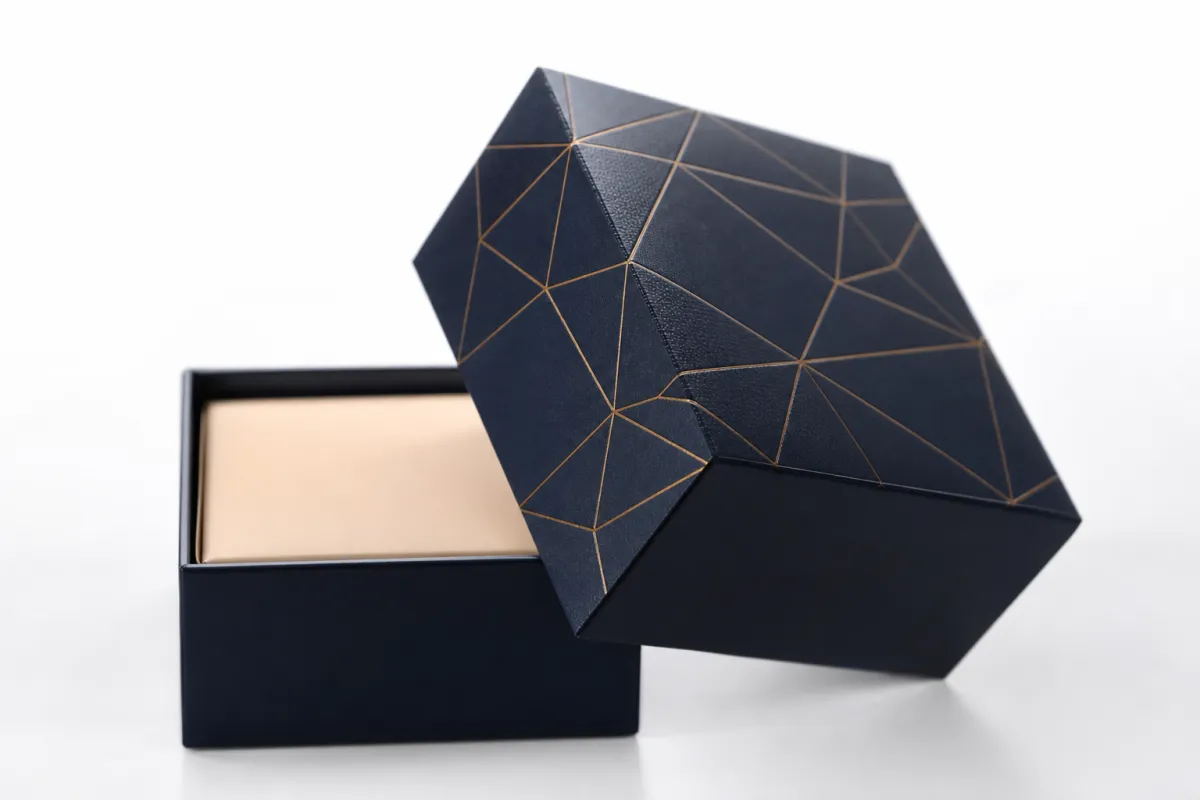
The first thing lamination for custom cartons changes is the feel of the carton before anyone reads the copy. A raw printed sheet can still look strong, but lamination changes the surface response. It can make colors appear more saturated, blacks look deeper, and edge wear less obvious. Under retail lighting, that is not a small adjustment. It can decide whether a carton feels premium, ordinary, or unfinished. In a storefront, tiny differences in sheen are often the first thing a shopper notices, even if they cannot quite explain why.
Brands often underestimate how much light affects packaging. A glossy finish reflects more, which can make bold artwork feel vivid and energetic, but it can also create glare under harsh store lighting. Matte takes the opposite path. It reduces reflection and often gives product packaging a calmer, more editorial look. Soft-touch sits in its own lane. It creates a velvety surface that people usually connect with premium retail packaging, beauty products, and higher-margin kits. That tactile cue is one reason lamination for custom cartons shows up so often in package branding decisions. The hand feel can carry a lot of emotional weight, especially for products that are meant to feel considered rather than mass-market.
There is a simple comparison that helps clients think through the tradeoff. Lamination is a little like a screen protector for a phone. Nobody buys the phone for the protector, and nobody buys a carton for the film alone. Still, that layer can be the difference between a fresh-looking surface and one that gets marked up before the customer ever opens it. The same logic applies to branded packaging that has to survive shipping, warehouse handling, and repeated touches on a sales floor.
A carton does not need to survive a factory floor to get damaged. A few friction points, a damp pallet corner, or one rough packing run can be enough to show why lamination for custom cartons is often a practical decision, not a decorative one.
Consistency is another reason brands choose the upgrade. With uncoated or lightly coated boards, handling marks can become more visible as the run goes on. With lamination for custom cartons, the surface tends to stay more uniform across the batch, which helps when the box has to do a lot of selling on its own. That matters in cosmetic launches, limited editions, subscription sets, and premium gift programs where the carton is part of the perceived value. In those categories, a little surface inconsistency can be enough to make the whole pack feel less controlled.
For brands deciding whether the change is worth it, a useful question is simple: will the carton be judged once, or judged many times? If it is judged many times, lamination is usually doing real work. If it mainly needs to get from warehouse to shelf, the case is more cost-sensitive and deserves a closer look.
How Lamination for Custom Cartons Works
At its most basic, lamination for custom cartons means applying a thin film or protective layer to the printed board. Depending on the plant and the finish specified, the film may be bonded with heat, pressure, adhesive, or a mix of those methods. Most carton converters apply the laminate to the flat printed sheet first, then move the sheet into die cutting, folding, and gluing. That order matters because the laminated surface has to behave correctly through the rest of the finishing line. If the order is wrong, problems tend to show up later in ways that are annoying to fix and expensive to ignore.
The three finish types most buyers run into are gloss, matte, and soft-touch. Gloss is the most reflective, and it often gives strong color a little more punch. Matte lowers glare and usually makes type and imagery feel more restrained. Soft-touch is the premium outlier. It has a suede-like hand feel that can make a carton memorable before the graphic design even gets the first look. For certain categories, especially beauty and luxury product packaging, that tactile response is a major part of lamination for custom cartons. A client may say they want a “nicer feel,” and nine times out of ten they are talking about this exact surface effect.
The film itself is usually thin, but thickness still matters. A common range is roughly 15-25 micron for BOPP or similar films, though the exact material depends on the supplier and the substrate. Film choice should match board caliper, ink system, and handling demands. A heavy graphics load, for example, may benefit from a surface that resists scuffing better than a basic aqueous coating would. If the carton will be folded tightly, the finish also needs to hold up at the creases without cracking at the edges. That is the part that does not get enough attention in mockups, because a flat sample can look perfect and still behave badly once it is scored and folded.
That is where lamination for custom cartons differs from a varnish or aqueous coating. Coatings are liquid layers that are applied and then dried or cured. They can be useful, and they are often cheaper, but they do not always deliver the same tactile feel or abrasion resistance. A film laminate usually gives more visible surface protection and a stronger visual effect. For many custom printed boxes, that difference is exactly the point. If the carton is going to sit on a shelf, get handled, and be photographed, the finish has to support all three jobs at once.
There is also a production issue to keep in view. The laminate must work with die cutting, embossing, foil stamping, and glue application later in the process. If the finish is too slick, glue adhesion can suffer. If the finish is too stiff, fold lines may crack. If the board and film do not match, the carton can look excellent in a mockup and behave badly on the line. That is why lamination for custom cartons is never just a surface choice. It is a process choice, and it needs to be treated that way from the start.
Lamination for Custom Cartons Cost and Pricing Factors
The cost of lamination for custom cartons depends on more than the finish. Buyers often want a single per-unit number, but printers usually have to price a stack of variables: board size, print coverage, film type, run length, waste allowance, and any extra handling after lamination. A large carton with heavy ink coverage and specialty finishing will not price the same way as a small folding carton with light artwork and standard gloss. That sounds obvious on paper, yet it is still where a lot of early estimates go sideways.
As a rough planning guide, standard gloss or matte lamination on a mid-size order can add around $0.06-$0.12 per carton at 5,000 pieces, depending on the board and the facility. Soft-touch often costs more, sometimes around $0.10-$0.18 or higher, because the film is more expensive and the process can run slower. If the run is short, the unit price usually rises because setup costs get spread across fewer cartons. That is one of the first things buyers learn with lamination for custom cartons. A short run can be perfectly reasonable, but it almost never behaves like a long run on pricing.
Here is a simple comparison that helps separate the options without pretending every job is identical.
| Finish option | Typical added cost per carton | Visual effect | Durability profile | Best fit |
|---|---|---|---|---|
| Gloss lamination | $0.06-$0.10 at mid-volume | High shine, vivid contrast | Good abrasion resistance, fingerprints more visible on dark solids | Retail packaging that needs shelf pop |
| Matte lamination | $0.07-$0.12 at mid-volume | Low glare, softer color | Good general protection, more refined feel | Premium product packaging and branded packaging with restrained design |
| Soft-touch lamination | $0.10-$0.18+ at mid-volume | Velvet-like, luxury finish | Excellent tactile appeal, but can show wear differently depending on handling | Cosmetics, gift sets, and high-end custom printed boxes |
| Aqueous coating | $0.03-$0.07 at mid-volume | Light surface protection, less dramatic | Moderate resistance, usually cheaper than film lamination | Budget-sensitive product packaging |
That table only helps if it leads to better questions. A useful quote request for lamination for custom cartons should ask for the film type, coverage area, compatibility with coatings or foil, expected spoilage, and whether proofs are included. If a supplier gives a total price without explaining run length or setup assumptions, the quote may be easy to read and hard to compare. That kind of opacity can hide a lot of cost in the margins.
The real economic question is not "What does the finish cost?" It is "What does the finish prevent?" If a $0.08 upgrade cuts scuffing, lowers the chance of reprints, and keeps a launch from arriving with dull corners, the business case can look very different from the unit adder on paper. That is especially true in lamination for custom cartons used for seasonal launches, premium bundles, and packaging design that depends on a clean surface to do the selling. The finish can pay for itself in fewer headaches, even if the per-unit line item looks bigger at first glance.
Short runs need extra caution. A 1,000-piece order may carry a much heavier setup burden than a 10,000-piece run, even when the artwork is simple. Minimum order quantities, film waste factors, and line changeover charges often shape the final number. If you are pricing several packaging solutions at once, ask each supplier to quote the same assumptions so you are comparing real numbers rather than blended estimates. That keeps the conversation honest, which is a lot more useful than chasing the lowest line item on its own.
Process and Timeline for Lamination for Custom Cartons
The production sequence for lamination for custom cartons usually starts with artwork approval and prepress checks. Once the print file is ready, the supplier confirms the substrate, ink build, and finish specification. After printing, the laminate is applied to the flat board, then the sheet dries or cures if the method requires it. Only after that does the job move into die cutting, folding, and gluing. If any of those steps are off, the finish tends to expose the problem quickly. There is not much room for guesswork once the line is running.
Most delays come from ordinary production issues, not dramatic surprises. Late artwork changes are the most common. Film stock shortages are another. Sampling can also stretch the schedule if the buyer wants to compare several surfaces before release. In a busy production window, lamination for custom cartons can be tied up by line queue time, especially if the job has to share equipment with other folding carton work. That is why a finish decision should be locked earlier than many teams expect.
A standard job may move in roughly 10-15 business days after proof approval, but that is a planning range, not a promise. Specialty surfaces, complex print coverage, or seasonal spikes can stretch the schedule. Tight launch calendars are where many teams get caught. The carton itself may be simple, yet the surface finish becomes the hidden bottleneck because it sits between print approval and the final conversion stage. If you are trying to ship around a launch date, that middle step is the one that sneaks up on you.
There is also a downstream effect buyers should plan for early. Lamination can change how the board folds and how glue behaves. That means the carton design should be checked with assembly in mind, not just visual appeal. If the closure point matters, the production sample should be tested for cracking, curl, and opening performance. For jobs that have to travel through parcel networks, it is worth asking about ISTA test methods so the packaging is evaluated under realistic transit stress rather than judged only on appearance. A good-looking carton that fails in transit is still a failure, and usually a costly one.
Here is a clean way to manage the schedule for lamination for custom cartons:
- Approve artwork only after checking the finish interaction with dark solids, fine type, and barcodes.
- Confirm the board, film, and adhesive system before printing starts.
- Request one sample round if the job is new, seasonal, or visually critical.
- Build a buffer for die cutting, folding, and final inspection, not just the lamination step.
- Protect the launch date by locking the pack-out timeline before production begins.
If sustainability is part of the brief, the material conversation should happen here too. Ask whether the board is FSC-certified and whether the laminate affects local recycling rules. The FSC site is a useful reference point for chain-of-custody questions, while local recycling guidance usually determines what happens after the carton reaches the consumer. A good supplier should answer those material questions directly instead of skimming past them. If the answer is vague, keep asking until it is not.
Key Factors That Decide the Best Lamination Finish
Brand personality is the first filter. Lamination for custom cartons should support the promise the brand already makes. Gloss works well for energetic, high-contrast visuals. Matte makes a carton feel quieter and more controlled. Soft-touch can signal luxury, care, and a more sensory experience. If the packaging design is bold and modern, gloss may strengthen the message. If the brand is minimal and editorial, matte often fits better. Neither is automatically better; the point is to avoid a finish that contradicts the rest of the design language.
Environment is the second filter. A carton sitting under bright retail lighting faces a different visual test than a carton used mostly for ecommerce or subscription fulfillment. Bright stores can make glossy surfaces flash under spotlights. Warehouses can create scuffing and corner wear. Humid storage may affect board behavior. A carton for cosmetics in a boutique does not face the same pressures as a carton for club packs or warehouse-distributed custom printed boxes, so lamination for custom cartons should match the route the carton will actually travel. A finish that behaves beautifully on a display table might look pretty ordinary after a few days in distribution.
Readability matters more than many people expect. Some finishes deepen blacks and enrich color, but they can also soften fine type if the artwork was already close to the edge. Thin sans serif fonts, tiny ingredient copy, and barcodes deserve a close look. If the design depends on sharp text or subtle line work, the finish should be tested under the same lighting and camera conditions the final carton will see. That is especially true for package branding that has to perform both on shelf and in a customer photo. I always tell teams to judge the pack the way a shopper will actually encounter it, not the way it looks in a clean PDF on a bright monitor.
Functional requirements sit right alongside the visuals. Lamination for custom cartons can improve resistance to scuffing, fingerprinting, and ink rub, but not all films behave the same on corners or closure flaps. If the carton uses embossing, spot UV, or foil, the finish must work with those effects instead of competing with them. Complex structures can look expensive in a sample room and awkward on a packing line if the material stack was never tested together. That is one reason sample approval is not just a formality; it is the place where the carton tells the truth.
For a practical checklist, ask these questions before signing off:
- Will the finish support the brand story in retail packaging, not just in a flat mockup?
- Does the surface still look good after handling, stacking, and light abrasion?
- Are the barcode, small text, and regulatory copy still easy to scan and read?
- Can the carton still fold cleanly and hold glue correctly after lamination?
- Do embossing, foil, and other embellishments still look deliberate rather than crowded?
That last point matters more than many teams expect. Too many finishes stacked together can make a carton feel busy instead of premium. A smart use of lamination for custom cartons is not about piling on every effect available. It is about choosing one surface decision that supports the rest of the design and the product category. Sometimes the most polished result is the one that stays out of the way and lets the rest of the package do its job.
Common Mistakes With Lamination for Custom Cartons
The most common mistake is judging the carton only by a screen mockup. Lamination for custom cartons changes how light moves across the surface, and that shift is hard to judge in a PDF. A finish that looks elegant online can feel too reflective in real life, or too flat, or too heavy-handed. Sample boards viewed under real lighting are always more reliable than a digital assumption. If you can, view them in the same kind of light the carton will actually see, because the difference can be surprisingly big.
Another frequent miss is ignoring handling. A carton may sit beautifully on a desk and still scratch quickly in transit. Dark solid panels are notorious for showing rub marks if the finish is not chosen carefully. Fingerprint resistance matters too, especially for high-touch retail packaging. If the box is likely to pass through many hands, lamination for custom cartons should be selected with that contact pattern in mind rather than only for the first unboxing moment. That is a small shift in thinking, but it prevents a lot of unnecessary disappointment later.
There is also a margin trap. Some brands specify a premium finish for products that do not justify the added cost. That does not mean the carton should look cheap. It means the finish should fit the SKU economics. A soft-touch laminate on a low-value item can wipe out profit quickly. A cleaner matte or a well-managed gloss finish may be the better move for product packaging with tight cost control. Not every carton needs to feel like a prestige object, and pretending otherwise can create a pricing problem that nobody wants to explain later.
Skipping structural testing is another expensive habit. If the laminate changes fold memory, crack resistance, or glue bond, the carton may fail after die cutting or on the assembly line. That is especially risky for new shapes, intricate closures, and cartons that need precise score performance. Lamination for custom cartons should be checked alongside die cutting and carton erection, not after the rest of the spec is already locked. A carton can be beautiful and still be a headache to assemble, which is a bad trade any day of the week.
Finally, many teams forget the operational side. The carton still has to work for packers, scanners, inventory systems, and shipping teams. A finish that obscures a barcode, reflects too much under a scanner, or causes gluing issues creates cost downstream. That is why strong packaging design teams test both the visual result and the mechanical result before approving the run. The best finish is the one that survives the warehouse, not just the sample table.
The best result is usually not the most dramatic one. It is the finish that behaves well, looks clean, and supports the job without creating extra work. That is the real value behind lamination for custom cartons.
Expert Tips and Next Steps for Better Results
If you want fewer surprises, start with a sample matrix. Test two or three finishes on the same artwork and compare them under retail lighting, desk light, and camera flash. That simple step often reveals differences a proof file hides. A gloss sample may sharpen color more than expected. A matte sample may cut glare but also mute a carefully tuned brand red. Lamination for custom cartons is easier to choose once you see it under multiple light sources. A decision made from one perfect-looking sample under one light can be kind of misleading.
Ask for a spec sheet before you commit. The sheet should list the board, film type, approximate thickness, expected turnaround, MOQ, and known limitations. If the supplier cannot give you that information clearly, the job is not ready for signoff. The more precise the spec, the easier it is to compare options from one vendor to another. This is especially useful if you are also reviewing custom printed boxes for other SKUs at the same time. Clean specs save time later, and they keep the decision grounded in facts instead of vibes.
Build a simple approval checklist and use it every time. It can include scratch resistance, fold performance, color shift, barcode readability, and tactile feel. That kind of checklist sounds basic, but it stops a lot of expensive rework. It also gives marketing, operations, and procurement a shared language, which helps when packaging decisions move across departments. If everyone is judging the same sample against the same criteria, the final signoff is a lot less messy.
A pilot run is worth serious consideration for any new carton, seasonal release, or high-visibility launch. The reason is straightforward: one small issue caught early is cheaper than a full reprint after launch. If you are adding embossing, foil, or a new carton structure, the pilot matters even more because the interaction between finishes is where many problems show up. Lamination for custom cartons should be treated as part of the total system, not as one decorative line item. If there is any doubt, test first and print second.
Here is a compact decision path that tends to work well:
- Decide the business goal first: protection, shelf appeal, tactile premium feel, or all three.
- Match the finish to the environment the carton will actually face.
- Ask for a sample, not just a description.
- Check the production impact on folding, glue, and die cutting.
- Compare the finish cost against damage reduction and reprint avoidance.
For buyers who need a broader packaging refresh, Custom Packaging Products can be a useful starting point because finish selection rarely happens alone. The carton structure, board choice, and surface treatment should all support the same brand goal. When those pieces line up, lamination for custom cartons stops feeling like a line item and starts functioning as part of the packaging strategy. That is usually where the real value shows up, not in the brochure language, but in the cartons that arrive looking right and stay that way.
What to Take Away
The simplest way to think about lamination for custom cartons is this: it protects the carton, changes how the design reads under light, and can materially affect how premium the package feels in hand. That combination is why the finish is so often tied to product packaging, retail packaging, and stronger package branding. It is also why the decision should be made with real handling conditions in mind, not only with a polished render. A carton is judged in motion, under bad light, and after a few touches; the finish has to hold up in all of those moments.
If the carton has to survive friction, fingerprints, moisture, or shelf handling, lamination for custom cartons is often worth the added cost. If the product is low-margin and the carton is doing only basic protective work, a lighter coating or simpler finish may be the smarter economic choice. There is no universal answer. It depends on the substrate, the artwork, the run size, and the first impression the brand wants to create. That is why a one-size-fits-all finish recommendation usually falls apart once the real production details show up.
The best next step is usually a test, a quote comparison, and a production check in that order. Ask for samples on the actual board, view them under the light where the carton will be seen, and confirm how the finish affects folding and gluing before you approve the run. If there is one practical point to carry forward, it is this: lamination for custom cartons should earn its place by improving both appearance and performance, not by sounding premium on a spec sheet. Approve the finish only after it proves it can protect the carton, support the artwork, and survive the handling it is gonna get.
What does lamination for custom cartons actually do?
It adds a protective layer that helps reduce scuffs, rub-off, and handling damage. It also changes the look of the surface, which can make colors feel richer and the carton feel more premium. For many brands, lamination for custom cartons improves shelf appeal and day-to-day durability at the same time.
Is matte or gloss lamination better for custom cartons?
Gloss usually works better when you want brighter contrast and a more eye-catching retail look. Matte is often the better choice when you want less glare and a quieter, more refined appearance. The best answer depends on lighting, brand style, and how the carton will be handled. In many cases, lamination for custom cartons is chosen by viewing samples in real lighting rather than by guesswork.
How does lamination affect custom cartons cost?
It adds material and production expense, especially for specialty finishes like soft-touch. Shorter runs usually carry a higher per-unit impact because setup costs are spread across fewer cartons. The true cost should also include the value of fewer scuffs, fewer reprints, and fewer damaged-packaging complaints. That is why lamination for custom cartons should be priced as both a finishing cost and a risk-reduction tool.
Does lamination change the production timeline for custom cartons?
Yes. It can add steps for film application, curing, inspection, and finishing. Specialty films, sampling, and stock availability can extend the schedule further. If you have a launch date, build buffer time into the plan before ordering lamination for custom cartons so the finish does not become the hidden delay.
Can laminated custom cartons still be recycled?
Sometimes, but it depends on the laminate type, the paperboard, and local recycling rules. Some films are harder to separate from fiber than others, which can affect recyclability. If sustainability matters, ask your supplier for the exact material makeup before approving the finish. That question is especially relevant when lamination for custom cartons is paired with FSC-certified board or other fiber-based packaging goals.

