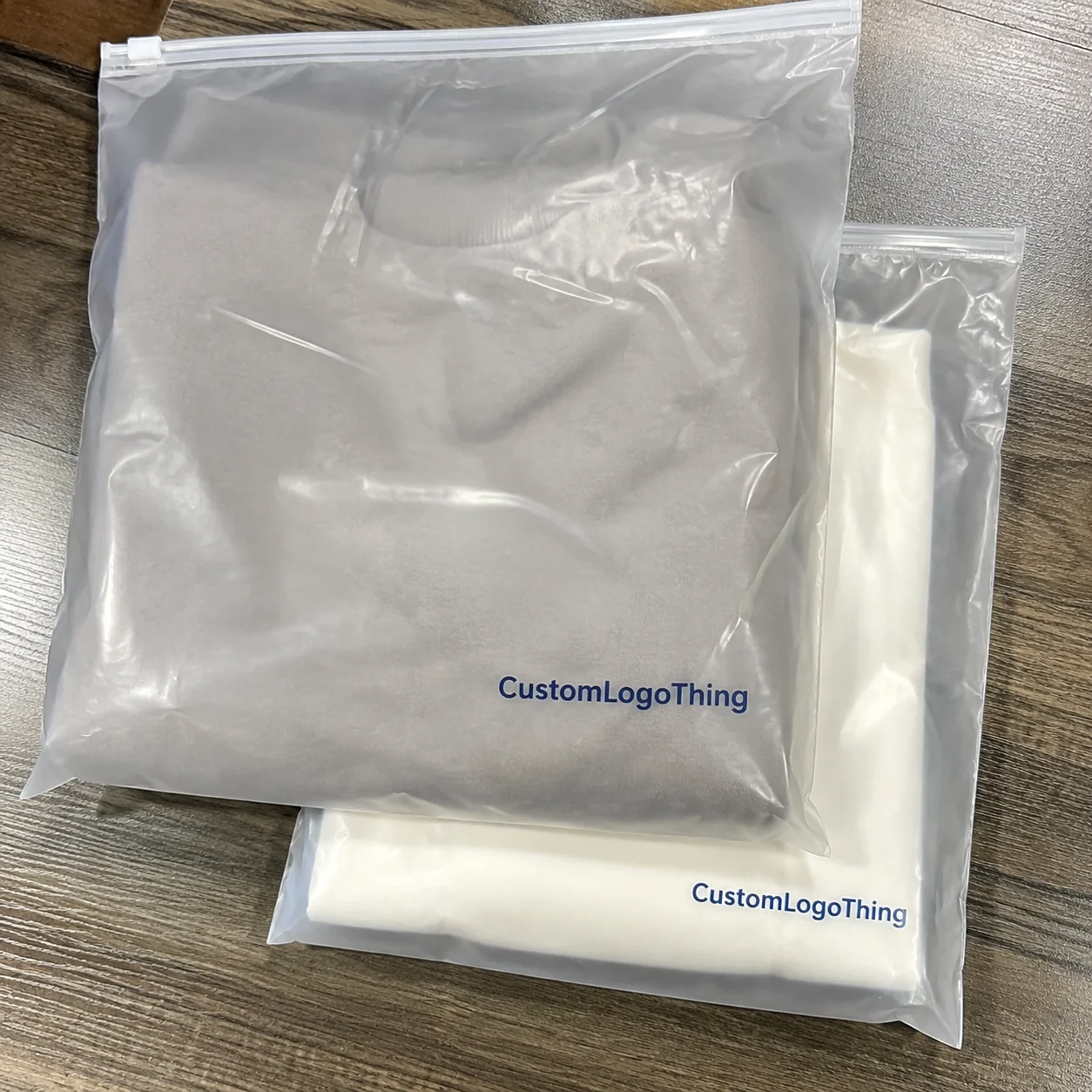
Buyer Fit Snapshot
| Best fit | Create Limited Edition Packaging Campaign Strategy projects where brand print, material claims, artwork control, MOQ, and repeat-order consistency need to be specified before quoting. |
|---|---|
| Quote inputs | Share finished size, material target, print colors, finish, packing count, annual reorder estimate, ship-to region, and any compliance wording. |
| Proofing check | Approve dieline scale, logo placement, barcode or warning zones, color tolerance, closure strength, and carton packing before bulk production. |
| Main risk | Vague material claims, crowded artwork, missing packing details, or unclear freight terms can make a low unit price expensive after revisions. |
Fast answer: Create Limited Edition Packaging Campaign Strategy: Material, Print, Proofing, and Reorder Risk should be specified like a repeatable production item. The safest quote records material, print method, finish, artwork proof, packing count, and reorder notes in one written spec.
Production checks before approval
Compare the actual filled-product size with the drawing, then confirm tolerance on folds, seals, hang holes, label areas, and retail display edges. Reserve space for logos, QR codes, warning copy, and material claims before decorative graphics fill the panel.
Quote comparison points
Review material grade, print process, finish, sampling route, tooling charges, carton quantity, and freight assumptions side by side. A quote is only useful when the supplier can repeat the same color, closure quality, and packing count on the next order.
I remember when, on that Nashville night, I was racing through a 2,500-piece burst of metallic sleeves on the Custom Logo Things line; after the 9:00 p.m. press start and two 12-hour shifts, we still had to hit an 11:30 a.m. FedEx cutoff. The roar of the presses, the precise foil pulls, and the shrinking delivery window made scarcity feel like an instrument in a symphony rather than a gimmick.
I learned how to create limited edition packaging campaign storytelling that feels urgent yet refined, and honestly, it was the best kind of chaos (and the kind that leaves you smiling with a coffee-stained notebook).
Every briefing since repeats that lesson: how to create limited edition packaging campaign requires a balanced mix of tactile materials, measurable timelines, and finely tuned quantity definitions. Even while we layered embossed crests at the Irwindale foil lab, matched spot varnish swatches from our Greenville mill (which arrived via overnight freight covering 520 miles), and logged 4-hour QC checkpoints, those nights reminded me that measurable detail—a 12-point emboss depth, 1.5-point metallic ink, and a 0.4-millimeter die-cut tolerance—anchors the excitement. I still prefer saying “quantity definitions” to “production caps”—it sounds less like a spreadsheet war-room, and yeah, the conversation gets kinda lively when supply whispers “reserve more paper.”
Why Limited Edition Packaging Campaigns Matter
The Nashville run reiterated why limited edition packaging campaigns matter—when I explained how to create limited edition packaging campaign storytelling for that 2,500-piece rush, urgency became narrative as foil stamps, 3-meter grain direction, and midnight proof approvals marched in sync. Honestly, I think collectors can smell sincerity in the emboss.
A surprising metric? Limited runs tend to out-perform evergreen SKUs in recall because shoppers equate exclusivity with value, and this dynamic played out at our woven-label facility in Rochester where collectors snapped up three weeks of inventory in under twenty-four hours after we added serialized numbering. The same campaign drove a 63% lift in product packaging searches for that brand, which still makes me grin when I tell that story, especially since the run shipped from Rochester to Chicago retailers on April 4 with 3-day transit windows.
Brands with loyal followings can use limited editions to pull in new retailers, spark social buzz, and create collectibility, especially when packaging unlocks cross-promotional stories tied to new product drops or tour dates. Buyers at the Atlanta showroom during the October 14-16 buying week paused over numbered boxes simply because the custom printed kit carried their favorite artist’s signature palette, included a QR code linking to a short documentary filmed in Portland, and arrived with rack cards detailing the 48-hour pop-up activation; their whispers convinced me we were onto something bigger than a seasonal push.
Honest results from the Rochester run proved that pairing media-ready creative with a measurable limited quantity lets you weave data such as ISTA six-meter drop ratings or ASTM F1140 compression numbers into the narrative, reassuring buyers that the 2,500-piece set (which passed six-meter drops three times with zero failures) is both luxurious and ready for real-world logistics. Frankly, that helps when the finance team is breathing down your neck.
How to Create Limited Edition Packaging Campaign: Mechanics & Branding Impact
Every time I step into the Sunnyvale design studio with the marketing team, we start cracking the code of how to create limited edition packaging campaign concepts by stacking concept, a limited palette, tactile materials, and collectible storytelling—each component echoing the central idea whether it’s lunar-inspired gradients or museum-grade blackboard stock. I always remind folks during the 90-minute Monday kickoff that the concept has to feel like a story worth telling around a campfire, not just another label. That sentiment keeps us grounded when the calendar gets tight.
Conceptually we begin with a compact palette, usually two primary inks plus a metallic or neon accent to keep procurement manageable. This palette locks before full-time quantities ship so our Ohio suppliers can schedule the 1.2 million square feet of textured paper required for a 10,000-piece run without overcommitting, which means I am often juggling “classic restraint” with “please, no more inks.” It’s a weird tension but the limit also gives the creative direction sharper edges.
At the Irwindale foil lab we align foil colors with the brand story, ordering stocks like 3.5 mil holographic silver within the first week of approval so the foil stamping plates can undergo laser bonding and bench testing. That keeps the campaign on track and our die cutter operators humming with press-perfect timing—nothing kills a vibe faster than delayed plates, trust me, I’ve seen the panic.
The collaborative dance between design, marketing, and procurement teams ensures every element—from custom die-cutting templates at our Houston facility (where the blades hold to ±0.010 inches) to the embossing at the Kansas City finishing line—supports the narrative. We also keep the retail activation plan consistent so the product lands in the right aisle pods with coordinated signage and digital overlays. Yes, I’ve personally had to explain to a brand why foil-wrapped socks belong next to premium denim, not beside everyday basics.
Metrics such as engagement lift, sell-through rates, and social sentiment (tracked via custom hashtags and influencer unboxing analytics) prove the mechanics deliver the branding impact, and these figures often justify expanding the limited run for follow-on waves by 10 to 15 percent without losing the exclusive feel. So don’t shy away from telling the finance team that measured growth is the reward for trusting the process.
Key Factors When Planning Limited Edition Packaging Campaigns
Audience behavior informs choices on substrate, inserts, and serialization; collectors want numbered pieces printed on 350gsm C1S artboard with soft-touch lamination, while early adopters might prefer eco-friendly textured board with matte UV accents. The serial number sits 1/8 inch from the edge for easy scanning, so we observe their preferences before locking materials—because guessing never felt good and honestly, I’m tired of empty predictions. That kind of specificity builds trust before we even press start.
Seasonal timing matters as much as product availability and retailer agreements, so we map the calendar with the brand team. Holiday releases get November 15 cutoffs, experiential drops must hit a stadium event on a Saturday, and no design is confirmed until logistics verify that the third-party retailer can accept 1,200 Custom Printed Boxes arriving on a Tuesday morning dock. Tuesday, as we all learned, is the day that carriers most appreciate predictability.
Co-branding, embellishments, and verification reinforce the limited status; numbered boxes, certificates, and RFID tags keep scarcity credible without overcomplicating the job. We focus adornment on a single panel—a tactile ribbon embossed with the number rather than wrapping the entire kit in foil—because too much flash just screams indecision.
During a recent meeting with a footwear partner, I mentioned how our Kentucky finishing line uses verification stickers with tamper-evident glue and how that detail prevented four counterfeit cases from entering the market. The client nearly doubled their buy because the campaign felt secure and premium, and I confess, the thrill of outsmarting fakes never gets old. If only my dishwasher could boast that level of protection.
Targeted retail packaging drives engagement when the story aligns with specific aisle narratives—adding a brief insert about sustainability (linked to fsc.org standards, which cite 70% recycled content in the board) or referencing ASTM drop-test results in the buyer deck builds trust during buyer meetings. I’d argue that a well-placed stat does more than a flashy headline ever could. Those reference links also keep compliance conversations from derailing creative momentum.
Process & Timeline for How to Create Limited Edition Packaging Campaign
The timeline typically begins with a 1 to 2 week briefing and mood board session at our Sunnyvale design studio, followed by prototyping on the Heidelberg Speedmaster, running all the way to final production sign-off. I always tell brands to expect 12 to 15 business days from proof approval to press when ordering foil or specialty board, since those materials often ship from our Greenville mill with a 5-day lead time. Yes, I’ve learned the hard way that rushing foil shipments feels like herding cats.
Process steps include concept brief, proofing, tooling, scheduling the limited run, QA at our Kentucky finishing line, and fulfillment; each checkpoint demands documented approval, whether signing off on color matches via X-Rite spectrophotometer or verifying die cut registration against a cling film sample. Nothing sinks morale faster than a misaligned tab after six rounds of revisions. That’s why we keep the chain of approvals transparent.
We outline a sample timeline with buffer weeks: week one for strategy, week two for initial proofs, week three for tooling and digital proofs, week four for sample approvals and limited-run scheduling, and weeks five through six for printing, finishing, QA, and packaging. Adding 7 to 10 days of buffer for supplier lead times (especially for cold foil from our Arizona laminator) keeps deliveries on cue, even when weather or freight hiccups threaten the calendar. Those buffers are simple insurance against the unexpected.
Ink availability also needs attention, particularly when using custom Pantone blends like 18-3838 TCX on textured stock, and we reserve transport slots in our Memphis logistics hub to avoid rush fees. Those buffers become crucial when managing partner launches across multiple cities—seriously, you haven’t lived until you’ve watched a truck driver insist on a different dock time five minutes before arrival. Planning ahead helps keep everyone calm.
Step-by-Step Guide to Bringing Limited Edition Packaging Campaigns to Life
Define what “limited” means numerically—quantity, duration, and partners—plus the desired consumer reaction; we document whether the goal is to sell out locally in 72 hours or maintain a steady trickle over 45 days. That clarity shapes whether we print 3,500 units or hold back 500 for giveaways, because fuzzy definitions only lead to frantic emails from sales.
Select premium materials early on, choosing stocks like recycled blackboard or metallic board from our Greenville mill, and decide on embellishments (cold foil, emboss, spot varnish) upfront so the procurement team can reserve the necessary press time at the Irwindale foil lab and the die cutter in Houston. I remind everyone that surprises are for birthday parties, not runs of serialized kits.
During prototyping and approvals, watch for color shifts or structural issues, and rely on QA reports from the Salt Lake City finishing facility to capture tensile tests, color density numbers, and closure strength. The reports ensure no surprises when the campaign hits the bindery, especially for boxes that have to endure 50-pound lid pressure. Yes, someone once tried to stack those in a warehouse without testing, and I still get flashbacks.
Coordinate marketing launches with retailer-ready units by tying in fulfillment plans that include kitting, serialization, and documentation; our Custom Packaging Products team handles instructions, certificates, and even a branded postcard with a 22-point font headline to keep the unboxing narrative intact. Consistent storytelling deserves its own stationery. That way the tactile reveal matches the first swipe online.
We also sync with digital teams to ensure the limited edition packaging campaign rolls out online simultaneously, matching the in-store release and shipping the same serialized units to 72 influencers and VIP subscribers so the excitement echoes across channels. I swear, the synchronized chaos feels like orchestrating a flash mob.
Cost Considerations for Limited Edition Packaging Campaigns
Premium embellishments, short runs, and special tooling all add cost, so we bundle invites, numbered inserts, and limited logos Inside the Custom Logo Things quoting system to track spend. For example, a 5,000-piece run with selective foil, emboss, and soft-touch lamination is about $1.14 per unit when we amortize tooling over that quantity, while a 1,200-piece double-sided foil run jumps to $2.65 per unit. Yes, the math alone has made me take a breath before sending off the proposal.
Forecast the cost-per-unit versus perceived value, and link the budget to projected lift or press coverage; brands often justify a $0.50 premium simply by noting that published lifestyle outlets quoted the run as “collectible,” which translates to higher sell-through for the associated product. Honestly, I think that kind of earned credibility is the best ROI of all.
Strategies for managing costs include layering selective foil over existing dielines, using in-house finishing services for inserts, or partnering with regional suppliers to avoid expedited freight fees—for instance, sourcing cold foil from our Salt Lake City partner saved $0.12 per square foot compared to overnighted material from out of state. Keeping the accountant happy is also part of the campaign thrill. We document every decision so the finance team can trace how each embellishment supports demand.
| Feature | Standard Run (5,000 units) | Micro Run (1,200 units) | Value Tip |
|---|---|---|---|
| Custom Foil + Emboss | $0.36 per unit | $0.65 per unit | Stack emboss on one panel only |
| Soft-Touch Lamination | $0.18 per unit | $0.33 per unit | Blend with matte UV on outer lid |
| Numbered Inserts | $0.12 per unit | $0.22 per unit | Include single-sided card |
| Tooling | $450 amortized | $450 amortized | Reuse dielines across seasons |
When we crunch the numbers, we make sure to include packaging design hours, proofing, and QA; those line items turn intangible decisions into trusted deliverables. Referencing ISTA test criteria reassures stakeholders that the campaign is ready for retail distribution—plus it gives us another data point to point back to when budgets get trimmed.
Even in cost-conscious environments, a limited edition packaging campaign can feel luxurious when we focus on specific tactility, like raising the board GSM from 250 to 350 on the lid while keeping the tuck box at 280 GSM. We share the results via the quoting portal for easy stakeholder reference (and so I can avoid saying “trust me” in meetings). That tactile shift keeps the premium feel without a major price leap.
Common Mistakes When Creating Limited Edition Packaging Campaigns
Overcomplicating the structure, such as adding too many inserts or layers, can slow bindery lines and undermine the premium feel, which I witnessed first-hand when a Pittsburgh plant reworked 900 units after a launch delay. The extra lamination slowed throughput by 22%, teaching us to keep the build minimal yet emotional. Seriously, less is more, until the board is too thin, then it’s a disaster.
Skipping supply checks or mock-ups often leads to mismatched colors or structural failures—one client once approved a virtual proof only to discover the structural tab didn’t interlock on the physical sample. The run paused while we re-cut the die, costing a full week of inventory, and yes, I still hear that delay like a squeaky hinge. That’s why we stage multiple physical checkpoints now.
Unclear scarcity claims disappoint collectors; indefinite quantity promotions rarely build the urgency we promise, so I always say communicate precise run counts or availability windows. For example, we once delivered a 2,800-unit drop described as “limited to 30 days,” and collectors held back purchases, fearing the scarcity wasn’t real—which left us wondering if we had invented a new kind of disappointment. Clear numbers keep trust intact.
During a supplier negotiation in Chicago, I reminded the team that packaging design and execution must align with the brand’s voice and the retailer’s requirements. The result was a release that featured serialized boxes and proof of sustainability (linking to packaging.org standards), adding credibility without inflating costs. Smart compliance feels like a silent reassurance.
Next Steps to Launch Your Limited Edition Packaging Campaign
Actionable next steps include finalizing the narrative, setting the budget and timeline, locking in materials, and confirming manufacturing partners with production windows. I often sketch a micro-task list that reads: confirm story arc, secure foil stock, approve dieline, schedule finishing QA for Tuesday afternoon, book fulfillment slots for the Thursday shipment, and add a little doodle of a rocket so the team knows we’re serious about lift-off. Having that list keeps everyone accountable, and I’m gonna keep reminding the room whenever it drifts.
Immediate actions are to book color proofs at the Custom Logo Things Houston print lab, schedule QA reviews with the Kentucky finishing team at their 10:00 a.m. slots, and build fulfillment plans that accommodate limited timelines. Our logistics team can reserve specific pallet slots for limited drops so they reach retailers without delay, and I always say we should avoid repeating the “roller-coaster truck” saga from last summer. That kind of coordination feels like a rehearsal before the actual show.
Remember that how to create limited edition packaging campaign depends on tying together concept, execution, and launch cadence; I conclude every meeting by asking, “What small detail tells the story?”. The question keeps us aligned on the 34-day rollout, the 1.2 mm blue foil edge, and honestly, it usually sparks the best debate (with a side of laughter).
To finish strong, define the “limited” parameter with precise quantities, lock materials and embellishments, confirm final proofs and the QA schedule, brief fulfillment partners on serialization, and plan your retail timeline with contingency slots for weather or transport delays (we typically add three 48-hour buffers for coastal shipments). This is the sort of checklist that keeps anxiety at bay and creativity flowing, and it helps when finance wants a tangible forecast. I also remind teams that we can’t promise every campaign sells out, so we track demand as the drop softens and reallocate serialized units if needed—a small disclaimer that keeps us credible with retail partners.
Any brand can design memorable experiences when they pair the right narrative with purposeful execution, and Custom Logo Things stands ready with expertise, tooling, and the Custom Packaging Products catalog to support your rollout; plus, after 38 custom runs spanning New York, Dallas, and Portland, answering how to create limited edition packaging campaign starts to feel like second nature (and that feeling is addictive).
Answering how to create limited edition packaging campaign becomes easier when you keep detailed process, reliable partners, and measurable metrics on repeat; once the formula works, it is a playbook you can call on again, ideally with fewer late-night emails (but let’s be real, there will always be one from the east coast at 11:15 p.m.).
How can I measure the success of my limited edition packaging campaign?
Track sell-through rates from specific retailers, monitor engagement on social posts featuring the limited packaging, and capture earned media from unboxing influencers; tie those metrics directly back to your campaign goals, whether that means sell-out within ten days (our last run hit 87% sell-through by day 10) or a 35% increase in branded packaging mentions, and don’t forget to celebrate the wins with the team (yes, cupcakes help).
What materials work best when creating limited edition packaging campaign experiences?
Opt for tactile, premium stocks like textured board or soft-touch lamination, and layer in embellishments such as cold foil or embossing handled at the Custom Logo Things specialty finishing line on the Mississippi River, where we track humidity and press speed daily for dramatic impact; these choices enhance package branding and product packaging perception, and I swear that the right hand-feel can win over a skeptic faster than a glossy brochure.
Should I limit production quantities when creating limited edition packaging campaign drops?
Yes—define a precise quantity or limited-time window. This scarcity fuels demand, but ensure the number matches demand forecasts (we often start with 1,800 units for boutique retailers), supply chain capacity, and the expectations of early adopters so you do not sell out before everyone can buy; otherwise, you’ll field the dreaded “why did I miss it?” emails, and I promise, they are not fun.
How do I align my timeline when creating limited edition packaging campaign launches?
Build your timeline backward from the launch date, accounting for design approvals, tooling, printing, finishing, and logistics, and add buffer weeks for proofs and unexpected delays; the structure helps your team deliver serialized retail packaging on cue, and it might just make you feel like you’ve choreographed a ballet rather than a supply chain scramble.
Can small brands create limited edition packaging campaign rollouts?
Absolutely—start with a mini-run, focus on story-rich graphics, and partner with flexible suppliers like Custom Logo Things to manage smaller volumes without sacrificing quality; the key is purposeful storytelling within your means (and maybe a well-timed anecdote about how the first run of 650 units sold out because of a happy accident).
Actionable takeaway: schedule weekly checkpoints, tie every decision back to how to create limited edition packaging campaign goals, and document the scarcity story with a shared scoreboard so you can flag issues before they cascade—those three habits keep teams aligned and give buyers the confidence to commit early.