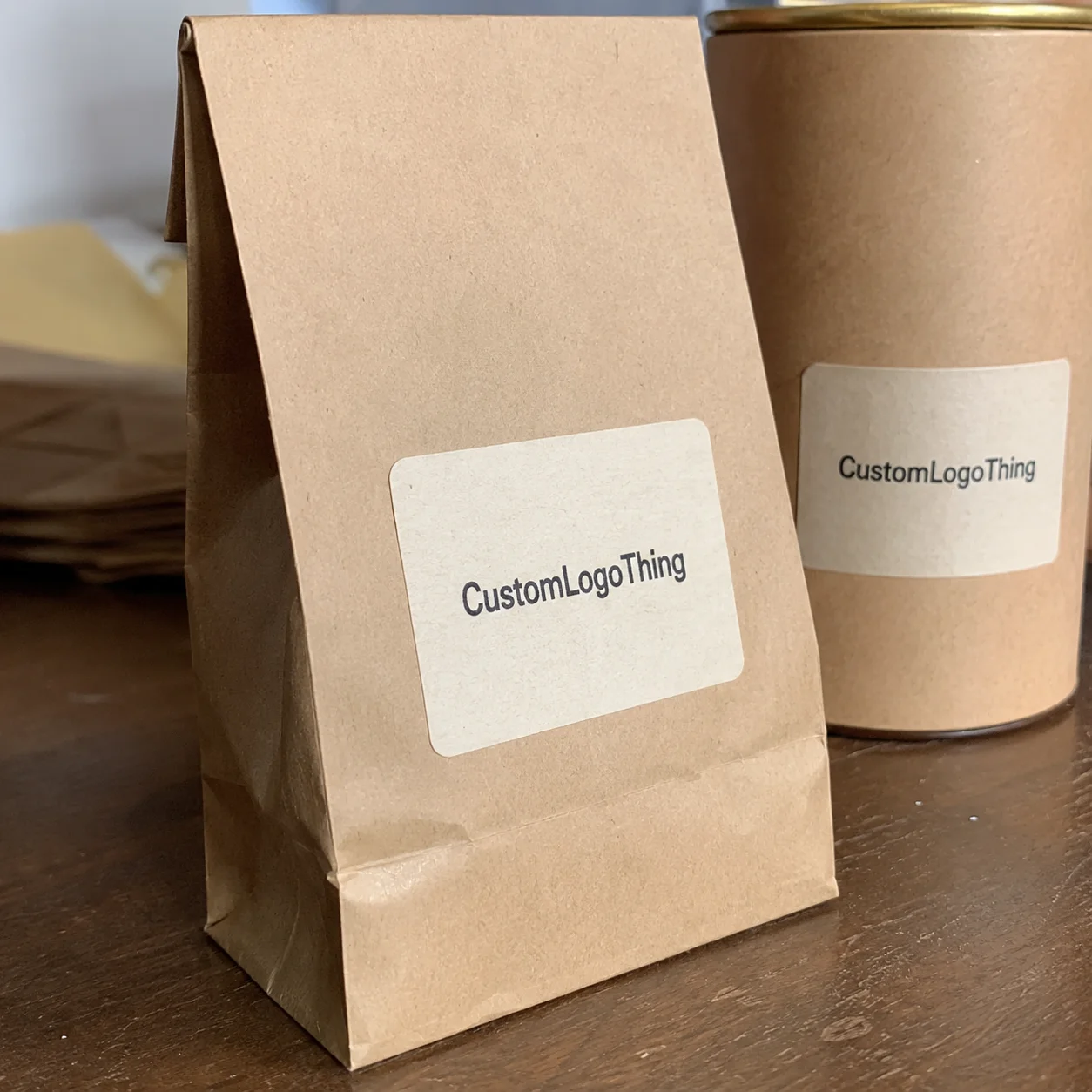
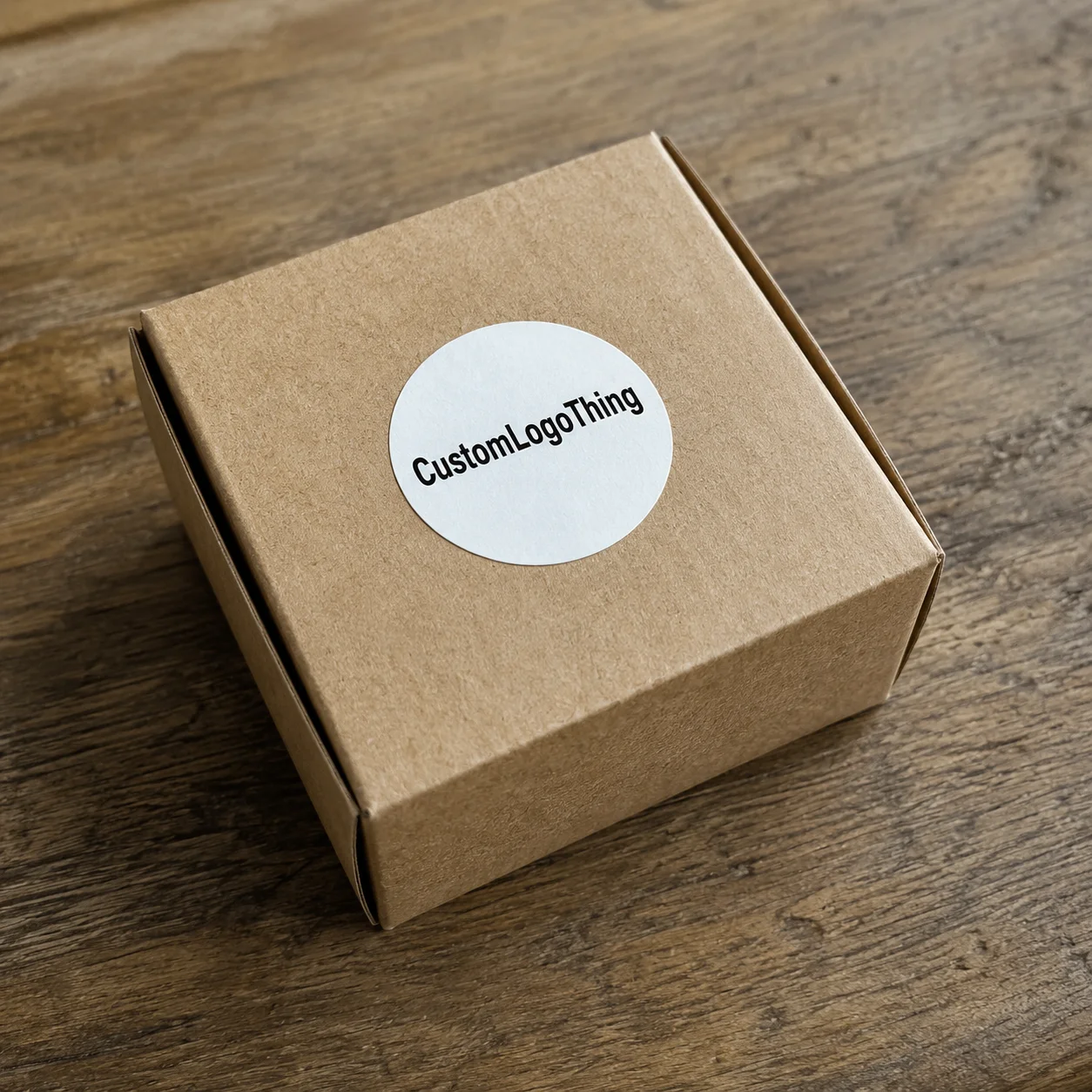
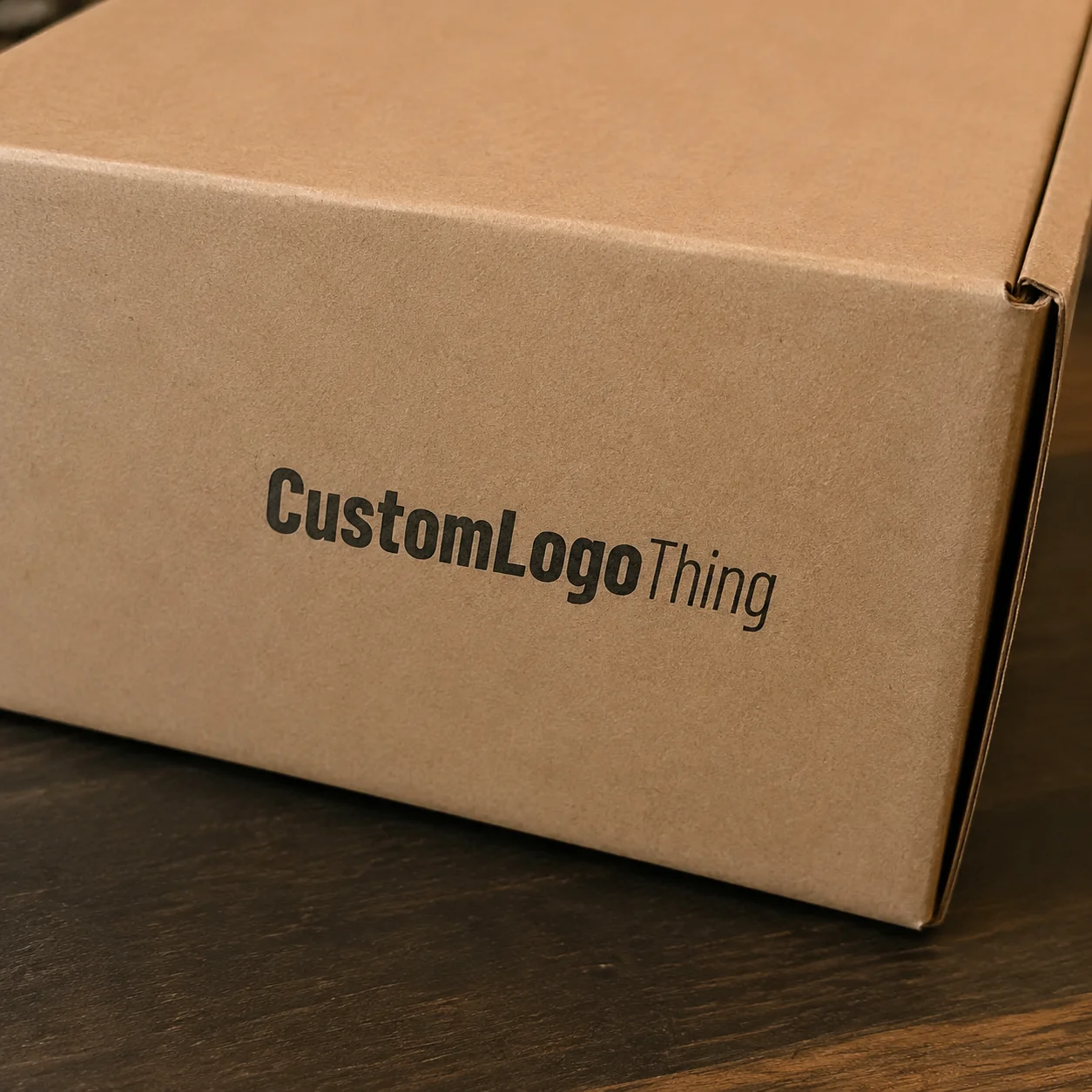
Buyer Fit Snapshot
| Best fit | Logo Packaging Bulk Order projects where brand print, material claims, artwork control, MOQ, and repeat-order consistency need to be specified before quoting. |
|---|---|
| Quote inputs | Share finished size, material target, print colors, finish, packing count, annual reorder estimate, ship-to region, and any compliance wording. |
| Proofing check | Approve dieline scale, logo placement, barcode or warning zones, color tolerance, closure strength, and carton packing before bulk production. |
| Main risk | Vague material claims, crowded artwork, missing packing details, or unclear freight terms can make a low unit price expensive after revisions. |
Fast answer: Logo Packaging Bulk Order: Pricing, Specs, and Process should be specified like a repeatable production item. The safest quote records material, print method, finish, artwork proof, packing count, and reorder notes in one written spec.
Production checks before approval
Compare the actual filled-product size with the drawing, then confirm tolerance on folds, seals, hang holes, label areas, and retail display edges. Reserve space for logos, QR codes, warning copy, and material claims before decorative graphics fill the panel.
Quote comparison points
Review material grade, print process, finish, sampling route, tooling charges, carton quantity, and freight assumptions side by side. A quote is only useful when the supplier can repeat the same color, closure quality, and packing count on the next order.
I still remember standing on a corrugated line in Dongguan, Guangdong, while a buyer stared at the cartons and said, “So you’re telling me my Logo Packaging Bulk order is cheaper than my tiny reorders?” Yes. That was exactly the point. He had been buying 500-piece runs of custom printed boxes and paying for setup over and over, which is a polished way of saying he was throwing margin out the window one small order at a time.
Once he moved to a logo packaging bulk order of 10,000 units, his unit cost dropped from $0.41 to $0.28, his print stayed consistent across all 32 pallets, and his team stopped begging for emergency reprints every time sales jumped. The production window tightened too: 14 business days from proof approval to finished cartons, plus 3 days for domestic trucking to Shenzhen Yantian Port. That is not hype. That is basic math, and packaging math is usually the only math brand teams suddenly care about.
If you sell anything with retail packaging, branded packaging, or gift-ready product packaging, the box is not an afterthought. It is part of the sale. A sloppy print shift, weak board, or late reorder can cost more than the box itself. So let’s talk about what actually matters in a logo packaging bulk order: Pricing, Specs, Process, and the parts buyers usually miss because somebody in the room says “Can we just move faster?” while the dieline is still wrong.
Why a Logo Packaging Bulk Order Saves Money Fast
A logo packaging bulk order saves money because the expensive pieces of production—setup, tooling, artwork prep, plate work, test runs, and waste—get spread across more units. A one-off run of 800 mailer boxes may feel cautious, but the factory still has to prep the same Heidelberg press in Guangzhou, check the same files, and run the same approvals. You just pay for all of that more times per box. That is the part buyers do not want to hear, but the invoice hears it for them.
I saw this firsthand with a skincare brand in Los Angeles that kept ordering short runs of folding cartons every six weeks. Their price floated around $0.43 per unit for 2,000 pieces using 350gsm C1S artboard, matte lamination, and spot UV on the logo panel. We moved them into a logo packaging bulk order of 12,000 pieces with the same board weight, and the unit cost fell to $0.29. The press stayed dialed in for the full run instead of resetting constantly, which improved color consistency from the first pallet to the last. No one missed the extra chaos of those micro-runs. Not one person.
There is also the less glamorous part: waste. Short runs create more die-cut waste per unit because the press and cutting setup consume a bigger share of material. Freight gets uglier too. Shipping six small pallets from Dongguan to a warehouse in Phoenix over three months costs more than shipping two full pallets once. For most brands, that is why a logo packaging bulk order often beats small batches even before you factor in the brand side of the equation.
“We were not paying for cardboard. We were paying for indecision.” That is what one apparel client told me after their third emergency reorder. They were right.
The brand side matters too. If your packaging is part of the customer experience, inconsistency is expensive. I have seen a candle brand in Toronto lose wholesale confidence because one batch of boxes had a warmer black tone and another batch went gray under the same lighting. Same artwork. Different approval habits. That kind of problem does not show up in a spreadsheet until a retailer complains, and by then the damage is already sitting in a distribution center. A logo packaging bulk order reduces that risk because you lock in one approved spec and hold it.
Here is the framework I use before recommending a logo packaging bulk order:
- Sales velocity: How many units do you realistically sell per month in Austin, Toronto, or Singapore?
- Storage space: Can your warehouse hold 3 to 6 months of packaging without crushing corners or warping board?
- Cash flow: Can you pay for inventory upfront without choking the rest of operations?
- Reorder risk: What does a stockout cost you in lost sales or delayed launches?
- Seasonality: Do you need a buffer before peak season, a Black Friday push, or Q4 retail shipping?
If your product moves 2,000 units a month and your box sits flat, a 10,000-piece logo packaging bulk order usually makes sense. If your sales are unstable and you only have room for 1,500 boxes in a warehouse in Chicago, do not act surprised when your “cheap” bulk order turns into a storage headache. Cheap storage is still a cost. So is a hallway stacked to the ceiling with cartons nobody has room for.
Logo Packaging Bulk Order Product Options That Actually Sell
The right format for a logo packaging bulk order depends on product weight, shipping method, and how much brand theater you want on the shelf. Not every brand needs a rigid box. Some do. Some need a practical mailer box and a well-printed insert. I have talked clients out of expensive structures more than once because the product did not justify it. That usually gets me a squint and then, later, a thank-you email from someone whose margin survived.
Folding cartons are the workhorse for cosmetics, supplements, candles, and small electronics accessories. They are cost-effective, print beautifully, and work well for retail packaging. A folding carton with offset printing, soft-touch lamination, and a stamped logo can make a $12 product feel like a $28 one. That is package branding doing its job. The box is quietly doing marketing while everyone argues about ad spend.
Rigid boxes are for premium presentation. Think gift sets, jewelry, luxury skincare, and high-end electronics. A rigid setup box with a 2mm greyboard shell, wrapped in 157gsm art paper, is heavier and more expensive, but it gives you that solid hand-feel customers notice in the first two seconds. For a logo packaging bulk order, rigid boxes usually need more careful planning because inserts, wrap tolerances, and corner alignment affect quality fast. If the corners are off by 1 mm, people notice immediately. No one ever picks up a luxury box and says, “Hmm, what a charming near-miss.”
Mailer boxes are popular for e-commerce, apparel, subscription kits, and influencer send-outs. They are sturdy, flat-pack, and easy to warehouse. A good mailer box in a logo packaging bulk order should have corrugated strength matched to product weight. I usually ask for E-flute at 1.5 mm thickness for lighter apparel kits and B-flute at about 3 mm when the contents exceed a couple of pounds. A box that lands from Dongguan to Dallas without denting is doing its job.
Sleeve packaging works well when you already have a tray, pouch, or inner carton and want to add branding without rebuilding the whole pack. It is a smart move for seasonal promos or bundled product packaging. If you need a logo packaging bulk order with lower unit cost and a cleaner visual finish, sleeves often do the job. In many cases, a printed sleeve at $0.11 to $0.19 per unit in a 10,000-piece run is enough to make a product feel curated without paying for a full custom structure.
Inserts matter more than buyers think. I have seen a beautiful box fail because the serum bottle rattled like a loose screw during transit from Shenzhen to a fulfillment center in Nevada. Inserts can be paperboard, molded pulp, EVA, or molded tray materials depending on cost and protection needs. In a logo packaging bulk order, the insert is part of the structure, not an afterthought. It is also the part people forget until they hear the product rolling around inside the carton like a marble in a lunchbox.
Bags still have a place, especially for apparel, bakery items, and retail giveaways. But a branded bag is not automatically premium. It has to survive handling. A logo packaging bulk order for bags needs attention to handle strength, print rub resistance, and the finish on the surface. A gorgeous bag that scuffs in the trunk of a car is just expensive disappointment, especially if it was printed in three colors and cost $0.22 per unit.
Logo application method matters just as much as structure. A logo packaging bulk order can use:
- Offset printing: best for clean color consistency on runs of 5,000 units and above.
- Digital printing: useful for shorter versions, pilot runs, or variable artwork.
- Hot foil stamping: great for metallic branding and luxury cues in gold, silver, or rose gold.
- Embossing or debossing: adds tactile depth without ink, especially on 350gsm board or rigid wrap paper.
- Spot UV: highlights logos or pattern sections with contrast.
- Matte or gloss lamination: protects the print and changes the visual feel.
Which option sells best? That depends on the category. Cosmetics usually do well with soft-touch, foil, and embossed logo marks. Apparel packaging often needs strong print, clean folds, and durable mailer construction. Supplements want compliance-friendly materials and legible information. A logo packaging bulk order should fit the category, not just the mood board. Mood boards are useful, but they do not pay freight from Ningbo or keep a carton from crushing in transit.
I once sat in a client meeting in Manhattan where the founder wanted a fully foiled rigid box for a $9 accessory. I asked one question: “Are you selling the box or the product?” He laughed, then cut the spec to a printed folding carton with one foil logo panel. His margin survived, and the final quote dropped from $1.84 per unit to $0.63. I still think about that one because the original proposal was a tiny gold monument to bad math.
If you want to compare packaging structures before you request a quote, review our Custom Packaging Products and match the format against your actual shipping method. Fancy is fine. So is profitable.
Specifications for a Logo Packaging Bulk Order
Specifications are where a logo packaging bulk order gets real. Not “nice design.” Not “modern feel.” Real specs. If you skip details here, you will get a quote that looks attractive and a production result that looks suspiciously like somebody guessed. I have seen that movie more than once, and it never ends well.
Start with size. Give the exact internal dimensions you need, plus the product weight and any inserts. A box for a single lipstick and a box for a lipstick plus card insert are not the same thing. For a logo packaging bulk order, I always want the product dimensions, the finished box size, and the clearance tolerance. A 1.5 mm mistake sounds tiny until you are trying to insert 5,000 bottles in a factory near Dongguan. Tiny measurements have a way of becoming giant problems, which is deeply rude if you ask me.
Then confirm the material. Common options include:
- 300gsm to 400gsm C1S artboard for folding cartons
- Greyboard from 1.5mm to 3mm for rigid boxes
- Corrugated E-flute, B-flute, or custom board for mailers
- Coated kraft for a natural look with better print control
- Recycled board when sustainability messaging matters
Finish is another decision that changes both price and feel. A logo packaging bulk order can include matte lamination, gloss lamination, soft-touch coating, aqueous coating, foil stamping, or a combination. I have seen buyers choose soft-touch for luxury skincare and then complain when it showed fingerprints. Yes, that happens. No, the factory did not “mess up.” The finish did exactly what soft-touch finish does. It is a little like buying a white sofa in Brooklyn and then being upset it gets dirty.
Structural style also matters. The box type should match the product’s weight and customer journey:
- Tuck-end boxes for lighter retail items and cosmetics
- Auto-lock bottoms for heavier product packaging
- Two-piece rigid setups for premium presentation
- Magnetic closures for gift sets and high-end branded packaging
- Mailer construction for shipping protection and e-commerce
Artwork files can wreck a project if they are sloppy. For a logo packaging bulk order, send a vector logo file in AI, EPS, or PDF format when possible. Use outlined fonts. Confirm bleed, usually 3 mm, unless the factory’s dieline says otherwise. If you want Pantone color matching, say so clearly. Do not hide that request in a long email buried under “just make it pop.” That phrase has cost more time than I care to admit. I have been on the receiving end of that request, and it is as helpful as asking a chef in Vancouver to “make it taste expensive.”
Color system matters. CMYK is common and cost-effective for many custom printed boxes, but spot colors give tighter brand control. Pantone matching is useful when a logo must stay identical across seasons and repeat runs. In a logo packaging bulk order, consistency matters because you are buying repeated output, not a one-time art project. That is especially true if your packaging will sit beside other SKUs on the same retail shelf in Miami, Atlanta, or Seoul.
Compliance comes up more than people expect. Food-safe packaging may need specific inks and coatings. Recycled content claims need to be accurate. If the box is shipping product long distances, the outer carton strength should align with transit conditions. For shipping standards, I keep an eye on ISTA testing protocols and, for material sourcing claims, FSC guidance at fsc.org. If your seller asks for sustainability documentation, do not fake it. Just do not.
Here is a simple side-by-side checklist for approving a sample during a logo packaging bulk order:
- Dimensions: Does the product fit with room for the insert?
- Color: Does the logo match the approved proof under daylight?
- Finish: Does the coating scratch, smear, or fingerprint too easily?
- Structure: Does the box close properly and hold shape in hand?
- Transit durability: Does the pack survive a simple drop or shake test?
One factory visit in Shenzhen taught me this lesson the hard way. A buyer approved a sample because “the mockup looked good.” The full run arrived, and the insert was 2 mm too tight, which meant the bottles scuffed during insertion. Two millimeters. That is all it took. A logo packaging bulk order punishes vague approvals, which is annoying, but at least it is consistently annoying.
Logo Packaging Bulk Order Pricing and MOQ
Pricing for a logo packaging bulk order is driven by five things: quantity, board or paper stock, print method, finish complexity, and freight destination. That is the real list. Not wishful thinking. Not “how much do boxes cost?” That question is about as useful as asking how much a car costs without mentioning engine, trim, and destination. I wish that were an exaggeration.
The first thing buyers need to understand is the MOQ trade-off. Lower minimum order quantities are helpful when cash is tight or the product is new, but the per-unit price is usually higher because setup costs get spread across fewer pieces. A larger logo packaging bulk order almost always gives better unit economics, as long as the order size matches your sell-through. If you are moving product out of a fulfillment center in Dallas at 4,000 units a month, a 10,000-piece order can be smarter than three separate 2,000-piece reorders.
Here is a realistic pricing example from projects I have quoted or managed:
| Packaging Type | Quantity | Common Spec | Approx. Unit Price | Typical Notes |
|---|---|---|---|---|
| Folding carton | 5,000 pcs | 350gsm C1S, matte lamination, 4-color print | $0.18–$0.32 | Best for cosmetics, candles, supplements |
| Mailer box | 5,000 pcs | E-flute corrugation, 2-color print, no insert | $0.42–$0.78 | Good for e-commerce and apparel |
| Rigid setup box | 3,000 pcs | 2mm greyboard, wrapped paper, foil logo | $1.20–$2.90 | Premium gifting, jewelry, luxury sets |
| Sleeve packaging | 10,000 pcs | Printed cover, no inner tray | $0.09–$0.22 | Low-cost branding add-on |
Those numbers are not magic. They move based on size, print coverage, insert complexity, and whether you want foil, embossing, or a special coating. A logo packaging bulk order with a custom insert can jump in price fast. EVA inserts cost more than paperboard, often adding $0.08 to $0.24 per unit depending on cavity count. Molded pulp can be cost-effective at scale, but the tooling is a different discussion entirely. And yes, someone always wants “the premium insert” two days before quote lock. That timing is never suspiciously inconvenient, apparently.
Now for the hidden stuff. A proper quote should separate:
- Unit price for the packaging itself
- Setup fees for dies, plates, or press preparation
- Sampling or prototype charges
- Insert tooling or special mold fees
- Freight to your warehouse or forwarder
- Tax or duty if applicable
I once reviewed a quote where the buyer thought he had landed a $0.26 box. He had not. The quote left out plate charges, the insert fee, and ocean freight from Shenzhen to Long Beach. The real landed number was closer to $0.39. That is not a bargain. That is math wearing sunglasses. Pretty sunglasses, maybe, but still sunglasses.
If you want smart quoting, send the manufacturer these details in one message: size, structure, material, finish, logo file, quantity, destination, and target ship date. A proper logo packaging bulk order quote should not require twelve email back-and-forths just to figure out if the box is 120 mm or 180 mm wide. I have lived that life, and I do not recommend it.
There is also the comparison trap. Do not compare a plain stock carton quote to a fully finished branded box. I have watched buyers do that and then accuse the factory of being expensive. Apples and oranges. A finished logo packaging bulk order with lamination, foil, and custom inserts is not the same product as a brown box with one-color print.
If you want pricing across broader packaging programs, our Wholesale Programs page is a useful starting point for buyers planning repeat orders and multiple SKUs.
Logo Packaging Bulk Order Process and Timeline
A logo packaging bulk order follows a fairly predictable workflow, but the schedule depends on how fast the buyer approves each step. The process is not complicated. The delays are. In my experience, the project usually moves like this: inquiry, quote, dieline confirmation, artwork proof, sample approval, production, quality check, and shipping.
Here is a practical timeline range for a typical project in a factory near Dongguan or Zhongshan:
- Inquiry and quote: 1 to 3 business days if the specs are complete.
- Dieline confirmation: 1 to 2 business days, longer if the structure is custom.
- Artwork proof: 2 to 4 business days depending on revisions.
- Sample or prototype: 5 to 10 business days for standard structures; longer for rigid or special inserts.
- Production: typically 12 to 15 business days from proof approval for standard folding cartons, or 18 to 25 business days for rigid boxes and complex inserts.
- Quality check and packing: 1 to 3 business days.
- Shipping: 3 to 7 business days by air, 18 to 30 days by ocean, depending on the lane.
A simple logo packaging bulk order for folding cartons can move quickly if artwork is final and no insert is needed. Rigid Boxes with Custom foam or molded pulp inserts take longer because tool setup and wrap tolerances need more care. I have had a two-piece box project sit idle for four days because the inner tray needed a 1 mm adjustment. Annoying? Yes. Normal? Also yes. Manufacturing has a special talent for making one millimeter feel emotionally large.
Where do delays happen? Usually in the same four places:
- Unclear artwork: low-res files, missing bleed, wrong color references.
- Late approvals: one stakeholder in New York or Singapore goes silent for a week.
- Insert changes: “Can we just make the cavity smaller?” after proof approval.
- Peak-season capacity: factories get busy in September through December, and schedules stop caring about your launch date.
One of my more memorable supplier negotiations happened during a holiday rush. A client needed a logo packaging bulk order of 15,000 mailer boxes before a product launch in Sydney, but they kept changing the inner fit. The factory manager told me, very bluntly, “Sarah, we can make it fast or we can make it correct. Pick one.” He was right. We picked correct, and the brand avoided a warehouse full of boxes that did not fit the product. I have never forgotten that line because it was both hilarious and painfully true.
Domestic versus overseas production changes the timeline too. Domestic runs in the United States can move faster on freight, but the per-unit cost may be higher. Overseas production in Guangzhou, Dongguan, or Vietnam can deliver better unit economics on larger volumes, especially for a logo packaging bulk order, but you need to plan for shipping time, customs, and buffer stock. If you are launching on a fixed date, do not pretend the ocean will hurry up because your calendar is ambitious. The ocean, unfortunately, does not care about your deck.
My buyer action plan is simple:
- Assign one decision-maker.
- Set one approval window for proofs and samples.
- Lock the artwork before sampling.
- Approve the physical sample, not just the PDF.
- Build 10% to 15% buffer stock if the product is seasonal.
If you want answers fast, use our FAQ page to prep common questions before requesting your logo packaging bulk order. It saves time on both sides. I like that. The factory likes that more. Everybody sleeps better.
Why Choose Us for Your Logo Packaging Bulk Order
I am not going to tell you every supplier is the same. They are not. Some can print a decent box. Some can manage a logo packaging bulk order without creating a small disaster. The difference is usually communication, consistency, and whether they understand branding and production at the same time. That combination is rarer than people expect, which is mildly alarming if you have ever approved packaging at scale.
At Custom Logo Things, we focus on the practical side of logo packaging bulk order work: getting the spec right, catching problems before they become expensive, and keeping repeat orders consistent. That sounds simple. It is not. You need people who can read a dieline, spot a weak material callout, and tell you when a finish will look great in a mockup but fail in transit from Shenzhen to Kansas City.
We also maintain supplier relationships that matter. That helps with material sourcing, lead-time planning, and quality control. I have spent enough time on factory floors in Dongguan and Foshan to know that a good paper supplier and a reliable finishing line can save a project from a bad week. That is not branding fluff. That is operations.
Here is what I care about in a logo packaging bulk order:
- Proof accuracy: We check color, dieline, and artwork placement before production.
- Material fit: We match the box structure to the actual product weight.
- Repeatability: We save production references so future runs stay consistent.
- Practical finishes: We recommend coatings that look good and survive handling.
- Transparent quoting: We separate packaging, sampling, and freight so nobody gets surprised.
Negotiation matters too. I have sat across from suppliers who tried to upsell every project into a premium build. Sometimes the buyer needs premium. Sometimes they need a well-made, cost-controlled logo packaging bulk order that ships on time and does not eat margin. My job is to tell you the difference, not pretend every project needs foil, embossing, and a dramatic reveal tray. Frankly, not every box needs to act like it is entering a red carpet event.
If your team needs broader packaging support, our Custom Packaging Products page shows the structures we work with, and our Wholesale Programs page helps brands planning recurring order cycles. We also answer basic operational questions on our FAQ page so your team can move faster without chasing five people for one answer.
One client in the wellness category came to us after two failed supplier changes. Their old vendor kept shifting the kraft tone. Their new vendor overprinted the logo. We locked the spec, held the color standard, and their next logo packaging bulk order landed cleanly across 8,000 units, with a final unit cost of $0.31 and a 13-business-day production window. That is the kind of boring success I like. Boring is profitable. Boring also means fewer panic calls at 9 p.m., which I will always appreciate.
Next Steps for Your Logo Packaging Bulk Order
If you want a logo packaging bulk order that does not turn into a mess, prepare the basics before requesting a quote. I know that sounds obvious. It still gets skipped constantly. Then everyone acts shocked when the quote is vague. I have had those calls, and yes, they are exactly as tedious as they sound.
Send these details first:
- Box dimensions or product dimensions if you need help sizing it
- Product weight and whether the item ships inside the box
- Desired finish such as matte, gloss, soft-touch, foil, or embossing
- Logo files in vector format if possible
- Quantity you want to price
- Target ship date and delivery destination
I strongly recommend ordering a physical sample or prototype before full production, especially for a logo packaging bulk order involving inserts, rigid structures, or premium finishes. A PDF proof cannot tell you whether a magnetic closure snaps properly or whether a 2mm board holds up under pressure. Physical samples answer the awkward questions early, which is better than discovering them after a warehouse in Ohio is full of cartons.
Then compare at least two material or finish options. I often show clients one version with matte lamination and one with soft-touch, or one with standard board and one with recycled content. A logo packaging bulk order is easier to approve when the trade-offs are visible side by side. Sometimes a $0.04 upgrade makes sense. Sometimes it does not. Your margin decides that, not my taste.
Review the quote line by line. Look for:
- Unit price by quantity tier
- Setup or plate fees
- Sampling charges
- Insert cost
- Freight and packaging for shipment
- Any special handling fees
The goal is to avoid hidden costs. That matters more than people admit. A well-scoped logo packaging bulk order should tell you exactly what you are paying for and what you are getting. If someone will not itemize the quote, ask why. Quietly. But ask.
Then follow a clean action sequence: request quote, confirm dieline, approve proof, sample test, sign off on production, and schedule freight. No side quests. No “quick changes” after approval. That is how you miss launch windows and end up paying for air freight like you are trying to impress your accountant. I have seen that bill. Nobody looks happy opening it.
For a transactional packaging purchase, clarity wins. A strong logo packaging bulk order should fit the product, match the brand, and protect the margin. If you want that outcome, start with the right spec and the right supplier conversation. That is where good packaging decisions begin.
And yes, I am saying it again because people forget it: the right logo packaging bulk order is not the cheapest quote on paper. It is the one that lands clean, matches your brand, and does not force a second round of spending because somebody skipped a detail.
FAQ
What is the minimum quantity for a logo packaging bulk order?
MOQ depends on the packaging type, material, and print method. A simple printed mailer box may start lower than a rigid box with foil stamping or custom inserts. In many factories around Dongguan, a folding carton MOQ starts at 1,000 to 3,000 units, while rigid boxes often start closer to 500 to 1,000 units. The fastest way to get a true minimum is to send the size, logo file, and finish request for your logo packaging bulk order.
How much does a logo packaging bulk order usually cost per unit?
Unit price changes with quantity, board type, print coverage, finishes, insert requirements, and freight. Bigger runs usually reduce per-unit cost because setup fees are spread across more pieces. For example, 5,000 folding cartons in 350gsm C1S artboard with matte lamination may land around $0.18 to $0.32 per unit, while a 3,000-piece rigid box order can sit between $1.20 and $2.90 per unit. A proper quote for a logo packaging bulk order should separate box cost, setup, sampling, and shipping.
How long does a logo packaging bulk order take from proof to delivery?
Typical timing includes proof approval, sampling, production, quality inspection, and shipping. For standard folding cartons, production often runs 12 to 15 business days from proof approval. Rigid boxes and custom inserts usually take 18 to 25 business days. Add 3 to 7 business days for air freight or 18 to 30 days for ocean freight. Fast buyer approvals are one of the biggest advantages in a logo packaging bulk order.
What artwork do I need for a logo packaging bulk order?
Send a vector logo file whenever possible, plus brand colors, dieline notes, and any finish requests. Low-resolution files slow proofing and can hurt print quality. Clear artwork keeps the logo packaging bulk order moving and reduces revision cycles. If you have Pantone references, include the exact PMS numbers rather than saying “match the brand blue.”
Can I reorder the same logo packaging bulk order later with the same quality?
Yes, if the original specs, material, and print settings are saved correctly. Keeping the approved sample on file helps maintain consistency across repeat runs. Ask for the exact SKU or production reference so your next logo packaging bulk order stays consistent. A good supplier should be able to repeat a previous run in the same factory in Guangzhou, Dongguan, or wherever the line was originally approved.