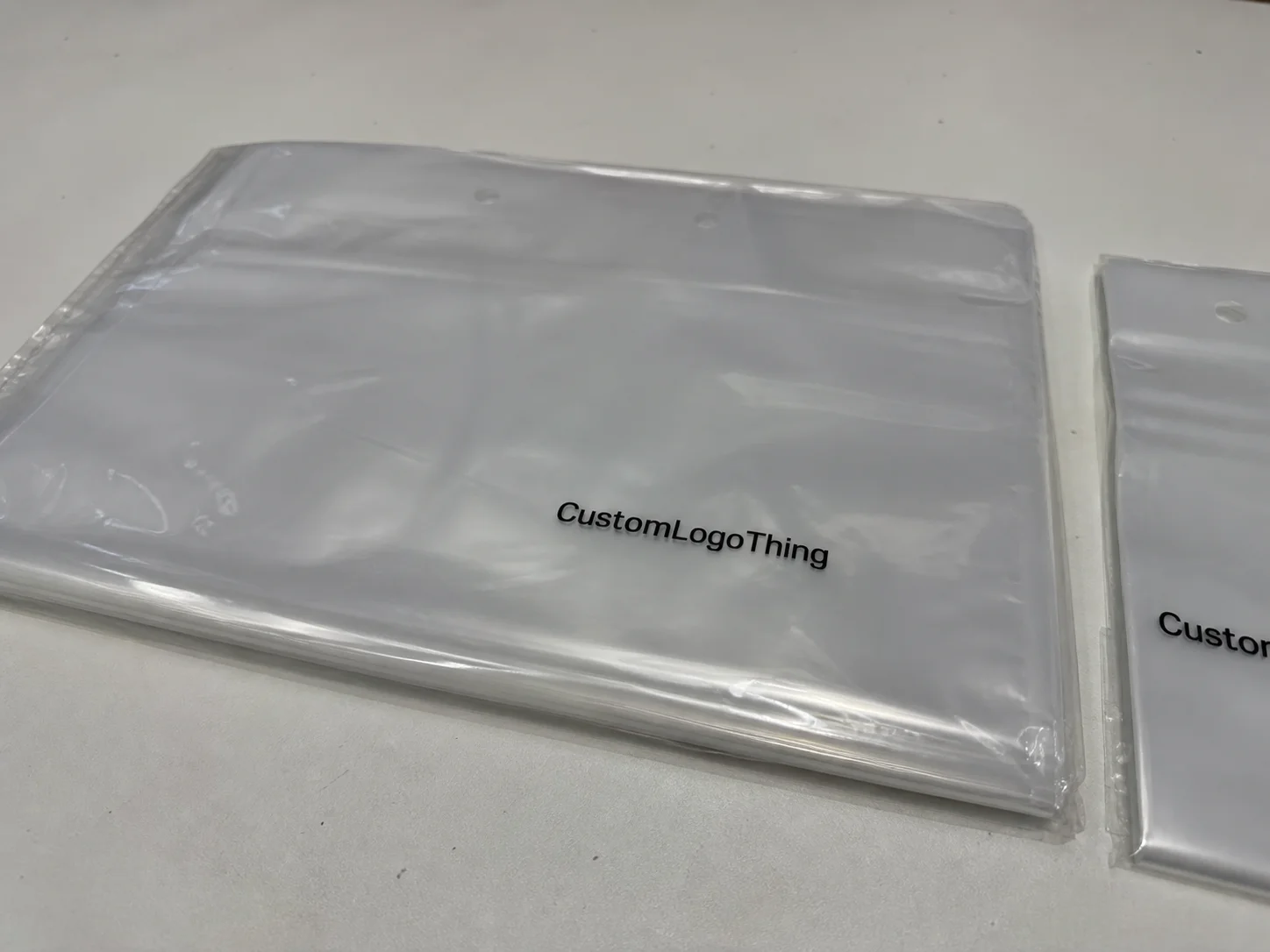
Buyer Fit Snapshot
| Best fit | Logo Packaging Supplier for Brand Teams projects where brand print, material claims, artwork control, MOQ, and repeat-order consistency need to be specified before quoting. |
|---|---|
| Quote inputs | Share finished size, material target, print colors, finish, packing count, annual reorder estimate, ship-to region, and any compliance wording. |
| Proofing check | Approve dieline scale, logo placement, barcode or warning zones, color tolerance, closure strength, and carton packing before bulk production. |
| Main risk | Vague material claims, crowded artwork, missing packing details, or unclear freight terms can make a low unit price expensive after revisions. |
Fast answer: Logo Packaging Supplier for Brand Teams: Retail Fit, Compliance Space, Print, and Cost should be specified like a repeatable production item. The safest quote records material, print method, finish, artwork proof, packing count, and reorder notes in one written spec.
Production checks before approval
Compare the actual filled-product size with the drawing, then confirm tolerance on folds, seals, hang holes, label areas, and retail display edges. Reserve space for logos, QR codes, warning copy, and material claims before decorative graphics fill the panel.
Quote comparison points
Review material grade, print process, finish, sampling route, tooling charges, carton quantity, and freight assumptions side by side. A quote is only useful when the supplier can repeat the same color, closure quality, and packing count on the next order.
logo packaging supplier guide sounds like a neat little phrase. It is really a buying tool. A useful one helps you stop guessing about boxes, mailers, inserts, and bags that carry your logo out into the actual world. The logo may be tiny. The impact is not. Put it on the wrong material, in the wrong spot, with the wrong print method, and the whole thing starts looking cheap fast.
Packaging gets treated like the last checkbox on too many teams. That is lazy. The first thing a customer touches often tells them whether the brand feels serious or slightly improvised. If the board bends, the ink muddies, or the fit feels off, people notice. They may not say it out loud, but they notice. A strong logo packaging supplier guide should help you compare suppliers on more than price. You want someone who can handle branding, fulfillment, repeat orders, and the endless little choices That Make Packaging work in the wild.
I have watched good products lose a little credibility because the packaging felt flimsy or the logo sat awkwardly over a fold. That part is annoying, because the fix is usually simple if someone catches it early. A supplier who understands structure and print together can save you from a lot of avoidable nonsense.
Custom Logo Things works with brands that need packaging to do a job, not pose for a mockup. If you are planning your next run, it helps to review Custom Packaging Products while you sort through suppliers. The format matters. So does the logo. So does the person on the other end who knows the difference between a tidy dieline and a future headache.
What Does a Logo Packaging Supplier Guide Cover?
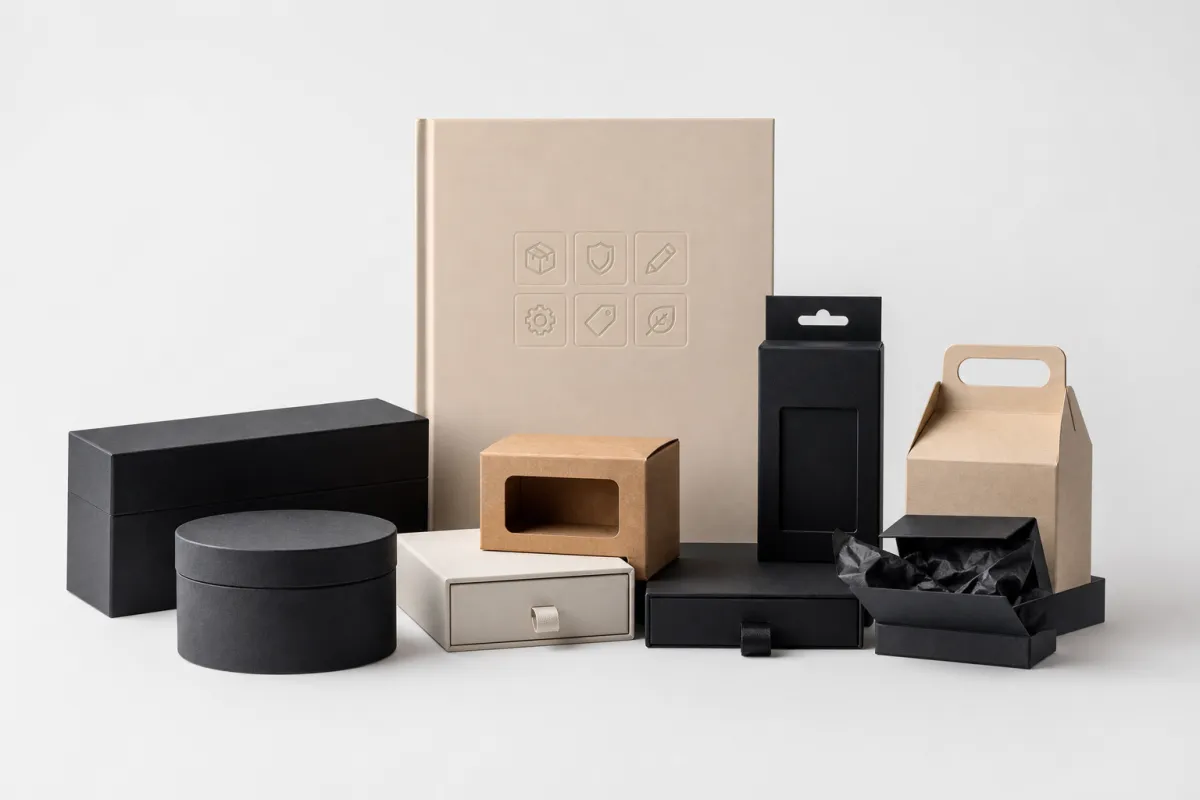
A logo packaging supplier guide should start by defining the supplier, because people use the label loosely. One supplier may only print on stock cartons. Another may convert board into custom boxes and manage freight. A third may be part designer, part broker, part manufacturer wrangler. Those are not small differences. They change response times, sample quality, pricing, and how much technical help you get when the art looks great on a screen and falls apart in production.
In practice, a logo packaging supplier may handle:
- Boxes such as folding cartons, rigid boxes, mailers, and shipper cartons.
- Bags and sleeves for retail packaging and branded kits.
- Inserts that hold products steady and make the unboxing feel intentional.
- Specialty formats for subscription kits, launch boxes, and gift sets.
This guide also separates the roles. A printer handles image quality. A converter turns board or corrugate into finished packaging. A full-service supplier helps with structure, artwork setup, proofs, samples, and production. If your team does not have an in-house packaging expert, that full-service option usually saves more pain than it costs. Not every brand needs that level of support, but a lot of them think they do until the first proof comes back with a problem in exactly the wrong spot.
Why does this matter? Because packaging is not just a container. It is package branding with a job to do. It can lift perceived value, protect the product, cut returns, and affect repeat purchase behavior more than most teams expect. A customer opens a box that feels careful and intentional, and the product inside gets a halo it did not have five seconds earlier. Tiny gap in cost. Big gap in perception. Annoying, but true.
“A strong logo packaging supplier guide should help you buy consistency, not just cartons. The real goal is a repeatable system that holds up across print runs, channels, and launch cycles.”
That is why this guide focuses on process, pricing, timelines, evaluation, and the mistakes that turn a packaging project into a budget leak. A logo packaging supplier guide is useful only if it helps you make the next order better, not if it just sounds tidy in a deck.
How Does a Logo Packaging Supplier Guide Work in Practice?
A practical logo packaging supplier guide follows the real workflow, not the fantasy version where a logo lands perfectly on the first proof and everybody claps. Most jobs move through a chain: brief, structural choice, artwork setup, proofing, sampling, production, and freight. Each step has a failure point. Miss the measurements in the brief and the rest gets messy. Approve a proof without checking color references and the packaging may look off under store lighting. That is a fun way to waste money, if your definition of fun is terrible.
Start with the brief. The supplier needs product dimensions, target quantity, sales channel, budget range, and handling requirements. Ecommerce packaging and retail packaging are not the same thing wearing different shoes. A shelf box needs presence. A shipper needs to survive stacking, vibration, and carrier abuse. A sharp logo packaging supplier guide starts with the end use because the same logo can work beautifully on one format and look awkward on another.
Next comes the dieline. That is the flat structural template that shows folds, cuts, glue zones, and safe print areas. A logo that looks fine in a header file can turn into a mess if it sits too close to a flap or crease. Suppliers with real packaging design support will shift the mark, adjust white space, or resize the art so it survives the jump from screen to substrate. That is where experience shows up. Not in the sales pitch. In the file.
Then comes proofing. A proof is not busywork. It is the checkpoint that says the artwork, dimensions, and production notes can actually be made. Rush that stage and mistakes get expensive later. I have seen teams approve a proof because the logo looked “close enough,” then spend the next week arguing about crop issues and color drift on the finished Custom Printed Boxes. A careful guide treats proofing like a control point, not paperwork.
Sampling matters just as much. A sample or prototype lets you test fit, board feel, print sharpness, and the unboxing sequence. Does the insert hold the product snugly? Does the flap close without buckling? Does the finish grab fingerprints like it is trying to collect evidence? Those questions stop being theoretical the second the first unit ships. Good packaging feels planned. Bad packaging feels borrowed.
Production and freight come last, but they are not afterthoughts. Once packaging becomes inventory, the schedule gets real. If your launch depends on it, you need milestone visibility, not just a final delivery date and a polite shrug. A strong logo packaging supplier guide keeps those checkpoints visible so the team can fix problems before they turn into rush charges and everybody starts pointing at the calendar.
For transit performance, many buyers ask whether packaging has been tested for shipping conditions. Sensible question. Organizations such as ISTA publish widely used test procedures for shipping environments, and a supplier worth your time should understand how that affects board selection, corner strength, and outer carton design. For fiber sourcing, recycled content, and responsible forestry claims, the FSC framework is still one of the most recognized references in the sector.
Cost, Pricing, and What Changes the Quote
Buyers often ask for a quote before they have a clean specification. Fair enough. It is also why pricing can look inconsistent. A good logo packaging supplier guide should make one thing obvious: the unit price is only part of the cost. Material, size, print method, finish, quantity, tooling, setup, freight, and proofing all affect what you pay. Miss one of them and the quote looks friendly right up until the extras show up like uninvited guests.
The main cost drivers are usually easy to spot. Kraft board often costs less than premium coated board, though the tradeoff is visual impact. One-color print is cheaper than full-color print. A simple folding carton usually costs less than a rigid setup box with specialty inserts. As quantity rises, unit cost usually falls because setup expenses get spread across more pieces. That is why small runs can feel weirdly expensive. The press setup does not care whether you ordered 500 units or 5,000. The accounting, unfortunately, does.
There is one more detail people miss a lot: what looks like a small artwork choice can change the price tier. Full-bleed art can increase ink coverage. Heavy solids may need better board to avoid show-through or mottling. White ink on kraft can look great, but it often needs more testing than teams expect. Packaging is a lot less forgiving than a PDF preview makes it seem.
Here is a practical comparison for common branded packaging formats. These ranges move around based on size, print coverage, and finish, but they are close enough to keep a supplier quote honest.
| Packaging option | Typical unit price at 5,000 pieces | Best use | Common watch-out |
|---|---|---|---|
| Kraft mailer with one-color logo | $0.45-$0.85 | Ecommerce shipping and subscription kits | Can look plain if the logo and layout are not balanced well |
| Folding carton on coated board | $0.28-$0.55 | Retail packaging and shelf display | Ink density and scuff resistance matter more than most buyers expect |
| Rigid box with custom insert | $2.50-$5.50 | Premium launches, gifts, and high-margin product packaging | Tooling, lining, and assembly labor can push cost up fast |
| Printed poly mailer | $0.12-$0.28 | Low-weight fulfillment and volume shipping | Less premium feel; not a great fit for luxury package branding |
That table leaves out a lot, because packaging likes to hide costs in plain sight. The lowest unit price is not always the best deal. A logo packaging supplier guide should force the real question: what is included? Setup fees, plates, tooling, coatings, and freight can change the final number fast. A quote that looks 12 percent cheaper can end up costing more once the invoice catches up with reality.
Finish choices matter too. A matte aqueous coating or simple varnish usually costs less than soft-touch lamination, foil stamping, embossing, or spot UV. Those premium details can elevate packaging design, but only if they support the brand story. Tossing every finish at a box because it seems fancy is how people end up with packaging that looks busy instead of expensive. Not every product needs a luxury costume.
One habit saves a lot of comparison noise. Ask every supplier to quote from the same spec sheet. Size, board type, print sides, finish, quantity, and freight destination should match across quotes. If one supplier bids on 1,000 units and another on 5,000, or one includes shipping while the other leaves it out, you are not comparing prices. You are comparing confusion. A reliable comparison guide keeps the process clean enough to audit.
Process and Timeline: From Brief to Delivery
Timelines are where packaging projects go sideways. A polished logo packaging supplier guide should make scheduling concrete, not magical. Most jobs fail not because the supplier cannot do the work, but because the team underestimates how many handoffs happen before the first box reaches the warehouse. Briefing, dieline selection, artwork prep, proofing, sampling, production, and transit each take time. One slip and the rest compress.
Here is a realistic sequence for custom printed boxes or branded packaging with moderate complexity:
- Brief and scoping: 1-3 business days, assuming product dimensions and quantity are known.
- Dieline and artwork setup: 2-5 business days, longer if the brand assets need cleanup.
- Proof rounds: 1-3 rounds, often 1-2 business days each depending on revision depth.
- Sampling or prototype: 3-10 business days for many custom jobs.
- Production: often 10-20 business days after approval, though this varies by format and quantity.
- Transit: a few days for domestic freight, longer for cross-border shipments.
That is the neat version. The messy version usually includes late artwork changes, fuzzy measurements, backorders on board stock, or a color reference that was never specified clearly enough. Revision drift is one of the most common delays. A team sees a proof, asks for a tiny text change, then notices the logo needs to move too. That second tweak can trigger another proof cycle. A good logo packaging supplier guide helps the team spot those dominoes before they fall.
Stock packaging and fully custom jobs do not move at the same speed. Stock packaging is quicker because the structural format already exists and only a logo or label gets added. Fully custom packaging needs more coordination because the board, fit, graphic layout, and finish all need approval. Brands planning a launch should not pretend those timelines are interchangeable. That mistake alone can force air freight, split shipments, or a sad compromise on finish.
Build buffer time. I would rather see a team plan around a three-week cushion and finish early than plan for a best-case scenario that depends on perfect artwork, perfect production, and no one taking a vacation. Freight delays are not a myth. They happen. A logo packaging supplier guide should push timeline discipline because packaging often sits on the critical path for launches, retail resets, and subscription starts.
Work backward from the launch date. Confirm the supplier can hit each milestone. If you need packaging in warehouse inventory by a certain Tuesday, ask when proof approval, production release, and shipping need to happen. The best suppliers answer with dates, not fog. That kind of clarity is one of the simplest signs you are dealing with a real packaging partner instead of a person collecting deposits and optimism.
How to Evaluate a Logo Packaging Supplier
A useful logo packaging supplier guide should help you judge suppliers with more precision than “good communication” and “nice price.” Those phrases are too soft to be useful. Evaluate print quality, technical depth, reliability, and sustainability claims separately. That makes the decision easier to defend later, especially if marketing, operations, and finance all want a say.
Start with samples. Ask for finished examples from similar industries, not just polished sales sheets. If you sell cosmetics, a supplier that does great snack packaging may still miss the mark if they do not understand scuff resistance, shelf presentation, or small-format labeling. Look for sharp type, even ink coverage, accurate folds, and clean edges. That is where quality hides. It rarely announces itself.
Communication speed matters, but technical depth matters more. A supplier that answers quickly and cannot explain board thickness, coating options, or bleed requirements will probably make more work later. The best partners talk tradeoffs in plain language. They should know when 16pt board is enough, when 18pt feels better, when a matte finish will dull the logo too much, and when a brighter coating supports retail packaging better than a soft-touch film. That is the stuff a logo packaging supplier guide should reward.
If you want to see whether a supplier really understands production, ask what they do before ink hits paper. Good answers usually mention trap, bleeds, overprint settings, color management, and substrate testing. Bad answers sound vague and pretty. Pretty is not a production plan.
Reliability signals are easy to spot if you ask the right questions:
- Clear written quotes with matching specs.
- Documented proofing steps before production starts.
- Defined lead times, not just optimistic estimates.
- Artwork guidance that explains what the file needs, not just “send the logo.”
- Transparency on setup charges, samples, and freight.
Sustainability deserves a real check, not a vague promise with a green leaf slapped on top. Ask whether the supplier offers recycled board, FSC-certified materials, water-based inks, or lower-impact coatings. Then ask how those choices affect durability and appearance. Eco-friendly choices can be smart, but they are not free. Some recycled substrates are more textured. Some coatings shift color slightly. A good guide treats sustainability as a design and compliance issue, not a marketing slogan. The EPA keeps useful packaging and waste reduction resources at epa.gov for teams thinking about materials and disposal pathways.
Regional requirements matter too. If packaging is going into multiple markets, or recycled-content claims need support, documentation starts to matter in a hurry. FSC chain-of-custody language, recycling marks, and shipping specs can become important later. A supplier that already has a tidy system for that paperwork is usually easier to work with than one that improvises each time. In a crowded packaging market, process discipline is part of the product.
Common Mistakes in Logo Packaging Purchasing
Even experienced teams make avoidable errors, and the same mistakes show up often enough to earn their own section in any logo packaging supplier guide. The first is designing before confirming the dimensions. A logo might look perfect on a concept sheet, then get squeezed near a fold or clipped by a flap once the dieline gets applied. If the box size is not final, the artwork should not be final either. Basic? Yes. Rarely followed? Also yes.
The second mistake is shopping on price alone. Cheap quotes are easy to like and hard to defend later. If a supplier is much cheaper, ask why. Maybe the board is thinner. Maybe the print coverage is limited. Maybe freight is not included. Maybe the proofing process is light because the service model is light. A strong guide does not tell you to avoid low prices. It tells you to understand what the price leaves out.
The third mistake is underestimating lead time. Launch teams often plan product development carefully and then treat packaging like a quick final task. That is backwards. Packaging should enter the schedule early because it can affect photography, warehouse setup, and retailer readiness. Rush fees, partial shipments, and reprints usually appear after the timeline was unrealistic in the first place. Packaging is often not the problem. The schedule around it is.
The fourth mistake is weak brand assets. A low-resolution logo, inconsistent colors, or a file exported from the wrong source can ruin even a solid concept. The supplier can help, but they cannot invent detail that is not there. Vector artwork is usually best. Fonts should be outlined. Images should be high resolution. Pantone references help more than vague descriptions like “deep blue” or “rich green.” A careful guide should make file quality part of the decision, not an afterthought you remember after the first proof looks fuzzy.
The fifth mistake is skipping samples. That one stings because it saves time upfront and costs more later. A sample reveals fit issues, board feel, closure behavior, and print quality in a way a PDF never will. A package can look elegant on screen and still disappoint in hand. It can feel too light, crack at the corners, or leave too much dead space around the product. For premium launches, ecommerce kits, or anything tied closely to brand perception, skipping a sample is a gamble with no upside.
There is a pattern behind all of it. Teams keep assuming packaging is only visual. It is not. It is a small manufacturing project with brand consequences. The strongest guide keeps reminding buyers that structure, production, and brand experience move together. Ignore one, and the others get weaker.
Logo Packaging Supplier Guide: Next Steps for Shortlisting
At this point, the job is not to know everything. It is to narrow the field without making a mess of it. A useful logo packaging supplier guide should end with a shortlist process that is simple enough to use under pressure. Start with a one-page brief. Include product dimensions, target quantity, budget range, brand colors, print requirements, shipping destination, and any packaging constraints such as retail hang tabs, fulfillment speed, or eco-friendly preferences. That one page saves hours of back-and-forth and a few passive-aggressive email threads.
Then gather artwork files. A clean vector logo, brand guidelines, and a couple of reference images are usually enough to start a serious conversation. If you already know the packaging format, add a rough sketch or reference photo. If not, ask the supplier to recommend options that fit the channel. Some brands need premium rigid presentation boxes. Others need lower-cost mailers that still feel controlled and branded. The point is to let the format serve the product, not the other way around.
Request three comparable quotes. Not five. Not ten. Three is enough to show you the spread in pricing, turnaround, and support. Ask each supplier to quote the same spec sheet so the comparison stays fair. Then build a simple scorecard with five factors: quality, price, communication, turnaround, and flexibility. A logo packaging supplier guide works best when it makes decisions visible instead of emotional.
If the project is premium, launch-critical, or customer-facing at high volume, order one sample or prototype before committing to the full run. That extra step can catch structural issues, logo placement problems, and finish choices that look better in theory than in hand. It is cheaper to pay for one sample than to fix 5,000 units later. Ask anyone who has had to explain a reprint to finance. Silence gets very interesting very quickly.
Finally, tie the supplier choice back to your brand goals. Are you trying to improve perceived value, reduce damage, simplify fulfillment, or create a better unboxing? Different suppliers are stronger in different areas. The best choice is not the one with the flashiest presentation. It is the one that supports the product, the channel, and the team shipping it. If you need a starting point, review Custom Packaging Products alongside the quotes you collect so the spec and the buying decision stay aligned.
The cleanest takeaway is this: build the spec Before You Buy the boxes. If you define size, print method, finish, quantity, and delivery window first, the rest of the decision gets a lot less messy. That is the real purpose of a logo packaging supplier guide: to help smart brand teams choose packaging that protects product, strengthens brand, and scales cleanly as orders grow. Keep the brief tight. Keep the quotes comparable. Keep the proofing disciplined. Do that, and the packaging gets easier to buy and better to use.
FAQ
What should I ask a logo packaging supplier before placing an order?
Ask about material options, minimum order quantities, proofing steps, artwork support, and whether the supplier can help with structural guidance. A strong logo packaging supplier guide also says to confirm turnaround time, freight method, color matching process, and what happens if a proof needs revisions. Ask for examples from similar projects so you can judge print quality and consistency, not just sales language.
How do I compare logo packaging supplier quotes accurately?
Compare only quotes built from the same specifications, including size, board type, print coverage, finishing, and quantity. Then check for hidden costs such as setup, tooling, sample charges, and shipping. A reliable comparison method also recommends checking whether the quote includes prepress help, proof rounds, and any post-order support, because those services can change the real value of a lower headline price.
How long does logo packaging supplier production usually take?
Timelines vary by custom level, but proofing, sampling, production, and transit all add time. Fast stock-based orders move quicker than fully custom printed packaging. In practical terms, a good planning framework should help you account for artwork revisions, color approval, and freight delays rather than assuming everything will happen on the best possible day. Buffer time is often the cheapest insurance in packaging.
What file format does a logo packaging supplier need for print?
Vector files such as AI, EPS, or print-ready PDF are usually best for sharp output. Fonts should be outlined and images should be high resolution with proper bleed. Pantone or other color references help the supplier match brand colors more accurately. A good planning framework will also remind you to include the correct version of the logo for the substrate, because a mark that works on a web page may need adjustments for packaging.
Can a logo packaging supplier help with eco-friendly packaging choices?
Yes, many suppliers can recommend recycled boards, FSC-certified materials, and lower-impact inks or coatings. Ask how sustainability choices affect durability, appearance, and cost. A responsible approach also suggests verifying whether the supplier can document recycled content or certification claims, because sustainability is only useful when the paperwork and the packaging match.
Should I choose glossy or matte finish for branded packaging?
It depends on the product and the brand story. Glossy finishes can make colors pop and work well for retail packaging that needs shelf impact. Matte finishes usually feel quieter and more premium, but they can mute some color values and show handling marks differently. A good supplier should mock up both if the project is color-sensitive. Guessing here is a little too expensive for comfort.