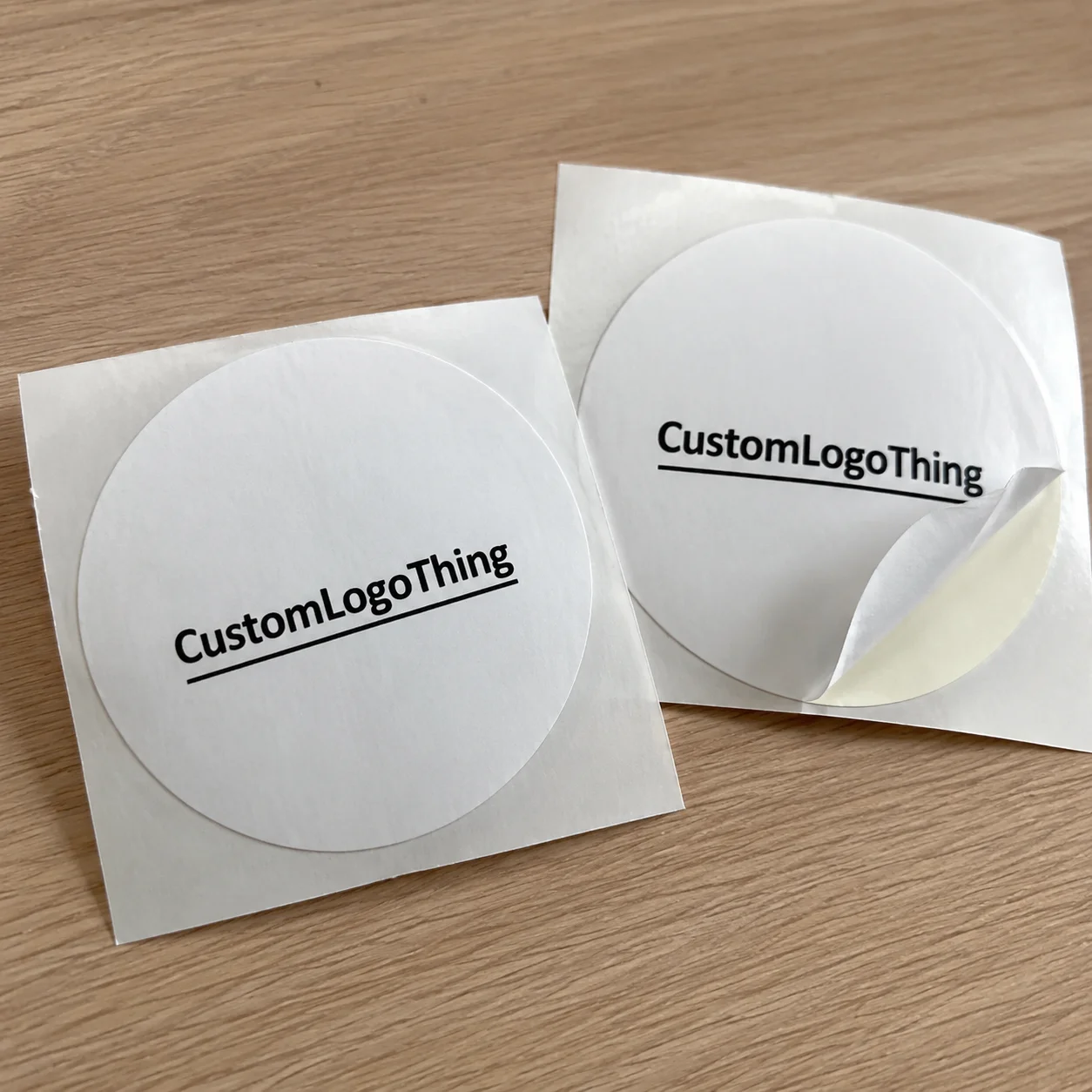
Buy Smart: Logo Patches Material Guide for Soap Makers
A handmade soap bar can look premium on the curing rack and still lose that impression in packaging. Labels curl. Paper absorbs oil. A beautiful textured patch scuffs during packing. A pale logo disappears against kraft board under warm shop lighting. This Logo Patches Material guide for soap makers focuses on the materials, attachment methods, and production checks that matter before a customer ever unwraps the bar.
Soap packaging has its own hazards: fragrance oils, glycerin moisture, botanical dust, clays, mica, salt, sugar, humidity, and the pressure of stacked inventory. A patch that works on a cap or tote bag may not behave the same way on a belly band, muslin pouch, rigid gift box, or partially exposed bar.
Logo Patches Material Guide for Soap Makers: Start Here
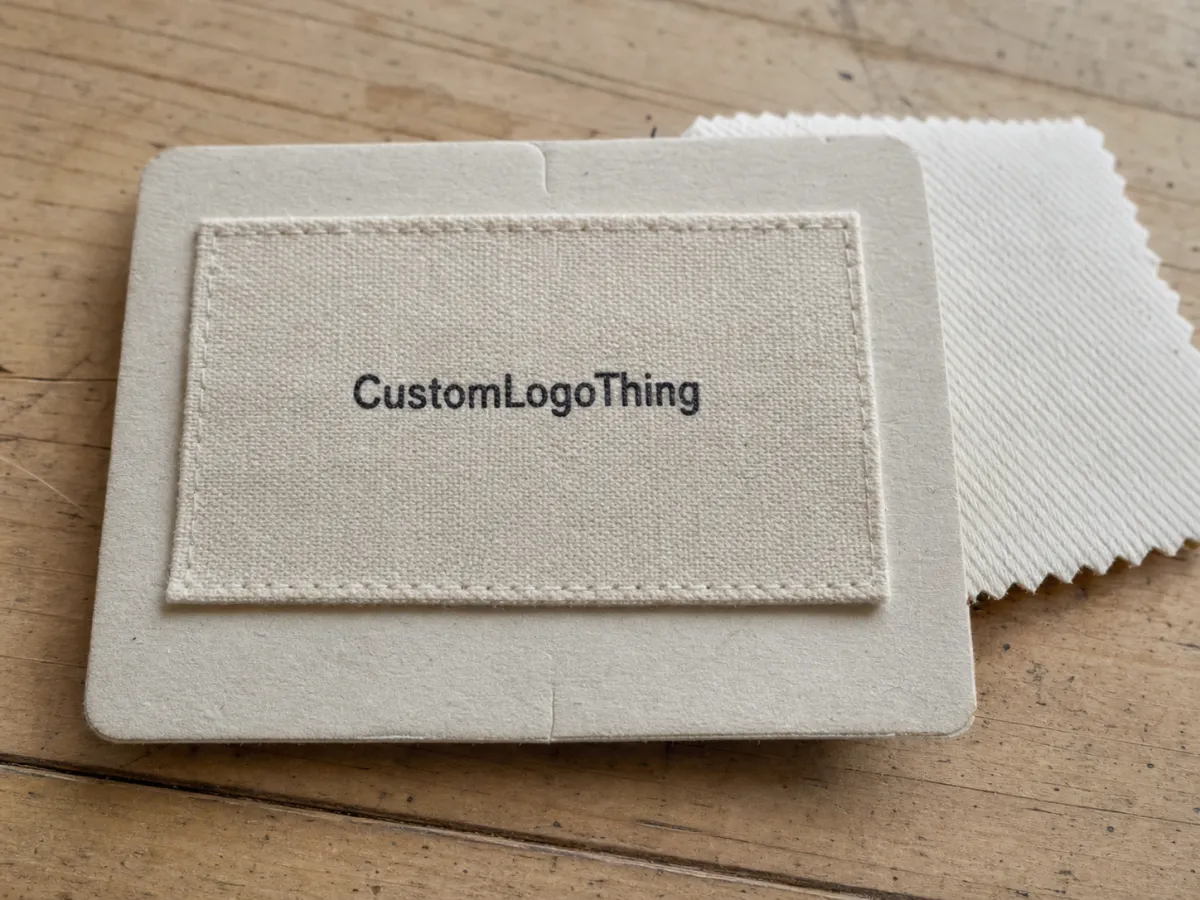
A logo patch is a small branded label or emblem made from woven thread, embroidery, cotton, canvas, faux leather, real leather, cork, PVC, rubber-like polymer, felt, or a specialty paper-style substrate. It may be sewn to a drawstring bag, glued to a box, stuck to a belly band, tied with twine, heat-applied to fabric, or used as a decorative seal on a gift set.
Small does not mean minor. On a 3.5- to 5-ounce soap bar, a patch often becomes the strongest visual cue after color and scent name. It tells the customer whether the product feels rustic, clinical, playful, apothecary, giftable, refill-friendly, or boutique.
The best patch is not automatically the prettiest loose sample. The better question is narrower: what material survives the packaging surface, the soap formula, the retail environment, and the handling path? A lavender cold-process bar wrapped in kraft paper may suit cotton canvas, cork, or muted woven thread. A bright citrus glycerin bar may look sharper with printed fabric or molded PVC. A charcoal shaving bar in a rigid box may carry debossed faux leather well.
The practical aim is to avoid paying for a decorative detail that fails through curling, staining, adhesive lift, poor legibility, or a brand mismatch.
How Logo Patch Materials Behave Around Soap Packaging
Patch construction controls both appearance and durability. Woven patches use thread to form the artwork. They sit relatively flat and can hold finer lettering than embroidery. Embroidered patches build raised texture with stitches, giving a handmade, tactile look, but they struggle with tiny type and delicate lines. Printed fabric patches place ink on a textile face, which helps with full-color artwork, watercolor-style illustrations, scent graphics, and gradients. Molded PVC or rubber-like patches are shaped from flexible polymer and usually offer strong moisture resistance with bold color separation.
For soap packaging, the common material choices fall into recognizable lanes.
Woven polyester is often the safest pick for small logos, tight borders, and cleaner typography. It works well on boxed soap, belly bands, and boutique wraps when the attachment method is chosen carefully.
Cotton and canvas create a softer handmade look, especially on muslin bags, recycled-paper wraps, and low-sheen packaging. They are attractive, but untreated natural fibers can absorb oils or darken if exposed to moisture.
Faux leather gives an apothecary or heritage feel without the natural variation of real hide. It suits debossed logos, simple monograms, men’s grooming lines, shaving soaps, charcoal bars, and premium gift boxes. Very fine detail may flatten or disappear, particularly at small sizes.
Cork brings a plant-based texture that pairs well with kraft paper, recycled board, and earthy scent lines. Its grain can be beautiful and slightly irregular. That same irregularity can reduce crispness in tiny marks.
PVC and rubber-like patches are useful where moisture resistance matters: travel soap, shower-adjacent gift sets, kids’ bath products, gym bags, and ecommerce packs that may get jostled. They do not read as “natural,” which can be a disadvantage for some handmade brands.
Heavy paper, cardstock, and specialty paper-look labels can be economical for short runs, seasonal scents, and limited batches. They work best when they are protected from oil, humidity, and edge abrasion. Coatings help, but coatings also change recyclability claims and tactile feel.
Moisture and oil are the two forces that expose weak choices. Natural fibers can stain. Uncoated paper can warp or feather at the edges. Adhesives can lose bite if fragrance oil migrates through a wrap or if a textured band sheds fibers. Coated synthetics resist surface moisture better, but the adhesive still has to match the substrate beneath it.
Attachment is as important as the face material. Sew-on patches make sense for cotton pouches and reusable bags. Heat seal may work for fabric, provided the pouch material tolerates temperature and pressure. Pressure-sensitive adhesive can work on smooth paperboard, coated boxes, and flat bands. Twine, rivets, or hang-tag construction may be better when the soap itself is irregular, oily, or only lightly wrapped.
Design limitations are not minor production trivia. Woven handles detail better than embroidery. Debossed leather prefers bold marks. PVC favors defined shapes and separated colors. Printed fabric gives the broadest artwork freedom, though textile texture and ink system still affect sharpness. A delicate floral illustration that looks excellent on a paper label may become muddy in thread at 1.25 inches wide.
Key Factors: Moisture, Texture, Detail, and Brand Fit
Start with the packaging format. Is the bar fully boxed, wrapped in glassine, banded in kraft paper, tucked into a cotton bag, or partly exposed? A patch that never touches the bar has more freedom. A patch placed near an unwrapped or lightly wrapped bar needs stricter testing, especially with oil-rich formulas, activated charcoal, turmeric, clays, botanicals, salt, sugar, or mica.
Moisture tolerance is usually the first filter. PVC, silicone-like rubber, coated woven polyester, and some faux leathers are stronger candidates for humid storage or bath-adjacent gift sets. Uncoated paper and untreated cotton belong in drier, fully wrapped, or boxed presentations unless testing proves otherwise.
Texture does brand work before the customer reads the label. Embroidery feels tactile and craft-heavy. Woven thread feels neat and refined. Leather and faux leather lean rustic, apothecary, masculine, heritage, or premium depending on color and finish. Cotton and canvas feel approachable. Cork supports an earthy, low-waste presentation when paired with kraft, corrugated mailers, or recycled board.
Artwork compatibility deserves a blunt review. If the logo includes tiny ingredient-style lettering, woven is usually better than embroidery. If the mark is a bold bee, leaf, moon, sun, arch, or monogram, debossed faux leather can look expensive without adding many colors. If scent families rely on bright color blocks, PVC may fit. If the brand depends on painted florals or multi-color illustration, printed fabric or a specialty paper label may be more honest to the art.
Color matching varies by material. Thread has sheen and shadow. Ink absorbs differently on cotton than on coated stock. PVC can look flatter and more saturated. Faux leather carries undertones from the base material. Kraft paper warms everything placed over it. A Pantone-style target is useful, but expect close commercial matching rather than a perfect screen-to-object match.
Packaging floor rule: judge the patch on the real package, under the kind of light your customer will see. A loose sample on a white desk can look too dark, too shiny, or too small once mounted on a soap box.
Sustainability claims require precision. Natural fibers, cork, recycled polyester, plastic-free ties, and FSC certified paperboard may support a lower-waste presentation, but disposal depends on coatings, adhesives, mixed materials, and local recycling systems. If you use words such as recyclable, compostable, or biodegradable, keep the claim specific and review guidance from the U.S. Environmental Protection Agency.
Cost, Pricing, and MOQ: What Changes the Unit Cost
Patch pricing is not based on size alone. Material, artwork complexity, color count, backing type, border style, quantity, finishing, packaging, and setup requirements all affect the quote. Two 2-inch patches can price very differently if one has eight thread colors and heat-seal backing while the other has a one-color deboss on faux leather.
MOQ means minimum order quantity. It covers setup time, machine scheduling, proofing, material staging, finishing labor, and waste. For a maker testing a new scent line, a simpler woven patch, printed textile label, or paper-based seal may be safer than a custom molded piece. An established soap brand can often reduce unit cost by ordering one master logo patch across several scent varieties, then using the belly band, box sticker, or hang tag for scent-specific details.
| Patch Material | Best Use on Soap Packaging | Typical Cost Behavior | Watchouts |
|---|---|---|---|
| Woven polyester | Fine logos, small text, premium belly bands, boxed soap | Often efficient at 100–500+ pieces; detail does not add stitch bulk like embroidery | Adhesive still needs testing on kraft paper or textured bands |
| Embroidered | Muslin bags, reusable pouches, craft-forward gift sets | Cost rises with stitch count, size, and coverage | Tiny lettering and fine script can fill in |
| Faux leather | Apothecary, rustic, men’s grooming, premium boxed soap | Depends on thickness, color, debossing, laser cutting, and backing | Very fine artwork may lose definition |
| Cork | Natural lines, recycled-materials story, earthy branding | Usually mid-range; shape and print method affect price | Surface texture can limit tiny detail |
| PVC or rubber-like | Humid environments, travel soap, colorful gift sets | May require mold cost; improves at larger quantities | Less natural feel; not ideal for every handmade brand |
| Heavy paper or cardstock | Short runs, seasonal scents, economical boutique labels | Efficient for small batches; foil, embossing, and coatings change cost quickly | Can curl, scuff, or absorb moisture if uncoated |
Small specification changes move the number. A half-inch size increase can raise material use and machine time. Heat-seal backing adds processing. Merrowed borders change the edge finish and may require more room around the artwork. Individual bagging, tighter color matching, metallic thread, foil, laser-cut shapes, or premium adhesive all add cost.
As a practical range, many simple small textile or faux leather patches become more economical once an order moves from a test quantity into several hundred pieces. Molded PVC usually needs enough volume to spread out tooling. Paper-based seals can suit lower quantities, but premium finishes may erase the savings quickly.
Ask for tiered quotes: 100 pieces for testing, 300 for restock, and 1,000 for a larger wholesale or seasonal run. Keep the same size, backing, and material across each tier. Otherwise, the comparison becomes noise.
Budget control usually comes from simplification: one master logo patch across multiple scents, bold artwork, fewer colors, standard shapes, and scent or ingredient information placed on a printed label. If soap ships in corrugated mailers, factor in abrasion. A slightly tougher patch face can cost less than replacing damaged packaging, especially for gift sets.
Process and Timeline: From Artwork to Finished Patches
The production path is predictable: choose the material, submit artwork, confirm size and shape, select backing or attachment, review a digital proof, approve a sample or pre-production image when needed, then move into bulk production. Woven, printed, and faux leather patches may move faster than molded PVC if no custom tooling is required.
Artwork files matter. Vector files such as AI, EPS, SVG, or clean PDF are preferred because edges stay sharp and production teams can separate colors accurately. High-resolution PNG or JPEG files may be usable, but redrawing adds time and can introduce small interpretation differences. Send brand colors, font names, packaging dimensions, and a clear note showing where the patch will sit.
Sampling is not only for national brands. A physical sample helps check material feel, adhesive bite, edge finish, small lettering, color behavior, and scale. If the patch will sit on paperboard, tell the supplier whether the box is raw fiber, matte coated, aqueous coated, soft-touch laminated, textured, or glossy. Adhesive performance changes across those surfaces.
Typical timing depends on complexity. Digital proofing may take a few business days. A physical sample or pre-production image adds more time. Bulk production for straightforward patch styles often fits into a multi-week planning window after proof approval. Custom molds, unusual materials, imported substrates, close color matching, or hand-applied finishing can stretch the schedule.
Plan backward from the real deadline. Markets, subscription boxes, retail resets, wholesale deliveries, and product photography dates are not flexible just because a patch is small. Leave room for proof revisions, adhesive checks, packing labor, and carrier delays. Packaging performance principles from groups such as ISTA are useful reminders that vibration, compression, and handling affect presentation long before the customer sees the package.
One low-tech test catches many failures. Attach several patches to the actual packaging. Put a few in a warm room. Place a few near finished soap inventory. Stack boxes or bags as you would in a market bin. After several days, check for curling, staining, adhesive lift, odor absorption, scuffing, fiber tear, and logo legibility.
Step-by-Step Material Selection for Soap Labels and Wraps
A clear selection process saves money and reduces proof revisions. It also keeps the supplier conversation grounded in use, not guesswork.
-
Identify the packaging format first. A patch for a cotton drawstring bag has different requirements than one glued to a rigid box or tied to a lightly wrapped bar. Measure the flat application area and leave space around folds, corners, seams, and curves.
-
Decide whether the patch is decorative, functional, or both. Decorative patches can focus on texture and brand mood. Functional product details, such as scent, batch, net weight, ingredients, and warnings, usually belong on a printed label, box panel, or insert where the copy remains readable.
-
Match the material to the environment. Choose moisture-resistant materials for humid storage, natural textile patches for dry boutique display, and sturdy coated or synthetic options for shipping-heavy ecommerce orders. A bathroom gift set needs different materials than a dry shelf display.
-
Simplify the artwork for the material. Convert delicate illustrations into bolder shapes, enlarge tiny type, reduce unnecessary color changes, and test legibility at final size. A 1.5-inch patch punishes clutter.
-
Select the backing carefully. Sew-on works for reusable bags. Adhesive can work for boxes and bands. Heat seal may be right for fabric pouches. No backing may be best for twine-tied tags. Specialty backing only helps if the packaging surface supports it.
-
Order a sample or pilot if contact risk is high. If the patch will touch handmade soap directly, test before bulk ordering. Oils, fragrance, exfoliants, salt, sugar, botanicals, and moisture can reveal problems that a clean desk test misses.
Treat each step as a filter. By the end, you should have one or two realistic materials, not ten attractive samples competing without context.
Common Material Mistakes Soap Makers Can Avoid
Do not choose a patch only because it photographs well. A material can look beautiful in a close-up and still fail after fragrance exposure, warm shipping conditions, or repeated handling at a market table. Photography appeal is not packaging performance.
Be cautious with adhesive placed close to the bar. Oils, botanicals, glycerin moisture, loose fibers, uneven handmade surfaces, and waxy wraps can weaken bond strength or leave residue. If the patch needs to sit near unboxed soap, use an intervening wrap, band, or tag where possible, then test.
Artwork mistakes are easy to spot after production and expensive to fix. Tiny ingredient text does not belong on most woven patches. Fine script can fill in with embroidery. Gradients do not deboss into leather. PVC will not mimic delicate watercolor texture the way printed fabric can. Each material has a visual language; the best results respect it.
Size is another trap. Oversized patches can overpower a small bar and raise cost without increasing perceived value. Patches that are too small lose legibility and make a premium product look improvised. For many soap boxes and wraps, 1.25 to 2.25 inches is a practical starting range, but the right size depends on package face, logo shape, and viewing distance.
Material mismatch shows up quickly on shelf. Rustic cold-process soap often pairs well with cotton, cork, leather-look material, kraft paper, and muted thread colors. Bright translucent glycerin bars may suit printed fabric, PVC, or clean synthetic finishes. Charcoal, clay, and shaving bars may look stronger with debossed faux leather or restrained woven labels. The patch should support the scent, formula, price point, and retail channel.
Compliance confusion deserves attention. Logo patches are usually brand elements, not substitutes for required product information. Ingredient lists, net weight, business details, warnings, and other required copy should be handled on a compliant label, box panel, or insert where applicable. That is one of the strongest reasons to keep the patch simple: let it brand the product, not carry the whole label system.
Build a Patch Spec That Is Ready to Quote
A quote-ready patch spec does not need polish. It needs clarity. Gather the final logo file, desired size, shape, material preference, backing type, border style, color requirements, quantity, packaging surface, and target in-hand date. If the material is undecided, ask for two or three specific options rather than “the best patch.”
Photograph the current soap packaging from the front, side, and application area. Include a ruler or finished bar for scale. A supplier can make better recommendations if they can see texture, bend points, box coating, band width, pouch fabric, and the exact surface where the patch will land.
Build a short option set before requesting pricing. For example: a budget woven patch for standard bars, a premium faux leather patch for boxed gift sets, and a moisture-resistant PVC patch for travel or shower-adjacent products. Tie each option to a product line or retail channel so the comparison reflects real use.
Then test on actual packaging. Attach the patch to the box, bag, wrap, or belly band. Handle it. Stack it. Leave it near finished soap inventory. Check it after several days. If you use recycled paperboard, post-consumer waste stock, or uncoated kraft, watch for adhesive lift and fiber tear.
Last, build a production calendar that includes proof review, sample approval, bulk production, shipping, packaging assembly, product photography, and launch timing. A patch may be a small component, but if it arrives late or fails testing, the whole packaging run can sit unfinished.
Use this Logo Patches Material guide for soap makers as a practical checklist: match the material to the package, match the artwork to the production method, and test the finished patch under the conditions your soap will actually face.
FAQ
What is the best material for logo patches on handmade soap packaging?
For boxed or wrapped soap, woven polyester, cotton canvas, faux leather, and cork can all work well depending on the brand look. For humid environments or packaging that may encounter moisture, PVC, rubber-like patches, coated woven patches, or durable synthetic materials are usually safer. If the patch may touch the soap directly, test for staining, oil transfer, adhesive failure, and fragrance interaction before ordering bulk quantities.
Can I use adhesive logo patches for soap boxes and belly bands?
Yes. Adhesive patches can work on smooth boxes, coated paperboard, and some belly bands, but they need a clean, dry, stable surface. Adhesive may struggle on textured kraft paper, waxy wraps, oily surfaces, loose fibers, or curved areas under tension. Request the correct adhesive for the surface and test it on actual packaging.
Are woven or embroidered patches better for soap makers?
Woven patches are better for small lettering, fine logo details, and a flatter refined look. Embroidered patches are better for raised texture, visible stitching, and a craft-forward feel. For very small soap labels, woven usually preserves detail better, while embroidery works best with bolder artwork and larger patch sizes.
How much do custom logo patches for soap packaging cost?
Cost depends on patch size, material, color count, backing, border, artwork complexity, quantity, and any tooling or setup requirements. Higher quantities usually reduce unit cost because setup time is spread across more pieces. To compare accurately, request pricing for multiple quantities and keep the same specifications across each quote tier.
What should I include when requesting a quote for soap packaging patches?
Include your logo file, approximate patch size, material ideas, quantity, backing preference, packaging photos, and target delivery date. Mention whether the patch will be applied to a box, bag, belly band, wrap, hang tag, or directly near the soap. If your soaps are oil-rich, heavily fragranced, dusty with botanicals, or stored in humid conditions, say so early so the material and adhesive can be selected properly.