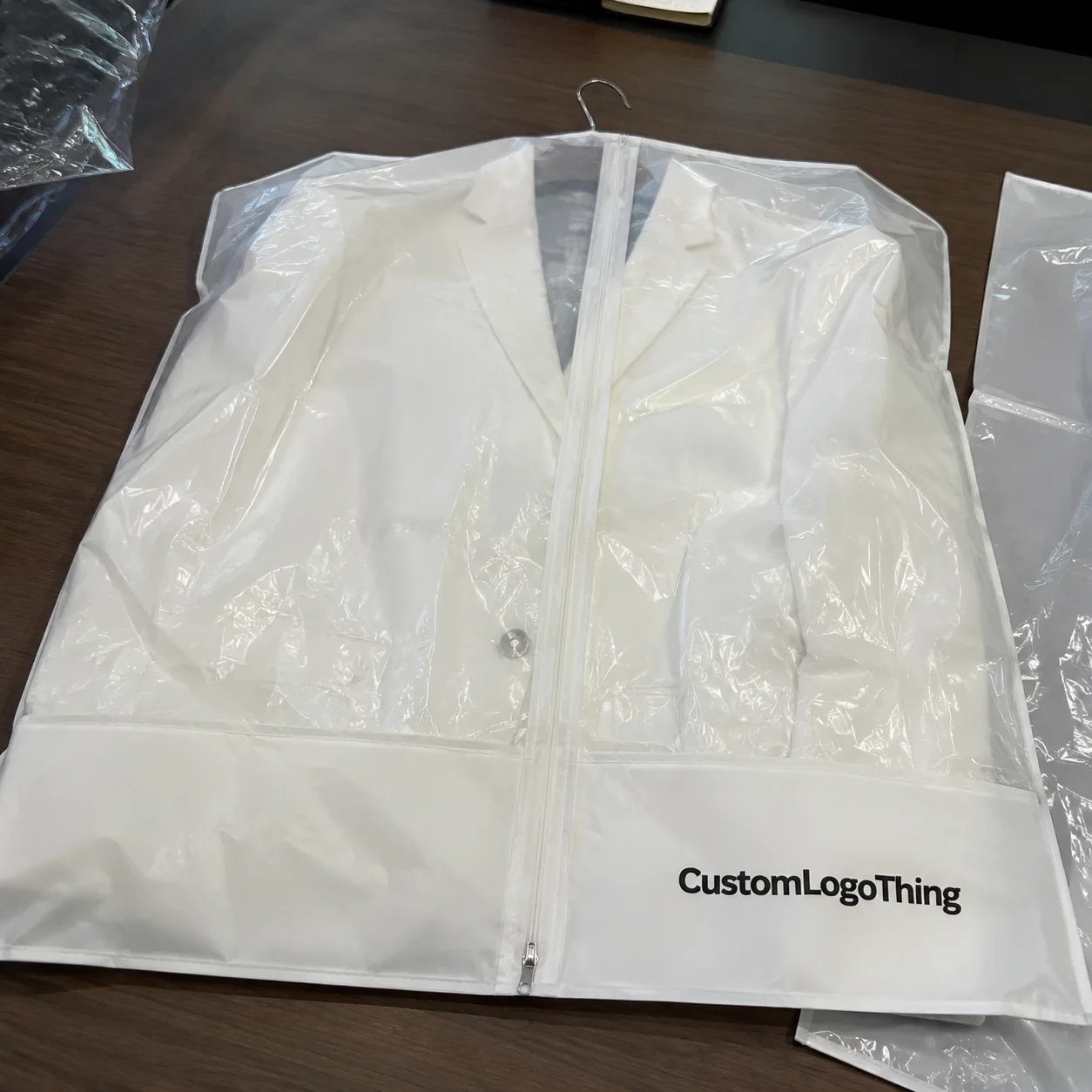
Two plastic bags can look almost identical in a quote and behave completely differently once ink hits the film. That gap is the whole reason a serious logo printed plastic Bags Print Method Comparison matters before artwork approval. Plastic is slick, non-absorbent, and less forgiving than paper; a method that works well for one bag style can produce weak opacity, scuffing, or drifting registration on another.
Buyers usually notice the difference late. The unit price looked good, the PDF proof looked clean, and then the white logo turns muddy on frosted film, black text fills in near a gusset fold, or the print scratches after normal handling. What looked like a bargain becomes a remake discussion.
The real decision is not just “which decoration option looks best.” It is a tradeoff among flexographic printing, screen printing, gravure, and occasionally digital printing, with bag material and construction shaping the result. Cost, setup charges, color accuracy, lead time, repeatability, and minimum order quantity all move with that choice.
Bag format changes the answer too. A grocery-style T-shirt bag, a frosted die-cut merchandise bag, and a patch-handle retail bag do not present the same printable surface or tolerance window. So this guide stays grounded in the details buyers actually have to approve: print sharpness, film behavior, order size, setup economics, and the quality checks that prevent expensive surprises.
Why logo printed plastic bags print method comparison matters before you buy

The biggest mistake is treating Printed Plastic Bags as if they all come off roughly the same kind of press. They do not. Ink sits on the film surface rather than soaking in, which means adhesion, drying, curing, and rub resistance matter more than many first-time buyers expect. If the ink system and surface treatment do not match, the problem often shows up immediately under folding, friction, or light moisture.
A useful logo printed plastic Bags Print Method Comparison should answer five plain questions:
- Will the logo print sharply enough for the brand?
- Will the color land close to the approved standard?
- At what quantity does the method become economical?
- How much setup time is real, not optimistic?
- What happens to cost and consistency on reorders?
That last point gets shortchanged. Plate, screen, or cylinder charges can make the first order look expensive and the second order much better. The reverse happens too: a method that feels easy for a low run can become the costly option once volume climbs. If you miss that curve, you can lock yourself into the wrong process for a year.
Print area matters as much as press type. Die-cut handles remove usable space. Gussets distort alignment. Bottom folds and seams interrupt otherwise clean panels. A large flat front panel gives far more room for a logo to sit correctly than a narrow bag with cutouts and heavy side expansion. Same product category, very different production risk.
That difference shows up most in retail takeout, boutique merchandise packaging, event giveaway bags, and promotional poly bags where the bag doubles as visible advertising. In those jobs, a print method decision is not a technical footnote. It affects how the brand looks in the customer’s hand.
How each plastic bag printing method works on film surfaces
Plastic film creates one stubborn technical challenge: it is non-porous and often only lightly treated for printability. Surface-treated LDPE and HDPE usually print well, but slip additives, recycled content, finish level, and film blend can all change how ink lays down and cures. Two bags made from “poly” are not automatically equal on press.
Flexographic printing
Flexographic printing uses flexible relief plates to transfer ink onto a continuous film web. It is the workhorse for Custom Plastic Bags because it balances speed, setup cost, and repeatability better than most alternatives. For simple to moderately detailed logos, especially one to four spot colors, flexo often gives the most practical mix of quality and price.
Its sweet spot usually starts around 5,000 to 10,000 bags and scales comfortably upward. Modern flexo presses can handle process work, but tiny reverse type, fine gradients, and very subtle tonal shifts still need scrutiny. On thin film, design choices that look harmless on screen can break down fast.
Screen printing
Screen printing pushes ink through a mesh stencil directly onto the bag. It is slower, more manual, and often better suited to smaller runs, but it has one clear advantage: ink laydown can be bold and visually dense. For a simple one- or two-color logo on a thicker merchandise bag, that can be exactly what the job needs.
Typical order quantities fall in the 500 to 3,000 range, sometimes a bit higher depending on the supplier and bag style. Fine photographic detail is not its strength. Neither are tight multicolor registration demands. Strong solids, larger type, and uncomplicated marks are where it earns its place.
Gravure or rotogravure
Gravure uses engraved cylinders and remains the high-consistency option for large production volumes. The print can look exceptionally clean, especially on long runs where cylinder cost is spread across a large number of bags. Smooth vignettes, consistent color, and polished image reproduction are its main selling points.
The catch is upfront investment. Cylinders cost more than plates or screens, and lead times are usually longer at the front end. For many projects, gravure only starts to make financial sense at 25,000 units and up, sometimes much higher depending on artwork complexity and bag size.
Digital printing
Digital printing is still a narrower option in plastic bag production than many buyers assume, but it can solve specific problems well. Short runs, versioned artwork, seasonal campaigns, and full-color graphics are the obvious cases because there is no plate or cylinder charge to recover.
Capability varies a lot. Some suppliers can print certain films and bag formats cleanly; others are far more limited. Adhesion, color accuracy, and rub resistance are not automatic. Useful tool, yes. Universal answer, no.
Material and finish effects
LDPE is usually softer and associated with a smoother, more premium hand feel. HDPE is stiffer and common in grocery and takeout T-shirt bags. Frosted film can mute color if there is no white support layer beneath the print. Clear film often needs an opaque white underprint to keep brand colors from washing out. Matte and glossy finishes reflect ink differently, and recycled-content film can introduce small shifts in base tone and surface consistency.
Then there is geometry. Gussets can move registration tolerance by a few millimeters. Two-sided printing increases alignment risk. Bleeds near folds, seals, or die-cut handles need extra room, not hopeful assumptions. A good comparison of bag printing methods has to account for the substrate and the bag structure, not just the name of the press. Broader technical references from the Flexible Packaging Association help frame those conversations: packaging.org.
What is the best logo printed plastic bags print method comparison for most buyers?
For most buyers, the short version is fairly stable. Screen printing usually fits lower-volume bags with bold artwork. Flexographic printing is often the best middle ground for repeat orders, spot-color logos, and controlled unit cost. Gravure leads on high-volume consistency and refined image quality. Digital printing is most useful where short-run full color or frequent artwork changes matter more than the lowest piece price.
- Screen printing: best for small runs and simple, bold logos
- Flexographic printing: best for mid-volume branded bags and repeat programs
- Gravure: best for very large runs and polished high-consistency printing
- Digital printing: best for short-run full-color graphics and versioned designs
That summary is directionally right, but it is not enough to approve a purchase order. Film type, handle style, print area, opacity requirements, and reorder economics can easily overturn the obvious choice. A press method sets the technical ceiling; bag construction often decides whether you can reach it without trouble.
Key factors that decide the best method for your logo and bag style
Start with the artwork. A one-color wordmark with thick strokes is easy territory. A beauty or cosmetics logo with fine reverse text, soft gradients, and metallic accents is not. Thin film and normal production tolerances punish delicate design elements faster than most buyers expect.
Color strategy comes next. If the brand depends on a specific Pantone match, spot inks are usually safer than simulated process builds. Flexo and gravure both handle spot colors well when the design is straightforward. Digital can help with full-color imagery, but exact brand matching can shift with substrate, calibration, and white underprint strategy.
Bag construction changes the printable zone. Flat bags give the cleanest canvas. Die-cut handle bags sacrifice central area around the opening. Patch-handle bags add reinforcement that can affect placement and pressure. T-shirt bags have interrupted front panels and stretch visibly under load, which can distort how a logo looks in use even if it printed perfectly flat.
Durability should fit the job. Grocery and takeout bags see rubbing, stacking, weight stress, and occasional moisture. Event bags may only need to survive a few hours of decent presentation. Premium retail bags sit somewhere in the middle: appearance matters, but so does resistance to scratching during packing and customer carry-out. Buyers often overspecify for disposable use and underspecify for premium retail. Both are expensive mistakes.
Appearance priorities narrow the field quickly:
- Crisp edges and repeat consistency usually favor flexo or gravure.
- Heavy, bold ink coverage often suits screen printing.
- Photo-style graphics may point toward gravure or digital, depending on quantity.
- Very small type, reverse text, and soft gradients need prepress review before any method is approved.
Then there are compliance and sustainability questions, which are often handled too casually. If the bag sits near food contact, the ink system and converting process should be confirmed for that application. Recycled-content film can behave differently in print and may not provide the same bright base tone as virgin resin. Environmental claims need to be specific and supportable, not improvised from sales language. The EPA recycling guidance is a useful reference point for those discussions.
Cost, pricing, MOQ, and unit cost tradeoffs by print method
Low unit cost usually arrives attached to higher setup cost and higher minimums. That is the basic tradeoff, but suppliers do not always present it cleanly. One quote emphasizes piece price, another hides setup in a lump sum, and a third leaves freight until the very end. Comparing methods without normalizing those numbers is how buyers talk themselves into the wrong answer.
On small runs, screen printing can avoid large plate or cylinder charges, but per-bag pricing remains relatively high. Flexo usually sits in the middle: moderate setup cost, much better scaling as quantity rises, and stronger reorder economics. Gravure often has the highest startup cost because of cylinder engraving, yet on large runs it can produce impressively low unit pricing. Digital avoids traditional setup tools, but the per-piece cost usually stays high.
| Print method | Typical MOQ | Setup cost range | Typical unit cost range | Best fit |
|---|---|---|---|---|
| Screen printing | 500-3,000 pcs | $60-$250 per color | $0.28-$0.95 each | Bold logos, smaller orders |
| Flexographic printing | 5,000-20,000 pcs | $80-$300 per plate/color | $0.06-$0.28 each | Mid-volume repeat branding |
| Gravure | 25,000+ pcs | $250-$700 per cylinder/color | $0.03-$0.12 each | Large polished runs |
| Digital printing | 250-2,000 pcs | Low to none | $0.35-$1.10 each | Short-run full-color work |
Those ranges are broad but realistic for common carry bag formats. They are not promises. A small 9 x 12 inch frosted die-cut bag at 2.5 mil and a larger, lighter-gauge T-shirt bag do not carry the same material cost, print behavior, or packing density.
The main cost drivers are predictable:
- Bag size and film thickness
- Number of print colors
- One-side versus two-side printing
- White underprint on clear or frosted film
- Bag style, including handles, gussets, and reinforcement patches
- Carton pack count and freight cube
Hidden costs are where comparisons usually fail. Artwork cleanup can add $25 to $150 if files are not truly production-ready. Press proofs and hand samples can add time and cost, though they are often worth it. Rush production frequently adds 10% to 25%. Freight is the quiet budget killer: plastic bags are light, but they consume carton volume quickly, which means storage and shipping costs can outpace what buyers expect from the material weight alone.
A cleaner buying process is to request side-by-side quotes that separate setup, unit price, sampling or proof charges, estimated lead time, and reorder price. If those numbers are blended together, it is harder to see which print method is actually cheaper over six months rather than one purchase order.
Production steps, process, timeline, and lead time from artwork to delivery
The production flow is usually straightforward: requirement review, artwork check, bag specification confirmation, proofing, plate or screen or cylinder preparation, production, packing, and shipping. The schedule trouble rarely comes from the list itself. It comes from missing inputs and late changes.
Artwork approval is the most common bottleneck. A supplier may be able to prepare plates in two to five business days and run a simple flexo job quickly, but the timeline slips the moment the logo arrives as a low-resolution file, Pantone references are missing, or the bag dimensions change after proofing starts.
Typical lead times after final proof approval often look like this:
- Digital printing: about 7 to 12 business days
- Screen printing: about 10 to 15 business days
- Flexographic printing: about 12 to 20 business days
- Gravure: about 20 to 35 business days
That is only production time. Domestic transit can add two to seven business days. Imported orders can add weeks once freight mode, port handling, and customs are included. If an event date or retail launch is fixed, backward planning matters more than optimistic production estimates.
Sampling choices
Not every order needs a physical sample. For a straightforward reorder on the same film and same art, a digital proof may be enough. For new artwork, frosted or clear film, premium retail use, full-color graphics, or any large order where a mistake would be expensive, a pre-production sample or press proof is usually money well spent.
What buyers can control
Lead time improves when four things are finalized early:
- Bag dimensions and structure
- Clean vector artwork in AI, EPS, or press-ready PDF format
- Exact color references, ideally Pantone spot values where relevant
- One clear proof approver with final sign-off authority
There are also quality-control checks worth asking about before production starts. On plastic bags, the sensible ones are ink adhesion testing, rub or scuff checks, registration tolerance review, and color verification against approved references. For clear or frosted bags with white support layers, ask whether opacity is being checked visually only or against a standard sample. If the logo sits near a fold or handle cutout, confirm the safe print margin in writing.
Transit risk matters too. Bags ship flat in master cartons, and damage usually comes from compression, rough handling, or overpacked cases rather than dramatic impact. General transport testing frameworks from ISTA can help frame those conversations if the bag is part of a broader ship-ready packaging system.
Practical callout: If your deadline is fixed, count backward from the in-hands date, not from the day production starts. Approval delays and freight drift do more damage than press time in most projects.
How to choose the right print method step by step
A reliable buying process is not glamorous. It is methodical, skeptical, and much cheaper than correcting a bad run.
- Lock the bag structure first. Decide on flat, die-cut handle, patch-handle, or T-shirt style before debating print. Printable area and film choice depend on it.
- Define the artwork honestly. Note color count, print size, reverse text, gradients, and whether both sides need close alignment.
- Quote realistic volumes. If you need 2,000 now and maybe 10,000 later, request both scenarios. That reveals where setup economics change.
- Rank the priorities. Lowest cost, fastest turnaround, lowest MOQ, best print quality, or easiest reordering. Most projects can win on two, not all five.
- Ask suppliers to justify the method. A useful recommendation explains why screen, flexo, gravure, or digital fits the artwork and quantity.
- Request apples-to-apples quotes. Setup, unit price, sample charge, lead time, and reorder pricing should all be broken out.
- Review proofs like production documents. Check spacing from seams, folds, handle cutouts, and edges, plus any notes on opacity or registration tolerance.
For many buyers, the decision rule is still fairly simple once the specs are clear: screen printing for smaller bold jobs, flexo for dependable mid-volume branding, gravure for large polished runs, and digital for short-run full-color work where the substrate is already confirmed.
Common mistakes buyers make when comparing bag printing options
The first mistake is buying on unit price alone. If setup is high, sampling is skipped, waste runs higher than expected, and reorder pricing is murky, the “cheap” quote may be the expensive one. Total landed cost matters more than the most attractive number on page one.
Another common error is assuming all plastic films print the same way. Frosted, glossy, matte, recycled, LDPE, and HDPE films can hold color differently and may require different ink handling or white support layers. Adhesion problems are much easier to prevent than to argue about after delivery.
Bad artwork remains one of the costliest avoidable issues. Low-resolution logos, hairline reverse type, and missing vector paths do not become production-ready because a better press is involved. Good prepress prevents surprises. Weak prepress simply postpones them.
Bag geometry also gets ignored too often. Gussets, seams, bottom folds, and die-cut handles interrupt print zones, and a centered logo on a flat proof can look off-balance once the bag is opened and filled. The bag is a three-dimensional object; artwork that ignores that fact usually looks worse in real use than it did on screen.
Some buyers overspecify quality for disposable applications. Others do the opposite and underbuy for boutique retail where the bag is part of the customer experience. There is no prize for paying gravure money for a one-day event bag, and there is no savings in muddy print on premium merchandise packaging.
Reorder consistency gets missed as well. Ask how plates, screens, or cylinders are stored, whether press settings are documented, and how color references are retained for repeat production. If the supplier cannot explain that process clearly, consistency across batches may depend more on luck than control.
Expert tips and practical next steps for sourcing printed plastic bags
The cleanest way to get useful quotes is to send a one-page print brief. Include bag dimensions, film type, thickness or mil, handle style, artwork files, Pantone colors, target quantity, in-hands date, and whether print is needed on one side or both. That single document eliminates a surprising amount of back-and-forth.
If the right method is still unclear, request two quote paths instead of one recommendation:
- Low-MOQ path: optimized for smaller initial volume and faster launch
- Scale path: optimized for lower repeat-order unit cost
That comparison usually exposes the real tradeoff faster than a general sales pitch. It also makes supplier bias easier to spot, especially if a company only runs one or two processes in-house.
Pay for a physical sample when the project is new, premium, or large enough that an error would be painful. This matters most for frosted bags, clear film with white underprint, fine reverse details, and any design where color density is part of the brand impression. Sample cost is small compared with a remake or a missed launch.
Keep approved artwork, color references, proof notes, and bag specifications on file after the order closes. Reorders should behave like repeatable SKUs, not fresh investigations. The buyers who avoid trouble are rarely the ones with the fanciest creative; they are the ones who document decisions well and compare methods against actual production constraints.
A good Logo Printed Plastic bags print method comparison is not about memorizing which press sounds most advanced. It is about matching artwork, film, quantity, timeline, and budget before the job reaches production. Do that well, and the bag stops being a guess and starts acting like a controlled packaging item.
FAQ
What is the best print method for logo printed plastic bags on small orders?
Screen printing is often the practical choice for small orders with simple spot-color logos, especially on thicker merchandise bags. Digital can also work for short runs or full-color artwork if the supplier has proven capability on your bag format and film. The deciding factors are still artwork detail, substrate compatibility, and whether speed or setup cost matters more.
How much does logo printed plastic bags printing cost per unit?
Unit cost depends on quantity, bag size, film thickness, color count, bag style, and print method. Short runs carry higher per-bag pricing because setup is spread over fewer pieces. For planning purposes, many projects land anywhere from roughly $0.03 to $1.10 per bag, but total project cost should also include setup tools, proofs or samples, freight, and any rush charges.
Which logo printed plastic bags print method gives the best quality?
Gravure usually delivers the highest consistency and most refined image quality at large volumes. Flexographic printing offers strong quality for many branded retail applications and often delivers the best balance of price and repeatability. Screen printing can look excellent for bold graphics, but it is usually not the first choice for tiny text, subtle gradients, or complex photographic artwork.
What is the typical lead time for logo printed plastic bags?
Lead time depends on artwork readiness, proof approval speed, print method, production queue, and shipping mode. Digital and simpler screen jobs can move faster, while flexo and gravure need added preparation for plates or cylinders. Clean vector artwork and finalized bag specs do more to protect the schedule than almost any other buyer action.
Can I print full-color artwork on any plastic bag material?
Not reliably. Material type, surface finish, opacity, and bag construction all affect print compatibility. Some films need special ink systems, white underprints, or surface treatment for proper adhesion and color performance, so a printability review or physical sample is wise if the design includes photos, gradients, or heavy ink coverage.