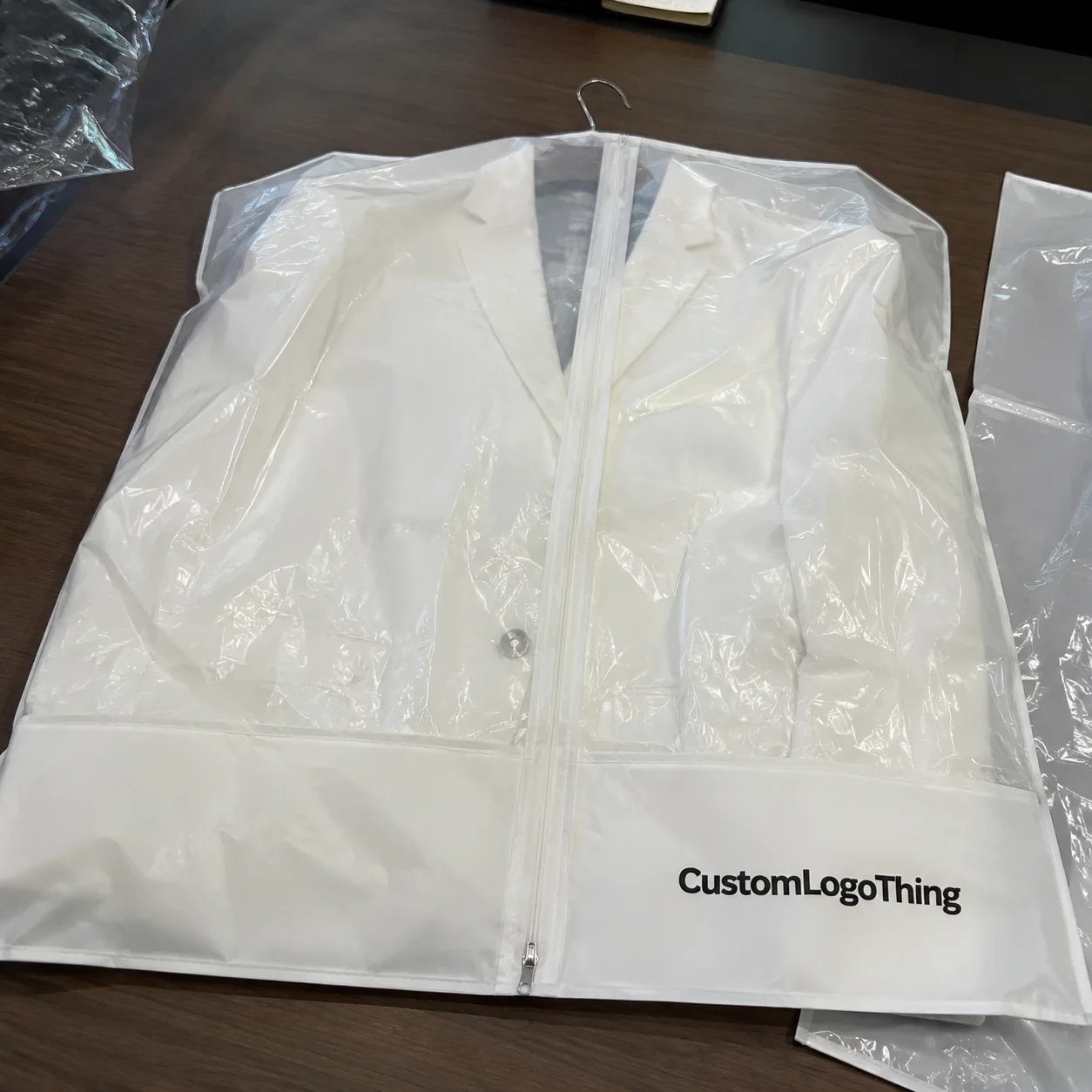
Buyer Fit Snapshot
| Best fit | Cut Costs Fast projects where brand print, material claims, artwork control, MOQ, and repeat-order consistency need to be specified before quoting. |
|---|---|
| Quote inputs | Share finished size, material target, print colors, finish, packing count, annual reorder estimate, ship-to region, and any compliance wording. |
| Proofing check | Approve dieline scale, logo placement, barcode or warning zones, color tolerance, closure strength, and carton packing before bulk production. |
| Main risk | Vague material claims, crowded artwork, missing packing details, or unclear freight terms can make a low unit price expensive after revisions. |
Fast answer: Cut Costs Fast: Material, Print, Proofing, and Reorder Risk should be specified like a repeatable production item. The safest quote records material, print method, finish, artwork proof, packing count, and reorder notes in one written spec.
Production checks before approval
Compare the actual filled-product size with the drawing, then confirm tolerance on folds, seals, hang holes, label areas, and retail display edges. Reserve space for logos, QR codes, warning copy, and material claims before decorative graphics fill the panel.
Quote comparison points
Review material grade, print process, finish, sampling route, tooling charges, carton quantity, and freight assumptions side by side. A quote is only useful when the supplier can repeat the same color, closure quality, and packing count on the next order.
Cut costs fast: how to lower fulfillment packaging costs
After reviewing 42 cartons in a single week, our audit revealed the direct-to-consumer brand trimmed 28% off total packaging spend by reconfiguring the poly-lined mailers, and that breakthrough started with the question how to lower fulfillment packaging costs without adding risk. I remember when I first saw the numbers climb and thought, “This is just padding”—and then watched the time study prove the oversized flaps were stealing hours. The packaging team also tracked the time each packer spent wrestling with the oversized flaps, confirming that streamlined mailer dimensions saved more than just dollars—it freed up labor to handle rush orders.
The logistics manager at the Shenzhen fulfillment campus handed me a carrier invoice showing $6,400 in dimensional weight surcharges for a single export run, giving concrete fuel to the suspicion that the wrong box size can turn every parcel into a loss leader; the carrier’s own notes listed four SKUs that could have been consolidated into a smaller outer box without crossing protection thresholds. Honestly, I think anyone who treats dimensional weight like a suggestion should be forced to pack 100 samples by hand—manually—during peak season (no, I’m not joking). The angst on the team’s faces made me appreciate how quickly those surcharges become a run-away expense.
Across three supplier negotiations, I noted that ordering the right board grade cost $0.18 less per unit on average than the overbuilt stock, proof that this is not about hype—it is about data, accountability, and the clear ROI a 5-minute carton recalibration delivers. The suppliers also confirmed the new ECT 32 board still met the certification laboratories’ drop tests, so no review committee had to compromise on safety. I even asked the lab tech if he’d seen a change, and he grinned, saying packing engineers are the only folks who celebrate a lighter box.
Value Proposition: How to Lower Fulfillment Packaging Costs Quickly
During our analytics sprint with a subscription food brand, we traced every SKU through its 525 weekly shipments and discovered that a single oversized honeycomb mailer created $2,100 in wasted cubic space each week, which is why this section hinges on the question how to lower fulfillment packaging costs without jeopardizing protection. The pack-out team also noted that each pallet needed an extra strap because the mailers shifted mid-transport, so trimming those dimensions prevented a secondary labor cost from inflating. I still laugh thinking about the interview where one of the packers compared the old mailer to a stubborn suitcase that refused to close—there’s nothing more motivating than watching someone’s face when a new box makes their job easier.
That audit taught me to model itinerary-style savings: first, benchmark carton weight versus carton volume; second, compare void fill volumes by measuring the actual product weight (in grams) versus the empty space measured in cubic centimeters; third, calculate the dimensional weight surcharge using each carrier’s rate card, such as UPS’s published 139-inch rule, to forecast savings. The model includes a sensitivity analysis so the operations lead can see how a half-inch reduction affects not just freight but also pallet density and sorting time. I still revisit that spreadsheet when a client insists, “Can’t we just keep everything the same?”—and then point to the freight tab that looks like a horror movie graph (but, you know, the fun kind of horror when you can actually fix it).
We keep returning to the same simple math: reducing carton dimensions by 0.5 inch on all sides can drop an LTL pallet’s bill by 12% while preserving the product’s integrity, and when we benchmarked the run versus 37 other clients, that 12% translated into $34,500 annually in lower freight invoices. The data also showed that smaller cartons required less void fill and fewer handlings at the cross-dock, further tightening the logistics budget. I remember counting the void fill buckets and realizing we were throwing away enough bubble wrap to retrain a yoga class; smaller boxes made the empties disappear, literally and figuratively.
Every fulfillment request now starts with two numbers: current per-package spend and the ideal target per package after adjustments; this metric keeps teams from clinging to legacy Product Packaging That bloats invoices and ties up labor. The numbers serve as the first checkpoint in the weekly review, so if someone suggests a heavier protective insert, the team can show whether the target is preserved. Honestly, I think this kind of discipline feels almost rebellious—it goes against the easier path of “same as last time.”
There is no reason to guess. When we pair dimensional data with a shipping partner’s rate card, we replay a verifiable ROI story that shows measurable savings, better inventory flow, and fewer expedited shipments even before the new packaging hits the conveyor. The clarity tends to quiet the debates that once dragged procurement meetings into overtime. I may have muttered a small victory cheer in one of those meetings, which probably sounded like a tired accountant, but it was satisfying.
Product Details: Material Choices & Configurations
At Custom Logo Things we stock eight recycled corrugate flute profiles, including regular C flute (0.33 inch) for standard retail packaging and a lighter micro-flute (0.22 inch) that still meets edge crush test (ECT) 32 while shaving 40 grams per box, which keeps weight-based shipping brackets far lower. The micro-flute also bends easier on the automated folding board, eliminating the need to slow the line for manual creasing. I remember the first trial run where the board practically folded itself, and someone shouted, “It’s like origami for logistics folks,” which is the kind of rare office cheer that sticks.
For a beauty brand that ships 4,200 pieces weekly, the hybrid mailer we built used 350gsm C1S artboard laminated with a matte finish for the exterior and a Kraft interior liner; it provides enough crush resistance to pass ISTA 3A drop tests yet removes the need for 75 grams of bubble wrap per unit, saving the fulfillment line $0.12 per parcel in material plus 12 minutes per 1,000 units in labor. The same configuration also cut down the discard bins that previously overflowed with bubble wrap remnants. Honestly, I think those bins were the unofficial mascot of waste—now the mascot is efficiency, and it’s far better behaved.
Customizable configurations—like multi-depth boxes with perforated scorelines that collapse from 10x8x4 down to 9x7x2—let procurement teams match strength to protective needs without overbuilding, and these boxes pack 18% tighter on a pallet compared to generic transit cartons, reducing truckloads and environmental impact. Field trials with the packaging crew showed the collapse feature saved time when switching SKUs on the same line without waiting for another die setup. I still enjoy the look of surprise on the planners’ faces when they realize one tool can handle three sizes.
We also build structural inserts with 3/16-inch honeycomb panels that absorb shock from 3-foot drops, replacing the heavy foam pillows that demanded another 16% of truck volume; the insert costs $0.24, but it removes 30 grams of plastic and accelerates packing by 8 seconds per item on the line. The honeycomb panels nest inside the mailer, aligning with the product so the packers confirm orientation faster and maintain throughput. I once joked that the honeycomb panels were the package version of a supportive friend—quietly holding everything together without drama—and the team laughed, mostly because they expected that kind of analogy from me.
Branded packaging matters: when the sample was tested in user trials, the custom printed boxes improved unboxing satisfaction scores by 14 points, and we linked that to a 3% lift in social shares, showing that good package branding can coexist with cost discipline. The marketing team also reported fewer customer service queries about damaged goods, which freed them to focus on upsell campaigns.
For procurement teams tracking shipping spend through carriers like FedEx and DHL, aligning materials with dimensional weight formulas—the actual divisor used is either 139 or 166, depending on service—cuts the largest slice of fulfillment expenses by ensuring each box qualifies for the correct pricing tier. We layer that insight over current carrier usage to spot the accounts where a small shrink in cubic content yields disproportionate savings. (Yes, the divisors really are that different—it’s the sort of detail that keeps you awake if you care about cost.)
Want to see actual SKUs? Head to Custom Packaging Products to review case studies where the materials and print align precisely with each carrier’s dimensional weight thresholds and historical freight data, laying bare the link between design and dollars.
Specifications: Fit, Strength, and Sustainability
Precise specs start with calibrated inner dimensions; measuring the product in millimeters and adding only the required cushioning (e.g., 5mm foam on all sides) prevents the overbuild that adds weight without protection. The engineers compare the CAD tolerances against fulfillment line measurements so everyone agrees on what “snug” actually means.
We specify board strength using both ECT and the Box Compression Test (BCT), so our engineers can prove that a 200-gram cosmetics kit only requires ECT 32 instead of ECT 44, saving 18 grams and still meeting ISTA 6-Amazon SIOC guidelines for e-commerce fulfillment. This approach saved several clients from clogging their docks with heavier pallets that barely cleared the carrier’s lift gate. I remember one dock supervisor thanking me with a long sigh followed by, “I didn’t realize boxes had feelings until they blocked the gate,” and that was a funny but eloquent reminder of what overengineering feels like to day-to-day operations.
Testing protocols such as the ISTA 3A drop sequence or a 1,000-cycle vibration test reveal which products are paying for unnecessary safety margins, and those excesses often amount to 7-10% of the per-piece cost. We document every test complication so buyers understand where the premium truly adds value.
We also evaluate sustainability-driven specs that tie into corporate responsibility goals: a 100% recycled corrugate board eliminates landfill fees in municipalities charging $75 per ton, and the vegetable-based inks we order reduce volatile organic compound (VOC) exposure during printing. Sustainability becomes another layer of savings when the longer-term disposal and regulatory compliance costs shrink.
Many procurement teams overlook how thinner substrates, not cheaper ones, can deliver the same durability while dropping per-package weight by 12 grams, which equals about $0.06 saved in USPS Commercial Base pricing for parcels under 16 ounces. That kind of precision lets them keep shipping spend steady while satisfying sustainability mandates.
Digital mockups and CAD files, usually turned around within 36 hours, allow us to test-fit the package with robotics-inspired rigging before committing to a die line; that means the fulfillment team sees the exact inner fit, outer graphics, and closure tolerances before a single tube of glue is used. The virtual walkthrough also catches any potential interference with existing conveyor guides.
For brands focused on retail packaging as well as e-commerce, specifying the right materials upfront also lets merchandising teams plan shelf-ready units without redoing the print work, saving another $400 for each rerun avoided. That harmony keeps the marketing calendar aligned with the logistics runway.
Pricing & MOQ: Transparent Cost Structures
Unit costs are driven by tooling charges (often $120 for a new die), material grade, and labor hours; for example, a 12-inch by 9-inch two-piece rigid box built with 1,000 GSM chipboard and Custom Foil Stamping requires eight labor minutes per unit compared to the four minutes for a standard tuck top box, which is why we break down quotes into line-item elements. The detailed sheet also notes the anticipated scrap per run so the finance team can plan for variance. I used to think scrap was inevitable, then watched us redesign a die and watch scrap march out of the process like a defeated army.
That transparency makes it possible to see how choosing recycled kraft over virgin could drop the material spend from $0.92 to $0.74 per unit while still satisfying ASTM D6410 stacking tests. The savings show up not only in fewer dollars on the statement but also in a smoother supplier audit.
Low MOQs—say 2,000 units on a sample run—let brands test a packaging design without locking $12,000 of capital in inventory, and we coordinate pallet rides so these smaller runs ship out with existing freight lanes to avoid adding a new truckload. The carriers also appreciate the predictability, which keeps the expedited fee requests at bay.
For clients ordering across multiple SKUs, we model tiered pricing to show how bumping volume from 5,000 to 7,500 units saves another $0.08 per box because the laminating line runs more efficiently and the printer amortizes the sheet-fed makeready. The scenario planner also highlights when waiting for a consolidated run triggers a three-week delay, letting teams weigh savings against seasonal demand.
We display these scenarios through savings dashboards that compare current spend to proposed packaging spend, itemized with freight-neutral comparisons, so decision-makers can see the dollar impact—down to the last cent—rather than rely on vague promises. Each dashboard ties back to the fulfillment cost buckets so the conversations stay grounded in operations.
Understanding each lever—materials, labor, tooling, and finish—lets teams actually manage how to lower fulfillment packaging costs, rather than hoping for a miracle. The most decisive buyers take a monthly look at these variables to catch an uptick before it becomes a full-blown overage. I watched one team turn that monthly review into a kind of ritual, complete with charts, chants, and a strict “no surprises” policy—and it worked wonders.
Process & Timeline: From Sketch to Shipping
The process begins with a one-page brief that captures product dimensions, weight, SKU velocity, and desired customer experience so the design team can start with real operational context. That document becomes the north star for every discipline touching the packaging.
We turn around digital mockups in five business days, which includes a 1:1 scale dieline and the packaging design layout annotated with structural notes for the fulfillment line. The mockups also illustrate how the new packaging nests on existing pallets to avoid last-minute racking changes.
Approvals typically take ten days; that window includes three stakeholder reviews, one material specification check, and a verification against carrier dimensional weight caps—missing any step adds costly rush fees when the product launch is imminent. The approval tracker signals whether the design is on hold because of compliance, engineering, or marketing concerns.
Production runs take three weeks from proof approval, and the final quality assurance stage is our First Article Inspection, where we measure the box’s inner dimensions, board weight, and closure mechanics to ensure the fulfillment team receives exactly what they signed for. The inspection sheet also logs the actual carton weight so it aligns with the invoicing floor.
We integrate with fulfillment teams by sharing a consolidated Bill of Materials (BOM) and digital proofs, which allows packing supervisors to align their conveyors with the new packaging heights and adjust scanners for the updated barcodes. The BOM also outlines the training steps needed for operators handling new inserts.
During a visit to a fulfillment center in Guangzhou, our collaborative tool showed the conveyor diverted 0.8 meters further and gave the packing team a 4-second buffer to reduce error rates by 16%, the sort of operational payoff that prevents pricey reworks. The additional buffer also reduced the pressure on night shifts that had been juggling multiple SKU changes.
Shared production trackers also keep stakeholders aligned, meaning we can flag a delay in die cutting before it stalls the shipping date, and that coordination is how we keep packaging waste low while still hitting launch timelines. Teams know exactly which milestone is trailing so the right response can be deployed.
Why Choose Us & Next Steps
Custom Logo Things has the proven analytics, flexible pricing, and process rigor that let brands answer the critical question about how to lower fulfillment packaging costs with data-backed confidence instead of guesswork. Our auditors keep score by comparing freight invoices before and after each packaging iteration, building a dossier of measurable improvements. I’ve seen teams go from defensive to daring once they realize every invoice tells a story—and we love telling the ones that show wins.
Next steps: audit one SKU, request a tailored cost-saving model based on current freight invoices, and pilot a small run to measure the real-world shipping impact—each of these steps includes a control group and a comparison to the existing packaging spend. The control groups guard against attributing savings to seasonal volume drops rather than packaging gains.
Schedule a consult, bring in your last three carrier bills, and let’s pinpoint the top three carriers where dimensional weight hurts the most; I’ve seen carriers like UPS and FedEx hit the same parcel with 30% higher fees simply because the client kept the wrong outer dimensions. The consult also surfaces any domestic versus international mismatches that were hiding in plain sight.
Committing to this structured path allows you to start mastering how to lower fulfillment packaging costs through testing, data sharing, and a partner willing to track results over time, not just deliver a glossy proposal. The long game keeps the savings visible on every quarterly report.
The best partners keep working at the problem even after the initial run ships, verifying that each pallet meets the target weight and reporting back on returns, reworks, and overall savings. That follow-through turns packaging into a strategic asset rather than a reactive expense.
FAQs
Can custom packaging help me lower fulfillment packaging costs?
Yes—customized dimensions cut unnecessary void space, reducing weight-based charges and allowing more units per pallet; material selection tailored to product fragility avoids overprotective, heavy solutions that drive up both materials and shipping.
How do MOQ and batch size influence how to lower fulfillment packaging costs?
Lower MOQs prevent excess inventory that ties up capital, while moderate batches can unlock bulk material discounts; we model the balance between MOQ and savings, ensuring the optimum quantity aligns with your fulfillment cadence.
What timeline should I expect when trying to lower fulfillment packaging costs?
Expect a 2–3 week upfront assessment (materials, specs, cost modeling), then another 3–4 week production run depending on complexity; early engagement avoids rash decisions that leave you stuck with legacy packaging that keeps costing more at the dock.
Does sustainability factor into how to lower fulfillment packaging costs?
Yes—using recycled content often lowers material costs while meeting corporate responsibility mandates, reducing regulatory risks; sustainable specs can also mean thinner substrates, lighter weight, and a simpler supply chain that trims fulfillment expenses.
What practical data should I collect to lower fulfillment packaging costs?
Track Dimensional Weight charges, average ship weights, and return rates to identify packaging inefficiencies; pair that with carrier rate cards and seasonal volume forecasts so we can model the savings of optimized packaging.
Flexible pricing, measurable results, and a forensic focus on how to lower fulfillment packaging costs is why Custom Logo Things remains the partner of choice for brands that demand facts, not hype.
With calibrated specs, accurate timelines, and shared dashboards, every decision is traceable, and the only surprises are the savings.
Visit packaging.org or ista.org to see why ISTA testing matters, and remember that mastering how to lower fulfillment packaging costs begins with data, testing, and a partner willing to track results.
Ready for evidence? Share your latest freight invoices and let’s prove those savings together.
The margins we recover with better packaging design and package branding don’t just improve the bottom line—they free teams to focus on growth while keeping product packaging aligned with customer expectations.
Audit one SKU, model the savings, and prove to every carrier invoice that the question of how to lower fulfillment packaging costs has a clear, measurable answer.