Dad Hats Material Options for Fashion Boutique Orders: Costs, Specs, and Lead Times
For buyers comparing Dad Hats Material options for fashion boutique orders, two samples can look nearly identical on a line sheet and behave very differently once they hit a rack, a fitting room, or a phone camera. Texture changes the perceived price. Drape changes the silhouette. Finish changes whether the cap feels like a permanent boutique staple or a one-season add-on.
That gap matters because the fabric often carries more of the value story than a small trim upgrade. A cap that costs slightly more to make can still produce better margin if it sells faster, supports a higher retail ticket, and reorders without spec drift. Buyers usually discover that the cheapest blank is not the cheapest program. The fabric that fits the brand, the season, and the decoration method is usually the better buy.
Why material choice changes sell-through for boutique dad hats
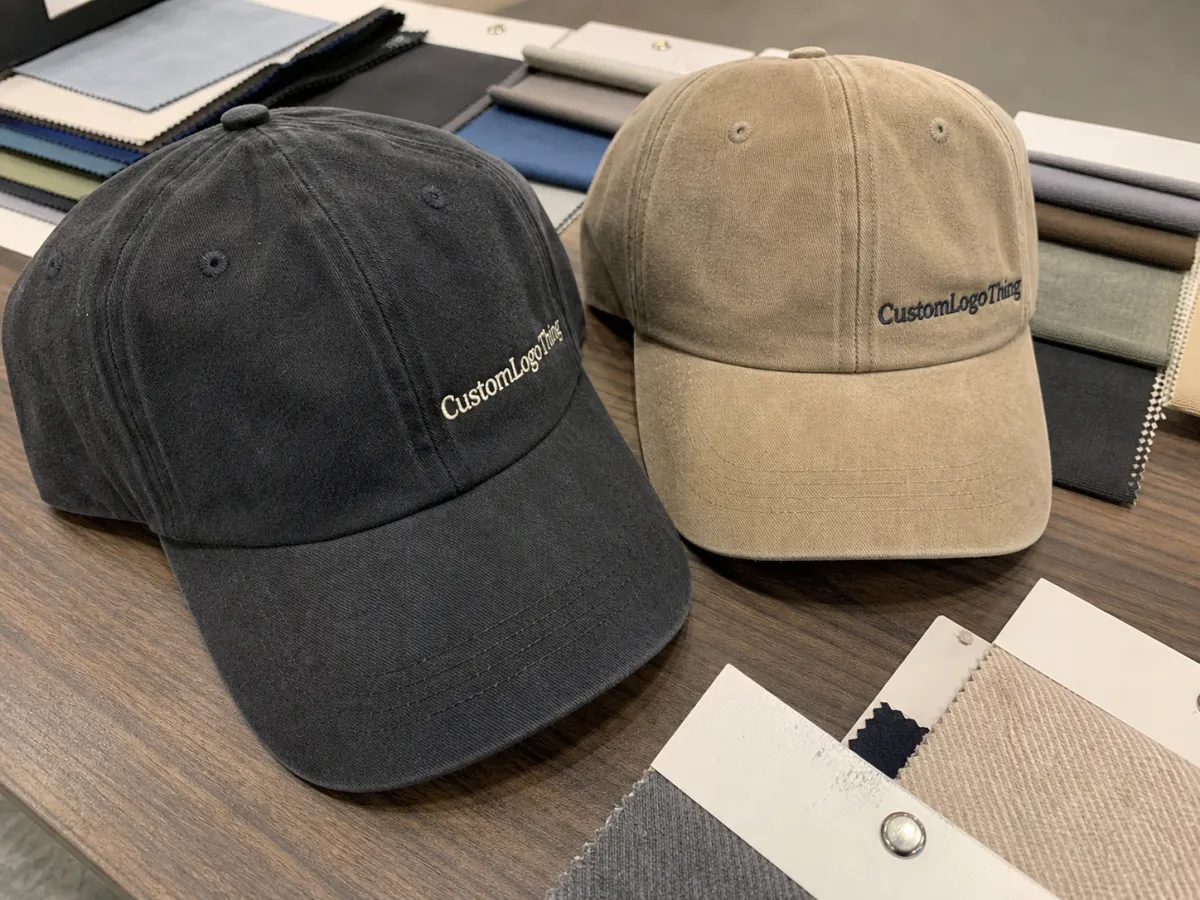
A boutique buyer is not only buying a cap. They are buying a texture, a hand feel, a fit profile, and a reason for the price tag. A soft-washed twill style can read relaxed and easy, while a crisper chino version often feels cleaner and more composed under the same retail tag. The logo may be identical. The customer reaction usually is not.
In store, shoppers tend to touch the front panel first, then the brim, then the closure. If the fabric has enough body to hold shape but enough softness to avoid looking stiff, the hat stays in the hand longer. That extra second is not trivial. It often improves conversion because the product feels considered rather than generic.
Material also affects whether a style dates quickly. Heavy novelty fabrics can spike attention for one season and feel tired by the next buying cycle. Cotton twill, garment-washed cotton, and clean chino surfaces tend to hold up better in boutique assortments that move by mood rather than by mass trend.
For most programs, the decision tree is practical:
- Choose texture if the hat needs to stand out on a wall or in social photography.
- Choose softness if comfort and easy wear drive the purchase.
- Choose structure if embroidery must sit cleanly and the front panel needs support.
- Choose repeatability if the style may come back for a second or third run.
That is why buyers often compare the same logo across two fabrics before placing a bulk order. The decoration can stay fixed while the retail response changes completely. For boutique dad hats, the material is not a background detail. It is the merchandising decision.
Fabric options that tend to photograph and merchandise well
The strongest fabrics are the ones that photograph clearly, hold their silhouette, and do not fight the decoration method. Cotton twill remains the workhorse because it balances cost, durability, and embroidery compatibility. It usually sits in the middle on texture, the middle on softness, and the middle is often where a core boutique program needs to be.
Garment-washed cotton moves the feel in a softer direction. The broken-in finish helps the cap read premium without pushing it into trend-chasing territory. Chino is cleaner and more polished. Under bright retail lighting, it tends to look sharper than looser weaves because the surface is tighter and the edge definition is better.
Corduroy is the texture play. It can lift perceived value quickly, but the ridges change how the logo reads. Fine details can disappear into the pile if the decoration is too small or too dense. Denim sits closer to a fashion story than a basic utility story, which makes it useful for streetwear-leaning or heritage-influenced boutique assortments. Cotton-poly blends help with shape retention and cost control, though they do not always feel as natural in hand as 100% cotton.
Typical fabrics for low-profile dad hats often fall around 250 to 340 gsm, though exact weights vary by mill and finish. That range is important because a change of even 20 gsm can shift the cap from relaxed to too floppy, or from structured enough to overly rigid. Buyers feel that immediately, even when they do not describe it that way.
Here is how the common options usually behave on the floor:
- Cotton twill - balanced hand feel, steady color hold, reliable embroidery surface, and low risk for core programs.
- Garment-washed cotton - softer touch, lived-in look, strong boutique appeal, slightly less crisp shape than untreated twill.
- Chino - cleaner finish, more tailored appearance, good for restrained branding and premium basics.
- Corduroy - strong texture and seasonal appeal, best for fashion-forward assortments and colder months.
- Denim - durable, visually distinct, useful for streetwear or heritage-inspired capsules.
- Cotton-poly blends - practical and often economical, especially when shape retention matters more than a fully natural hand.
Fabric body changes the decoration too. Dense embroidery can sit beautifully on chino and tight twill, then start to pucker on lighter cloth. Corduroy can swallow small text because the ridge interrupts the stitch line. That is not a decoration failure; it is a material mismatch. The same logo that looks refined on one cap can look crowded on another.
Warm-weather assortments usually do better with lighter, more breathable fabrics. A cap that feels hot in the hand may photograph well and still stay on the hook in store. If the boutique has an apparel story built around recycled fibers, organic cotton, or FSC certified packaging, the cap fabric should support that story rather than sit apart from it just because the finish looks expensive.
There is a useful comparison buyers sometimes miss: the visual quietness of a cap can be more premium than obvious texture. A busy fabric may catch the eye once. A clean, well-made base keeps selling after the first look.
Specs to verify before you approve a sample
Before any bulk order, the sample has to answer practical questions. Does the crown sit low enough for a true dad hat profile? Is the brim curve soft or aggressive? Does the closure feel secure after repeated adjustments? These details matter because boutique customers notice fit before they inspect stitching.
Most low-profile dad hats use a six-panel crown with an unstructured or lightly structured front. Crown height often lands around 3.25 to 3.75 inches, but factories do not always measure the same way, so ask for the spec sheet rather than relying on photos. A curved brim is usually about 2.75 inches deep, yet the exact curve can change the whole silhouette.
Check the closure as well. A fabric strap with a metal tuck buckle feels more elevated. A self-fabric slide closure reads softer and more casual. Sweatband construction matters more than buyers expect; a thicker inner band improves comfort, but it can also add bulk in the front panel and affect embroidery placement.
The sample should answer the following, in writing if possible:
- Fit: confirm the cap sits comfortably on different head sizes and does not pinch at the closure.
- Panel symmetry: check that the front seams and side seams align cleanly.
- Fabric hand: confirm the material feels consistent across the crown, brim, and closure strap.
- Decoration zone: verify logo placement, distance from the brim, and whether the panel has enough support.
- Stitch quality: inspect thread tension, loose ends, and backing clean-up on the inside.
- Brim memory: bend and release the brim to see whether it holds shape without warping.
There is one test that catches more problems than buyers expect: photograph the sample from a slight angle under retail lighting. If the cap looks good straight on but breaks down in side-light or on a phone screen, it needs another round. That often reveals weak panel symmetry, puckering, or a brim that is too flat to merchandise well.
For embroidery, the backing has to match the fabric. Too much stitch density on a lightweight cap can pull the front panel. Too little stabilization lets the design sink. If the logo has thin strokes, ask how the supplier plans to support them before approving the run. A backing change can matter more than a thread color adjustment.
Cost, MOQ, and quote factors that affect the order
Fabric choice affects cost before decoration enters the conversation. Standard cotton twill usually gives the best entry price because mills and factories know it well, handle it efficiently, and waste less material in cutting. Washed finishes, specialty textures, and heavier fabrics like corduroy add cost because they require extra processing or a more expensive raw material base.
For small-to-mid boutique orders, the wholesale spread often looks roughly like this before freight, duty, and packaging extras:
| Fabric | Typical blank cost impact | Retail positioning | Best use case |
|---|---|---|---|
| Cotton twill | Baseline | Accessible core style | Everyday boutique replenishment |
| Garment-washed cotton | + $0.20 to $0.45 per unit | Soft premium casual | Relaxed fashion assortments |
| Chino | + $0.15 to $0.35 per unit | Clean, polished | Minimal branding, elevated basics |
| Corduroy | + $0.60 to $1.20 per unit | Fashion-forward | Seasonal drops and textured collections |
| Denim | + $0.50 to $0.90 per unit | Distinctive, casual premium | Heritage or streetwear capsules |
| Cotton-poly blend | Varies, often close to twill | Practical and durable | Large-run programs with stable fit goals |
Decoration complexity can add just as much as fabric choice. Dense embroidery, multiple logo locations, woven labels, custom interior taping, and mixed-color assortments all raise the quote. A single-thread front logo is one thing. A front logo plus a side mark plus a woven size label plus branded carton inserts is another.
MOQ usually shifts with fabric, colorway, and decoration method. Standard materials in stock colors often allow lower minimums, while specialty fabrics or custom washes usually require larger commitments. If you want mixed colorways, ask whether the minimum applies per style or per color. That answer can change the economics faster than the unit price itself.
Ask for a landed-cost view, not just a factory quote. On smaller programs, an extra $0.40 in fabric cost can matter more than it looks because setup, packing, and freight get spread across fewer units. A cap that is one dollar cheaper at source can still cost more once the full order is shipped and labeled.
For a fast and accurate quote, send these details:
- Material and finish
- Color count and Pantone targets if applicable
- Logo method and placement
- Target quantity by colorway
- Packaging, including kraft paper, branded inserts, or FSC certified cartons if needed
- Ship-to location and delivery requirement
If you need a broader sourcing comparison, the Wholesale Programs page is a useful place to anchor landed-cost checks before you commit. The right question is not whether a cap looks cheap in isolation. It is whether the whole program supports the retail price you need to hold.
The cheapest sample is not always the cheapest program. The one that reorders cleanly usually wins.
Production workflow, lead time, and delivery expectations
A clean production workflow starts before cutting fabric. First comes tech pack review, then sample approval, then material sourcing, decoration setup, production, inspection, and final packing. Each step can move quickly or stall depending on how complete the buyer’s information is. Missing logo files, vague color targets, and unclear packaging instructions create delays that are avoidable.
The slowest steps are predictable. Custom dyeing adds time because color matching needs approval. Specialty fabric sourcing stretches schedules if the factory does not hold the material in stock. Sample revisions also cost time every time a logo shifts, because the factory has to re-embroider, re-trim, and re-check the cap before sign-off.
For straightforward boutique orders using in-stock fabric and simple embroidery, a common timeline is 12 to 15 business days from proof approval. Specialty fabrics, garment washes, or more complex decoration usually push that to 18 to 25 business days. Rush orders can sometimes land in 7 to 10 business days, but the trade-off is usually higher cost, fewer revision rounds, and less flexibility on material choice.
Packaging should be part of the schedule, not an afterthought. If the order needs shelf-ready carton labels, barcode stickers, tissue wrap, or retail-ready inserts, build that time in from the start. Good shipping packs often use corrugated cardboard shippers with kraft paper or tissue inserts, especially when the order moves through multiple store doors or a warehouse before hitting shelves.
If sustainability claims matter, ask whether the shipper uses recycled materials, post-consumer waste content, or biodegradable packaging where appropriate. That does not fix a weak cap, but it does reinforce a consistent brand story. The same is true for transit testing. Industry references from the ISTA standard family are useful when cartons need to survive distribution rather than a short parcel trip.
A milestone-based timeline keeps the order clear:
- Day 1-2: brief review and quote confirmation
- Day 3-5: sample or digital proof approval
- Day 6-10: material booking and decoration setup
- Day 11 onward: bulk production, inspection, packing, and dispatch
That structure gives the buyer fixed approval points and makes it easier to catch issues before they become expensive. It also exposes a common source of delay: waiting too long to approve the proof while expecting the schedule to stay unchanged.
How to judge supplier reliability before you reorder
Reorder consistency is where a supplier either earns long-term business or loses it. A dependable factory can repeat color match, seam quality, panel symmetry, and closure function without turning every run into a new experiment. Boutique buyers notice when a second shipment feels different from the first, even if the spec sheet says nothing changed.
Photos help, but they are not enough. A polished studio image can hide hand-feel issues, logo registration problems, or closure inconsistency. Physical samples matter more. Measured spec sheets matter more. Inspection reports matter more. Ask for them before you approve a bulk run, not after the problem lands in your warehouse.
Look for the kind of answers that show process, not just confidence.
- Reliable supplier: answers with measured specs, confirms defect tolerances, and documents revision history.
- Risky supplier: gives vague promises, changes details midstream, and avoids showing inside construction.
- Reliable supplier: ships cartons with clear labeling, accurate counts, and repeatable packing format.
- Risky supplier: treats packaging as a last-minute add-on and leaves retail-ready details unresolved.
Response time is another quiet signal. Fast, clear answers usually mean better internal coordination. Slow replies are not always fatal, but a supplier who cannot confirm whether a closure, label, or brim shape is standard will likely be just as unclear once production starts. That is not the profile a reorder program needs.
If sustainability is part of your brand story, ask whether the supplier can support FSC certified carton sourcing or print on recyclable outer packaging. That does not matter for every boutique, but it matters for brands that talk about responsible sourcing. Recycled fibers and better packaging cannot rescue a poor product, yet they do reinforce a clean buying decision when the cap itself already feels right.
For operational questions, the FAQ page is a sensible starting point. The real goal is simple: reduce uncertainty before the order is committed.
Next steps for building a boutique-ready assortment
Start by choosing the fabric tier that matches the customer, not the one that sounds nicest in a sample box. Then pick one hero colorway and one test colorway so you can compare sell-through behavior instead of guessing. After that, lock the decoration method before you request samples. Changing the logo treatment halfway through a development cycle burns time and muddies the quote.
If you are ordering multiple styles, compare at least two of the dad hats material options for fashion boutique orders side by side. Put them under retail lighting, photograph them on a phone, and feel the crown and brim in hand. That single test often reveals which fabric reads as premium and which one simply reads as expensive.
Before production begins, confirm the following in writing:
- MOQ by fabric, colorway, and decoration method
- Final quote with decoration, packaging, and freight assumptions
- Packing spec for cartons, tissue, inserts, and labeling
- Delivery window with approval milestones
- Reorder continuity on fabric sourcing and trim availability
Bottom line: the smartest way to buy boutique dad hats is to choose the fabric around margin, customer profile, and the retail price you intend to hold. Do that well, and dad hats material options for fashion boutique orders stop being a sourcing headache and become a repeatable assortment decision.
Which dad hats material options work best for fashion boutique orders with a premium price point?
Garment-washed cotton and fine twill usually feel softer and photograph better than basic blank fabrics. Corduroy and denim can also support a higher retail position if the boutique wants texture and a more fashion-led story. The best choice depends on season, target shopper, and the price you plan to hold on the shelf.
How do I compare MOQ across dad hats material options for boutique programs?
Ask for MOQ by fabric, color, and decoration method because those variables often change the minimum. Standard materials in stock colors usually allow lower starting quantities than specialty fabrics or custom washes. If you need mixed colorways, confirm whether the MOQ applies per style or per color.
Will lighter dad hats fabrics hurt embroidery quality on boutique orders?
Lightweight fabrics can work well if the backing, stitch density, and placement are matched correctly. The main risk is poor stabilization, not the lighter fabric itself. Always approve a stitched sample before bulk production if the logo is detailed, oversized, or placed close to a seam.
What affects unit cost most when ordering dad hats for a fashion boutique?
Fabric type, decoration complexity, and total quantity are usually the biggest pricing drivers. Special trims, custom labels, and premium packing can add cost even when the base cap is simple. Compare the full landed cost, not just the cap price, before choosing a supplier.
What should I check before approving dad hats material options for boutique stock?
Verify fit, fabric feel, stitching quality, color accuracy, and how the brim holds its shape. Review the sample under retail lighting and photograph it, because texture and color can shift on camera. Confirm lead time, packing, and reorder consistency before signing off on the bulk run.

