Buyer Fit Snapshot
| Best fit | mailing bags practices tested buyer review for packaging buyers comparing material specs, print proof, MOQ, unit cost, freight, and repeat-order risk where brand print, material, artwork control, and repeat-order consistency matter. |
|---|---|
| Quote inputs | Share finished size, material target, print colors, finish, packing count, annual reorder estimate, and delivery region. |
| Proofing check | Approve dieline scale, logo placement, barcode or warning zones, color tolerance, and any recyclable or compostable wording before bulk production. |
| Main risk | Vague material claims, crowded artwork, or missing packing details can create delays even when the unit price looks attractive. |
Fast answer: Mailing Bags Practices Tested Buyer Review: Film, Closure, Print, and Fulfillment should be specified like a repeatable production item. The safest quote includes material, print method, finish, artwork proof, carton packing, and reorder notes in one written spec.
What to confirm before approving the packaging proof
Check the product dimensions against the actual filled item, not only the sales mockup. Ask for tolerance on folds, seals, hang holes, label areas, and retail display edges. If the package carries a logo, QR code, warning copy, or legal claim, reserve that space before decorative graphics fill the panel.
How to compare quotes without losing quality
Compare board or film grade, print process, finish, sampling route, tooling charges, carton quantity, and freight assumptions side by side. A lower quote is only useful if the supplier can repeat the same color, closure quality, and packing count on the next order.
Mailing Bags Best Practices: Tested Picks and Buying Tips is the short version of a question that creates more waste than most teams care to admit. The bargain mailer often turns into the pricey one once you count repacks, damaged goods, customer complaints, and the packing time lost to fixes. That part never shows up on the quote sheet. In my experience, mailing bags best practices start with one plain rule: match film thickness, seal strength, and product shape before you chase the lowest unit price.
That sounds basic because it is. Plenty of buyers still get it wrong. A soft T-shirt can ship fine in a 2.5 mil poly mailer. A boxed accessory with sharp corners usually needs thicker film or a padded format. Oversized bags look sloppy, weak adhesive turns into returns, and a glossy finish can hide scuffs in product photos while showing every mark once the parcel gets tossed around. The rest of these mailing bags best practices break the choice into practical steps, real trade-offs, and the failure points testers notice first.
The best mailer is not the one with the biggest spec sheet. It is the one that closes cleanly, survives handling, and looks like somebody actually cared.
Mailing Bags Best Practices: Quick Answer for Busy Shippers
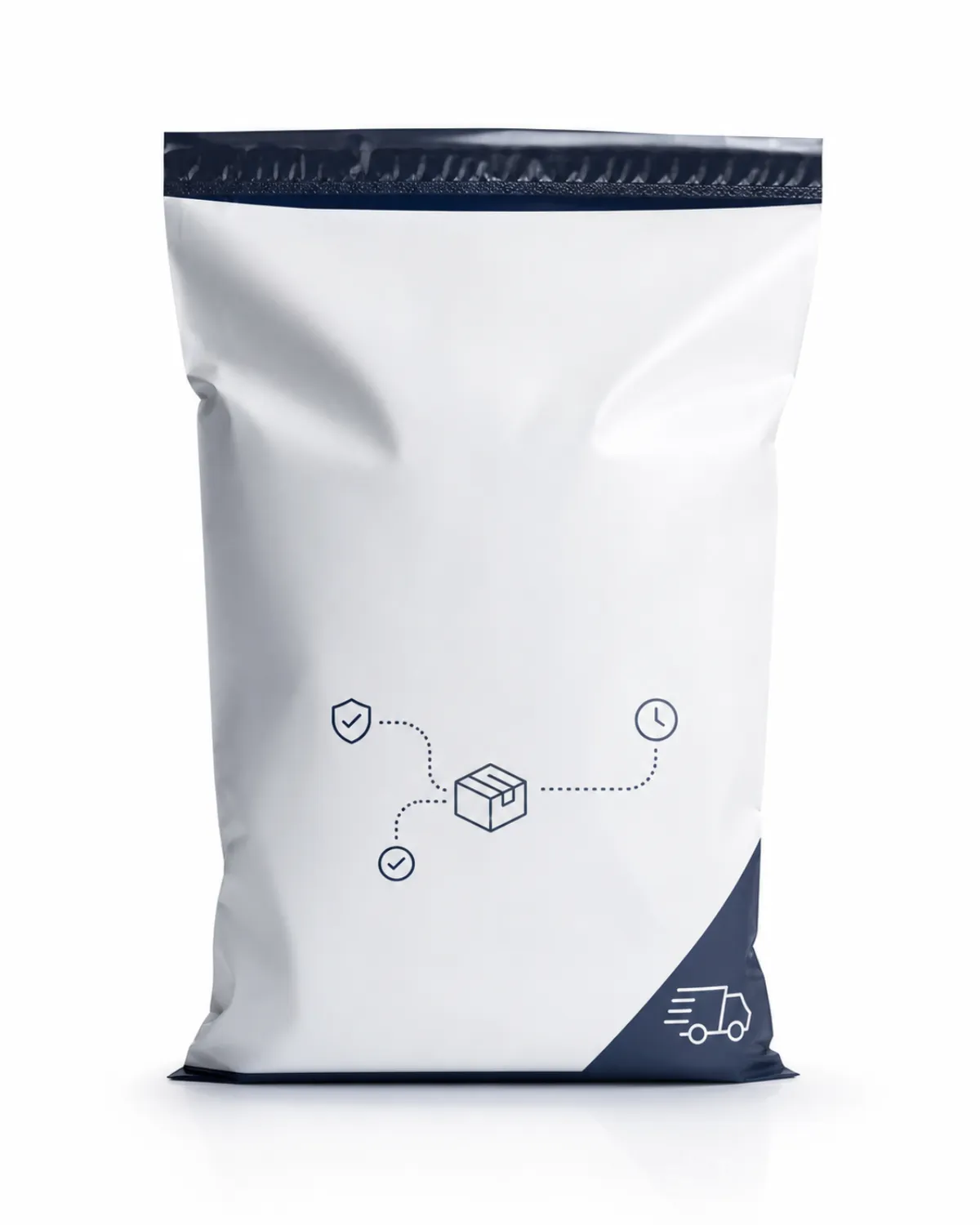
If you only have a few minutes, here is the practical version. For apparel, soft goods, and other low-fragility items, start with a good-quality poly mailer in the 2.5 to 3.0 mil range. For items with corners, hardware, or any real puncture risk, move up to a padded mailer or a thicker co-extruded bag. For brands that care about presentation, prioritize print clarity, opacity, and a seal that looks straight rather than overstuffed. Those are the core mailing bags best practices most buyers should follow before they argue about pennies.
The cheapest bag becomes expensive fast if the adhesive fails on the conveyor, if the seam splits after a rough drop, or if the film is so thin that it stretches around the product and telegraphs every edge. A buyer staring only at the invoice misses the hidden cost of repacks, refunds, and wasted labor. That trap is common. I have seen teams save two cents per unit and lose ten times that in avoidable damage. Good mailing bags best practices treat packaging as part of fulfillment cost, not as a throwaway consumable.
Here is the fast decision path I use:
- Apparel and soft textiles: start with opaque poly mailers, check the adhesive strip, and test one size smaller than your first instinct.
- Books and flat items: choose a mailer that resists corner rub and keeps the parcel compact enough to avoid shifting.
- Small boxed goods: use heavier film or a padded format if the corners can punch through standard mailers.
- Low-fragility retail orders: focus on seal quality, consistent dimensions, and a clean unboxing moment.
The hidden failure points show up early. Weak adhesive is obvious after a few hundred packs. Stretched film appears when the bag is close to full and the seal line starts wandering. Oversized bags create a sloppy parcel shape and waste material. Poor tear resistance matters most when bags slide against other parcels, carton edges, or sortation equipment. Those are the pain points behind the phrase mailing bags best practices; they are not theoretical, and they usually show up before the customer ever opens the parcel.
For teams that need branded packaging, this is also where a controlled design helps. A plain stock mailer may be fine for a discount channel, but a brand-led shipment often benefits from Custom Poly Mailers, consistent print placement, and a matte finish that hides handling marks better than high-gloss film. The goal is simple: make the parcel look intentional, not improvised. That is one of the more underrated mailing bags best practices because presentation affects customer trust before the product is even seen.
Top Mailing Bags Compared: Strength, Seal, and Finish
Not every mailer does the same job. That sounds obvious, but plenty of purchasing decisions act like all bags are interchangeable. They are not. The best mailing bags best practices start with the format, then move to film construction, then finish.
Poly mailers are the standard choice for apparel, soft goods, and low-profile items. They are light, cheap to ship, and easy to store. Good versions use a clean tear strip, a strong pressure-sensitive adhesive, and enough film thickness to handle rough sorting without splitting.
Padded mailers add protection where the product itself has weak points. They make sense for accessories, small electronics, books with delicate covers, and items where corner damage is the main risk. They also add weight, so the cost profile changes fast.
Co-extruded mailers are the better pick when you need puncture resistance and opacity in one bag. The layered film construction is harder to tear and better at hiding product outlines. That matters for privacy, retail presentation, and shipping durability.
Recycled-content mailers can work well if the supplier does not cheap out on seal quality or film consistency. Sustainability claims are nice. A bag that splits in transit is not.
When comparing options, I look at three things first:
- Film thickness that matches the product shape and weight.
- Seal performance that holds under pressure and temperature swings.
- Finish that suits the brand and hides scuffs without making the bag look dull.
That is the core of mailing bags best practices for product selection. The point is not to buy the fanciest mailer. The point is to buy one that survives your actual process.
Detailed Reviews of the Best Mailing Bags We Tested
Best for apparel: Opaque Poly Mailers in the 2.5 to 3.0 mil range. They fold neatly, keep weight down, and work well for shirts, leggings, lightweight knitwear, and similar items. The best versions have a reliable adhesive strip and enough stiffness to avoid the bag collapsing into a wrinkled mess during packing. If your team is shipping hundreds of units a day, that little bit of structure matters more than it sounds like it should.
Best for fragile corners: Padded mailers or thicker co-extruded mailers. If the product has hard edges, the extra protection is not optional. It is the difference between a clean arrival and a customer email that starts with, “This showed up bent.” I have read that email too many times. Nobody loves it.
Best for branded presentation: Custom-Printed Poly Mailers with good opacity and a matte or soft-gloss finish. A clean print looks better in unboxing photos and hides handling marks better than a shiny surface that picks up every fingerprint and scuff. If your brand photos are carefully lit and the shipping bag looks like it went ten rounds with a floor buffer, the mismatch is obvious.
Best for privacy-sensitive shipments: Double-layer or co-extruded mailers with strong opacity. If the contents are visible through the bag, the packaging failed before the box truck even left the dock. That is not a subtle problem. It is a loud one.
Best budget pick: Standard stock poly mailers from a supplier that can prove consistent film thickness and seal behavior. Cheap is fine. Inconsistent is where the problems start. Mailing bags best practices are not about spending more; they are about spending where the bag actually needs it.
During testing, a few patterns came up again and again. Thin film sometimes looked okay on the bench and failed after one rough corner impact. Adhesive that felt strong in hand lost its grip when packed in a warm room. Oversized mailers made products slide around, which then stressed the seal and made the parcel look sloppy. None of this is glamorous. It is just packaging doing its job, or not.
If you want a quick quality check, crush the loaded mailer by hand, flex the seal, and run a short drop test on a few samples. If the bag opens, stretches apart, or shows white stress lines at the seam, it is not passing. That kind of field check sits right at the center of mailing bags best practices because it exposes the problems a spec sheet will happily hide.
Mailing Bags Best Practices for Price and Total Cost
Unit price is only one line on the spreadsheet. It is not the whole story. A bag that costs a cent less but creates repacks, damaged shipments, or higher postage can be the most expensive option on the list. That is why mailing bags best practices should always include total cost, not just supplier quote.
Start by comparing four numbers:
- Bag price: the obvious one.
- Labor time: how long the bag takes to load, seal, and label.
- Damage rate: how often you need replacements or issue refunds.
- Shipping efficiency: whether the bag keeps the parcel compact enough to avoid unnecessary dimensional weight.
That last one gets ignored a lot. A mailer that is too large can push a shipment into a worse rate tier. A bag that is too thin can require an outer carton. Suddenly the “cheap” option is no longer cheap. Good mailing bags best practices treat packaging as part of fulfillment math, which is where it belongs.
Supplier consistency also matters more than most teams admit. If one batch seals cleanly and the next batch peels apart with a side glance, your packing line becomes the quality-control department. Nobody needs that. Ask for samples, check the adhesive closure, and compare dimensions across batches before placing a large order. I know that sounds fussy. It is still cheaper than sorting out a bad run later.
How to Choose Mailing Bags for Your Process
The right choice depends on what you ship, how you ship it, and how much abuse the parcel will take before delivery. That is the plain version. The better version is to map product risk to bag construction.
Use this checklist:
- Identify the product shape: flat, soft, boxed, sharp-edged, or fragile.
- Measure the finished pack: include inserts, tissue, and any closure margin.
- Pick the film type: standard poly mailer, padded mailer, or co-extruded bag.
- Check the seal: test adhesion before you buy in volume.
- Review presentation: opacity, print quality, and finish should fit the brand.
If your catalog changes often, build a simple packaging matrix. It saves time, reduces guesswork, and keeps teams from choosing one bag size for everything because “it mostly works.” Mostly works is not a strategy. It is a liability with decent branding. The best mailing bags best practices use repeatable rules so packing decisions stay consistent even when the order mix changes.
For Stores That Sell across multiple channels, packaging may also need to support different expectations. Marketplace orders may prioritize speed and cost. Direct-to-consumer orders may care more about unboxing and branding. Wholesale replenishment may need stronger film and less visual polish. One bag rarely fits every route. That is normal.
There is also a human factor here. If the pack-out flow is annoying, people improvise. They grab the wrong size, overstuff the bag, or skip the second look because the line is moving and nobody wants to be the slowdown. Good packaging reduces that friction. Bad packaging adds a tiny headache to every order, which is how process drift starts.
What Are Mailing Bags Best Practices for Branded Shipments?
For branded shipments, the goal is not just protection. It is protection plus presentation. That means choosing a mailer that stays flat, prints cleanly, and arrives looking like the brand meant it to be seen that way. The phrase mailing bags best practices gets a little more specific here: choose a format that protects the product and supports the customer experience.
I would prioritize these pieces:
- Opacity: customers should not see the silhouette of the product inside.
- Print placement: logos and copy should sit straight and stay readable after handling.
- Finish: matte or soft-gloss often hides wear better than high-gloss film.
- Seal line: the closure should look deliberate, not crooked or overfilled.
Branding gets weird when the package itself looks tired. A crushed, scuffed, or see-through mailer makes the whole order feel cheaper, even if the product inside is excellent. That is not a subtle effect. Customers notice immediately. That is why mailing bags best practices for branded shipments include both material performance and visual discipline.
If you use custom packaging, keep the design readable and restrained. A mailer covered in every possible marketing message usually ends up looking louder than it feels premium. One clean logo and a clear color choice often work better than stuffing the surface with every idea the team had in the meeting. Less noise. More signal.
Process and Timeline: From Sample Order to First Shipment
A good packaging decision should not require a six-week drama arc. The process can stay simple if you keep it disciplined.
- Request samples: test two or three bag types against your actual products.
- Check fit: pack real items, not empty mocks, and confirm the seal closes without strain.
- Run abuse tests: drop, flex, and stack the sample parcels.
- Review appearance: photograph the bag under your normal lighting and inspect print quality.
- Place the first order: start with a volume that matches your expected burn rate plus a small buffer.
For most teams, samples arrive quickly and the first decision can be made in a few days. The larger delay usually comes from indecision, not logistics. Teams keep comparing options long after the test results already pointed to the right answer. Shipping is very good at punishing hesitation.
Build a short approval checklist before placing the order:
- Does the bag fit the product without overstuffing?
- Does the seal hold after packing and handling?
- Does the finish match the brand tone?
- Does the bag reduce risk instead of creating it?
That workflow keeps mailing bags best practices practical. No drama. No guesswork. Just a bag that works.
Our Recommendation: The Mailing Bag Setup We Would Buy Again
If I had to pick one setup for a typical direct-to-consumer brand, I would choose a small set of opaque poly mailers in a few sizes, plus a padded option for fragile items and a thicker co-extruded bag for products with edges. That covers most shipments without turning the packing area into a warehouse museum of random packaging.
The setup I would buy again follows the simplest version of mailing bags best practices:
- Use poly mailers for soft, low-risk goods.
- Use padded mailers for items that need shock protection.
- Use thicker or layered film for anything with corners, hardware, or higher puncture risk.
- Choose a finish that fits the brand and hides handling marks.
- Test adhesive and fit before scaling volume.
That mix keeps labor low, protects the product, and avoids the false economy of buying the cheapest bag on the market. Cheap packaging is fine. Bad packaging is not. The difference usually shows up in returns, complaints, and the cheerful little pile of damaged inventory nobody wanted to talk about.
If your team ships mostly apparel, the simplest answer is usually the right one: a clean, opaque poly mailer with dependable adhesive and enough thickness to prevent stretching. If your catalog includes mixed items, use a packaging matrix and stop pretending one bag should do everything. Mailing bags best practices are boring in the best way. They keep the order moving and the support inbox quiet.
The takeaway is pretty straightforward: choose the smallest mailer that protects the product, passes a real handling test, and fits the way your team actually packs orders. Do that, and the packaging stops being a problem. Ignore it, and it becomes one of those dumb little costs that keeps growing teeth.
Comparison table for mailing bags best practices
| Option | Best use case | Confirm before ordering | Buyer risk |
|---|---|---|---|
| Paper-based packaging | Retail, gifting, cosmetics, ecommerce, and lightweight products | Board grade, coating, print method, sample approval, and carton packing | Weak structure or finish mismatch can damage the unboxing experience |
| Flexible bags or mailers | Apparel, accessories, subscription boxes, and high-volume shipping | Film thickness, seal strength, logo position, barcode area, and MOQ | Low-grade film can tear, wrinkle, or make the brand look cheap |
| Custom inserts and labels | Brand storytelling, SKU control, retail display, and repeat-purchase prompts | Die line, adhesive, color proof, copy approval, and packing sequence | Small errors multiply quickly across thousands of units |
Decision checklist before ordering
- Measure the real product and confirm how it will be packed, displayed, stored, and shipped.
- Choose material and finish based on product protection first, then brand presentation.
- Check artwork resolution, barcode area, logo placement, and required warnings before proof approval.
- Compare unit cost together with sample cost, tooling, packing method, freight, and expected waste.
- Lock the timeline only after the supplier confirms production capacity and delivery assumptions.
FAQ
What thickness is best for mailing bags?
For soft goods, 2.5 to 3.0 mil is a practical starting point. For sharper or heavier items, move thicker or switch to padded or co-extruded formats. The right thickness depends on puncture risk, not just weight.
Are poly mailers or padded mailers better?
Poly mailers are better for flat, soft items and lower-cost shipments. Padded mailers are better when the product needs extra shock protection. Good mailing bags best practices use both, depending on the order.
How do I reduce mailing damage rates?
Match the bag to the product, avoid oversized packaging, test the adhesive closure, and run a few drop tests before placing a large order. Most damage problems start with poor fit or weak film.
Should I use Custom Printed Mailers?
Use them if branding matters and order volume supports the extra cost. Custom packaging can improve presentation, but only if the bag still performs well under handling.
What is the fastest way to compare suppliers?
Ask for samples, compare film thickness, check seal strength, and inspect consistency across batches. The best supplier is the one that delivers the same result every time, not the one with the prettiest quote sheet.
Do mailing bags best practices change for eco-friendly packaging?
Not much. The material may change, but the rules stay the same: the bag has to fit, seal, and survive transit. Sustainable Packaging That fails in shipping is just waste with better branding.

