Buyer Fit Snapshot
| Best fit | reusable packaging for ecommerce returns for packaging buyers comparing material specs, print proof, MOQ, unit cost, freight, and repeat-order risk where brand print, material, artwork control, and repeat-order consistency matter. |
|---|---|
| Quote inputs | Share finished size, material target, print colors, finish, packing count, annual reorder estimate, and delivery region. |
| Proofing check | Approve dieline scale, logo placement, barcode or warning zones, color tolerance, and any recyclable or compostable wording before bulk production. |
| Main risk | Vague material claims, crowded artwork, or missing packing details can create delays even when the unit price looks attractive. |
Fast answer: Reusable Packaging for Ecommerce Returns: Claims, Protection, MOQ, and Cost should be specified like a repeatable production item. The safest quote includes material, print method, finish, artwork proof, carton packing, and reorder notes in one written spec.
What to confirm before approving the packaging proof
Check the product dimensions against the actual filled item, not only the sales mockup. Ask for tolerance on folds, seals, hang holes, label areas, and retail display edges. If the package carries a logo, QR code, warning copy, or legal claim, reserve that space before decorative graphics fill the panel.
How to compare quotes without losing quality
Compare board or film grade, print process, finish, sampling route, tooling charges, carton quantity, and freight assumptions side by side. A lower quote is only useful if the supplier can repeat the same color, closure quality, and packing count on the next order.
Best Reusable Packaging for Ecommerce Returns: Top Picks
The best reusable Packaging for Ecommerce returns is usually not the thickest option in the sample bin. It is the pack a shopper can close again without hunting for tape like it owes them money. It is the package that survives a second trip. And it is the one the warehouse can handle without rolling its eyes.
That sounds basic because it is. A pretty spec sheet does not pay freight bills. A clever structure that slows intake turns into a very expensive hobby. Good return packaging has to work in the real world, not just in a sales deck with clean charts and suspiciously calm people.
There is a blind spot in a lot of packaging meetings: strength is not the same thing as usefulness. A return pack can look durable and still be annoying, bulky, or miserable to restock. If the closure fights the customer, the footprint eats shelf space, or the branding turns ugly after one cycle, the system starts leaking money in places the spreadsheet never warned you about. I have watched plenty of impressive packaging become a quiet cost problem the moment real returns hit it.
What is the best reusable packaging for ecommerce returns?
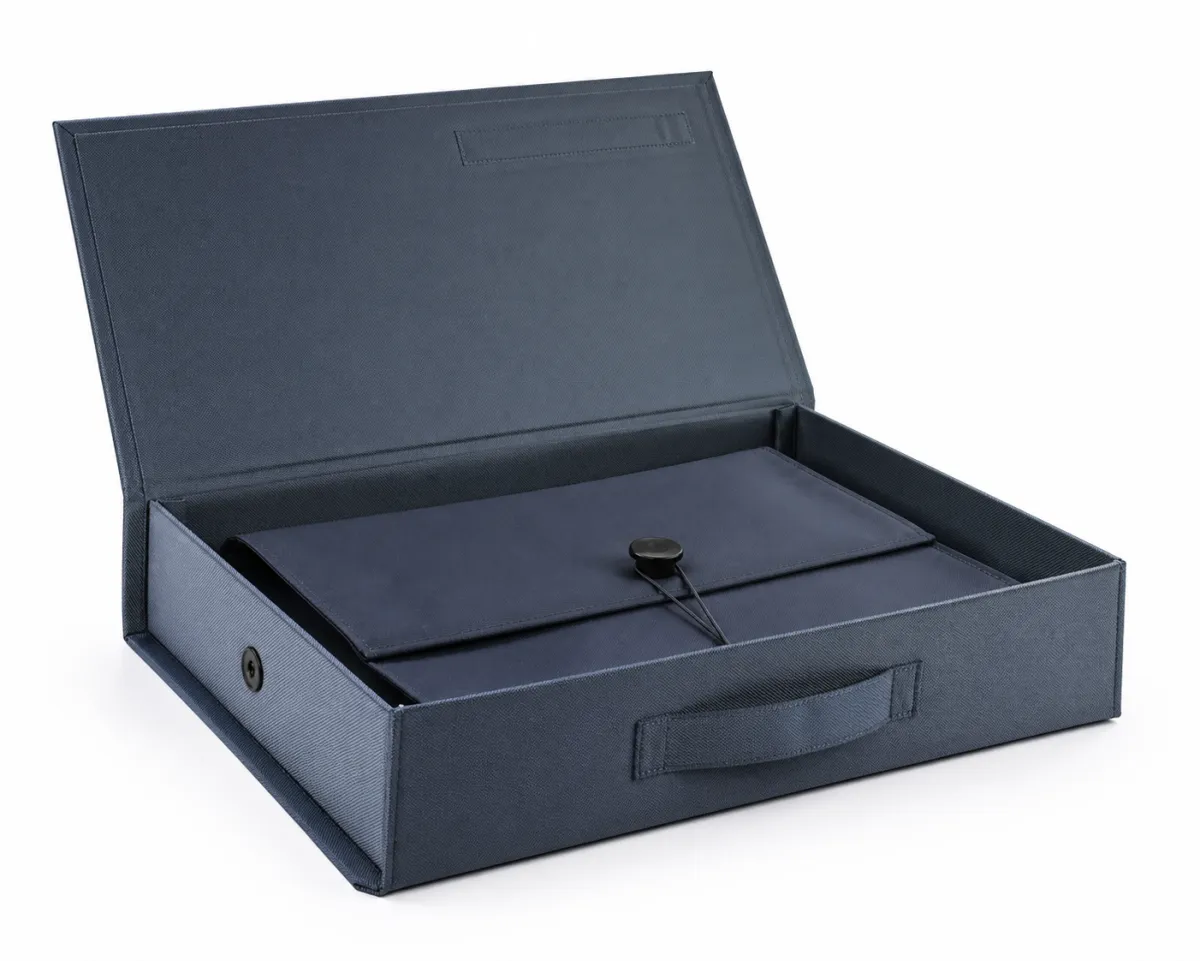
Short version: the best reusable Packaging for Ecommerce returns is the format that protects the product, keeps the customer from improvising with tape, and keeps the reverse flow simple enough for daily use. That usually means reusable mailers or fold-flat return pouches for soft goods, reinforced return boxes for rigid items, and tote-style systems for closed-loop programs with enough cycle count to justify the price.
Light, flexible, low-crush products usually do well in a resealable poly mailer with a second adhesive strip and a tear-open path that does not need an instruction manual. Items with corners, glass, hard parts, or easy-to-scratch finishes need more structure, so reinforced boxes or hybrid builds with replaceable inserts make more sense. High-value programs, especially rentals, subscriptions, and exchange-heavy operations, can justify reusable totes if the return loop is tight and the container keeps moving.
- Apparel and soft goods: reusable mailers or fold-flat return pouches.
- Shoes and boxed accessories: reinforced return boxes with clear reseal points.
- Fragile or premium products: corrugated return kits with insert protection.
- High-value closed-loop programs: reusable totes or rigid return containers.
The real test is not whether a sample looks tough on a table. The best reusable packaging for ecommerce returns should survive repeated handling, be easy to repack correctly, stay cost-effective after the second or third cycle, and keep working after it has been dropped, scuffed, damp, or overstuffed. That is the useful test. The conference-room version is decorative.
A package that saves five cents and costs the shopper two minutes of frustration is usually the wrong package.
The biggest mistake is assuming reusable means universally durable. It does not. A structure can be excellent for one product line and awkward for another once storage, cleaning, sorting, carrier limits, and customer behavior enter the picture. The best reusable packaging for ecommerce returns should feel obvious on first use, hold up on the return trip, and still make sense when the warehouse sees it again.
Top options compared for ecommerce returns
Most brands end up in one of five camps: Reusable Poly Mailers, reinforced return boxes, fold-flat corrugated kits, reusable totes, or hybrid systems with replaceable inserts. Each one pulls in a different direction on weight, protection, print durability, and reverse-logistics friction. The right answer depends on the product and the way people actually handle it.
| Format | Typical unit price at 5,000 units | Best fit | Likely reuse cycles | Main tradeoff | Quick verdict |
|---|---|---|---|---|---|
| Reusable poly mailer | $0.18-$0.35 | Apparel, socks, small soft goods | 2-5 cycles | Lower crush protection, print can scuff | Best for low-bulk returns and low freight cost |
| Reinforced return box | $0.45-$1.10 | Shoes, accessories, rigid retail items | 2-4 cycles | Higher cube and freight cost | Best for a polished, brand-forward return path |
| Fold-flat corrugated kit | $0.55-$1.25 | Fragile goods, mixed SKUs, electronics | 2-3 cycles | More parts, more repack steps | Best balance of protection and structure |
| Reusable tote | $2.50-$8.00+ | Centralized returns, rentals, premium loops | 8-20 cycles | Storage, sorting, cleaning, tracking | Best for controlled systems with high cycle counts |
| Hybrid system with replaceable inserts | $0.60-$1.80 | Multi-category brands, premium DTC | 3-6 cycles | More design work up front | Best for brands that want flexibility and better package branding |
The tradeoffs are concrete, not abstract. A mailer keeps shipping weight down, which matters when dimensional weight starts punishing every extra inch. A reinforced box can feel closer to retail packaging and carry stronger package branding, but that same box can raise postage and hog shelf space. A tote can look efficient over many cycles, then turn into a warehouse annoyance if the team has to sort, clean, and restack it by hand after every return.
For soft goods, the best reusable packaging for ecommerce returns is often the simplest version that still keeps its shape after a second opening. For breakables, the best reusable packaging for ecommerce returns is the structure that protects corners and internal clearance, even if the outside looks plain. For high-value programs, the best reusable packaging for ecommerce returns can be a tote or lockable case, but only if the return loop is tight enough to keep the container in circulation.
Detailed reviews of reusable return formats
To keep the comparison honest, each format below gets the same scorecard: durability, customer ease, reverse-logistics fit, and appearance after one or more cycles. That is the cleanest way to decide which version of the best reusable packaging for ecommerce returns actually deserves shelf space.
Reusable poly mailers
Reusable Poly Mailers are usually the easiest way to test the best reusable packaging for ecommerce returns without rewriting the whole operation. A coextruded film in the 100-150 micron range can handle light abrasion, mild moisture, and a second label application if the closure is designed properly. The weak spots are usually the seam edges, the opening path, and the moment a customer gets impatient and grabs scissors. Happens all the time. People are not gentle little angels once they want their refund.
For apparel, knitwear, and other soft goods, the format is hard to beat because it stays light and compact. The package ships cheaply, folds flat after use, and does not eat much warehouse room. If you want the best reusable packaging for ecommerce returns without rebuilding everything around it, this is usually the least painful starting point.
- Durability: good for light-to-medium handling, weaker against cuts and sharp corners.
- Customer ease: very good if there is a second adhesive strip and clear reseal arrows.
- Reverse-logistics fit: strong, because sorting and restocking are simple.
- Look after reuse: acceptable for one or two cycles, then print wear becomes more visible.
It falls apart on heavy items, rough transport, and anything with a hard edge that can punch through film. Brands that want stronger visual polish can also run into trouble if the print coverage is too dark or the artwork scuffs quickly. Good package branding helps, but the structure still has to do the actual work.
Reinforced return boxes
Reinforced return boxes make sense for shoes, accessories, cosmetics kits, and products that need a more rigid shell. A single-wall corrugated box with a smart closure can hold up well at moderate weight, while heavier board or a double-wall build is safer for dense products. The best reusable packaging for ecommerce returns in this category usually includes a return strip, a clean tear feature, and internal print that tells the shopper exactly what to do. No detective work. No guessing. Just open, repack, close.
The upside is presentation. A box tends to look more deliberate, more premium, and closer to what people expect from retail packaging. That matters because customers judge product packaging by how the outer shipper behaves the second time around. A flimsy return box can damage trust faster than a plain mailer can.
- Durability: strong against crush, better for corners and rigid contents.
- Customer ease: good if fold lines and closure instructions are obvious.
- Reverse-logistics fit: moderate, since boxes take more cube and can be slower to flatten.
- Look after reuse: good if board quality and print hold up to scuffing.
A lot of brands overbuild this option. They add weight, too much print, or an oversized footprint because they want a premium feel, then discover postage and warehouse cube are doing more damage than the return rate ever would. The best reusable packaging for ecommerce returns in box form should look clean, open and close predictably, and avoid adding board where the product does not need it.
Fold-flat corrugated return kits
Fold-flat corrugated return kits sit in a strong middle lane. They are more structured than a mailer, more adaptable than a rigid box, and easier to store than a tote system. For electronics accessories, breakables, or mixed-SKU bundles, they can be a smart version of the best reusable packaging for ecommerce returns because they let you build protection only where it matters.
These kits often use scored panels, insert trays, or a sleeve-and-cradle structure. The real advantage is that the package can protect the item on the outbound trip and still be easy to understand on the return trip. That sounds basic. It is basic. Customers still need the thing to make sense in ten seconds or less.
- Durability: better than mailers, especially for corner protection.
- Customer ease: good, but the fold sequence must be obvious.
- Reverse-logistics fit: fair to good, depending on how many parts need to be restocked.
- Look after reuse: good if the board does not crush badly or fray at the creases.
The drawback is that more structure usually means more handling. If the instructions are not printed clearly on the inside flap or the pack is too fussy to rebuild, the return process slows down fast. This format is often the best reusable packaging for ecommerce returns for brands that need more protection than a mailer can deliver but do not want the bulk of a tote.
Reusable totes
Reusable totes are the most controlled option, and also the least forgiving. A tote can be the best reusable packaging for ecommerce returns in a closed-loop environment where items come back through the same warehouse, are scanned, cleaned if needed, and sent out again on a steady cycle. That is why they fit rental, subscription, and high-value exchange programs so well.
In practice, a tote is less about the shell and more about the system around it. The shell might be a molded polymer bin, a lockable crate, or a rigid carrier with barcode space and a return route built into the workflow. The tote only works if the team can track it, inspect it, and turn it quickly. A beautiful tote sitting idle on a rack is just expensive plastic.
- Durability: excellent over many cycles if damage is controlled.
- Customer ease: strong in managed programs, weaker in open consumer use.
- Reverse-logistics fit: demanding, because tracking and sorting are necessary.
- Look after reuse: very good, provided it is cleaned and handled consistently.
The downside is obvious: high upfront cost, more storage, and more labor. If the product value or return frequency is not high enough, the tote becomes a capital item that never earns its keep. That is why the best reusable packaging for ecommerce returns should be judged by cycle control, not just material strength.
Hybrid systems with replaceable inserts
Hybrid systems are often the smartest compromise. The outer shell gets reused, while the insert, dunnage, or paperboard cradle can be swapped out when it wears down. That keeps the package branding intact longer and gives product packaging a more polished feel without forcing every piece to survive forever. For brands with multiple product sizes, this is often the best reusable packaging for ecommerce returns because it adapts without turning into a mess.
The best hybrid systems separate the hard work of protection from the parts that are easier to refresh. If the shell survives, a new insert can restore fit and presentation. If the insert wears out, the outer structure stays in service. That flexibility helps ecommerce programs with changing assortments, seasonal launches, or frequent promotions.
- Durability: strong on the outer shell, variable on the inserts.
- Customer ease: good when the layout is intuitive.
- Reverse-logistics fit: good if replacement parts are easy to stock.
- Look after reuse: excellent when the shell retains print and structure.
This is also where custom printed boxes can pull real weight. A box with clear return graphics, QR code placement, and a second-use message feels more intentional than a generic carton trying to do too many jobs. The best reusable packaging for ecommerce returns in hybrid form often wins because it combines presentation, function, and lower waste without asking the customer to learn a complicated repack method.
Best reusable packaging for ecommerce returns: price comparison
Price is where a lot of programs get misread. The cheapest package upfront is not always the cheapest package once return cycles, spoilage, freight, and labor are counted. The best reusable packaging for ecommerce returns should be measured as total cost of ownership, not just as a unit price on a quote sheet.
| Format | Unit price at 5,000 units | Example reuse cycles | Pack-only cost after 3 cycles | Operational adders | Economic fit |
|---|---|---|---|---|---|
| Reusable poly mailer | $0.18-$0.35 | 3 | $0.06-$0.12 | Light inspection, relabeling | Strong for high-volume apparel returns |
| Reinforced return box | $0.45-$1.10 | 3 | $0.15-$0.37 | Flattening, sorting, occasional tape repair | Good for higher-margin, brand-sensitive SKUs |
| Fold-flat corrugated kit | $0.55-$1.25 | 3 | $0.18-$0.42 | More fold checks and insert handling | Better for protected multi-piece returns |
| Reusable tote | $2.50-$8.00+ | 8-20 | $0.31-$1.00 | Inspection, cleaning, tracking, storage | Best in managed loops with high cycle counts |
| Hybrid system | $0.60-$1.80 | 4 | $0.15-$0.45 | Insert replacement, light restocking | Good balance for brands scaling return volume |
The math starts to make sense once the reuse cycle is real, not imaginary. A $0.27 mailer used three times is about nine cents per trip before inspection and relabeling. A $0.95 reinforced box used twice is already close to forty-eight cents per trip once you count outbound and return use. A $4.50 tote can look expensive until a controlled program sends it through far more trips than a normal consumer package would ever survive.
There is another piece people forget: labor. A package that comes back in a neat stack can be cheap to restock, while a package that has to be cleaned, unfolded, or sorted by hand can erase much of the savings. That is why the best reusable packaging for ecommerce returns is not the one with the lowest carton quote. It is the one that keeps total landed cost and reverse handling under control.
Reusable packaging starts to make the most sense for brands with higher return volume, premium margins, exchange-heavy programs, or items that move through a predictable cycle. If returns are rare, or if the package gets crushed badly on the first trip, the economics can swing back toward disposable very fast. That is not a failure of reusable packaging. It just means the use case is off.
How to choose the right reusable packaging system
Choosing the best reusable packaging for ecommerce returns starts with the product, not the format. Measure the packed item, the return condition, the average damage risk, and the number of times the same package is likely to move through the loop. A system that works for a 12-ounce knit top will not automatically work for a glass bottle set or a boxed accessory with a polished finish.
Match the structure to the product
Fragility, shape, and weight matter more than category labels. A small but dense product can wreck a thin mailer, while a light but wide product can drive freight cost through the roof in a box that is technically strong enough. The best reusable packaging for ecommerce returns should fit the object with enough tolerance for repackaging, but not so much dead space that the cube grows for no reason.
For apparel, flexible film and fold-flat formats usually win. For shoes and rigid accessories, a box with clean scoring usually makes more sense. For electronics or breakables, I would rather see a corrugated return kit with a well-designed insert than an overstuffed mailer hoping for a miracle. Product packaging and return packaging should be planned together, because the outer structure needs to survive the way the item actually moves.
Match the closure to the customer
A reusable solution only works if people can reseal it correctly without tools, extra tape, or a long instruction sheet. If the customer has to fight the closure, return friction rises and the package may come back damaged. Clear arrows, a second adhesive strip, tear indicators, and printed return steps do more for adoption than most teams expect.
One practical rule helps here: the best reusable packaging for ecommerce returns should make sense in under 20 seconds. If the user has to stop and study it, the design probably needs work. A return pack should feel like a useful version of retail packaging, not a puzzle box with a shipping label.
Match the system to the warehouse
Carrier rules, dimensional weight, label placement, barcode visibility, and intake labor all matter. A package that scans poorly, folds awkwardly, or has a closure that fails after label removal can create more work than it saves. That is why I like to test against ISTA methods and not just against a hand toss, because real distribution damage follows patterns that are easy to miss in a quick visual check.
If the packaging includes paperboard components, it also helps to verify recycled-content and sourcing claims against FSC guidance. That does not automatically make the best reusable packaging for ecommerce returns, but it does help a brand avoid weak sustainability claims that sound fine and age badly. Good packaging design should support the product, the operation, and the claim set all at once.
Match the brand to the return path
Branded packaging matters more than many teams admit. A return that feels intentional can soften the customer experience even if the product is going back. Custom printed boxes, a clean logo placement, or a simple interior message can make the return process feel like part of the brand instead of a mistake to hide.
If you need a starting point for a branded return program, the internal team can build from Custom Packaging Products and shape the structure, print, and closure together. That is usually smarter than designing the artwork first and hoping the structure can catch up later. The best reusable packaging for ecommerce returns tends to come from a packaging brief that respects both print and mechanics.
One more check: avoid greenwashing. Recycled content claims, reuse claims, and recyclability claims should all be supportable. A paper-based system can be a good choice, but only if the structure actually survives the intended number of cycles and the end-of-life path is clear. The best reusable packaging for ecommerce returns should feel honest as well as efficient.
Process and timeline for reusable return packaging
Rolling out the best reusable packaging for ecommerce returns is not just a sourcing exercise. It is a small systems project that touches packaging design, operations, customer service, and often the reverse-logistics plan as well. The smoother the rollout, the more likely the package survives long enough to prove its value.
Start with a product audit
Measure the live SKU, not the catalog spec. Record the longest dimension, the heaviest version, the sharpest edges, and the most likely repack condition after a return. A good supplier can use that data to recommend a mailer, a return box, or a hybrid form that makes sense. For simple structures, the first concept can often be turned around in 3-7 business days, while more involved custom printed boxes or multi-part return kits may take 7-15 business days just to get a first sample set.
Test the return path, not only the outbound trip
The outbound trip is only half the story. A reusable pack that survives shipping but is impossible to reseal after the customer opens it is not a win. I would test opening force, tear behavior, label removal, closure reliability, and how the pack looks after a simulated second trip. That is the point where the best reusable packaging for ecommerce returns either proves itself or shows its weak spots.
Use drop, vibration, and closure checks that mimic the rough edges of real handling. A package that passes a quick tabletop review can still fail once it is tossed into a bin, stacked under heavier cartons, or exposed to moisture. The best reusable packaging for ecommerce returns should be tested with that in mind, not just with a single pristine sample.
Build the warehouse workflow at the same time
Reverse logistics is where many programs lose money. The warehouse needs a clear path for intake, sorting, inspection, and restocking. If the package will be reused, someone has to decide whether it is clean enough, flat enough, and structurally sound enough to go back into service. That decision should be simple enough that staff can make it quickly.
A practical timeline often looks like this:
- Brief and measurement: 2-4 days.
- Structure and material selection: 3-7 business days.
- Prototype and sample build: 7-15 business days.
- Testing and revisions: 1-2 weeks.
- Pilot launch with a small customer group: 2-6 weeks.
- Final production after approval: often 10-15 business days, depending on print and complexity.
Custom closures, special inserts, and heavier print coverage can stretch that schedule, especially if the artwork needs revisions after the first samples. That is normal. Better to fix it early than pretend the first draft is magic. The better the sample cycle, the less likely the best reusable packaging for ecommerce returns becomes a maintenance problem later.
One honest caution: if the return workflow is unclear, a durable package can still fail operationally. The box may survive, but the cycle count will not. Packaging and operations need to be designed together, not passed from one team to the next with a shrug.
Our recommendation and next steps
If you want the practical answer, start here. For apparel and other soft goods, the best reusable packaging for ecommerce returns is usually a resealable mailer or fold-flat return pouch. For shoes, accessories, and boxed goods, a reinforced return box often gives the best balance of presentation and control. For fragile products, a fold-flat corrugated kit or hybrid structure is safer than trying to force a thin mailer to do too much.
For premium programs with a high number of returns or exchanges, the best reusable packaging for ecommerce returns can be a tote-style system, but only if the warehouse is ready for scanning, sorting, and cleaning. That option looks expensive until the cycle count, item value, and operational discipline justify it. Without that discipline, it becomes a storage problem with branding.
If I were setting up a new pilot, I would do four things first:
- Request three sample structures in the actual product size, not a scaled-down mockup.
- Ask for landed cost at 5,000 units and 20,000 units, including print and inserts.
- Run a 50- to 100-order pilot with real customers and a real return path.
- Track repack time, damage rate, closure failures, and reuse count before scaling.
That pilot should also test the brand side. If you want stronger branded packaging, clear logo placement, or custom printed boxes that make the return leg look intentional, build that into the structure early. Product packaging and package branding work best when the return path is part of the same design conversation, not an afterthought.
The best reusable packaging for ecommerce returns is the one that works cleanly in your own operation, not the one that just looks good in a quote deck. If it keeps the customer moving, keeps the warehouse moving, and keeps the numbers honest, then it is the right answer.
What is the best reusable packaging for ecommerce returns for apparel?
For apparel, reusable mailers or fold-flat return pouches usually work best because they are light, easy to reseal, and inexpensive to move back through the network. A strong closure, a second adhesive strip, and clear fold markers help more than extra material thickness. For many brands, that is the simplest version of the best reusable packaging for ecommerce returns.
Are reusable return mailers actually cheaper than single-use mailers?
They can be, but only after you count reuse cycles, return volume, and the labor needed to inspect and restock them. The economics improve when the same pack can move through the system several times and when the product margin is healthy enough to absorb the higher upfront cost. If damage happens quickly, a disposable mailer may still be the cheaper answer.
How many cycles can reusable ecommerce return packaging last?
Cycle life depends on material, closure type, and handling, but durable mailers, corrugated return kits, and totes can often handle multiple trips if they are not overloaded or crushed. The useful life drops fast when packages are soaked, overfilled, or stored poorly between uses. Tracking cycle count during a pilot is the best way to find the real replacement point.
Do customers need special instructions to use reusable packaging for returns?
Yes, but the instructions should be short and visual: how to reseal, where to place the label, and what to do if the outer layer is damaged. The easiest programs put those cues on the package itself instead of hiding them in a dense insert. Good instruction design can make the best reusable packaging for ecommerce returns much easier to adopt.
What is the easiest reusable packaging to pilot for ecommerce returns?
A resealable mailer or fold-flat return box is usually the easiest first pilot because it fits standard warehouse workflows and does not require a major process change. Start with one product category and a small shipment group so you can measure damage, repack success, and customer feedback before expanding. If the team can inspect and restock it quickly, the pilot has a much better chance of showing real savings.


