Buyer Fit Snapshot
| Best fit | inserts for subscription boxes reviewed for packaging buyers comparing material specs, print proof, MOQ, unit cost, freight, and repeat-order risk where brand print, material, artwork control, and repeat-order consistency matter. |
|---|---|
| Quote inputs | Share finished size, material target, print colors, finish, packing count, annual reorder estimate, and delivery region. |
| Proofing check | Approve dieline scale, logo placement, barcode or warning zones, color tolerance, and any recyclable or compostable wording before bulk production. |
| Main risk | Vague material claims, crowded artwork, or missing packing details can create delays even when the unit price looks attractive. |
Fast answer: Inserts for Subscription Boxes Reviewed: Dieline, Finish, Proof, and Buyer Review should be specified like a repeatable production item. The safest quote includes material, print method, finish, artwork proof, carton packing, and reorder notes in one written spec.
What to confirm before approving the packaging proof
Check the product dimensions against the actual filled item, not only the sales mockup. Ask for tolerance on folds, seals, hang holes, label areas, and retail display edges. If the package carries a logo, QR code, warning copy, or legal claim, reserve that space before decorative graphics fill the panel.
How to compare quotes without losing quality
Compare board or film grade, print process, finish, sampling route, tooling charges, carton quantity, and freight assumptions side by side. A lower quote is only useful if the supplier can repeat the same color, closure quality, and packing count on the next order.
The best inserts for subscription boxes do more than stop products from rattling around. They shape the first impression, hold damage down, and tell the customer whether the box was planned or just thrown together with hope and tape. I have watched people open a subscription box and touch the insert before they even look at the product. That tells you everything. The insert speaks first. The branding gets the second turn. Good protective packaging starts there, not with the outer carton, and definitely not with wishful thinking.
From a packaging buyer's point of view, that first touch matters. A flimsy layout makes a good product feel cheap. A clean, well-fitted insert can make a modest outer carton feel premium without pretending to be something it is not. I have seen brands spend real money on print and then lose the unboxing because the insert looked like an afterthought. The best inserts for subscription boxes usually win on three fronts at once: they protect the product, they keep fulfillment moving, and they support the brand story without turning the packing line into a circus. They also make life easier for warehouse staff, which is a detail people love to ignore until orders start piling up.
Which Are the Best Inserts for Subscription Boxes?
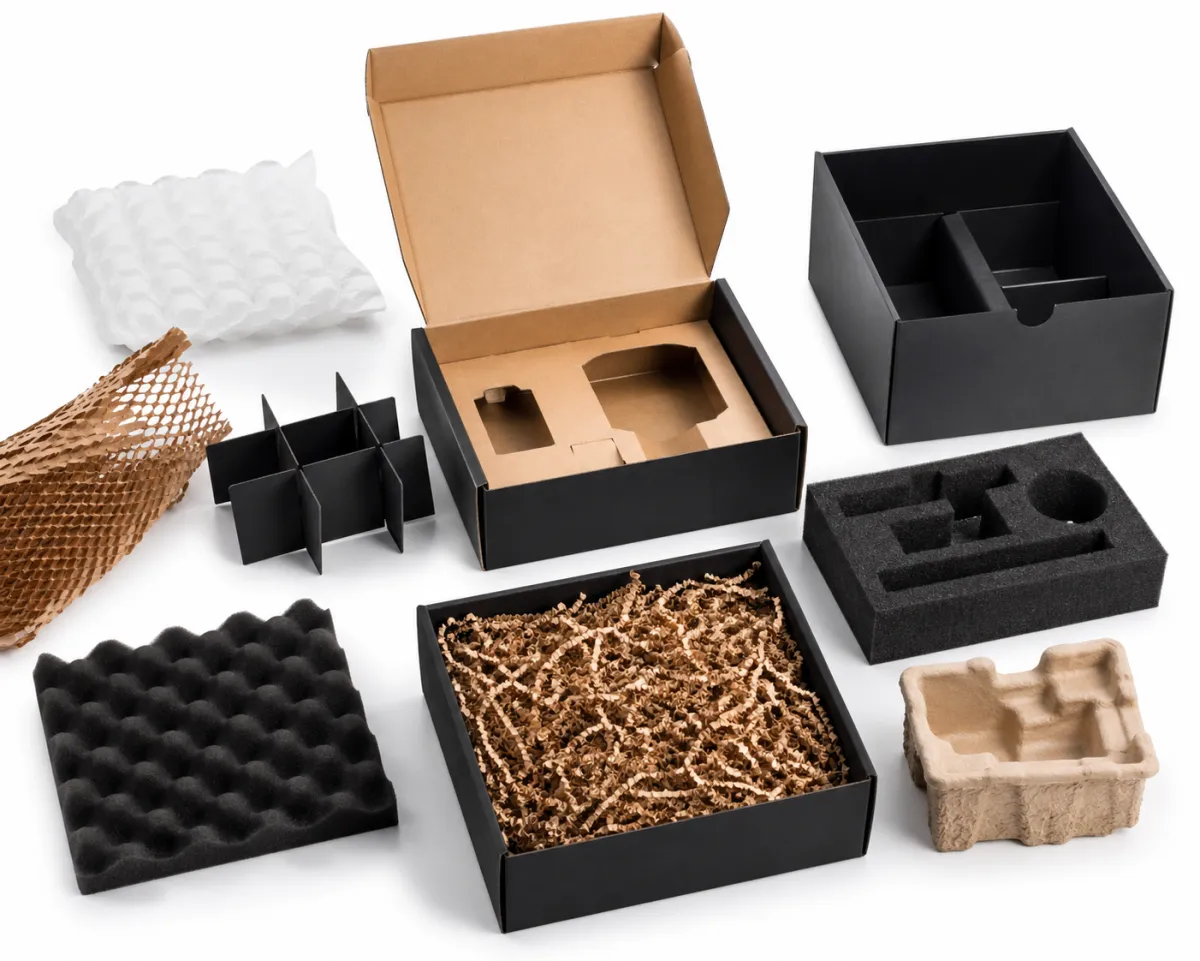
If you want the short version, here it is: the best inserts for subscription boxes depend on the product, not the mood board. Fragile items usually need molded pulp or foam. Premium gift kits often do well with paperboard or printed corrugated. Mixed-SKU boxes usually work best with custom die-cut layouts that stop movement instead of just stuffing empty space. Void fill is not a substitute for fit. It only looks like one in a sales deck.
That last part is where a lot of brands slip. A cheap insert that lets products shift can trigger breakage, returns, and a pile of customer emails that nobody wants to answer. The quote looks smaller. The real cost does not. Once you add replacement shipping, damage claims, and customer service time, the lowest unit price is often the most expensive choice on the table. The best inserts for subscription boxes are the ones that cut that hidden waste and keep the packout predictable.
"A buyer notices slack in the insert before they notice the print on the outer carton. Fit is a signal. So is sound. So is the way the product sits after a rough ride."
My test framework for the best inserts for subscription boxes is pretty plain: protection, unboxing appeal, repeatability, production speed, and price. Those five factors cover most commercial decisions without turning the job into a philosophy seminar. If a design looks great but slows the line, that is a problem. If it packs fast but crushes in transit, that is a worse one. Paperboard, molded pulp, corrugated inserts, and custom die-cut trays all have a place. The trick is knowing which one actually fits the job.
Here is the rule I use with product teams. Structure first. Decoration second. Start with the insert that keeps items fixed under normal shipping stress, then decide how much print, texture, or color you can add without weakening the structure or bloating the cost. Brands love flipping that order. They usually regret it later.
For teams building custom kits, the fastest path is usually to compare at least two materials before placing a full order. You can browse Custom Packaging Products to see how different structures behave inside the same box size, then narrow the list based on product weight, packing labor, and customer expectations. That is a lot more useful than arguing about brand vibes for an hour.
One more reality check: the best inserts for subscription boxes are rarely the prettiest on a mockup and rarely the cheapest on paper. They are the ones that survive shipment, pack consistently at scale, and make the product look intentionally staged instead of wedged in as an afterthought. That is the difference between a package and a presentation.
Top Options Compared: Best Inserts for Subscription Boxes
The market usually comes down to six insert families: molded pulp, paperboard, corrugated, foam, plastic trays, and fully custom die-cut systems. Each one has a job. Each one has a weak spot. The best inserts for subscription boxes are usually chosen by matching the material to the product mix, not by chasing the fanciest-sounding option.
Paperboard is the polished, lightweight option. Corrugated is the practical workhorse. Molded pulp brings sustainability credibility and decent shock absorption. Foam still has a place for fragile, high-value items. Plastic trays can work for display-heavy applications, but they often bring recycling headaches and brand-perception problems. Custom die-cut systems sit at the high end of the complexity ladder because they can lock multiple items into place with very tight control.
For a monthly beauty box, that comparison matters more than it sounds. A kit with six small items, a couple of loose caps, and one glass vial needs a different answer than a box of soft goods or snacks. The best inserts for subscription boxes make the packout team faster while giving the customer the feeling that each item belongs exactly where it landed. Good design also reduces the chance that a product shifts just enough to scuff a label or crack a corner.
| Insert Type | Best Use Case | Typical Unit Cost at 5,000 Units | Setup Complexity | Protection | Brand Feel | Notes |
|---|---|---|---|---|---|---|
| Paperboard | Light, uniform products; cosmetics; gift sets | $0.18-$0.32 | Low to moderate | Moderate | Clean and premium | Good for print and fast packing, weaker with heavy items |
| Corrugated | General subscription kits; mixed weights | $0.16-$0.29 | Low | Moderate to strong | Practical and reliable | Excellent middle ground for cost and structure |
| Molded Pulp | Eco-forward brands; breakable products | $0.24-$0.45 | Moderate | Strong | Natural, sustainable | Can feel less premium unless fit and finish are tuned |
| Foam | Glass, electronics, premium fragile items | $0.22-$0.50 | Moderate to high | Very strong | Functional, sometimes less loved | Strong protection, weaker sustainability perception |
| Plastic Tray | Display-heavy kits; rigid product layouts | $0.20-$0.48 | Moderate to high | Moderate | Retail-like | Can be durable, but recycling and brand perception vary |
| Custom Die-Cut Hybrid | Complex kits with multiple SKUs | $0.28-$0.60+ | High | Strong to very strong | Tailored and intentional | Often the best fit for changing assortments and premium presentation |
That table is the first filter, not the final answer. A corrugated insert can beat a prettier paperboard design if the product has awkward geometry or a higher drop risk. A molded pulp tray can be the right call for a sustainable brand that ships fragile items, even if the first prototype feels less luxurious than expected. The best inserts for subscription boxes are defined by the whole package system, not the insert sitting by itself in a vacuum.
There is also a simple operational truth that gets ignored: one-size-fits-all layouts fail fast when the SKU mix changes every month. Subscription brands rotate products, sizes, and bundle shapes all the time. That means modular cavities, adjustable partitions, or a family of insert sizes may outperform a fixed insert that only works for one shipping configuration. If your team can only tolerate a 1-2 mm tolerance before things start wobbling, the design is too loose.
One more comparison worth making is the customer experience itself. Paperboard and printed corrugated usually create the sharpest visual impression. Molded pulp feels honest and environmentally grounded. Foam looks utilitarian, though it still wins in categories where damaged goods cost more than the aesthetic penalties. The best inserts for subscription boxes line up with what your customer already expects from the brand. If the brand promises premium, the insert cannot look like a rushed afterthought.
For teams that need a starting point, a good rule is this: if the box contains mostly lightweight, cosmetic, or giftable items, start with paperboard or corrugated. If the items are fragile or expensive to replace, start with molded pulp, foam, or a custom die-cut hybrid. If the assortment changes often, prioritize a layout that can be updated without reworking the whole shipper. That is the difference between a packaging system and a one-off fix.
Detailed Reviews of the Best Inserts for Subscription Boxes
Paperboard inserts are often the best answer for brands that want a crisp, controlled presentation. They can be printed, folded, scored, and die-cut into shapes that frame the product with purpose. In practice, they are especially strong for cosmetics, accessories, stationery, and small gift items. The weak point is load-bearing. A heavy glass jar or a tall bottle can punch through a design meant for light products. Even so, among the best inserts for subscription boxes, paperboard stays near the top for premium feel at a moderate cost.
Molded Pulp Inserts are the most misunderstood option in a lot of packaging meetings. People either overpraise them as the answer to everything or dismiss them as rough-looking. The truth is messier. Molded pulp can absorb impact well, especially around corners and edges, and it often performs nicely in drop testing when the cavity shape matches the product closely. If the finish is controlled and the fit is tight, it can be one of the best inserts for subscription boxes for eco-forward brands that still need real protection. If the cavity is sloppy, the premium feel drops fast.
Corrugated inserts remain the workhorse choice because they balance cost, speed, and structural reliability. For many subscription brands, they are the best middle path. Corrugated can be slotted, folded, layered, or laminated into surprisingly effective systems. It is easy to print, easy to source, and easy to scale. The downside is that it can look generic if the design gets lazy. Still, the best inserts for subscription boxes often end up being corrugated simply because it behaves well across different packouts and production speeds.
Foam inserts deserve an honest review. They still make sense for glass, electronics, precision tools, and premium items that are expensive to replace. They create firm immobilization, which is why they remain common in high-fragility categories. But buyer perception has changed. Many brands worry about recyclability, and some customers will see foam as dated or too industrial. For a brand trying to signal care and environmental awareness, foam can be a harder sell. Even so, when protection is the top priority, foam still lands on the shortlist of the best inserts for subscription boxes.
Plastic trays sit in a tricky place. They can look clean, rigid, and highly organized. They can also feel wasteful if the customer is already suspicious of plastic packaging. Used well, they are strong in display-led subscription kits and can help products sit upright in a retail-like presentation. Used badly, they add cost and confusion without improving the experience. I would only recommend them when the product format truly benefits from a rigid tray and the brand has a clear recycling or reuse story.
Custom die-cut trays and hybrid systems are where the smarter packaging programs usually land. These are not generic inserts. They are designed around actual product dimensions, actual packing steps, and actual shipping stress. A hybrid design might use corrugated walls, paperboard top layers, and a molded component for a fragile item. That approach is common for kits with multiple shapes and weights because it prevents shifting while still keeping the layout clean. In many cases, the best inserts for subscription boxes are not a single material at all, but a purpose-built combination.
For brands that are still in the design stage, it can help to compare prototypes against the broader line of Custom Packaging Products. Seeing how structural options affect fit, print, and assembly speed often makes the right choice obvious faster than another round of opinions ever will.
There is also a testing angle that should not get skipped. For shipment validation, look at package test procedures from ISTA and compare them with your own route history. A design that survives a desk test may still fail in transit if the box sees vibration, corner drops, or compression in a multi-stop network. That is not a theory problem. It shows up as chipped edges, bent corners, and customers opening a box that looks tired before they have even touched the product.
My honest view: the best inserts for subscription boxes are the ones that reduce choice fatigue for the packing team. If your staff has to wonder which cavity gets the tallest item or how much tape to add, the insert is not doing enough. Good structure should make the correct packout feel obvious. Otherwise, you're just moving confusion from one station to another.
Price Comparison: What the Best Inserts for Subscription Boxes Cost
Pricing is where packaging conversations get fuzzy. A quote may show a neat unit price, but the real picture includes prototype cost, tooling, sample revisions, freight, and the labor needed to pack each box without slowing the line. The best inserts for subscription boxes are rarely the lowest quote; they are the ones with the best total cost per shipped order. Total landed cost matters more than the sticker price on the sample sheet.
Start with prototypes. A simple paperboard sample might be inexpensive, sometimes under $100-$250 for a basic trial run depending on complexity and sample quantity. A more custom structure with multiple cavities, special print, or unusual tolerances can push the prototype cost higher. Molded pulp and foam often require more setup work up front, especially if tooling is involved. That means the first sample quote is not the real production budget.
At scale, the cost picture usually looks something like this. Paperboard and corrugated often begin in the lower price range because the materials are familiar and the conversion process is efficient. Molded pulp can be economical at volume, but the tooling and mold setup add complexity. Foam can look expensive up front, yet it may still be rational for high-value fragile goods because the reduction in breakage offsets the extra spend. The best inserts for subscription boxes often cost a little more than the cheapest alternative and save more than they cost through reduced damage.
Hidden costs deserve their own line item. Design revisions can add days. A poor fit can force rework. Excess storage eats shelf space if inserts arrive before the rest of the carton components. A difficult fold sequence slows assembly and drives labor up. If your fulfillment team has to double-check every cavity, the insert is costing more than the unit price suggests. Add re-shipments and customer service time, and the real math gets ugly fast.
Here is a practical pricing lens for subscription brands:
- Light, non-fragile products: keep insert cost tight and focus on packing speed.
- Moderately fragile products: spend more on fit and immobilization, because returns are expensive.
- High-value fragile products: treat damage prevention as a financial control, not a design preference.
- Complex monthly kits: pay for custom geometry if it reduces manual packing errors.
One reason the best inserts for subscription boxes often look more expensive than they are is that the alternative cost is invisible. A broken product might cost only a few dollars to replace, but the full penalty includes shipping both ways, re-packing time, and the chance that the customer never orders again. That is why a difference of $0.08 to $0.15 per unit can be rational if it cuts failures by even a small amount.
For brands that care about sustainability claims, material sourcing can also affect perception and compliance. If you are using fiber-based materials, verify what you can substantiate and how the supplier documents it. The FSC system is one of the clearer ways to support responsible fiber sourcing claims, although it does not magically make a weak design better. The insert still needs to perform.
A buyer-friendly rule of thumb: if your products are light and non-fragile, optimize for efficiency and speed. If your returns are costly, spend more on protection. That sounds obvious, yet many teams reverse it by chasing a lower unit quote without checking breakage rates. The best inserts for subscription boxes are the ones that lower total fulfillment friction, not just purchase price.
Another detail that matters is artwork coverage. Full-color printing, coatings, embossing, and special finishes can push costs up fast. If the insert is hidden once the product is loaded, heavy decoration may not add enough value to justify itself. That is especially true for inner trays. The structural difference between a clean, simple insert and a heavily printed one can be small in production but large in budget impact.
Process and Timeline: From Prototype to Production
Good inserts do not appear by accident. The process usually starts with accurate product measurements, then moves into dieline creation, material selection, sample production, fit testing, revisions, and final manufacturing. The best inserts for subscription boxes are shaped by that process, not just by a concept sketch.
Measurement sounds basic, but it is where many projects wobble. Teams sometimes provide nominal product dimensions rather than the real measured size with closures, labels, shrink bands, or soft surfaces included. That creates a false fit. A bottle that is 62 mm wide on paper may need a cavity closer to 64 or 65 mm once you account for the label and handling tolerance. A gap of just 2 mm can turn into visible movement during transit.
Timeline matters because subscription programs run on schedules. Monthly boxes do not leave much room for late insert changes. Seasonal bundles are even tighter. If artwork or dimensions are still shifting after the main outer carton is approved, the insert schedule can become the bottleneck. That is why the best inserts for subscription boxes are planned well before fulfillment, not during the final packing rush.
A realistic sequence often looks like this:
- Collect final product samples or exact dimension data.
- Build a dieline around the products and assembly method.
- Choose the material based on protection, look, and budget.
- Make a sample or short-run prototype.
- Test fit with the real packout team.
- Revise tolerances, folds, or print placement if needed.
- Approve production and align shipping with fulfillment dates.
Quick samples and production-ready inserts are not the same thing. A sample may show the layout correctly but still fail under real packing conditions. Maybe the glue line adds resistance. Maybe the fold sequence slows the team down. Maybe the cavity looks fine until three units are stacked in a master carton and compression becomes a factor. The best inserts for subscription boxes survive both visual review and operational reality.
Common delays come from missing product data, print approvals, and tolerance changes. Another overlooked issue is insert delivery timing. If the insert arrives too early, it occupies storage space. If it arrives too late, the fulfillment line stalls. That is why good planners treat the insert as part of the production schedule, not an accessory order.
For teams that want to compare structures before committing, a prototype set from Custom Packaging Products can speed up decision-making. Even a simple side-by-side pack test often reveals whether the brand should prioritize print, protection, or assembly speed. The answer is rarely the same for every SKU.
There is also a testing standard mindset worth adopting. ISTA test methods are useful because they move the discussion beyond opinion and into repeatable stress conditions. A box that passes a fit check but fails under vibration is still a failed package. Good teams test for the route the package actually takes, not the route they hope it takes. That is one of the reasons the best inserts for subscription boxes are built with shipping risk in mind from the start.
How to Choose the Best Inserts for Subscription Boxes
Start with the product profile. Weight, fragility, shape, and SKU variation will tell you more than any trend report. A rigid, symmetrical product is easy to contain. A mix of soft, hard, tall, and breakable items is harder. The best inserts for subscription boxes are chosen after that mix is understood clearly.
Then look at brand experience. A luxury beauty box may need a softer visual language, tighter print control, and a more refined cavity edge. A practical household subscription may need durable structure and fast packing more than decorative finesse. The customer reads that difference immediately. The insert is a brand cue whether the brand team intended it or not.
Shipping conditions matter more than many buyers expect. Long transit routes, temperature swings, and rough handling can flatten a weak insert design. A product that ships locally might be fine in a simple paperboard tray, while the same product on a longer route might need stronger corrugated walls or a foam-free but more rigid hybrid. The best inserts for subscription boxes are selected with the actual route in mind.
Sustainability goals should be treated honestly. Recycled content, recyclability, compostability, and fiber sourcing are not the same thing. A material can sound eco-friendly and still perform badly in transit. A durable insert that prevents re-shipments may have a better real-world footprint than a lighter one that fails often. If you want credible environmental performance, check the whole system: material, print, coatings, and end-of-life assumptions.
Fulfillment speed is the final test. If the packing team has to align four loose pieces, flip the tray twice, and tape a corner just to keep the product from sliding, the design is too labor-heavy. The best inserts for subscription boxes make the right packout easy to repeat. That matters more than people like to admit, because consistency is what turns a decent sample into a real production system.
Here is a simple decision guide I would use:
- Fragile and high-value: choose molded pulp, foam, or a custom die-cut hybrid.
- Premium presentation with light products: choose paperboard or printed corrugated.
- Budget balance and broad usability: choose corrugated.
- Changing monthly contents: choose modular or adjustable inserts.
- Strong sustainability messaging: choose fiber-based options and verify claims with documentation.
That decision guide will not solve every case, but it removes a lot of guesswork. A brand does not need the fanciest material. It needs the insert that fits the contents, supports the packing team, and creates the customer moment the brand promised. That is the core of the best inserts for subscription boxes.
One more thing: do not assume the insert has to do all the visual work. Sometimes the outer carton carries the branding and the insert just needs to disappear into the experience by doing its job cleanly. In those cases, a simpler structure can beat a heavily designed one because it loads faster and breaks less often. Fancy is nice. Reliable pays the bills.
Our Recommendation and Next Steps
Here is the practical verdict. For fragile eco-focused shipments, molded pulp is often the best starting point. For polished presentation with lighter items, paperboard usually wins. For budget balance and broad utility, corrugated is the safest default. For complex kits with multiple product sizes, a custom die-cut hybrid is usually the smartest option. Those are the best inserts for subscription boxes by category, not by theory.
If I had to reduce the decision to one line, I would say this: the best inserts for subscription boxes protect products, speed packing, and make the unboxing feel intentional instead of improvised. That combination matters more than a fancy finish or a low unit quote. Brands overvalue the visible layer all the time and underinvest in the structure that holds it together. That gets expensive fast.
Your next steps should be practical and quick:
- Measure every product with packaging allowances included.
- Rank your top three pain points: damage, labor, or presentation.
- Request at least two insert concepts in different materials.
- Test a packed box through shipping stress, not just desk handling.
- Compare unit cost against breakage, re-shipments, and pack time.
If the box is due for a launch or seasonal cycle, start now. The most common mistake is waiting until the rest of the kit is already approved. That compresses the timeline and pushes teams into choosing whatever can be produced fastest. The best inserts for subscription boxes usually come from an orderly process, not a rescue mission. Panic is a terrible design tool.
For brands ready to spec out a new insert system, reviewing Custom Packaging Products alongside your measured product set is a sensible next move. Compare structure first, decoration second, and packing speed third. That order keeps the project anchored in reality.
Final thought: the best inserts for subscription boxes are the ones that fit your products, budget, and fulfillment rhythm. Get those three aligned, and the rest of the packaging system becomes much easier to trust. Pick the structure that survives shipping, packs cleanly, and makes the contents feel deliberate. Then validate it with a packed ship test before you print thousands. That's the part people skip, and then act surprised when cartons arrive sad.
What are the best inserts for subscription boxes with fragile products?
Choose inserts that lock the product in place instead of just filling empty space. Molded pulp, foam, and custom die-cut corrugated designs are usually the strongest options for breakable items. Test the packed box with drop and vibration scenarios, not just a hand fit check, because a tray that looks stable on a table can still fail in transit.
Are paperboard inserts good for subscription boxes?
Yes, especially when the products are light, uniform, and presentation matters. They work well for cosmetics, small accessories, and curated gift sets. They are less ideal for heavy items or anything that can shift during transit, so the fit needs to be tight and the load needs to stay within the insert's structural limits.
How long does it take to make custom subscription box inserts?
Simple paperboard or corrugated designs can move quickly once dimensions are approved, while more complex systems may take longer because of tooling, sample revision, and print matching. A realistic planning window is often 12-15 business days from proof approval for straightforward work, and longer for custom tooling or heavily engineered layouts.
What is the cheapest insert option for subscription boxes?
Low-cost options often include corrugated and basic paperboard inserts at volume. The cheapest upfront choice is not always the cheapest overall if breakage is high. Compare unit price against damage rates, fulfillment labor, and re-ship costs, because those hidden expenses can erase the savings from a lower quote very quickly.
Can the same insert work for different subscription box products?
Only if the items stay within a narrow size and weight range. Modular or adjustable designs are better when product assortments change often. A single fixed insert rarely performs well across very different SKUs, especially if one item is brittle, another is soft, and the third has a different center of gravity.


