Buyer Fit Snapshot
| Best fit | Mailing Bags Custom Printed projects where brand print, material claims, artwork control, MOQ, and repeat-order consistency need to be specified before quoting. |
|---|---|
| Quote inputs | Share finished size, material target, print colors, finish, packing count, annual reorder estimate, ship-to region, and any compliance wording. |
| Proofing check | Approve dieline scale, logo placement, barcode or warning zones, color tolerance, closure strength, and carton packing before bulk production. |
| Main risk | Vague material claims, crowded artwork, missing packing details, or unclear freight terms can make a low unit price expensive after revisions. |
Fast answer: Mailing Bags Custom Printed: Film, Print, MOQ, and Carton Packing should be specified like a repeatable production item. The safest quote records material, print method, finish, artwork proof, packing count, and reorder notes in one written spec.
Production checks before approval
Compare the actual filled-product size with the drawing, then confirm tolerance on folds, seals, hang holes, label areas, and retail display edges. Reserve space for logos, QR codes, warning copy, and material claims before decorative graphics fill the panel.
Quote comparison points
Review material grade, print process, finish, sampling route, tooling charges, carton quantity, and freight assumptions side by side. A quote is only useful when the supplier can repeat the same color, closure quality, and packing count on the next order.
The first time I watched a customer open a parcel on a packing line in Shenzhen, I understood something most brands still underestimate: mailing bags custom printed are often the first and only physical brand touchpoint a buyer actually sees. If that outer mailer looks flimsy, smudged, or generic, the product inside begins with a disadvantage. When the bag is sized correctly, printed cleanly, and sealed well, mailing bags custom printed do more than carry goods from A to B; they quietly Sell the Brand before the tissue paper even comes off.
In my experience, a good poly mailer can do the work of a miniature billboard, a tamper-evident shipper, and a low-cost marketing asset all at once. That is why smart e-commerce teams, subscription brands, and small retailers keep asking about mailing bags custom printed instead of settling for plain stock mailers. The difference is not only visual. It shows up in fulfillment speed, damage rates, and how polished the shipment feels when it lands on a doorstep.
I still remember a garment buyer in Dongguan telling me she could forgive a delayed ribbon, but not a crushed outer bag. She was half joking, half serious, and honestly, she had a point. Customers do judge the package before they judge the product, and that first impression can carry a lot of weight.
What Are Mailing Bags Custom Printed, and Why They Matter
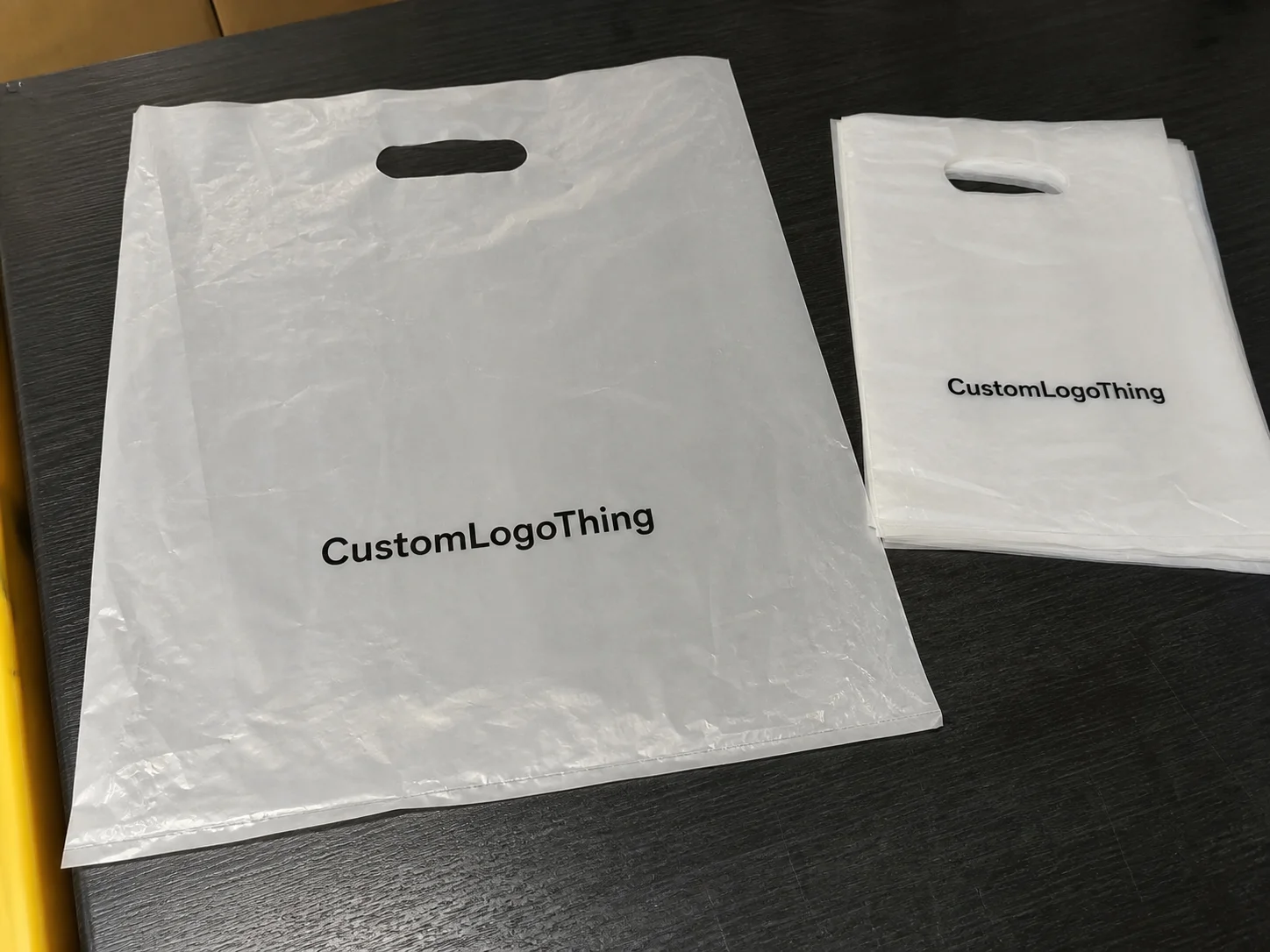
Mailing bags custom printed are flexible shipping bags, usually made from LDPE or co-extruded polyethylene film, that carry a printed logo, pattern, slogan, handling instruction, or compliance message. On the factory floor, they are often called poly mailers or courier bags, yet the custom version gets far more attention because the print turns a basic shipping supply into branded packaging. I’ve stood beside converting lines where a plain roll of film became a stack of finished mailers within hours, and the transformation is more technical than most people expect.
Their job is a dual one. First, they protect lightweight goods such as apparel, accessories, cosmetics, and soft goods from dirt, moisture, and rough handling. Second, they reinforce package branding during transit, which matters more than many teams realize. A customer may never see your warehouse shelf, but they will definitely see the outer mailer if you’re using mailing bags custom printed. That makes them a hard-working piece of retail packaging.
Plain stock mailers still have a place, especially for commodity shipments where cost is everything. Yet if you sell on Shopify, in subscription boxes, or through an online marketplace where presentation affects repeat purchase behavior, mailing bags custom printed make the shipment feel intentional. I’ve had clients tell me that their unboxing photos improved simply because the outer mailer looked organized and on-brand, not because the product changed.
Printing methods vary, but the most common production setups I’ve seen involve flexographic printing and gravure-style workflows, depending on volume, film type, and color count. A one-color logo on a black mailer is a different animal from a four-color repeat pattern on a frosted film, and the final price reflects that. The more colors, coverage, and registration accuracy you ask for, the more the production team has to manage ink laydown, plate setup, and drying control for mailing bags custom printed.
There is also a practical side that gets overlooked in marketing conversations. A mailer that opens too easily, tears at the seam, or shows scuffs before it reaches the customer has already failed, even if the print looked beautiful in photos. The strongest branded packaging works because it survives the trip and still looks like itself when the box cutter comes out.
“The outer bag is not just packaging. It is the first handshake.” That’s what a cosmetics client told me during a sourcing meeting in Guangzhou, after we compared five different mailing bags custom printed samples under factory lights.
How Custom Printed Mailing Bags Work in Production and Shipping
The production flow starts long before the bags are sealed in a carton. Film is extruded, often in a blown-film or cast-film process, then wound into rolls before the converting stage cuts and seals it into finished mailers. On a busy line, you’ll see web tension, temperature, and seal-bar pressure being monitored closely because those details affect whether the finished mailing bags custom printed hold up in parcel networks. One weak seal or uneven film gauge can turn into a damaged shipment later.
Printing happens on the film surface after treatment, and that treatment matters. Many poly films are corona-treated so ink can bond properly; without the right surface energy, you get poor adhesion, ink rub-off, or inconsistent color. I’ve seen buyers blame the printer when the real problem was a film that had been stored too long or handled incorrectly before printing. With mailing bags custom printed, the chemistry underneath the logo matters as much as the logo itself.
Shipping performance comes from a few simple mechanical features. The material stays lightweight to control freight cost, the seams are heat-sealed for strength, and many bags use a self-seal adhesive strip so packing staff can close them in seconds. That sounds basic, but on a fulfillment line running 2,000 units a day, saving 3 to 4 seconds per pack is real labor money. This is one reason mailing bags custom printed are so popular in apparel and accessory fulfillment.
Depending on the gauge, you can get different levels of puncture resistance, opacity, and water resistance. A 50-micron bag behaves very differently from an 80-micron bag, especially if the shipment includes boxes with sharp corners or hardware components. If the route includes long parcel sorting or mixed freight handling, I usually push buyers to test samples under real abuse, not just on a desk. ASTM and ISTA testing protocols are useful references here, and ISTA’s guidance on distribution testing is a good starting point for teams that want to pressure-test their packaging instead of guessing: ISTA testing standards.
Timeline planning is another piece buyers often miss. A typical order for mailing bags custom printed may include artwork review, plate or setup preparation, production, drying or curing, carton packing, and then freight transit. A simple one-color order can move more quickly, but once you add multiple print stations, special closures, or a tight Pantone match, you should expect more coordination. I’ve had buyers assume three days was enough, and then wonder why the bags were still on the press when the launch email had already gone out.
One more factor that matters in real life is warehouse handling after production. Bags packed too tightly in a humid space can pick up curl or static, and that can slow packing crews down. It is the sort of thing nobody thinks about until a stack starts sticking together on the bench, and then everybody thinks about it all at once.
Key Factors That Affect Cost, Quality, and Brand Impact
Pricing for mailing bags custom printed is usually driven by six things: bag size, film thickness, print colors, ink coverage, quantity, and whether the design prints on one side or both. A small 8 x 10 inch mailer with a single logo in black costs very differently from a 14 x 20 inch bag with full-bleed graphics and a custom adhesive strip. In one supplier negotiation I sat through, the buyer was shocked that adding a second print color raised the quote by only a fraction per unit at high volume, while changing the bag width triggered a much larger tooling and film-use change.
Minimum order quantity, or MOQ, has a real effect on unit pricing. In custom converting, setup costs do not disappear; they get spread across the run. If you order 3,000 bags, the setup charge sits on a small base. If you order 20,000, the same setup is diluted far more efficiently. That is why larger runs usually bring better per-unit economics for mailing bags custom printed. Still, bigger is not always better if your storage space is tight or your branding is still changing.
Quality is not only about whether the logo looks sharp. I look at seal strength, gauge consistency, print registration, and finish quality every time. Matte film gives a softer, more Premium Retail Packaging feel, while glossy film can make colors pop harder under warehouse lighting. If the print is slightly misregistered, or the adhesive closure fails after a hot delivery route, the bag stops doing its job no matter how attractive it looked in the sample room. That is the reality of mailing bags custom printed.
Sustainability is a topic buyers ask about more often now, and honestly, that’s healthy. Some mailing bags custom printed can be made with recycled content or as mono-material polyethylene structures that fit better into certain recycling streams. I always tell clients to verify claims carefully with the supplier and check local collection rules, because recyclability is not universal. The U.S. EPA’s packaging and materials guidance is worth reviewing if your team is building a stronger sustainability policy: EPA recycling guidance.
Brand impact comes down to color accuracy, logo placement, and the clarity of whatever message is printed. A clean one-color mark placed properly on a well-chosen bag often feels more premium than a crowded design with six fonts and too much text. I’ve seen small brands use mailing bags custom printed so effectively that the bag itself became part of their package branding, almost like a mobile signboard for the customer and anyone who sees the parcel in transit.
There is a tradeoff hiding inside every quote, and it deserves a straight answer. If a supplier offers a price that looks unusually low, ask what was reduced: film gauge, ink coverage, adhesive quality, or inspection time. One of those usually gave way somewhere, and the weakness tends to show up after the bags leave the dock.
Mailing Bags Custom Printed: Step-by-Step Ordering Guide
Start with product sizing. Measure the item flat, then add room for inserts, a folding allowance, and the reality that not every shirt or accessory packs the same way twice. A lot of returns and wrinkled presentation issues come from ordering bags that fit the product on paper but not on a real fulfillment bench. For most teams, this is where Custom Poly Mailers become the most practical choice, because the dimensions can be matched to actual shipment behavior instead of just a catalog picture.
Next, prepare the artwork properly. Use vector files for logos, keep small text readable, and leave enough bleed and safe zone around edges so nothing important gets trimmed. Flexible film is not a rigid box panel, and that is a mistake buyers make all the time when moving from Custom Printed Boxes or other rigid product packaging into poly mailers. If the logo has hairline strokes or tiny legal copy, it may not reproduce cleanly on mailing bags custom printed, especially on darker film.
Then choose the structure. LDPE is common, co-ex films can improve toughness and appearance, and recycled-content options may fit brands with a documented sustainability goal. Closure style matters too. A strong self-seal strip speeds fulfillment, while a tamper-evident design gives added confidence for certain shipping lanes. For lighter garments, a standard structure can be enough; for heavier soft goods or goods with angular edges, I’d ask for a stronger gauge before approving mailing bags custom printed.
Proofing deserves real attention. Check Pantone expectations, CMYK expectations, seam placement, barcode zones, and any warning copy before you sign off. I once watched a retail buyer approve a beautiful proof and then discover the website URL sat directly over the adhesive flap on the finished bag. That kind of mistake costs time and embarrassment. If the supplier can send photos, dielines, or a pre-production sample, review them side by side with your packaging design brief for mailing bags custom printed.
After approval, plan around the production milestones rather than the promised ship date alone. Setup, press run, curing or drying, inspection, carton packing, and freight all take time, and each step can add a day or two depending on volume. I tell clients to think in business days, not optimistic guesses, especially if the order is tied to a product launch or retail packaging campaign. The more color and coverage you ask for in mailing bags custom printed, the more you should respect the calendar.
Finally, receive and test the first cartons before you scale up. Open a case, inspect print quality, check seal consistency, and run a small batch through fulfillment. If the first 50 bags work smoothly, you have a much better chance of avoiding a painful 5,000-piece headache later. That habit has saved more than one client from expensive rework on mailing bags custom printed.
If the bag is meant for international shipment, ask how it performs in heat, humidity, and long dwell times. A mailer that looks perfect leaving the factory can change shape after a week in a freight container, and that is no fun to discover after launch.
Common Mistakes Buyers Make with Custom Printed Mailing Bags
The first mistake is choosing the wrong size. Too large, and you waste material while the parcel looks underfilled. Too small, and the product bulges, stresses the seal, or arrives looking sloppy. I’ve seen apparel brands order bags by guesswork and then spend the next quarter explaining why the corners were splitting in transit. With mailing bags custom printed, size should follow the product, not the other way around.
The second mistake is overdesigning the print. Too many colors, tiny text, and low-contrast artwork can disappear on colored film or look muddy after printing. A strong logo, one clear message, and maybe a web address often beat an overloaded layout. If you want to use a bold design system, it may be better suited to Custom Packaging Products that give you more surface area and more control over the presentation than some mailing bags custom printed can provide.
Another common issue is ignoring shipping stress. Sorting conveyors, stack pressure, humidity, and sharp product edges all attack the bag in different ways. A mailer that looks fine on the bench can fail after 12 hours in a parcel stream. That is why I always ask what the product weighs, what the route looks like, and whether the contents include corners, clips, or metal hardware before approving mailing bags custom printed.
Lead time is the other trap. Custom work takes proofing, setup, production coordination, and freight. If a buyer places an order and expects delivery in a few days without any buffer, the schedule becomes a problem immediately. People often compare custom work to stock inventory and forget that printing on film is a process, not a shelf pull. Mailing bags custom printed reward planners and punish guessers.
Finally, some buyers focus only on unit price and ignore failure cost. A bag that saves half a cent but increases damage, returns, or customer complaints is not a bargain. A stronger seal, better opacity, or cleaner print can justify a slightly higher price if it protects the shipment and strengthens the unboxing experience. I’ve seen brands recover the extra spend within a quarter simply because their mailing bags custom printed made fewer mistakes and looked more credible in the customer’s hands.
There is also a habit I see in rushed sourcing teams: they approve one sample, then never test the second batch under real packing pressure. That can be a nasty surprise, especially if the first sample was hand-finished and the production run came off a faster line. The sample is useful, sure, but it is not the whole story.
Expert Tips for Better Performance, Lower Cost, and Stronger Branding
Use one bold brand color and clean typography wherever possible. It improves readability, lowers print complexity, and usually keeps the finished result more consistent across batches of mailing bags custom printed. In factory terms, simpler artwork is easier to register, easier to inspect, and less likely to expose tiny production flaws.
Standardize bag sizes across product lines if you can. That reduces SKU clutter, simplifies purchasing, and makes inventory planning less painful for the warehouse team. I’ve worked with clients who cut their mailer SKUs from seven to three and immediately felt the difference in stock accuracy and fulfillment speed. It also makes mailing bags custom printed easier to reorder without second-guessing every product launch.
Ask for material samples or press-standard references when color matters. If your brand relies on a very specific red, blue, or metallic look, do not assume the screen rendering is enough. Compare samples under the same lighting you use for picking and packing, ideally a neutral shop light or daylight booth. That small habit can protect the integrity of your branded packaging and improve the consistency of every run of mailing bags custom printed.
If budget is tight, simplify coverage before you sacrifice structure. Reducing one print color or trimming a full-bleed background can lower cost without weakening the bag itself. Cutting seal strength or gauge to save a few cents is usually the wrong trade if the shipment is traveling through rough parcel networks. I would rather remove decorative ink than compromise the job of mailing bags custom printed.
Keep messaging practical. A logo, website, social handle, and short tagline often outperform a crowded art file. That is especially true on moving parcels, where the customer gets only a few seconds of visual contact. In my experience, the cleanest mailing bags custom printed designs are the ones that respect that moment instead of trying to say everything at once.
And if your team is torn between matte and glossy, ask for both. The difference can feel subtle on a screen and obvious in hand, especially under warehouse lighting or at a doorstep in full daylight. A quick side-by-side check usually settles the argument faster than a week of email threads.
What to Do Next Before You Place an Order
Build a short checklist before you request quotes: item dimensions, target ship weight, monthly order volume, brand colors, desired finish, and whether the shipment needs extra opacity or tamper evidence. That one page makes supplier conversations much more productive, especially when comparing mailing bags custom printed across different film structures and print methods.
Gather your artwork files in vector format and make sure your brand color references are clear. If your logo came from a social media profile picture, ask your designer for the original file instead. I’ve seen more quote delays caused by low-resolution artwork than by factory issues. The cleaner your file package, the faster your mailing bags custom printed order can move.
Compare at least two material and print options so you can balance cost, durability, and visual effect. One supplier may offer a lower price on a thinner film, while another may propose a co-ex structure with better opacity and a more polished finish. The right choice depends on product fragility, shipping route, and how much package branding matters to the customer journey. If you want to browse broader options, Custom Packaging Products can help you think beyond just one mailer format.
Ask direct questions about MOQ, proofing steps, estimated turnaround, and freight handling. Get clear answers on whether the quote includes setup, plates, sampling, and carton packing. If a supplier is vague, keep asking until the numbers make sense. Good vendors will explain the tradeoffs plainly, because mailing bags custom printed should never feel like a guessing game.
If possible, start with a pilot run and inspect it in live fulfillment. Look at how the bags behave on the pack bench, how they seal, and how the customer receives them. Then review complaints, returns, and team feedback before placing the larger follow-up order. That step has saved me more than once from pushing a design that looked great on paper but felt awkward in real use. For many brands, mailing bags custom printed work best when they are treated as a tested operational tool, not just a pretty exterior.
Honestly, the best buying decisions come from combining the numbers with the floor-level reality. If the bag saves labor, protects the product, and supports the brand, it has earned its place. That is why mailing bags custom printed remain one of the smartest pieces of branded packaging a growing business can buy. They are simple, yes, but simple does not mean easy, and the difference shows up in every shipment that lands intact and on-brand.
Frequently Asked Questions
What are mailing bags custom printed made from?
Most mailing bags custom printed are made from LDPE, co-extruded polyethylene film, or recycled-content poly film. The exact material affects opacity, strength, print quality, and how the bag may fit into local recycling streams.
How much do custom printed mailing bags cost?
Price depends on bag size, film thickness, print colors, quantity, and whether the design prints on one side or two. Larger quantities usually lower unit cost because setup fees are spread across more mailing bags custom printed.
How long does production usually take for custom printed poly mailers?
Timeline usually includes proof approval, setup, production, curing or drying, inspection, packing, and freight shipping. Simple orders can move faster, while multi-color or large-volume mailing bags custom printed usually need more lead time.
Can mailing bags custom printed be recyclable?
Some can be, especially mono-material poly mailers or versions with recycled content. Recyclability depends on the exact film structure and local collection rules, so it should always be verified with the supplier.
What should I prepare before requesting a quote for custom mailing bags?
Have your bag dimensions, estimated quantity, artwork files, and desired film thickness ready. It also helps to know whether you need matte, glossy, opaque, or recycled material and how quickly you need delivery for your mailing bags custom printed order.