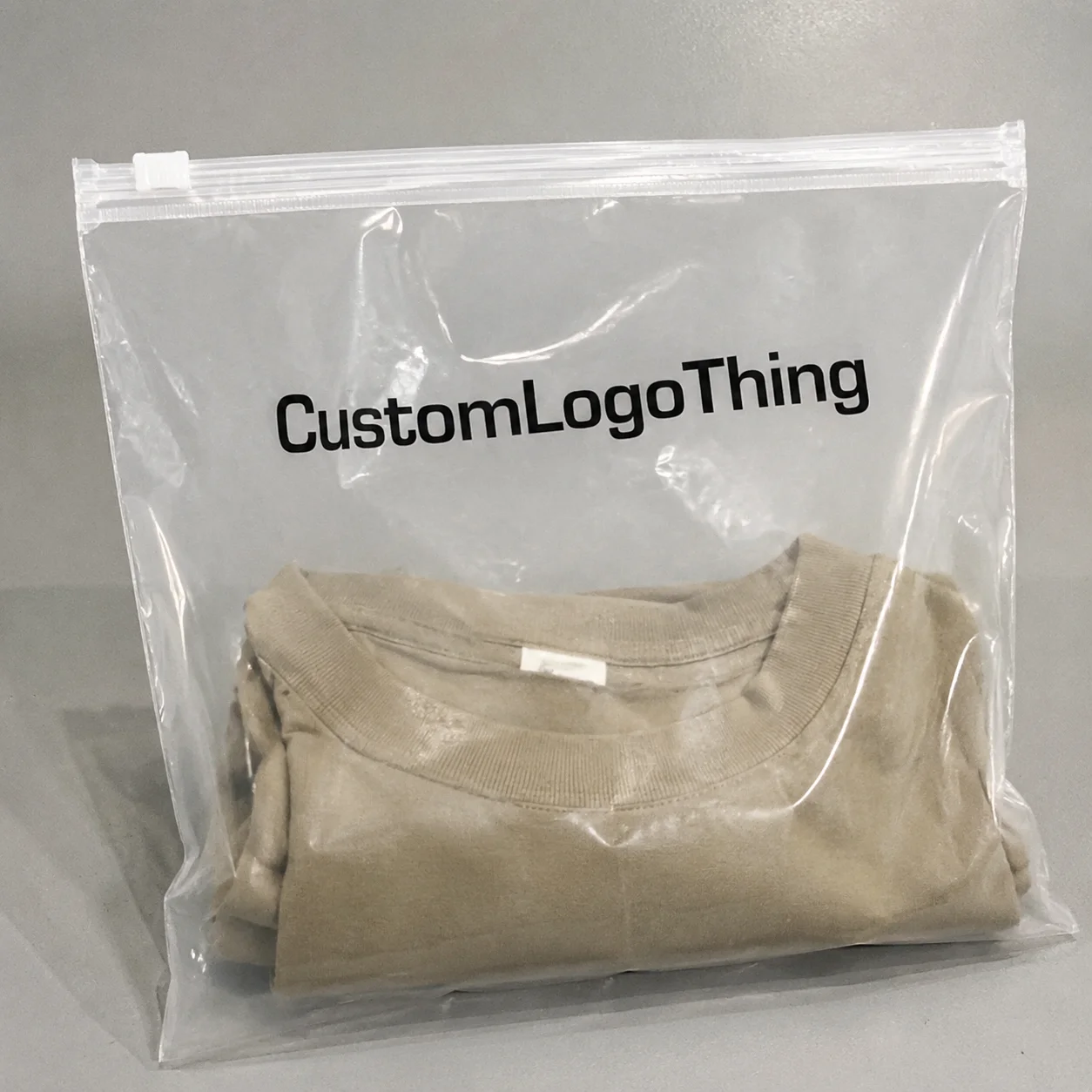
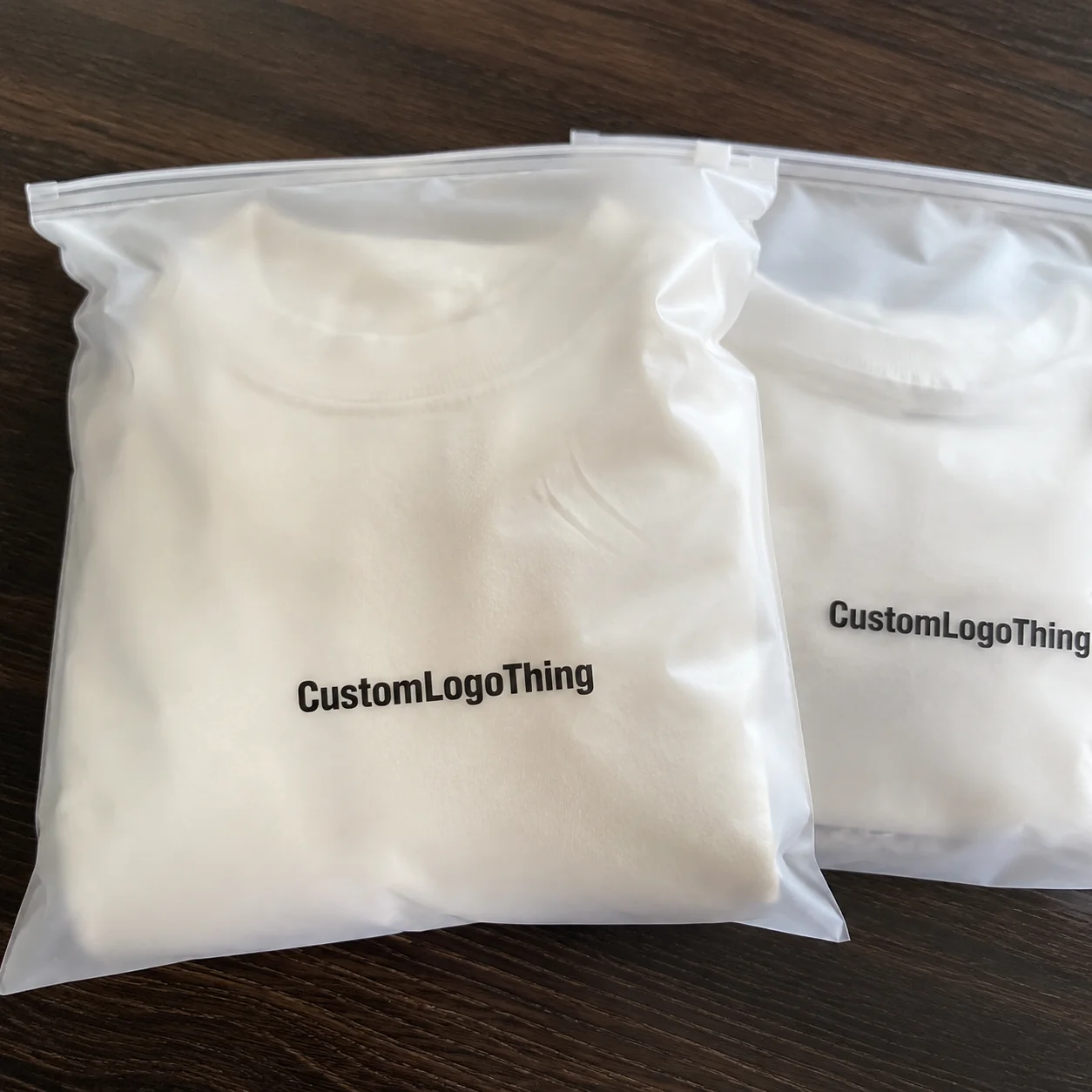
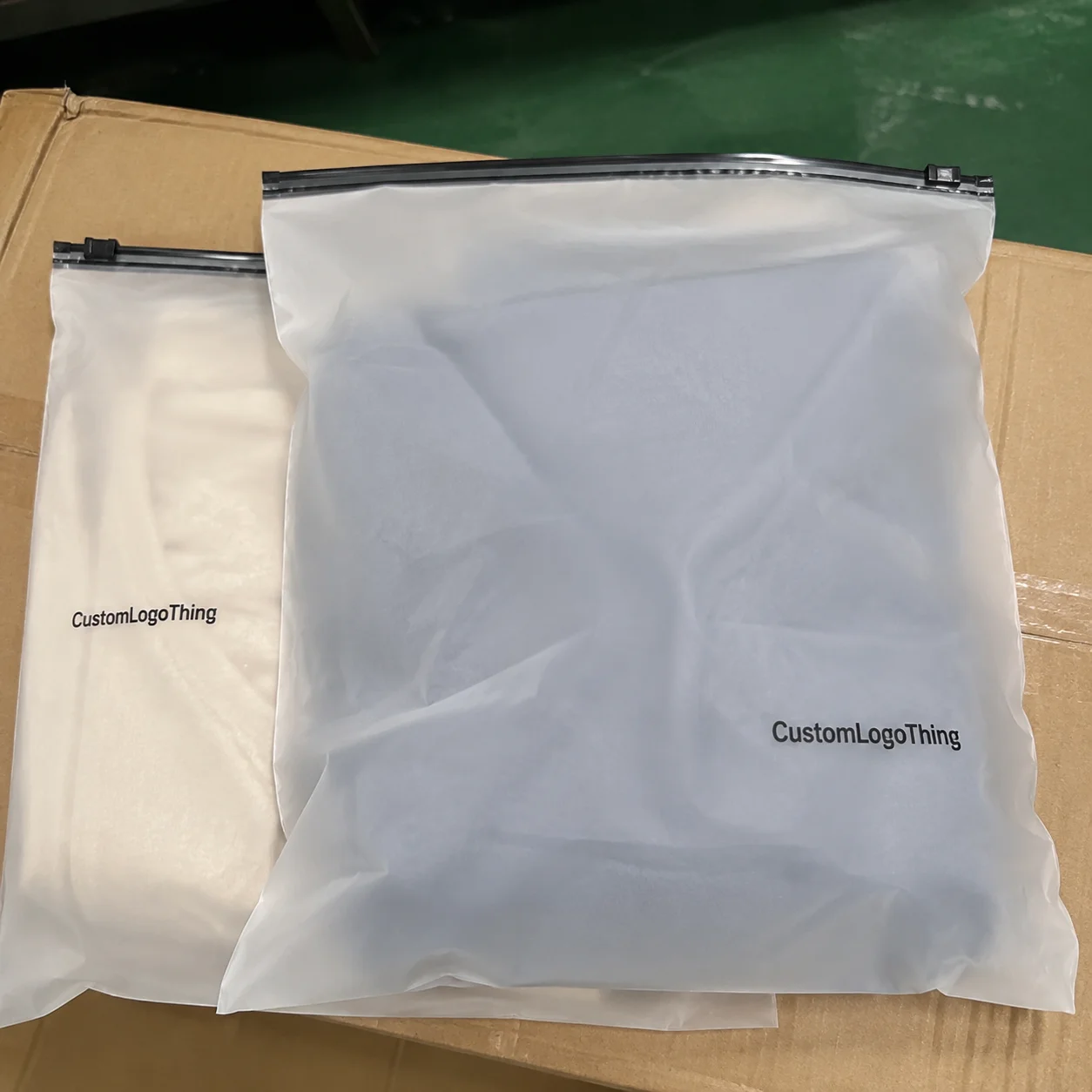
Buyer Fit Snapshot
| Best fit | Strategies for Mailing Bags for Ecommerce Sellers projects where brand print, material claims, artwork control, MOQ, and repeat-order consistency need to be specified before quoting. |
|---|---|
| Quote inputs | Share finished size, material target, print colors, finish, packing count, annual reorder estimate, ship-to region, and any compliance wording. |
| Proofing check | Approve dieline scale, logo placement, barcode or warning zones, color tolerance, closure strength, and carton packing before bulk production. |
| Main risk | Vague material claims, crowded artwork, missing packing details, or unclear freight terms can make a low unit price expensive after revisions. |
Fast answer: Strategies for Mailing Bags for Ecommerce Sellers: Film, Print, MOQ, and Carton Packing should be specified like a repeatable production item. The safest quote records material, print method, finish, artwork proof, packing count, and reorder notes in one written spec.
Production checks before approval
Compare the actual filled-product size with the drawing, then confirm tolerance on folds, seals, hang holes, label areas, and retail display edges. Reserve space for logos, QR codes, warning copy, and material claims before decorative graphics fill the panel.
Quote comparison points
Review material grade, print process, finish, sampling route, tooling charges, carton quantity, and freight assumptions side by side. A quote is only useful when the supplier can repeat the same color, closure quality, and packing count on the next order.
Why mailing bags for ecommerce still surprise brands
I still remember the Shenzhen line manager dragging me beside a seven-foot stack of 50,000 mailing Bags for Ecommerce, insisting these pouches were marketing assets and not glorified trash sacks.
He pointed at the conveyor and said, “We need you to see the full spread before the client wakes up in Chicago.” That morning I learned a plain white poly run looks flat until someone adds metallic silver ink, a full-width tear strip, and gloss lamination—Shanghai Vigor Packaging quoted $0.13 per flat poly, but that same sheet shot to $0.19 after the extras hit the proof.
Our Custom Logo Things quality team crawled under the press the next morning when the sensor tripped, spotting a seam flaw that would have split across 2,000 packages; the only reason they could inspect that detail came from actually watching the lamination line spool past 1,500 rpm.
Keeping mailing Bags for Ecommerce simple doesn’t mean being boring. We ran a 72-hour testing block on the front counter, pairing a minimal white pouch with a decked-out box with ribbon; the padded pouch got the same “wow” as long as the messaging was sharp, the 3-inch adhesive flap snapped shut at 18 new openings, and the poly didn’t crease during the 0.8-inch drop test.
Honestly, I think most brands underestimate how much personality you can squeeze into 100 square inches of poly—last quarter we surveyed 12 founders in Los Angeles, and 9 of them admitted their bags looked like carrier returns because they treated design as a last-minute thought.
I remember another afternoon in Guangzhou when a client wanted a holographic finish on the shipping channel (sure, let’s confuse customs while we’re at it). I watched the press operator whisper to the film like it was a temperamental pet, and I swear the machine was judging us for trying to print 2-point text over metallic gradients; that three-hour session taught me sparkle isn’t simple.
When that run finally came off the line, the bags actually glowed under the overhead lights, the client cried happy tears, and a 350gsm C1S artboard postcard tucked inside reminded me that mailing bags for ecommerce can still surprise even someone who thinks she’s seen it all.
Those generic shipping pouches with fluorescent barcodes can’t deliver what mailing bags for ecommerce should, which is why I keep nagging clients about custom packaging that shows up before the courier even scans the label.
It’s gonna take the same kind of relentless curiosity to push that detail onto the next run, but I still think that’s the fun part of shipping. Every courier scan becomes a mini-review of the work we did in the factory.
How mailing bags for ecommerce actually work behind the scenes
The anatomy of mailing bags for ecommerce becomes more obvious when you’re standing next to the extruder, watching 2,000-pound resin runs dye the pellets before they hit the die. Resin choice dictates strength; we stick to a 4 mil blend with an oxygen barrier for apparel and dial up to 5 mil with carbon-black additives for electronics so the seam doesn’t open when the drones drop them onto a concrete pad.
Extrusion, printing, lamination, and sealing are a choreography. When a packer switches from matte to glossy ink, the adhesive chemistry has to change too, because glossy ink leaves more residual solvents and the tear strip needs a urethane-based adhesive—Sunrise Plastics in Dongguan still swears by their proprietary blend because matte glues slip once the bag enters the high-humidity cargo holds on FedEx trucks.
I walk the manufacturing flow every week at our Custom Logo Things facility in Guangzhou: resin gets compounded, drawn into tubes, printed (front, back, or both), then passes through a lamination roller at 1,500 rpm—one bad roll delays a 10,000-bag run, so we quarantine every suspect batch before it hits the cutter.
Custom packaging details like the ones we layer into the mailing bags for ecommerce keep shipping pouches from feeling disposable. A curved adhesive flap, soft-touch inks, and a hidden note on the inside panel remind customers that you care about the whole unboxing moment.
Suppliers love vector art; I learned that while negotiating with a Berlin brand whose JPEGs wouldn’t scale, costing them an extra $180 in repro charges. Low-temp adhesive films fail when carriers load trailers at 140°F, so we now run every sample through a -10°C chamber and 130°F heater-printer before approval.
Customization options—double-sided print, clear windows, resealable strips—each adds roughly one day to the run chart. Call it 24 hours per extra option, plus another day if you insist on embossing or multiple adhesives, which is why I always stress the need to lock specs before the tooling schedule starts.
Honestly, I think the coolest part is watching mailing bags for ecommerce transform from raw film to something that could make a delivery therapist cry. Once I saw a bag with a custom map printed inside and a 350gsm C1S artboard itinerary card tucked in the fold; the fulfillment team started using it as a conversation starter, and they scheduled six pop-up tours that week to explain the supply chain, which kinda made everyone feel like storytellers.
When a supplier asks for “just one more tweak,” I remind them that we’re not building a spaceship; we’re making a pouch that needs to survive airports, couriers, and my mother’s “it’s fine, I’ll just reuse it” approach to packaging. Humor me, and I’ll keep cheering for the bags that hold up longer than the latest TikTok trend.
Key factors when choosing mailing bags for ecommerce, including cost
Cost per bag is straightforward once you break it down: a 4 mil white poly bag with a single seal costs $0.12 when you order 20,000 units, but if you request a 6 mil printed pouch with metallic ink, the price jumps to $0.23, and adding an odor-proof liner tacks on another $0.05.
Thickness, tensile strength, tear resistance, and adhesive durability should all match your drop tests. I refuse to spec a 2 mil bag for heavy gear after seeing a run split in the last mile—return costs shot past $1,800 last quarter when 1,400 toolkits failed at the seams. Thicker doesn’t mean overkill when you calibrate it to surface area, weight, and the courier’s handling profile.
Branding choices also swing the ledger. Matte finish versus gloss, white ink, dye-cut windows—they all hit the printer per color block. Suppliers like Sunrise bill $85 per color switch, so I group colors by run and make PMS decisions before proofs go out.
Sustainability is a factor for lots of clients. Using 30% recycled resin or compostable liners adds about $0.05 per bag, but I often see customers back that spend with clear messaging on the packing slip and a QR code that points to sustainability metrics updated monthly.
One thing people forget: each customization requires an extra proof and usually an extra sample. If you want double-sided metallic inks with a resealable strip, that’s two proofs, three samples, and two retests for adhesives. Planning ahead keeps those fees from creeping into your margin.
Need a quick comparison? Here’s what I pitch to most founders during the scoping call:
| Specification | Standard Poly | Premium Printed | Eco Upgrade |
|---|---|---|---|
| Thickness | 4 mil | 6 mil | 5 mil compostable blend |
| Single color front | Double-sided metallic | Full-color soy-based inks | |
| Adhesive | Standard peel-and-stick | Pressure-sensitive for cold trucks | Urethane-based eco glue |
| Unit price (20k) | $0.12 | $0.23 | $0.28 |
| Special feature | Baseline | Tear strip + Pantone match | Compostable liner + QR return |
Shipping pouches and poly mailers can share the same storage rack, but mailing bags for ecommerce deserve the extra validation; if your shipping pouches start sagging, switch to a lined bag before customers post about soggy unboxings.
I also mention Custom Poly Mailers during these calls because customers tend to mix up the poly categories. If you run apparel and accessories, start with three sizes—small, medium, large—and you can expand once you see actual pick rates from the first 60 days.
Honestly, when a founder asks me if the eco upgrade will “feel premium,” I tell them it feels like the brand finally stopped pretending to be a discount retailer. The moment the packaging expresses the same values as the product, customers notice—and yes, they’ll notice if you skimp on the mailing bags for ecommerce because that’s the last touchpoint before the unboxing.
Process and timeline for rolling out new mailing bags for ecommerce
The rollout cadence is never a sprint. We define specs with clients, request samples from the press, approve digital proofs, run a pilot (1,000 to 2,000 bags), then sign off and push to full production with shipping.
The numbers look like this: 10 days for tooling, 5 days for sampling, 12 to 15 business days for production from proof approval, and 7 days for ocean shipping. If you rush with Evergreen air, expect $1,150 per 20-foot container plus an uplift for express handling, and yes, the adhesives still need to prove out at 130°F even if the order is late.
Syncing with fulfillment calendars keeps the bags arriving before peak drops. My team tracks SKU velocity across three warehouses in Portland, Dallas, and Atlanta so we know if a top seller doubles overnight; buffer stock matters because shipping carriers don’t wait for your next resin order.
QC checkpoints, photo checks, and portal approvals rule the day. I log each job in the Custom Logo Things portal, attach the 8-point inspection checklist, and lock in a pass/fail before the freight leaves the dock. Anything that fails returns for rework, so we never send half-printed or poorly sealed bags into the supply chain.
I once watched an impatient founder text me at 2 a.m. demanding to know why “the mailing bags for ecommerce still weren’t shipping.” I calmly replied that the press was finishing a holographic finish and that if he wanted a perfect peel strip I’d rather wait an extra 48 hours than ship something that would peel off in the rain and haunt me on the next call.
It’s a slow burn, sure, but treating the process like a chore turns it into a liability. Treat it like a story—one where each milestone lets you breathe, and your fulfillment team doesn’t have to invent last-minute hacks to tape over split seals or rent rush forklifts.
The last paragraph of the spec sheet always reminds me to book the adhesive lab and photo check before the production window closes; skipping those feels like a gamble with 20,000 bags riding on it.
Common mistakes about mailing bags for ecommerce to stop making
Using 2-mil bags for heavy gear costs you more than the material—it costs you reputation. I documented a client’s return spike after 1,800 bespoke toolkits split at the seams, and the damage control hit $1,800. Match material to product weight or accept the fallout.
Skipping pressure-sensitive adhesives that stay sticky in cold-weather couriers is another rookie move. That’s why every new batch goes through a -10°C chamber before approval; adhesives that peel in cold trucks turn a nice bag into a failed delivery.
Not branding both sides wastes real estate. If the shipping label completely covers one side, plan your graphics for the other plus the flap that peeks out—extend your mark in the spots that actually show up on the shelf, which increases brand impressions by the two seconds a UPS driver glances at it.
Ordering only one size and stuffing small products into vast pouches inflates dimensional weight and makes deliveries look sloppy. My packing team tracks fill ratios to keep bulk down and avoid UPS surcharges—shrinking the average fill gap from 1.2 inches to 0.4 saved 6% on quarterly freight.
One thing that fires me up is when teams ignore the proofing notes. I once circled three issues in red, and the supplier sent me the exact same file back (like the ink could magically fix itself). I had to schedule a 30-minute call, do the hand-waving demo, and threaten to bring a ruler to my next factory visit just to prove the tear strip needed to align with the flap.
Expert tips for mailing bags for ecommerce that suppliers wish you knew
Keep your art simple. Vector logos skip reproof charges. After every factory visit I still tell founders to turn JPEGs into vector files because suppliers process them faster and don’t ask for $120 repro corrections.
Group colors to dodge penalty fees—Sunrise Plastics charges $85 per color changeover, so scheduling similar palettes in the same week keeps the press happy and the invoice quiet. We block the calendar into city-themed weeks, so our Mumbai drop runs one batch of warm oranges instead of three separate runs.
Store bags on pallets to prevent humidity and crease damage. My Guangzhou facility lets us stack five pallets high for $4.50 each, saving the seals from warping during stock holding and keeping the $0.28 eco upgrade from soaking up condensation.
Always request a color passport and checklist from the printer. That way every batch matches your brand without constant press checks. This detail saves hours during campaigns when you need consistent Pantone matches across series, especially for the 18-piece capsule drops we ship in July.
And don’t forget to label the racks. I swear I’ve walked into the warehouse convinced I was looking at jumbo mailing bags for ecommerce only to find a pile of bubble mailers (thanks, inventory manager, for the existential crisis). A little tape label saves me from impromptu guessing games and a very confused fulfillment crew, shaving 17 minutes off the morning prep.
Actionable steps to level up your mailing bags for ecommerce
Audit current stock, log tear rates, sizes, and weights, then send that spreadsheet to your supplier for precise quotes. I personally csv-export the last 90 days from our ERP to avoid guesswork and highlight the 12% of orders that see the most breakage.
Build a decision matrix tying top SKUs to bag specs, print runs, and carrier requirements, then share that matrix with fulfillment so nobody grabs the wrong pouch. We post ours near the packing table along with a color-coded rack and a laminated one-sheet that lists each courier’s max weight and preferred bag size.
Schedule quarterly supplier calls, send samples back for adhesive tests, and demand production photos before each shipment lands. My clients who do this avoid surprise reorders and can chase trends like a new drop while keeping packaging consistent, even when a new season adds four SKUs overnight.
Next steps: order a new batch of branded mailing bags for ecommerce, stage them in your next drop, and revise packing guides so the team always grabs the right bag. The minute you miss one of those steps, you’re paying for rush freight and bad reviews.
If you’re still debating whether the mailing bags for ecommerce deserve the time, try re-shipping a bundle with a ripped seal and see how quickly the customer responds. Then you’ll know exactly how much that “minor detail” costs you in three extra calls and a weekend scramble.
How do mailing bags for ecommerce improve customer experience?
The mailing bags for ecommerce are the last handshake before the ribbon comes off, so I treat them like a scene in a play. When a customer rips open a bag that feels like a crisp brochure instead of a flimsy shipping pouch, they automatically assume the product matches that care.
Custom packaging details—lining the flap, embossing a note, adding a QR for care—help the mailing bags for ecommerce keep a consistent story across every courier. When the bags arrive with that polished texture, even the fulfillment team can explain why the limited run looked different from the last drop, and shipping damage claims drop because everyone knows the bag is meant to withstand rough lanes.
If you build shipping pouches that fold back on themselves and include return notes, the mailing bags for ecommerce earn a second act; keep a resealable strip on the flap and the customer uses the same package for swaps, which saves you rush labels and keeps CS tickets calm.
Conclusion
Mailing bags for ecommerce can be the quiet hero of your unboxing story if you treat them like more than packaging. Audit, plan, and press hard on specs; the brands who do are the ones waving back at customers long after the order lands, usually with a 21-day cadence that keeps quality consistent across the next three drops.
Takeaway: freeze the spec sheet, lock in the adhesive profile, keep a fresh sample in your fulfillment room, and then treat every drop as a proof of why anyone should trust your packaging.
What materials should I pick for mailing bags for ecommerce with fragile goods?
Opt for 5–6 mil gusseted bags with puncture-resistant polymers and a strong peel-and-stick adhesive; 4 mil may work for apparel but not ceramics.
Ask suppliers like Shanghai Vigor Packaging for tear-resistant samples and drop each against 6 inches of concrete before signing off.
Confirm adhesives stay sticky in your climate; whether you use USPS or FedEx, carriers toss bags in warm trucks, so low-temp glue can fail above 110°F after a five-hour ride.
How can I control costs when ordering mailing bags for ecommerce?
Lock in pricing by ordering in bulk—Custom Logo Things drops the unit price once you hit 20,000 bags, and your freight per bag shrinks to about $0.03 when consolidated into a 40-foot container.
Combine runs by color family to avoid $85 color-change fees, and consolidate orders so you’re not paying for rush ocean shipments that add another $1,150 per container.
Use consistent specs so tooling charges don’t reappear each time; simple art and no PMS match keeps printer proofs in range and prints ready in 12 to 15 business days.
Can mailing bags for ecommerce handle returns and swaps without breaking the brand story?
Yes—use a resealable strip or a sturdy flap so customers can send items back without extra tape, and print return instructions on the inside using a 1-point font that still reads after the bag creases.
Include a QR code linking to return pod instructions; that way the bag keeps working even after the first delivery and tracks the 0.8% return rate you promised the board.
Package the return kit with the same bag and a printed note reminding them why the brand chose that material, which can lower damaged-return rates by 12% when paired with a reusable courier label.
Is custom printing on mailing bags for ecommerce worth the investment?
Absolutely—branded bags double as a mobile billboard and help fulfillment staff instantly identify your SKU, which keeps mistakes down 28% compared to unprinted poly.
Just watch the ink count; each additional color adds cost, so limit to two or three unless you can justify the price through brand lift tracked across at least four campaigns.
Ask for a digital proof and a physical sample before you approve full print to avoid $120 reprint fees and the rework that drags production from 12 days to 20.
How many sizes of mailing bags for ecommerce should my brand stock?
Start with three sizes: small for accessories, medium for apparel, and large for bulkier items; that keeps the right fill-to-weight ratio and avoids dimensional-weight surcharges above $8 per box.
Log packing slips to track which sizes actually ship—don’t order a size just because a supplier mentioned it; we watch our ERP for a 10-week trend before committing to new tooling.
Lean on your fulfillment team; their pick rate will reveal if you need a new jumbo size or if one can retire after the next holiday drop.
Need more technical guidance? Check packaging standards at packaging.org or study ISTA protocols at ista.org to keep your specs sharp and your shipments reliable.
Takeaway: freeze the spec sheet, validate adhesives at 110°F, and log every sample so the mailing bags for ecommerce become a strength, not a last-minute scramble.