Why Coffee Shop Hat Proofs Deserve More Attention Than Most Merch
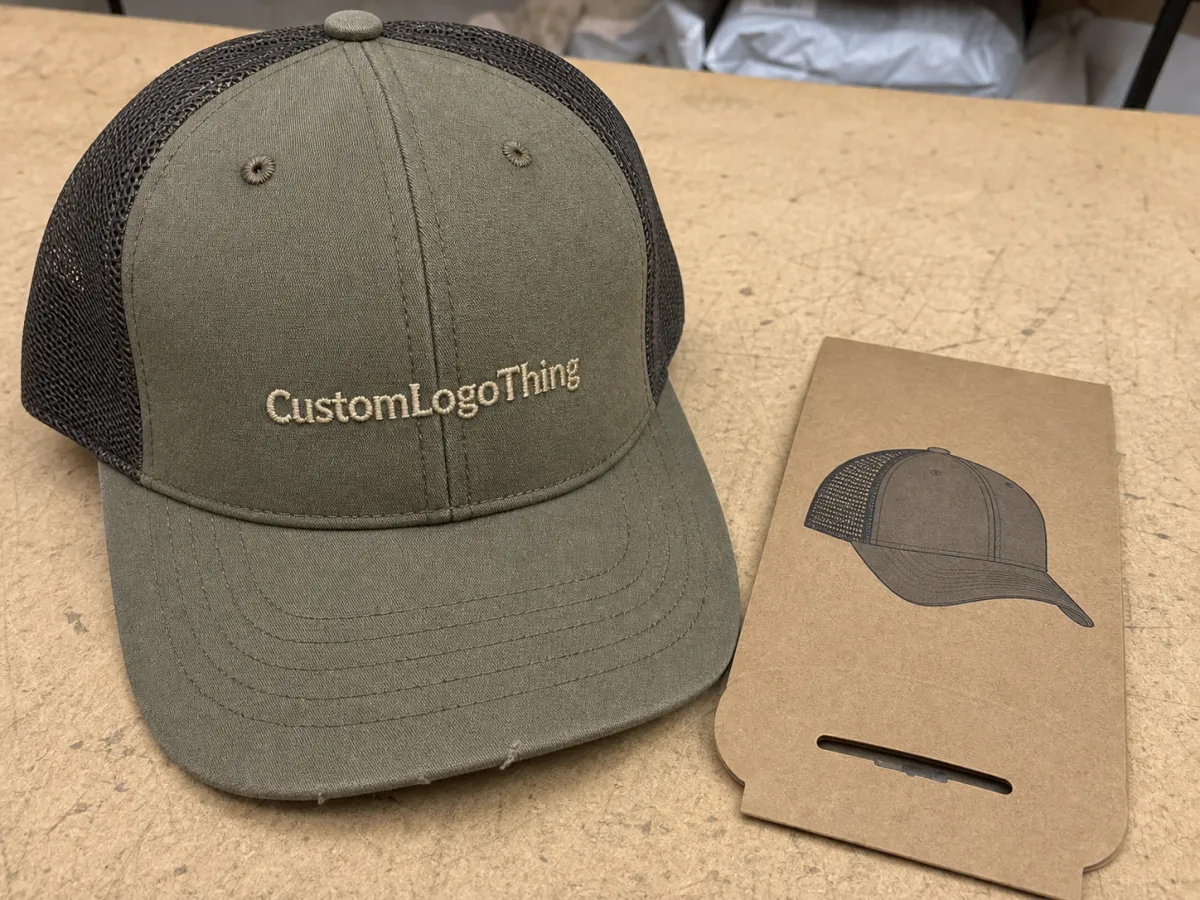
A hat gets noticed quickly. It sits at eye level behind the bar, shows up in customer photos, rides around town on regulars, and can become the piece of merch people associate with your shop long after the cup is gone. A mesh trucker hats artwork proof checklist for coffee shops gives owners, roasters, and merch buyers a practical way to catch logo, thread, patch, and placement issues before production starts.
An artwork proof is the pre-production approval document that shows the hat style, crown color, mesh color, decoration method, logo size, placement, thread or patch colors, and special production notes. It is not only a mockup. In a working order, the proof becomes the instruction sheet used to set up embroidery machines, patch presses, alignment fixtures, packing lists, and quality checks.
Trucker hats need a different review process than flat merch. The front panel may be structured, foam-backed, cotton twill, canvas, recycled polyester, or split by a center seam. The back is usually breathable mesh, and the closure may be plastic snapback, hook-and-loop, or another adjustable format. Those construction choices change how a cafe logo appears once the hat is worn, handled, stacked on a shelf, or photographed under warm bar lighting.
The common mistake is approving the hat as if it were a sticker. Hats curve, flex, cast shadows, and sit on different head shapes. A small roaster seal that looks refined on a laptop screen can turn muddy when stitched into a 2.5-inch field, especially if the art includes thin lines, tiny dates, small origin notes, or script lettering.
In 2026, coffee shop merch is less about ordering one generic logo item and more about building small, sellable drops that feel connected to the cafe experience. Shops are pairing hats with seasonal drink launches, anniversary blends, run-club meetups, farmers market pop-ups, and limited roast releases. That makes the proof more valuable, because a rushed approval can weaken an entire merch moment rather than only one accessory.
After reviewing coffee shop hat proofs for independent cafes, drive-through espresso stands, roasters, and multi-location operators, the issues that repeat most often are small text, low-contrast color choices, overcomplicated patch art, and decoration placed too high on the crown. The best finished hats usually come from simple marks, clearly stated dimensions, and one person responsible for final approval.
The goal is not to become a prepress technician. The goal is to know which details deserve a second look so the finished hats feel intentional, wearable, and worth selling at the register for $26, $30, or more, depending on your market, blank quality, decoration method, and retail positioning.
How Mesh Trucker Hat Artwork Proofs Work Before Production
The proofing flow usually starts with artwork submission. A coffee shop sends a logo file, selects a blank hat, chooses embroidery or a patch, and shares any brand notes that affect color, placement, or overall feel. The supplier then prepares a digital mockup, checks whether the artwork can be produced cleanly, and sends a proof for review. Once the final proof is approved, the order moves from planning into production.
Good artwork assets make that process much smoother. Vector files such as AI, EPS, or properly built PDF files are usually best for logos because they can be scaled and adjusted without losing edge quality. A high-resolution PNG can help as a visual reference, but it may not be enough for clean embroidery digitizing, patch dielines, or detailed production setup. Brand color codes, old merch photos, menu colors, and photos of coffee bags can also help, provided everyone understands that physical materials will not match a screen perfectly.
A visual proof and a production file are related, but they are not the same thing. The buyer sees a mockup that shows location, scale, and color intent. The production crew may use a stitch file for embroidery, a woven patch layout, a leatherette engraving file, a rubber patch mold layout, or print-ready artwork depending on the decoration method.
Common decoration options for mesh trucker hats include flat embroidery, 3D puff embroidery, woven patches, embroidered patches, leatherette patches, rubber patches, and printed patches. Each one needs different proof details. Flat embroidery needs stitch direction and thread conversion. A woven patch needs border type, yarn colors, backing, and a realistic read on how small details will translate. Leatherette needs material tone, burn contrast, patch shape, and stitching notes. Rubber patches need thickness, color count, and sometimes mold setup.
Proof approval is the handoff point. Before approval, details can be questioned and corrected. After approval, machines, materials, and labor start lining up around the signed-off specification.
Colors on screen are guides, not guarantees. Polyester thread, cotton twill, foam, woven yarn, mesh fabric, leatherette, and rubber all reflect light differently. Warm cream thread may look close to your menu stock on a monitor, then appear brighter on a black crown under cafe lighting. That is normal material behavior, not always a production error.
For 2026 orders, ask whether the supplier can show a thread chart, patch material swatch, or previous production photo using a similar hat style. More shops are choosing washed cotton fronts, recycled mesh blends, rope details, tonal embroidery, and low-profile truckers instead of only high-crown foam styles. Those options can look excellent, but they also change how much decoration space is available on the front panel.
Treat the proof as a shared instruction sheet rather than a pretty picture. The best reviews stay focused on the details that affect the final product: method, size, placement, material, color, quantity, and timing.
Logo, Patch, Thread, and Placement Details to Check Closely
Start with the obvious, because obvious errors are the ones people miss when the order feels routine. Confirm the correct logo version, spelling, roaster name, neighborhood name, tagline, establishment wording, and icon direction. If your brand has a left-facing fox, a specific coffee leaf mark, or a hand-lettered wordmark, do not assume the proof used the newest file pulled from your designer’s folder.
Then look at size. A front embroidery might be 3.25 inches wide. A rectangular patch might be 2.75 inches wide by 1.6 inches tall. A round patch may need to stay under roughly 2.5 inches across to sit cleanly on the front panel without fighting the crown curve. These are not universal limits, but they are useful reference points for many standard trucker profiles.
Placement carries more visual weight than buyers expect. Check the distance from the bill seam, whether the decoration is centered on the front panel, and whether an off-center position is intentional rather than accidental. A quarter inch can change the whole feel of the hat, especially on a five-panel front where the decoration field is wide and uninterrupted.
Hat construction can help or hurt the artwork. A structured five-panel front often gives a cleaner decoration field because there is no center seam cutting through the logo. A six-panel hat with a center seam can still look excellent, but fine vertical lines, small lettering, and narrow icons may be interrupted. Foam fronts take bold graphics well and often feel more casual or retro. Cotton twill and canvas tend to feel more classic, uniform-friendly, and retail-ready.
Color review needs a physical mindset. Coffee brands often use warm neutrals, cream tones, deep green, brown, black, navy, rust, washed charcoal, or muted gold. Those colors can shift the mood quickly. A black crown with black mesh feels sharp and staff-ready; a tan front with olive mesh feels softer and more outdoorsy; a natural crown with brown leatherette can lean heritage if the artwork is simple enough to support that look.
Readability is the final judge. View the logo at normal size, not only at 200 percent zoom. If a customer standing three feet from the counter cannot read the tagline, it may be better removed. Many cafe hats look stronger with fewer words, cleaner shapes, and one clear brand mark doing the work.
- Check small type: establishment lines, neighborhood names, roast notes, and dates often fail first.
- Check contrast: dark brown on black, cream on khaki, and muted gray on navy can disappear in real light.
- Check surrounding materials: bill color, mesh color, snap color, seam tape, and crown fabric all affect the final read.
- Check decoration scale: patch and embroidery dimensions should be stated in inches, not described only as “standard.”
- Check brand fit: a polished embroidered mark and a rugged leatherette patch tell very different stories.
Cost, Pricing, MOQ, and Unit Cost Factors in Hat Proofing
The proof can influence cost because it locks in the production specification. Decoration method, stitch count, patch size, number of thread colors, number of locations, and the blank hat selection all affect unit price. A small one-color embroidery on a standard trucker blank prices differently than a multi-color woven patch on a premium washed crown with custom packaging.
For 2026 planning, many small coffee shop hat orders fall into a broad decorated unit range of about $11 to $22 before shipping, depending on quantity, blank, and decoration method. Premium blanks, custom patches, rope details, private labeling, bagging, or retail hang tags can push that higher. Retail prices commonly land between $28 and $38 for independent cafes, with limited drops or premium patch hats sometimes priced above that in higher-cost markets.
Typical cost drivers include blank quality, structured versus unstructured crown, foam front versus cotton twill front, specialty mesh, domestic or overseas production path, and packaging add-ons. A basic decorated trucker hat usually lands in a lower range for larger runs, while premium blanks, patch setup, and detailed decoration can push the unit price higher. For small coffee shop orders, it is common to see meaningful price movement between 48 pieces, 144 pieces, and 288 pieces because setup time gets spread across more units.
MOQ, or minimum order quantity, should match the purpose of the hats. Lower quantities are useful for staff gear, soft launches, or limited merch drops. Higher quantities usually improve unit cost because digitizing, patch setup, machine setup, packing, and handling are distributed across more hats. If you plan to reorder, ask whether the same approved proof and production files can be kept on file, and confirm whether the same blank is expected to remain available.
| Decoration option | Best fit for coffee shops | Typical proof details to confirm | Cost notes |
|---|---|---|---|
| Flat embroidery | Simple logos, staff hats, clean wordmarks | Thread colors, stitch size, logo width, seam clearance | Stitch count and color changes can affect price |
| 3D puff embroidery | Bold icons or short block lettering | Foam areas, outline stitches, minimum line thickness | Usually better for simple art with strong edges |
| Woven patch | Badge logos, small details, retail merch | Patch size, border, yarn colors, backing, placement | Setup may cost more, but detail can be cleaner |
| Leatherette patch | Warm, rustic, or heritage-style cafe branding | Patch tone, engraving contrast, shape, stitch border | Material choice changes the final brand feel quickly |
| Printed patch | Colorful artwork, gradients, illustrations | Print colors, edge finish, patch substrate, durability | Good for art that embroidery cannot simplify cleanly |
Setup charges pay for preparation. Embroidery digitizing converts art into stitch instructions. Patch setup may include a dieline, woven layout, mold, or print preparation. Art cleanup may be needed if the logo file is low resolution or built from flattened artwork. A pre-production sample, when available, can add cost and time, but for a larger retail run it may prevent a more expensive disappointment.
Cheap is not always cheaper. If the proof is rushed, the logo is too detailed for the method, or the blank does not match the shop’s retail expectations, the hidden cost shows up as slow sales, staff not wearing the hats, or a reorder nobody wants to make. Ask for a quote that separates hat blank, decoration, setup, shipping, and optional packaging so you can compare real value instead of only comparing the bottom line.
For broader packaging and shipping discipline, standards groups such as ISTA are useful references when orders need to survive parcel or case shipping, and sustainability-minded buyers may also want to understand paper and fiber sourcing through groups such as FSC. Hats are soft goods, but cartons, hang tags, labels, and retail packaging still deserve careful handling.
Process and Timeline: From Artwork Upload to Approved Hats
A clean hat order follows a simple path: choose the hat style, submit artwork, receive the first proof, review details internally, request revisions if needed, approve the final proof, move into production, complete quality checks, and ship. The stages are simple. The delays usually come from decision-making.
Proofing is often where coffee shops lose time because several people care about the merch. The owner may care about brand consistency. The manager may care about staff comfort. The roaster may care about the logo mark. The designer may care about color and spacing. None of that is unreasonable, but five separate opinion streams can turn a one-day proof review into a week.
Decoration method changes turnaround. Embroidery can move quickly once the art is digitized and approved. Patches may need extra setup before they can be applied to the hats. Custom woven or molded patches can add lead time before decoration begins. Imported blanks, specialty colors, and custom packaging can also extend the schedule, especially during spring event season and holiday merch planning.
A realistic 2026 timeline for many standard orders is 1 to 3 business days for proofing after usable artwork is received, then 7 to 15 business days for production after approval. More complex patch orders, larger runs, samples, or specialty sourcing may need several additional weeks. If hats are tied to a grand opening, farmers market launch, coffee festival, or holiday box, build in extra time for revisions and shipping.
Use one approval owner whenever possible. Gather comments internally, then send one clear revision request to the supplier. A message such as “make the logo slightly bigger” is weaker than “increase the front patch from 2.6 inches wide to 2.9 inches wide, keeping it centered 1.25 inches above the bill seam.” The more specific the request, the cleaner the next proof will be.
If your shop is also planning cold-weather merch, compare the proofing notes with a related custom beanies artwork proof checklist for coffee shops. The same logo may need different simplification rules on a cuffed knit beanie than it needs on a trucker hat.
Step-by-Step Mesh Trucker Hats Artwork Proof Checklist for Coffee Shops
Use this mesh trucker hats artwork proof checklist for coffee shops before approving production. It is designed for cafe owners, merch managers, roasters, and designers who want a practical review path without slowing the order unnecessarily.
- Confirm the exact hat blank: style number, profile, crown material, front panel type, mesh color, bill color, closure, and any rope or label details.
- Confirm the decoration method: flat embroidery, 3D puff embroidery, woven patch, embroidered patch, leatherette patch, rubber patch, printed patch, or another approved method.
- Verify the logo version: correct file, correct icon direction, correct wordmark, correct spelling, and no outdated anniversary year or old location name.
- Review logo size: check width and height in inches, not only visual scale on a mockup.
- Review placement: confirm centered or intentionally offset placement, distance above bill seam, and how the art interacts with seams.
- Check thread or patch colors: compare against brand colors, but allow for material differences between screens, thread, yarn, rubber, leatherette, and fabric.
- Test readability: view the proof at actual hat size and remove tiny type that will not read clearly in person.
- Check contrast: make sure the logo does not disappear against the crown or patch material.
- Review quantity and size mix: confirm total units, color splits, staff versus retail quantities, and any reorder expectations.
- Confirm cost details: unit price, setup charges, art cleanup, sample charges, shipping, taxes, and optional packaging.
- Confirm timeline: proof approval deadline, production estimate, ship date, delivery address, and event date if applicable.
- Save the final proof: keep the approved PDF or image with the invoice so reorders can be compared against the original specification.
If the hat uses a patch, ask whether the patch itself will be stitched, heat-applied, or otherwise attached. Patch attachment can affect durability, edge behavior, and the finished look. For more detail on patch-specific decisions, a custom embroidered patches artwork proof checklist for coffee shops can help your team review borders, backing, thread colors, and small text before the patch goes onto a hat.
Common Proofing Mistakes That Make Coffee Shop Hats Look Off
The most common mistake is keeping too much artwork. Coffee shop logos often include a main name, city, establishment year, roast style, tiny icons, and a tagline. That may work on a bag label or menu, but it often becomes crowded on a hat. Simplifying the mark can make the finished merch feel more premium, not less branded.
Another frequent issue is choosing a hat color because it looks good alone, not because it supports the decoration. A caramel leatherette patch may look attractive on a product page, but it can lose contrast against a tan crown. Cream embroidery may fit the cafe palette, but it can look weak on light khaki. The proof should be judged as one full product, not separate choices.
Scale errors are also easy to miss. A logo that fills too much of the crown can look promotional rather than retail-ready. A logo that is too small can feel timid and hard to read. If the supplier provides a hat mockup, ask for the stated logo width and height so the scale is not based only on screen perception.
Rushing approval before the right person reviews the proof is another avoidable problem. A manager may approve the order for speed, then the owner notices a slightly wrong wordmark after production starts. For multi-location shops, confirm which brand marks are current and whether each location gets the same art or a location-specific version.
Finally, do not ignore packaging and receiving details. If hats are being sold in a retail corner, you may want individual bags, hang tags, size labels, or sorted color runs. If they are staff hats, simple bulk packing may be fine. The proof or order notes should make that clear so the shipment arrives ready for its intended use.
Before You Approve Your Coffee Shop Hat Order
The final approval should feel boring in the best way. Every detail should already be clear: hat style, color, quantity, decoration method, logo size, placement, thread or patch color, pricing, production time, shipping plan, and who is responsible for signoff. If any of those details are missing, ask for the proof to be updated before approving.
A good mesh trucker hats artwork proof checklist for coffee shops protects the parts of the order that customers actually notice: the logo, the fit, the color, the finish, and the way the hat feels connected to your shop. It also protects your team from avoidable rework, rushed emails, and uncomfortable conversations after the boxes arrive.
For the strongest result, keep the design simple, choose materials that match your cafe’s personality, and review the proof at actual size. If the hat looks good at normal viewing distance, reads clearly in cafe lighting, and feels like something your staff would wear willingly, the order is on the right track.
FAQs
What should a coffee shop check first on a mesh trucker hat proof?
Check the hat blank, logo version, decoration method, logo size, placement, and color first. Those details control most of the final look. After that, review quantity, pricing, production time, and packing notes.
What file type is best for trucker hat artwork?
Vector files such as AI, EPS, or production-ready PDF files are usually best. They give the supplier clean edges for embroidery digitizing, patch layouts, and resizing. A PNG can help as a reference, but it may not be enough for production.
How big should a logo be on a coffee shop trucker hat?
Many front embroideries land around 3 to 3.5 inches wide, while patches often range from about 2.5 to 3 inches wide depending on shape and crown style. The right size depends on the logo, hat profile, seam placement, and decoration method.
Is embroidery or a patch better for coffee shop hats?
Embroidery is strong for simple wordmarks, icons, and staff hats. Patches are often better for badge-style artwork, small details, outdoor-inspired branding, or retail merch that needs a more finished feel. The best option depends on the art and the brand mood.
How much should coffee shops budget for custom mesh trucker hats in 2026?
Many decorated trucker hat orders fall around $11 to $22 per unit before shipping, though premium blanks, custom patches, lower quantities, and packaging can increase the cost. Retail pricing commonly ranges from $28 to $38 depending on market and perceived quality.
Why does the final hat color look different from the proof?
Digital proofs are viewed on screens, while hats use physical materials such as thread, mesh, twill, foam, rubber, and leatherette. Those materials reflect light differently. Requesting swatches, thread references, or previous production photos can reduce surprises.
How many times should the keyword be used in the article?
The phrase mesh trucker hats artwork proof checklist for coffee shops should appear naturally, mainly in the title, introduction, checklist section, closing guidance, and one FAQ-style reference. Readability matters more than forcing the phrase into every paragraph.