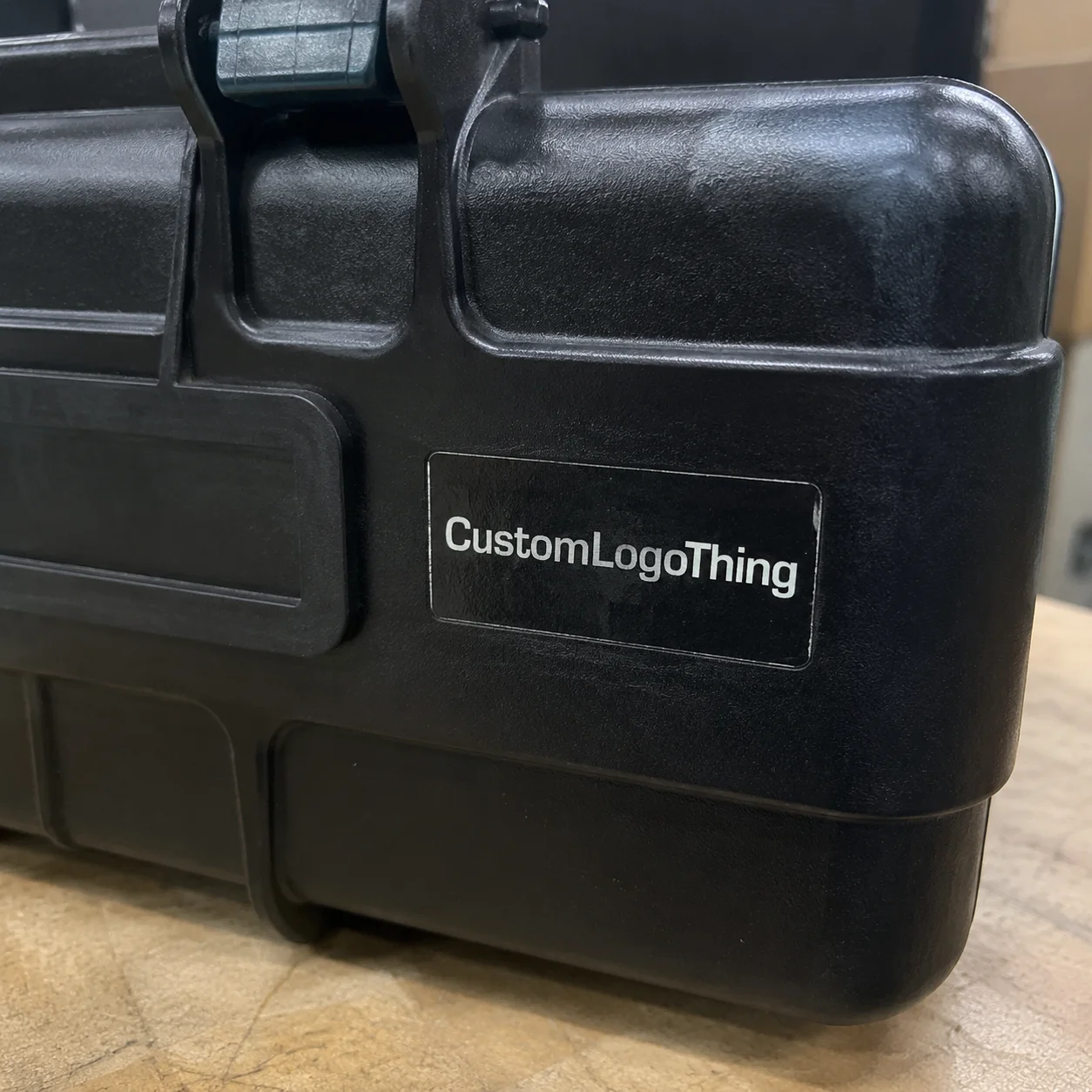
People call them stickers, but metal stickers custom projects behave more like small nameplates than ordinary labels. That difference matters when the label has to bond to a real product, survive handling, and still look intentional after shipping.
A paper label can carry a logo. A vinyl decal can add color. A metallic label is usually expected to make a product feel more permanent, premium, and less disposable. Buyers use them on electronics, cosmetics, gift sets, appliances, tools, machinery, drinkware, and limited-run packaging.
The risk is assuming shine equals quality. A label can look expensive on a proof and still lift at the edge, scratch in the first week, scan poorly, or become unreadable under retail lighting. The useful spec is not “silver sticker with logo.” It includes material, finish, thickness, adhesive, cut tolerance, surface type, application format, packing method, and expected life.
What Metal Stickers Custom Orders Actually Mean
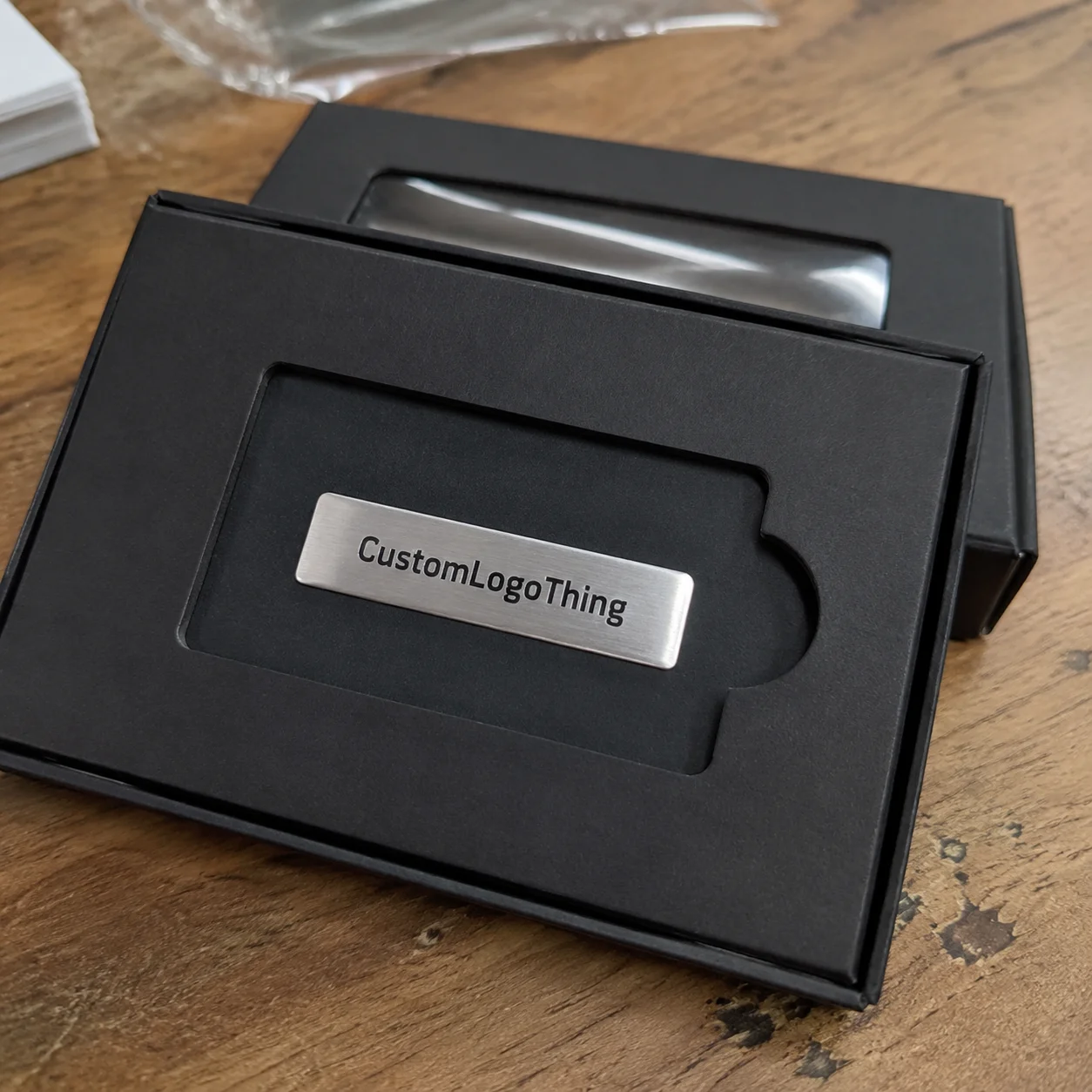
Most buyers start with the look: brushed silver, mirror chrome, matte gunmetal, gold foil, black nickel, or a raised badge effect. That is a reasonable starting point, but it is not enough for production.
Metal stickers custom orders can refer to several constructions. Some use thin aluminum or stainless-look face stock. Some use metalized polyester film. Some are vinyl decals with metallic ink or foil. Some are domed with a clear polyurethane or resin layer to create a raised, badge-like surface.
They can all look premium in a render. They do not behave the same in use.
A true metal label usually feels more rigid and permanent. It suits electronics, appliances, machinery, outdoor equipment, and products where the label acts like an identifier. A metallic vinyl or metalized film label is thinner, more flexible, easier to apply to many packaging surfaces, and often more economical at scale.
Foil labels sit in another lane. They can work well for cosmetic boxes, candle packaging, mailers, and retail cartons where shelf appeal matters more than abrasion resistance. But foil decoration is not the same as a durable metal nameplate. Suppliers use these terms loosely, so ask what is actually being quoted.
- Thin aluminum labels: rigid or semi-rigid, premium, common for equipment, electronics, appliances, and durable goods.
- Metalized polyester labels: flexible, smooth, and useful for packaging, product marks, and serialized labels.
- Metallic vinyl stickers: flexible and decorative, often easier on curved or irregular packaging than rigid metal.
- Foil labels: strong visual impact, best for branding and presentation instead of harsh-use environments.
- Domed metallic badges: raised surface and tactile feel, but thicker and less forgiving on tight curves.
The right choice depends on five questions: what surface it bonds to, how long it needs to last, what conditions it faces, how it will be applied, and what the target quantity can support.
A metallic label should not only look good on a proof. It should still look right after packing, shipping, handling, and normal use.
How Metallic Labels Are Built From Face Stock to Adhesive
A metallic label is a stack of decisions. Face stock creates the look. Print carries the artwork. Coating or laminate protects the surface. Adhesive creates the bond. The liner controls how the piece feeds, stores, peels, and applies.
Face material sets the tone. Brushed aluminum has an industrial finish and hides minor scuffs better than mirror surfaces. Mirror chrome is bright and reflective, useful for promotional packaging and accent marks, but it shows fingerprints and scratches more easily. Matte metalized film photographs cleanly and often works better for ecommerce brands that want less glare in product shots.
Thickness changes both feel and function. Thin films may be around 2 to 5 mil depending on construction. Badge-style metal labels can run thicker, sometimes 0.2 mm to 0.5 mm or more. Thicker is not automatically better. Thick labels can look premium, but they may lift on small-radius curves or feel awkward on flexible packaging.
Print method matters. Screen printing is common when solid color opacity is important. Digital printing works well for short runs, variable artwork, prototypes, and designs with multiple colors or gradients. Laser marking and etching can add permanence for serial plates and technical labels. Embossing and debossing add texture, but they may require tooling and tighter artwork control.
Doming can make a small badge look expensive quickly. It also adds height, changes reflectivity, and can exaggerate bubbles, dust, or edge issues. It is excellent in the right place, but it should be sampled on the actual product surface.
Adhesive is where many simple projects become technical. A standard permanent adhesive may work on clean glass or coated paperboard. It may fail on low-energy plastics such as polyethylene or polypropylene. It may also struggle on textured cartons, powder-coated metal, silicone-treated surfaces, oily substrates, or containers with condensation.
- Permanent acrylic adhesive: general-purpose choice for many packaging and product surfaces.
- High-tack adhesive: better initial grab on rougher or harder-to-bond materials.
- Removable adhesive: useful for temporary branding, promotions, or short-term labeling.
- Freezer-grade adhesive: designed for cold-chain, refrigerated, or frozen conditions.
- Heat-resistant adhesive: better for warm environments, processing heat, or hot storage.
Before approving a construction, define what the label must resist: UV exposure, moisture, oils, cleaning chemicals, abrasion, freezing, heat, repeated handling, or warranty use. Those answers should drive material choice.
| Option | Look | Typical Use | Durability | Cost Pressure |
|---|---|---|---|---|
| Brushed metal label | Premium, industrial, understated | Electronics, appliances, machinery | High | Medium |
| Mirror chrome sticker | Bright, reflective, high impact | Luxury packaging, promos, accents | Medium | Medium to high |
| Metallic vinyl decal | Flexible, clean, decorative | Cosmetics, boxes, light branding | Medium | Lower |
| Embossed domed label | Tactile, dimensional, premium | Brand marks, badges, luxury items | High | Higher |
Key Specs That Decide Durability, Fit, and Shelf Appeal
The small specs are the ones that cost money later. A one-millimeter error can make a badge look crooked on a compact device, jar lid, rigid box, or curved bottle. A sharp corner can become the first point of failure. A glossy finish can make a small logo hard to read under store lighting.
Start with size, shape, thickness, corner radius, and edge tolerance. Rounded corners usually resist lifting better than sharp corners. A thin flexible label conforms better to curved packaging. A rigid badge gives a stronger premium feel but needs a flatter surface and cleaner placement.
Finish selection should match the product. Brushed finishes hide minor scuffs and feel more technical. Mirror finishes attract attention but can look messy after heavy handling. Matte metallic finishes are quieter and often more forgiving for skincare, candles, electronics accessories, and gift packaging.
Surface compatibility is non-negotiable. Glass, coated paperboard, finished metal, and many hard plastics are usually workable with the right adhesive. Low-energy plastics, soft-touch coatings, textured board, rubberized surfaces, wood, powder-coated parts, and flexible pouches need testing. On textured surfaces, the adhesive may touch only the high points, reducing bond strength even if the label looks flat at first.
Application method affects design too. Hand-applied badges need easy peeling, stable liners, and enough stiffness to place accurately. Machine-applied labels need roll direction, gap, liner release, unwind orientation, and label stiffness confirmed in advance. Sheeted labels are convenient for kitting. Rolls are usually better for production lines. Individually packed pieces may help assembly teams but add cost and handling time.
Artwork also needs discipline. Vector files are preferred. Fonts should be outlined. Dielines should be separate and clearly labeled. Bleed and safe zones matter, especially on small shapes. If the label uses white ink under color, brushed grain direction, spot varnish, embossing, debossing, or cut paths, those elements should be separated into their own layers.
Color expectations need a reality check. Metallic substrates change how ink looks. A red printed over silver will not behave like the same red printed on white paper unless a white backing layer is used. Fine gray type on brushed metal may look elegant on screen and weak in hand.
Quality checks should include size, cut registration, print alignment, adhesive coverage, scratches, dents, edge lift, color consistency, liner release, and packing format. For functional labels, check barcode or QR readability after coating or doming. Reflective surfaces can confuse scanners if contrast is poor.
For packaging teams managing Custom Labels & Tags alongside other Custom Packaging Products, the pattern is consistent: test the substrate early, then lock the spec.
Pricing, MOQ, and Unit Cost Drivers Buyers Should Expect
Pricing for metal stickers custom work is shaped less by the word “sticker” and more by construction. A simple rectangular metallic film label has one cost profile. A thick brushed aluminum badge with embossing, Custom Die Cutting, high-tack adhesive, and individual packing has another.
Buyers should expect setup-heavy pricing at low quantities. Proofing, artwork review, cutting setup, tooling, and material prep do not shrink much because the run is small. As volume increases, those fixed costs spread across more pieces and the unit price drops.
MOQ varies by supplier and construction. Small digital runs may start in the low hundreds, while custom-tooled metal badges or domed labels may make more sense at 500, 1,000, or several thousand pieces. Simple metallic labels can sometimes land in the low cents to a few dozen cents per piece at volume. Premium domed or formed metal badges can move into higher per-piece ranges, especially at small quantities. Exact pricing depends on size, finish, tooling, labor, waste, packing, and freight.
The largest cost drivers are usually size, material thickness, finish, shape complexity, number of print colors, special effects, adhesive grade, liner format, inspection level, and packing method. Freight can matter more than expected because rigid labels, protective packing, and individually bagged pieces increase weight and carton volume.
| Driver | Why It Raises Cost | Buyer Takeaway |
|---|---|---|
| Custom shape | More cutting setup and more material waste | Use it when the shape supports the brand, not just decoration |
| Embossing or doming | Extra tooling, curing, handling, and inspection | Best for hero products, badges, and high-touch branding areas |
| Special adhesive | Higher material cost and more testing | Worth it for curved, cold, oily, textured, or low-energy surfaces |
| Individual packing | Extra labor, bags, counting, and QC | Specify it only if assembly or retail handling needs it |
A strong quote request asks for tiered pricing: prototype quantity, launch quantity, and reorder quantity. That shows where the cost curve drops and makes alternatives easier to compare. It also exposes whether a premium construction only looks expensive at low volume or stays costly through production.
The cheapest quote is not always the cheapest outcome. If labels peel, scratch, scan poorly, or arrive in the wrong format, relabeling labor can erase the savings. Delayed launches cost more.
For teams managing shipping and handling risk, resources from ISTA can help frame transit testing. Guidance from EPA may be relevant if environmental claims, disposal, or material statements appear in packaging copy.
Process and Timeline: From Artwork to Finished Metal Stickers
The production flow is usually inquiry, spec review, artwork check, quote, proof, sample, approval, production, inspection, packing, and shipping. The schedule stays predictable only when the inputs are clear.
Common delays include missing dielines, low-resolution logos, late copy changes, unclear finish references, no surface information, adhesive requirements discovered after sampling, tooling revisions, and shipping details sent after production is already packed.
Simple metallic labels can move faster than embossed, etched, domed, or specialty adhesive projects. A straightforward digital metallic film label may sample and produce faster than a formed metal badge. Projects requiring custom tooling, doming cure time, serial numbering, tight inspection, or imported specialty materials need more schedule room.
Typical planning ranges are one to two weeks for basic proofing and sampling, then another one to three weeks for production, depending on complexity and quantity. Rush work may be possible, but it usually reduces flexibility. If the label must pass application testing, cold testing, abrasion testing, or scanner testing, build that time into