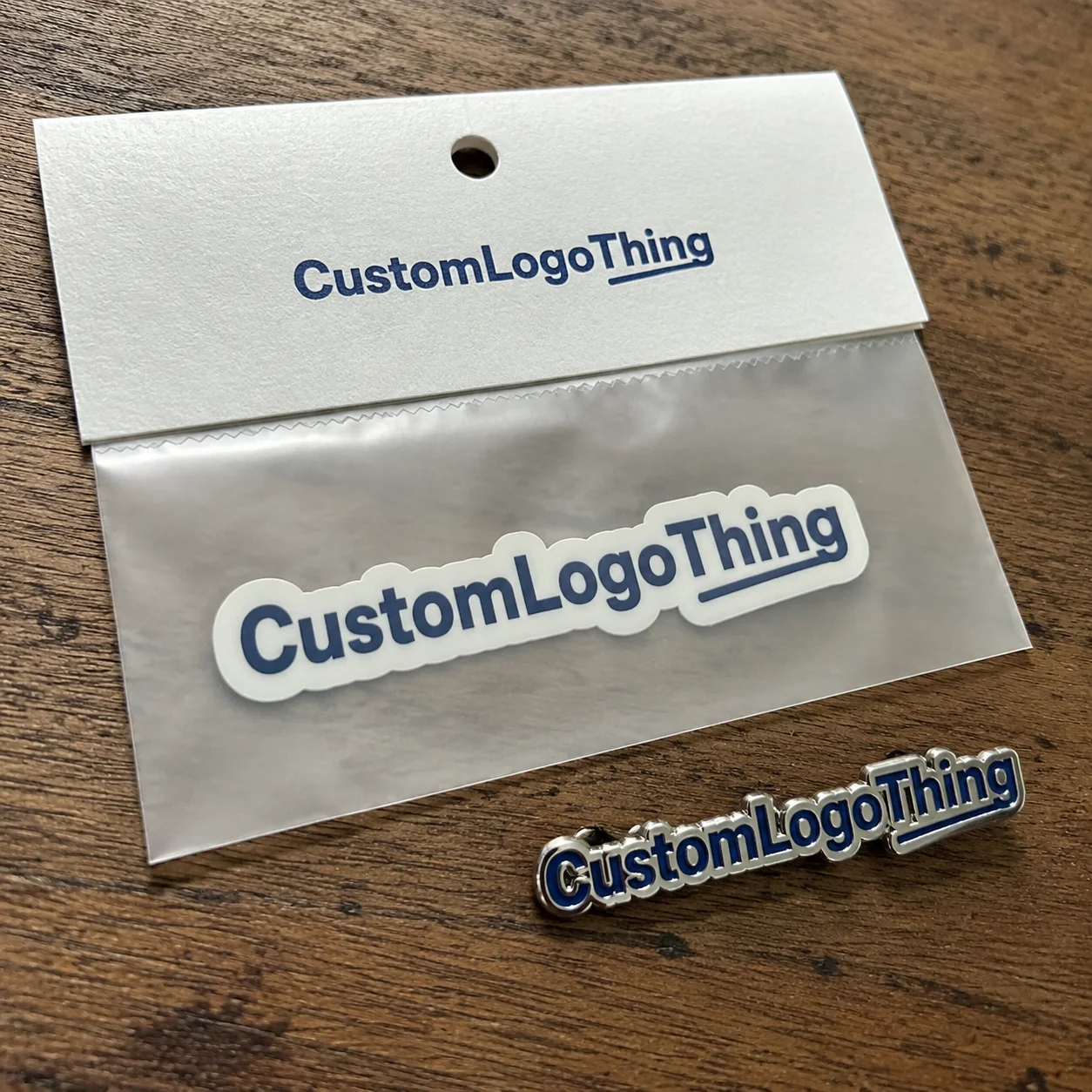
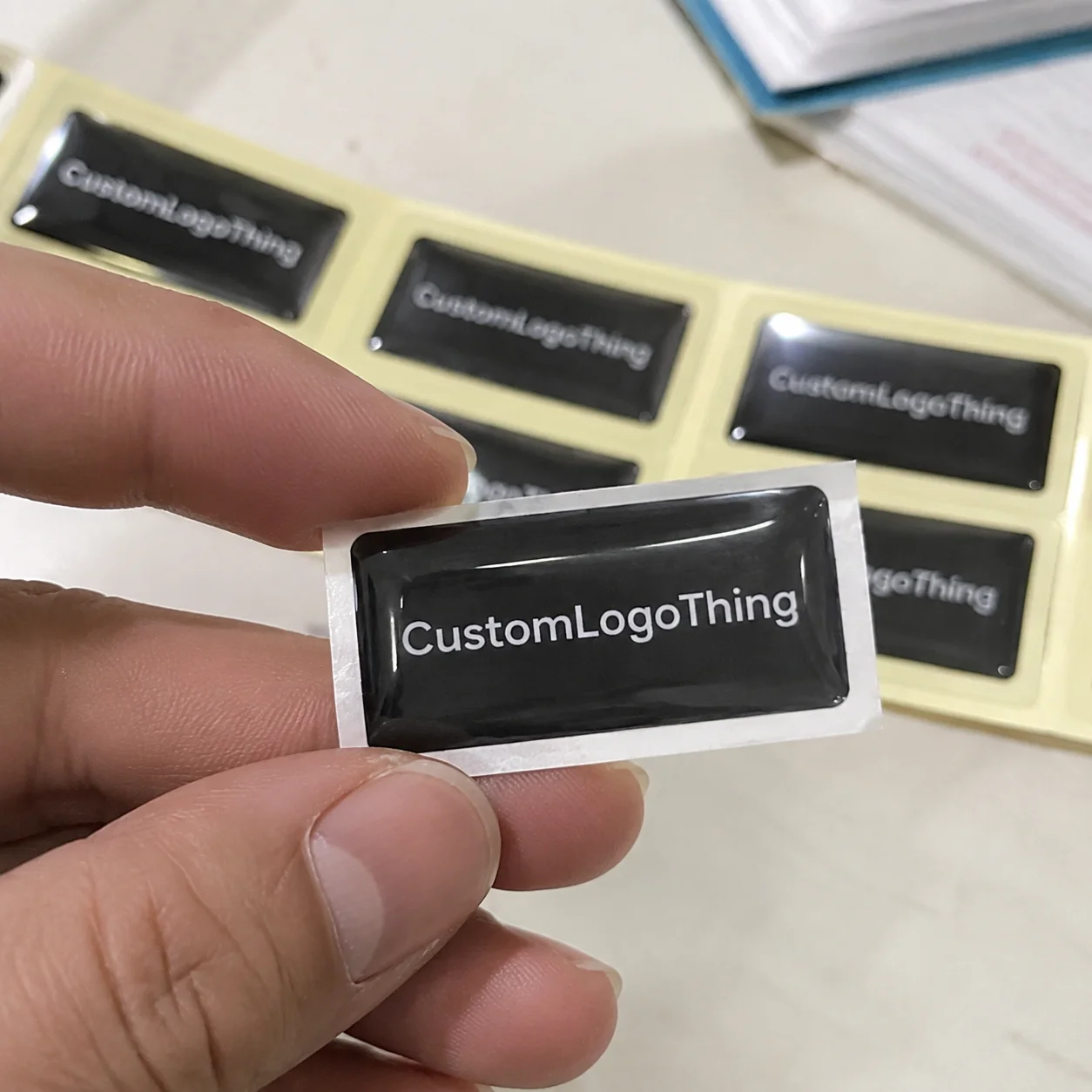
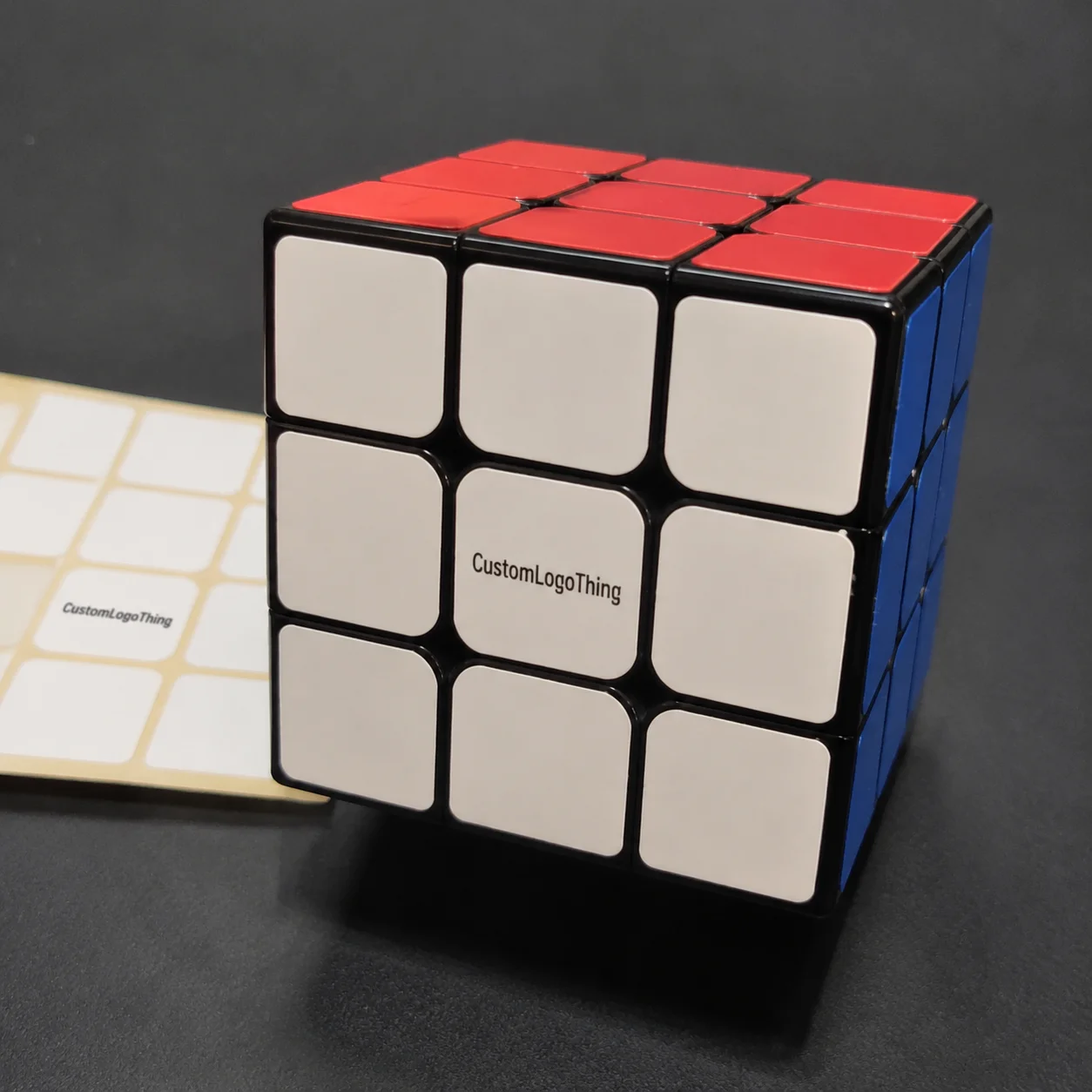
You do not always need 500 stickers sitting in storage. If you need Custom Vinyl Stickers no minimum order for a product test, pop-up event, seasonal insert, or packaging refresh, a small run can be the smarter buy.
Bulk pricing looks cheaper until the logo changes, the scent name changes, the launch slips, or half the stack becomes outdated. Small-run vinyl stickers let brands test size, finish, adhesive performance, and artwork before committing to a larger order.
For startups, Etsy sellers, agencies, local shops, and seasonal marketing teams, that flexibility often matters more than shaving a few cents off a sticker that may never be used.
Why No-Minimum Vinyl Stickers Make Small Orders Smarter
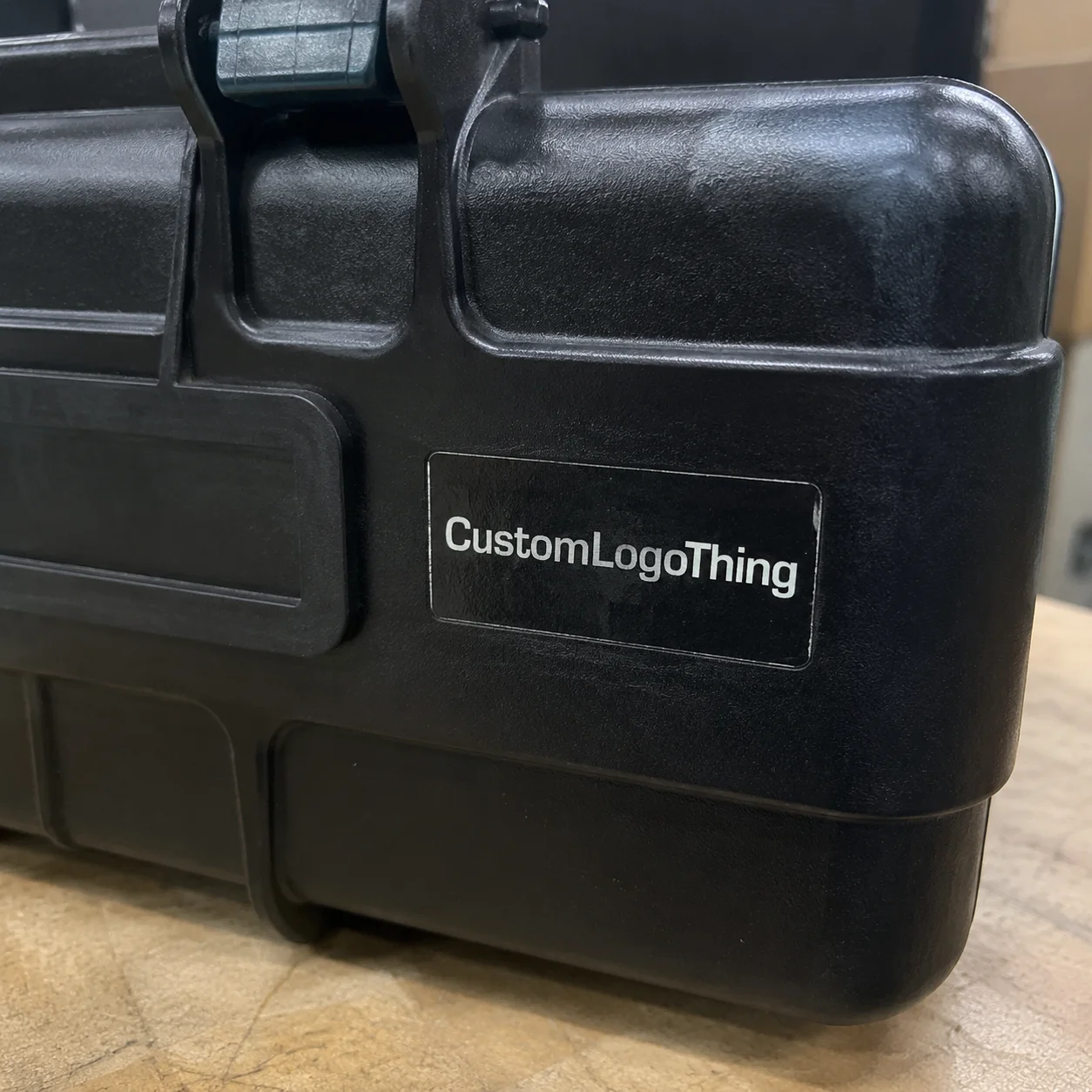
A common order pattern is practical: 30 sample boxes, 75 jars for a market, 100 mailer inserts, or 20 client mockups. Ordering 500 pieces can feel professional until most of them never touch a product.
No-minimum ordering gives you room to test design, size, and finish before locking into a larger run. If your packaging is still changing, your sticker order should stay flexible too.
The cost tradeoff is simple. Small batches have a higher unit price than a 5,000-piece run, but waste, reprints, and storage are real costs. If a $35 to $90 test order keeps you from buying $400 worth of the wrong sticker, the small run did its job.
Practical buying rule: if the artwork, product name, size, barcode placement, or packaging material is not final, order small first. Bulk pricing only helps when the design is stable.
Vinyl also performs better than paper in many real-world uses. Paper stickers are fine for dry, short-term indoor packaging. Vinyl is better for moisture, scuffing, fingerprints, bottle handling, mailers, retail packaging seals, laptop decals, product labels, and promotional handouts.
No-minimum ordering is also useful when the first packaging sample reveals problems. Color contrast may change in print. Small text may look crowded. A clear sticker may disappear on amber plastic. A test run lets you fix those issues before scaling.
Vinyl Sticker Product Details That Matter
A vinyl sticker usually includes printable vinyl face stock, pressure-sensitive adhesive, a release liner, and sometimes a laminate. Each layer affects print quality, application, durability, and cost.
The face stock is usually white vinyl, clear vinyl, or a specialty film. White vinyl gives the strongest color base because inks sit on an opaque surface. Clear vinyl works well for glass, bottles, windows, and minimalist branding, but light colors may need a white ink layer behind them. If your design uses pale text on clear film, ask for a proof before production.
Finish changes both appearance and use. Gloss vinyl looks brighter and more saturated, which fits bold logos, promotional stickers, kids’ products, and high-color packaging. Matte vinyl looks softer and more premium, making it common for cosmetics, candles, wellness goods, and boutique retail packaging. Clear vinyl creates a printed-on effect for glass jars, bottles, and smooth boxes, but it is less forgiving on dark surfaces.
| Sticker Type | Best Use | Practical Tradeoff |
|---|---|---|
| Gloss white vinyl | Giveaways, bold logos, product labels, event stickers | Strong color pop, but glare can show under bright retail lighting |
| Matte white vinyl | Premium packaging, candles, skincare, boutique products | Refined look, but colors may appear slightly softer than gloss |
| Clear vinyl | Bottles, glass jars, windows, transparent packaging | Clean effect, but may need white ink for readable light colors |
| Laminated vinyl | Outdoor decals, bottles, high-touch surfaces | Better durability, with added cost and production time |
Cut style matters too. Die-cut stickers follow the outer shape of the artwork. Kiss-cut stickers are cut through the sticker layer but not the backing liner, making them easier to peel. Sheeted stickers are supplied multiple-up on sheets, which works well for hand-applied labels.
For packaging, kiss-cut or sheeted stickers usually make the most sense if staff need to apply many pieces quickly. Die-cut stickers work well as giveaways, inserts, or logo decals. A sticker can look great and still slow down packing if it is hard to peel.
Artwork quality is a common deal-breaker. Vector files such as AI, EPS, SVG, or clean PDF files produce sharp edges and accurate cut lines. High-resolution PNG or PSD files can work, but low-resolution screenshots do not become print-ready because they are uploaded. Use 300 dpi at final print size, include bleed, and keep text inside a safe zone of at least 0.0625 inch when possible.
Specs, Finishes, and File Requirements
Most small-run vinyl stickers fall between 1 inch and 6 inches on the longest side. Common sizes include 1.5-inch seals, 2-inch round labels, 3-inch logo decals, 4-inch laptop stickers, and 5-inch promotional designs. Custom sizing is often better than forcing a design into a template that almost fits.
Permanent adhesive is the default for most packaging and product uses. It bonds well to paperboard, coated boxes, glass, metal, rigid plastic, and many smooth pouch materials. Removable adhesive can work for temporary promos or event labeling, but it may lift faster on curved, cold, textured, or oily surfaces. If the sticker goes on a refrigerated bottle, squeeze tube, kraft box, or textured mailer, mention that before production starts.
Finish options usually include gloss, matte, clear, and laminated versions. Lamination adds a protective layer that improves scratch resistance, moisture resistance, and outdoor life. For indoor packaging, unlaminated vinyl may be enough. For outdoor decals, cooler labels, bath products, or frequent hand contact, laminate is usually worth the added cost.
For broader packaging performance, buyers can review testing frameworks from groups like ISTA, especially if stickers are part of shipped packaging that will face vibration, compression, or environmental exposure.
- Preferred file types: AI, EPS, PDF, SVG, or high-resolution PSD/PNG.
- Resolution: 300 dpi at final printed size for raster artwork.
- Color: CMYK is preferred for print expectations; RGB may shift during conversion.
- Bleed: 0.0625–0.125 inch beyond the cut line for full-bleed artwork.
- Safe zone: keep text and fine details at least 0.0625 inch inside the trim edge.
- Cut line: use a clearly labeled vector path for custom shapes when possible.
Proofing Before Production
A proof is the last chance to catch problems before the printer makes exactly what the file says. Proofing usually checks size, cut line, bleed, spelling, placement, and whether the artwork is production-ready. It does not usually rebuild a logo or clean up a blurry file unless design help is included.
Proofing matters even more for small runs because they are often tied to samples, client approvals, or launch testing. Catching a problem at 25 pieces is much cheaper than finding it after a 2,500-piece reorder.
If your sticker includes small text, barcodes, QR codes, or compliance copy, inspect the proof closely. Thin lettering can disappear on matte surfaces, and barcodes can become unreadable if the design is resized carelessly.
Pricing, MOQ, and Unit Cost Basics
No-minimum pricing is flexible, but it is not the same as bulk pricing. A one-piece or ten-piece order still requires file review, setup, printing, cutting, packing, and administration. That setup cost is spread across fewer units, so the unit price is higher.
For basic small-run vinyl stickers, buyers may see rough pricing from about $8 to $25 for very small sample quantities, $25 to $75 for short runs around 25 to 100 pieces, and lower unit rates as quantities reach 250, 500, or more. Exact pricing depends on size, material, cut style, finish, print coverage, number of designs, and packing method.
The key point is that no-minimum ordering reduces risk, not production work. If you buy 12 stickers, the press, cutter, and prepress steps still exist. But if you only need 12 for investor samples, retail mockups, or a photo shoot, paying more per sticker can still be the right decision.
| Quantity Range | Typical Buyer Goal | Expected Cost Pattern | Best Fit |
|---|---|---|---|
| 1–25 pieces | Samples, mockups, photo shoots | Highest unit cost, lowest waste | Testing design and fit |
| 26–100 pieces | Pop-ups, small launches, market batches | Moderate total spend, still flexible | Seasonal or uncertain demand |
| 101–500 pieces | Retail packaging, subscription inserts, events | Lower unit cost as setup spreads out | Validated designs with repeat use |
| 500+ pieces | Ongoing product lines or campaign use | Best unit economics | Stable branding and higher volume |
Quote factors should be clear. Material choice, size, finish, cut complexity, lamination, number of designs, packing method, and shipping speed all affect the final number. If one quote looks much cheaper than another, check whether it includes proofing, laminate, custom die-cutting, or separate artwork setups.
If you expect repeat orders, ask how pricing changes at 100, 250, 500, and 1,000 pieces. That gives you a scale path. Buyers planning broader branded packaging can also compare stickers against Custom Labels & Tags or larger Custom Packaging Products so the full presentation works together.
Process, Timeline, and Lead Time Expectations
The order flow is straightforward when the artwork is clean: upload the file, confirm size and quantity, choose material and finish, review the proof, approve production, then the stickers move through print, cut, finish, quality check, packing, and shipment.
Simple shapes move faster. A 2-inch round matte vinyl sticker with clean vector artwork can usually move through proofing and production faster than a detailed contour-cut logo with tiny internal cuts. Cut complexity matters because the cutter has to track the shape cleanly and the team has to finish the material without damaging edges.
Typical production can range from a few business days for clean, simple short runs to 7 to 12 business days for custom shapes, laminates, multiple versions, or busier queues. Shipping adds time. Proof approval adds time. Artwork repair adds time.
The most common slowdowns are predictable:
- Missing bleed on full-color backgrounds.
- No clear cut path for a custom shape.
- Low-resolution logos or flattened screenshots.
- Unconfirmed size, especially for bottle labels or seals.
- Delayed proof approval after the order is already in queue.
- Last-minute changes to color, copy, or quantity.
Rush service may be available, but it works best when the file is production-ready and the schedule has room. If an order needs redraw work, white ink planning, special packing, or multiple versions, build in extra time. For event deadlines, request pricing with the required in-hand date, not just the ship date.
If your sticker is going onto packaging that also needs compliance, sustainability, or material review, handle that early. The EPA sustainable materials management resources are useful background for teams thinking about packaging waste, recyclability claims, and material choices.
How to Choose the Right Sticker for Your Use Case
Start with the surface, not the sticker. Smooth glass, coated paperboard, aluminum tins, plastic jars, kraft mailers, textured boxes, and flexible pouches all behave differently. Adhesive that looks perfect on a glossy box may lift on a rough recycled mailer.
For packaging labels, choose a size that supports readability at arm’s length. Small round seals can work at 1 to 2 inches. Product name labels often need more room, especially if they include batch codes, scent names, QR codes, or regulatory text. For retail packaging, avoid shrinking copy just to fit a preferred shape.
For outdoor branding, choose laminated vinyl and ask about UV resistance. Outdoor life depends on sunlight, rain, abrasion, temperature swings, and application surface. A sticker on a laptop indoors faces different conditions than one on a toolbox, bottle cooler, or vehicle window.
For temporary promos, a smaller no-minimum run makes sense. You can test a seasonal message, limited-edition logo, QR campaign, or influencer kit without building inventory around an idea that may only run for a few weeks.
- Size: measure the actual application area, not the empty space on your screen.
- Finish: pick matte for softer retail presentation, gloss for punch, clear for glass or transparent effects.
- Quantity: order enough for application errors, samples, photos, and replacements.
- Surface: confirm whether it is smooth, textured, curved, chilled, oily, or flexible.
- Lifespan: decide whether the sticker needs days, months, or outdoor durability.
The classic mistake is choosing finish by looks only. A matte sticker may look perfect on screen, then scuff during shipping if it lacks laminate. A clear sticker may look premium on glass, then disappear on amber plastic. A tiny die-cut logo may look sharp, but take longer to peel and apply. Packaging has to look good and work in the actual handling process.
What to Do Next Before You Order
Before requesting a quote, collect the basics: exact size, quantity, finish, material preference, intended surface, target lifespan, and deadline. If you do not know the size, measure the package with a ruler or caliper. Guessing from a product photo often leads to stickers that arrive too large or too small.
Upload the cleanest file available. Vector artwork is best. If you only have a PNG, send the highest-resolution version, not a compressed preview. If you need help fixing artwork, say that clearly so the quote includes design support instead of assuming the file is ready for print.
Order a small test run if the sticker goes on bottles, refrigerated packaging, outdoor surfaces, curved containers, textured paperboard, or retail packaging that will be handled repeatedly. Testing 25 pieces on the actual package can reveal edge lift, glare, color contrast, or sizing issues before you scale.
Compare quote details, not just headline price. Look at material, laminate, proofing, cut style, number of versions, shipping timeline, and whether each design creates a separate setup. If you are planning larger repeat orders, ask about breakpoints and whether a Wholesale Program makes sense after the design is validated.
For broader support questions, the FAQ page can help with common artwork, production, and ordering details. For the actual order, come prepared with specs, artwork, surface details, and deadline so pricing can reflect the real job.
Frequently Asked Questions
Are custom vinyl stickers no minimum order actually affordable for small businesses?
Yes, especially for launches, samples, events, and design testing. The per-unit cost is higher than bulk pricing, but you avoid overbuying, storage, and waste. For a few dozen stickers, paying more per piece can still be cheaper than buying 500 pieces of an unproven design.
What is the usual turnaround for custom vinyl stickers with no minimum?
Turnaround depends on proof approval, artwork readiness, production queue, cut complexity, and finish. Simple shapes with clean files often move faster, while detailed die-cuts, laminate, multiple designs, or artwork fixes add time. Rush service may be available when files are production-ready.
Do vinyl stickers hold up outdoors or on bottles?
Vinyl is a better choice than paper for moisture, handling, and general wear. Outdoor use usually needs laminate or UV protection for longer life. Bottle performance depends on surface texture, temperature, moisture exposure, and adhesive choice, so a small test run is smart before full production.
What file type should I submit for custom vinyl stickers?
Vector files such as AI, EPS, SVG, or PDF are ideal because they keep logo edges and cut lines clean. High-resolution PNG or PSD files can work if they are 300 dpi at final size. Include bleed, safe zones, and a clear cut line whenever possible to avoid proofing delays.
Can I order different sizes or designs in one no-minimum order?
Often yes, but pricing may change because each size or design can require separate setup, proofing, and cutting. Mixed designs are useful for campaigns, labels, and product testing. Ask for a quote that separates artwork variants so the cost is clear before production starts.