Metallic stickers custom orders can change how a package feels before anyone reads the copy. Same jar. Same logo. Different reaction, because reflective detail changes perception almost immediately.
That is why buyers ask for metallic stickers custom on product packaging, retail packaging, and branded packaging. They want the premium look without ordering the wrong finish, the wrong adhesive, or a spec that eats the budget. Reasonable ask. It still takes some judgment.
What Metallic Stickers Custom Actually Means
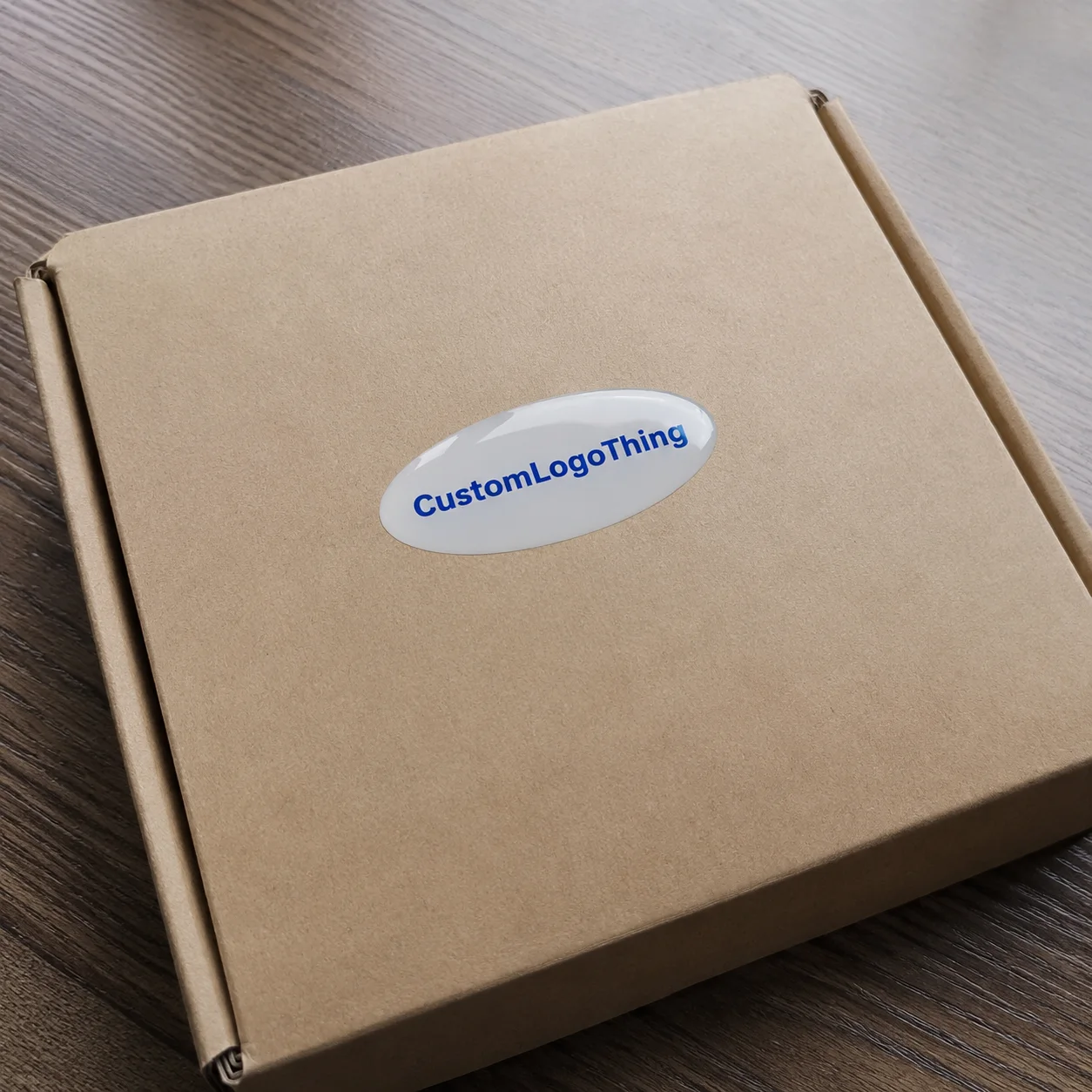
Metallic stickers custom usually means printed adhesive labels or decals with a reflective or light-catching effect. That effect can come from foil stamping, metallic inks, holographic film, mirrored stock, or a metallic laminate layered over print. People often call all of that “gold stickers” or “silver labels,” which is convenient until the quote comes back and the materials behave very differently.
A gold foil logo on a candle label does not behave like gold ink on paper. A mirrored PET sticker does not read like holographic film. One finish feels restrained. Another feels loud. The right choice depends on the brand tone, the product surface, and how the sticker will be applied.
These stickers show up on cosmetics, candles, beverages, subscription boxes, tech accessories, gift packaging, event giveaways, and limited-edition drops. They also appear in Custom Labels & Tags and broader Custom Packaging Products orders where the label has to support the whole packaging story.
“Premium is not just shine. It is controlled shine, a clean substrate, and artwork that still reads under bad store lighting.”
One practical warning: metallic stickers are not automatically waterproof, scratch-resistant, or luxury-grade. That depends on the film, adhesive, coating, and whether the label lives on a dry carton or on a bottle that gets wet, rubbed, and handled all day. Packaging buyers learn fast that assumptions are expensive.
For brands comparing metallic stickers custom with other packaging components, the most useful question is not “Can we make it shiny?” It is “What has to survive use, shipping, and shelf display?” The answer should drive the spec.
How Metallic Effects Work on Stickers and Labels
There are a few main ways to build metallic effects. Each one gives a different look, cost structure, and level of design control. If a vendor says “metallic” without explaining the process, that is not clarity. That is shorthand.
Foil stamping
Foil stamping gives the sharpest premium look. It works well for logos, borders, icons, seals, and short text. The reflection is strong and clean, which is exactly why it reads as expensive. It also works best on simpler art. Tiny distressed lettering, hairline strokes, and overcomplicated gradients are where foil starts to break up.
For packaging that needs a high-end first impression, foil is usually the most recognizable metallic treatment. It is not always the cheapest, though, especially when the design needs multiple foil zones or tight registration. That is where setup and precision start showing up on the invoice.
Metallic ink printing
Metallic inks are more flexible for larger coverage and some gradients. They usually reflect less than foil, but they print more like standard graphics. That makes them a good middle ground if the goal is shine without paying for heavy specialty finishing.
They are also useful when the design needs a softer sheen instead of a mirror effect. Think subtle silver backgrounds, muted gold accents, or product lines where the branding needs to stay calm rather than flashy.
Metallic film and mirrored stock
With metallic film, the substrate itself creates the reflective look. White ink is often used to block or control the areas that should stay metallic versus the areas that should print normally. This gives designers a lot of control over the final appearance, but the file setup has to be clean. If the layers are wrong, the effect is wrong. The printer will not rescue a bad file because the launch date is close.
Mirrored stock can look impressive on short-run promotions, premium seals, or packaging accents. It can also look cheap if the art is crowded. High reflectivity makes every layout problem easier to see, not harder.
Holographic and spot accents
Holographic stickers are their own category. The rainbow shift makes them playful, collectible, and very visible. Beauty drops, streetwear, promo pieces, and cannabis accessories use them often. For a classic luxury look, though, holographic usually brings too much energy.
Spot metallic accents are often the smarter move. Put shine on the logo, seal, border, or a controlled pattern, then keep the rest of the layout quiet. That contrast is what makes a piece feel deliberate.
Coatings matter too. Gloss laminate amplifies shine. Matte laminate softens it. Soft-touch over metallic can feel rich, but it can also flatten the effect if the finish is already subtle. A sample is the only honest test. Screen mockups lie. Store lighting does not.
For brands focused on packaging design, this is where the decision gets practical. A premium finish only works if the artwork, substrate, and application method all fit together. Otherwise the shine just makes the mistakes easier to spot.
| Finish Type | Best Use | Look | Relative Cost |
|---|---|---|---|
| Foil stamping | Logos, seals, premium accents | Sharp, reflective, upscale | Medium to high |
| Metallic ink | Larger printed areas, flexible designs | Shimmery, less mirror-like | Medium |
| Metallic film | Controlled metallic backgrounds | Reflective base with printed overlays | Medium to high |
| Holographic stock | Collectibles, promos, bold branding | Rainbow, bright, eye-catching | Medium to high |
Key Specs That Decide Whether the Sticker Looks Premium
The finish is only one part of the job. The rest is material, adhesive, shape, size, and durability. That is where a lot of metallic stickers custom orders go from “nice” to “why is this peeling off the jar?”
Material choice comes first. Paper works for dry, low-handling packaging. Vinyl, PET, and BOPP are better for moisture, oils, condensation, abrasion, and refrigerated products. If the label has to survive a bathroom counter, a cooler, or a hand lotion smudge test, paper is probably not the right answer.
There is also a difference between looking premium and surviving use. A paper label with metallic print can be fine for rigid cartons and gift packaging. For bottles, jars, and anything exposed to condensation, a film face stock usually holds up better. It costs more for a reason.
Adhesive choice matters just as much. Permanent adhesive suits most packaging. Removable adhesive works for promos, short-term decals, and labels that need to come off cleanly. Freezer-grade adhesive is the safer option for cold-chain products. High-tack adhesive helps on textured or difficult surfaces. If the sticker sits on a curved jar or oily bottle, test it. Guessing is expensive.
Shape and die-cutting change the feel instantly. Circles and rectangles are efficient. Custom die-cuts feel more designed and are often worth the extra setup cost. But very thin points, tiny cutouts, and delicate tabs can lift or tear. Pretty shape. Bad idea.
Size also changes everything. A 1 to 2 inch seal works well for lids and necks. Labels around 2 to 4 inches fit most products. Packaging decals often land around 3 to 6 inches. Bigger stickers can work for promos, but they need stronger surface contact and more careful application.
Readable contrast is non-negotiable. Metallic backgrounds can make small text harder to see. White ink helps. Dark ink helps. Simplified layouts help. Fancy typography that looks strong on a monitor can become mush on reflective stock. Brand teams usually hear that the hard way, after proofing.
If the sticker will be hand-applied, machine-applied, or wrapped around a curve, say that early. That affects the cut, material, adhesive, and even the roll format. A label that looks good on a flat mockup can behave badly on a rounded bottle neck.
For brands comparing Custom Printed Boxes with metallic label finishes, one rule holds up: design for the surface first, then the shine. Not the other way around. Shine cannot rescue a bad format choice. It can, however, make the failure look more expensive.
Buyers also need to think about handling during fulfillment. If labels are being applied on a line, the release liner, roll direction, core size, and spacing between labels matter. Those details sound small until they slow down packing or cause wasted rolls. Production teams notice immediately.
Pricing, MOQ, and Unit Cost for Metallic Sticker Orders
Pricing depends on material, finish type, size, quantity, shape, number of designs, roll or sheet format, proofing needs, and durability requirements. The bill is not random. It just has several moving parts, which is everyone’s favorite kind of quote.
For smaller digital runs, pricing can start in the low hundreds for a modest quantity. Foil stamping, custom dies, and specialty materials usually become more economical as quantities rise. If you only need a small batch, the unit cost will feel high. That is normal. Setup time is still setup time whether you order 200 pieces or 2,000.
MOQ exists because the production line does not care about optimism. Material waste, die setup, foil tooling, machine calibration, and inspection all cost money before the first saleable sticker comes off the press. When buyers compare quotes, they should ask for quantity breaks at 500, 1,000, 2,500, and 5,000 units. That shows the actual price curve instead of a guess.
Here is the pattern most buyers see:
- 250 pieces: useful for samples, small events, or proof-of-concept tests, but the unit price usually feels painful.
- 1,000 to 5,000 pieces: often the sweet spot for better unit pricing and enough inventory to support a launch.
- 10,000+ pieces: better economics, especially if the same design ships across multiple product packaging runs.
Where do people overpay? Usually in the same places. Too many tiny design variations. OverSized Stickers That do not add value. Full-coverage foil where a logo accent would do the job. Premium laminate on a short indoor promo. Rush shipping because someone remembered the launch after the calendar got ugly.
For retail packaging or branded packaging, quote the actual use case, not just the art. Surface type, shelf life, moisture, application method, and storage conditions all influence the right spec and the final price.
A useful buyer habit is to compare one “nice-to-have” version against one “production-smart” version. That often reveals where the spend is helping and where it is just decorative. Decorative is fine. Decorative and expensive is where people get annoyed.
Production Steps and Timeline From Artwork to Delivery
The process is usually straightforward. It just has several checkpoints, and each one can add time if the file is messy or the approval is slow. Nothing mysterious here. Just production reality.
The normal flow looks like this: choose the material and finish, send artwork, review the proof, approve color and metallic placement, make samples if needed, print, finish, cut, inspect, pack, and ship. That sequence matters because each stage depends on the one before it.
Artwork review checks resolution, bleed, safe margins, cut lines, foil layers, white ink layers, Pantone references, and whether the small details can survive production. Fine type and thin rules are common trouble spots. If the logo is decorative but fragile, the printer should flag it before the order moves forward.
A digital proof confirms layout, size, shape, and placement. It does not always predict reflectivity perfectly. For Premium Retail Packaging, expensive launches, or anything with exact metallic positioning, a physical sample is the safer move. A screen mockup is useful. It is not a substitute for reality.
Typical lead times vary by process. Simple digital metallic sticker jobs can move faster. Foil stamping, custom dies, specialty materials, and physical sampling add days because setup and curing are real. Machines do not respond to “we need it by Friday” with emotional support.
Approval delays are a bigger issue than many buyers expect. Every day a proof sits in someone’s inbox pushes the schedule. If the order is for a trade show, seasonal launch, or subscription box insert, lock the design early and confirm the deadline before production starts.
For brands that care about sustainability signals, ask whether the stock or liner has any relevant certifications and whether there are recycling limitations. If a supplier references FSC or paper sourcing, verify the claim rather than assuming. The same goes for shipping and environmental guidance from trusted sources like EPA recycling guidance and industry standards from ISTA. For broader packaging context, The Packaging School / PMMI resource network is also useful.
Quality control usually includes adhesion checks, color checks, finish inspection, and cut registration review. On metallic work, edge consistency matters more than buyers expect. A tiny miscut is obvious on reflective stock because light catches every flaw. That is why samples and proofs matter more than they do on plain paper labels.
Common Mistakes That Make Shiny Stickers Look Cheap
The biggest mistake is trying to make everything metallic. Full shine can look busy, reduce readability, and turn a premium package into a novelty item. A small accent often carries more class than a flood of reflective material.
Another common problem is tiny foil text or ultra-thin line work. Metallic finishes need enough surface area to catch light cleanly. If the logo is too intricate, the effect starts breaking up and looking messy. Great way to spend money on something that looks less expensive than a plain label would have.
White ink setup is another place people stumble. Printing directly on metallic stock without a white base can shift colors darker, warmer, or semi-transparent. That might be intentional. More often it is an accident with a good excuse.
Contrast mistakes are brutal. Silver on pale gray. Gold on beige. Holographic behind tiny typography. All very stylish, all very hard to read. If the label does not communicate quickly, the shine is just decoration.
Adhesive mismatch causes plenty of failures. A beautiful metallic label will still peel off an oily bottle, curved jar, cold pouch, or textured mailer if the adhesive is wrong. Packaging design has to survive contact with the actual product, not just the presentation slide.
Skipping samples is another expensive habit. A digital proof cannot show real reflection, edge behavior, or how the sticker photographs under store lights. For launch-critical work, sample it first. That small delay is cheaper than a pallet of bad labels.
Format matters too. Roll labels often suit machine application. Sheets are easier for hand-applied runs. Order the wrong format and the packing team slows down. Nobody needs extra friction in a fulfillment line.
There is also a branding mistake that shows up often: using metallic stock to compensate for weak design. Shine can improve a strong layout. It cannot fix weak hierarchy, crowded text, or a logo that already does too much. Reflective material is not a rescue plan.
For sustainability-minded brands, another mistake is picking a finish that looks premium but complicates disposal or creates unnecessary waste. Not every metallic effect has the same end-of-life path, so ask early and document the spec. That is cleaner than explaining it later.
Next Steps Before You Request a Metallic Sticker Quote
If you want metallic stickers custom done right, send a clear brief. Start with size, shape, quantity, material preference, finish type, indoor or outdoor use, surface type, application method, and deadline. That list saves more back-and-forth than any clever design note ever will.
Send artwork in vector format when possible, such as AI, EPS, or an editable PDF. If you only have PNG or JPG files, make sure they are high resolution and sized correctly. Low-res art plus reflective stock is a bad combination. It does not age well.
Decide what should be metallic before you request pricing. Full background, logo only, border, text accents, seal area, or a holographic panel all create different costs and visual effects. A small change in foil coverage can move the quote more than people expect.
It also helps to request two quantity options. For example, compare 1,000 and 2,500 units. Sometimes the larger run lowers the unit cost enough to justify the inventory. Sometimes it does not. Better to compare than to guess and hope.
Be specific about durability. Ask for waterproof, oil-resistant, freezer-safe, scratch-resistant, removable, or outdoor-rated if those conditions apply. If the stickers need to curve around a bottle or handle heat from storage, say that too. The right spec depends on the use case, not the mood board.
For premium retail packaging, expensive launches, or designs with fine metallic details, ask for a production sample. That is the cleanest way to confirm appearance before the full run. It is also the fastest way to avoid regret disguised as a launch plan.
Metallic stickers custom orders go smoother when the buyer brings the real use case, clean artwork, target quantity, finish preference, and deadline before asking for pricing. Do that, and the quote gets clearer, the result gets better, and the “why does this look different than the mockup?” conversation gets a lot shorter.
Are custom metallic stickers waterproof?
They can be, but only if the construction is built for it. Vinyl, PET, or BOPP with the right adhesive and laminate can handle moisture much better than paper. Paper metallic stickers are better for dry indoor packaging.
What is the best finish for metallic logo stickers?
Foil stamping is usually the strongest choice for crisp logos, seals, and small accent areas. Metallic ink works better for broader coverage and softer shine. Holographic film is better for bold, playful branding than classic luxury packaging.
How much do custom metallic labels cost?
Cost depends on size, quantity, material, finish, shape, laminate, artwork complexity, and whether tooling or sampling is needed. Unit cost usually drops as quantities move from small runs into larger production batches, so ask for several breaks before deciding.
How long does metallic sticker production take?
Simple digital orders can move faster than foil-stamped or specialty jobs. Proof approval, sampling, tooling, print capacity, finishing, inspection, and shipping all affect the timeline. Build in extra time for launches and trade shows.
Can metallic stickers custom orders use any shape?
Most custom shapes are possible with die-cutting, but thin points, tiny gaps, and delicate cutouts can cause peeling or tearing issues. Simple custom shapes are often easier to produce and apply while still looking premium.


