Buyer Fit Snapshot
| Best fit | Minimalist Packaging for Brands projects where brand print, material claims, artwork control, MOQ, and repeat-order consistency need to be specified before quoting. |
|---|---|
| Quote inputs | Share finished size, material target, print colors, finish, packing count, annual reorder estimate, ship-to region, and any compliance wording. |
| Proofing check | Approve dieline scale, logo placement, barcode or warning zones, color tolerance, closure strength, and carton packing before bulk production. |
| Main risk | Vague material claims, crowded artwork, missing packing details, or unclear freight terms can make a low unit price expensive after revisions. |
Fast answer: Minimalist Packaging for Brands: Material, Print, Proofing, and Reorder Risk should be specified like a repeatable production item. The safest quote records material, print method, finish, artwork proof, packing count, and reorder notes in one written spec.
Production checks before approval
Compare the actual filled-product size with the drawing, then confirm tolerance on folds, seals, hang holes, label areas, and retail display edges. Reserve space for logos, QR codes, warning copy, and material claims before decorative graphics fill the panel.
Quote comparison points
Review material grade, print process, finish, sampling route, tooling charges, carton quantity, and freight assumptions side by side. A quote is only useful when the supplier can repeat the same color, closure quality, and packing count on the next order.
If you’ve ever stood on a factory floor at 6:40 a.m. watching a crew pack boxes with three inserts, two coatings, and a headache, you already know why minimalist packaging trends for brands are getting real traction. I’ve watched “simple” packs save $0.18 to $0.42 per unit just by removing extra components that were doing absolutely nothing except raising freight and landfill volume. That’s not theory. That’s the invoice.
Minimalist packaging trends for brands are about more than making a box look clean on Instagram. The smart version cuts waste, reduces failure points, speeds up production, and still leaves room for brand identity. The bad version looks like a generic carton somebody forgot to finish. There’s a difference, and clients pay for that difference one way or another.
And no, minimal doesn’t mean boring. It means disciplined. It means the pack has a job and doesn’t wander off trying to be a poster, a brochure, and a peace treaty at the same time.
What Minimalist Packaging Really Means for Brands
I’ve seen the most expensive packaging on the market turn out to be the most overdesigned. Too many layers. Too much ink. Too many “premium” details nobody asked for. One skincare client I worked with in Shenzhen was spending nearly $1.14 per unit on a rigid setup that could have been simplified to a folded carton and a smart insert system. They weren’t buying quality. They were buying excess.
That’s the core of minimalist packaging trends for brands: intentional reduction. Fewer materials. Cleaner graphics. Simpler structures. Less waste. Not less thought. Minimal is not bare. Bare means the brand skipped the work. Minimal means every line on the pack had to earn its place.
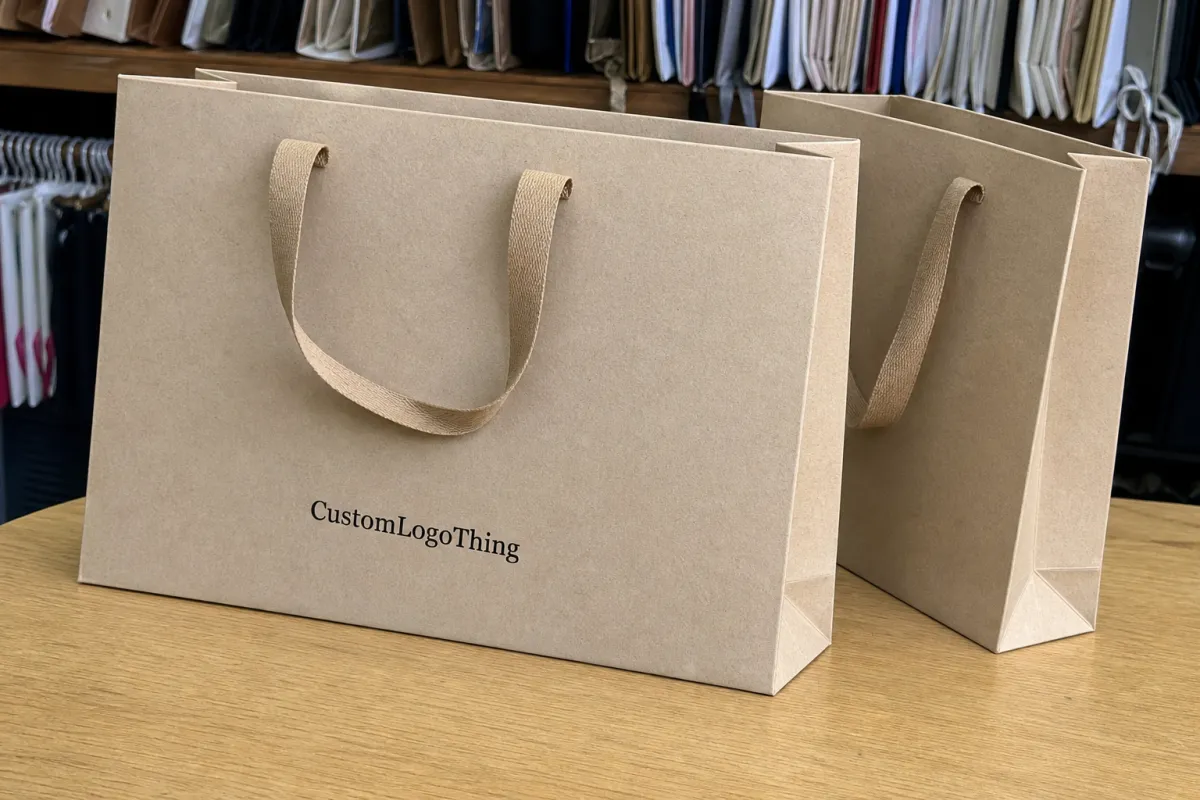
In practical terms, minimalist packaging trends for brands usually show up as kraft or recycled paperboard, restrained typography, one or two inks, fewer coatings, and a layout that uses whitespace like it actually has a job. Good branding packaging still needs to protect the product, communicate the right information, and create shelf recognition. The pack has to do its job without screaming for attention like a drunk karaoke singer.
Here’s what most people get wrong: they assume minimalism means cutting the logo smaller and deleting all personality. Wrong. In my experience, the strongest minimalist packaging trends for brands keep one clear brand cue, one clear message, and one clear visual path. The rest gets out of the way. That’s what makes the unboxing feel calm instead of cheap.
There’s a shipping benefit too. A flatter structure, fewer inserts, and less excess headspace can reduce dimensional weight charges by 8% to 15%, depending on the SKU and carrier mix. I saw one subscription brand drop carton volume enough to fit 14% more units per pallet. Freight managers love that kind of math.
One caution: what works for a luxury serum bottle won’t automatically work for a vitamin pouch or a 1.5 kg appliance part. Minimalism has to respect the product, not bully it into a trend. That part gets skipped way too often.
How Minimalist Packaging Works in Real Production
Production starts with structure, not decoration. That’s where minimalist packaging trends for brands either succeed or collapse. A good converter will ask about product weight, shipping method, Retail Display Needs, and whether the box must survive ISTA drop testing. If they skip that part, they’re guessing. I’ve seen guessing cost a client 12,000 units in returns because the insert looked elegant but failed during parcel transit.
The process is straightforward on paper. Choose the structure. Select the substrate. Decide the print method. Lock the finishing. The fewer colors, coatings, and components you use, the fewer places something can go wrong. A plain FSC board carton with black print can often move faster through proofing than a box with foil, spot UV, and a custom molded insert. Add those extras back in, and the price jumps fast. One supplier in Dongguan once quoted me $0.27/unit for a clean mailer, then added $0.11 for foil, $0.08 for spot UV, and $0.19 for a tray insert. So much for “simple.”
That’s why minimalist packaging trends for brands work well when the design team and production team talk early. A beautiful dieline that can’t be glued cleanly is just a file with delusions. I’ve had clients bring me gorgeous concepts with impossible wrap tolerances, and the factory answer was always the same: “We can do it, but not at that price.” Translation: you’re about to pay for the privilege of being difficult.
Minimalist packaging trends for brands can still feel premium if the texture, proportion, and typography are right. Uncoated recycled stock with crisp black type can look more expensive than a glossy box with five effects fighting for attention. In retail packaging, that calm visual hierarchy can help a product stand out because the shelf is full of noise. In ecommerce, it can make the parcel feel more considered. In subscription packaging, it can keep repeat unboxing from getting tiring.
For more packaging format options, I often point clients to our Custom Packaging Products page. If you want to see how different brands solved the same brief in very different ways, our Case Studies are a solid place to start.
Key Factors That Shape Minimalist Packaging Trends
Material choice changes everything. Kraft board gives a natural, earthy look that supports minimalist packaging trends for brands in food, beauty, and wellness. Recycled paperboard can reduce virgin fiber use and still print cleanly. Molded fiber works when protection matters more than perfect edges. Compostable mailers can suit lightweight ecommerce products, though performance depends heavily on puncture resistance and seal strength. I’ve seen some compostables fail in hot, humid transit lanes because the product team fell in love with a sustainability label and ignored reality.
Typography and whitespace matter just as much as substrate. In solid packaging design, one strong message beats five weak ones. A 14-point product name, a 6-point legal line, and one brand statement can do more than a wall of copy. That restraint is a major part of minimalist packaging trends for brands. The pack should explain, not lecture.
Sustainability claims need discipline. Do not slap “eco-friendly” on the box because somebody in a meeting nodded hard. Use FSC-certified materials when appropriate, reference actual recycled content, and match claims to the disposal reality in your target market. For standards and certification references, I send teams to fsc.org and EPA recycling guidance. If the claim can’t survive a basic fact check, it doesn’t belong on the pack.
Cost is another place where minimalist packaging trends for brands get misunderstood. Yes, fewer colors and fewer finishes usually lower unit cost. Small runs, custom die-cutting, and premium recycled stocks can keep prices from dropping as much as people expect. A 5,000-piece run might land at $0.21/unit for a plain carton, while the same SKU in a specialty recycled board could be $0.29/unit. Still manageable. Just don’t pretend minimal automatically means cheap. Sometimes it does. Sometimes it doesn’t.
Consumer perception matters more than many brands admit. Minimal can signal trust, quality, and modernity when the product positioning matches. That’s especially true for product packaging in skincare, supplements, coffee, and boutique apparel. If the brand promise is playful, loud minimalism can feel off. Minimalist packaging trends for brands work best when they reinforce the product story instead of fighting it.
“The smartest minimal packs don’t look empty. They look decided.” That’s what I told a client after a three-hour sampling review where we cut the structure from six parts to three and saved almost $9,000 on the first production order.
Step-by-Step Guide to Building a Minimalist Packaging System
Step 1: Audit the waste. Pull apart your current pack and count everything. Extra inserts. Oversized outer cartons. Double-wall where single-wall would do. Decorative coatings that do nothing for protection. One cosmetics client found they were spending $0.33 per unit on a paper tray no customer ever noticed. That’s how minimalist packaging trends for brands start: by cutting the obvious waste first.
Step 2: Define the one job. Does the packaging need to protect, inform, convert, or all three? Be honest. A fragile serum bottle shipping through ecommerce needs different Custom Printed Boxes than a lightweight candle sold at retail. If you try to make one pack solve every problem, it usually solves none of them well.
Step 3: Choose the substrate and format. Board grade, wall thickness, mailer style, insert type, and closure method all affect cost and performance. For a 180g skincare jar, I’d look at 350gsm C1S with a recyclable paper insert before I’d reach for a rigid box. For a 1.2kg electronics item, I’d lean toward corrugated with a custom fit rather than a delicate foldout structure. Minimalist packaging trends for brands do not mean fragile packaging. Never confuse the two.
Step 4: Build the copy hierarchy. Keep the essentials: logo, product name, regulatory info, and one message. Maybe two, if the SKU needs education. That’s it. Use brand cues like color banding, type weight, or a small icon system if you need consistency across a line. Good package branding is not about shouting. It’s about being recognizable in half a second.
Step 5: Prototype and test. I’m not interested in pretty mockups that fail drop testing. Ask for samples, check fit, check glue strength, check scuff resistance, and test the opening experience. If the item ships, run practical checks against ISTA-style handling expectations. The ISTA testing standards are a useful benchmark when the package has to survive real transit, not just a tabletop photo shoot.
Sampling usually takes 5 to 10 business days for simple structures and 10 to 15 business days when there are custom inserts or special finishes. Revisions can add another 3 to 5 days. Production often runs 12 to 18 business days after proof approval, and freight planning should start before the final sign-off if you want to avoid expensive surprises. Minimalism helps here because fewer effects mean fewer proof rounds. That’s one reason minimalist packaging trends for brands are so practical.
If you want the internal team to stay aligned, create a one-page packaging brief. Include substrate, ink limits, finish limits, claim rules, and acceptable logo placement. I’ve seen brands lose two weeks because marketing changed a headline after proofs were approved. Beautiful chaos, right?
One more thing: don’t let procurement and design play a weird game of telephone. If the factory hears “minimal” and marketing hears “luxury,” you’re gonna get a pack that satisfies nobody. Align on priorities before sampling starts.
Common Mistakes Brands Make With Minimal Packaging
The first mistake is treating minimalist as unfinished. That’s a fast track to weak retail packaging. A blank white box with a tiny logo and no hierarchy looks like the printer forgot half the file. Minimalist packaging trends for brands should still feel deliberate. There’s a difference between restraint and neglect.
The second mistake is removing too much material. Saving $0.06 on board means nothing if damaged goods cost $3.40 in replacement, shipping, and support time. I watched a wellness brand cut corrugate caliper from E-flute to a thinner board and then spend more on complaint handling than they saved on packaging. Clever? No. Expensive? Very.
The third mistake is sloppy sustainability language. If the pack says recyclable, it better be recyclable in the markets you sell to. If it says FSC, the chain-of-custody should be real. If it says compostable, the conditions matter. Minimalist packaging trends for brands are strongest when they support honest claims, not vague promises printed in green ink.
Typography failures are another classic. Too little contrast. Hairline fonts on rough stock. Logos too thin for flexo. I once saw a beautiful mark disappear on a natural kraft carton because the line weight was under 0.35 pt. Looked great on screen. Printed like a ghost. That’s why print constraints should be part of the design phase, not the apology phase.
There’s also the “we’ll just trim it later” mistake. Spoiler: later never comes. The approved art becomes the default, the supplier bakes in the assumptions, and then everyone acts surprised when the box gets expensive. That’s avoidable. Annoying, yes. Avoidable, absolutely.
Expert Tips to Make Minimalist Packaging Look Premium
Use texture instead of decoration. A good uncoated stock, a subtle emboss, or a soft-touch alternative can do more than a flashy finish that feels disconnected from the product. I’m not anti-coating. I’m anti-random coating. Minimalist packaging trends for brands work best when every tactile choice supports the story.
Proportion matters. A centered logo with balanced margins can feel more expensive than a busy layout with five visual anchors. Give the design room to breathe. White space is not wasted space. It’s control. It tells the eye where to go and, more importantly, where not to go.
Color systems should stay disciplined. One accent color can outperform a rainbow every time. I’ve seen a tea brand use kraft, black, and a single muted green across twelve SKUs and look more cohesive than competitors spending twice as much on print effects. That’s the kind of visual consistency that makes minimalist packaging trends for brands stick.
Ask for costed options side by side. Plain print. Recycled stock. Premium eco stock. Added emboss. Added foil. Once the supplier puts the numbers in front of you, the design choices get a lot less romantic and a lot more useful. And that’s a good thing. I like pretty packaging. I like profitable packaging more.
Work from the dieline early. I can’t say this enough. A beautiful pack that cannot be manufactured cleanly is a mood board, not a product. Good Custom Printed Boxes come from design that respects glue flaps, board memory, cut tolerances, and real assembly speed. In other words, respect the factory. It’s not a sculpture studio.
Also, don’t ignore the unboxing rhythm. The first tear strip, the lift, the reveal, the insert, the return of the lid. Those moments matter. Minimal design makes them easier to notice, which is kinda the point.
What Brands Should Do Next
Start small. Pick one SKU and test a minimal version against your current pack for cost, breakage, and customer response. You do not need to redesign the entire catalog on day one. I’ve seen brands save 11% to 19% on packaging spend just by updating the top-selling item first. That’s how minimalist packaging trends for brands become a business decision instead of a design debate.
Request three quotes: standard board, recycled board, and premium eco stock. Compare the real unit economics, not the headline price. A quote that looks cheap can hide expensive freight, higher spoilage, or a minimum order that ties up cash for months. Ask for itemized pricing so you know exactly what you’re paying for.
Build a packaging checklist before artwork approval. Materials. Claims. Print limits. Insert count. Shipping test requirements. Shelf-read criteria. If you want branded packaging that stays consistent across SKUs, document the rules now. Otherwise every new launch will drift back into clutter, because teams love inconsistency almost as much as they love “just one more tweak.”
Run a pilot batch. Gather feedback. Check return rates. Track customer service tickets tied to opening issues or damage. If the data is good, scale it. If not, revise before you commit to a full production order. That’s how I’d do it, and that’s how I’d advise any brand trying to make minimalist packaging trends for brands work in the real market.
Finally, don’t let the system drift. The approved version should be documented in one place, with supplier specs, artwork rules, and finish limits. That makes future minimalist packaging trends for brands repeatable instead of accidental.
Honestly, I think the best packaging today is the packaging that knows when to stop. If your box protects the product, communicates clearly, looks intentional, and ships without drama, you’ve done the job. That’s the real win behind minimalist packaging trends for brands: less waste, fewer mistakes, cleaner shelf presence, and usually a better margin too.
My practical takeaway: pick one product, strip out one unnecessary component, and compare the before-and-after on damage rate, freight, and perceived quality. If the numbers hold and the brand still feels like itself, you’ve got a packaging system worth scaling. If not, keep the structure, cut the fluff, and try again.
FAQ
What are the best minimalist packaging trends for brands that want sustainability?
Focus on recyclable or recycled substrates, reduced ink coverage, and fewer components. Choose structures that protect the product without inserts you do not actually need. Keep the design clean so the material choice does the talking.
Is minimalist packaging cheaper for brands?
Usually yes on materials and print complexity, but not always on small runs or premium stocks. Special finishes, custom die-cuts, and low-volume tooling can still push costs up. Ask for itemized quotes so you can compare real savings instead of guessing.
How long does a minimalist packaging project usually take?
Simple projects can move through sampling, revisions, and production faster than highly decorated packaging. Expect time for dieline approval, print proofing, and shipping coordination. Delays usually come from artwork changes, not the minimalist design itself.
How do brands keep minimalist packaging from looking cheap?
Use strong typography, correct proportions, and quality materials. Keep the layout intentional with enough whitespace and clear hierarchy. Do not remove structure or protection just to look minimal.
What should brands check before switching to minimalist packaging?
Test product protection, shelf impact, and customer understanding. Verify sustainability claims and make sure materials match your disposal or recycling plan. Compare supplier quotes across different stock and finish options before committing.