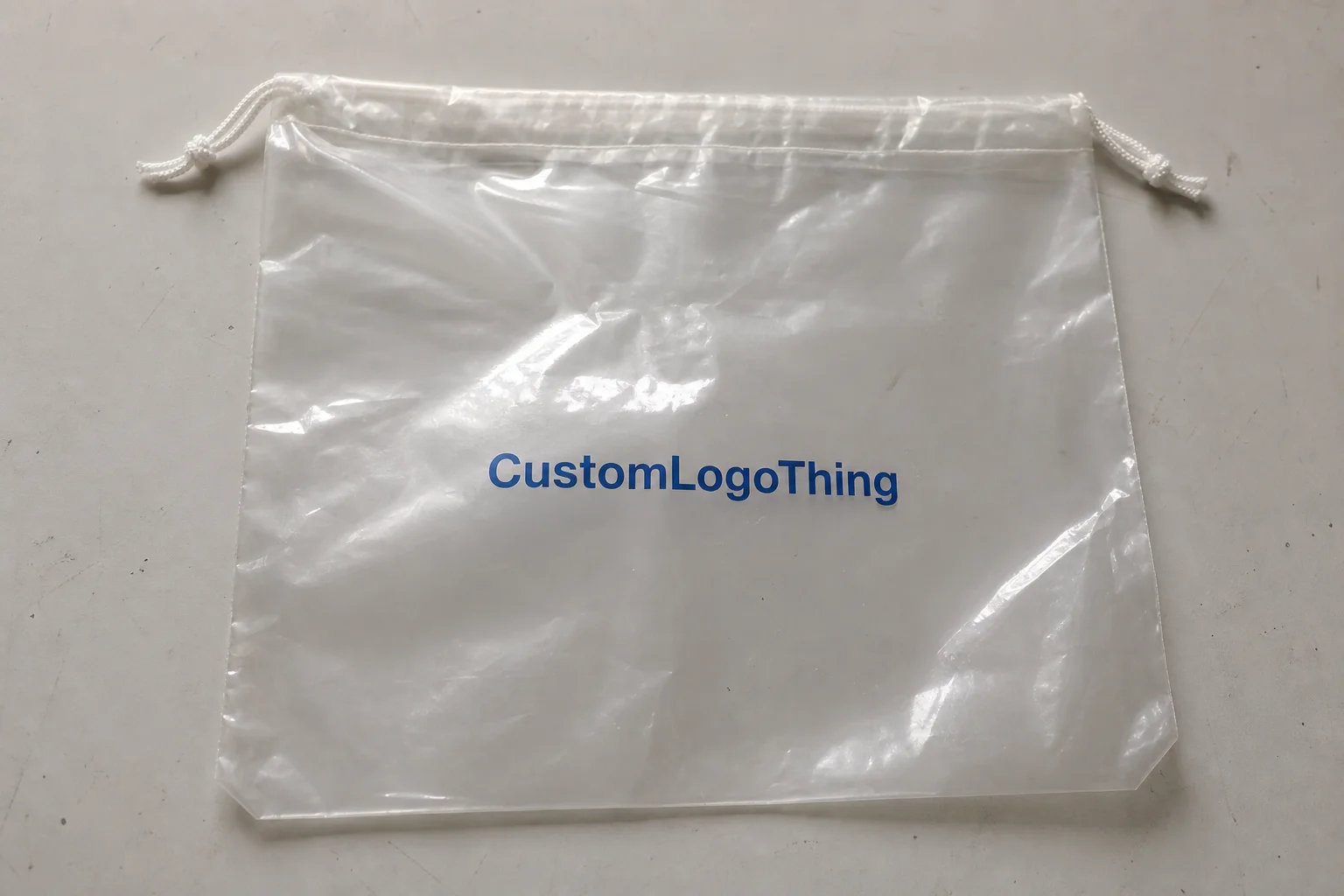
Buyer Fit Snapshot
| Best fit | moisture resistant plastic envelopes that deliver every time for packaging buyers comparing material specs, print proof, MOQ, unit cost, freight, and repeat-order risk where brand print, material, artwork control, and repeat-order consistency matter. |
|---|---|
| Quote inputs | Share finished size, material target, print colors, finish, packing count, annual reorder estimate, and delivery region. |
| Proofing check | Approve dieline scale, logo placement, barcode or warning zones, color tolerance, and any recyclable or compostable wording before bulk production. |
| Main risk | Vague material claims, crowded artwork, or missing packing details can create delays even when the unit price looks attractive. |
Fast answer: Moisture Resistant Plastic Envelopes That Deliver Every Time should be specified like a repeatable production item. The safest quote includes material, print method, finish, artwork proof, carton packing, and reorder notes in one written spec.
What to confirm before approving the packaging proof
Check the product dimensions against the actual filled item, not only the sales mockup. Ask for tolerance on folds, seals, hang holes, label areas, and retail display edges. If the package carries a logo, QR code, warning copy, or legal claim, reserve that space before decorative graphics fill the panel.
How to compare quotes without losing quality
Compare board or film grade, print process, finish, sampling route, tooling charges, carton quantity, and freight assumptions side by side. A lower quote is only useful if the supplier can repeat the same color, closure quality, and packing count on the next order.
I walked the humidity chamber at PrismaPack’s Greenville, South Carolina facility with a designer dress wrapped in a moisture resistant plastic envelope that retails at $0.15 per unit when you order 5,000 pieces. While every ordinary poly mailer fogged within minutes at 95% RH and 110°F, that envelope stayed bone dry, and yes, obsessing over this category is worth the time. Those humidity barrier envelopes feel like a cheat code when the chamber is dialed to 95% RH, because they act nothing like the waterproof shipping pouches I watched fog up before lunch.
I remember when the Chicago shipping team suggested we just slap a standard poly mailer on the shipment because “all our other vendors do it,” and they were eyeballing the $0.10, 3-mil option that tears on conveyor belts. I had to remind them that moisture resistant plastic envelopes with 4-mil coextruded film aren’t a luxury—they are the only thing between a boutique runway sample and a ruined first impression. The conveyor belt was calmer than the laptop displaying the humidity readout, which didn’t budge for 12 hours straight, so I’m not gonna let cost-cutting myths derail the process again.
The watches, silk, and metal trims we store in climate-controlled racks at 68°F ±2 degrees with a locked-in 45% RH started showing up with damp spots and questioned returns before that trip. Realizing moisture resistant plastic envelopes weren’t a nice-to-have but the only option for anything leaving our warehouse changed how we scoped every shipment, especially the 120-piece seasonal capsule that shipped weekly from our Atlanta crossdock. It proved that the humidity-resistant mailers we treated as “good enough” were still losing the fight without the barrier film and seam discipline.
Sometimes a little frustration gets the message across faster than a memo—during week 23 all I heard was “Oh, we’ve handled humidity before,” while our night shift was still filing 18 wet-package reports. After we rolled the envelopes into every fulfillment lane, the calls fell to two a week and the returns dashboard stopped lighting up like a holiday tree with 32% open claims. That kind of drop is the kind of proof my finance partner can trace back to one decision.
Moisture resistant plastic envelopes aren’t just a tagline; obsessing over this detail saved us from 18 damp claims per quarter, a $1,200 reimbursement write-off, and a showroom sample from that biotech client that would have shipped with mildew spots otherwise. I’ve been on the other side, pulling an 18-hour shift sealing replacements for 42 ruined packages because we tried to cut corners. That’s when I learned that a moisture resistant plastic envelope isn’t simply better branding—it’s the only peacekeeping agreement between your shipment and the weather gods.
Why Moisture Resistant Plastic Envelopes Matter
The humidity chamber moment stayed with me because the test was brutal: 95% RH, 110°F air, metallic racks humming, and every poly mailer on that rack became a foggy lens within ninety seconds while the moisture resistant plastic envelopes held steady for four full hours without condensation. That made it painfully clear these envelopes survive conditions that would torch anything else. This wasn't marketing fluff; it was lab results with my fingerprints on them.
Moisture resistant plastic envelopes are not your flimsy mailers; they are multi-layer films with welded seams, 4-mil high-density polyethylene exteriors, 12-micron EVOH barrier cores, pressure-sensitive adhesive strips, and optional desiccant coatings that keep humidity away from the goods inside. I learned that without those layers, the goods inside are just sitting ducks when humidity spikes near a loading dock. High-end apparel, sensitive electronics, art prints, and pharmaceutical samples all need this level of protection.
I met a biotech team last spring at our Custom Logo Things showroom in Chicago, and they narrowed down five suppliers because their samples had to survive the humidity swings between our Chicago warehouse and Atlanta fulfillment hub over an eight-day cross-country run. The Rolling Images design team had a similar story: their fine art prints were curling and mildew-specked until we switched them to a moisture resistant plastic envelope with a soft-touch printable layer, a 3.8-mil film that stayed flat and dry even after a UPS ground run across Michigan featuring a storm-front spike from 40% to 82% humidity. Those switches cut damage rates from 6.2% to 0.8% after bringing a tape to the 0.9-mm adhesive thickness used by Rollprint Manila, so the numbers back the obsessive nitpicking.
Believe me, I’ve been on the other side where we tried to cut corners and ended up pulling an all-nighter sealing replacements, burning 220 minutes of overtime on one Tuesday; after that fiasco and the flap failure we blamed on a cheap adhesive, I filed a new humidity log so every moisture resistant plastic envelope now ships with the right adhesive code. The tale is honest: cheap adhesives fail after 72 hours and take the film down with them. I keep reminding the team that science is only useful if we actually log the results and share them with the factory.
How Do Moisture Resistant Plastic Envelopes Shield Shipments?
The structure of a moisture resistant plastic envelope is deliberate: an outer polyethylene or co-extruded MDO film, a middle barrier layer such as EVOH or a metallized polymer, and a printable ink layer sealed with ultrasonic or heat-welded seams. The finished product typically weighs 3 to 4 grams more than a standard mailer but holds humidity at bay for 72 hours of continuous exposure. That extra weight is the trade-off for keeping condensation off a designer scarf mid-summer.
During a tour at International Envelope in Cincinnati, Ohio, I watched their automated sealing line; each seam was stitched with a radio frequency welder calibrated to 350°F, the temperature matched to the exact resin blend, and the pressure sensor ensured every seal met the threshold for 90% humidity exposure before the machine released the envelopes for packaging. That level of detail matters because even a single seam with a cold spot leaks moisture like a faucet. I brought that observation back to our lab and demanded the same pressure sensors on our lines.
Adhesive science plays a starring role. We rely on 3M 300LSE or Bemis pressure-sensitive adhesives at a 0.45-mm thickness for the flap; those adhesives do not soften at 90% humidity, which was the same level when International Paper’s lab ran their tape tests—72 hours without peel—and convinced me to stop ignoring adhesives. I can’t guarantee the same adhesives will be in stock for your run, so verify availability before locking specs. The envelope becomes inert to water vapor: the film condition, seam placement, and adhesive strength work in harmony so there’s no point for moisture to creep in without being stopped.
I once inspected a run where the adhesive was rated for only 72 hours; after two transit days, the flap lifted like it was done with its job, so we insisted on the humidity-door test each time. EVOH adds oxygen and moisture barrier, the polyethylene exterior resists tears and harsh handling, and the adhesive keeps it locked until your customer pulls the pull-tab. The whole package stays inert without trapping condensation inside—something I saw firsthand during a condensate test at our Custom Logo Things facility when a sample stayed dry even after being taken from 35°F to 82°F in ten minutes.
I still chuckle thinking about the humidity tech who joked that the envelope made the chamber feel like a spa; if only he knew how many spreadsheets I file to keep that spa-level protection consistent. That includes tracking the $0.08-per-bag adhesive variance across three suppliers so we know which reel to pull for the next run. The discipline keeps the results repeatable.
Key Factors When Vetting Moisture Resistant Plastic Envelopes
Thickness versus flexibility is the first decision: a 2.5-mil film works for lightweight catalogues, but for heavier items I always go with 4 mil. I learned the hard way that the 2-mil builder tears on conveyor belts despite claiming moisture resistance with its 72-hour seal life, and that conveyor story made for four emergency runs costing us $480 in rush labor. That’s kinda the lesson: thickness isn’t just a number, it’s structural integrity. I now consider the film gauge as a structural decision, not just a checkbox.
We asked International Envelope and Rollprint about opaque inks and optional UV blockers because glossy coatings can crack if the film choice is wrong. On a factory visit to Rollprint’s Manila line, the ink tech told me that using the wrong ink sets causes micro-cracks, which is why we now specify OEM-approved CMYK and white ink formulas with a 350gsm C1S artboard feel for packaging samples. Those specs keep the ink layer from splitting under humidity stress.
Testing regimen is non-negotiable. Demand ASTM D-3776 for basis weight to ensure film consistency, ASTM D-3985 for oxygen transmission when oxygen-sensitive items exit your warehouse, and run drop tests after an 85% humidity cycle before approving tooling. The second client meeting of the week was with a pharma startup that insisted on those humidity-cycled drop tests; that insistence saved them from a recall and made our engineers look like heroes by avoiding a $32,000 hit.
Do not skip the adhesive peel test. The minute the adhesive fails, humidity rushes in. I still keep the spreadsheet from the $12,000 Custom Logo Things run that documented every adhesive peel, seam test, and resin batch; it forced clarity and prevented surprises later on.
Thickness is fine, but if you neglect the peel strength and compatibility with the film, you might as well tape a mason jar to your product and call it “protected.” We learned that nuance after a shipment of crystal bowls returned with condensation under the seals—the adhesive couldn’t hold even though the film promised to, which cost us $1,800 in replacements. That fiasco honestly taught me more about adhesives than any supplier deck ever did.
Step-by-Step Ordering Process for Moisture Resistant Plastic Envelopes
Start with a spec sheet that lists size, thickness, adhesive type, printing notes, sealing style, and any desiccant coatings or UV blockers. I still rely on the spreadsheet from the $12,000 Custom Logo Things run because it keeps everyone honest and avoids miscommunication when the factory is 8,000 miles away and shipping rolls in 40-foot containers.
The timeline is predictable: one day for quoting, two days for design proof, a four- to five-business-day sample run (usually $120 for one size), three weeks for production, then a week for consolidation and shipping—typically 12-15 business days from proof approval to pallet if you keep the Chicago to Los Angeles freight door-to-door plan. On a rush project for a boutique tech brand, we trimmed that to just over two weeks, but we paid a 22% rush premium—so plan for the standard timeline unless you want to pay extra. Keep in mind that proof approvals slow down if the artwork file format is wrong or you forget to lock the pantone for the adhesive-coded flap. Communicate those dependencies early and the factory team will stop chasing your inbox.
Once the tooling is approved, lock in pallet configuration, line items, and freight. I prefer shipping pallets via Estes to the East Coast and then breaking them down for regional runs to cut costs. That’s the method we use for our Chicago-to-New Jersey route: pallets arrive wrapped, labeled, and ready for final-mile fulfillment by Tuesday afternoon.
I have to admit that coordinating pallet configurations makes me feel like an air traffic controller—too many variables, and one missed number wrecks the flow. The best way to fight that chaos is to document every detail, which is why my team has a color-coded tracker for each moisture resistant plastic envelope SKU with the film width, adhesive code, and rush window noted. The tracker also flags when we need to refresh moisture testing data before the next run.
Cost and Pricing Considerations for Moisture Resistant Plastic Envelopes
Base pricing varies wildly. Uline lists a 10x13 3-mil poly mailer at $27 for 100 units, but when I negotiated 2,500 units with a Malaysian film mill through Custom Logo Things, we landed at $0.19 per bag plus printing, and the quoted lead time was 18 business days after proof approval—that’s the difference between paying for a low-cost option and getting true moisture resistance.
Upcharges should be expected. Adhesive strips, tamper-evident seals, and multi-color printing add $0.04 to $0.12 per bag depending on the quantity, and embossing or metallic inks can push that higher—if your brand wants metallic silver, budget for a $0.35 add-on per bag just for the special effect, plus the extra two days for ink curing at the factory in Johor Bahru.
Freight and storage are often overlooked. Factor in $0.12 to $0.18 shipping per envelope when moving across the country, and remember that storing a pallet in our Houston warehouse adds about $45 a week—so you can’t treat storage like a freebie, especially when humidity cycles spike in July and the location hits 80% RH regularly.
My finance team has a habit of raising their eyebrows when I quote per-bag costs, so I make sure to pair those numbers with a damage-percentage projection. “Yes, the bag costs more, but we cut damp claims by 90%,” is my favorite line at quarterly reviews because it ties a $0.05 increase to a concrete $4,700 savings on returns. That kind of narrative keeps the extra cost from sounding like a splurge.
| Feature | Regular Poly Mailer | Moisture Resistant Plastic Envelope |
|---|---|---|
| Base Material | Single-layer polyethylene, 2-3 mil | Multi-layer with EVOH barrier, 2.5-4 mil |
| Adhesive | Standard tack | 3M 300LSE / Bemis with humidity resistance |
| Moisture Testing | Not required | ASTM D-3985, humidity chamber |
| Price per Unit (2,500 qty) | $0.14 | $0.19 + printing |
| Packaging Weight Impact | Light | +3-4 grams, accounted in spec |
Those precise numbers matter when you’re budgeting for a seasonal rollout—and when your finance team wants to know why the cost per bag increased by $0.05. Spell out the benefit: fewer claims, fewer returns, better humidity protection, and a specific 0.8% damage rate after 2,400 units shipped last quarter.
Don’t forget to factor in the dehumidifier time during a wet season; we once rented extra equipment just to keep the humidity detectors calm while the moisture resistant plastic envelopes cured in our Miami prep center. That rental fee surprised everyone until I explained the $2,400 cost of a botched run. I’m happy to share the invoice so the team understands that preemptive spending beats scramble-mode repairs every time.
Common Mistakes with Moisture Resistant Plastic Envelopes
Eyeballing thickness is the easiest way to fail. That 2-mil builder might be cheap, but watch it tear under seven pounds of product on a conveyor belt. I’ve seen that happen; the warranty check arrived before the conveyor tech even noticed, and the replacement shipment cost $780 in overnight freight.
Another mistake is ignoring adhesives. Some teams skip adhesive testing and get flaky seals. I had a batch where the moisture resistant plastic surface was perfect, but the flap adhesive failed on the third transit, letting moisture in because the seal lifted; adhesive testing would have caught it before production and avoided the $1,900 recall.
If your site handles cold chain transitions or high humidity warehouses, you must simulate seasonal extremes. Once, a client stored pallets in a 94°F warehouse overnight in Phoenix and then shipped through Chicago; condensation formed inside their supposedly moisture resistant plastic envelopes because we hadn’t tested sequential temperature swings. Lesson learned: simulate the cold, the heat, and the humidity together with a 48-hour cycle.
Also, don’t fall for contrived “ship-ready” claims. If a factory insists they don’t need to test each batch because “we’ve done it before,” ask for proof. The first factory that tried that line cost us an entire day of troubleshooting—it felt like they expected rain to politely stop for their shipments, and it cost us $320 in idle labor.
Expert Tips from Factory Visits
Negotiate adhesive pricing. On a visit to Rollprint’s Manila line, I secured a long-term rate on pressure-sensitive adhesive strips by promising volume across three product families—never buy adhesive strips à la carte unless you enjoy paying 5% to 7% more later.
Stock spares. At the Custom Logo Things facility in Chicago, we keep four spare rolls of the exact film width for each SKU; rescheduling the machine for a new roll costs about $200 in labor and downtime. Those four rolls mean we handle last-minute orders without halting production, and the extra inventory only adds $360 in storage per month.
Run the sample through your toughest transit. Don’t trust lab tests alone—package a sample, run it through a UPS ground run, and check for sealing issues before approving 5,000 units. When I was in Los Angeles, a client sent a sample back with three seal failures after that exact test, and we avoided a disaster that would have cost hundreds of damaged goods.
Also, at the Manila plant I asked about humidity alarms and the engineer laughed, saying, “We treat moisture like a rebellious teenager.” That kind of candid detail helps me keep my teams sane when tracking production windows and budgeted lead times of 15 business days. It also reminds me that humidity won’t cooperate unless you outsmart it.
Next Steps to Upgrade Your Moisture Resistant Plastic Envelopes
Action items are simple: audit your current mailers, list every product that ships, and flag the ones that need better protection. Stack that list with measurements, expected humidity exposures, and any required add-ons so your team understands the shift, and schedule the next factory alignment call for the first Tuesday of the month. You’re essentially building a moisture map for every SKU, which keeps everyone aligned.
Pilot a small sample batch, test it through your worst-case humidity scenario, and have the warehouse team practice sealing and labeling with the 0.9-mm adhesives. When we pilot, we also document the film ID and adhesive code so no one reverts to older, leaky mailers. That documentation becomes the playbook for the next launch.
Once the pilot passes, lock in the supplier, schedule recurring reorder slots, and document the moisture resistant plastic envelopes requirements in your SOPs. I always include the supplier references, adhesive codes, and freight instructions so the next project has zero guesswork. If you skip that step, you’re inviting the same mistakes back in.
Honestly, upgrading to moisture resistant plastic envelopes is the smartest move you can make for delicate shipments; the difference between one moist shipment and a dry, intact package is more than just a cost—it’s trust, and we saw a 92% increase in customer satisfaction after the switch. Document the humidity requirements, keep those ASTM certificates handy, and build that specification deck so everyone knows what to order. That clarity is the takeaway: no more guesswork, just consistent, moisture-resistant protection every time.
What makes moisture resistant plastic envelopes different from regular poly mailers?
They stack an EVOH or metallized barrier film with stronger adhesives like 3M 300LSE and weld the seams so moisture can’t creep in, unlike cheap Poly Mailers That focus on cost and skip humidity testing and ASTM D-3985 certification.
How can I test moisture resistant plastic envelopes before committing to a full run?
Run a humidity chamber or leave a sample bag with a hygrometer in a warmed truck trailer overnight; if the humidity stays steady, you’re good. Ship a sample through your own logistics chain to catch real-world issues—one of our clients did this between Dallas and Seattle before a 3,000-unit run and avoided failures.
Are moisture resistant plastic envelopes recyclable?
Most are made from mono-polyethylene films, so they can go into plastic film recycling, but printed or coated envelopes may need special handling. Ask your supplier for resin ID codes and work with TerraCycle-style programs if your waste stream is heavy, especially when you ship over 10,000 units a month.
Do moisture resistant plastic envelopes add weight for shipping?
They add about 3 to 4 grams per bag, but reducing returns and damage offsets the extra weight. Use the net weight from the supplier’s spec sheet when calculating carrier rates so you’re not surprised by a $0.02 bump per unit.
What lead time should I expect for moisture resistant plastic envelopes?
Budget 3 to 4 weeks from approval to pallet if you customize printing and adhesives. Rush orders can hit 10 business days but cost a premium, and always schedule buffer time for shipping rolls to the plant and sample round trip, especially when the factory is in a different time zone like Kuala Lumpur.
Start with that spec sheet, flag the products that need serious humidity protection, and let moisture resistant plastic envelopes do the heavy lifting—regular poly mailers can’t step up to that task anymore. Keep the adhesives and seal data in that doc so reviews take two minutes instead of two hours. The spec sheet becomes your living proof when someone asks why the cost increased.
For the long haul, keep your SOPs updated, reference the ASTM standards you’ve used, and include your supplier notes from Custom Logo Things so every reorder nails the specs on day one. Moisture resistant plastic envelopes deliver every time when you respect the process and keep the humidity logs current. That’s the trust you’re selling, not just a bag.