Buyer Fit Snapshot
| Best fit | Opaque Printed Mailers for Stores projects where brand print, material claims, artwork control, MOQ, and repeat-order consistency need to be specified before quoting. |
|---|---|
| Quote inputs | Share finished size, material target, print colors, finish, packing count, annual reorder estimate, ship-to region, and any compliance wording. |
| Proofing check | Approve dieline scale, logo placement, barcode or warning zones, color tolerance, closure strength, and carton packing before bulk production. |
| Main risk | Vague material claims, crowded artwork, missing packing details, or unclear freight terms can make a low unit price expensive after revisions. |
Fast answer: Opaque Printed Mailers for Stores: Film, Print, MOQ, and Carton Packing should be specified like a repeatable production item. The safest quote records material, print method, finish, artwork proof, packing count, and reorder notes in one written spec.
Production checks before approval
Compare the actual filled-product size with the drawing, then confirm tolerance on folds, seals, hang holes, label areas, and retail display edges. Reserve space for logos, QR codes, warning copy, and material claims before decorative graphics fill the panel.
Quote comparison points
Review material grade, print process, finish, sampling route, tooling charges, carton quantity, and freight assumptions side by side. A quote is only useful when the supplier can repeat the same color, closure quality, and packing count on the next order.
Opaque Printed Mailers for Stores: A Smart Buyer’s Guide
A shelf display can disappear from memory in seconds, yet a parcel keeps doing its job long after the sale. It rides through sort belts, delivery vans, stock rooms, porch drops, and all the little handoffs in between before the customer finally opens it, which is exactly why opaque printed mailers for stores can do more than hold inventory. They protect the product, hide what is inside, and turn a routine shipment into a small but deliberate brand moment. For retailers that ship directly to customers, that first reveal often carries almost as much weight as the visit that led to the purchase.
If you are weighing packaging options for a new shipping program, it helps to start with the broader mix of Custom Packaging Products and then narrow toward Custom Poly Mailers once the product profile is clear. That order saves time, because opaque printed mailers for stores are not just a visual decision. They sit at the point where privacy, product protection, and brand presentation all need to work together without pushing freight costs out of line.
A mailer is not just packaging. For many stores, it is the first physical brand impression that survives the carrier network.
Opaque Printed Mailers for Stores: What They Do and Why They Stand Out
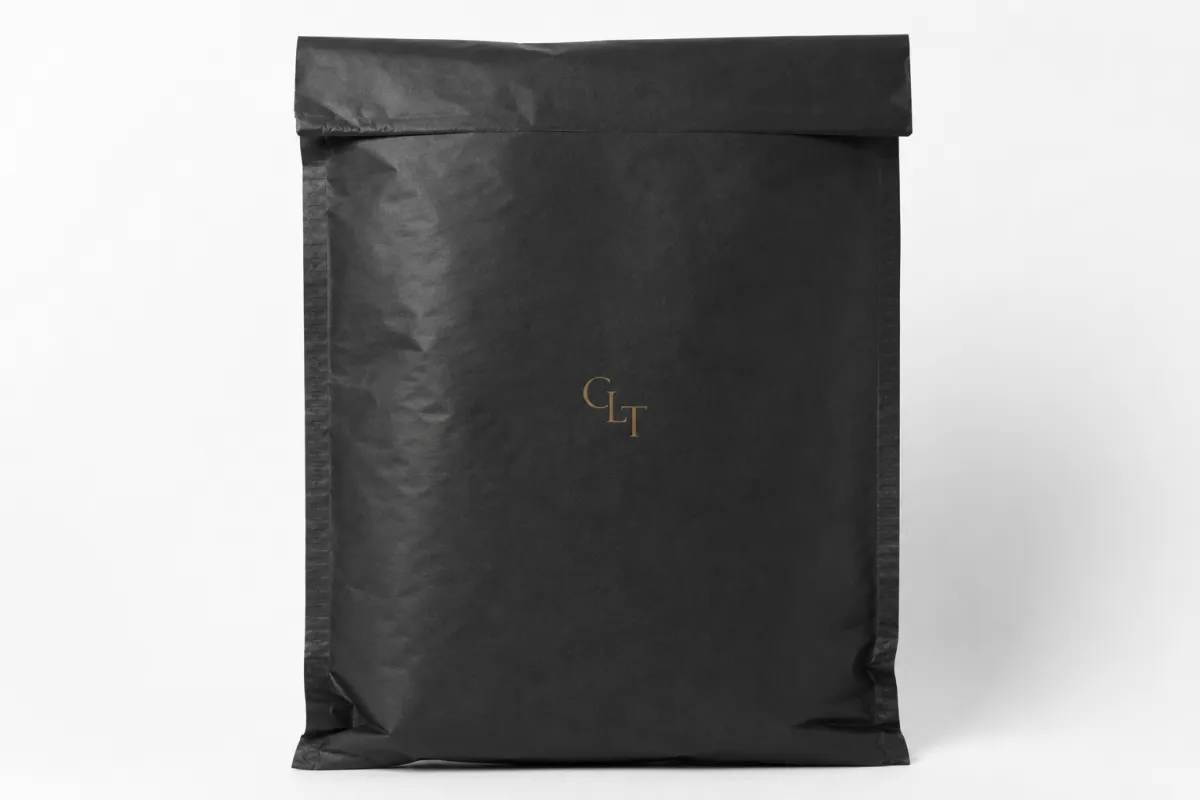
Opaque printed mailers for stores are lightweight shipping bags made from non-see-through film, usually with custom graphics on the outside and a privacy-blocking structure built into the material itself. They show up often in apparel, accessories, cosmetics, gift shops, and subscription-style retail because they solve three problems at once. They shield the contents, keep product identity out of sight, and carry the brand before the customer ever touches the order.
That combination matters more than many buyers expect. A plain mailer can move a product from warehouse to doorstep, but it rarely adds much to the story around the purchase. A well-made printed bag, by contrast, can carry a logo, a seasonal color palette, a simple pattern, or a clean message that makes the parcel feel intentional. I have seen small boutiques win repeat attention with nothing more than a restrained one-color print on a strong, opaque bag. It was not flashy. It just felt cared for, and that kind of detail sticks.
From a packaging buyer’s point of view, the real value sits in the balance between appearance and function. The best opaque printed mailers for stores stay light enough to protect shipping margins, yet strong enough to hold up through conveyor lines, delivery vans, and the occasional rough handoff. They also cut down on casual visibility. If someone can make out a printed dress, a premium skin care set, or a limited-edition accessory through the bag, the parcel becomes more exposed to theft and unwanted attention. Opacity helps close that gap.
Stores usually choose this format for products that are soft, flexible, or already protected inside a secondary wrap. Folded clothing, scarves, lightweight shoes, small electronics accessories, beauty kits, and curated gift items are common fits. Seasonal drops also work well, because the outer mailer can become part of the campaign without the cost and weight of a box. In that sense, opaque printed mailers for stores often become the right answer when a retailer wants a clean unboxing with less material overhead.
The bigger point is simple. A mailer should not be treated as a throwaway supply line. For the right retailer, opaque printed mailers for stores act as a brand surface, a privacy layer, and a shipping-efficiency tool in the same object. That is a rare mix, and it explains why they stand out in such a crowded packaging category.
How Opaque Printed Mailers for Stores Work
Most opaque printed mailers for stores use co-extruded polyethylene, recycled-content film, or a multilayer structure designed for tear resistance and opacity. The exact build depends on product weight and the amount of print coverage. A light apparel shipment might do well with a thinner film, while boxed cosmetics or hard-edged accessories usually need a thicker gauge and a stronger seal. The aim is to avoid punctures without turning the mailer into a heavy package that drags down margins.
Opacity comes from two main approaches. One method uses a pigmented film blend, often with white or black inner layers that block visibility. Another relies on printed blocking layers on the outer surface, paired with a base film dense enough to hide the contents. Either way, the result is the same: the package stays private, and store orders travel with more discretion. That is one reason opaque printed mailers for stores are often chosen for beauty and apparel shipments.
Print method matters as well. Flexographic printing is common for medium and high volume because it keeps unit cost in check once the plates are made. Gravure works well for very large runs and rich color control, though setup costs usually climb. Digital printing is a strong fit for short runs, seasonal art, and test orders when a store wants to avoid tying up cash in inventory. In every version, the ink sits on the outer layer while the inner layer handles privacy, and that is what lets opaque printed mailers for stores feel more finished than plain shipping bags.
Closure is another detail worth getting right. Pressure-sensitive adhesive strips are common, and some programs use dual adhesive lines so the customer can reuse the bag for a return. Tamper evidence deserves early attention as well. If the flap can be reopened too easily, the bag may still look tidy while creating trust issues. A good seal reassures the customer that the parcel has not been opened in transit.
There is also a straightforward risk-control benefit. When the bag is opaque, the contents are harder to identify from the outside, which lowers casual exposure during transit. That does not remove every shipping problem, but it does reduce the temptation for opportunistic theft and helps protect privacy if the parcel sits on a porch, in a back room, or on a retail stock table. For many stores, that alone is enough reason to switch to opaque printed mailers for stores.
Key Factors That Affect Performance and Branding
Thickness is usually the first spec buyers ask about, and it should be. A 2.5 mil film may work for folded apparel that sits flat and light, while a 3 to 4 mil construction is often a safer choice for heavier bundles, sharp corners, or products that shift inside the bag. Edge pressure is what usually creates trouble, so puncture resistance becomes more important as the contents get denser or less regular. With opaque printed mailers for stores, a film can look fine in a proof and still fail once it starts moving through the carrier network.
Opacity level changes both privacy and presentation. White mailers usually feel bright and clean, black mailers tend to read as more private and fashion-forward, and custom colors can create a stronger shelf-like moment when the parcel arrives. The trade-off is how the print behaves. Dark or highly saturated designs can require better ink coverage, tighter proofing, and more careful color control. Stores that want premium-looking opaque printed mailers for stores should check how the artwork reads in daylight, warehouse light, and even under phone flash, because customers will see it under all three.
Fit matters more than many buyers expect. A bag that is too large wastes film, increases postage exposure, and lets the contents move around. A bag that is too tight can strain the seal and warp the print. Gussets help the bag hold shape, while seal width helps the closure stay dependable. If the mailer has to accommodate mixed SKUs, plan for the tallest item and keep the internal profile snug. The best opaque printed mailers for stores are sized around the product, not around a generic catalog dimension.
Sustainability claims deserve careful reading. Buyers hear “recyclable” and often assume the answer is straightforward, yet film recycling still varies by region and by collection system. A mono-PE structure is usually easier to explain than a mixed-material bag because it has a clearer recovery path where film recycling exists. Recycled content can also help reduce virgin resin use, but the percentage depends on the supplier formulation and print requirements. If your store has a sustainability policy, ask for the material breakdown in writing and compare it with the claim language. The Packaging School resource library is a useful place to review material basics before you finalize opaque printed mailers for stores.
For operational teams, the practical test is not abstract sustainability language. It is whether the mailer performs, whether the brand message stays clear, and whether shipping cost still fits the business. Stores that choose opaque printed mailers for stores based on only one of those factors often pay for it later in damage, returns, or weak presentation. I have seen that happen more than once, and it usually starts with a quote that looks great until the real handling conditions show up.
If you want a technical benchmark, use the same handling expectations your product will face in the real world. Many buyers map packaging validation to distribution testing such as ISTA protocols when the mailer will move through parcel networks. General test guidance is available at ISTA, which is helpful when a supplier says the bag should be fine but has not tested it against a realistic shipping path.
Print contrast deserves a mention too. Small logos can disappear if the background is too busy or the ink coverage is too light. Strong contrast, clean registration, and enough quiet space around the logo usually work better than decorative clutter. That is especially true for opaque printed mailers for stores, where the exterior has to handle branding and practical communication in a very small area. A pretty bag that reads poorly in motion is, frankly, not doing its job.
Production Process and Timeline: From Artwork to Delivery
The production path for opaque printed mailers for stores is usually more structured than buyers first expect. It starts with the brief: size, product type, target quantity, print colors, seal style, and any privacy or sustainability requirements. From there, the supplier builds or confirms the dieline, the flat layout that tells everyone where the artwork, seal area, and cut lines belong. Skipping that stage is a quick way to create a bag that looks good on screen and falls apart in production.
Artwork comes next, and this is where delays often start. A logo file in the wrong format, an image with low resolution, or an unclear color target can add days to the schedule. For opaque printed mailers for stores, the safer files are usually vector-based assets for logos and high-resolution artwork for patterns or photography. If the print uses several colors, the supplier may need a plate check or separation review before the job reaches press. This is also the point where overprinting on a dark film can reveal issues that did not show up in the mockup.
Proofing is where careful buyers earn their keep. A digital proof shows placement and content, but a physical sample shows how the bag behaves in the hand. Does the adhesive hold? Does the print scuff when rubbed? Is the opacity strong enough to hide the contents? Those questions matter more than whether the mockup looks attractive in isolation. For stores ordering opaque printed mailers for stores, proof approval is not a formality. It is the filter that keeps expensive surprises out of the shipment.
After approval, production usually moves through prepress, printing, curing or drying, slitting, folding, counting, and packing. Standard runs often take around 12 to 20 business days after proof sign-off, though the range shifts with artwork complexity, volume, and factory workload. Digital short runs can move faster. Large flexographic or gravure orders can take longer, especially when color matching is strict. If the supplier ships overseas, freight time needs to be added, and customs clearance or port congestion can stretch the calendar further.
Stores should line up a clean decision set before the order starts. That means logo files, product dimensions, target quantity, brand approval contact, and a clear answer on whether the bag must support returns. If the team waits until artwork review to settle those points, the schedule slips. A buyer who prepares early usually gets better opaque printed mailers for stores and fewer rounds of revision.
For buyers who care about validation, ask whether the supplier has tested seal strength, puncture resistance, and drop performance. Even a basic internal check can show whether the mailer survives normal handling. A good supplier should be able to explain what was tested, what failed, and what was adjusted. That becomes especially useful when the same mailer will be used across several store SKUs with different weights. In practice, opaque printed mailers for stores hold up best when the timeline includes a sample round before full production.
Opaque Printed Mailers for Stores: Cost, Pricing, and MOQ
Pricing for opaque printed mailers for stores comes down to a handful of predictable variables: film gauge, bag size, print colors, setup fees, finishing details, and order volume. The catch is that those factors never act alone. A slightly larger bag increases material use, which raises freight weight and can push the job into a different production band. A two-color design may cost less than a full-coverage pattern even if the artwork looks simpler, because plate count and print time change the equation.
The most common pricing mistake is comparing unit price without context. Small runs usually cost more per bag because setup costs are spread over fewer pieces. Larger orders bring the unit cost down, but they also increase storage risk and make it easier to order the wrong quantity. That trade-off is why MOQ matters so much for boutiques, seasonal stores, and limited-edition collections. A store selling 300 units a month does not want 20,000 mailers sitting in the back room for a year. A business with steadier volume may lose more money by reordering too often than by placing a larger run.
Here is a practical comparison of common order tiers for opaque printed mailers for stores. These are typical market ranges rather than fixed quotes, and freight can move them in either direction.
| Order Tier | Best Fit | Typical Unit Cost | What Usually Changes |
|---|---|---|---|
| 1,000-2,000 units | Samples, new artwork, small boutiques | $0.28-$0.55 | Setup and freight weigh heavily; more useful for testing than scaling |
| 5,000 units | Core store SKUs and repeat programs | $0.12-$0.26 | Better balance between cost and inventory risk; common starting point |
| 10,000+ units | High-volume retail or subscription programs | $0.08-$0.18 | Lowest unit cost, but storage, forecasting, and change control matter more |
Those ranges shift with print coverage and material choice. A heavyweight, full-bleed design will usually sit above a cleaner one-color layout on a standard-gauge bag. That is why stores should ask for a quote matrix instead of a single number. A useful quote shows size, thickness, colors, closure style, setup cost, shipping estimate, and replacement policy for defects. If one supplier only sends a headline price, the comparison is not really fair.
Use total landed cost, not just bag cost. Total landed cost includes unit price, freight, customs if relevant, warehouse handling, and the opportunity cost of holding too much inventory. That matters especially for opaque printed mailers for stores, because the cheapest bag on paper can become the most expensive option once it sits in the wrong warehouse or arrives late for a promotion. Stores comparing broader formats can also review Custom Packaging Products before deciding whether mailers, cartons, or inserts fit the brand and the budget.
A smart buyer will also ask about defect tolerance. If the supplier says 2 percent scrap is normal, what does replacement look like? If a color lands one shade off, who approves the reprint? Those questions may not sound glamorous, but they protect margin. The best opaque printed mailers for stores are the ones that arrive on time, match the proof, and do not create hidden costs after the invoice clears.
Common Mistakes Stores Make When Ordering Mailers
The first mistake is oversizing. A bag that is too big uses more film, costs more to ship, and allows the contents to move around inside the parcel. That movement raises abrasion risk and can make the package feel less premium when it arrives. Stores often choose a larger size because they want to avoid a tight fit, but that simply shifts the problem. With opaque printed mailers for stores, the right fit is usually closer than buyers expect, so long as the seal remains secure.
The second mistake is choosing a design that looks premium in a photo but does not survive handling. Some mailers scuff badly after a few shipping cycles even though they look strong in the mockup. Others have a beautiful print and a weak adhesive. If the seal fails, nothing else matters. A sample that is rubbed, dropped, and compressed tells you far more than a perfect render. For opaque printed mailers for stores, the real test is whether the bag still looks intentional after carriers touch it, stack it, and sort it.
The third mistake is ignoring the product profile. A soft T-shirt and a hard-edged skin care kit create very different stress on the film. Moisture exposure matters too. If the mailer travels through humid loading docks, rainy last-mile routes, or return processing, the material and adhesive need to match that path. If a store expects customers to reuse the bag, return-strip placement becomes part of the design. One-size-fits-all thinking is what turns opaque printed mailers for stores into a complaint source.
The fourth mistake is approving artwork too quickly. Bleed issues, barcode contrast problems, poor logo placement, and color shifts are all common when the final proof is rushed. If the bag includes a barcode, a campaign code, or a short message line, check contrast on the actual material, not only on a monitor. Small text can disappear on dark backgrounds. A clean proof process protects opaque printed mailers for stores from avoidable production errors.
There is also a hidden approval problem: too many people with the power to change the file. One marketing manager wants more color. One operations lead wants a different closure. One founder wants the logo bigger. Meanwhile, the supplier is waiting for a final sign-off. The result is delay. Stores that assign one final decision maker usually move faster and make fewer expensive revisions. That discipline matters when ordering opaque printed mailers for stores at scale.
One last issue deserves attention: testing against real use, not imagined use. If your team ships folded denim, test with folded denim. If the package sits in a cold stock room, sample it there. If return processing is part of the customer experience, open and reseal the bag several times. Small tests reveal whether the design is actually ready for opaque printed mailers for stores in day-to-day operations.
Expert Tips and Next Steps for Better Mailer Orders
The best way to buy opaque printed mailers for stores is to treat the first order like a pilot rather than a final verdict. Start with one hero SKU, one or two realistic pack stations, and a small shipping lane that reflects actual volume. Then measure the things that matter: pack speed, seal failures, punctures, print scuffing, and customer feedback. If the bag performs well there, scaling becomes much less risky.
Build a decision sheet before you request quotes. It should include size, gauge, opacity preference, print coverage, color count, MOQ, Lead Time, and target margin. When all of that sits on one page, supplier conversations get sharper. You can see where one quote is cheaper because it uses thinner film, or where another quote costs more because it includes better closure performance. That clarity is especially helpful for opaque printed mailers for stores, since the differences often look small on paper and become obvious during use.
Ask for samples with real products inside them. A good sample round should include the actual item, the actual fold, and the actual packing team if possible. The way a bag behaves in a designer’s hand is not the way it behaves on a warehouse table at 4 p.m. after a long shift. If your store is comparing mailer styles, put opaque printed mailers for stores next to other shipping formats and check whether a lighter poly option is enough or whether a different structure would protect the goods better. That comparison often becomes much clearer after reviewing Custom Poly Mailers alongside the wider packaging range.
Request a quote matrix from at least two or three suppliers and compare service, consistency, and defect policy as carefully as you compare price. A supplier that answers technical questions quickly usually saves time later. A supplier that can explain material makeup, print limits, and testing methods usually gives you a stronger result than one that only sends a price sheet. If the job includes carrier testing, ask how it aligns with common distribution standards such as ISTA procedures. If you need a starting point, the general standards page at ISTA is worth a look.
Here is the practical action plan: pilot one SKU, measure damage rates and pack speed, refine the size and film gauge, then commit to a larger run only after the numbers make sense. That is usually the safest route for opaque printed mailers for stores, and often the least expensive over the full life of the program. If the packaging earns its keep in the pilot, it will usually earn it later as well. If it does not, the pilot tells you that before inventory piles up.
For stores that want brand presence without box-level cost, opaque printed mailers for stores are often a strong fit. For stores that need a more complex shipping system, the answer may be a mix of mailers, inserts, and cartons. Either way, the goal stays the same: the package should protect the product, support the brand, and hold up in transit. That is where opaque printed mailers for stores earn their place.
And if you want the shortest possible takeaway, it is this: choose the smallest bag that safely fits the real product, confirm opacity and seal strength with samples, then scale only after the first round proves the mailer can survive the carrier network without getting beat up.
Frequently Asked Questions
What are opaque printed mailers for stores used for?
They work well for clothing, soft goods, beauty items, and branded ecommerce orders that benefit from privacy. They keep the contents hidden while adding a visible marketing surface for logos, patterns, and store messaging. They are also lighter than boxes in many cases, which can help stores reduce shipping weight and material use.
How do I choose the right thickness for opaque printed mailers for stores?
Match the gauge to product weight, corner shape, and the amount of puncture resistance the shipment needs. Heavier or irregular items usually need a thicker film and a stronger seal. Test with real products using drop, compression, and puncture checks before placing a large order, because a sample that looks good may still fail under load.
What is a normal turnaround time for custom opaque printed mailers for stores?
Simple orders usually move faster than multi-color or specialty-finish runs. Artwork approval and sample sign-off are often the longest steps in the process. Add freight time and possible customs delays if the supplier ships from overseas, because production speed alone does not tell the full story.
How can stores compare pricing for opaque printed mailers for stores?
Ask for unit price, setup cost, shipping, and defect replacement terms in the same quote. Compare quotes using the same size, thickness, colors, and order volume so the numbers stay fair. Use total landed cost, not just the lowest per-bag price, when deciding between suppliers, because storage and freight can change the real cost quickly.
Are opaque printed mailers for stores a good fit for small boutiques?
Yes, especially if the boutique sells repeatable sizes or wants a strong, consistent brand look. Small boutiques should balance MOQ against storage space and cash flow. A smart starting point is one hero SKU, then expansion after testing pack speed and returns, because opaque printed mailers for stores only make sense when the math and the customer experience both work.


