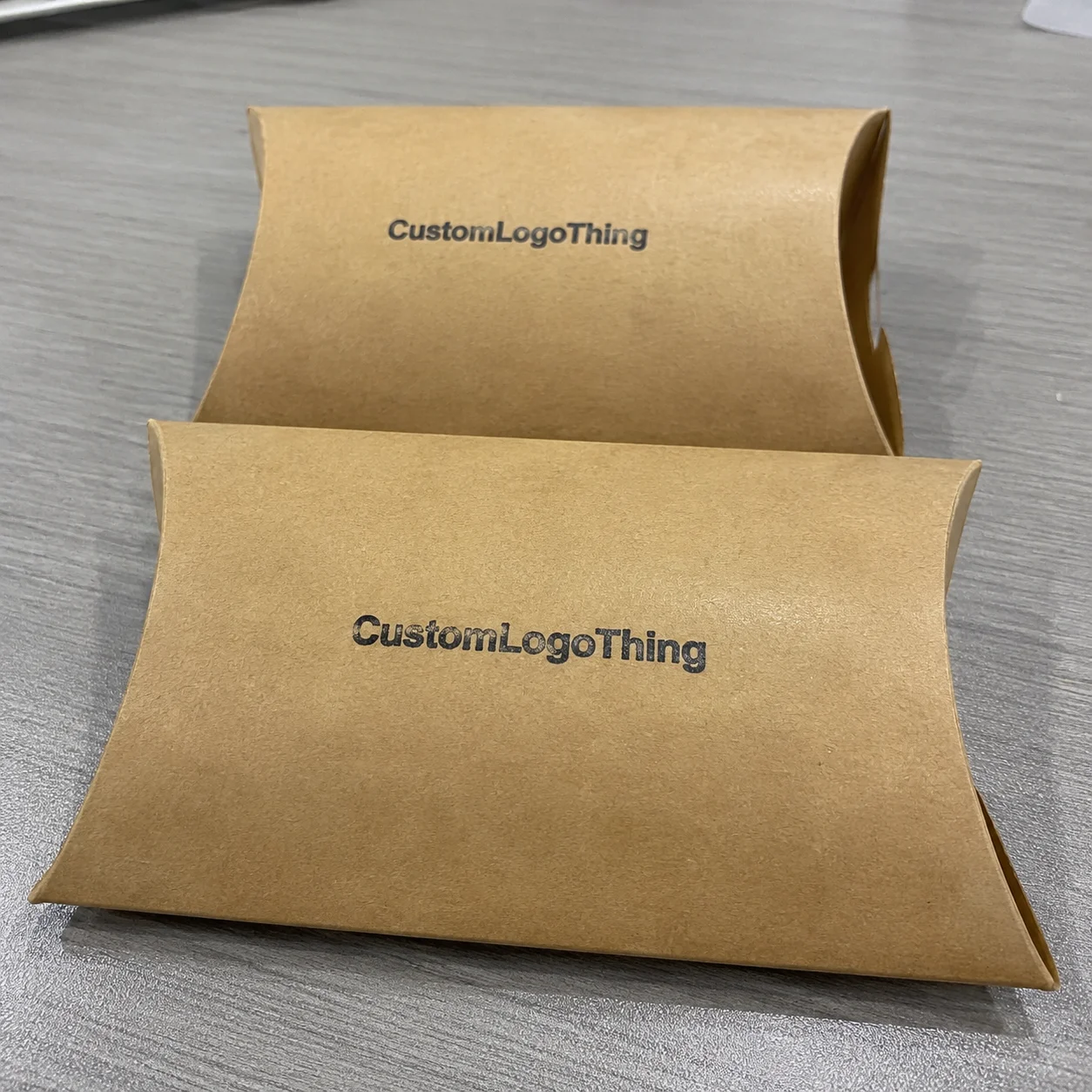
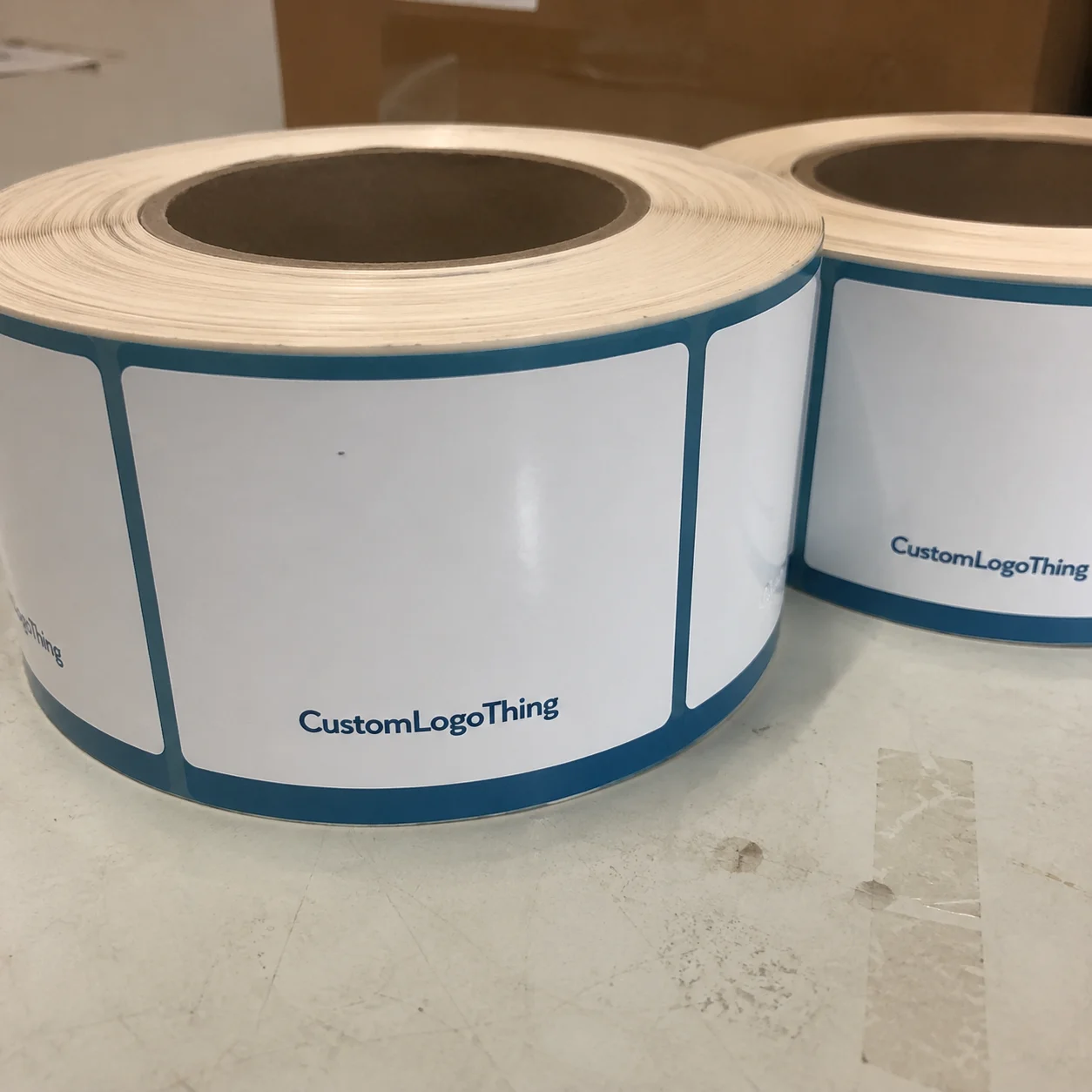
Address Labels Personalized for Clothing Brands
At the packing table, Address Labels Personalized do more than carry a shipping line. They help the parcel move through scanning and sorting, and they also shape the first impression the customer gets from the outside of the package. For a clothing brand, that outside presentation matters because buyers read it as part of the product experience.
A clean label tells two stories at once: the shipment is readable, and the brand handles details with care. If the address block is cramped, the print is weak, or the label lifts during handling, the package looks less finished even if the garment inside is perfect.
The best label choice is the one that ships reliably, fits the packaging surface, and keeps the order looking deliberate when it leaves the bench.
Why Address Labels Personalized Make Clothing Mail Look Finished
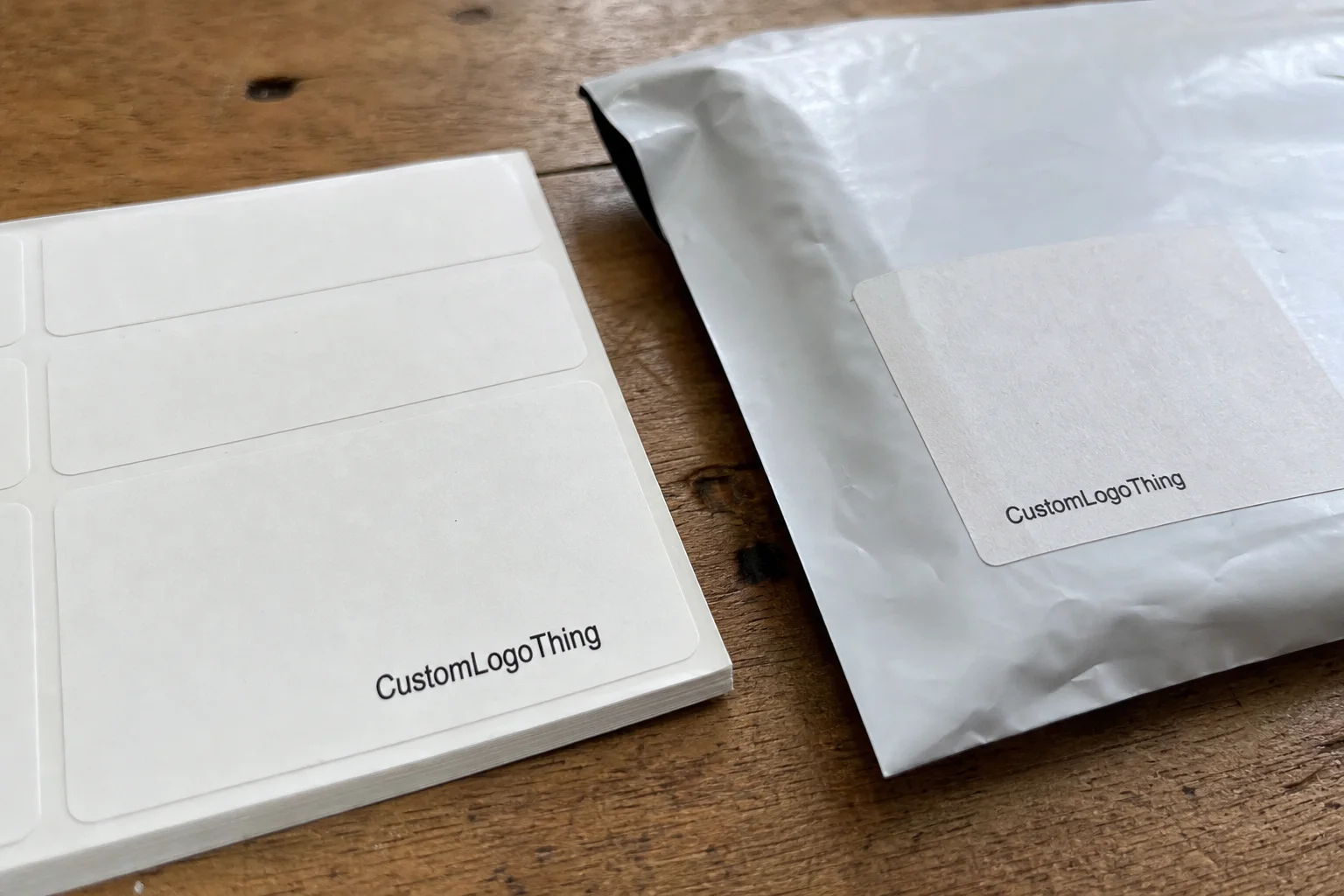
Apparel is especially sensitive to presentation because the product is already visual. Buyers notice whether the mailer, label, and insert feel consistent. A crooked or busy label can make a carefully packed order feel rushed. A clean one makes even a simple shipment look intentional.
That effect also changes how a fulfillment team works. When size and placement are consistent, packers move faster, reprints drop, and training is easier. The label stops being a decision and becomes a repeatable step in the workflow.
This matters for return kits, exchange envelopes, press sends, and replenishment boxes as well. Many clothing brands use more than one package type, and a shared label style helps the system feel coherent. One format for cartons and another for mailers can work, but only if the spec is clear enough to avoid confusion.
What buyers usually miss
The address area needs more room than a mockup suggests. Type that looks balanced on screen can become cramped once the return line, postal code, and barcode zone are added. A label that is easy to read at arm’s length usually performs better than one that tries to do too much.
How Printed Mail Labels Fit Into a Clothing Brand Workflow
Printed mail labels work best when they match the actual pace of fulfillment. In a clean workflow, order data moves from the sales platform to address verification, then into the print file, then to packing and handoff. If the format does not fit that sequence, the line slows down and staff start pausing to reprint or correct avoidable errors.
For lower-volume brands, sheet labels are often the simplest choice. They store easily, work with common office printers, and are familiar to small packing teams. Rolls usually make more sense once order volume rises and the team needs faster feed with less handling. Direct-thermal labels are efficient for shipping-only work because they do not require a ribbon, but they are less ideal if the package may sit in heat, bright light, or rough storage for long periods.
| Format | Best For | Strengths | Watchouts |
|---|---|---|---|
| Sheet labels | Lower-volume packing, office printers, hand application | Easy to store, simple to count, straightforward for small teams | Slower on busy lines, more manual handling |
| Roll labels | Higher-volume fulfillment, repeated runs, dispenser use | Faster application, smoother workflow, fewer interruptions | Needs the right printer or dispensing setup |
| Direct-thermal labels | Shipping-only use, variable-data printing, high-speed packing | No ribbon needed, quick output, common in fulfillment centers | Can fade with heat, friction, or sunlight over time |
Clothing brands also move across different packaging surfaces more often than expected. A label that works on a corrugated carton may not behave the same way on a poly mailer, kraft envelope, or reusable return pouch. That is why the label has to be tested against the real surface, not just a flat proof.
For broader packaging systems, Address Labels Personalized often sit alongside product labels, inserts, and carton seals. Keeping those items aligned by size, finish, and application method reduces inventory confusion and makes reordering simpler.
Materials, Adhesive, and Finish Choices That Affect Performance
This is where many label projects succeed or fail. The print quality matters, but the substrate and adhesive do most of the work once the package leaves the table. A label can look great in proof and still perform badly if the stock is wrong for the surface or the adhesive is too weak for the environment.
Paper, film, and specialty stocks
Paper labels are the standard choice because they are cost-effective and easy to print. Coated paper gives sharper image edges, while uncoated paper is easier to write on if the team needs to add notes by hand. Film-based stocks such as polypropylene cost more, but they usually resist moisture and abrasion better, which makes them useful for rougher handling.
If sustainability claims are part of the purchase, the sourcing should be checked carefully. FSC-sourced paper can support that story, but only when the supply chain and printer certifications actually support the claim.
Adhesive strength matters more than most mockups reveal
Standard permanent adhesive is often enough for clean cardboard and many coated mailers. Recycled mailers, textured kraft, dusty storage, and cold packing rooms can reduce performance. In those cases, stronger tack or a formulation designed for difficult surfaces is worth asking for.
If corners lift after application, the issue is usually not the artwork. It is a mismatch between adhesive and substrate. That matters for apparel because lightweight packaging flexes more than a rigid carton.
Finish choices change how the label behaves
Matte finishes usually reduce glare and improve readability under warehouse lights. Gloss can look sharper on consumer-facing mailers, but it also shows fingerprints and reflections more easily. Writable surfaces are useful if staff need to add routing notes or return instructions.
If a barcode is part of the layout, keep the quiet zone clear and avoid dark artwork behind machine-readable areas. For packages that face friction, condensation, or temperature swings, ask whether the label has been tested against realistic shipping conditions rather than only against a proof file.
For clothing lines that need a more unified appearance across packaging, address labels personalized can be paired with matching tags or product labels so the system feels coordinated without forcing every item to perform the same job.
Process and Turnaround: From Artwork to Delivered Rolls
Good production starts with files built for the right format. The printer needs the final dimensions, bleed, safe area, and exact artwork placement. If the order includes variable data, the address file has to be clean before production starts. Small file errors become expensive when they repeat across hundreds or thousands of labels.
What happens before print
Most jobs move through file prep, proofing, color review, print, cutting or slitting, finishing, and packing. A repeat order with a simple one-color layout may move quickly. A first-time order with multiple address fields or custom finishing usually takes longer because there is more to verify.
When reviewing proofs, check more than the logo. Confirm the address block, the return line, barcode placement, and the spacing around the edges. Rounded corners and narrow layouts can compress usable space faster than expected.
What changes turnaround
Turnaround depends on stock availability, print method, quantity, finishing, and how quickly the proof is approved. Standard paper jobs often move in a straightforward window once artwork is locked. Specialty films, unusual adhesives, and variable-data jobs usually need more time. Rush production helps most when the file is already clean and the material is in stock.
For planning purposes, simple label orders may be ready in a few business days after approval, while custom or higher-spec jobs can take a week or more, especially if proof corrections are needed. The bottleneck is often the correction loop, not the press itself.
For launches, seasonal drops, and replenishment cycles, build review time into the schedule before the packing line is under pressure. Once orders start stacking up, there is less room for file cleanup, sample testing, or last-minute reprints.
Cost, Pricing, and MOQ: What Changes the Unit Price
Label pricing is shaped by a few concrete variables: size, stock, finish, color count, adhesive, quantity, and whether the cut is standard or custom. The main mistake is comparing only the headline unit price. A low quote can become a poor value if the labels jam, lift, fade, or slow the packing table.
Smaller runs carry a larger share of setup and proofing cost, so the per-label price is higher. As quantity rises, that cost gets spread across more pieces and the unit price usually drops. A simple paper label in a larger run may land in the low cents per piece, while a short custom run with specialty stock can climb well above that.
MOQ means minimum order quantity, and it matters especially for newer clothing brands testing a new packaging format. A capsule drop may only need a few hundred labels. A direct-to-consumer brand shipping weekly may need several thousand. If the minimum is higher than real usage, inventory sits idle and cash gets tied up.
Quotes should be compared on usable output rather than price alone. Ask whether the labels ship as rolls or sheets, whether setup and proof revisions are included, and what adhesive is actually being used. If the mailer surface is textured or recycled, paying for a stock that sticks correctly is usually cheaper than reworking failed shipments.
A practical way to compare quotes
- Check the exact size and cut style.
- Confirm the stock type and adhesive strength.
- Ask whether a proof is included.
- Review pack-out format, especially roll versus sheet.
- Compare price at 500, 1,000, and 5,000 pieces.
Brands that reorder frequently benefit from a fixed spec sheet. Once the label size, finish, and application method are locked, future quotes become easier to compare and production becomes more predictable.
Common Mistakes That Cause Smudges, Lifts, or Reprints
The most common failure is simple: the artwork was built for the wrong size. That creates cropped edges, cramped type, weak barcode contrast, and a final print that looks different from the proof. If the design includes variable addresses, even a small scaling error can throw off the entire run.
File and artwork problems
Low-resolution logos are another repeat issue. A graphic that looks clean on screen can print soft on a small label, especially with heavy ink coverage or fine detail. Tiny type is risky too because shipping labels are scanned and read quickly, so readability matters more than decorative finesse.
Barcode space needs discipline. The quiet zone should stay clear, dark graphics should not sit behind machine-readable areas, and the code should not be shrunk just to make room for branding.
Surface and handling problems
Labels can lift on recycled mailers, textured kraft, or cold packing surfaces if the adhesive is not matched to the substrate. Smudging often comes from the wrong print surface or from stacking labels before the ink or toner has settled. Curling usually points to stock or adhesive behavior rather than placement.
If the package will face frequent handling, abrasion-resistant stock is worth serious consideration. Matte film or coated paper often holds up better than plain uncoated paper in a rough shipping environment.
Operational mistakes
Ordering too few labels before peak season is a planning issue that becomes a production issue. Skipping a proof for variable address fields creates reprint risk that no one wants to absorb at the end of a busy week. And if a team changes mailer suppliers, the label should be tested again on the new surface before full production starts.
The expensive part is not usually the label itself. It is the time lost to stops, corrections, and reruns when the spec was not tested against the real packaging surface.
Next Steps to Specify the Right Label Before You Order
Before placing an order, define the label the same way you would define any other packaging component. Start with size, stock, adhesive, finish, quantity, format, and the surface it needs to stick to. Then decide whether the labels will be applied by hand, from a dispenser, or through a shipping system that prints variable data in batches.
It helps to gather three things before requesting a quote: a clean logo file, a sample address block, and a realistic estimate of monthly use. If the label will live on clothing mailers, test it on the exact bag or carton you use most often, not a generic sample. Check adhesion after a few minutes, then again after handling and stacking.
- Confirm the final label dimensions.
- Choose the stock that matches the shipping surface.
- Pick an adhesive based on texture and temperature conditions.
- Review the proof with full address spacing and barcode clearances.
- Order enough inventory for the next cycle, not just the next day.
If you want the label order to fit into a broader packaging system, keep the spec aligned with your other printed components. That is where a supplier of Custom Labels & Tags can help by keeping size, finish, and application style consistent across the packaging mix.
For clothing brands, the best label is usually not the flashiest one. It is the one that prints cleanly, sticks properly, survives transit, and makes the shipment look deliberate. Treated that way, address labels personalized become part of the packaging standard instead of an afterthought.
What size should personalized address labels be for clothing shipments?
Choose a size that leaves enough room for the full address, a readable return line, and barcode space without crowding the layout. Smaller mailers usually need compact formats, while larger cartons can support wider labels with more branding room. Test the size on the actual packaging surface before approving production.
Are personalized address labels better in sheets or rolls?
Sheets are usually better for lower-volume hand application and office-style packing setups. Rolls are often faster for higher-volume fulfillment because they feed more smoothly and reduce handling time. The better format depends on how the team packs orders and whether the labels are applied manually or with equipment.
How much do custom address labels usually cost?
Price depends on size, stock, finish, color count, adhesive, and total quantity. Small runs usually cost more per label because setup and finishing are spread across fewer pieces. Larger orders usually lower the unit price, but the final number still depends on the spec and whether the job uses standard or specialty materials.
What artwork do I need before ordering address labels personalized?
A clean logo file, the final label size, and the exact address layout are the main starting points. If the design includes variable addresses, the data file should be formatted correctly before proofing. High-resolution artwork helps avoid blurry logos, weak text, and unnecessary rework during production.
How fast can personalized address labels be produced?
Turnaround depends on stock, quantity, proof approval, and whether the order includes variable data or specialty finishing. Simple repeat orders usually move faster than first-time jobs that need layout adjustments or testing. If timing matters, leave enough room for proof review so production does not stall near launch or replenishment.