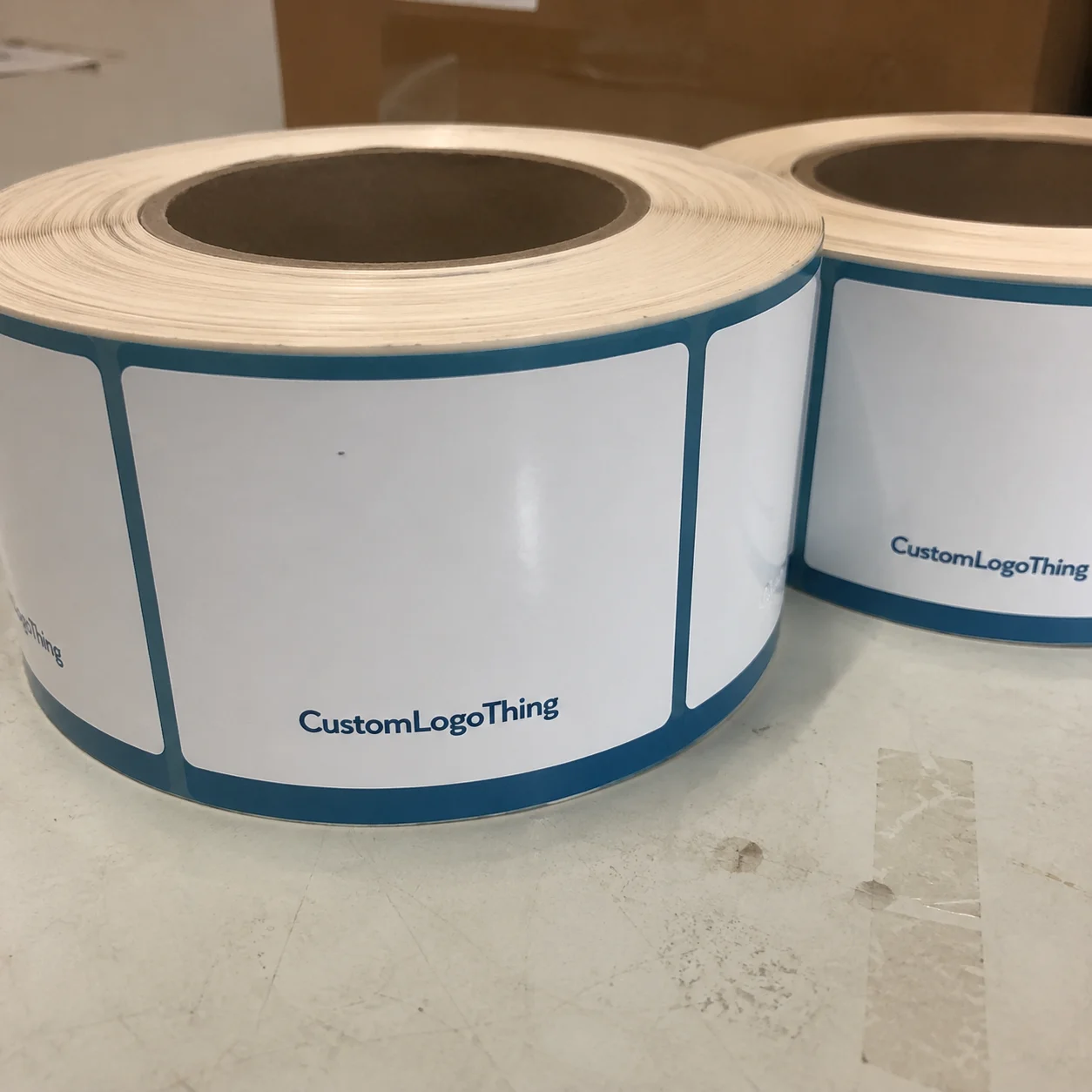
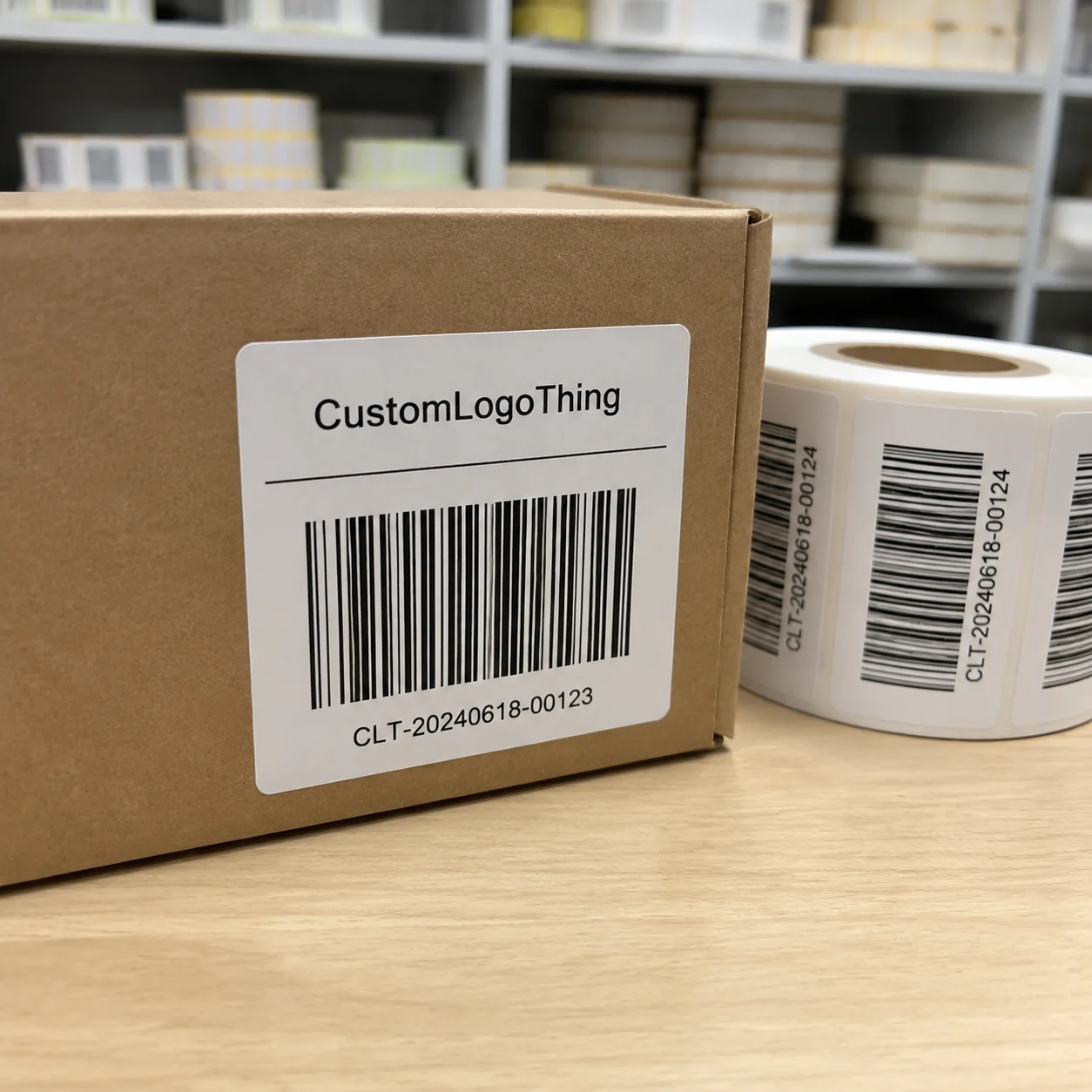
Printed Return Address Labels personalized are one of those small packaging details that prevent a lot of boring, expensive problems. Miss the return address once and suddenly a basic exchange becomes a customer-service thread, a delayed refund, and a parcel drifting around because someone can’t read a handwritten line. Not dramatic. Just operationally annoying.
For clothing brands, these labels do three useful jobs at once: they identify the sender, speed up packing, and make packaging look intentional instead of improvised. They can also carry a logo or a simple brand mark, which is why they show up on mailers, cartons, sample kits, and garment packaging. The trick is buying the right spec, not the prettiest mockup.
From the buyer side, the real value is consistency. A good return label reduces handling errors, saves labor in fulfillment, and gives every shipment the same clean sender block. A bad one does the opposite. Bold branding does not fix a label that peels off in transit.
What Printed Return Address Labels Actually Do for Clothing Brands
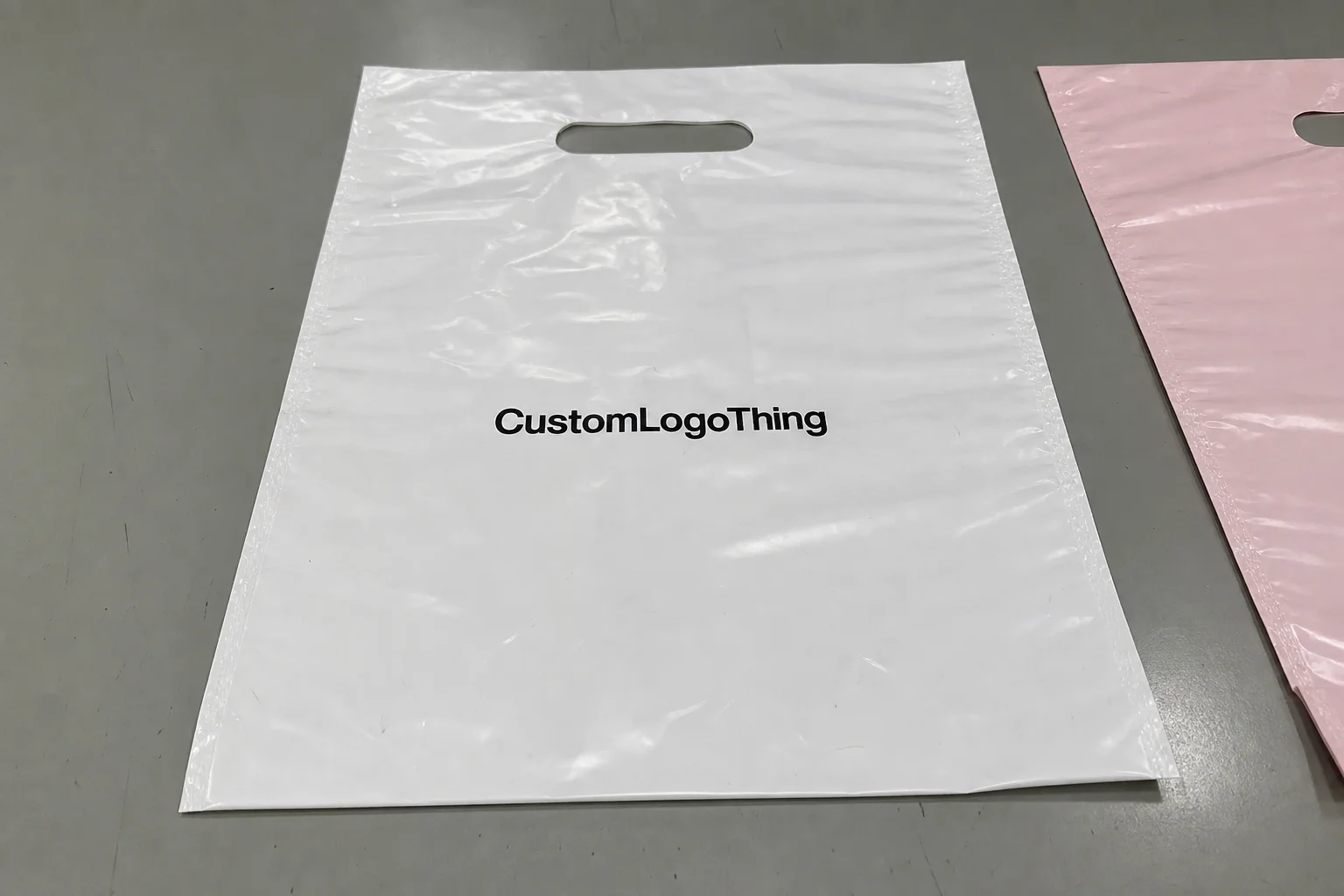
At the simplest level, these are adhesive labels printed with your return address, brand name, or both. They’re used on mailers, cartons, envelopes, garment bags, insert packaging, and return kits. Nothing fancy. Which is exactly the point when a packing line is moving and nobody wants to handwrite 300 labels before lunch.
Clothing brands use them because speed matters. Handwritten return addresses look temporary, and they introduce error. One wrong suite number, one missing ZIP digit, one smudged marker line, and the parcel takes a little trip nobody asked for. That is bad for return mail, wholesale parcels, and any shipment that needs to come back to the warehouse cleanly.
They also improve first impressions. A neat return label on a kraft mailer or poly bag makes the package feel deliberate. That matters in apparel, where presentation is part of the product. You are not just sending a shirt. You are sending a branded package, whether the customer says that out loud or not.
- E-commerce shipments: faster packing and fewer address mistakes.
- Return mailers: easier processing when customers send items back.
- Wholesale parcels: cleaner sender identification for buyers and boutiques.
- Sample kits: useful for PR mailers, influencer packages, and media sends.
- Insert packaging: envelopes and collateral that need a clear sender block.
Personalization can be as basic as a black-on-white address block or as branded as a full-color label with a logo, border, and custom shape. Some brands add QR codes that link to care instructions or a returns page. Useful, yes. But do not turn a return label into a mini billboard. The main job is still to get the package back to the right place.
If the return address is hard to read, too small, or buried under decoration, the label stops being useful. A pretty label that fails in production is just expensive stationery.
How the Label Printing Process Works
The workflow is standard. You send artwork or a simple address block, the supplier prepares a proof, you approve it, and production starts. After printing, the labels are cut, packed as sheets or rolls, and shipped out. The details are where the quality difference shows up.
For short runs, digital printing is usually the practical choice. It skips plate costs and handles variable details well, which is helpful if you are testing a new return address format or placing a small first order. For larger runs, flexo or offset-style production can lower cost per label when the layout stays fixed and the quantity climbs. No mystery. Just volume economics.
Common materials include standard paper labels, matte paper, gloss paper, and waterproof film. Adhesives can be permanent or removable. Permanent adhesive is the default for shipping and most apparel packaging. Removable makes sense for temporary branding or surfaces where residue would cause a problem. And no, “strong adhesive” does not mean the same thing on every surface. Poly mailers, kraft paper, coated cartons, and textured envelopes all behave differently.
Before approving a proof, check the boring stuff. It matters more than the font choice.
- Address accuracy: verify every line, suite number, punctuation mark, and postal code.
- Postal formatting: keep the return block clear and readable.
- Bleed and trim: confirm artwork extends correctly past the cut line.
- Color matching: ask what stock and print method are being used.
- Barcode compatibility: only if you are adding scannable codes or routing marks.
Labels are usually packed either on sheets or on rolls. Sheets work well for office-based use or low-volume packing. Rolls fit dispenser-based packing lines better, and they are easier to peel quickly if your team ships in batches. If your fulfillment team is applying labels by hand all day, roll format usually saves time. Not a lot on one parcel. Plenty over a week.
For packaging teams that also need other brand assets, it can help to keep your label workflow tied to a broader system of Custom Labels & Tags so everything matches across cartons, inserts, and apparel packaging.
Key Specs That Affect Performance, Look, and Usability
Label size is the first decision that changes everything. Standard return-address sizes are common, but not every mailer or garment tag format needs the same footprint. A small rectangular label may be perfect for a slim poly mailer. A larger format makes sense if you want a logo, return block, and maybe a QR code without crowding the layout. The mistake I see most often is picking a size because it “looks balanced” in a mockup, then discovering it dominates the actual package.
Adhesive choice matters just as much. On smooth shipping cartons, standard permanent adhesive is usually fine. On kraft mailers or textured stock, you may need a stronger adhesive or a stock that grips better. If your brand ships on coated surfaces or chilled packaging, test before you commit. Cold, condensation, and rough paper fibers can all affect bond performance.
Print quality is where brands often overdesign themselves into trouble. A one-color label is cheaper and usually reads better at a glance. Full-color labels look more polished, but only if the art is clean and the text is not too small. If you cram in five lines of copy, a logo, a border, a URL, and a QR code, the label starts fighting itself. The postal address should win. Every time.
Finish changes both feel and performance. Matte gives a quieter, more premium look and reduces glare under warehouse lights. Gloss makes colors pop, but it can reflect light and show handling marks more easily. Waterproof film resists moisture and scuffing, which helps if you ship in humid conditions or need extra durability.
For compliance and legibility, keep the return address visible and separated from marketing copy. Postal rules can vary by carrier and destination, so if your label doubles as a shipping label or includes route information, confirm the layout with your mailer or carrier requirements. Industry groups like the Packaging Association and testing bodies such as ISTA are useful references when you are building a package system that needs to survive real handling, not just a studio mockup.
| Option | Best For | Look | Typical Tradeoff |
|---|---|---|---|
| Matte paper | General apparel mailers | Clean, understated | Less moisture resistance |
| Gloss paper | Branded inserts and premium presentation | Brighter color | More glare, can show scuffs |
| Waterproof film | Wet shipping environments or durable use | Sharp and durable | Higher unit cost |
| Removable adhesive | Temporary labeling | Neat on removal | Not ideal for shipping cartons |
Printed Return Address Labels Personalized: Cost, MOQ, and Unit Price
Pricing is mostly driven by quantity, material, number of colors, shape, finish, and whether the artwork is simple or custom-built. If you want printed Return Address Labels personalized with a logo, specialty shape, or full-color setup, expect the cost to move up. If you keep it basic, the price stays sane. Amazing how that works.
For practical budgeting, small runs often land somewhere around $0.08-$0.20 per label depending on size and complexity, while larger volumes can drop closer to $0.03-$0.08 per label. Those ranges can move a lot based on stock and finishing, so they are useful for framing, not for pretending every quote should match to the penny.
MOQ varies by supplier and format. Short-run digital orders may start in the low hundreds, sometimes lower if the shop supports sample quantities. Larger production runs are usually priced in tiers, and once you hit a better volume band, the unit cost falls quickly. That is why it is smarter to compare 500, 1,000, and 5,000 pieces than to ask for one random quantity and hope it tells you everything.
Here is a simple way to compare quotes without getting distracted by shiny language:
- Setup fees: ask if artwork prep or layout changes cost extra.
- Proof charges: some suppliers include proofing, some do not.
- Plate fees: relevant for certain print methods, especially at higher volumes.
- Shipping: labels are light, but freight and packaging still add up.
- Reprint policy: check what happens if the address or layout is wrong.
Sheet format can be more convenient at low volume because it is easy to store and hand-apply. Roll format is usually the better unit-cost choice at scale, especially if your packing team uses label dispensers. If you are comparing roll versus sheet pricing, do not just look at the sticker. Look at labor. Five seconds saved per parcel becomes real money by the end of the week.
There are also hidden cost traps. Oversized artwork can force a larger label size. Frequent address changes can require new plates or new setup work. Specialty materials like waterproof film or textured stocks can be overkill if you are just labeling cardboard mailers. I have seen brands spend extra to make a return label look premium when a cleaner, simpler label would have done the job better and cheaper.
If sustainability is part of the buying decision, check whether the stock can be certified or responsibly sourced. The FSC is a common benchmark for paper sourcing, and the EPA has useful information on materials and waste reduction at epa.gov. That will not tell you what your label should look like, obviously, but it does help when procurement wants documentation.
Process and Timeline: From Artwork to Delivery
Most label orders follow the same path: artwork prep, proof approval, production, finishing, packing, and shipping. The timeline depends on how clean your files are and how complicated the job is. Simple digital runs can move quickly after approval. Custom shapes, specialty stocks, or color matching can add time. That is just reality, not a supplier excuse.
Typical turnaround is often 5-10 business days for straightforward digital orders and 10-15 business days or more for larger or more specialized production runs, counting from final proof approval. Add shipping time on top. If your brand is launching a drop or trying to cover a seasonal sales spike, that extra time matters.
What slows jobs down most?
- Unclear artwork files or missing fonts
- Color corrections after proof review
- Address revisions after approval
- Custom die-cut shapes that need tooling
- Long approval chains inside the brand team
Rush orders can work, but they are best used for real deadlines, not because someone forgot to order last month. Launch events, holiday fulfillment, and inventory gaps are valid rush reasons. If you are doing a rush order, expect fewer options and tighter proof windows. You are paying for speed, so be ready to decide fast.
Before you request quotes, have these four things ready: your final return address, your logo file, your preferred label size, and the surface it will stick to. If you do not know the surface, at least tell the supplier whether you are using kraft mailers, glossy cartons, poly bags, or envelopes. That one detail can save a lot of back-and-forth.
Common Mistakes Brands Make When Ordering Return Labels
The first mistake is choosing a font that looks stylish but reads like a puzzle. Small text has to survive fast glances, dim warehouse lighting, and hurried hands. If the postal code or suite number is tiny, the label is doing bad work for expensive reasons.
Second: skipping surface testing. A label that sticks beautifully to one box can fail on a textured mailer or coated bag. If you ship on different packaging substrates, test each one. It sounds tedious because it is. Still cheaper than reworking shipments later.
Third: ordering too much before the design is final. Brands change addresses. Departments move. Logos get adjusted. A 10,000-label order is only cheap if the information on it stays valid long enough to use it.
Fourth: treating decorative labels like functional return labels. A return label is not a poster. Too much copy, too many design elements, and the important information gets buried. Keep the address block clear and separate from any brand messaging.
Fifth: ignoring application workflow. If labels are applied one by one during peak fulfillment, that process can become a bottleneck. Roll labels with a dispenser are often faster than sheets in a high-volume packing area. If your team is already stretched, even a small change in application speed can make a difference.
Sixth: approving a proof on a laptop and never checking it at size. What looks tidy at thumbnail scale can become crowded once printed. Read the address block, check the margins, and look at the label from arm’s length. That is closer to real use than a zoomed-in design file.
Expert Tips to Order Smarter and Use Labels Better
Start with a sample-friendly quantity if your packaging system is still changing. That is especially true for seasonal brands, pop-up drops, or labels that may need address updates later. No one needs 5,000 labels committed to the wrong suite number.
Choose the label size based on the smallest surface you ship on, not the biggest box. That keeps the label usable across more packaging formats. If it fits the small mailer, it will usually feel reasonable on the bigger carton too. Reverse that logic and you end up with oversized labels that hog the whole package.
Keep the return address block simple. Put branding where it supports recognition, not where it competes with the address. If you want a more brand-forward version, use a separate insert label for thank-you notes, care cards, or inner packaging. That way the return label stays functional and the brand still gets a visible moment.
- Ask for a proof on actual stock: paper, matte, glossy, or film can all shift appearance.
- Check legibility at arm’s length: if you cannot read it fast, your warehouse team will not either.
- Use one clear system: keep mailing labels, insert labels, and garment tags visually consistent.
- Test on final surfaces: especially if you ship on kraft, soft-touch, or coated packaging.
For brands that need both function and presentation, a two-version approach works well. One label is stripped down for shipping. The other carries more branding for inserts or packaging touches inside the box. That split keeps operations clean and still gives you room to look polished.
There is also a practical reset that saves mistakes: store the approved art file with the exact print date, label dimensions, adhesive type, and material noted in the filename. Labels often get reordered months later by someone who was not there for the first round. Clear file naming is not glamorous, but neither is reprinting 2,000 labels because the old version got reused.
Next Steps: Build Your Label Spec Before You Request Quotes
If you want clean pricing and fewer revisions, build a simple spec sheet first. Nothing fancy. Just the facts: quantity, size, material, finish, adhesive type, and whether you want sheets or rolls. That one page makes comparing suppliers much easier because everyone is quoting the same thing.
Double-check the return address exactly as it should print. Suite numbers, punctuation, abbreviations, postal formatting, all of it. People get casual with address blocks and then wonder why the label is wrong. The printer can only print what you send.
Then gather your logo file and decide how branded you want the label to feel. Minimal utility labels are often the best choice for shipping. More visual labels can work for inserts or retail-facing packaging. If you are not sure, ask for two mockups and compare them side by side. The cleaner version usually wins in actual use.
Request side-by-side quotes with the same specs. Compare total cost, turnaround, proof process, and any reprint policy. That is the fair way to buy. Not by staring at the cheapest unit price like it tells the whole story.
Once the proof is approved, place a small test order if your packaging surface or fulfillment workflow is still changing. That is the smart hedge. After that, scale with confidence. Printed return Address Labels Personalized for Clothing only work well when the spec matches the surface, the team, and the volume. Fancy is optional. Reliable is not.
FAQ
Are printed return address labels personalized worth it for small clothing brands?
Yes. They save packing time, reduce handwritten errors, and make shipments look more polished. They also help when returns or exchanges come back through customer service and need to be identified quickly.
What size works best for personalized return address labels on clothing mailers?
The best size depends on your mailer or box surface, but small rectangular formats usually fit most shipping workflows. Choose a size that keeps the address readable at a glance and leaves room for branding without crowding.
What affects the cost of printed return address labels personalized the most?
Quantity, material, finish, shape, color count, and whether you need custom artwork or a standard layout all affect cost. Shipping and setup fees can also change the final price, so compare full quotes instead of just unit price.
How long does turnaround usually take for custom return address labels?
Simple digital jobs can move quickly after proof approval, while larger or more specialized orders take longer. Artwork revisions, custom shapes, and rush requests are the biggest timeline variables.
Can I use the same personalized return labels on paper mailers and poly bags?
Sometimes, but adhesive performance can vary a lot by surface texture and coating. Test the label on every packaging surface you use before ordering in bulk, because one adhesive rarely behaves the same everywhere.