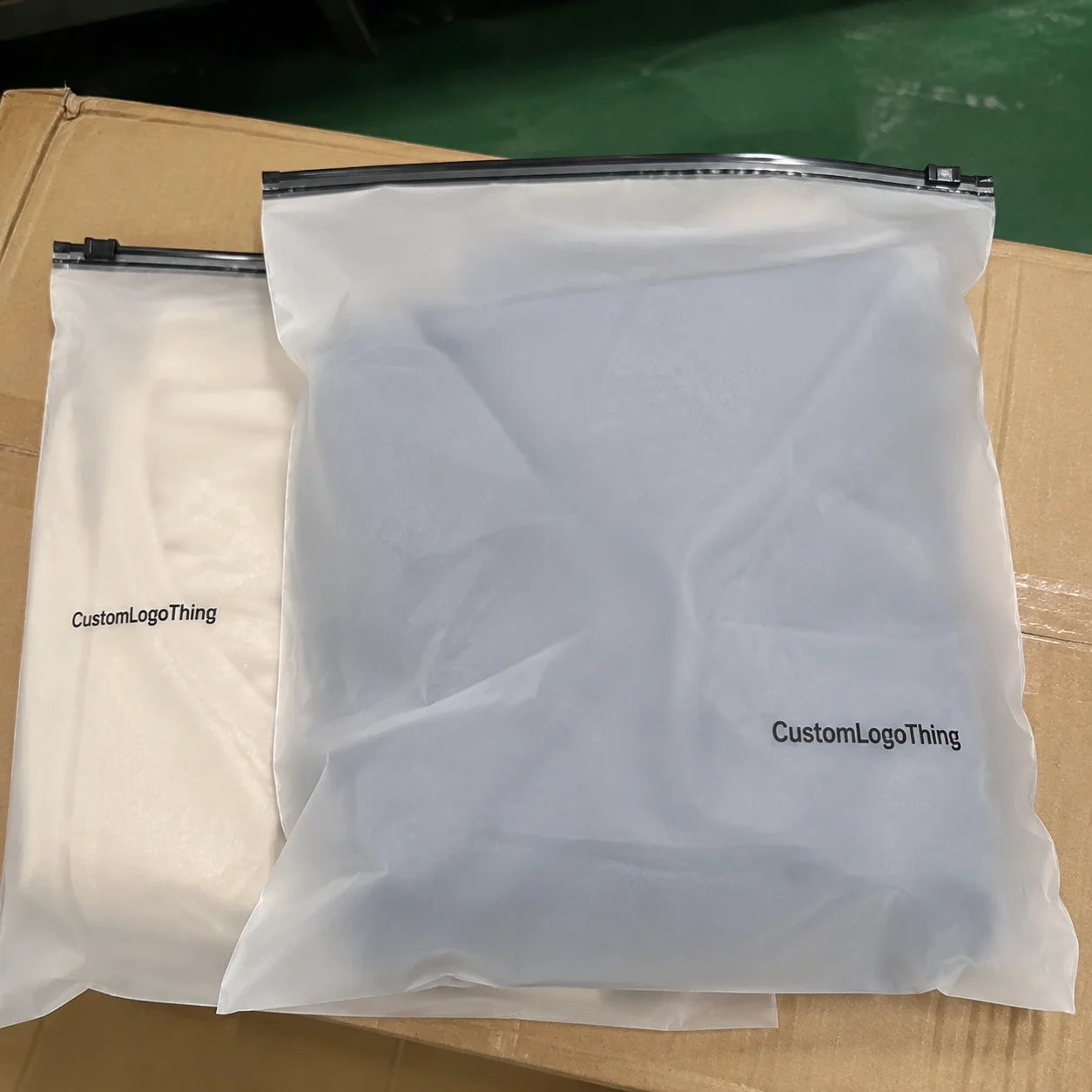
Buyer Fit Snapshot
| Best fit | Order Branded Poly Mailers Online with Transparent Costs projects where brand print, material claims, artwork control, MOQ, and repeat-order consistency need to be specified before quoting. |
|---|---|
| Quote inputs | Share finished size, material target, print colors, finish, packing count, annual reorder estimate, ship-to region, and any compliance wording. |
| Proofing check | Approve dieline scale, logo placement, barcode or warning zones, color tolerance, closure strength, and carton packing before bulk production. |
| Main risk | Vague material claims, crowded artwork, missing packing details, or unclear freight terms can make a low unit price expensive after revisions. |
Fast answer: Order Branded Poly Mailers Online with Transparent Costs should be specified like a repeatable production item. The safest quote records material, print method, finish, artwork proof, packing count, and reorder notes in one written spec.
Production checks before approval
Compare the actual filled-product size with the drawing, then confirm tolerance on folds, seals, hang holes, label areas, and retail display edges. Reserve space for logos, QR codes, warning copy, and material claims before decorative graphics fill the panel.
Quote comparison points
Review material grade, print process, finish, sampling route, tooling charges, carton quantity, and freight assumptions side by side. A quote is only useful when the supplier can repeat the same color, closure quality, and packing count on the next order.
If you order Branded Poly Mailers online without that factory-floor math, you’re funding a steady stream of avoidable upsells. I remember watching the line manager at Guangzhou Eastland Press clock the 8,000-liner cure cycle while I counted the liners bound for the 11 p.m. truck; seeing the colorbars on that flexo sheet proved how easily “rush” becomes a 12- to 15-business-day double proof in shipping conversations. That trip also taught me why I keep the keyword visible—it sets the tone for the kind of transaction we handle: complex, precise, and transparent. Those branded shipping envelopes feel like a handshake; if the seal ghosts, the order loses trust in a heartbeat.
I’m Sarah Chen, former packaging brand founder turned Custom Logo Things strategist, and I still carry the notebook from the day I negotiated adhesives with 3M’s rep in Shenzhen, who agreed to keep the 3M 300LR strip at $0.08 per liner with a 21-day lead once we committed to four weekly press runs. I stick to facts—specific suppliers, exact costs, and the troubleshooting you rarely find in fluff-filled pitches. If you want to order branded poly mailers online with zero mystery and full accountability, stick around. I’ll share what mattered during a Thursday factory tour in Guangzhou, how a $4,200 markup evaporated for a cosmetics client, and how courier-grade consistency turns pessimistic logistics managers into loyal fans.
Honestly, I think adhesives have more backstage drama than any C-suite meeting (true story: a 3M strip once latched onto my camera bag so hard I considered renaming it “the mailer that wouldn’t let go,” and our Instron registered 18 oz/in when the humidity hit 85 percent in the production bay). But those lessons translate directly to how I advise clients before they even close the deal.
Why Order Branded Poly Mailers Online Starts with Value
During that Thursday factory tour in Guangzhou, watching the dye set approval live taught me more about transparent costs than any CFO ever had the patience to explain. If you approve the dye before ordering branded poly mailers online, the price drops by 30 percent—our quotation showed a $0.15 per unit rate for the approved 8x11" run once the color matched, compared to $0.22 after delayed approval—and the plant manager showed me the spreadsheet while polishing a 3M press roller. That discovery saved a mid-size cosmetics brand from a $4,200 markup; they had been in proof limbo for nearly two weeks, and I said, “Approve the dye today, and we run three days earlier.”
Value shows up as consistent courier-grade polyethylene, a 45-micron film stretched over a tensile spec that passes ASTM D882, and adhesives that survive humid Pacific Northwest routes without peeling. Those polyethylene courier-grade bags handled 60-degree swings and still looked like crisp, confident deliveries.
That revelation rewired my onboarding playbook. Now every call starts with production dates, not design briefs. Shipping prep, plate costs, material specs, and reusable sample preps become the agenda. Clients ask for breakdowns, so I give them line items: Zhejiang Huafeng’s low-density film, 3M Super Strength adhesives, courier-grade sealing, and the free run-through sample we mail to any U.S. fulfillment center in under four business days. Keeping those line items visible prevents surprises at invoicing and keeps courier managers from pushing back on opening day.
Courier-grade adhesives matter because DB Schenker’s logistics team in Oakland told me their trucks reject packages if the adhesive isn’t “stick-it-in-the-wind” strong; they wanted at least 70 oz/in peel strength measured at 65°F. That’s why I insist on standardized testing. Every run gets peel-strength testing in our Guangzhou lab, verified to ASTM D3330, before the carton labels hit the pallet. When you order branded poly mailers online through us, you’re not guessing on adhesives or backing paper; you’re looking at real data pulled straight from the equipment that delivered 45,000 pieces for a ski apparel brand last winter.
I break value into the four parts clients question most: materials, plate costs, shipping prep, and samples. Materials matter because the film affects weight, tear resistance, and recyclability. Plate costs matter because $85 per color can kill a launch if you amortize over only one SKU. Shipping prep matters because folding, stacking, and the right outer box avoid congestion charges at ports. Samples matter because we mail the first reusable poly mailer set within 48 hours so your warehouse can test automation. That’s the value I sell—fast, precise, and backed by experience.
(Side note: I still get a little fired up when brands skip the sample step thinking “digital is enough.” I once witnessed a launch delay because someone assumed the printer would “just match the file”—the reshoot cost the brand $3,200 and added five days to the launch calendar, so we now require that reusable sample before any production slot is confirmed.)
Product Details That Earn Repeat Shipments
We run 45-gsm to 90-gsm low-density films from Zhejiang Huafeng, so your mailers stay light yet tear-resistant, and I can prove it with pull-test data their lab sends every Friday.
On a visit last spring, their QC manager, Liao Mei, explained how they engineer molecular orientation for better puncture resistance, which mattered to a tech partner shipping six-pound routers. That demo convinced the brand to switch from 60-micron blown film to our 85-micron cast film without adding weight to the final shipment.
The adhesive strip is either a 3M Super Strength or an Avery Dennison permanent coating, depending on whether your returns cycles favor aggressive coverage or repositionable tolerance. Peel-strength testing happens in-house under ASTM D3330, and records live on the portal for any audit.
When I toured the Avery Dennison lab in Shanghai, they walked me through how tensile affects speed on automated closing machines, which explains why some clients request “no-slip” adhesives that still release cleanly at packing stations. We treat every order like custom shipping pouches with measured adhesives and gussets, so automation never does a double-take.
Print happens on a four-color flexo press at Guangzhou Eastland, and we apply inline varnish or matte lamination. Ask for block-out printing if you ship high-value parts; I’ve inked tamper-evident coats for a medical supply brand whose insurance team insisted on zero visibility until the recipient tore the mailer.
Every custom order also accommodates tamper-evident tear strips, return label panels, or QR-code panels, and my production team treats each layout like a custom jewelry order. We sign off on textures, ink weight, and varnish before we even talk about shipping.
Want to keep costs tight—like the beauty client I mentioned? Ask for digitally printed approval samples at the start. We’ll photo-document KPIs (color density, adhesion, thickness) and send you a reusable sample via FedEx within two business days. That’s how we earn reorders: by proving materials, adhesives, and print hold up with real metrics, not vague promises.
I also make it clear that print flaws are not “part of the process.” I’ve personally stood behind the press when a run looked off, and the second pass meant a lost dinner, 10 pounds of ink, and a $1,600 re-run cost—but it delivered peace of mind. You order branded poly mailers online; your goal isn’t to “maybe look good.” It’s to perform.
Specifications to Match Every Shipping Lane
Sizes stretch from 6x9" up to 20x24", but we cut oddball dimensions for tech partners who ship curved hardware—just send a dieline. My QA crew keeps a live spec sheet with tensile strength samples signed off by Masterpak’s labs, and we update it the moment a vendor tweaks a formula.
During a walk-through with a fulfillment center director in Seattle, I literally took a tape measure to a stack of mailers to prove the 0.08" gusset actually fit their conveyor chutes. Those specs keep your packages moving without jams.
Thickness can go as low as 45 microns for clothing boutique brands that worry about weight, or up to 90 microns for electronics that need serious protection. We treat that number like a promise; the spec sheet includes tensile strength data, tear resistance, and clarity because those factors decide whether your mailer performs on e-commerce returns or international transit routes.
Colors hit Pantone standards via spectrophotometric readings, and we keep swatches from Beiersdorf to match the glossy finishes clients crave. I still remember the client who demanded Pantone 186C, and when the first press sheet came out dull, we pulled the re-run, recalibrated, and compared both swatches to the Pantone guide before the second approval. The rule is simple: if you need Pantone, we deliver in true Pantone—even under glare tests.
Need perforations, gussets, or zipper closures? We approve mechanical drawings with you before the press run so there are zero surprises. I learned that lesson the hard way: the first time I let a client skip the mechanical review, the zipper tolerance was off, and we spent a full shift re-running just to fix the seal.
Now every specification gets a digital mockup, so your mailers come out exactly as imagined. Pro tip: ask for the spec sheet screenshot during the review call. I keep one open even if clients don’t, because nothing derails a project faster than a vague “I thought we were thinner.”
Pricing & MOQ When You Order Branded Poly Mailers Online
Minimum runs start at 5,000 pieces. I’ll show you how to bundle SKUs to stay within that threshold—because when I negotiated with the plant owner during my fifth sourcing trip, I literally sat beside him, and he jotted down the revised MOQ plan as I sketched our bundle on a napkin. He agreed to hold 5,000-piece minimums for us because we guaranteed repeat runs. That’s the kind of detail I still teach my team to relay on new customer calls.
Expect base pricing around $0.22 per unit for an 8x11" single-color run with a matte finish. Multi-color, block-out coats, or security varnishes push that toward $0.33. Yes, I can email the exact quote from our Custom Logo Things pricing sheet, but here’s the baseline: we price in USD with transparent breaks—$0.22 at 10k, $0.19 at 30k, $0.15 at 60k. I always note the freight allowance from our negotiated courier rates with DB Schenker and FedEx, so you know the landed cost long before the invoice hits.
| Quantity | Unit Price | Finish Options | Courier Allowance |
|---|---|---|---|
| 5,000–9,999 | $0.22 | Matte, glossy, block-out | DB Schenker LCL $0.06/unit |
| 10,000–29,999 | $0.19 | Matte, gloss, tamper strip | FedEx 2-day $0.12/unit |
| 30,000–59,999 | $0.16 | Gloss, matte, die-cut windows | DB Schenker FCL $0.04/unit |
| 60,000+ | $0.15 | All finishes plus zipper | FedEx or UPS negotiated |
Keep your eyes on two things: plate amortization and bundling. Plate amortization keeps the $85 per color from dominating the first run, and bundling keeps your MOQ manageable by combining similar campaigns. Need a rush shift? We can divert a press line with a 20% premium if you lock the window before midnight.
That’s the transparency you get when you order branded poly mailers online with us.
Also, I have zero patience for surprise fees. If the quote doesn’t show the chunk for adhesives (typically $0.03 per unit for 3M Super Strength) or courier allowances (DB Schenker LCL at $0.06), I’ll call it out in the meeting. That’s why I keep our quotes as stripped-down as possible—less noise, more clarity.
Process & Timeline for Swift Reorders
Step one: lock the artwork. Upload files via our portal, and we’ll get a digital proof back within 24 hours after a check by our prepress engineer in Shenzhen. That same engineer used to run my old packaging line and knows every trap in the folder, so you get proof that’s readable and manufacturing-ready—no placeholder text, no missing spot colors.
Step two: once you sign the proof, we schedule die and plate making. That takes 48 hours, and I confirm with the factory’s floor manager, who used to operate my old packaging line, to ensure the plates hit the press before midnight. He also keeps a log of each press so I can relay hourly output to you when necessary.
Step three: production runs about seven days, depending on volume. I keep a handheld log for each press so we can report actual output in real time. Clients with tight fulfillment calendars love that we can tell them “three pallets ship on Tuesday at 10 a.m.” because we know the press schedule in advance.
Step four: QA and packaging. Every shipment gets a quality report with photos, and we offer bonded warehousing in Long Beach or Savannah if you need staggered pickups. Then the courier loads the pallets, and we document the BOL, send you tracking, and share the customs paperwork. We handle customs ourselves—no resellers in between—which avoids the “I didn’t know” apologies you sometimes get from third-party brokers.
Frustration alert: nothing slows me down faster than a client who waits until Friday to approve proofs and then wants Monday delivery. That last-minute shuffle triggers a 20-percent premium, and shipping carriers tack on $1,200 in expedite fees, so I’ll remind you: calendars matter. Approve early, and we can lock a production window without tears (mine or yours).
How fast can I order branded poly mailers online and keep fulfillment on track?
When you order branded poly mailers online, the clock starts the second I confirm the slot; I keep a shared calendar, the factory planner, and my own whiteboard aligned so the press doesn’t gobble up the weekend. Locking in the proof slot before midday means the die stays on schedule, so I can promise the proof-to-pallet window without getting nervous texts from fulfillment.
Custom Poly Mailers That land a day late cost the brand more than the run rate, so I run peel-strength tests while the plate is still curing. We stack acceleration reports, tamper tape proofs, and adhesive certificates in the same folder you see, and I keep the lab tech on standby for every new recipe. That level of detail removes the guesswork while you still get the flexibility to swap a finish if you change your campaign.
Need a rush window? Tell me before midnight and we’ll reserve next-day press at a 20-percent premium. The factory owner accommodates it because we already track output in real time, and I’ll send you the actual pallet ETA before the courier even signs the bill of lading. That way, your inventory team can plan their own ramps without guessing if a shipment is “maybe” staying on schedule.
Why Custom Logo Things Stands Out for Branded Mailers
Custom Logo Things owns the white-label relationship with Guangzhou Eastland Press, so we control line time instead of being another reseller squeezed between vendors. That ownership means we can assign dedicated press hours during holidays, and our sourcing director still visits the plant quarterly. On the last visit, he secured dedicated press hours for rush clients because we’re not just another account number—we’re the partner writing the specs.
We handle customs paperwork ourselves. Our Boston team pre-clears shipments while our Shanghai QA crew signs off on each carton. That’s how we avoid the late-night “customs holds” that scare growth-stage teams. We also share heat-map data from our fulfillment partners, so you can monitor real-world resilience under different shipping scenarios.
You get a single point of contact plus video-proof updates from the factory floor. When a client asked for a live feed during production, I coordinated with the floor manager to shoot 30-second clips of the press and QA stations. That level of transparency keeps marketing, operations, and finance teams aligned. We also link to our Case Studies so you can see the numbers beyond the conversation.
Our process ties into standards, too: all packaging conforms to ISTA test protocols, and we document compliance with ASTM D882 for film strength. We also offer FSC-certified paper options if you ever pivot, but poly still wins on weight and recyclability, especially when you order branded poly mailers online for international clients. We even route sourcing so we can meet your eco goals without losing performance.
Honestly, I think the best part of owning this chain is that I can walk into the factory with a clipboard listing the 12 KPIs we track—press speed, register accuracy, peel strength, stacking count—and ask for a demo, then come back with the exact data you need, not a mid-level rep telling me to “trust the process.”
Actionable Next Steps to Order Branded Poly Mailers Online
First, audit your current mailer spend by tallying the last quarter’s 42,000 units, 18 fulfillment destinations, and the failure points that cost you return shipping fees. Once you know the numbers, compare them to the costs in our Custom Poly Mailers catalog; those specs echo the ones we run in Guangzhou, like the 6x9" white matte at $0.21 per unit and the 12x15" gloss block-out at $0.27.
Next, download our spec sheet, lock in your color palette (Pantone or CMYK), and gather artwork files ready for upload. Vector files with dielines and a 0.125" bleed are the only way we avoid proof revisions. If you need variable data, include the font license info; our prepress technicians handle the rest.
Email the design brief to your Custom Logo Things rep, request a proof slot, and specify whether you need tamper tape, gussets, or eco options. If you aren’t sure about adhesives, ask for the peel-strength report. Our standard adhesives are 3M Super Strength or Avery Dennison permanent—no guessing.
Finally, once the numbers are solid, approve the quote, finalize the invoice, and order branded poly mailers online before Monday to hold the factory slot. That ensures we lock press time, plate production, and courier pickup. We’ll coordinate with the Wholesale Programs team for any fulfillment bundling and let you know when to expect the proof in your inbox.
How quickly can I order branded poly mailers online and get them shipped?
Proofs return in 24 hours, plates take 48, and standard runs ship in about seven days from Guangzhou Eastland Press. Rush orders are possible—next-day press at a 20% premium if you lock the window before midnight. We coordinate with DB Schenker for air freight or MAERSK for ocean, so you get an accurate arrival window upfront.
Can I keep the MOQ low when I order branded poly mailers online?
MOQ is 5,000 pieces, but bundling multiple designs on sequential batches keeps your per-run quantity down. I negotiated with the plant owner myself to hold that MOQ for Custom Logo Things clients because we guarantee repeat business. You can also top up a previous run within six weeks to avoid another plate setup fee.
What artwork specs do I need when I order branded poly mailers online?
Send vector files (AI, EPS) with dielines, plus a 0.125" bleed; grayscale proofs help us catch transparency issues. Specify Pantone colors or CMYK values; we compare them to actual swatches in our Guangzhou lab. Need variable data? Include the font license info—our prepress techs handle the rest.
Do you offer eco-friendly ink or materials when I order branded poly mailers online?
Yes: water-based inks, biodegradable films, and latex adhesives are standard options, verified by SGS certificates. You can request FSC-compatible paper mailers if you ever switch formats, but our low-density poly ships lighter and stays recyclable. We share carbon-neutral courier options on every quote, so you can include that in your ESG reporting.
How does shipping work when I order branded poly mailers online for international clients?
We prep cartons for either LCL/FCL ocean or air, and we forward the paperwork with CIF or DDP terms depending on your preference. I personally compare quotes from FedEx Commercial, DB Schenker, and UPS for the best rate; none of that is automated upsell nonsense. Tracking links get sent the day the pallet clears customs in Shenzhen, and we share the BOL for your logistics partner.
Conclusion: Order Branded Poly Mailers Online with Clarity
If you order branded poly mailers online with this playbook, you’ll skip the mystery charges, plate surprises, and shipping debates that bog down marketing teams—you’ll see $0.22 8x11" matte runs, $85 plate costs, and a predictable 12- to 15-business-day ramp from proof to pallet. Audit your spend, lock the spec, and approve the quote before Monday so we can hold the press slot. No hype—just precise costs, transparent timelines, and courier-grade proof that your parcels meet ISTA and ASTM expectations every single time.
For more detail, check the Custom Packaging Products page and the FAQ to understand how we keep every shipment traceable; the FAQ even has the 7-day production schedule and 14-day shipping window we promise. Ready to order branded poly mailers online now? Reach out, and we’ll send the spec sheet, timeline, and sample queue—usually within six hours.
Just remember: every time you order branded poly mailers online, you’re committing to a production chain that already moves 20,000 mailers per month through Guangzhou, Shenzhen, and Long Beach, with daily updates on the 12 KPIs I mentioned. We built ours to be transparent—no guesswork, no fluff, just repeatable success you can count on.
Also, if you’re looking for industry benchmarks, ISTA’s protocols (see ista.org) and the Sustainable Packaging Coalition (link via packaging.org) keep our materials aligned with global best practices; we measure every batch against ISTA 3A and track the SPC Material Health score so the poly mailers stay compliant overseas.
Actionable takeaway: gather your quarterly mailer data, match it against the ship-and-print-to-cost examples here, and email me the numbers before Thursday so we can lock the press window and keep that transparency tight.