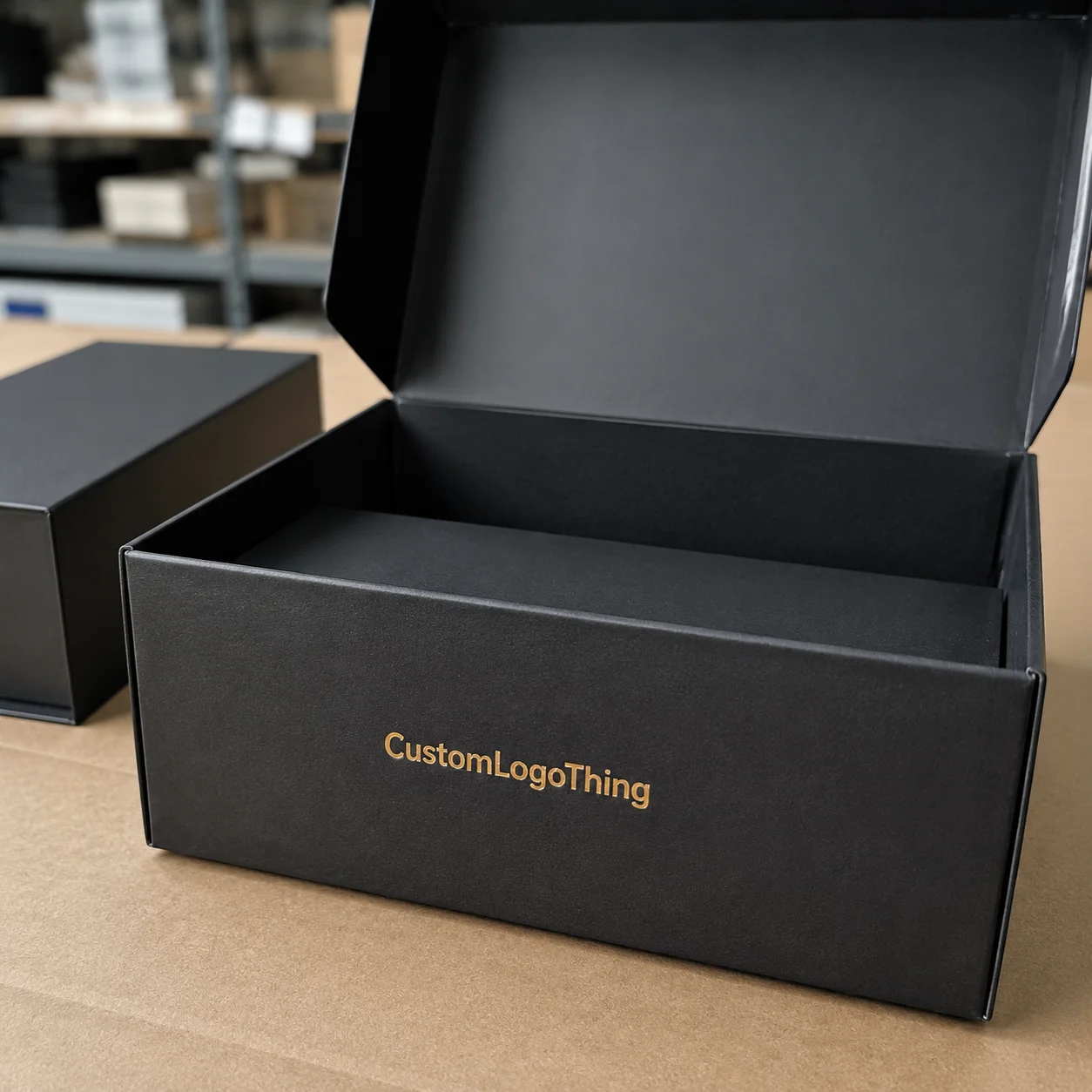
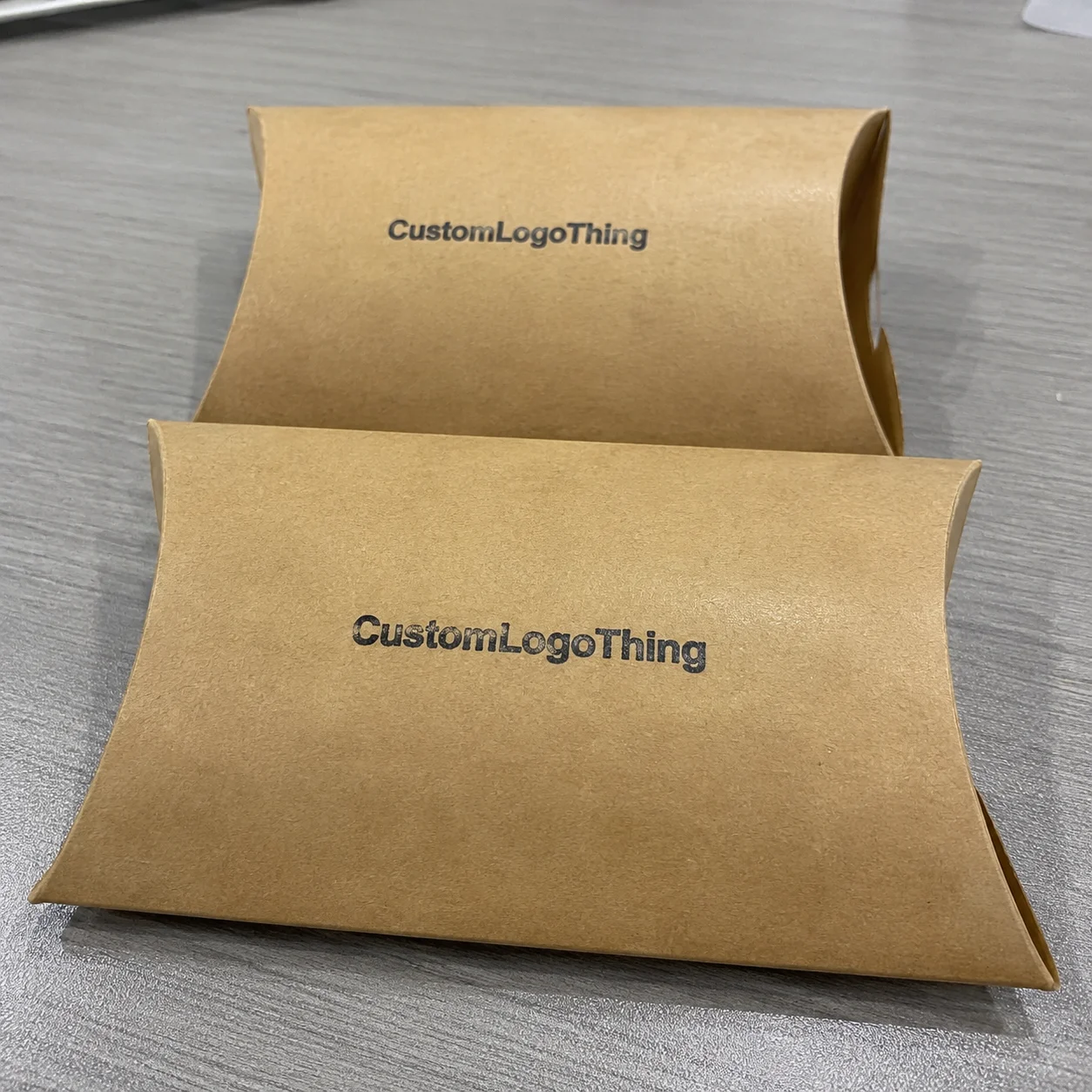
Buyer Fit Snapshot
| Best fit | Order Branded Rigid Box Sample Kits With Confidence projects where brand print, material claims, artwork control, MOQ, and repeat-order consistency need to be specified before quoting. |
|---|---|
| Quote inputs | Share finished size, material target, print colors, finish, packing count, annual reorder estimate, ship-to region, and any compliance wording. |
| Proofing check | Approve dieline scale, logo placement, barcode or warning zones, color tolerance, closure strength, and carton packing before bulk production. |
| Main risk | Vague material claims, crowded artwork, missing packing details, or unclear freight terms can make a low unit price expensive after revisions. |
Fast answer: Order Branded Rigid Box Sample Kits With Confidence should be specified like a repeatable production item. The safest quote records material, print method, finish, artwork proof, packing count, and reorder notes in one written spec.
Production checks before approval
Compare the actual filled-product size with the drawing, then confirm tolerance on folds, seals, hang holes, label areas, and retail display edges. Reserve space for logos, QR codes, warning copy, and material claims before decorative graphics fill the panel.
Quote comparison points
Review material grade, print process, finish, sampling route, tooling charges, carton quantity, and freight assumptions side by side. A quote is only useful when the supplier can repeat the same color, closure quality, and packing count on the next order.
I still remember a premium skincare launch that missed its retailer window by 11 days because nobody tested the magnetic flap against insert tolerances before production. Painful call, painful week, painful postmortem. If that team had decided to order branded rigid box sample kits first, they would have caught interference between a 1.5 mm EVA insert edge and a 10 mm magnet channel before 18,000 cartons were assembled. Honestly, that one incident taught me more about risk control than any slide deck I’ve seen in a boardroom.
Your next launch might have a fixed shelf date, investor-facing pressure, or a multi-SKU lineup that has to look unified at one glance. In that setup, the fastest way to reduce packaging risk is to order branded rigid box sample kits built around clear specs, measured tolerances, and documented approval criteria. I’ve worked with teams in Shenzhen, Dongguan, and Los Angeles that saved five-figure rework costs by validating structure first and finishes second. Same logic whether you’re producing 2,000 gift boxes or 200,000 retail units. The math is kinda boring, and that’s exactly why it’s reliable.
Why teams order branded rigid box sample kits before full production
Most teams obsess over color first, but structure is usually where failures begin. A 1–2 mm wrap variance on a rigid setup box can change perceived quality more than a slight Pantone drift, and it can slow hand packing by 20–30 units per hour on a six-operator line. I’ve seen this repeat across fragrance, electronics accessories, and premium tea programs, usually right after someone says, “It looked perfect on screen.”
One client in Austin was launching a book-style magnetic box for a direct-to-consumer headset. On paper, the spec looked right: 1200 gsm greyboard, 157 gsm C2S wrap, soft-touch lamination, and dual magnets. Physical testing told a different story. The insert shoulder sat high by roughly 1.8 mm, stopping the lid from closing flush.
They chose to order branded rigid box sample kits with two revised insert heights and one alternate magnet position. The corrected sample closed cleanly, lowered return risk from transit scuffing, and removed the need for a full-carton rework on run two. I still remember popping that fixed sample shut for the first time and hearing the room exhale.
That’s the practical value. Teams that order branded rigid box sample kits validate more than appearance. They verify dielines, fitment, assembly rhythm, closure behavior, and brand consistency before purchase orders lock materials and tooling. Procurement managers get fewer change orders, operations leads get steadier pack-out, and agencies managing 8–20 SKUs avoid cross-size design failures that are expensive to unwind late.
A strong sample kit helps finalize decisions on:
- Box format (telescopic, shoulder-neck, magnetic book, drawer/slipcase)
- Board thickness (commonly 1000, 1200, 1500, or 1800 gsm equivalents)
- Wrap stock (157 gsm art paper vs textured specialty wraps)
- Insert type (EVA, paperboard, molded pulp, or flocked tray)
- Finish stack (foil + emboss + soft-touch + spot UV, or simplified alternatives)
Teams that order branded rigid box sample kits before full production usually see measurable gains: fewer revision loops, cleaner QA criteria, faster sign-off, and lower probability of chargeable post-approval edits. I’ve watched approval time drop from 21 days to 9 business days simply by requiring a go/no-go checklist with each sample shipment. Not glamorous. Very effective.
What is included when you order branded rigid box sample kits
Once you order branded rigid box sample kits, expect more than one polished box. A useful kit includes enough structure and finish variation to support a real purchasing decision. The best kits I’ve reviewed combine physical samples with engineering documentation so brand, sourcing, and operations approve from the same spec sheet. If I only get a “beauty sample” with no dimensional notes, I immediately ask for build data.
Most kits include assembled rigid setup boxes, and sometimes flat or semi-knockdown versions when freight and storage strategy are under review. Teams that order branded rigid box sample kits typically request at least two insert constructions—EVA versus paperboard cradle is common—because insertion speed and premium feel can differ sharply during pack-out. If you’re evaluating Custom Packaging Prototypes across regions, this side-by-side method cleans up decision-making fast.
Common box structures included in sample kits
- Shoulder-neck rigid boxes for high-end cosmetics and jewelry
- Book-style magnetic closure boxes for electronics, welcome kits, and gifting
- Telescopic two-piece boxes for apparel accessories and candles
- Drawer/slipcase boxes with ribbon pull for premium unboxing sequences
- Lift-off lid formats for straightforward retail presentation
Branding elements often tested
Teams that order branded rigid box sample kits often test CMYK plus one Pantone reference, then layer finish options: hot foil stamping, emboss/deboss, spot UV, matte or soft-touch lamination, and ribbon pull tabs. If your logo includes fine linework under 0.3 pt, test foil registration on your exact wrap stock. Textured paper can soften edge sharpness compared with C2S art paper, and that difference is easier to catch in hand than on screen.
I prefer checking samples under both neutral office light and warmer retail light. Surprises love bad lighting.
A complete kit should also include engineering files: dieline PDF, dimensioned spec sheet, tolerances (often ±0.5 to ±1.5 mm depending on process), and pack-out guidance. I always recommend a one-page loading-sequence note for operations teams. That single page prevents insert cracking and corner crush during first-shift assembly, and it saves everyone from the classic “who changed this?” email chain at 7:12 a.m.
Many clients also use these kits in sales meetings, retail buyer pitches, and investor presentations. One beverage startup used a hand-finished rigid box sample in a funding deck, then took the approved structure into production with only one finish simplification to hit cost targets. That worked because they chose to order branded rigid box sample kits in clear prototype stages: white dummy, digital prepress sample, then near-production hand-finished sample.
Technical specifications to confirm before approval
Before final sign-off, every team planning to order branded rigid box sample kits should run a technical checklist covering materials, dimensions, finishes, and performance. Skip that step and you can approve something that looks excellent in a conference room but fails on the packing table or in transit. I’ve lived through that exact scenario, and I wouldn’t wish it on anyone.
Material specs that matter
Start with board and wrap. Standard rigid greyboard usually ranges from about 1000 to 2000 gsm equivalents, with 1200–1500 gsm common in premium retail programs. Wrap stock may be 128 gsm, 157 gsm, or 182 gsm art paper; textured specialty stocks vary by mill, emboss pattern, and coating system. If you order branded rigid box sample kits in both art and textured wraps, foil edge definition and scratch visibility can be compared side by side under the same conditions.
Adhesive choice matters more than most people expect. Water-based glues can reduce odor but may behave differently in high humidity, while hot-melt systems can improve bond speed on certain lines. Skincare and fragrance brands often request low-odor adhesive so unboxing doesn’t suggest product contamination. My view: if fragrance integrity is part of your brand promise, adhesive selection belongs in your top-tier specs, not buried in a note.
Dimension and fit checkpoints
- Internal vs external dimensions (confirm both in mm)
- Product clearance (typically 1.0–2.5 mm depending on fragility and insert type)
- Insert compression and rebound behavior
- Corner radius consistency across cavities
- Lid-to-base friction fit and opening force
I advise clients to test 5–10 actual product units in each sample, not just one hero unit. Product tolerances vary across lots, and packaging has to absorb that reality. One hero unit is a photoshoot. Ten units is operations truth.
Print and finish controls
If you order branded rigid box sample kits with Pantone targets, define acceptable deviation in writing. Substrate and coating affect perception; the same Pantone on soft-touch laminate can read more muted than on matte aqueous. Foil registration tolerance is often around ±0.2 to ±0.5 mm depending on press setup, die condition, and paper behavior. Deboss depth should be checked consistently, especially near edges where board support changes.
Scuff and abrasion checks are essential for dark wraps. I’ve seen Matte Black Boxes fail visual QA after only 20–30 carton-to-carton rub cycles in transit simulation. A small coating adjustment fixed shelf appearance without changing board spec. Matte black still looks incredible, but it has to earn its place in the final build.
Performance tests to request
When you order branded rigid box sample kits, request stress checks that reflect your fulfillment path:
- Basic drop/handling simulation for assembled pack-out
- Hinge cycle test for book-style formats (open/close repeatability)
- Magnetic alignment repeatability across 10+ openings
- Scuff evaluation on outer wrap and foil zones
For standards context, review guidance from ISTA on transit testing and FSC on certified fiber sourcing if sustainability claims are part of your launch messaging. One honest disclaimer here: FSC availability can vary by paper mill and by month, so confirm chain-of-custody details before promising specific claims on pack.
Sample approval checklist teams can use
| Category | Spec Target | Observed Result | Status |
|---|---|---|---|
| Internal Dimensions | 230 x 160 x 65 mm ±1.0 mm | 229.6 x 160.4 x 65.3 mm | Pass |
| Board Thickness | 1200 gsm rigid board | Measured equivalent within tolerance | Pass |
| Foil Registration | ±0.3 mm max drift | 0.25 mm average drift | Pass |
| Magnetic Closure | Flush close, no insert interference | Interference at right edge | Revise |
| Scuff Resistance | No visible marks after 30 rub cycles | Minor marks at corners | Conditional |
Pricing and MOQ when you order branded rigid box sample kits
Sample units cost more per piece than production units, and that’s normal. Teams that order branded rigid box sample kits are paying for concentrated hand labor, setup time, short-run waste, and manual finishing passes. A single branded sample can pass through 6–12 touchpoints before shipment, especially with foil, emboss, and custom insert assembly.
The biggest sample cost drivers are box size, structural complexity, insert material, finish count, and revision rounds. EVA insert prototyping usually costs more than folded paperboard inserts. Molded pulp may require separate development time depending on geometry and cavity behavior. If you order branded rigid box sample kits with two structures and three finish stacks, upfront cost rises, but decision quality rises with it. I’d rather spend carefully on sampling than pay emotionally for rework later.
Practical pricing ranges I see most often
| Sample Type | Typical Unit Range | Lead Time Range | Best Use |
|---|---|---|---|
| Plain white structural mockup | $35–$95 | 3–6 business days | Fit and opening mechanics |
| Digital print prepress sample | $85–$220 | 6–10 business days | Artwork placement and hierarchy |
| Near-production hand-finished sample | $180–$650 | 10–18 business days | Final sign-off for finish stack |
Production MOQ is a separate decision from sample MOQ. In many programs, you can order branded rigid box sample kits without a large minimum, then move to production MOQs such as 1,000, 3,000, or 5,000 units depending on structure and finish complexity. As a directional benchmark from recent quotes, simple two-piece rigid boxes can land around $0.78–$1.40 at 5,000 units, while complex magnetic kits with EVA and multi-pass finishing often sit around $2.10–$4.80 at similar volume. Actual pricing moves with paper markets, labor seasonality, and freight.
Separate charges often include metal dies for foil/emboss, special Pantone ink mixing, custom molds, and expedited schedules. If timing is tight, ask for a stage-gated path: first order branded rigid box sample kits as structural dummies, then approve one hero SKU in full finish before scaling across the family. That approach often cuts sampling spend by 20–35% without weakening confidence. I’ve used this during ugly launch crunches, and it keeps teams sane.
The best financial lens is simple: compare sample cost against rework risk. A $600 sample program that prevents even 2,000 unusable cartons at $1.90 each saves $3,800 immediately, excluding delay costs tied to missed launch dates. If finance asks why you sampled, that sentence usually settles it.
Process and timeline: from brief to approved sample kit
Fast-moving teams follow a disciplined sequence. If your goal is to order branded rigid box sample kits efficiently, map each step and assign ownership at kickoff. I’ve run this workflow with startups and Fortune 500 teams, and the structure stays pretty consistent across categories.
- Discovery brief (product dimensions, audience, unboxing goals, budget band)
- Artwork and dieline review (AI/PDF checks, bleed, safe zones, panel logic)
- Engineering feasibility (board/insert compatibility, closure mechanics, tolerance mapping)
- Quote confirmation (sample scope, revision policy, freight, optional tooling)
- Prepress prep (color setup, proofing plan, finish callouts)
- Sample fabrication (structure build, wrap, finishing, insert fitting)
- QA inspection (dimensions, print position, closure, cosmetic review)
- Shipment and feedback loop (courier + consolidated revisions)
Before teams order branded rigid box sample kits, buyers should provide product dimensions with tolerances, target tactile feel, brand files, finish priorities, and destination details. Missing inputs create avoidable delays. I’ve seen projects slip four business days because only external box dimensions were shared while internal fit requirements were assumed instead of documented. That delay was accompanied by me muttering into my coffee.
Timelines vary by sample type. Plain structural samples can move in 3–6 business days. Printed and finished samples often need 8–18 business days, depending on curing, die prep, and hand assembly. If you order branded rigid box sample kits with custom foil dies and molded components, add extra days for tooling readiness and test pulls.
Revision management should be defined in plain language. Structural revisions change dimensions or opening mechanics and usually require a fresh build, which can reset timing. Cosmetic revisions—foil color tweaks or spot UV area edits—may move faster if structure stays fixed. Set that distinction before you order branded rigid box sample kits, and approvals stay more predictable.
International logistics can shape final schedule outcomes. Courier transit from South China to major U.S. hubs can be 3–5 days in stable conditions, but customs paperwork for non-commercial sample declarations must be accurate to avoid holds. Correct declared value and material composition reduce clearance friction. I once watched a sample kit sit because someone wrote “paper gift” with no HS context—three words, three days lost.
“We cut two rounds out of our approval cycle by appointing one decision owner and sending one consolidated feedback sheet instead of five separate email threads.” — Operations Director, beauty brand with 14 SKUs
What works in practice: assign one approval owner, batch comments into one revision file, and pre-approve acceptable material substitutions if stock shortages appear. Teams that do this can order branded rigid box sample kits and finish approval in roughly half the time of fragmented teams.
Why choose Custom Logo Things for branded rigid box sample kits
Custom Logo Things stands out because their sampling process is tied to production reality, not presentation-only mockups. If you order branded rigid box sample kits with them, you get engineering-aware guidance on tolerances, material behavior, and assembly practicality—the areas procurement teams actually need before committing to volume.
Suppliers who communicate constraints early are easier to trust. Custom Logo Things documents checkpoint reviews from dieline verification through final QA, and they can share photo or video updates when needed. That visibility matters when agencies and brand teams are coordinating across time zones and multiple approvers. I like vendors who say, “Here’s the issue, here are two fixes,” not vendors who vanish until invoice day.
Material and finish depth is another advantage. You can order branded rigid box sample kits across multiple board grades, wrap stocks, insert architectures, and finish combinations while keeping specs organized for a clean handoff into bulk production. Their practical philosophy—don’t over-spec features that add cost but not customer value—aligns with how experienced sourcing teams protect margin.
Commercial terms are clear, revision impacts are explained, and scope boundaries are easier to manage than with vendors that bury costs inside vague “all-in” language. Teams comparing suppliers should review Case Studies and the detailed FAQ to set realistic expectations on lead times, revision handling, and approval workflow.
Brands scaling beyond a single SKU usually need pilot-run support and family-style packaging systems. You can start with one hero design, then expand through coordinated specs and volume planning in Wholesale Programs. That path keeps brand consistency tight while unit economics improve at larger run sizes.
Most importantly, documentation is procurement-friendly. If you order branded rigid box sample kits with formal approval records—spec sheets, revision logs, signed go/no-go notes—you keep a clean audit trail for internal sourcing controls.
Next steps to order branded rigid box sample kits efficiently
Speed and accuracy start with a concrete checklist before you order branded rigid box sample kits. Share product dimensions in mm, tolerance targets, brand assets, required finishes, budget band, and final decision owners. Teams that lock these six inputs early usually avoid at least one revision round.
Action checklist before requesting a quote
- SKU list with product dimensions and weights
- Target box style per SKU (or candidate structures)
- Insert requirements and pack-out method
- Brand files (AI/PDF), Pantone references, and finish priorities
- Shipping lanes and destination constraints
- Approval deadline and owner matrix
I recommend a two-round strategy. Round one validates structural fit and loading behavior. Round two validates branded finishes. Then you sign off. This is still the most efficient way to order branded rigid box sample kits without paying for decorative details on a structure that may change. I’ve tried to shortcut it before; it never saves time, it just moves the pain downstream.
In review meetings, score each sample on five criteria: fit accuracy, print execution, finish durability, assembly ease, and shipping resilience. Use a 1–5 scoring grid and force one decision at meeting close: approve as-is, revise cosmetic details, or redesign structure. Avoid “we’ll revisit later” language because it creates schedule drift and usually spawns another meeting nobody wanted.
A ready-to-send brief template should include forecast bands (for example 3,000 / 10,000 / 25,000), target retail channel, and critical milestones such as retail ship date. If launch sequencing depends on influencer mailers first, include that too; sample priorities may shift toward opening theatrics and transit scuff resistance.
The practical takeaway is straightforward: order branded rigid box sample kits with exact specs, measured tolerances, and one accountable approval owner. Start with structure, then lock finish, then release production PO. That sequence gives you faster quotes, cleaner revisions, and a production handoff operations can actually run without surprises.
FAQs
How do I order branded rigid box sample kits for multiple SKUs at once?
Build a master SKU matrix with dimensions, product weights, insert requirements, and channel notes (retail shelf, DTC, gifting). Most teams should begin with one hero SKU in a full finish stack, then cascade approved structural logic across related sizes. Request consolidated shipping and one unified approval packet. If you can centralize feedback through one owner, do it—you’re gonna feel the difference immediately.
What is the typical turnaround after I order branded rigid box sample kits?
Turnaround depends on sample type. Plain structural mockups are usually fastest and can move within about a week including transit on many lanes. Fully finished branded samples take longer because of prepress, curing, manual assembly, and tooling for foil or emboss. Complete files and single-thread feedback can shorten lead time significantly.
Can I order branded rigid box sample kits before finalizing production MOQ?
Yes, and that’s standard risk-control practice. Validate fit, structure, print, and finish first, then lock specs before issuing a production PO. Ask for MOQ scenarios tied to the approved build so you can compare pricing at 1,000, 3,000, and 5,000+ levels with fewer assumptions.
How much does it cost to order branded rigid box sample kits with custom finishes?
Cost depends on structural complexity, insert type, number of finish passes, and revision count. Custom tooling like foil and emboss dies, plus rush handling, is usually quoted separately. A staged program—structural first, branded second—often gives the strongest cost-to-confidence ratio. If budget is tight, prioritize mechanics first; pretty doesn’t matter if the lid won’t close.
What files and specifications are required to order branded rigid box sample kits accurately?
Provide editable artwork (AI/PDF), brand color references (Pantone where needed), product dimensions with tolerances, and target box style. Include insert expectations, unboxing priorities, and shipping durability constraints. Confirm approvers and deadlines before kickoff. Also include both internal and external dimensions—future-you will be grateful.
What should I prepare before I order branded rigid box sample kits?
Prepare five essentials: final product dimensions with tolerance ranges, preferred rigid box style, insert material options, artwork files with color references, and a clear approval owner. If your launch has channel-specific requirements—retail shelf, DTC mailer, or PR gifting—add that context at the start. Teams that order branded rigid box sample kits with this information upfront usually move from quote to approved sample with fewer revisions, better cost control, and smoother production alignment.