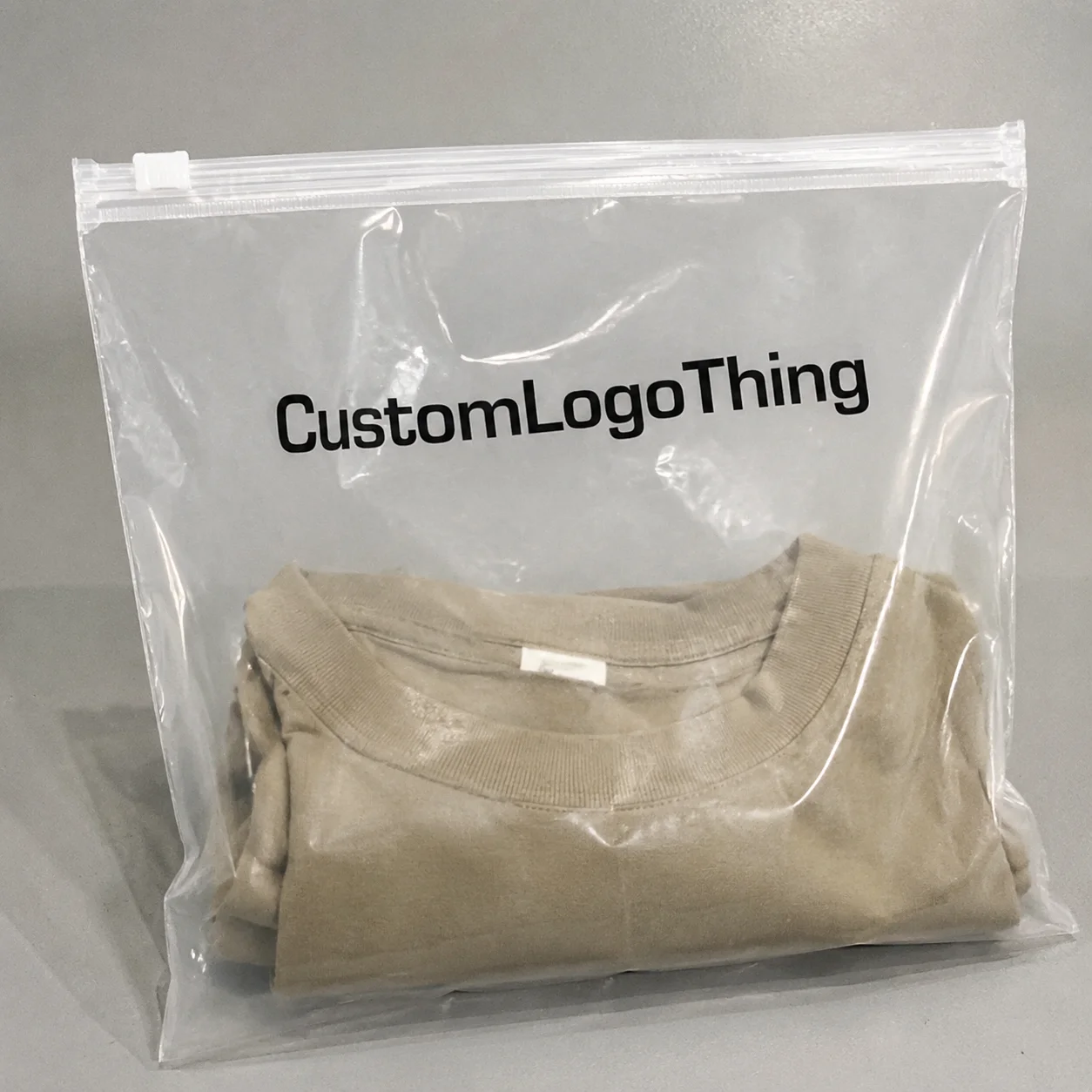
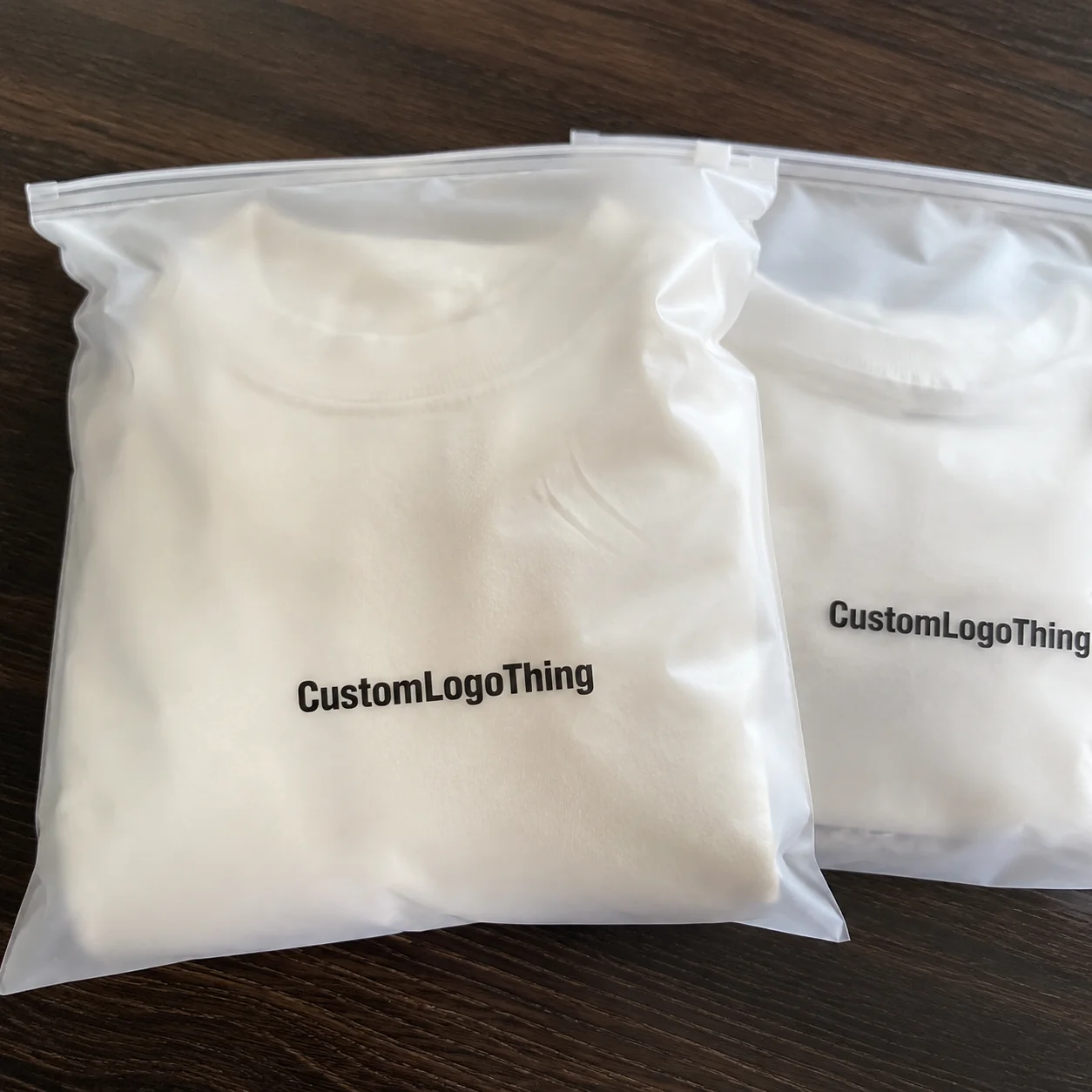
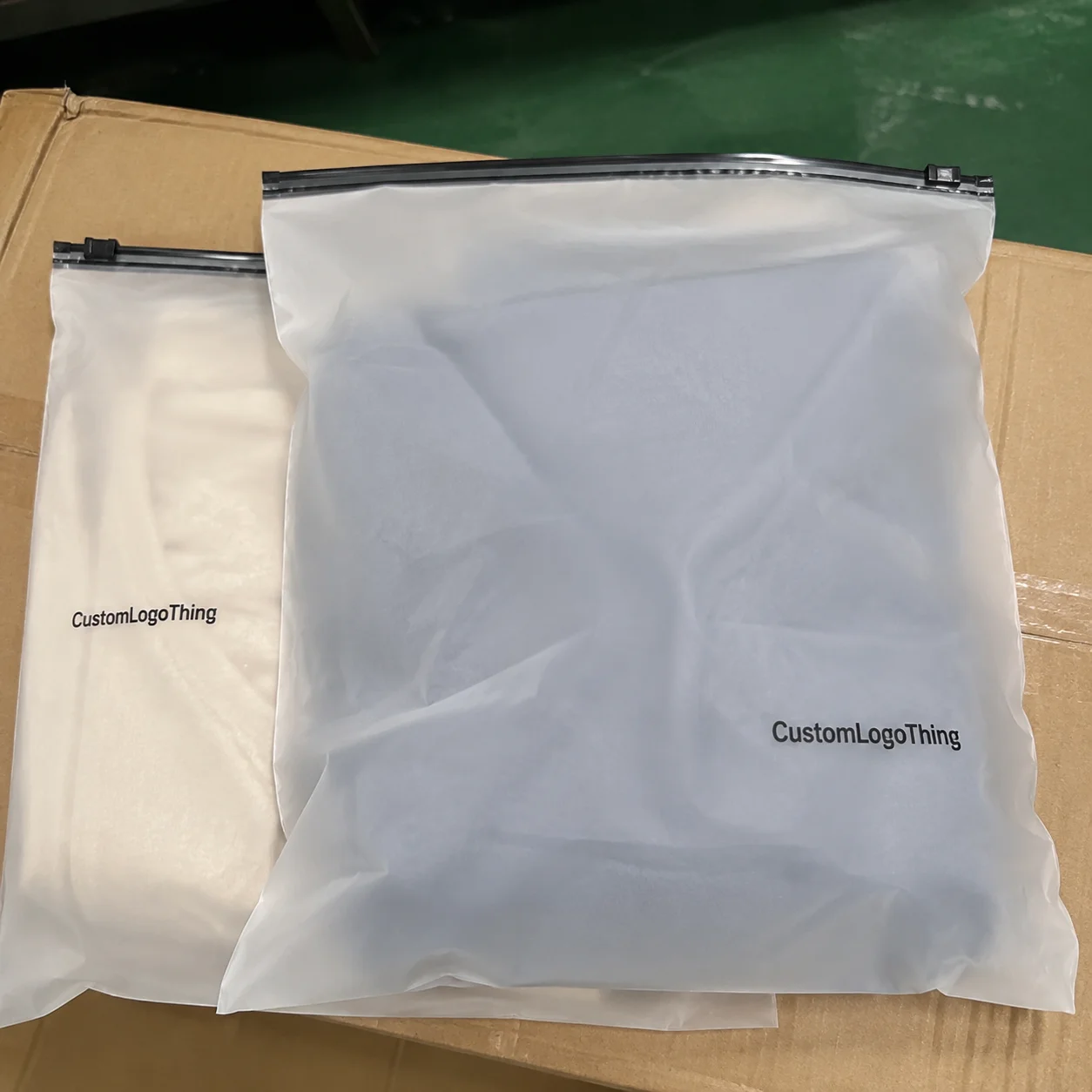
A busy weekend can burn through packaging faster than most bookshops expect. If you need a Bookshop Frosted Zipper Bags rush order plan, the answer is not panic-buying random stock on Monday. It is having a documented spec, usable artwork, and a supplier willing to give a real timeline.
Most rush problems start before production: no exact dimensions, no approved logo file, no record of thickness, zipper placement, or carton count. For bookstores, Frosted Zipper Bags are useful because they hold bundles neatly, protect covers and inserts from scuffs and light moisture, and look reusable enough to raise perceived value.
The practical goal is simple: replace guesswork with a repeatable reorder system. Lock down size, film thickness, print treatment, quantity, approval steps, and freight options before inventory gets tight. Rush orders are possible, but they usually require tradeoffs on custom size, print complexity, or shipping cost.
When a weekend event wipes out stock, a bookshop frosted zipper bags rush order plan stops the scramble
The pattern is familiar: an author signing overperforms, a promotion moves twice the expected volume, or a school event empties packaging by Sunday afternoon. By Monday, staff are packing premium bundles into generic bags, and the display looks cheaper immediately.
A proper rush plan does not guarantee miracles. It removes the delays buyers create for themselves. In most urgent reorders, three missing pieces cause the trouble:
- No fixed dimensions for the bag that actually fits the products
- No press-ready artwork, often because the logo exists only as a low-resolution PNG
- No approved reorder sheet listing material, zipper style, print color, and packing details
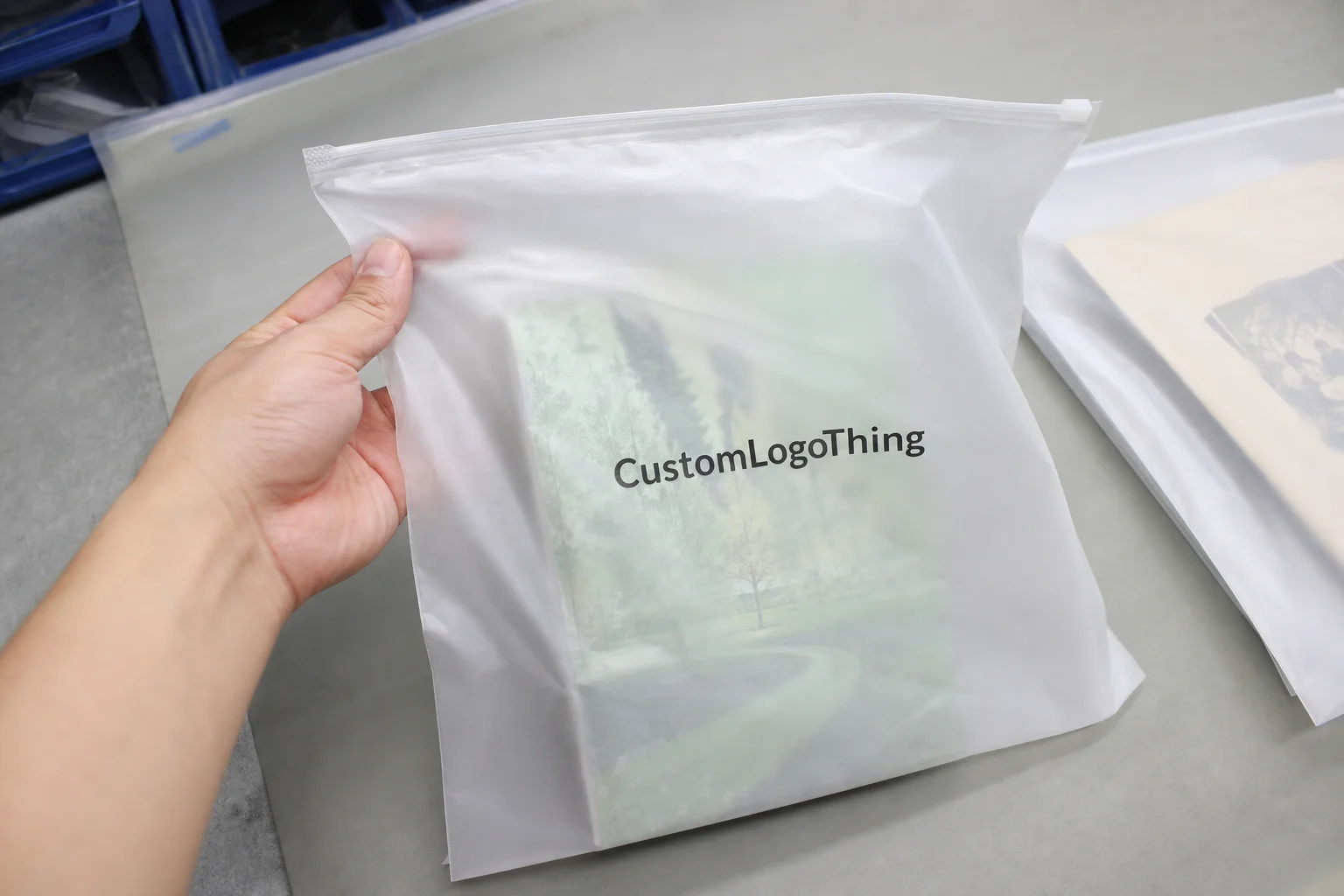
Frosted zipper bags work well for bookstores because they keep multi-item sets together and make book-plus-merch bundles feel intentional. A paperback, bookmark, pen, and postcard set feels more organized in a resealable bag than in a loose paper carrier.
If you are buying for a bookstore, museum store, campus shop, or literary event, your rush plan should record five basics: finished size, material thickness, zipper style, print treatment, and reorder quantity. Add the approval contact, delivery deadline, and preferred freight method. That level of detail saves days.
One distinction matters: a rush reorder only works if the spec is already stable. If the team is still debating thickness, width, gusset, or double-sided print, that is still development, not a rush reorder.
What makes frosted zipper bags a smart fit for bookstores, gift shops, and literary merch
Frosted zipper bags are semi-transparent flexible bags, usually PE or EVA-based, with a matte appearance and resealable closure. Their appeal is practical: more premium than a flat poly bag, more protective than an open paper bag, and far less expensive than a rigid box.
They work especially well for:
- Paperback sets and themed reading bundles
- Book club kits with pens, inserts, and discussion cards
- Stationery bundles with notebooks, bookmarks, and postcards
- Membership packs and event registration kits
- Book-plus-merch combinations such as candles, socks, pouches, or small accessories
The zipper helps keep loose components from shifting or falling out, and it gives the packaging some reuse value after purchase. Frosted film also softens the view of the contents, hides minor packing imperfections, and still lets customers understand what is inside.
Here is the tradeoff against common alternatives:
| Packaging Type | Typical Benefit | Main Drawback | Best Use |
|---|---|---|---|
| Frosted zipper bag | Reusable, tidy, protective, branded | Higher cost than flat poly | Curated bundles and premium merch |
| Flat poly bag | Lowest cost | Disposable feel, no reseal | Basic protection only |
| Paper bag | Giftable appearance | No reseal, weaker moisture protection | Checkout carryout |
| Folding box | High presentation value | Bulkier freight, higher assembly cost | Higher-ticket gift sets |
One caveat: reusable flexible packaging is still plastic packaging. If sustainability claims matter to your brand, be precise. If your overall packaging mix also includes paper inserts, wraps, or tags, standards such as FSC may still matter for those fiber-based components.
Specs that matter before you request a quote: size, material, zipper style, print, and finish
If you want a useful quote fast, send actual specifications. “Medium, premium, maybe with a handle” is not enough.
1. Size
Finished width, height, and any bottom gusset drive fit, material use, and carton count. Common starting points for bookstore use:
- Single paperback or small stationery set: about 7 x 10 inches
- Two-paperback bundle: about 9 x 12 inches
- Hardcover or journal kit: about 10 x 13 inches
- Book plus small merch: 10 x 13 inches with a 2-3 inch bottom gusset
Measure the thickest realistic bundle, not just a photo sample. Hardcovers, boxed stationery, and accessories add bulk quickly, and buyers often forget the zipper allowance.
2. Material thickness
Frosted bags in this category often fall in the 180 to 350 micron total thickness range, depending on resin and intended durability. Thinner film lowers cost and shipping weight, but if the bag is too light, sharp book corners stress seams and the bag loses premium feel.
A mid-range structure is often the practical choice for bookstore bundles. A single lightweight paperback may allow a lighter gauge; a hardcover plus accessories usually should not.
3. Zipper style and construction
A standard top zipper is usually the fastest and safest option for a rush reorder. Beyond that, define:
- Zipper track distance from the top edge
- Side-weld or bottom-gusset construction
- Hang hole requirement for peg display
- Whether a die-cut handle is actually necessary
Handles can add tooling, weaken the upper panel, or slow production. If customers will put the bag inside a tote or paper carrier anyway, skip the extra feature.
4. Print method and coverage
Rush jobs move faster with simpler graphics. A one-color logo, a small brand mark, or a white ink panel is easier to proof and produce than full-coverage artwork. Send vector files in AI, EPS, or press-ready PDF format, plus Pantone references if color accuracy matters.
5. Finish and approval details
Confirm frost density, seam placement, print area, and acceptable print-position variance. For repeat runs, keep one approved physical sample and one spec sheet with dimensions, material, color callouts, and packing notes.
Rush quote checklist: dimensions, material thickness, zipper style, gusset yes/no, print colors, artwork file, quantity, ship-to ZIP code, and in-hands date.
Pricing, MOQ, and unit cost tradeoffs for custom frosted zipper bag orders
Rush order pricing usually comes from three buckets: bag construction, print setup, and freight speed.
MOQ depends on whether you are buying a stock-size bag with light customization or a fully custom structure. In many cases, custom Printed Frosted Zipper Bags start around 1,000 to 3,000 pieces. Better unit economics usually appear around 5,000 to 10,000 pieces. Lower-quantity rush options may exist, but usually with fewer size choices, simpler print, or a higher unit cost.
Planning ranges often look like this:
| Order Size | Likely Construction | Estimated Unit Range | Notes |
|---|---|---|---|
| 1,000-2,000 pcs | Simple print, limited size options | $0.45-$0.85 | Highest unit cost, useful for urgent smaller runs |
| 3,000-5,000 pcs | Custom print on standard structure | $0.28-$0.55 | Good balance of setup cost and inventory risk |
| 10,000+ pcs | More optimized production | $0.18-$0.38 | Best unit cost, larger cash commitment |
Costs move with thickness, zipper quality, bag size, gusset depth, print coverage, and packing requirements. Heavy-gauge film, oversized formats, multi-color printing, retail-ready inner packs, barcoding, and split shipments all add cost.
Ask for three quoting scenarios:
- Fastest path: stock or proven size, simple logo, fastest freight
- Balanced path: preferred spec with expedited production
- Best unit cost: higher quantity, standard lead time, planned reorder
A useful quote should state material assumptions, print assumptions, MOQ, any plate or tooling charges, sample cost, freight terms, and the approval deadline required to hit the schedule.
Rush order process and lead time: from artwork approval to production and delivery
A workable rush plan follows a basic sequence:
- Inquiry with specs and need-by date
- Feasibility review
- Artwork check
- Quote and timeline confirmation
- Proof approval
- PO or deposit release if required
- Production slotting
- Inspection and packing
- Dispatch and tracking
Lead time depends mostly on five variables:
- Stock size versus custom size
- Print complexity
- Quantity
- Current production load
- Shipping method and destination
As a planning baseline, a normal reorder often takes 12-20 business days from proof approval to dispatch. A repeat spec with simple printing can sometimes be compressed to 7-12 business days. Faster emergency runs are possible only if the structure is already proven and the freight method fits the deadline.
To get a quick answer, send everything on day one:
- Finished dimensions
- Material target or previous sample reference
- Quantity
- Vector logo files
- Print color references
- Ship-to address
- Hard in-hands date
- Name of the single person authorized to approve artwork
Freight matters as much as production. Air freight, express courier, LTL, and ocean are not interchangeable. Work backward from the in-hands date and leave room for transit, delivery appointments, and receiving delays. For transit durability discussions, packaging teams often reference ISTA standards.
For repeat ordering, set a reorder point based on actual usage and event seasonality. Half a carton left in the stockroom is not a reorder system.
Common mistakes that make bookstore bag reorders slower, riskier, and more expensive
Most reorder problems are avoidable:
- Changing dimensions every time
- Sending low-resolution artwork
- Waiting until inventory is nearly zero
- Requesting quotes without firm specs
- Adding custom features that do little for function
Over-customization is a common problem. A rush order is rarely the time to test metallic effects, extra colors, unusual closures, or special hardware. Every new variable adds approval steps and production risk.
Quantity mismatch is another expensive habit. Order too little and unit cost rises, setup cost gets spread too thinly, and the emergency run may cover only a few weeks before another reorder and another freight charge. Strong buyers compare event calendars, usage rates, and MOQ together.
Fit errors also show up constantly. A bag that holds a paperback neatly may fail when a hardcover, candle tin, or pen set is added. Product thickness, corner profile, and gusset depth all matter.
Simple safeguards help:
- Keep an approved spec sheet with dimensions, gauge, zipper, and print notes
- Assign a reorder SKU name to each bag version
- Store one physical retention sample
- Build buffer stock before event season
- Use internal FAQ and reorder notes so staff are not rebuilding requests from memory
How to choose a supplier for fast custom bag reorders without getting burned on quality
The right supplier is the one that answers quickly, checks files properly, gives realistic delivery windows, and flags production limits before you commit.
Ask for proof, not promises:
- Photos or samples of similar frosted zipper bag work
- Confirmed material thickness range and structure
- Sampling policy and sampling lead time
- QC checkpoints during and after production
- Carton packing details and estimated shipping dimensions
Rush-order capability usually shows up in operating habits: clean repeat-order records, disciplined proof turnaround, clear approval milestones, and honest communication when scheduling tightens.
Useful quality checks for frosted zipper bags should cover:
- Zipper function across random samples
- Seal strength on side welds and bottom seams
- Opacity consistency across the batch
- Logo registration and print position
- Packed count accuracy per carton
Also ask how defects are handled: acceptable tolerances, whether photos are provided before dispatch, and whether final packed count is verified by carton. Those details matter more on rush shipments because there is less time to recover from errors.
If your organization buys packaging repeatedly, broader replenishment structures such as Wholesale Programs can make repeat ordering easier by locking pricing, contacts, and approved specs in advance.
Next steps: build a reorder-ready bag spec, request scenarios, and lock your backup timeline
If you want the next reorder to move fast, document the bag now while stock levels are still comfortable.
Start with a simple buyer checklist:
- Finished width x height x gusset
- Material thickness or approved sample reference
- Zipper placement and style
- Logo size and print location
- Print color and file format
- Target order quantity
- Delivery ZIP code and in-hands date
Then request three scenarios:
- Standard production for the best landed cost
- Expedited production for time-sensitive reorders
- Stock-size fallback with simplified print if the deadline tightens
Keep one approved physical sample in the office and one digital spec sheet in shared storage. Set a reorder trigger using real usage data, upcoming events, and seasonal spikes. Internally, assign one artwork approver and one payment approver so rush orders do not stall in email chains.
A solid Bookshop Frosted Zipper Bags rush order plan is not complicated: lock the spec, compare realistic scenarios, and choose the timeline your budget can support.
FAQ
How fast can a bookshop frosted zipper bags rush order be produced and delivered?
It depends on size, print complexity, quantity, proof approval speed, production capacity, and shipping method. The fastest route is usually a proven bag size with simplified printing and same-day artwork approval. If the in-hands date is fixed, state it upfront with the ship-to location so feasibility can be checked honestly.
What is the MOQ for custom frosted zipper bags for a bookstore reorder?
MOQ varies by size, construction, and print method. Custom printed runs often start around 1,000 to 3,000 pieces for workable setup efficiency, while stronger unit pricing usually appears at higher volumes. Smaller rush options may exist, but they often come with fewer size choices or a noticeably higher per-piece cost.
What specs do I need to send for a bookshop frosted zipper bags rush quote?
Send finished dimensions, target material thickness, zipper style, quantity, logo artwork, print color, shipping address, and required in-hands date. It also helps to describe the contents, such as a paperback set, hardcover bundle, or stationery kit, so the recommended size and gauge are based on actual use instead of guesswork.
Are frosted zipper bags strong enough for books and bundled merchandise?
Yes, if the size and thickness match the weight and corner profile of the contents. Lightweight paperback kits can use lighter film than hardcovers, boxed journals, or mixed merch sets. Sampling first is the sensible move, especially if the bundle includes rigid edges or unusually heavy items.
How can I reduce the cost of a custom bookstore zipper bag reorder?
Use a standard size if it fits, keep print colors limited, avoid unnecessary structural extras, and order enough units to spread setup cost without creating dead stock. Ask for standard, expedited, and fallback options so you can compare total landed cost, not just the unit price printed on the quote.