Choosing a care Labels Wholesale Supplier for beauty is a technical buying decision as much as a printing one. Beauty products often need care instructions, fiber content, origin details, and tracking information on a label that still feels acceptable on a robe, towel, pouch, sleep mask, or gift set.
The key risk is treating the label as a late-stage detail. Once the artwork is approved and the product is built around a specific seam allowance, fold, or finish, even a small change can create rework. The right supplier helps hold the label spec steady through sampling, launch production, and reorders so the package system stays consistent.
For buyers, the real question is not just price. It is whether the label will read clearly, fit the product, and repeat reliably across every reorder.
Why a Care Labels Wholesale Supplier for Beauty Matters
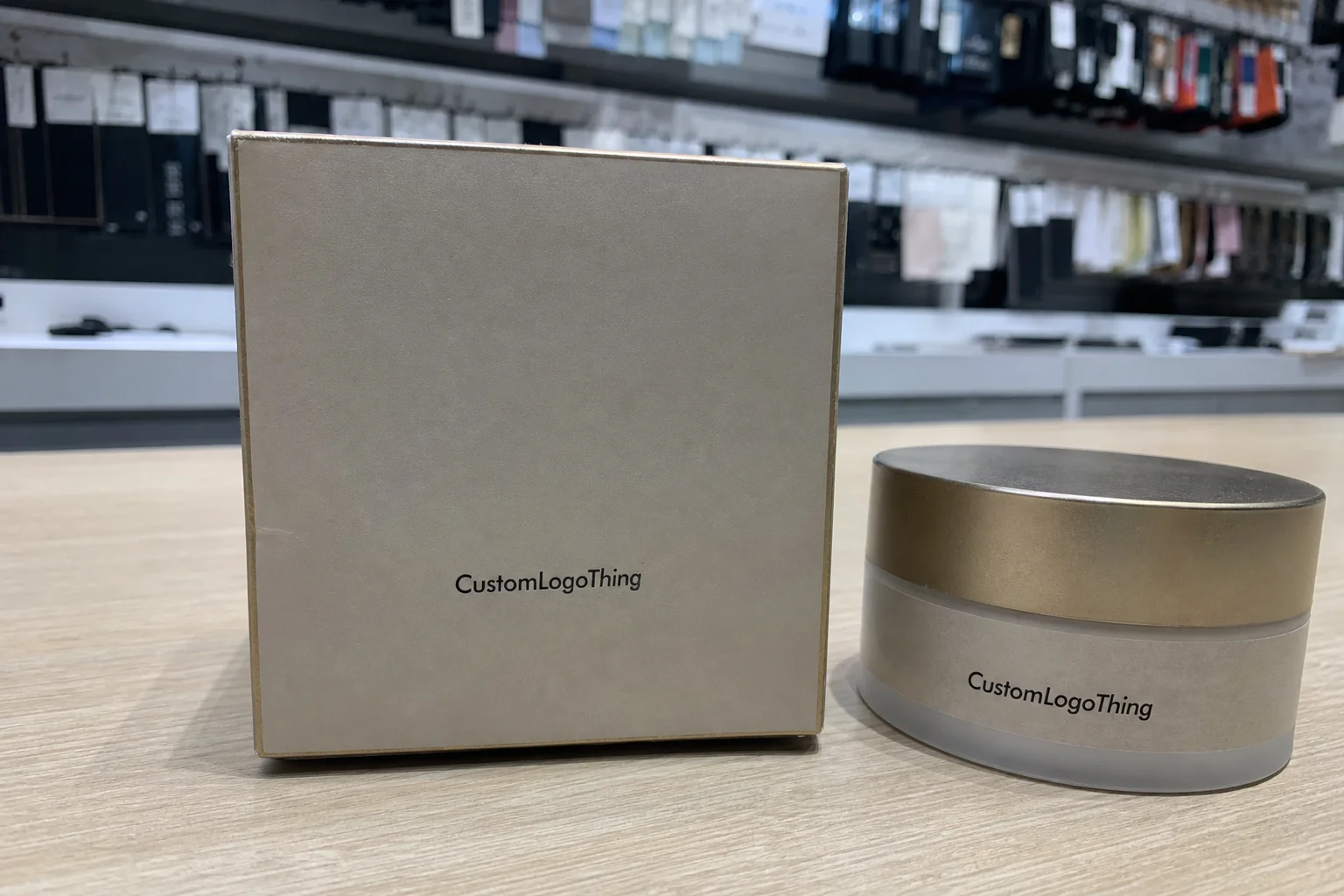
A wholesale supplier helps brands keep the same technical and visual standard across multiple SKUs. That matters when a product family includes spa wraps, woven pouches, cotton accessories, cosmetic bags, or boxed sets that all need the same level of clarity and durability.
The main value is control. Once the construction is settled, the buyer can repeat the same size, fold, artwork, and attachment method without reopening the project for every replenishment. That reduces approval time and lowers the chance of errors creeping in during later runs.
A low unit price does not help if the label has to be reworked, repacked, or remade before launch.
Beauty brands also need the label to support the customer experience. If the print is cramped, the fold is bulky, or the material feels scratchy, the product can feel less finished even when the information is technically correct.
The best suppliers do not just print what is sent over. They check whether the label will still read clearly after sewing, folding, trimming, packing, and washing. The same artwork can behave very differently on satin, woven damask, cotton, or heat-transfer construction.
If your line uses sewn-in labels, woven tabs, or packaging tags alongside outer cartons and inserts, it helps to compare constructions before standardizing the format. Our Custom Labels & Tags category is a practical place to review those options together.
Material and Print Options for Beauty Packaging
Beauty packaging sits between utility and presentation, so the label has to respect both. It needs enough durability to survive handling and laundering, but it also needs a soft enough hand for products worn close to the body or included in a gift presentation.
Printed satin is a common option when the buyer wants a smooth surface, clear contrast, and a clean finish without too much bulk. Woven damask creates a more premium stitched-in appearance and usually holds up well on repeat-wear items. Cotton labels suit brands that want a natural look and a softer hand-feel. Heat-transfer labels are useful when the goal is to keep the label flat against the item with almost no texture.
The best choice depends on use case. A robe or towel needs a label that stays legible after repeated washing. A pouch, wrap, or gift item may care more about softness and presentation than long wash-cycle performance.
Print method matters too. One-color artwork is often the cleanest and most economical for small copy or care symbols. Multi-color printing can support stronger branding, but it raises cost and can make fine text harder to keep crisp if the layout is crowded. Front-and-back printing is useful when brand identity and care details need to be separated, though the fold and seam placement must be planned so the finished label does not twist or bulk up inside the product.
Common finishing styles include center fold, end fold, loop fold, and cut-and-sew. Each one changes how the label sits, how quickly it can be attached, and how the final product feels in hand. A center fold is usually efficient for sewn applications. A loop fold can work well where the label needs to tuck cleanly or hang from a seam. Cut-and-sew gives more placement flexibility but needs clear trim lines and accurate sewing allowances.
| Construction | Typical Use | Indicative MOQ | Typical Unit Cost at 5,000 pcs | Notes |
|---|---|---|---|---|
| Printed satin | Soft goods, gift sets, spa accessories | 500-1,000 | $0.08-$0.18 | Smooth hand-feel and clear copy |
| Woven damask | Premium sewn-in labels, repeat-wear items | 1,000-3,000 | $0.15-$0.35 | Strong brand presence, longer setup |
| Cotton label | Natural-look beauty textiles and wraps | 1,000+ | $0.10-$0.22 | Softer feel, less sheen |
| Heat-transfer | Low-bulk applications, close-to-skin items | 500-1,000 | $0.12-$0.28 | Very flat, requires careful application control |
If the packaging system also includes inserts, sleeves, or paper hang tags, the paper spec should be chosen with the same care. Many brands ask for FSC-certified stock when their sourcing policy includes paper-based components, and that can be useful when the label sits inside a broader sustainability program. For general terminology and packaging structure references, the Packaging School is a useful industry resource, while FSC explains certified fiber standards clearly.
Size, Compliance, and Specification Checklist
The cleanest label orders start with a complete specification sheet. A supplier can quote faster and more accurately when the buyer provides the finished size, fold type, quantity by SKU, artwork format, placement details, and target delivery date. Leaving out even one item can change the quote, the proof, or the production method.
For content, the label needs to include whatever is required for the product and the market. On beauty-adjacent soft goods, that usually means fiber content, care symbols, washing temperature, drying instructions, origin details, and the brand name. If the item will be sold across markets, the copy should work in every destination, not only the first one. Multilingual layouts need more room than many teams expect, especially once the label is folded or stitched.
Readability is where many labels fail. Text that looks neat on a screen can become difficult to read once it is trimmed or sewn into a seam. For smaller labels, many buyers aim for roughly 6-7 pt equivalent for essential text, but the real limit depends on print method, material, and contrast. Care symbols should remain clear enough to recognize after washing and handling.
Before approving production, verify the following:
- Exact spelling, punctuation, and line breaks
- Finished dimensions after fold or trim
- Material specification and print color references
- Care symbols, origin statements, and multilingual copy
- Allowance for stitching, sealing, or seam placement
One internal mismatch can create a costly correction. Design teams often focus on presentation, while operations is looking at sewing placement, handling, and compliance. The buyer’s job is to reconcile both before the order is released.
For packaging workflows that include outer cartons, mailers, or retail kits, it also helps to think about transit stress. If the product line depends on kitting or distribution through a larger supply chain, shipping validation methods can catch problems before retail release. The ISTA standards library is useful when you want to check the basics of that process.
Care Label Pricing, MOQ, and Quote Factors
Price is driven by quantity, label material, number of print colors, fold style, dimensions, finishing method, and whether the order is single-sided or double-sided. The more custom the construction, the more setup cost shapes the unit price. Two labels that look nearly identical in a sample board can price very differently once the real specification is applied.
MOQ usually rises when the label uses specialty weaving, multiple colors, or more involved finishing. Printed options and digital workflows can often support smaller runs, which is useful for brands testing a new scent, a seasonal collection, or a limited gift set. Woven or specialty labels usually require a higher commitment because the setup and sample process is less flexible.
As quantity rises, the unit cost usually falls because setup, proofing, and production overhead are spread across more labels. The savings are real, but only if the brand can actually use the volume before the product changes.
When comparing quotes, look at the whole commercial picture, not only the sticker price. Check whether sampling is included, whether freight is separate, whether color matching adds a fee, and whether rush work changes the lead time or the approved construction. A quote that looks lower on paper can become more expensive once those items are added back in.
| Order Type | Best For | MOQ Pressure | Price Behavior | Buyer Watchouts |
|---|---|---|---|---|
| Small printed run | Launch tests, sample packs | Low to moderate | Higher per unit, lower setup risk | Confirm color, fold, and copy before ordering |
| Woven premium run | Core retail items, repeat SKUs | Moderate to high | Lower as quantity rises | Allow for loom setup and revision time |
| Mixed-SKU order | Gift sets or seasonal kits | Varies by SKU | Can be efficient if specs stay close | Separate art files and counts by SKU |
If your label format is already defined, a wholesale program can make repeated ordering less fragmented. Our Wholesale Programs page is useful when the goal is to standardize recurring buys and keep the procurement process predictable.
Production Process, Timeline, and Lead Time
The order flow should be straightforward from the start: quote review, artwork check, proof approval, production, quality control, packing, and shipment. If a supplier cannot explain that sequence clearly, the buyer is taking on unnecessary risk.
Simple printed labels usually move faster than woven labels or specialty folds because the setup is easier and the proof loop is shorter. A straightforward printed order may take about 10-15 business days after proof approval, while woven or more detailed constructions often need 15-25 business days. Multi-SKU jobs, custom folds, and color-critical work can extend that timeline further.
Most avoidable delays come from missing artwork, unclear copy changes, unresolved color references, or late internal approval from marketing, compliance, or operations. A buyer who waits until the artwork is final-final before asking for a quote usually compresses the whole schedule for no reason.
Lead time planning matters for both launches and replenishment. If the product release depends on finished packaging arriving in sequence, the label should be timed to match filling, sewing, kitting, and retail distribution, with enough buffer to allow one revision if needed.
A practical schedule includes a sample or pre-production proof before full production, especially when the label will be sewn into a line with strict presentation standards. That extra check is often the difference between a clean rollout and a correction that affects the whole shipment.
Planning ahead also improves reorder consistency. Once the supplier has approved specs on file, the next run is easier to repeat with the same size, same fold, and same copy control.
What a Reliable Beauty Label Supplier Should Deliver
A reliable supplier should make repeat production feel stable. That means consistent color, clean edges, accurate sizing, and copy that reproduces the same way across multiple orders. If the buyer has to inspect every reorder as though it were a first article sample, the supplier is not giving enough process control.
Responsive proofing is another major signal. Beauty brands often work with short seasonal windows and frequent collection updates, so there is little room for ambiguity. A good supplier should answer technical questions quickly, flag material limits clearly, and avoid promising a finish that cannot be held across the run.
Organization matters as much as production skill. Saved specs, SKU-level records, approval history, and a clear path for repeat jobs save time on the buyer side. They also reduce the chance that a new order quietly drifts away from the original standard because someone copied the wrong file or changed a dimension without telling the team.
Before the first wholesale order, check for these quality signals:
- Sample availability or pre-production proofing
- Clear communication about substitutions or material limits
- Documented approval trail before production starts
- Reasonable turnaround times tied to the actual construction
- Ability to support reorder consistency without re-specifying everything
That last point is often the most valuable. Beauty brands do not just need a label once. They need the same label to keep showing up in the same form, whether the next order is 2,000 pieces or 20,000.
Next Steps to Place a Wholesale Order
If you are ready to place a wholesale order, send a complete spec package: finished size, fold type, label content, artwork file, quantity by SKU, and target ship date. If your line includes multiple colors or several product types, separate those details clearly so the supplier can quote accurately the first time.
Ask for a sample or pre-production proof before releasing the full order, especially if the label is being sewn into a line with strict presentation standards. That is a practical way to protect a launch when text size, fold placement, or color contrast could affect the final result.
Compare the quote using total landed cost. Unit price matters, but so do sampling, freight, rush charges, and the cost of a poor first run. A buyer who compares those items together is better positioned to choose the supplier that can support the line over time, not just one shipment.
Once the proof is approved, store the record with the SKU file and set a replenishment reminder before stock runs low. That keeps the next order moving through the same approved path instead of turning every reorder into a new project.
For Beauty Brands That want practical control, clear communication, and repeatable packaging output, the right supplier should make the buying process calmer and more predictable.
What should I send to a beauty care label supplier for a quote?
Send the finished label size, fold style, quantity by SKU, and the exact copy that must appear on the label. Include your artwork file, preferred material, and target delivery date so the supplier can quote accurately.
Which label material works best for beauty products that get washed often?
Printed satin and woven damask are common choices because they stay readable and hold up well through repeated washing. If the label must stay thin and smooth against skin or fabric, heat-transfer options can reduce bulk.
How do MOQ and unit cost change on a wholesale beauty label order?
MOQ usually rises when the label uses specialty weaving, multiple colors, or custom finishing. Unit cost typically drops as quantity increases because setup and prep are spread across a larger run.
Can a wholesale supplier match brand colors and small care-copy details?
Yes, but the buyer should provide clear color references and approve a proof before production starts. Small text needs enough contrast and size to stay readable after sewing and handling, so layout matters as much as color.
How quickly can a beauty label order move from quote to delivery?
Simple printed orders can move quickly once artwork is approved, while woven or specialty labels usually need more time. The biggest variables are proof approval, production method, quantity, and shipping method.


