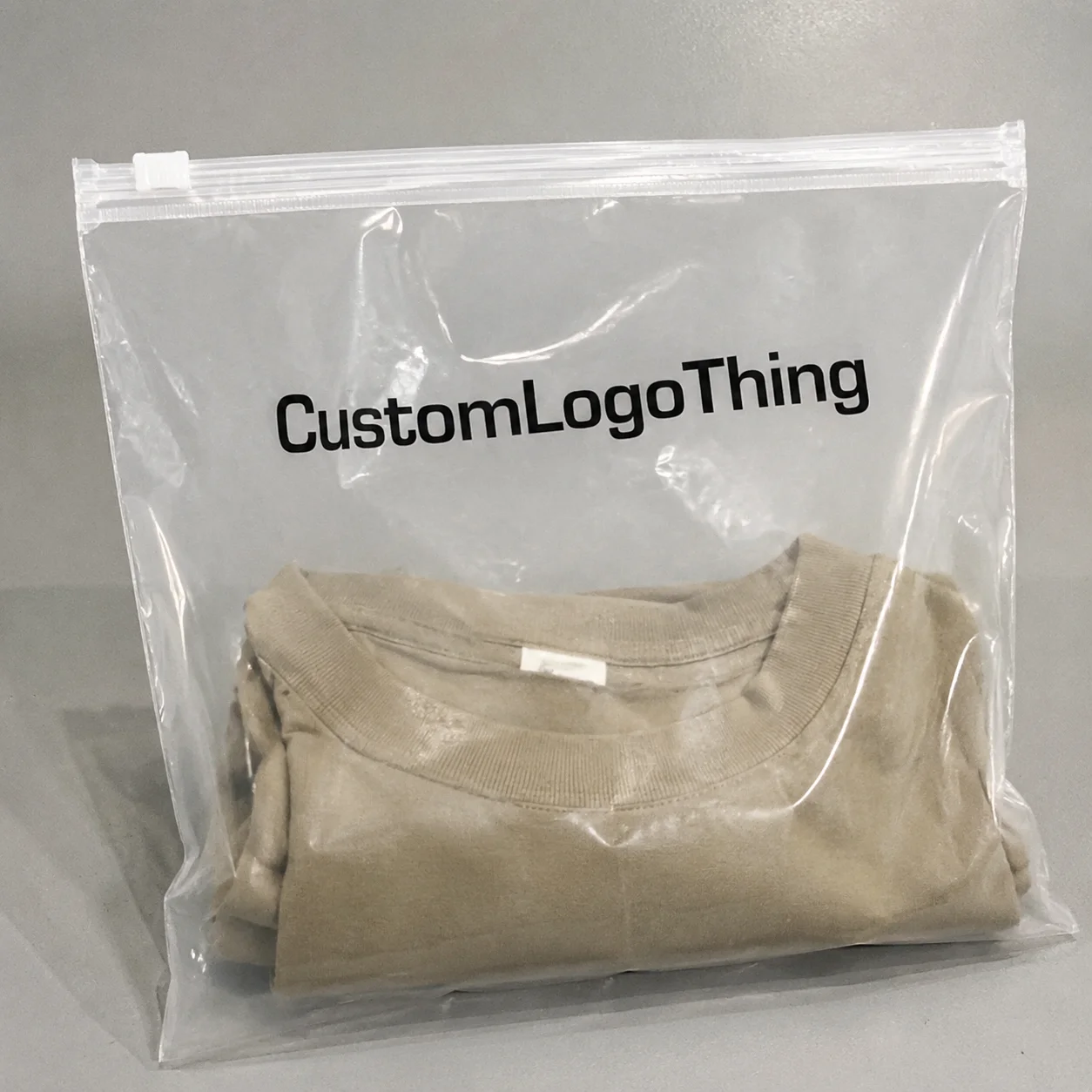
How to Order Custom Matte Zipper Bags for Jewelry Brands
Why Matte Zipper Bags Matter at First Touch
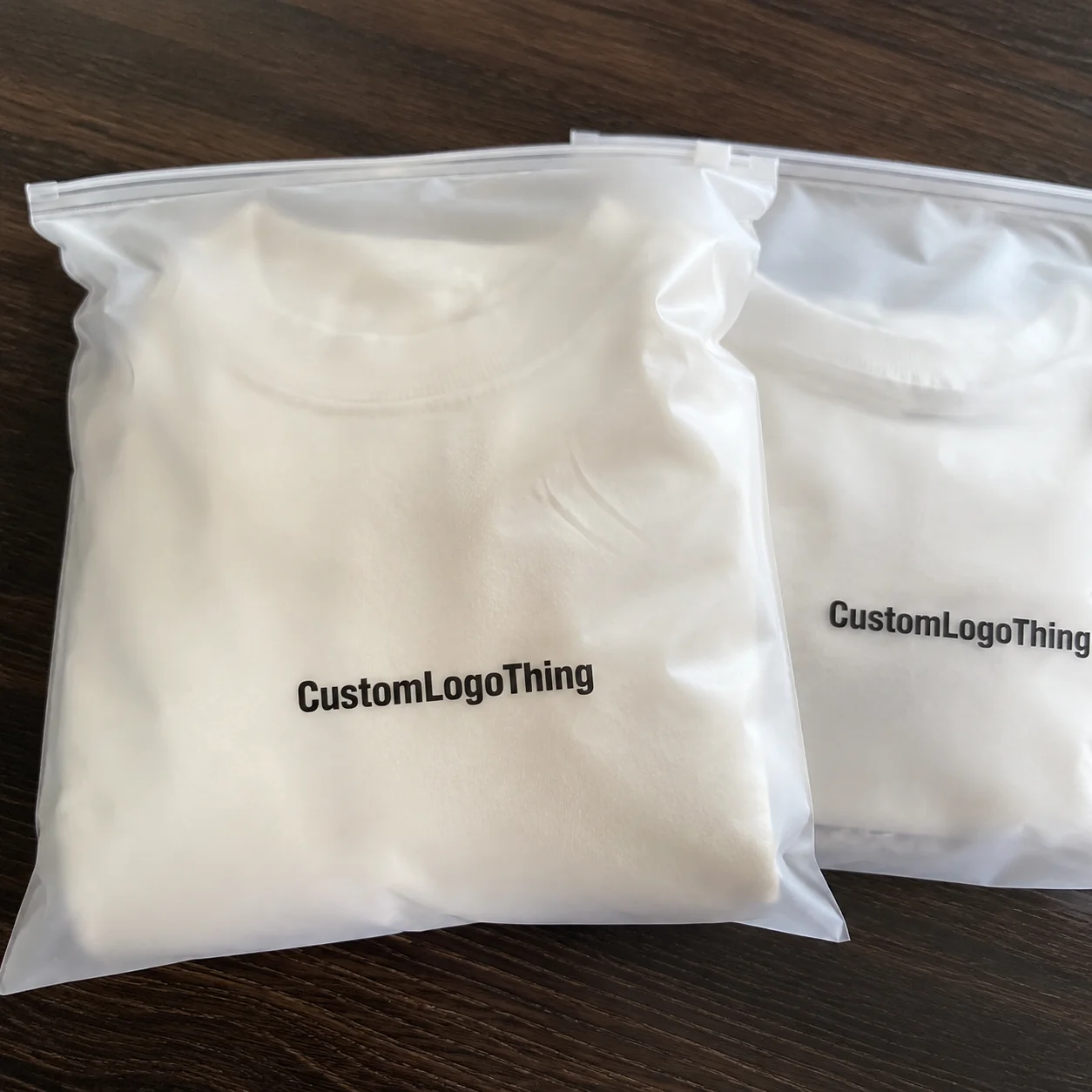
Jewelry packaging gets judged before the clasp, stone, plating, engraving, or chain quality is inspected. Buyers do it quickly, often before they realize they are doing it. Custom Matte Zipper Bags for jewelry brands are not just storage sleeves; they are tactile brand assets that influence perceived value, gifting confidence, fulfillment accuracy, and whether the customer keeps seeing your logo after the first wear.
A $28 pair of earrings can feel boutique-ready or forgettable depending on that first touch. The difference may be a 4 mil frosted zipper bag with a crisp one-color logo versus a loose clear poly sleeve that wrinkles inside the mailer. Both hold jewelry. Only one protects the brand signal.
Matte finish earns its keep in practical ways. It reduces glare during unboxing photos, hides fingerprints better than gloss, and gives a softer premium look without forcing a brand into rigid boxes. For small and mid-sized jewelry sellers, that matters because custom printed boxes can add bulk, freight cost, storage pressure, and slower packing steps fast.
The jewelry category has packaging problems that do not show up in flat product mockups. Chains tangle. Tiny earring backs disappear. Polished surfaces scuff against cartons. Tarnish-prone metals need more careful material choices. Fulfillment teams need to keep studs, hoops, bracelets, rings, charm sets, and wholesale SKUs separated without turning every order into hand-sorted puzzle work.
Matte Zipper Bags sit in a useful middle ground: lighter and cheaper to ship than many gift boxes, more finished than commodity poly bags, more printable than plain pouches, and resealable for customer reuse. For ecommerce, they can work inside a padded mailer or rigid mailer. For retail packaging, they can carry a hang hole, barcode, product code, or care copy on the back panel.
Weight sounds boring until order volume exposes the math. If one packaging format saves 18 grams per order, that is 18 kilograms across 1,000 shipments. Storage follows the same pattern. A thousand flat zipper bags may fit in a small carton; a thousand rigid boxes may need shelving, more careful handling, and additional warehouse labor.
Packaging truth: a flexible bag is not automatically “cheap.” It looks cheap when the size, film, print, closure, and product fit have not been specified properly.
The goal is not to make every jewelry brand use the same pouch. The goal is to choose a bag structure that matches the product value, sales channel, packing workflow, and customer expectation without paying for features that do not help the order.
How Matte Zipper Jewelry Bags Work: Material, Closure, and Finish
A matte zipper jewelry bag is usually a flexible plastic pouch with a resealable zipper track, custom print, and a non-gloss outer surface. The matte effect can come from the base material, a surface treatment, or a laminated film structure. Two bags can look similar online and behave very differently in hand, especially after printing, filling, shipping, and repeated opening.
PE, or polyethylene, is common for cost-efficient flexible bags. It has a softer hand feel and good flexibility, often used in thicknesses around 2.5 mil to 5 mil for small product packaging. PP, or polypropylene, tends to feel crisper and can offer better clarity if a frosted or semi-clear look is desired. Laminated films, such as PET/PE combinations, feel more structured and retail-ready, but they usually cost more and may complicate recycling claims.
Matte does not automatically mean anti-tarnish. It also does not automatically mean food-safe, recyclable, compostable, scratch-proof, or suitable for long-term silver storage. Those claims need documentation. For tarnish-sensitive pieces, ask about barrier properties, anti-tarnish paper compatibility, and whether desiccant sachets can be included without affecting the print, closure, or customer presentation.
Zipper choice changes the customer experience. A standard press-to-close zipper is economical and familiar. A slider zipper is easier for repeated opening, especially for customers with longer nails or limited dexterity, but it adds cost and bulk. A hang hole or euro slot can support peg display in boutiques, markets, or wholesale retail racks, provided the bag size and top seal are designed to take that load.
Jewelry-specific add-ons can be surprisingly useful. Frosted windows reveal enough shape and color to reduce picking errors. Rounded corners reduce snagging in mailers and bins. Tear notches help if you need a more controlled first opening, although a zipper bag is not automatically tamper-evident unless it is designed that way. Anti-static film may help with fine chains and lightweight inserts. Warning copy may be required depending on bag dimensions and destination market.
Compared with velvet pouches, matte zipper bags shed less lint and are easier to barcode. Compared with rigid paper boxes, they cut shipping volume and often reduce postage risk. Compared with clear poly bags, they make branded packaging feel more deliberate. None is universally better. The right choice depends on product value, fragility, metal finish, sales channel, and how much presentation the customer expects.
| Packaging option | Typical strength | Common drawback | Best fit |
|---|---|---|---|
| Matte zipper bag | Lightweight, resealable, printable, compact storage | Less crush protection than a rigid box | Ecommerce jewelry, samples, wholesale SKU separation, repeat-use storage |
| Velvet pouch | Soft hand feel, giftable texture | Attracts lint and can hide barcodes or small inserts | Gift sets, higher-touch boutique presentation |
| Rigid or paper box | Better structure and perceived gift value | Higher freight volume and storage demand | Fragile, premium, or high-ticket jewelry |
| Clear poly bag | Low cost and easy product visibility | Often feels generic | Internal kitting, low-cost accessories, warehouse organization |
Key Specs to Decide Before You Request Samples
Start with size. Not the jewelry alone—the packed jewelry. Measure the piece with its backing card, care card, insert, polishing cloth, anti-tarnish strip, barcode label, or small thank-you note. Then add enough tolerance so the zipper closes cleanly without bending the card or pushing chain links into the seal area.
For a simple size map, separate products by type. Stud earrings may fit in a compact 2.5 x 3 inch or 3 x 4 inch bag. Hoops often need extra width. Necklaces may need a taller footprint if they sit on a card. Bracelets and anklets can require more lateral room to avoid curling awkwardly. Gift bundles may need their own size entirely.
Thickness is the next decision. A thinner film reduces unit cost and storage space, but it may not resist punctures from earring posts, chain ends, or sharp findings. Many jewelry brands evaluate samples between about 3 mil and 5 mil for matte zipper formats. Heavier laminated structures can feel more premium, though they may be unnecessary for lightweight charms, lower-price add-ons, or pieces already protected by a backing card.
Opacity controls both presentation and fulfillment accuracy. Fully opaque matte bags create mystery and a strong brand surface, useful for gift-ready product packaging. Semi-frosted bags reveal color, silhouette, or card design. Windowed bags can balance package branding with product visibility, especially for bright resin earrings, enamel charms, gemstone colorways, and assorted sets where the item itself helps confirm the pick.
Print placement needs discipline. The front can carry the logo. The back can carry care instructions, a QR code, social handle, recycling icon, batch number, or barcode. Keep artwork away from the zipper seam, side seals, and bottom seal because those areas can distort small text. A QR code that scans on a monitor may fail at 12 mm wide on a textured matte film.
Color deserves testing under real light. Black matte feels premium, but it can show dust and lint. White matte feels clean, yet scuffs may appear faster during fulfillment. Muted brand colors often photograph more consistently than high-saturation inks, especially under mixed warehouse lighting and customer phone cameras. Metallic ink can look beautiful on matte film, but only when contrast, registration, and surface adhesion are controlled.
Safety and compliance are not decoration. Suffocation warnings may be required for certain bag sizes and distribution markets. Environmental claims need proof. If you print “recyclable,” “compostable,” or “made from recycled content,” ask for resin documentation and check local recycling realities. The U.S. Environmental Protection Agency has useful background on plastics and recycling limitations at epa.gov/recycle.
Request physical samples before approving custom matte zipper bags for jewelry brands. Digital proofs can confirm layout and spelling, but they cannot tell you whether the zipper feels weak, the film is too cloudy, the logo disappears on a charcoal background, or a sharp earring post presses into the front panel.
Cost, Pricing, MOQ, and Unit Cost Drivers
Pricing usually comes from five variables: bag size, film thickness, material structure, print complexity, and order quantity. The sixth variable is urgency, which buyers tend to forget until launch week.
MOQ means minimum order quantity. It is often tied to setup time, film procurement, printing plates or digital setup, machine changeover, and production efficiency. It is not always a supplier being difficult. Running 300 pieces of a custom Printed Matte Zipper bag can take nearly the same proofing and setup work as running 3,000 pieces, so the small batch carries a higher unit burden.
For rough planning, simple one-color custom bags at 2,000 to 5,000 pieces may land in the low tens of cents per unit depending on size, thickness, print method, and freight. Smaller runs of 500 pieces can be sharply higher because setup costs are spread across fewer bags. Larger quantities may unlock better pricing, but they also tie up cash and storage space, and jewelry brands with seasonal packaging should be careful not to overbuy a design that may change.
Print complexity matters. A one-color logo on a matte PE bag is usually the most economical. Full-coverage artwork, metallic inks, gradients, tight registration, or edge-to-edge print may require extra controls and more proofing. Matte laminated or soft-touch structures can increase both material and setup cost.
Hidden costs deserve a line in the budget. Artwork cleanup. Sample freight. Rush production. Custom tooling for unusual sizes. Slider zippers. Barcode testing. Extra cartons. Warehousing. Overage allowances. International freight or customs clearance if production is offshore. A bag quoted at $0.22 can become a very different landed cost after air freight and revisions.
Think in cost per order, not only cost per bag. If a $0.31 bag replaces a $0.12 clear sleeve, a $0.09 sticker, a $0.16 pouch, and a separate care card because instructions are printed on the back, the packaging system may become cheaper and cleaner. That is the kind of math packaging design should expose.
| Specification choice | Budget direction | Practical buyer note |
|---|---|---|
| One-color logo, standard zipper | Lower | Good starting point for young brands testing product-market fit |
| Thicker film or laminated matte structure | Medium to higher | Better hand feel, but confirm whether jewelry value justifies it |
| Full-panel print or metallic ink | Higher | Can look premium if contrast and registration are controlled |
| Custom size, window, slider, or euro slot | Higher | Useful for retail packaging, but sample before scaling |
| Higher quantity tier | Lower unit cost | Ask for 500, 1,000, 2,500, and 5,000-piece quotes to see breaks |
A quote-ready spec list should include size, thickness target, material preference, quantity tiers, print colors, finish, zipper type, delivery destination, and deadline. If you are comparing matte bags with other Custom Packaging Products, keep the full system visible: pouch, mailer, insert, label, box, void fill, and labor.
Ask for tiered quotes instead of guessing. The real price break may be between 1,000 and 2,500 pieces, or it may not appear until 5,000 depending on print setup and film sourcing. If cash flow is tight, a slightly higher unit cost on a smaller first run may be safer than storing a year of packaging that has not been proven with customers.
Process, Timeline, and Production Steps from Artwork to Delivery
The order process has a fairly predictable path: packaging brief, spec confirmation, quote, artwork template, digital proof, sample or pre-production approval, mass production, quality check, packing, and shipping. Skip one step and the risk moves downstream.
A useful packaging brief includes product dimensions, order volume, launch date, sales channel, brand colors, logo files, and every insert that will sit inside the bag. If your necklace card is changing next month, say so early. A 3 mm card change can turn a comfortable zipper fit into a daily fulfillment annoyance.
Artwork should be supplied as vector files where possible: AI, EPS, or print-ready PDF. Fonts should be outlined. Pantone or CMYK references help control color expectations, although matte films can shift perceived color compared with coated paper. Bleed, safe zones, minimum text size, and barcode quiet zones should be checked at actual size, not only on a large monitor.
Proofing has two jobs. A digital proof checks placement, spelling, print area, logo scale, and general layout. A physical sample checks touch, opacity, zipper feel, real-world fit, and whether the product looks valuable inside the bag. For first runs of custom matte zipper bags for jewelry brands, the physical sample is often where the smartest changes happen.
Timelines depend on material availability, production queue, print complexity, sample revisions, holidays, shipping method, and customs clearance for international shipments. Simple repeat orders move faster because the dieline, artwork, and material have already been validated. First-time matte zipper jewelry bags need more review because the buyer is still proving size, finish, and print contrast.
As a working planning range, many brands should allow several business days for quote and artwork setup, additional time for sample production and shipping, then production time after proof approval. Ocean freight may save money but adds weeks. Air freight is faster and more expensive. Exact timing depends on the final specification, so treat any single-number promise with caution until the supplier has confirmed material, queue, and freight method.
Launch calendars create packaging mistakes. Brands often finalize photography, inserts, wholesale commitments, and influencer mailers before the bag is approved. Then the package becomes a rush item, and rush items attract compromises: weak contrast, no physical sample, wrong fit, or freight charges that wipe out the savings from ordering flexible packaging.
Work backward from the in-hands date. Build in time for one sample adjustment, proof approval, production, quality review, transit, and a small buffer. For retail display or distribution testing, consider whether your packaging needs to survive standardized handling evaluations. The International Safe Transit Association publishes widely used transport testing resources at ista.org, which can help frame risk for larger programs.
Quality control should be practical, not theatrical. Check print position, zipper alignment, side seal strength, bottom seal consistency, odor, scuffs, color shift, carton count, and whether samples from the top and bottom of a carton match. If the bag will carry a barcode, scan it after printing. If it will carry a QR code, scan it from a realistic distance under normal light.
Common Mistakes That Make Matte Zipper Bags Look Cheap
The first mistake is oversizing. A delicate necklace sliding around inside a bag that is twice as large feels underfilled and careless. Empty space can also increase tangling, especially if the chain is not fixed to a card.
The second mistake is going too tight. Tight bags bend backing cards, stress the zipper, and force fulfillment staff to fight the package during busy order periods. If packing one unit takes 12 extra seconds, that becomes more than three labor hours across 1,000 orders.
The third mistake is weak logo contrast. Subtle can be elegant. Invisible is just expensive. A charcoal logo on black matte film may look tasteful on a proof and vanish in real customer photos. The same problem happens with low-contrast white-on-frosted artwork if the film is cloudier than expected.
The fourth mistake is ignoring zipper quality. A premium-looking matte bag loses credibility immediately if the closure misaligns, pops open, or feels flimsy after two uses. Test open-close cycles. Ten cycles will tell you more than a spec sheet.
The fifth mistake is overloading the front panel. Slogans, icons, QR codes, care instructions, recycling marks, social handles, and product claims cannot all be the hero. Jewelry packaging works best when hierarchy is disciplined: logo first, useful information second, everything else questioned.
The sixth mistake is assuming matte always means luxury. It does not. Bright resin jewelry, colorful beads, or gemstone-forward products may sell better through frosted or windowed formats because customers want to see the color. Packaging should support the product, not mute it.
The seventh mistake is approving full production before testing real products inside the bag. Earrings with posts, layered necklaces, open rings, and sharp-cornered charms are all capable of puncturing, snagging, or distorting a film that looked fine empty. Test the worst-behaved SKU, not only the neatest one.
The eighth mistake is casual sustainability language. Printed environmental claims should match the resin, recycling stream, local acceptance, and supplier documentation. A vague leaf icon can create more trust risk than brand value.
Investigative note: many packaging failures are not caused by bad production. They come from incomplete specs, rushed approvals, and assumptions nobody tested physically.
If you want to see how other brands balance presentation, cost, and fulfillment logic, review the Custom Logo Things Case Studies for examples of package branding decisions across different product categories.
Practical Steps Before You Place an Order
Create a product packaging matrix before requesting pricing. List each jewelry type, product dimensions, insert dimensions, desired bag size, target quantity, sales channel, and packing notes. One spreadsheet can prevent a surprising amount of waste.
Do not force every SKU into one universal size unless the visual compromise is acceptable. Small studs often look sharper in compact packaging. Necklaces need space to prevent tangling. Gift bundles may need a larger bag or a different format entirely. Two or three sampled sizes usually beat one awkward all-purpose size.
Prepare a clean quote packet. Include your logo file, brand colors, preferred matte finish, quantity tiers, zipper type, film thickness target, delivery address, and required in-hands date. If you are unsure about thickness or film, ask the supplier to quote a budget option and a premium option side by side.
Test samples like a customer and like a warehouse worker. Pack the item. Shake the mailer gently. Open and close the zipper several times. Photograph the bag under natural light and under warm indoor light. Ask someone outside the brand what price point the packaging suggests before they see the product page.
Review artwork at actual size. Not zoomed to 180% on a large monitor. Actual size. That is how you catch care text that is too small, a QR code that will not scan, or a logo sitting too close to the zipper track.
Decide what job the bag must do. Storage? Gifting? Retail display? Shipping protection? Brand recognition? Wholesale inventory organization? One bag can serve several roles, but each extra job adds constraints. Be honest about the priority.
- Fit: packed jewelry slides in easily, but does not rattle around.
- Finish: matte surface matches the brand mood and product color.
- Print: logo, QR code, and care text remain readable at actual size.
- Closure: zipper seals cleanly and survives repeated use.
- Protection: posts, charms, and chain ends do not puncture or distort the film.
- Cost: quote includes samples, freight, setup, and landed cost.
- Timing: proofing, production, transit, and buffer are built into the calendar.
Before ordering custom matte zipper bags for jewelry brands, confirm the fit, finish, print contrast, MOQ, timeline, and total landed cost. The best result is a package that feels intentional, protects the product, supports the packing team, and gives the customer a reason to keep the bag instead of discarding it with the mailer.
FAQ
What size custom matte zipper bags do jewelry brands usually need?
Size depends on the jewelry plus any backing card, care card, insert, anti-tarnish strip, or polishing cloth. Stud earrings may need a compact footprint, while necklaces and bracelets often need extra width or height to prevent tangling and card bending. Measure the fully packed product, then add closure clearance so the zipper seals without pressure.
Are matte zipper bags safe for silver, gold-plated, or delicate jewelry?
They can be suitable, but do not assume the film is anti-tarnish. For silver or tarnish-prone finishes, ask about barrier properties, anti-tarnish inserts, and desiccant compatibility. Always test metal finishes against the bag material before placing a full production order, especially for plated, polished, or oxidized pieces.
How much do custom frosted or matte zipper jewelry bags cost?
Cost varies by size, thickness, material, print colors, finish, zipper type, and order quantity. Higher quantities usually reduce unit cost because setup expenses are spread across more bags. Ask for tiered quotes at several quantities and compare total landed cost, not only the per-bag price.
What is the typical lead time for printed matte zipper bags for jewelry?
Lead time depends on artwork readiness, sampling, production queue, material availability, print complexity, and shipping method. First-time orders usually take longer than repeat orders because size, finish, and proofing need extra review. Build in buffer time before launches, wholesale deliveries, seasonal campaigns, or restocks.
Can custom matte zipper bags replace jewelry boxes or pouches?
They can replace boxes or pouches for many ecommerce, storage, and lightweight retail uses. For high-value or fragile pieces, they may work better as an inner protective layer inside a mailer or gift box. Compare the full packaging system: protection, presentation, shipping weight, storage space, customer reuse, and brand visibility.