Small Boutique Runs Still Need Production-Ready Bag Details
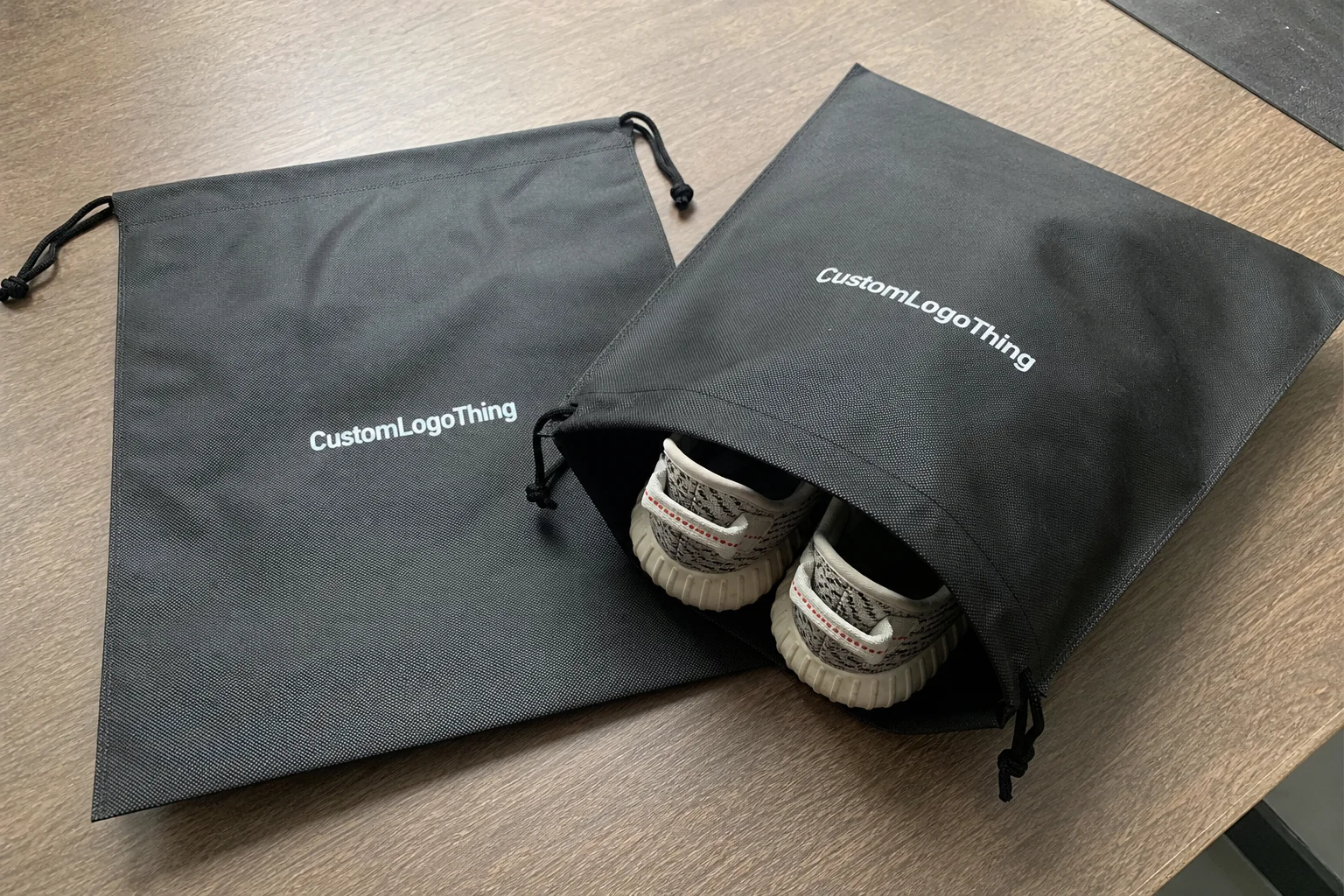
A boutique order may be 1,000, 3,000, or 5,000 bags, but those bags still have to behave like real retail packaging. Buyers asking for a printed Matte Zipper Bags quote for boutique retail need more than a quick unit price; they need the film, zipper, size, artwork setup, packing method, and order quantity defined well enough for the quote to hold up once production details are checked.
That matters more than many first-time packaging buyers expect. A zipper bag for jewelry, folded apparel accessories, cosmetics, wellness samples, stationery, specialty dry goods, or small gift sets has to protect the product, feel appropriate in the customer’s hand, scan cleanly at checkout, and arrive in cartons that store staff can count, move, and stack without fighting the packaging.
Matte Zipper Bags are popular in boutique retail because they combine a softer, more polished surface with a practical resealable closure. The printable panels give a small brand room for a logo, product story, ingredients, care details, warning copy, or retail compliance information. A matte stand-up pouch with a bottom gusset can sit neatly on a shelf, while a flat zipper bag with a hang hole may be better for peg displays or compact accessory walls.
Pretty artwork alone will not rescue an undersized pouch, a weak zipper, a poor seal, or a barcode placed across a wrinkle. The structure does the quiet work: it holds the product, closes repeatedly, carries the print, and survives filling, packing, freight, unpacking, and retail handling.
Many buyers also assume the print setup is the main cost driver. Sometimes it is, especially on certain custom processes, but bag size, film structure, zipper type, matte finish route, ink coverage, gusset depth, and quantity often influence unit cost more directly. A 6 x 9 inch laminated stand-up pouch with a bottom gusset and full matte background uses much more material and converting time than a 4 x 6 inch flat poly zipper bag with a one-color logo.
Practical quoting rule: quote the bag as packaging first and branding second. The logo matters, but the structure is what keeps the order usable.
The cleanest path is to prepare a specific request, compare specifications fairly, and prevent delays caused by vague dimensions, incomplete art files, or packing requirements that appear after the first quote is already built.
Printed Matte Zipper Bags Quote for Boutique Buyers
A proper Printed Matte Zipper Bags Quote for boutique buyers should spell out the working details, not just a total price. At minimum, the quote should include bag style, finished width and height, gusset size if needed, material structure, thickness, matte finish type, zipper closure, print method, number of colors or full-color process, artwork requirements, quantity tiers, packing method, freight terms, and estimated lead time after proof approval.
The product going inside the bag should guide the specification. Folded silk scarves need a different pouch than bath salts, scented wax samples, oily cosmetic tools, powdered drink mixes, hair accessories with metal clips, or jewelry cards with square corners. Product weight, odor, oil content, puncture risk, moisture sensitivity, and display method can all push the bag toward a different film or closure.
Quantity tiers help boutique buyers make better purchasing decisions. A quote for 1,000 pieces may look high per unit because setup, material waste, machine changeover, and packing labor are spread across a small run. At 3,000, 5,000, or 10,000 pieces, the unit cost may drop enough to change the buying decision, especially if the same bag size can be used across several SKUs.
Matte appearance can be created in several ways. Matte film gives the surface a soft, low-glare look. Matte varnish can reduce shine over selected print areas. A laminated construction can combine a printed outer web with a protective matte layer, which often improves shelf presentation, scuff resistance, and print control. Each route changes hand feel, color vibrancy, scratch resistance, lead time, and price.
Before pricing is treated as reliable, confirm whether the bag must stand up, lay flat, hang on a peg, fit inside a shipping mailer, include a clear window, carry a barcode, or meet food-contact expectations. For food-contact packaging, buyers may need to review applicable material documentation and supplier declarations. The U.S. Environmental Protection Agency also maintains useful packaging and waste reduction resources through EPA Sustainable Materials Management.
Custom Logo Things is most useful as a practical quoting partner, not a vending machine for vague estimates. Share the product, size target, artwork status, delivery location, and desired retail presentation, and the team can shape a production quote that is much less likely to fall apart after the dieline or material is reviewed. If your dimensions and files are ready, you can send them through Contact Us.
Material, Finish, and Zipper Options That Change Performance
Material choice is where much of the real performance gets decided. A simple PE zipper bag can be flexible, economical, and suitable for soft goods, stationery, small accessories, and non-sensitive retail inserts. PE seals well and has a familiar soft feel, but it does not usually deliver the same print sharpness, stiffness, or polished shelf presence as many laminated structures.
PET/PE is a common laminated option because the PET outer layer supports cleaner printing and better structure, while the PE inner layer supports heat sealing and product contact depending on the grade used. BOPP/PE can also make sense for lighter retail packaging where clarity, print appearance, and a crisp hand feel are valued. For scented goods, wellness powders, or moisture-sensitive products, additional barrier films may be recommended.
Thickness is usually discussed in mils or microns. Boutique zipper bags often fall around 2.5 to 5 mil total thickness for many non-heavy retail uses, though laminated pouches may be specified by layer structure rather than one familiar gauge. A very light bag may save money, but if the zipper feels flimsy or product corners poke through during handling, the savings disappear quickly.
Matte finishes need careful selection. Full matte surfaces create the soft, upscale look many boutiques want. Matte with spot gloss can add contrast on a logo, product name, or design element. Frosted clear panels let shoppers see texture or color without making the whole bag glossy. Printed matte backgrounds are useful for brand consistency, but full-coverage ink can increase cost and usually needs more careful proofing.
Zipper style changes both cost and customer experience. A standard press-to-close zipper works for many boutique bags and keeps pricing reasonable. A wider grip zipper can make the bag easier to open and close, particularly on thicker films. Slider zippers may be useful on larger pouches, but they add cost and bulk. Child-resistant zippers should be used only where the product category and regulations justify them, because they affect usability, testing expectations, and price.
Other features can improve display or function: euro slots, round hang holes, tear notches, rounded corners, bottom gussets, clear windows, lot-code areas, barcode zones, and vent holes for soft goods that need air release during packing. Not every feature belongs on every bag. Each extra detail can add tooling, converting complexity, inspection time, waste, or minimum order quantity.
| Option | Best Fit | Typical Cost Impact | Buyer Notes |
|---|---|---|---|
| Simple PE zipper bag | Soft goods, stationery, accessories | Lower | Good for practical packaging where barrier and premium stiffness are not critical. |
| PET/PE matte laminated bag | Cosmetics, wellness goods, gift sets | Medium to higher | Improves print quality, shelf presence, and structure for many boutique products. |
| Bottom gusset stand-up pouch | Shelf display and dry specialty products | Higher than flat bag | Uses more film and converting time, but improves presentation. |
| Clear window or frosted panel | Products where texture or color sells | Medium | Requires layout planning so the window avoids seals, zipper areas, and barcode zones. |
| Euro slot or hang hole | Peg display retail | Low to medium | Hole position should account for product weight and center of gravity. |
Artwork and Print Specifications for a Clean Matte Result
Matte surfaces soften reflection, which is part of their appeal. That softer finish also means artwork needs enough contrast. Fine type, small logos, care instructions, ingredient-style panels, warning copy, and barcodes must stay readable after printing, converting, filling, packing, and retail handling. A pale gray logo on a charcoal matte background may look elegant on a monitor and weak on a finished pouch.
Production art should be supplied as cleanly as possible. Vector logo files are preferred when available. Fonts should be outlined or packaged. Raster images should be high resolution, commonly 300 dpi at final print size. Pantone or CMYK color targets should be provided, and the artwork must follow the dieline with bleed, safe zones, zipper clearance, seal clearance, gusset folds, hang-hole location, and barcode placement respected.
Digital printing can be a smart fit for lower quantities, multi-SKU boutique launches, seasonal artwork, or frequent design changes. It often reduces the burden of plates and can keep small runs more realistic. Flexographic printing can make sense for repeated runs, larger quantities, and simpler color builds. Rotogravure is usually associated with larger-volume flexible packaging where long-run consistency and fine print reproduction justify the setup investment.
Dark matte backgrounds, heavy ink coverage, metallic effects, white ink underlayers, and windows can all affect pricing and proofing. White ink is especially relevant on clear or metallic films because it controls opacity under printed colors. Without it, colors may look transparent, dull, or noticeably different from the brand file.
Common artwork mistakes are easy to avoid if the dieline is reviewed early. Do not place the logo too close to the zipper. Do not design over the heat seal area. Avoid putting a barcode on a gusset fold or wrinkled zone. Do not send low-resolution screenshots as final artwork. Check the back panel carefully; delays often come from missing copy, old ingredient text, wrong social handles, or a barcode that has not been tested at final size.
Ask for a dieline before final design. Then review the digital proof slowly: finished size, orientation, zipper position, hang hole, gusset fold, window location, barcode, spelling, color callouts, and SKU names. A proof approval is not casual paperwork. Once the job enters production, changes can mean new files, new plates, lost machine time, or scrapped material.
Shop-floor reality: a clean file can move fast. A beautiful file that ignores the zipper, seal, and gusset will stop the order until somebody fixes it.
Pricing, MOQ, and Unit Cost Factors to Confirm Early
Boutique buyers usually care about two numbers: total order spend and unit cost. A useful printed matte zipper bag quote should show both clearly, because 2,000 bags at a higher unit cost may be easier on cash flow, while 5,000 bags at a lower unit cost may make more sense if reorders are predictable.
Main pricing drivers include finished dimensions, film thickness, laminated versus non-laminated material, matte coating or matte film, number of print colors, ink coverage, zipper style, gusset, window, hang hole, setup requirements, proofing, sampling, packing, and freight. Freight can be more noticeable than expected because empty bags are light but bulky, especially stand-up pouches packed in cartons with controlled stacking.
MOQ exists for practical reasons. Film has to be sourced or allocated. Printing equipment has setup time. Zipper insertion and pouch converting require changeover. Operators need to run test material, dial in registration, check seals, and account for waste. Those fixed costs must be absorbed somewhere, so a very small run can carry a high unit price even when the bag looks simple.
Ask for two or three quantity breaks instead of one number. A digitally printed small flat pouch might be quoted at 1,000, 3,000, and 5,000 pieces, while a laminated matte stand-up pouch may make more sense at 5,000, 10,000, and 25,000 pieces depending on structure and print method. The actual tiers depend on the specification, but the comparison shows whether a modest inventory increase is worth it.
Very small boutique runs may be better suited to digital print, stock bag customization, pressure-sensitive labels, or simplified construction. That is often the smartest launch path if the brand is still testing fragrance names, flavor variants, accessory colors, or subscription box demand. Full customization is attractive, but it is not always the best first order.
Cheapest and best value are not the same thing. A thinner bag may reduce cost by a few cents, but if it scuffs badly, splits at the side seal, wrinkles over the barcode, or lets fragrance escape into cartons, the low price becomes expensive. A slightly stronger film, better zipper, or more practical finish can prevent returns, repacking labor, or damaged shelf presentation.
| Quote Factor | Why It Changes Price | Typical Boutique Decision |
|---|---|---|
| Quantity | Setup and waste are spread across more bags as volume rises. | Request three quantity breaks before choosing the final order size. |
| Bag size | Larger bags consume more film and carton space. | Size around the actual product, not around a guess. |
| Film structure | Laminates, barrier layers, and heavier gauges cost more than simple PE. | Use stronger structures for oily, scented, sharp, or premium goods. |
| Print coverage | Heavy ink, dark backgrounds, and white underlayers add production cost. | Balance brand color with readability and budget. |
| Freight and packing | Carton count, volume, delivery distance, and service level affect landed cost. | Compare delivered cost, not only ex-works unit price. |
Share your target budget, retail presentation goal, and reorder expectations early. A one-time holiday set may call for a different quoting approach than a core retail pouch expected to reorder every 8 to 12 weeks. A clear buying picture helps Custom Logo Things avoid overbuilding a bag with features you do not need or under-specifying one that has to perform under real shelf conditions.
Process and Timeline from Quote Request to Delivered Bags
A clean packaging order follows a practical sequence. First comes specification review: product type, size, quantity, film needs, print expectations, display method, and delivery location. Then the quote is prepared, the dieline is confirmed, artwork is submitted, and a proof is issued. Depending on the order, an optional sample or pre-production approval may follow.
After approval, production moves through material preparation, printing, lamination if required, curing where applicable, zipper converting, pouch making, quality inspection, carton packing, and shipment. Laminated structures often need curing time so adhesive performance and odor levels settle properly before converting or packing. That step should not be rushed for sensitive products.
Buyers can keep the schedule tighter by providing accurate finished dimensions, product weight, product use, artwork files, delivery address, quantity targets, and compliance needs at the first quoting stage. If the pouch must meet food-contact expectations, ship through a specific retailer routing process, or fit into a subscription box carton, say so before the dieline is finalized.
Lead time depends on material availability, print method, proof approval speed, sampling needs, order quantity, and finishing complexity. A plain single-color flat zipper bag can move faster than a laminated matte stand-up pouch with a clear window, multiple SKUs, a bottom gusset, and a tight color target. That is not hesitation; that is production reality.
Artwork delays are one of the most common causes of schedule slips. A factory cannot responsibly print if the dieline is unapproved, the barcode is still being revised, the warning copy is missing, or the logo placement keeps changing. Even a one-day art delay can push a job behind other scheduled production, especially during busy retail seasons.
Quality checkpoints should include seal strength, zipper alignment, print registration, color consistency, matte surface appearance, bag dimensions, window placement, hang-hole accuracy, packing count, and carton labeling. For transport testing and distribution planning, organizations such as ISTA provide recognized test procedures that many packaging teams use to evaluate shipment performance.
Reorder timing deserves discussion before the first order ships. Boutiques with seasonal launches, holiday gift sets, subscription boxes, retail replenishment cycles, or market events often need packaging on hand weeks before filling begins. If the first run sells faster than expected, having the approved dieline, artwork, and material specification ready can save valuable time on the next purchase order.
Next Steps to Prepare a Fast, Accurate Boutique Bag Order
Start with a tight checklist. You do not need to speak like an engineer, but you do need to provide the details that drive the quote.
- Finished bag size: width, height, and gusset if needed.
- Product details: category, product weight, texture, sharp edges, oil, scent, powder, or moisture sensitivity.
- Film feel: soft poly, crisp laminated film, thicker premium hand, or light flexible bag.
- Matte preference: full matte, matte varnish, frosted clear, matte with gloss accents, or printed matte background.
- Zipper type: standard press-to-close, wider grip, slider, or child-resistant if required.
- Print details: one-color logo, multiple colors, full coverage, clear window, barcode, warning copy, or back-panel text.
- Order plan: number of SKUs, quantity per SKU, reorder expectations, delivery location, and in-hand deadline.
If you are unsure about dimensions, photograph or measure an existing bag you like. Better yet, note what you want changed: thicker film, softer matte texture, stronger zipper grip, more shelf stability, a clearer logo area, a larger hang hole, or a window that shows the product without putting the barcode in a wrinkled area.
Send editable vector artwork when available. Include brand colors, barcode files, warning copy, ingredient copy, care copy, SKU names, and any required retail labeling. If the product is FSC-related paper goods, recycled-content merchandise, or sustainability-focused, packaging claims should be reviewed carefully; organizations such as FSC publish standards around responsible forest products, though flexible plastic packaging claims follow different documentation paths.
Ask for quantity breaks, freight options, setup costs, proofing costs, and sampling costs to be separated clearly. A transparent quote helps you see whether the price is driven by print setup, film, finish, zipper, freight, or order quantity. That is how you compare options without guessing.
Custom Logo Things can help narrow material and print choices before production so boutique buyers do not pay for features they do not need or cut corners on a bag that has to perform on the shelf. If your product is ready for review, send your details through Contact Us and include any reference images, art files, target quantities, and deadline notes you already have.
For a printed Matte Zipper Bags quote for boutique packaging that is specific enough for a purchasing decision, send the product details, artwork status, target quantity, delivery location, and in-hand deadline together. The more complete the request, the faster the quote can move from estimate to production-ready plan.
FAQ
What information do I need for a printed matte zipper bag quote for a boutique?
Provide finished bag size, quantity, product type, product weight, matte finish preference, zipper style, print colors or full artwork, delivery location, and target in-hand date. If you are unsure about size, send product dimensions or a sample bag reference so the quote can be based on a workable fit.
What is the typical MOQ for custom matte zipper bags for boutique retail?
MOQ depends on print method, material, size, and finish. Digitally printed or stock-based options may support smaller runs, while fully custom laminated bags usually require higher quantities because of film sourcing, printing setup, zipper converting, and production waste. Ask for quantity breaks so you can compare total spend and unit cost.
Do printed matte zipper bags cost more than glossy zipper bags?
They can cost more, depending on whether the matte effect comes from matte film, matte varnish, or a laminated structure. Final price also depends on bag size, film thickness, ink coverage, zipper type, quantity, and features such as windows, hang holes, or gussets.
Can boutique matte zipper bags include a clear window or hang hole?
Yes. Many designs can include clear windows, euro slots, round hang holes, tear notches, or bottom gussets, as long as the film structure and converting process support those features. Include these details before quoting because they can affect tooling, layout, waste, production time, and unit cost.
How long does production take after I approve the matte zipper bag proof?
Lead time depends on material, print method, order quantity, sampling needs, and finishing complexity. Approving artwork quickly, supplying complete files, and confirming specifications early will help keep the order moving through printing, converting, inspection, packing, and shipping.


