You have 200 nearly identical cups, a name list that changed twice, and a drinks table sweating through the afternoon. Custom Name Stickers for cups sound simple until the adhesive lifts before the first guest finds their lemonade. Cute. Not especially useful.
The right sticker is not just a pretty name in a script font. It is a small production decision involving cup material, ink contrast, adhesive, finish, variable data, proofing, cutting, packing, and timing. Miss one piece and the result can peel, smear, wrinkle, or make “Christopher” look as if it was squeezed through a pasta machine.
Custom Name Stickers for Cups: What They Actually Solve
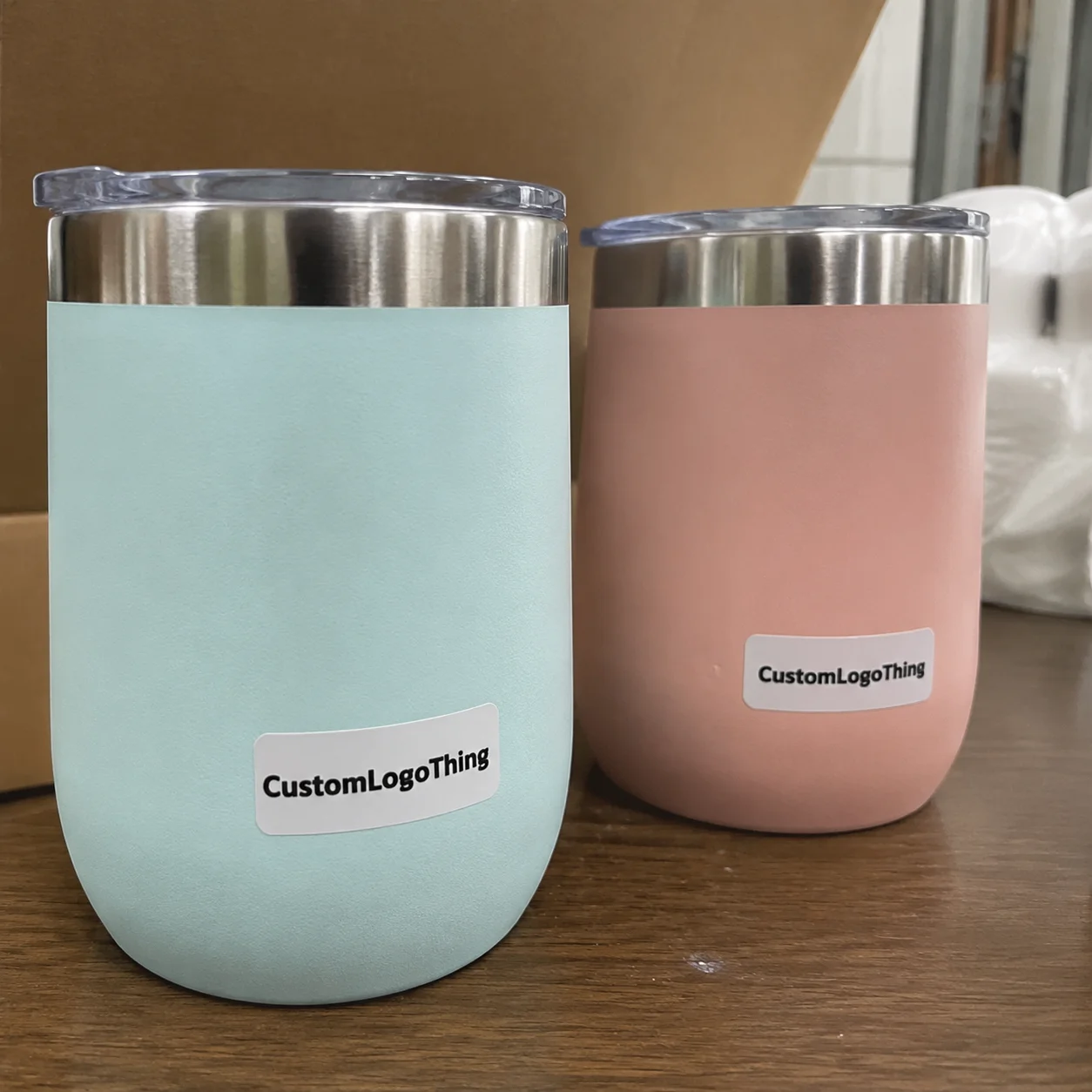
Custom Name Stickers for cups are personalized adhesive labels made for drinkware. They may show individual names, nicknames, initials, table numbers, team names, customer identifiers, or short branded messages. Their basic job is simple: help people tell one cup from another while keeping the name readable through handling, moisture, and normal use.
That sounds small. It is not.
A cafe using pickup cups needs names that stay legible long enough for orders to move from counter to customer. A school fundraiser may need 500 water bottles labeled by class or team. A wedding planner may want personalized tumbler stickers that double as place cards. A drinkware brand may need each customer’s name paired with a logo for a merch drop. Same category. Different risks.
Name stickers are not the same as general decorative cup stickers. Decorative stickers can be mostly visual. Product labels focus on branding, ingredients, barcodes, compliance, and shelf appeal. Name stickers prioritize legibility, data accuracy, adhesive behavior, and clean placement on curved surfaces. Less glamorous than “make it cute,” but much better for avoiding waste.
Common uses include party cups, wedding tumblers, kids’ water bottles, office mugs, cafe pickup cups, sports bottles, promotional drinkware, and branded merch. Some orders need one name repeated 300 times. Others need 300 different names. That difference affects setup, proofing, finishing, packing, and price.
The best spec depends on four practical questions:
- What is the cup made from?
- Will the sticker meet condensation, ice, heat, or washing?
- Does it need to last two hours, two weeks, or a year?
- Is every sticker identical, or is each one unique?
A sticker for a two-hour indoor baby shower does not need the same material as a waterproof vinyl name label for a stainless steel bottle that may be hand-washed twice a week. Paying for unnecessary durability wastes money. Under-specifying the label creates a different kind of bill: replacements, rush freight, and irritated customers.
Buyer reality check: personalized cup stickers are a mini production system. Artwork, spreadsheet data, material, proofing, printing, cutting, and packing all have to line up.
Materials, Adhesives, and Cup Surfaces
Material choice drives most of the sticker’s real-world performance. Paper is fine for short events, dry tables, and coated paper cups that will be thrown away after use. It is usually the lower-cost option, especially for larger sheeted runs. But paper does not love condensation, ice buckets, oily fingers, or long wear. Shocking, I know.
White vinyl is the durable workhorse. It gives strong opacity, good color, better water resistance, and clean readability across plastic, glass, stainless steel, acrylic, and ceramic surfaces. For reusable cups, sports bottles, and promotional drinkware, white vinyl is often the safest starting point.
Clear film gives a printed-on look, especially on transparent cups or colored tumblers, but it needs strong ink contrast. Pale pink text on clear film over a frosted cup may look delicate on screen and vanish in real life. If the cup is dark, clear stock may need a white ink layer behind the name or logo. Without it, many inks look translucent because the cup color shows through.
Waterproof synthetic stocks, including certain polypropylene and polyester films, are used when labels need stronger moisture resistance or better dimensional stability. For heavy handling, a laminate or UV coating can add scratch resistance and help protect printed ink. The extra layer adds cost, but replacing tired-looking labels after one event is not exactly free either.
Adhesive matters as much as the face stock. Plastic, stainless steel, glass, ceramic, acrylic, coated paper, and powder-coated tumblers all grip differently. A smooth glass jar may accept a permanent adhesive easily. A textured powder-coated tumbler is pickier because the adhesive contacts only the high points of the texture. Hand oils, dust, cold surfaces, and wet cups make that bond weaker.
Moisture is the honest test. Condensation, ice buckets, dishwashing, hot coffee, sunscreen, and kids picking at the edges will reveal weak choices fast. Lab data helps, and standards from groups such as ASTM International can guide testing methods, but real humans remain undefeated.
Removable adhesives work well for temporary event labeling, rentals, classroom organization, and short-term identification. Permanent adhesives are better for reusable bottles and merch, but they are less forgiving during application. If someone applies a permanent vinyl name sticker crooked on a $28 tumbler, the sticker may stretch or tear before it lifts cleanly. That is a memorable moment at the event table, usually not in a good way.
Shape also affects price and application. Rectangles and ovals are efficient. Circles look clean but need careful alignment. Die-cut script names feel custom and giftable, yet they take longer to weed, transfer, and apply. Kiss-cut sheets are fast for events because multiple names sit on one liner. Individually cut stickers are easier to distribute but cost more to finish and pack.
Specs to Decide Before Requesting a Quote
A useful quote starts with useful information. “How much for stickers?” is not a spec. It is a guessing game with postage attached.
Before requesting pricing, define the basics: sticker size, shape, cup material, quantity, number of unique names, indoor or outdoor use, wash expectations, finish, adhesive type, and packing method. If the sticker includes a logo, supply the logo too. Better yet, include a photo or link to the exact cup.
Most cup name stickers land around 1.5 to 4 inches wide. Small party cups may only have room for a 1.5-inch label. A 20-ounce tumbler might support a 3-inch horizontal name or a taller vertical decal. Add a logo and the label usually needs more width. Use the actual cup, not a vague memory of the cup.
Font choice is where buyers get into trouble. Thin scripts look elegant on a mockup and then collapse on a small sticker, textured tumbler, or dark cup. Legibility beats fragile calligraphy. For names under 2 inches wide, medium-weight sans serif fonts, bold serif fonts, and simpler scripts usually print better than ultra-thin strokes.
Color contrast deserves the same suspicion. Black, navy, deep green, and dark burgundy often read better than pale metallic effects. Clear labels on dark cups may need white ink behind the printed name. The file may look rich on screen because screens cheat. Ink does not glow.
Variable data needs discipline. Provide one name per row in a spreadsheet, exactly as it should print. Check capitalization, accents, apostrophes, spacing, duplicate rows, and special characters. “McKenzie,” “Mckenzie,” and “MACKENZIE” are three different production outputs unless someone cleans the file. Cleanup takes time, and sometimes money.
Set rules for long names before proofing. Will names scale down automatically? Will long names use a second line? Is there a maximum character count? Will a backup font replace the script for names that are too long? The prettiest template on the page can fail when “Alexandria-Mae Thompson” arrives in row 147.
Sheeted stickers are efficient for events, classrooms, cafes, and internal sorting. Individually cut stickers feel more polished for gifts, merch, influencer kits, and retail packaging. If the order supports a larger branded packaging plan, such as matching cup stickers with Custom Labels & Tags, keep fonts, logo spacing, and colors consistent across every printed piece.
Artwork files matter. Vector files such as AI, EPS, SVG, or press-ready PDF are best for logos and clean type. A high-resolution PNG may work for simple artwork. Screenshots are not artwork, despite the internet’s ongoing commitment to chaos. If the logo is blurry before printing, the sticker will not become magically crisp after printing.
Pricing, MOQ, and Unit Cost
Pricing depends less on the word “sticker” and more on setup, material, print method, unique-name count, finishing, and packing. Personalization adds handling even when the sticker is tiny. Someone still has to manage the name file, merge data, check layout, print, cut, sort, and pack the order correctly.
Simple paper event stickers can be economical in bulk. Waterproof vinyl, clear film, white ink, foil, lamination, die-cut shapes, and individual packing increase cost because the material and finishing steps are stronger, slower, or both. Very small runs are possible with digital printing, but unit cost rises because setup time does not disappear.
| Sticker Type | Best Use | Typical Practical Range | Tradeoff |
|---|---|---|---|
| Paper event stickers | Dry indoor parties, short events, disposable cups | Often about $0.08-$0.20 each in larger quantities | Lower durability around condensation and heavy handling |
| White vinyl name stickers | Reusable cups, bottles, branded merch, school or team use | Often about $0.18-$0.45 each depending on size and volume | Higher cost than paper, better moisture resistance |
| Clear film stickers | Transparent cups, colored tumblers, printed-on look | Often about $0.25-$0.60 each with white ink or coating | Needs strong contrast; pale colors can disappear |
| Die-cut script decals | Giftable tumblers, weddings, premium drinkware | Often about $0.50-$1.50 each depending on size and weeding | Slower production and more careful application |
Those ranges are not universal. Quantity, print coverage, sticker size, shipping destination, and supplier setup all matter. A 500-piece order of 2-inch white vinyl names on sheets will price differently from 500 individually cut clear decals with white ink, gold foil, and bagging. Same “name sticker” description. Completely different job.
Minimum order quantity, or MOQ, is a tradeoff. Digital printing can handle smaller runs, sometimes 25 to 100 pieces, but the per-unit cost may feel high. Larger runs spread setup over more units. If you need 80 stickers today and might need 120 next month, ask whether combining names into one larger order lowers the unit cost.
Sheeted labels usually reduce cost because they are faster to print, cut, and pack. Singles improve presentation and distribution. They are useful for events where each guest receives a specific sticker, or for product packaging where the label needs to sit inside a kit. Singles add finishing labor, so budget for it.
To Request a Quote, include quantity, sticker dimensions, cup type, material preference, number of names, finish, deadline, shipping destination, and whether you need design help. If your project also includes product packaging, package branding, or companion items like Custom Packaging Products, say that early. Matching the sticker to the rest of the packaging is easier before files are built, not after proofs are approved.
If the budget is tight, simplify. Use standard white vinyl, pick a rectangle or oval, avoid special effects, order on sheets, and provide clean name data from the start. Add 5 to 10 percent extra if names may change or people will apply stickers themselves.
Production Steps and Timeline
The standard process is predictable: confirm specs, submit artwork and name list, receive a proof, approve the layout, print, cut, finish, quality check, pack, and ship. The clock usually starts after final proof approval, not after the first email asking for pricing. That email is not a production file.
Proofing is where buyers should slow down. Check spelling, capitalization, font readability, sticker size, logo placement, and how long names fit. A name like “Ana” and a name like “Alexandria-Mae” will not occupy the same space. Good variable-data setup accounts for that, but the proof still needs human eyes.
Printers usually merge the name list into a design template, then review spacing issues caused by very short or very long names. Some layouts use automatic scaling, which keeps long names inside the shape but can make them look smaller. Other layouts set a maximum character count or use a backup font. Decide that before 600 names move into proofing.
Simple digital sticker runs can sometimes move in 3 to 7 business days after proof approval, especially for standard materials and sheeted production. More complex jobs may need 7 to 15 business days. Clear film with white ink, laminated vinyl, foil, specialty shapes, large volumes, or individual packing can push timelines longer. Shipping adds another 1 to 5 business days for many domestic shipments, depending on service level and location.
Rush orders are possible, but they carry risks. Fewer proofing windows. Higher freight costs. Limited material options. Less time to catch a spreadsheet where someone pasted a hidden line break after every fifth name. If there is an event date, build backward from delivery, not from the day the cups finally appear on someone’s task list.
Ordering extras is cheap insurance. Add 5 to 10 percent for spelling changes, late guests, application mistakes, damaged cups, or replacements after the event. For drinkware brands and retail packaging programs, extras also help with samples, photography, fulfillment errors, and customer service replacements.
Quality control should include count checks, print clarity, cut alignment, adhesive liner condition, and name accuracy against the approved file. For larger orders, ask how names will be sorted: alphabetically, by table, by team, by class, or in spreadsheet order. Sorting sounds boring until 300 guests are waiting and every sticker is in a random pile.
Mistakes That Make Cup Stickers Peel, Smear, or Look Cheap
The biggest mistake is buying on lowest price without matching material to cup surface and moisture exposure. A paper sticker may be perfect for dry coated paper cups at a two-hour indoor meeting. It is a poor choice for acrylic tumblers sitting in ice. Cheap is only cheap if it works.
Application causes plenty of failures too. Stickers do not bond well to wet, dusty, oily, cold, or textured surfaces. Cups should be clean, dry, and room temperature before labeling. Wipe reusable cups with a suitable cleaner, let them fully dry, then apply firm pressure across the whole sticker, especially the edges.
Oversized stickers wrinkle on curved cups. Tiny stickers make names unreadable from normal viewing distance. For tapered cups, keep the sticker inside the smoothest, flattest area and away from rims, seams, handles, heavy texture, and abrupt shape changes. A 3-inch sticker that looks great on a flat proof can buckle on a narrow party cup.
Design mistakes show up fast. Thin fonts, low contrast, tiny QR codes, overly detailed logos, and pale ink on clear labels reduce readability. If the cup is dark, ask whether white ink is needed. If the cup is textured, avoid hairline type. If the sticker includes a logo, simplify it before shrinking it to 2 inches wide.
Data mistakes are just as expensive as material mistakes. Misspelled names, mixed capitalization, duplicate rows, hidden spreadsheet characters, and late changes can slow production or create waste. Give the printer one clean final list. Not one list in email, one list in a screenshot, and one “quick update” buried in a message thread. That is how errors breed.
Dishwasher assumptions deserve their own warning. Not every waterproof sticker is dishwasher-safe. Even durable vinyl depends on adhesive, laminate, cup texture, heat, detergent, rack position, and wash cycle. Hand-washing is safer for most personalized cup labels unless the material has been selected specifically for that exposure.
Storage can also weaken results. Leaving stickers in heat, humidity, or direct sun before application can affect adhesive performance and curl the liner. Store labels flat, indoors, and away from temperature swings. The Forest Stewardship Council is a useful reference for responsible paper sourcing if an order includes paper-based labels or broader branded packaging, but sustainability claims still need to match the exact material used.
The practical fix is boring and effective: ask for material recommendations, approve the proof carefully, and test one sticker on the actual cup when timing allows. A 24-hour test can reveal edge lift, contrast problems, or surface issues before the full order is applied.
What to Check Before Ordering
Start with the cup. Identify whether it is plastic, glass, stainless steel, ceramic, acrylic, coated paper, or powder-coated metal. Then decide whether the sticker is temporary or long-term. A cafe pickup label, wedding cup name, school water bottle sticker, and retail drinkware decal should not all use the same spec.
Measure the usable application area before choosing size. Leave room away from rims, seams, handles, taper changes, heavy texture, and curved edges. For most orders, 1.5 to 4 inches wide is the practical range, but the cup decides. Not the mockup. Not the template. The actual cup.
Choose the material based on exposure. Paper can work for short dry events. White vinyl is safer for moisture and general durability. Clear film looks cleaner on transparent or colored cups but needs contrast, and sometimes white ink. Laminates or UV coatings help if the sticker will be handled repeatedly.
Prepare a clean spreadsheet with one name per row, exactly as it should print. Include capitalization, punctuation, accents, and special characters. Remove duplicates unless duplicates are intentional. For long names, choose one readable font family and one backup layout rather than forcing every name into a fragile script style.
Ask direct supplier questions: Is the material water-resistant or waterproof? Is the adhesive removable or permanent? Is it laminated? Is it dishwasher-tolerant or hand-wash only? Does it work on textured powder-coated cups? Can the order be packed alphabetically, by table, or by team?
Send the quote request with quantity, sticker size, material, finish, number of names, packing preference, deadline, and delivery location. If the sticker supports a bigger product packaging or Custom Printed Boxes program, share that context so colors, logo size, and package branding stay consistent.
Custom Name Stickers for cups work best when the cup surface, adhesive, artwork, and name data are planned before production starts. Do that, and the order feels straightforward. Skip it, and the real product becomes peeling labels, unreadable names, and a rush reorder nobody budgeted for.
FAQs
Are custom name stickers for cups waterproof?
They can be, but only if printed on waterproof material such as vinyl or synthetic film with the right adhesive. Paper name stickers are fine for dry, short events but usually struggle with condensation, ice buckets, and repeated handling. For reusable bottles or tumblers, ask for waterproof stock plus lamination or coating if the sticker will be touched often.
What size should personalized cup name stickers be?
Most cup name stickers work well between 1.5 and 4 inches wide, depending on the cup size, name length, and whether a logo is included. Small party cups need compact labels, while tumblers and bottles can handle larger horizontal or vertical designs. Measure the smooth application area before ordering so the sticker does not wrinkle over curves, seams, or texture.
Can each cup sticker have a different name?
Yes. This is usually handled with variable-data printing from a spreadsheet or name list. Provide one name per row and check spelling, capitalization, accents, and duplicates before proofing. Long names may need a smaller font or adjusted layout, so build that rule into the design from the start.
How much do custom cup name labels cost?
Cost depends on quantity, material, sticker size, shape, finish, number of unique names, and packing style. Sheeted stickers usually cost less than individually cut stickers because finishing is faster. Waterproof vinyl, clear film, white ink, foil, lamination, rush timing, and design cleanup can increase unit cost.
Will name stickers stay on cups in the dishwasher?
Some durable vinyl stickers can tolerate washing, but dishwasher performance depends on adhesive, laminate, cup surface, heat, detergent, and cycle strength. Hand-washing is safer for most personalized cup labels, especially on textured or powder-coated drinkware. If dishwasher use matters, tell the supplier before ordering and request a material suited for that exposure.


