What Custom ODI Number Plate Stickers Are Really For
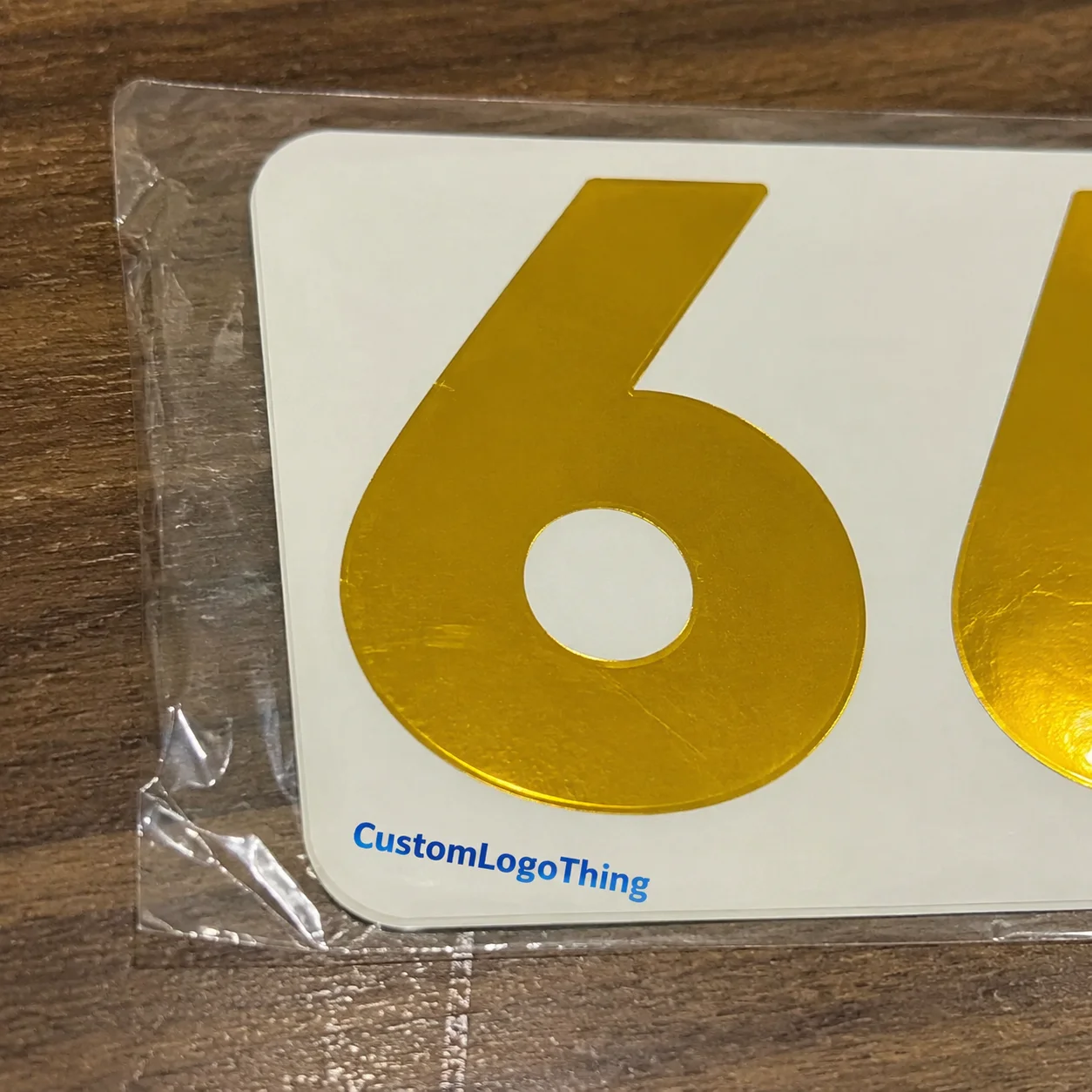
A number plate sticker looks simple until it has to deal with roost, pressure washing, sun, mud, boot rub, fuel splash, and a curved plastic plate. That is usually when cheap decals start doing cheap decal things. Edges lift. Corners curl. Numbers get hard to read. Nobody is shocked.
Custom ODI number plate stickers are fitted vinyl decals built around the shape, holes, radius, edge clearance, and surface of a specific plate. They are not just decorative labels with a motorsport font slapped on top. The finished piece has to behave like a small engineered laminate system once it is installed.
These decals are commonly used for motocross, BMX, pit bike, mini bike, kart, and powersports applications, depending on the plate style and the buyer’s setup. A flat artwork file on a screen does not tell the whole story. The real test is whether the decal can sit cleanly across the plastic without bridging recessed areas, covering bolt holes, crowding the number field, or pulling back after a few wash cycles.
Generic stickers are fine for toolboxes, shipping cartons, water bottles, and flat retail displays. A number plate is less forgiving. It may have compound curves, molded texture, vents, ribs, tight corners, and mounting hardware that sits right where a designer wants to put a logo. That is why the cut path matters as much as the artwork.
A properly planned number plate graphic accounts for the outline, mounting points, vent areas, corner radius, trim clearance, and readable field for rider numbers and sponsor marks. It should look intentional after installation, not like someone trimmed a rectangle with a utility knife five minutes before practice.
Common uses include race numbers, sponsor logos, team branding, event sets, replacement graphics, dealership add-ons, youth rider kits, and small-batch branded accessories. Some buyers need one or two replacement pieces. Others need 50 sets with rider names, class marks, and team colors held consistent across every version.
The buying process gets much easier once you understand the actual build: vinyl, adhesive, ink, laminate, cutting, proofing, and installation. Miss one of those and the decal may still print nicely. It just may not last.
How ODI Plate Decals Work: Vinyl, Adhesive, Print, and Laminate
A plate decal is a layered product. From the top down, the typical construction includes a protective laminate, printed ink, vinyl face film, pressure-sensitive adhesive, and release liner. Some designs may use transfer masking, but most full-color plate graphics are produced as printed, laminated, contour-cut decals.
The vinyl matters first. Calendared vinyl is usually more economical and works well on flatter surfaces. It has more internal memory because of how it is manufactured, so it can try to pull back toward its original shape after being stretched. That shrink-back is one of the reasons corners lift on curved plastics.
Cast vinyl or another high-conformability film costs more, but it handles curves and edges better. It is thinner, more relaxed, and less likely to fight the plate after installation. For light use, calendared film may be fine. For aggressive riding, tight curves, or frequent washing, conformable film is usually the safer choice.
Adhesive is the other half of fit. High-tack adhesives grab textured or low-surface-energy plastics more aggressively, which helps on molded plates that are not perfectly smooth. Still, no adhesive bonds properly through chain lube, silicone spray, mold release, dust, wax, fingerprints, or old glue residue. Surface prep is boring. It also decides whether the sticker stays down.
Most custom ODI number plate graphics are produced with digital printing because it handles full color, short runs, rider-number changes, and sponsor updates without expensive screens. Screen printing or specialty printing can make sense for higher volumes, spot colors, metallic effects, or unusual durability targets, but digital print is usually the practical route for small and mid-size orders.
Lamination protects the print. Gloss laminate gives color pop and wipes down easily. Matte laminate reduces glare, which can help readability under harsh light. Textured laminate adds abrasion resistance and a tougher feel, though it can soften image sharpness compared with a smooth gloss surface. For powersports use, laminate is not the upgrade to skip unless the sticker is purely decorative.
Contour cutting turns the printed sheet into a fitted part. The cut path should follow the plate outline and include relief around mounting holes, vents, radius corners, and tight areas where stretching would create stress. Accurate cutting reduces hand trimming during installation. That matters because trimming on the plate can nick plastic, slice the laminate edge, or create a water entry point.
Color placement needs the same discipline as material selection. High-contrast numbers and clean logo spacing are not just design preferences. They are readability decisions. If the plate is seen at speed, through dust, or under a layer of mud, a beautiful low-contrast layout may fail its main job.
Key Specs to Confirm Before You Order Number Plate Graphics
Start with fitment. Confirm the exact plate model, application, and whether you need a front plate, side plate, or full set. If the order is for a bike, kart, or aftermarket powersports plate, do not trust a listing photo as a measurement. Plastic parts vary. Aftermarket plates can change curves or mounting holes just enough to ruin a cut path.
Measure the obvious dimensions first: overall width and height. Then measure bolt hole diameter, center-to-center distance between holes, raised zones, recessed pockets, vents, and any radius areas where the vinyl needs to bend. A straight-on photo with a ruler in the frame is useful because it gives the artwork team scale and shape reference at the same time.
Surface texture is not a footnote. Smooth ABS accepts stickers differently than pebbled, molded, scuffed, or previously treated plastic. A textured plate may need stronger adhesive, heat-assisted installation, or slightly more edge clearance in the design. If the surface is heavily textured, even a good decal may not perform like it would on smooth plastic.
Artwork quality controls the finished result. Vector logos are best because they scale cleanly and keep edges sharp. High-resolution raster files can work if they are sharp at final size. Screenshots, social media downloads, and copied web logos usually print fuzzy. Rebuilding a poor logo is possible, but it adds prepress time and can require approval if sponsor marks are involved.
Color should be discussed before production, not after the box arrives. PMS references help with brand colors, though printed vinyl can shift slightly depending on ink set, laminate finish, print profile, and the base white of the film. Matte laminate can make colors look softer. Gloss can make them look deeper. Neither is automatically better. They just read differently.
Bleed, safe zones, and cut tolerance are practical details, not designer jargon. Bleed means the artwork extends past the cut line, often by about 0.08 to 0.125 inch, so there is no white sliver if the cut shifts slightly. Safe zone means rider numbers, sponsor logos, QR codes, and small text stay away from edges, holes, and bend areas.
For custom ODI number plate stickers, keep critical elements at least 0.125 to 0.25 inch away from risky edges when the design allows it. More clearance is better around holes, tight corners, and recessed sections. A layout that looks “perfectly full” on screen can feel crowded once the decal is installed.
Durability depends on the whole use case: film grade, adhesive, laminate, UV exposure, washing habits, fuel contact, abrasion, and storage between rides. Choose the spec around the abuse level first. Then tune the look.
Practical rule: if the plate will be raced, washed hard, or rubbed by boots and gear, specify the vinyl, adhesive, and laminate as a working system. Do not shop only by the lowest unit price and act surprised later.
Pricing, MOQ, and Unit Cost Drivers for Custom Plate Stickers
Pricing is usually driven by size, quantity, material grade, laminate type, print coverage, number of unique designs, contour complexity, artwork cleanup, and packaging requirements. A simple one-color sticker is not the same job as a full-color, laminated, contour-cut race graphic with five sponsor logos and 30 rider-number variations.
Minimum order quantity depends on the production method. Digital sticker production can support small batches, but unit cost drops when setup, proofing, nesting, printing, cutting, inspection, and packing time are spread over more pieces. One-off pricing feels high because the work still needs file review, prepress, material setup, machine time, contour cutting, quality control, and protective packing.
Material choice changes cost quickly. A standard promotional sticker stock might be fine for a giveaway or flat packaging label. It is not the material I would choose for a high-abuse number plate. Thicker powersports-style vinyl, stronger adhesive, and a heavy gloss or textured overlaminate cost more, but they are better suited for dirt, brushing, washdown, and sun.
Artwork fees are another common driver. Clean vector art is fast to prepare. Blurry logos, mismatched sponsor marks, hand-drawn layouts, and multiple rider names can add design or prepress charges. Personalization is useful, but every version needs proofing and production control so the right name, number, and class mark end up in the right set.
| Order Type | Typical Use | Common Spec | Typical Unit Range | Cost Notes |
|---|---|---|---|---|
| Small single-piece or sample order | Fit check, replacement, personal ride | Printed vinyl with gloss or matte laminate | $12-$35 per decal | Setup and proofing carry most of the cost |
| Short run | Team set, youth rider kits, event graphics | Conformable vinyl, high-tack adhesive, laminate | $5-$14 per decal at 25-100 pieces | Variables and multiple names may add handling |
| Mid-volume batch | Dealer add-on, retail packaging bundle, branded accessories | Nested digital print, contour cut, packed by set | $2.50-$7.50 per decal at 250-1,000 pieces | Packaging, kitting, and version control affect price |
| High-abuse race spec | Motocross, rental fleet, frequent washdown | Premium vinyl, aggressive adhesive, heavy textured laminate | Often 20%-60% above standard vinyl decals | Higher material cost, slower finishing, more QC |
These ranges are starting points, not a universal price list. Size, shape, supplier equipment, material brand, and freight all matter. For a cleaner quote, send plate dimensions, straight-on photos, quantity, number of designs, intended use, preferred finish, deadline, and artwork files in the first request.
If the sticker is part of broader Custom Labels & Tags or branded packaging work, mention that early. Batching related graphics can sometimes reduce setup waste, especially if the same artwork, colors, or packing format repeats across products.
Process and Timeline: From Artwork Proof to Finished Stickers
A typical order moves through inquiry, spec review, artwork check, digital proof, approval, material preparation, printing, lamination, cure or dwell time, contour cutting, inspection, packing, and shipping. Skip one of those steps and the problem usually shows up later as a wrong fit, fuzzy logo, edge lift, or missed delivery date.
The proof should show the overall shape, cut line, bleed, safe zones, number placement, logo placement, color notes, and hole references. Read it slowly. Check spelling, rider number, class, sponsor names, logo orientation, plate model, quantity, and shipping details before approving.
Production should not begin until those items are confirmed. Changes after print are not “quick edits.” They are usually reprints.
Some print systems benefit from outgassing or rest time before lamination, especially solvent or eco-solvent workflows. That rest period helps reduce trapped solvents, bubbles, edge curl, and laminate adhesion issues. UV and latex print systems have different handling requirements, but the point is the same: ink and laminate need to work together after the decal is cut, not start fighting each other two days later.
Cutting is more than sending a file to a plotter. Operators check print-to-cut registration, edge cleanliness, laminate adhesion, surface defects, and counts. On a nested sheet with several versions, they also need to confirm each rider variation before packing. A tiny labeling mistake becomes a very large headache when a team opens the box at the track.
Lead time varies by artwork readiness, proof approval speed, material availability, quantity, finishing complexity, and carrier transit time. A simple short run with clean files may move in several business days after proof approval. A larger personalized batch, specialty laminate, or packed-by-set program may need 10-15 business days or more, especially if sample approval is required.
Plan backward from the race day, event date, retail launch, or team distribution deadline. Leave time for installation and replacement pieces. Shipping delays are not material defects, but they still ruin schedules when the order starts too late.
The same discipline applies to custom printed boxes, instruction cards, hang tags, and other Custom Packaging Products. Good branded packaging depends on controlled files, proof approval, and realistic finishing time, whether the item is a box, label, decal, or retail kit component.
Step-by-Step Ordering Guide for a Clean, Accurate Plate Fit
- Identify the plate style. Take clear photos straight-on, from an angle, and close to any raised or curved areas. Include mounting holes and edges in the frame.
- Measure the actual plate. Do not rely only on a product listing. Measure width, height, hole diameter, hole spacing, and any recessed or raised zones that affect the design.
- Choose the sticker build. Standard vinyl may be enough for light use. Rough riding calls for higher-tack adhesive, conformable film, and a protective laminate. Gloss gives pop, matte controls glare, and textured laminate adds abrasion resistance.
- Gather artwork files. Send logos, rider numbers, sponsor marks, team colors, and placement notes. Vector files such as AI, EPS, or PDF are best when available.
- Request a proof. Inspect spelling, number order, logo proportions, edge clearance, hole clearance, and whether critical graphics sit on curved areas.
- Approve only when the proof matches the use. Changes after printing may require a full reprint, especially if the plate shape, number, or sponsor placement changes.
- Prepare for installation early. Clean the plate, remove old adhesive, and choose a warm, dust-free application area before the finished decals arrive.
That sequence sounds basic because it is. It also prevents most avoidable problems. The roughest jobs are not always the most complex designs; they are often the orders where nobody confirmed the actual plate dimensions until after art approval.
If you are ordering custom plate stickers for resale, team kits, or retail packaging bundles, add one more step: define how each set should be packed. A decal sold loose in a poly bag has different handling needs than a full kit going into branded packaging with an insert card, barcode label, and matched rider number.
Common Mistakes That Cause Lifting, Wrinkles, or Poor Readability
Installing over contamination is the big one. Dirt, wax, silicone spray, mold release, oil, fingerprints, or old adhesive residue creates a weak boundary layer. Even a strong adhesive bonds to that contamination instead of the plate. Then water and dirt work under the edge.
Stretching the vinyl too aggressively creates another failure path. A little heat and tension can help film conform, but overstretched vinyl wants to shrink back later. Tight corners, deep curves, and narrow points are especially sensitive.
Placing text too close to holes, edges, or bends causes crowding. It may look fine on the screen, yet cut tolerance and installation movement can make the final plate feel tight or off-center. Keep names, numbers, and sponsor logos out of stress zones whenever possible.
Choosing the cheapest material for a high-abuse plate usually costs more later. Promotional sticker stock can look sharp on day one. Mud, brushing, UV exposure, and pressure washing expose the weakness fast. If a buyer expects race-grade performance, the material stack has to match that expectation.
Skipping proof review is painfully common. Misspelled names, wrong rider numbers, reversed colors, and outdated sponsor logos are preventable. The proof is the cheapest place to catch those mistakes.
Applying in cold conditions reduces conformability and adhesive wet-out. Warm plastic and warm vinyl behave better. Many pressure-sensitive adhesives prefer installation around room temperature or warmer, often around 65°F to 75°F or above depending on the film and adhesive system.
Pressure washing too soon can start edge failure. Adhesives need dwell time to build bond strength. Waiting 24-72 hours before aggressive washing is sensible for many vinyl decals, though the exact timing depends on adhesive chemistry, temperature, surface, and humidity.
For testing and transport programs, some packaging buyers reference standards from groups such as ISTA for distribution performance or ASTM methods for adhesive testing, including peel and tack evaluation. A number plate decal is not a corrugated shipper, obviously. The useful habit is the same: define the stress, then choose the material system around that stress.
Next Steps: Build a Spec Sheet Before Requesting a Quote
A one-page spec sheet saves time. Include the plate type, straight-on and angled photos, dimensions, quantity, number of versions, rider names or numbers, logo files, color notes, finish preference, durability expectations, packaging needs, and deadline. That gives the producer enough information to quote the real job instead of guessing at size, material, artwork time, or production complexity.
For high-abuse applications, ask whether a material sample, small test run, or proof print makes sense before committing to a larger batch. Samples are not always free, and they do not replace field use, but they can reveal fit, color, texture, and adhesive behavior before hundreds of pieces are produced.
Plan for extras. Racing, rental programs, youth teams, dealership kits, and retail bundles all create damage and reorder situations. Ordering a few replacement pieces or spare sets is usually cheaper than restarting a tiny emergency run later.
Also confirm installation guidance. Ask about cleaning method, ideal temperature, squeegee pressure, heat use, edge sealing recommendations, and cure time before washing. If the decals will ship to end users, include a small instruction card as part of the product packaging. Clear instructions reduce returns. They also keep the decal from being blamed for a bad install.
If sustainability claims matter for surrounding cartons, inserts, or retail packaging, keep them separate from the vinyl decal claim and verify the details. Organizations such as the Forest Stewardship Council provide chain-of-custody guidance for paper-based materials, but that does not automatically apply to vinyl graphics.
Gather measurements, photos, artwork, quantity, and deadline first. Then request pricing and production timing for custom ODI number plate stickers with fewer revisions, a cleaner proof, and a better final fit.
FAQs
What material is best for custom ODI number plate stickers?
For light decorative use, a quality printed vinyl with laminate may be enough. For riding, racing, or frequent washing, choose a conformable vinyl, aggressive adhesive, and durable overlaminate such as gloss, matte, or textured laminate. The best material depends on plate surface, curve severity, abrasion level, washing habits, and expected life.
How do I measure my plate for custom ODI plate decals?
Measure overall width and height, bolt hole diameter, distance between holes, and any curved, raised, recessed, or vented areas. Take straight-on photos with a ruler in the frame so scale and shape can be checked. For complex curves, a paper tracing or physical template can help confirm the cut path.
Can I order custom ODI number plate graphics with different rider numbers?
Yes. Variable rider numbers, names, classes, and sponsor arrangements are common. List each version clearly in a spreadsheet or order note to avoid mix-ups. Personalization can affect unit cost because each version requires proofing, layout control, and separate production handling.
How long do custom number plate stickers take to produce?
Timeline depends on artwork readiness, proof approval speed, material availability, quantity, finishing, and shipping distance. A clean file and quick proof approval can shorten the process. Plan ahead if the stickers are needed for a race, event, product launch, or team distribution.
Why are my ODI number plate stickers lifting at the edges?
Common causes include dirty plastic, silicone residue, cold installation, overstretched vinyl, sharp curves, low surface energy plastic, or washing too soon. Clean the plate thoroughly, apply in a warm area, use firm squeegee pressure, and allow dwell time before heavy use. If the surface is highly textured or curved, a stronger adhesive or more conformable vinyl may be needed.