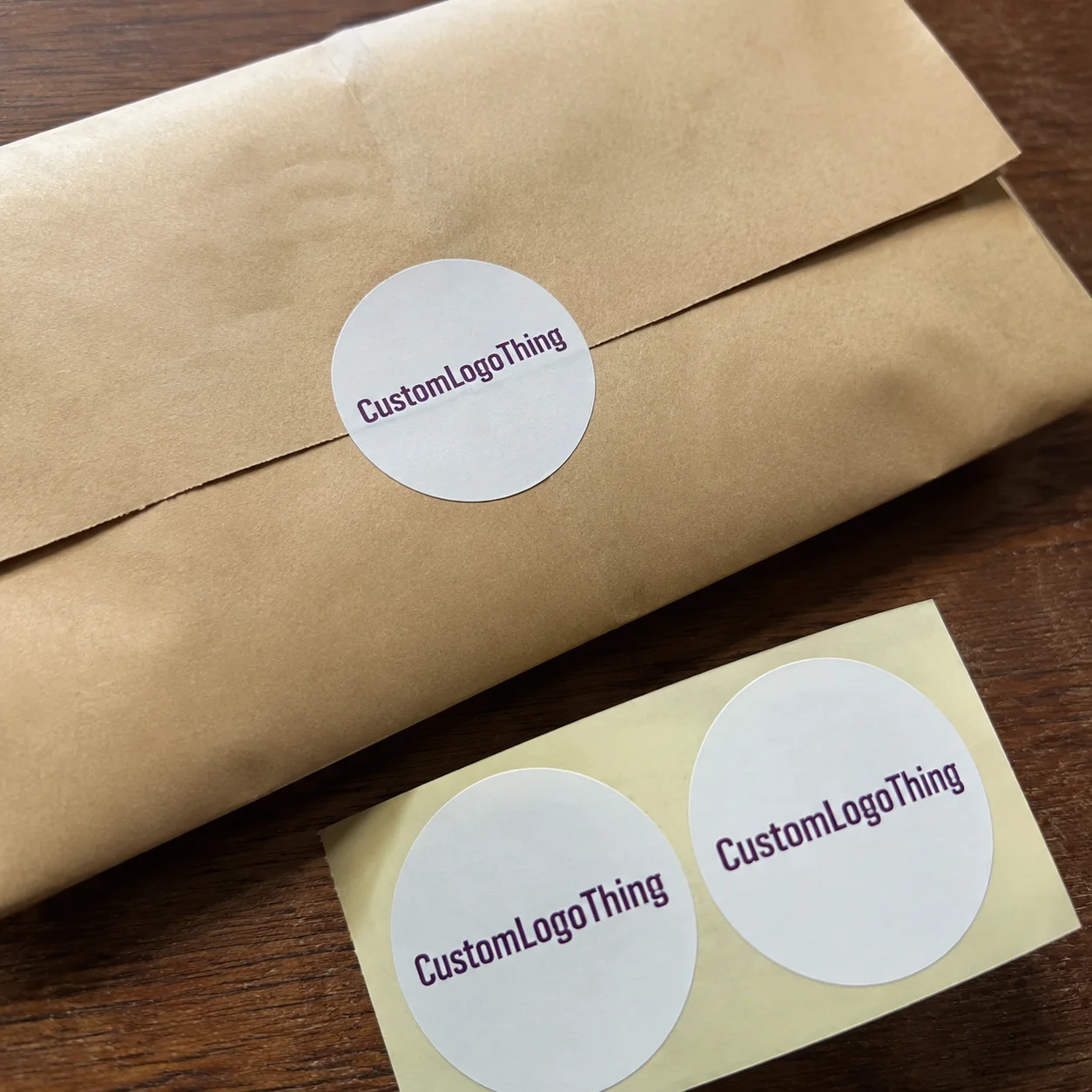
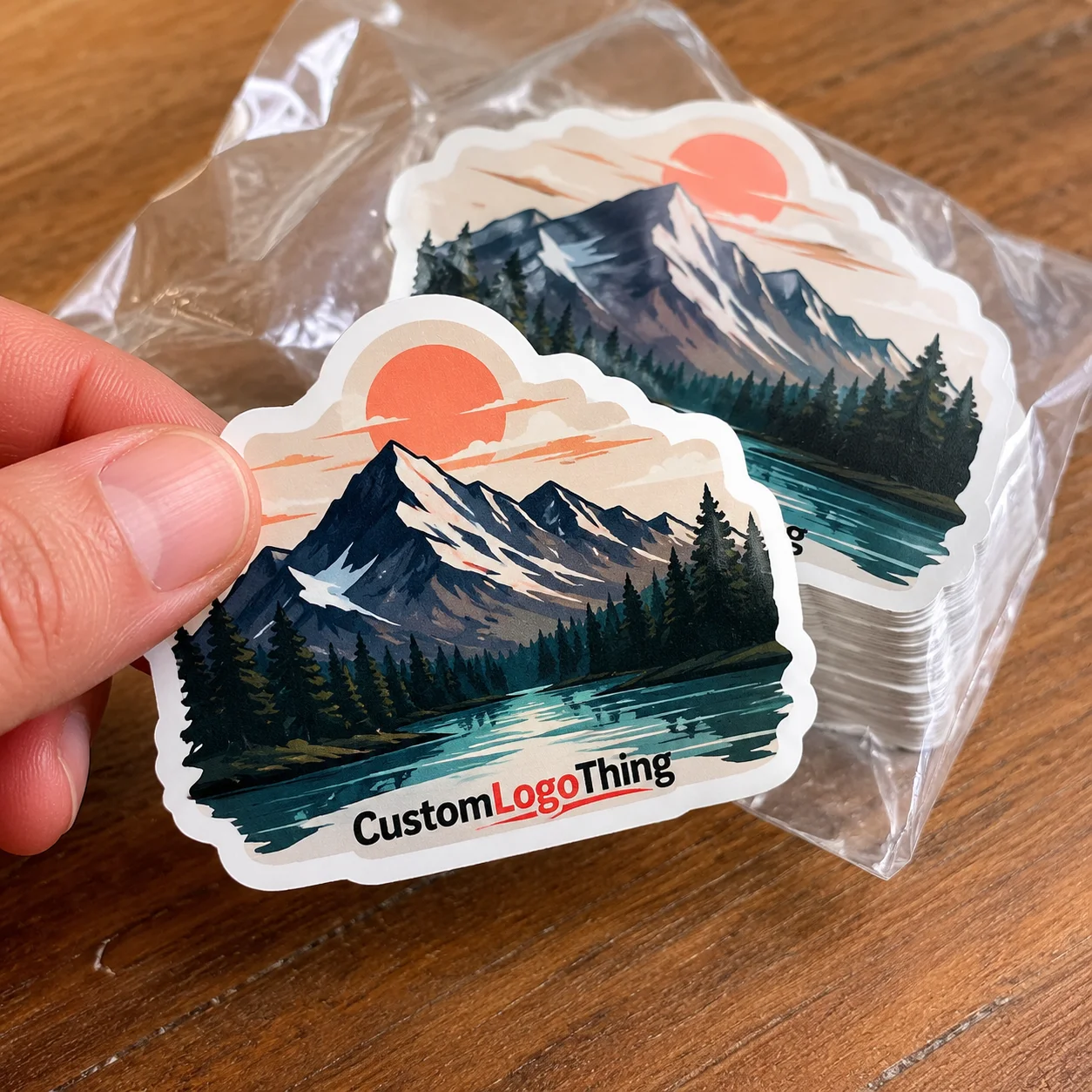
Put two identical amber jars on a table. Wrap one with a dull paper label. Give the other a crisp film label, clean white ink, and a tamper seal that actually lines up with the lid. The formula inside has not changed, but the buyer’s read of quality, care, and value changes in seconds. That is why custom labels & stickers deserve the same practical attention as the jar, pouch, mailer, or box they sit on.
What Custom Labels & Stickers Really Do for Packaging
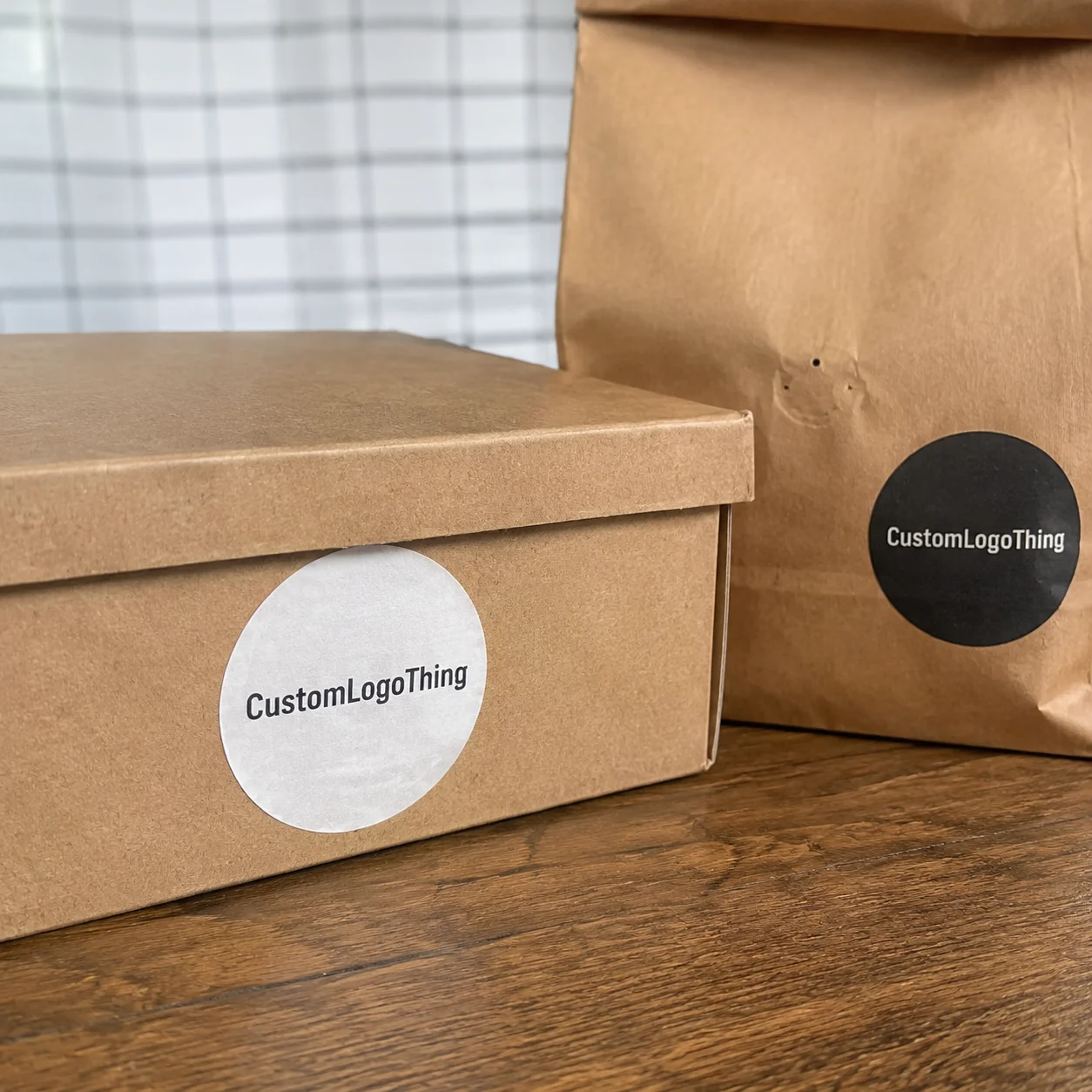
A label may be the smallest visible packaging component, but it carries a lot of weight. It identifies the product, holds the barcode, lists ingredients, shows batch or lot information, supports compliance copy, adds shelf appeal, and helps the customer remember the brand after the package is opened. On shipping cartons, color-coded stickers can also organize inventory, separate SKUs, and reduce picking errors. Not glamorous. Useful.
In practical terms, labels usually sit on products or packaging because they inform and brand the item. Stickers can do the same job, but the use is broader: promotional decals, box seals, insert gifts, event handouts, warning marks, QR code stickers, or decorative pieces for branded packaging. The production methods overlap. The right specification depends less on the name and more on what the piece has to survive.
Buyers usually run into a few standard formats. Roll labels are supplied on a liner and used for hand application or machine application. Sheet stickers work for short runs, samples, events, and internal teams. Kiss-cut stickers peel from a backing sheet, while die-cut stickers follow the outside shape of the design. Seal labels may bridge a carton flap, tuck into a jar lid, or wrap over a pouch edge as a light tamper-evident cue.
Many label problems start because the label is treated as artwork first and packaging second. Better orders begin with the real use case: product surface, expected handling, storage temperature, moisture exposure, application method, and retail setting. Once those are clear, material, adhesive, print method, finish, quantity, and timeline choices stop feeling like guesses.
How Sticker Materials, Adhesives, and Finishes Work Together
The face stock is the visible material that carries the ink. Paper is economical and works well for dry indoor use, especially on paperboard cartons, room-temperature jars, and retail packaging where moisture is not a serious risk. A typical paper label may use a semi-gloss or matte coated stock in the 60–80 lb label range, depending on the converter’s line. It prints cleanly, cuts well, and keeps unit cost down.
Polypropylene and BOPP film are common choices for products exposed to humidity, condensation, oils, or repeated handling. White BOPP gives bright color and good opacity. Clear BOPP creates a “no-label” look on glass or clear plastic, though pale colors often need a white ink layer behind them or they disappear. Vinyl is usually chosen for durable promotional stickers, outdoor decals, equipment labels, or giveaways that need more tear resistance and flexibility than paper.
Adhesive selection is a performance decision, not a footnote buried in the quote. Permanent adhesive is the default for long-term product packaging. Removable adhesive suits temporary promotions or price labels, though removal performance depends on dwell time and surface chemistry. Freezer-grade adhesive is built for cold application or cold storage, often down to ranges such as -20°F to -40°F depending on the product. High-tack adhesive helps on textured corrugated board, rough paper, molded plastics, and other lower-energy surfaces.
Finishes change appearance and handling. Matte varnish gives a softer look and reduces glare. Gloss varnish or gloss lamination makes colors pop and protects against light scuffing. Soft-touch lamination feels premium, but dark artwork may show fingerprints. Uncoated paper is useful for writable labels, batch marks, or craft-style packaging. Lamination costs more than a simple varnish, but for bottles, mailers, and high-rub applications, it can prevent ugly scuff marks during packing and transit.
Practical callout: label performance is a system. Ink, face stock, adhesive, liner, finish, and package surface all have to cooperate under real temperature, moisture, handling, and shipping conditions.
Glass, coated paperboard, corrugated board, tins, flexible pouches, and curved plastic containers all behave differently. A flat label that looks perfect on a proof can wrinkle on a tight-radius tube, lift from an oily plastic, or flag at the edge of a flexible pouch after filling. If the product ships through parcel networks, review packaging durability guidance from groups such as ISTA, because vibration, compression, and abrasion expose weak label choices fast.
Key Specs to Decide Before You Request Artwork or Samples
Start with size and shape. A good label fits the usable panel, not just the total package dimension. On a jar, that means avoiding tight shoulder curves and leaving enough clearance from the bottom radius. On a pouch, it means staying away from seals, gussets, tear notches, and zipper tracks. On a box, it means accounting for score lines and flap movement. A 2 mm placement issue may not sound dramatic until it repeats across 5,000 units.
Artwork should be built for production, not a sales deck. Vector logos are preferred for clean edges. Fonts should be outlined or embedded. Images should be high resolution at final size, commonly 300 dpi for photographic content. Bleed often runs about 1/8 inch beyond the cut line, though the supplier’s template should control. Safe zones keep small text and borders away from normal die movement. Dielines belong on their own layer, clearly marked as non-printing.
Color expectations need a blunt conversation. A screen proof is not a press sheet. Kraft paper dulls bright colors. Clear film changes color depending on the container behind it. Metallic stock reflects light through transparent inks. Dark substrates may need white ink underprinting. If brand color is tightly controlled, ask about Pantone matching, drawdowns, or a physical proof. Digital printing is very good for short and medium runs, but it still has tolerance bands.
Copy and compliance details should be locked before proofing. That includes ingredients, net weight, warning text, QR codes, country of origin, recycling marks, barcodes, batch code zones, nutrition panels, and any category-specific legal language. Barcodes need enough size, intact quiet zones, and testing on the final material. A barcode that scans on white paper may fail on a curved glossy bottle if it is too small or placed near a seam.
Application method also drives the specification. Hand-applied labels and stickers allow some flexibility on roll direction and spacing, although the operator still needs a clean liner and easy release. Machine-applied roll labels need far more precision: core size, outside roll diameter, gap, unwind direction, leading edge orientation, liner thickness, and label stiffness can all affect the applicator. For many pressure-sensitive labelers, a 3-inch core and consistent gap are standard. The machine manual wins, though. Always.
Process, Timeline, and Production Steps from Quote to Delivery
A clean order path starts with the use case, then moves into material, finish, size, quantity, artwork, proofing, production, inspection, packing, and shipping. Skipping steps feels faster at the start. It rarely is. The better the brief, the fewer assumptions the production team has to make.
For quoting, expect to provide size, shape, material, adhesive, finish, color coverage, number of designs, quantity, roll or sheet format, packing requirements, and delivery location. A 2 x 3 inch white BOPP roll label is a different job from a 4 inch die-cut vinyl sticker with laminate, even if both are called “stickers” in casual conversation. Multiple SKUs matter too; ten designs at 500 pieces each may price differently than one design at 5,000 pieces because setup, proofing, and changeover work increase.
Proofing deserves real attention. A digital proof checks layout, spelling, dielines, cut position, and basic color placement. It is useful and efficient, but it does not fully show material texture, adhesive feel, opacity, scuff resistance, or how color behaves on clear, kraft, foil, or textured stock. A physical sample or press proof adds time and cost. For a retail launch, cold-chain product, or premium package branding project, that extra step can prevent a much more expensive reprint.
Timelines vary with complexity. Simple digitally printed paper or film roll labels may produce in about 5–10 business days after proof approval, depending on capacity and material availability. Specialty die-cut stickers, foil stamping, embossing, clear labels with white ink, multi-SKU work, or labels needing physical sampling may move closer to 12–20 business days or more. Freight time is separate. Rush production can raise cost while shrinking the margin for review, which is exactly where mistakes like to hide.
Build in time for internal approvals, barcode testing, packaging trials, and possible artwork revisions. If a co-packer or fulfillment team applies the labels, send samples before the full run lands. For products moving through distribution, consider shipping tests and handling standards. If responsibly sourced paper materials are part of the brand position, guidance from organizations such as FSC may also shape stock selection and claims.
Cost, Pricing, MOQ, and Unit Cost Drivers to Watch
Sticker and label costs come from setup, material, adhesive, print method, finishing, cutting, inspection, packing, and freight. The lowest unit cost usually appears at higher quantities because setup and preparation are spread across more pieces. That does not mean every buyer should over-order. It means a 250-piece run and a 5,000-piece run should not be judged by unit price alone.
MOQ, or minimum order quantity, depends on the production route. Digital printing may support lower quantities because plates are not required. Flexographic printing can become attractive at higher volumes, especially for repeat SKUs, but plate costs and setup matter. Specialty materials may require a minimum roll length. Custom dies, foil, embossing, lamination, and unusual liners can also create practical minimums.
| Option | Typical Use | Common Quantity Range | Approximate Unit Range | Watch Point |
|---|---|---|---|---|
| Paper roll label | Dry indoor product packaging | 1,000–10,000 pieces | $0.04–$0.18 | Not ideal for wet bottles or refrigeration |
| White BOPP label | Moisture-resistant jars, bottles, pouches | 1,000–25,000 pieces | $0.06–$0.24 | Adhesive must match the surface and temperature |
| Die-cut vinyl sticker | Promotional decals and giveaways | 250–5,000 pieces | $0.18–$0.75 | Laminate improves durability but adds cost |
| Foil or specialty label | Premium retail packaging | 1,000–10,000 pieces | $0.12–$0.60+ | Dies, foil setup, and proofing affect schedule |
These ranges are planning numbers, not promises. Final pricing depends on size, coverage, finish, number of designs, packing, freight, and supplier equipment. A 1 x 1 inch circle label is not priced like a 5 x 7 inch full-bleed sticker, even on the same material. Variable data, serialized QR codes, spot UV, foil, embossing, or split shipments add steps and cost.
There are sensible ways to save without making the product look cheap. Standardize label sizes across SKUs. Use one material family where possible. Combine similar designs into one order when the printer can gang them efficiently. Avoid finishes that do not support the sales price. Approve clean artwork before proofing begins. For broader launches, coordinate labels with Custom Packaging Products such as mailers, pouches, and custom printed boxes so the full presentation looks intentional instead of assembled in a panic.
Do not compare only the unit price. A cheaper label that peels in cold storage, smears during filling, wrinkles on a curved bottle, or slows down a labeling line can cost more through waste, returns, overtime, and missed ship dates. The best value is the lowest total cost that still performs on the actual package.
Common Label and Sticker Mistakes That Cause Reprints
The most expensive mistake is ordering before testing the label on the actual package surface. Curved containers, textured boxes, flexible pouches, cold products, and moisture-exposed items all create their own problems. A label may look fine for the first hour, then lift overnight as the adhesive wets out, the container flexes, or condensation forms near an edge.
Artwork problems are common and preventable. Missing bleed can leave white slivers after cutting. Low-resolution images print soft. Thin borders near the cut line reveal normal die tolerance. Unoutlined fonts can substitute incorrectly. Dielines placed on the wrong layer can print accidentally. Tiny type may pass on a monitor and fail in print. Barcodes placed on tight curves, seams, or glossy dark areas may scan poorly.
Material mismatches cause just as much trouble. Paper labels on wet bottles can wrinkle and stain. Removable adhesive may not hold long enough for permanent product branding. Glossy finishes are frustrating if the sticker needs to be written on with a pen. Clear labels without white ink behind pale colors can disappear on amber, green, or dark packaging. Vinyl decals may be overbuilt for a short indoor promotion where a simpler film or paper stock would do the job.
Quantity planning deserves a hard look. Launch orders should include samples, setup waste, application damage, photography needs, retailer requests, and a small safety allowance. For hand application, 2–5% extra is common, especially with irregular containers or inexperienced teams. For machine application, waste depends on equipment setup and operator skill. Ordering exactly the sellable quantity can put a launch at risk over a few damaged rolls.
Storage and handling matter after delivery. Keep rolls clean, upright or flat as recommended by the supplier, away from heat, humidity, dust, and direct sunlight. Many pressure-sensitive labels prefer controlled room conditions, roughly 68–72°F and moderate humidity, before application. Crushed rolls, dirty liners, or labels stored in a hot vehicle can create application issues before the product ever reaches the customer.
Build a Practical Label Brief Before Ordering
A strong label brief does not need to be fancy. It needs to be complete. Before requesting a Quote for Custom labels & stickers, gather the product type, packaging material, label size, shape, quantity, number of designs, indoor or outdoor use, moisture exposure, temperature range, application method, delivery location, and target in-hand date. Add photos or drawings of the package if you have them.
- Product and surface: glass, PET, HDPE, coated paperboard, corrugated board, tin, pouch film, or another substrate.
- Environment: dry retail shelf, bathroom humidity, refrigeration, freezer storage, outdoor use, oil exposure, or heavy handling.
- Format: roll labels, sheet stickers, kiss-cut sheets, die-cut singles, seals, front-back pairs, or multi-label sets.
- Production details: size, shape, quantity, SKUs, finish, adhesive preference, barcode needs, roll direction, and packing notes.
- Artwork status: production-ready PDF, AI, EPS, dieline, bleed, safe zones, outlined fonts, linked images, and special layers.
Then test like a practical packaging team. Apply samples to the actual container. Let them cure for at least 24 hours if the schedule allows. Rub the surface with a thumb or cloth. Check edges and corners. Put refrigerated or frozen items through the real temperature cycle. Flex pouches after filling. Scan every barcode and QR code using more than one phone or scanner. If labels will be applied by hand, have the real operator test peeling, placement, and speed.
Prioritize decisions in the right order. Lock the package surface first. Choose adhesive and material next. Confirm size and shape after that. Select finish once performance is clear. Approve final artwork only when copy, compliance, and placement are settled. If you need guidance on formats, the Custom Labels & Tags category is a useful place to frame the conversation around product packaging, retail packaging, and package branding needs.
Send production-ready files and a marked-up reference image showing placement, orientation, roll direction, tamper seal position, front-back label pairing, and any special notes. The more clearly you define the job, the fewer surprises show up in proofing, finishing, or application.
Custom labels & stickers work best when they are specified like a packaging component, not treated as a last-minute graphic. The right material, adhesive, finish, artwork, and timeline protect the product, support the brand experience, and make every jar, mailer, pouch, or box feel more deliberate in the customer’s hands.
FAQ
What is the difference between custom product labels and custom stickers?
Custom Product Labels usually carry product information, branding, barcodes, compliance copy, batch details, or net weight information, and they are designed to stay on packaging through handling and sale. Custom stickers may be used more broadly for promotions, box seals, inserts, giveaways, event branding, laptop decals, or decorative applications. The production methods can overlap, but the right stock, adhesive, finish, and format depend on whether the piece needs to inform, seal, decorate, or promote.
How do I choose the best material for branded labels and stickers?
Start with the surface and environment. Dry paperboard, wet glass, flexible pouches, freezer storage, outdoor exposure, and textured corrugated board all need different material choices. Paper is usually best for economical dry indoor labeling, film stocks such as BOPP are better for moisture resistance, vinyl works well for durable promotional stickers, and specialty papers can create a premium shelf presentation. Ask for samples when performance matters, because a label that looks right on a proof still needs to grip, flex, and survive on the actual package.
What affects the price of custom sticker and label printing?
Major cost drivers include size, quantity, material, adhesive type, finish, print method, number of designs, shape complexity, special effects, packing requirements, and freight. Higher quantities usually lower the unit cost because setup and production preparation are spread across more pieces. Foil, embossing, spot UV, lamination, variable data, and complex die cutting can improve presentation, but they should match the retail price, expected margin, and brand position.
How long does it take to produce custom labels or stickers?
Timeline depends on artwork readiness, proof approval, material availability, print method, finishing complexity, order quantity, and shipping method. Simple digitally printed labels can often move faster than specialty labels with custom dies, foil, clear stock with white ink, or multiple finishing steps. Buyers should allow extra time for sampling, internal approvals, barcode testing, and package application trials before committing to a launch date.
What artwork files are best for custom label and sticker orders?
Vector files such as AI, EPS, or production-ready PDF are preferred for logos, dielines, text, and clean cut paths. Raster images should be high resolution, placed at final size, and checked for sharpness before proofing. Files should include bleed, safe zones, outlined fonts, embedded images, correct dielines, and any special layers for white ink, foil, spot UV, variable data, or non-printing cut lines.