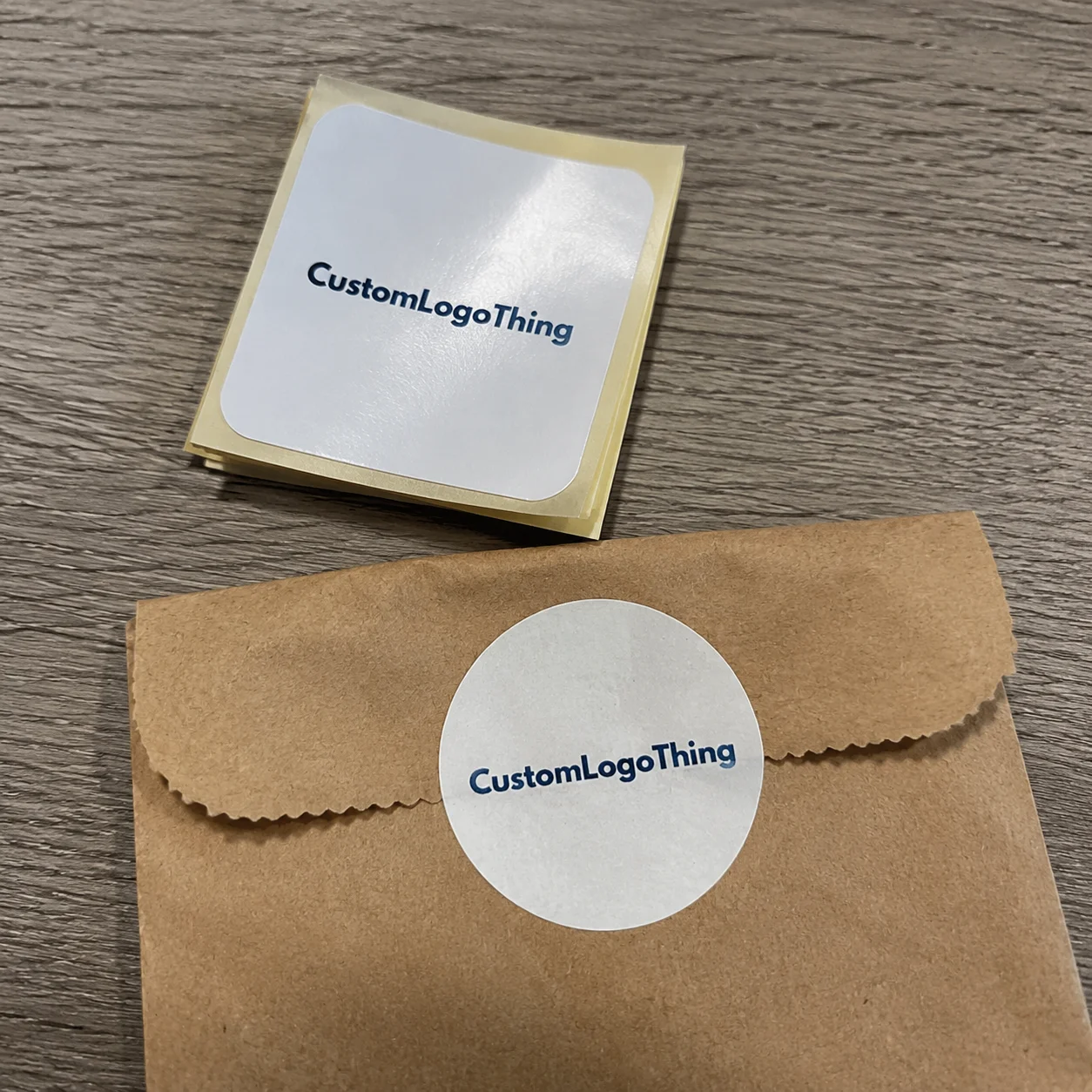
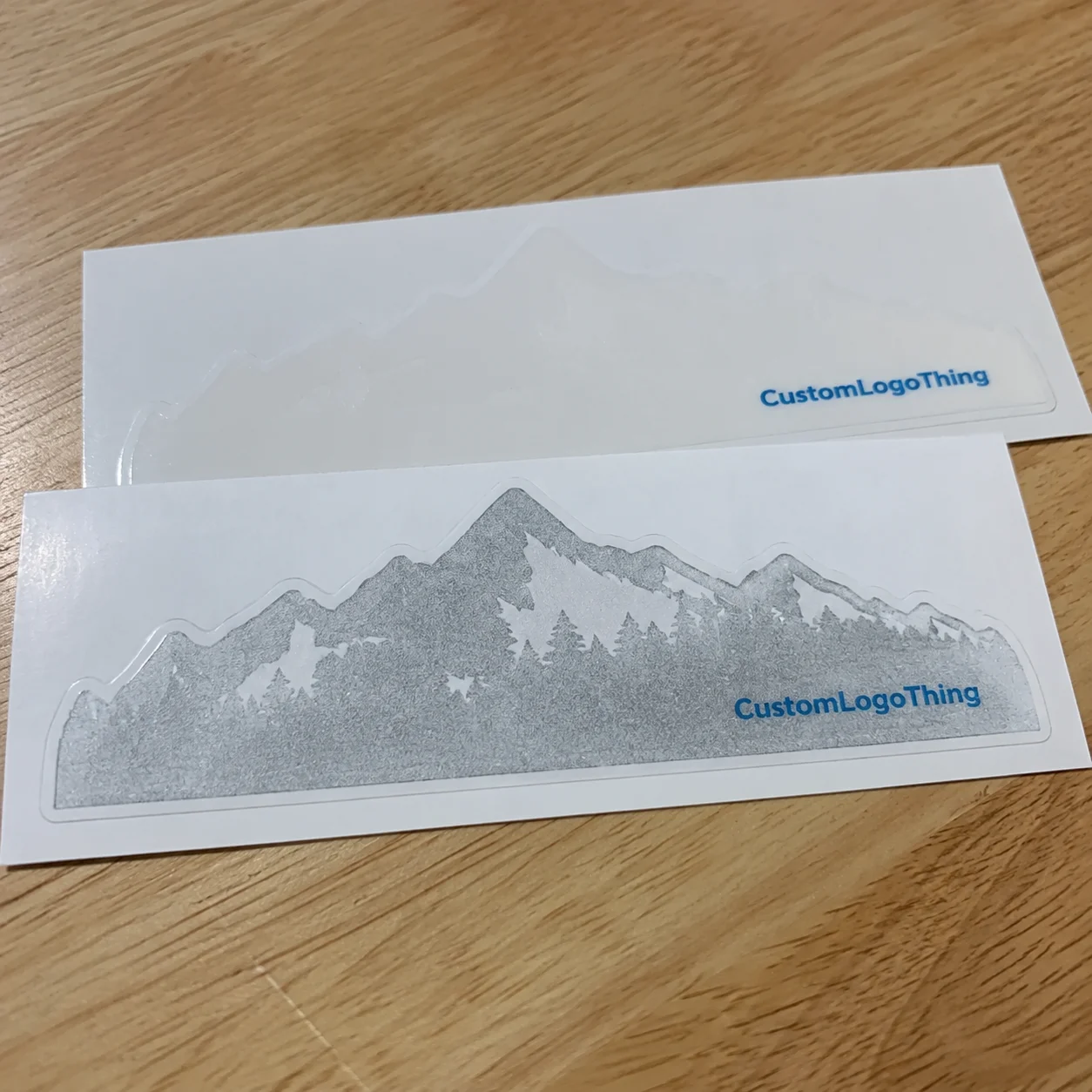
A small sticker can change how a product gets noticed on a crowded shelf, especially when custom prismatic stickers catch light from several angles instead of sitting flat like a standard printed label. That little flash matters. On product packaging, a 1.5-inch seal, logo decal, or limited-edition badge can create enough movement to make someone pick up the carton, pouch, jar, or bottle for a second look.
Prismatic stickers are popular because they add reflective impact without forcing a full redesign of the box, bottle, mailer, or retail display. They work for branded packaging, seasonal launches, event merchandise, loyalty gifts, and promotional inserts. They can also go sideways fast. Too much opaque ink, the wrong adhesive, a fussy die line, or a finish that fights the artwork will turn an expensive specialty material into a dull little label. Annoying, but avoidable.
What Custom Prismatic Stickers Are and Where They Work Best
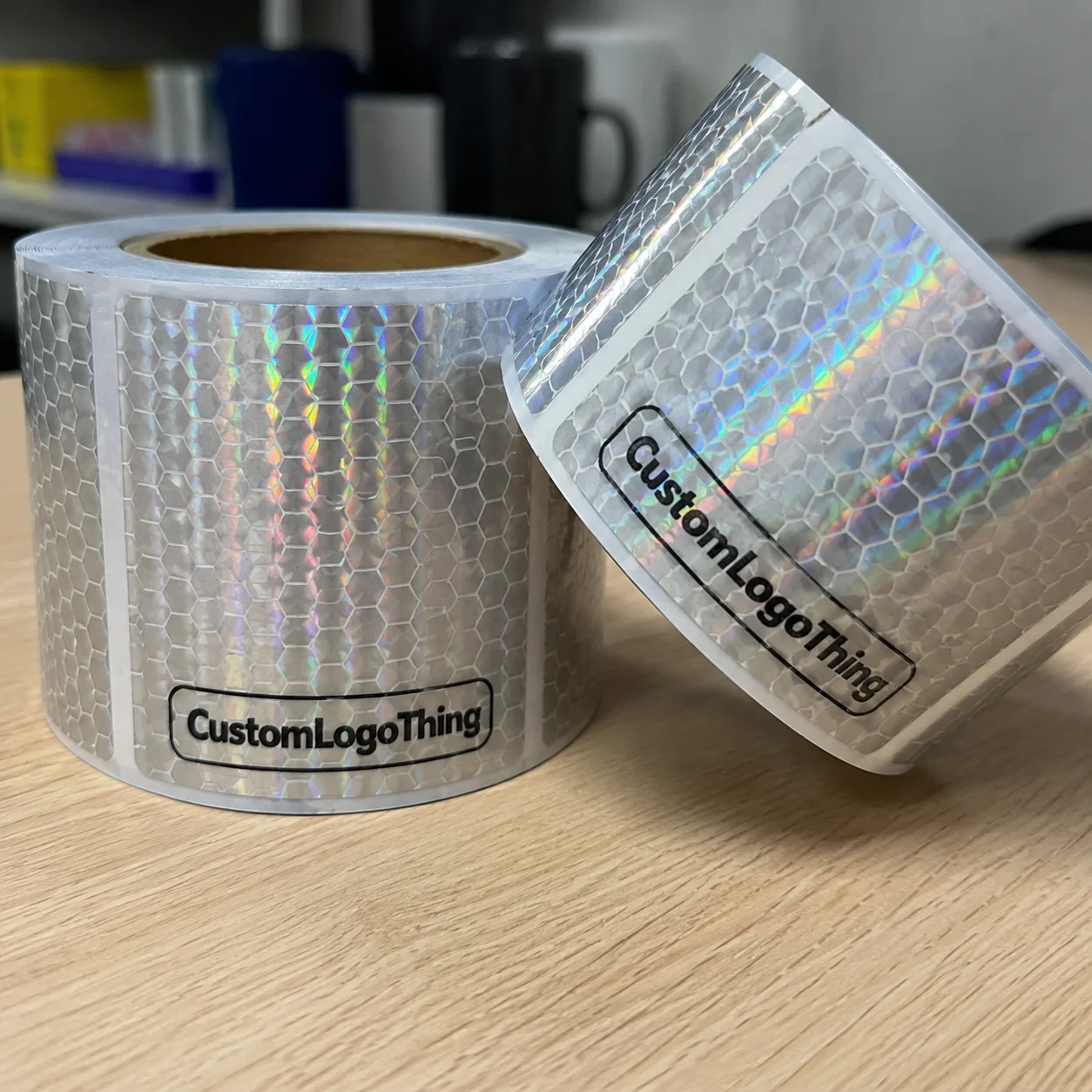
Custom prismatic stickers are labels made with a reflective, faceted film that creates rainbow, geometric, or light-shifting effects as the viewing angle changes. The effect comes from the face film itself, not from loose glitter mixed into ink. That distinction matters for packaging buyers because the finished sticker is cleaner, more controlled, and easier to handle during packing, fulfillment, and retail display.
People often use prismatic, holographic, metallic, and vinyl as if they mean the same thing. They do not. A standard vinyl sticker is usually printed on white or clear vinyl and may look matte or glossy depending on the laminate. A metallic sticker often has a chrome, gold, or silver base that gives a mirror-like or foil-style shine. A holographic sticker typically shows a rainbow shift, sometimes with a smoother oil-slick effect. A prismatic sticker has a more patterned light break, often with sharper geometric facets.
That sharper sparkle is why prismatic material is useful for product packaging seals, limited-edition drops, cosmetics, beverage labels, tech accessory decals, cannabis packaging where regulations allow, event merchandise, loyalty program giveaways, and small branding elements on mailers or Custom Printed Boxes. It can also support a tamper-evident-style visual cue, though true security labeling needs separate material specs and testing. A shiny sticker is not a security system. I wish packaging myths died that easily.
The effect is strongest where the film remains visible. If the design covers every square millimeter with dense ink and opaque white backing, the sticker may still look polished, but the sparkle will be muted. Strong artwork treats the film as part of the design: some areas stay open, some use transparent ink, and some use white ink behind logos, text, QR codes, or barcodes that need solid contrast.
Practical rule: do not design a prismatic label exactly like a paper label. Leave intentional windows of exposed film so the material can earn its keep.
How Prismatic Sticker Material Creates the Light-Shift Effect
The shine comes from a specialty film with a patterned reflective surface. Most constructions start with a release liner, then adhesive, then the prismatic face film, then printed inks, optional white ink, and finally a protective laminate or coating if the use calls for more scuff resistance. Each layer changes performance. A label for a candle box does not need the same build as a label going onto a refrigerated beverage bottle.
Transparent inks allow the reflective film to show through the color. Red printed directly over prismatic film may look ruby, metallic, or slightly translucent depending on ink density and lighting. Opaque white ink works more like a primer. It blocks the reflective film beneath selected areas so colors print closer to a normal solid tone.
White ink is useful for small logos, required text, nutrition panels, warning copy, QR codes, barcodes, and brand colors that should not shift too much. It also adds setup complexity, so it needs clear instructions in the file. “Make it shiny but also perfectly solid everywhere” is not a spec. It is a future proofing delay.
Finish changes the sticker’s personality. Gloss laminate gives the strongest sparkle and cleanest light bounce, which makes it common for promotional decals and high-impact logo stickers. Matte laminate softens the reflection and can feel more premium, although it reduces the sharpest flash. UV coating can add surface protection for handled products, but actual protection depends on coating thickness, ink system, and cure quality.
Outdoor use, frequent handling, refrigeration, and rough shipping environments usually call for stronger adhesive and laminate choices. Short-term promotional stickers, event handouts, and package inserts can often use a lighter construction because they are not expected to survive months of abrasion, moisture, or sunlight. For broader packaging durability guidance, groups such as ISTA publish useful transport testing resources, especially for brands thinking beyond the label and into the full distribution path.
Let the material do part of the work. Overprinting every inch is one of the fastest ways to hide the prismatic pattern the buyer is paying for. A balanced file might use white ink under a wordmark, transparent color in a background shape, and exposed film around the border or inside a pattern.
Key Specs That Change the Look, Feel, and Durability
Sticker specifications look simple on a quote form, but each choice affects manufacturing and use. Size comes first. A 1-inch prismatic seal for a tuck carton behaves differently from a 4-inch die-cut decal for a laptop or water bottle. Larger stickers show more of the reflective pattern, while smaller stickers need bolder artwork because fine detail can disappear once the label is cut and applied.
Shape matters too. Circles, squares, rectangles, and rounded rectangles are efficient and easy to apply straight. Custom die-cut shapes can look excellent around a mascot, product icon, or badge design, but very narrow points and tight inside corners are more likely to lift, catch, or tear during application. A corner radius of 1/8 inch can improve durability on many small labels compared with a sharp 90-degree point.
Kiss-cut stickers stay on a backing sheet or roll with the liner intact, which makes peeling easier and protects delicate shapes. Individually cut stickers are trimmed through both the sticker and liner, making them useful for giveaways, fulfillment kits, and merch tables. Roll labels are usually best for hand application in batches or for label applicators, but roll direction should be confirmed before production if the stickers feed through equipment.
Adhesive selection should match the surface. Permanent adhesive is common for product labels. Removable adhesive can work for temporary promotions, pricing decals, or event labeling, though removability depends heavily on surface and dwell time. Stronger adhesive may be needed for textured plastics, low-energy surfaces such as certain polyethylene or polypropylene containers, or curved bottles where the label wants to spring back.
Surface testing is not busywork. Glass, coated paperboard, tins, flexible pouches, rigid plastic jars, and curved bottles all behave differently. Oils from hands, condensation, refrigeration, and flexing can change adhesion. ASTM has many material and adhesive test standards used across packaging and labeling work; buyers can browse standards activity through ASTM International if they need a deeper technical basis for testing language.
| Specification | Typical Choice | Why It Matters |
|---|---|---|
| White ink | Spot white under logos, text, or codes | Controls where color looks solid versus reflective |
| Bleed | About 0.0625 to 0.125 inch, depending on supplier | Prevents tiny unprinted edges after cutting |
| Safe zone | Keep key text at least 0.0625 inch inside cut line | Protects small details from normal cut tolerance |
| Laminate | Gloss, matte, or scuff-resistant option | Changes shine, touch, and handling durability |
| Format | Rolls, sheets, or individual pieces | Affects application speed, storage, and presentation |
Durability depends on more than film thickness. Water exposure, abrasion, sunlight, oils, refrigeration, and repeated handling all matter. For retail packaging that sits indoors, a lighter construction may be fine. For bottles, outdoor decals, or products handled daily, ask about a more protective laminate and adhesive system before approving the job.
Production Steps and Timeline From Artwork to Finished Stickers
A normal order moves through quote request, material recommendation, artwork review, digital proof, approval, printing, finishing, cutting, quality checks, packing, and shipment. The sequence is simple. Delays usually happen at the handoff points: missing dimensions, unclear white ink instructions, low-resolution art, uncertain surface information, or proof revisions that arrive one piece at a time.
The proof should confirm finished size, cut line, bleed, safe zone, color placement, white ink areas, exposed prismatic areas, quantity, finish, and final format. If the order is supplied on rolls, proofing should also confirm roll direction, unwind position, core size if relevant, and whether labels need to face in or out for application. Those details sound tiny until a production team receives 10,000 roll labels wound the wrong way for their applicator.
Production time usually starts after proof approval, not when the quote is requested. That is a common misunderstanding. A shop cannot responsibly schedule final manufacturing until the artwork, material, quantity, and finishing details are locked. For many straightforward prismatic sticker orders, production may land around 7 to 12 business days after proof approval. Complex die cuts, larger quantities, specialty laminates, sampling, or unusual finishing can push that longer.
Timeline variables include order quantity, press scheduling, specialty film availability, proof revisions, custom cut complexity, laminate selection, and whether the order is roll finished, sheeted, or individually cut. If the label will be applied to cold-fill products, oily containers, flexible packaging, or tight curves, build in extra time for sampling. A few days of testing can prevent a much more expensive relabeling problem later.
Send final vector artwork, dimensions, application details, and delivery deadline together. That gives estimating and prepress enough information to flag issues early. If the sticker is part of a larger launch with Custom Packaging Products, printed inserts, mailers, or custom printed boxes, align the sticker schedule with the rest of the packaging so one late component does not hold up fulfillment.
Cost, Pricing, and MOQ Factors Buyers Should Know
The cost of custom prismatic stickers is driven by material, size, print coverage, white ink usage, laminate, cut complexity, order quantity, finishing format, and how efficiently the job fits on press sheets or rolls. Prismatic film generally costs more than white paper or standard white vinyl because the stock itself is specialty material, and the file often needs more careful setup for white ink and exposed reflective areas.
Quantity has a big effect on unit price. Setup, proofing, machine time, press waste, and finishing labor are spread across the run. A small batch may be reasonable for a launch test, but the per-piece cost will be higher. As volume increases, the unit price usually drops, although the exact curve depends on sticker size, print method, and finishing.
Simple shapes price better than intricate shapes. Circles, rectangles, ovals, and rounded rectangles cut efficiently and weed cleanly. A die-cut lightning bolt with tight points, thin bridges, and multiple inside cuts may need slower cutting and more quality checks. That does not mean custom shapes are a bad idea. It means the shape should support the package branding rather than create complexity for no visual payoff.
Pricing varies by supplier and specification, but practical planning ranges help. Small prismatic labels around 1.5 to 2 inches may land roughly around $0.18 to $0.45 each at several thousand pieces, depending on print coverage, white ink, laminate, and finishing. Very small test runs can be much higher per piece. Larger or heavily laminated decals can move beyond that range. Honest pricing always depends on the file and use case.
| Order Factor | Lower-Cost Direction | Higher-Cost Direction |
|---|---|---|
| Shape | Circle, square, rectangle, oval | Detailed die cut with tight points |
| Ink setup | Limited spot white and clean vector art | Complex white ink masks and many revisions |
| Finish | Standard gloss or no heavy-duty laminate | Specialty matte or high-abrasion laminate |
| Format | Rolls or sheets for efficient handling | Individually cut pieces for merch presentation |
| Quantity | Higher run spreading setup cost | Small test batch with the same setup steps |
Minimum order quantity is practical, not arbitrary. Some projects can start small for launch testing, influencer kits, or short-run retail packaging. Better pricing often appears once the order reaches a production-efficient quantity. For an accurate quote, include finished size, quantity, shape, artwork file, application surface, indoor or outdoor use, roll or sheet format, finish preference, and target delivery date.
Common Artwork and Ordering Mistakes That Dull the Shine
One of the biggest mistakes is covering the whole sticker with opaque ink. The buyer expects a bright prismatic result, but the file blocks the film almost everywhere. The finished piece may still be attractive, but it will look more like a normal printed label with a faint edge shimmer. If shine is the goal, the art must leave selected areas open or use transparent ink strategically.
Low-resolution raster files create another problem. Screenshots, flattened web graphics, and small JPEGs rarely provide clean cut paths, crisp type, or controllable white ink areas. Vector artwork is strongly preferred for logos, die lines, and small text. A high-resolution raster image can work for some full-color art, but the cut line and white ink plate should still be clearly defined.
Bleed and safe zone errors are common. A thin border placed too close to the edge may look uneven after normal cutting tolerance. Tiny reversed type may fill in, especially if it is knocked out of a dark printed area over reflective film. Overly detailed die lines can create peeling points or production slowdowns. The final physical size matters; artwork that looks clean on a 27-inch monitor may be unreadable at 1.25 inches wide.
Some buyers choose material before thinking about the application surface. That can lead to lifting edges, poor adhesion, or disappointing performance in wet, cold, oily, or flexible conditions. A sticker for a coated paperboard carton has easier work to do than one wrapped around a small plastic cosmetic tube. The same adhesive can behave differently on both.
Screen color can also mislead. Reflective films change under warm retail lighting, cool office lighting, sunlight, and shadows. Printed colors may appear more metallic or translucent than they do on a white proof background. If color accuracy, barcode readability, or retail presentation is critical, a physical sample is worth considering before a large run.
Review proofs with specific questions. Ask where white ink prints, where prismatic film remains exposed, what laminate is used, what the expected cut tolerance is, and whether the adhesive suits the package surface. If the sticker ties into broader Custom Labels & Tags, confirm that visual hierarchy, legal copy, and brand colors still make sense across the full product packaging system.
Next Steps Before You Request Samples or Place an Order
Start with the application area. Measure the panel, lid, cap, pouch face, carton flap, bottle shoulder, or insert card where the sticker will go. Then choose the final sticker size based on real space, not only the logo file. A 2-inch badge may look great on a mailer but oversized on a 1-ounce jar. A narrow seal may work on a folding carton but fail across a flexible pouch gusset.
Decide whether the sticker is decorative, functional, or both. A decorative logo decal can prioritize shine and visual punch. A functional seal may need stronger adhesion, better tear behavior, or a shape that bridges an opening cleanly. A retail label carrying legal text, ingredients, or a barcode needs legibility first, then shine around the information.
Prepare artwork with separate layers for print, cut line, and white ink if possible. Name them clearly. If you are not sure what file format is preferred, ask before sending final art; many prepress teams prefer vector PDF, AI, or EPS files with outlined fonts and linked or embedded images. Do not flatten the white ink instruction into the same layer as the color art unless the supplier specifically requests it.
Choose two or three priorities before requesting a quote. Lowest unit cost, strongest shine, outdoor durability, faster turnaround, and premium retail presentation are not always the same build. For example, a gloss-laminated prismatic sticker may deliver more sparkle, while a matte-laminated version may better match upscale cosmetics packaging. Roll format may be efficient for packing lines, while individually cut pieces may feel better for event giveaways.
- Measure: confirm the exact application area and any curve, seam, or flap nearby.
- Specify: list size, quantity, shape, finish, and roll, sheet, or individual format.
- Describe use: note moisture, refrigeration, oils, outdoor exposure, or heavy handling.
- Prepare files: separate artwork, cut line, bleed, safe zone, and white ink instructions.
- Set timing: share the delivery deadline and whether samples are needed first.
Ask for guidance if the sticker will touch moisture, refrigeration, oils, flexible packaging, rough plastic, or a curved container. A supplier can recommend a better adhesive, laminate, or size adjustment when those details are known early. For launches where appearance affects buyer confidence, ordering a small proof or sample can be the smarter move, even if it adds a little time.
Gather size, quantity, artwork, surface material, finish preference, final format, and deadline before requesting pricing. With those details ready, a supplier can recommend the right custom prismatic stickers without guesswork. The result is much more likely to look bright, apply cleanly, and support the package branding instead of fighting it.
Frequently Asked Questions
Are custom prismatic stickers waterproof?
They can be water-resistant or waterproof depending on the face film, adhesive, ink system, and laminate used. For bottles, refrigerated products, or outdoor use, ask for a construction designed for moisture exposure rather than assuming every prismatic sticker is waterproof. Surface testing is still recommended because water resistance does not guarantee perfect adhesion on every container.
What artwork works best for prismatic holographic stickers?
Bold shapes, clean typography, strong contrast, and intentional open areas usually show the prismatic effect best. Use white ink behind elements that need solid color and leave selected areas without white ink so the reflective film can show through. Avoid extremely small text, thin outlines, and dense full-coverage art unless the goal is a more subtle shimmer.
How long does it take to produce prismatic stickers?
Timing depends on proof approval, quantity, material availability, finishing format, and cut complexity. Production usually begins after the final proof is approved, so fast artwork review helps protect the schedule. If adhesion testing, samples, or special materials are needed, build extra time into the project before the launch date.
Do custom prismatic labels cost more than regular vinyl stickers?
Yes, they typically cost more because prismatic film is a specialty material and may require white ink, laminate, and more detailed prepress setup. Unit cost can come down with higher quantities, simpler shapes, efficient sizing, and clear artwork that reduces proof revisions. The most accurate quote needs size, quantity, finish, shape, use case, and whether the stickers are supplied on rolls, sheets, or individually cut.
Can prismatic stickers be used on product packaging?
Yes, they are often used for seals, logo decals, limited-edition packaging, promotional labels, and premium product accents. The best material choice depends on the package surface, handling, storage temperature, moisture exposure, and whether the sticker needs to wrap around a curve. For retail packaging, confirm barcode readability, required legal text, and any industry compliance needs before finalizing the design.