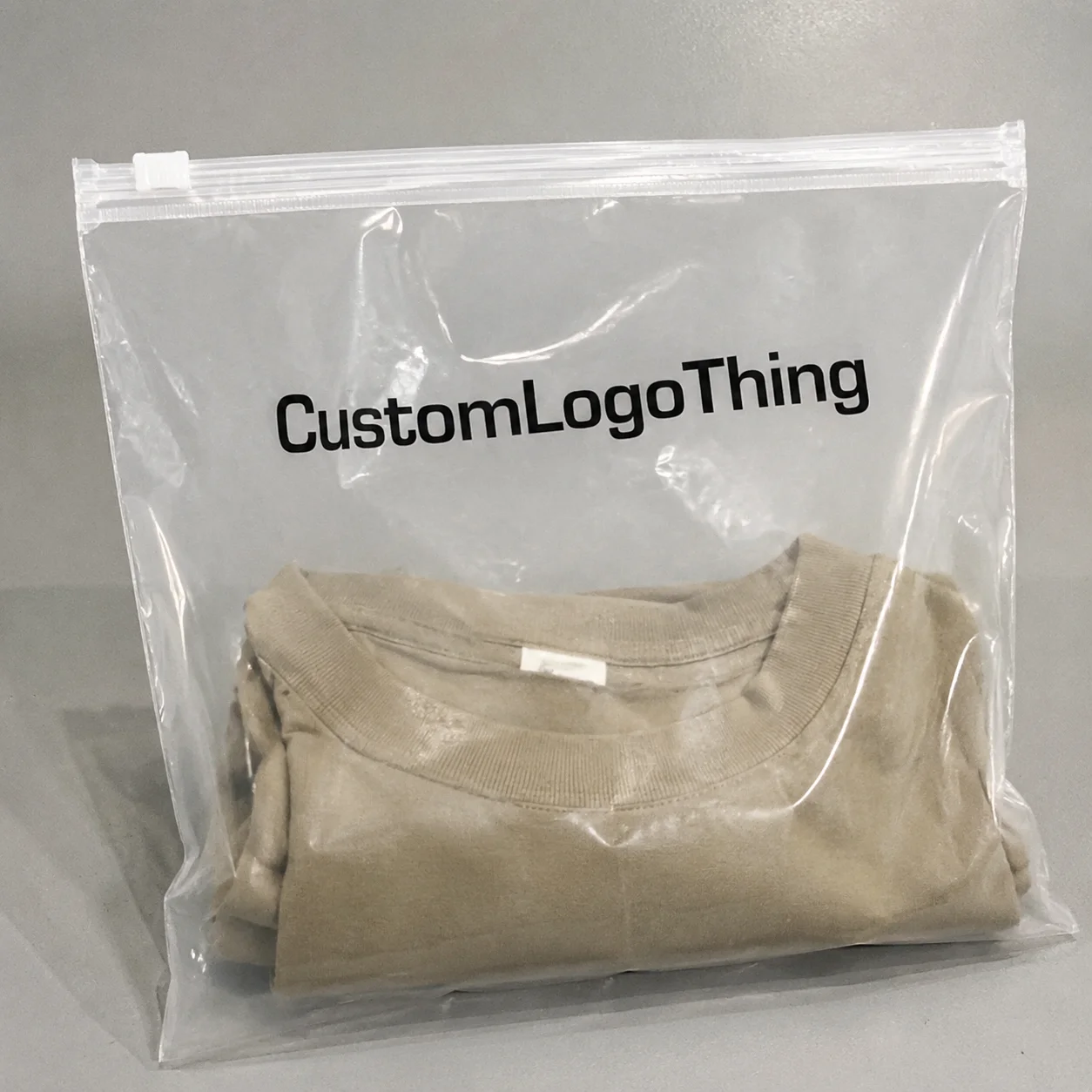
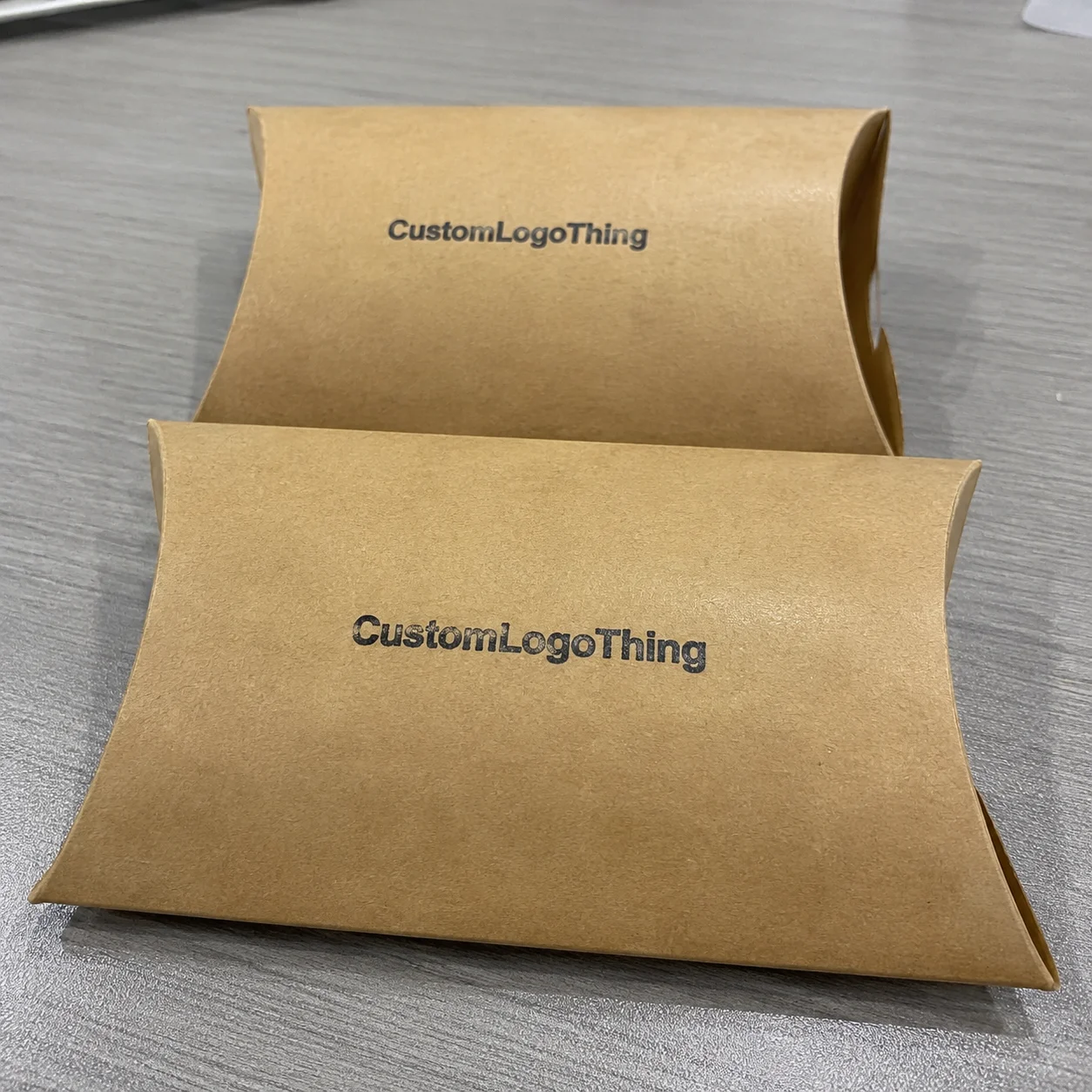
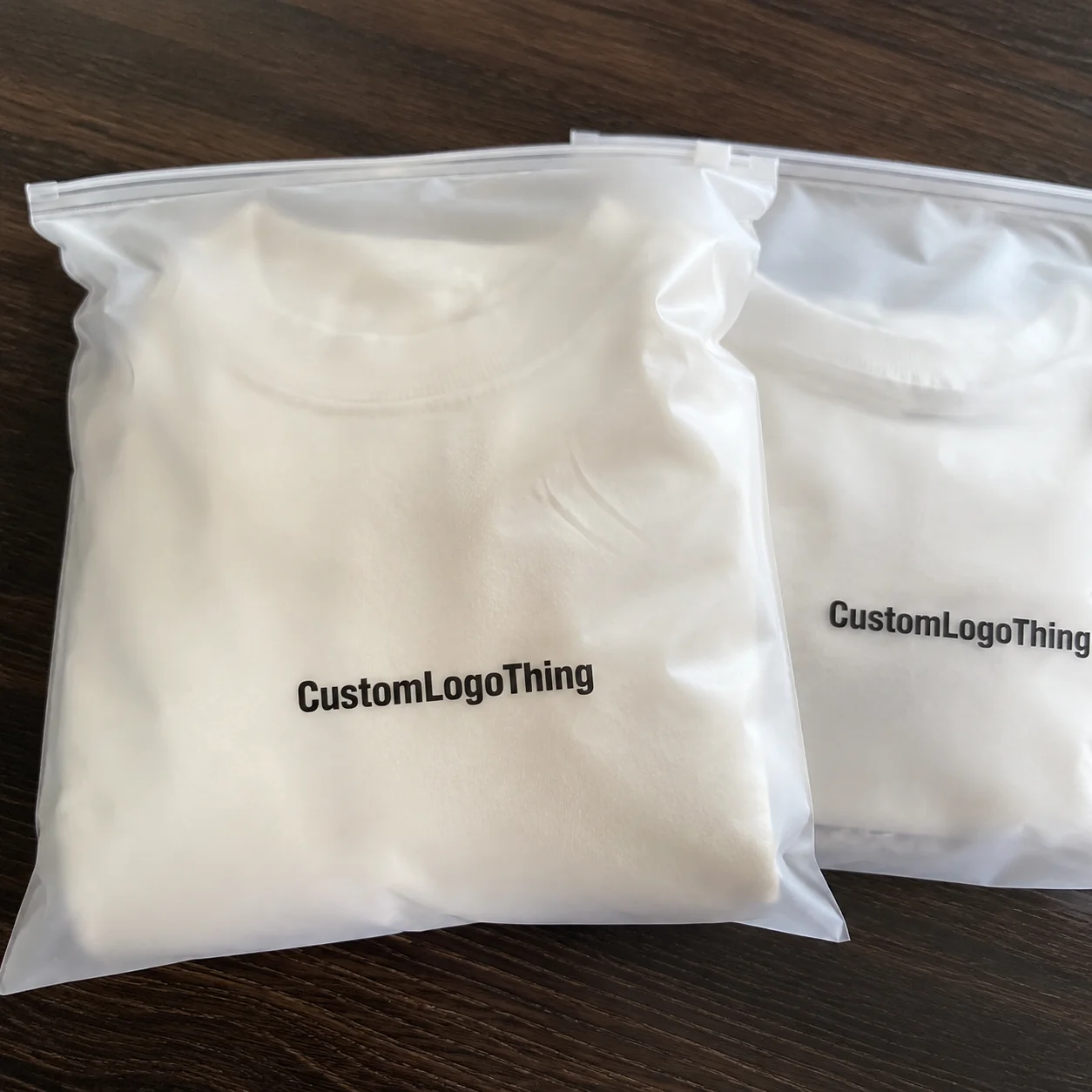
Buyer Fit Snapshot
| Best fit | order custom ribbon printed logo for packaging buyers comparing material specs, print proof, MOQ, unit cost, freight, and repeat-order risk where brand print, material, artwork control, and repeat-order consistency matter. |
|---|---|
| Quote inputs | Share finished size, material target, print colors, finish, packing count, annual reorder estimate, and delivery region. |
| Proofing check | Approve dieline scale, logo placement, barcode or warning zones, color tolerance, and any recyclable or compostable wording before bulk production. |
| Main risk | Vague material claims, crowded artwork, or missing packing details can create delays even when the unit price looks attractive. |
Fast answer: Order Custom Ribbon Printed Logo: Material, Print, MOQ, and Cost should be specified like a repeatable production item. The safest quote includes material, print method, finish, artwork proof, carton packing, and reorder notes in one written spec.
What to confirm before approving the packaging proof
Check the product dimensions against the actual filled item, not only the sales mockup. Ask for tolerance on folds, seals, hang holes, label areas, and retail display edges. If the package carries a logo, QR code, warning copy, or legal claim, reserve that space before decorative graphics fill the panel.
How to compare quotes without losing quality
Compare board or film grade, print process, finish, sampling route, tooling charges, carton quantity, and freight assumptions side by side. A lower quote is only useful if the supplier can repeat the same color, closure quality, and packing count on the next order.
Twelve years ago, I walked into a gift shop in Atlanta during the December holiday rush. The owner—her name was Gloria, and she'd run that place for three decades on Peachtree Street—pulled me aside and showed me her secret weapon against the big-box competitors. She reached beneath the counter and produced a spool of deep burgundy 100% polyester grosgrain ribbon with her shop's elegant script logo printed along one edge. Single-color screen print, 23 lines per inch.
"I give this away free with every purchase over $25," she said, grinning. "Customers come back just for the ribbon. They wrap their own gifts with it. My logo ends up on coffee tables across three counties."
That conversation changed how I think about packaging design forever.
When you order custom ribbon printed logo designs, you're not just buying a fastening material. You're investing in a piece of branded packaging that travels beyond your store, beyond your website's unboxing moments, and into the daily lives of your customers. Two decades working with manufacturers in North Carolina's furniture corridor, gift shops throughout the Southeast, cosmetics brands in Los Angeles, and e-commerce startups across the country have taught me that few packaging investments deliver the ROI of well-designed Custom Printed Ribbons. Honestly, I've watched this happen dozens of times and it still surprises me how attached people get to a piece of ribbon.
Why Should I Order Custom Ribbon Printed Logo Designs for My Business?
Branded ribbons transform your packaging experience in ways that standard accessories simply cannot replicate. The moment a customer unties that final bow, your ribbon becomes the last tactile memory of your brand. Think about it. Your custom printed boxes end up in the recycling bin. Tissue paper gets crumpled and discarded. But that ribbon? It gets saved. It gets reused. It gets seen by neighbors, colleagues, and Instagram followers who never knew they needed whatever store produced that beautiful presentation.
Studies consistently show that packaging design influences purchase decisions for up to 72% of consumers, according to research published by the Paper and Packaging Board. When your product packaging includes a distinctive branded ribbon, you're creating what marketing professionals call "moment of delight" experiences that drive word-of-mouth referrals.
Small boutiques in Charleston and Santa Fe have built entire Customer Loyalty Programs around their signature ribbon colors and styles. I've seen it work firsthand, and frankly, it's brilliant. Custom ribbon printed logo options give you complete control over how your brand appears at the critical final moments of gift presentation. Unlike generic ribbons that make your package look like every other box on the shelf, your branded ribbon turns every gift into a mobile billboard for your business.
A customer walking through the grocery store with a gift bag tied in your signature ribbon creates ambient brand exposure that no advertising dollar could purchase. I once counted seventeen people wearing t-shirts from a local restaurant on a single afternoon in Austin. They all had the same ribbon in their shopping bags. That restaurant owner? She knew exactly what she was doing.
For e-commerce businesses especially, the unboxing experience has become a crucial differentiator. A skincare company in Portland increased their social media mentions by 340% simply by switching from plain white 5/8" acetate satin ribbon to custom-printed 1" polyester grosgrain featuring their botanical logo in a two-color process print. Those user-generated photos reached audiences the company never could have afforded to target through paid advertising. I remember showing that case study to a client in Dallas who thought custom ribbon was "just an expense." He changed his mind pretty quickly after seeing those numbers. He's now on his fourth reorder of 3,000 yards at a time.
Your ribbon is the only element of your retail packaging that customers intentionally preserve and reuse. That's not packaging—it's persistent brand ambassador material.
Beyond the marketing value, there's something almost psychological about the ritual of untying a bow. When that ribbon carries your logo, you're inserting your brand into a moment of genuine pleasure and anticipation. You're not just delivering a product; you're creating a memory that customers associate with your business every time they see that ribbon color or pattern again.
Understanding Custom Ribbon Printed Logo Options
Before you order custom ribbon printed logo designs, you need to understand the four primary ribbon types available and how each serves different packaging purposes. Making the right material choice affects everything from print quality to durability to the overall aesthetic of your finished packaging. I've seen some catastrophic material mismatches over the years. A luxury jewelry brand once used organza for their main packaging ribbons at a Miami trunk show. The effect was... not what they envisioned. The ribbons shredded within an hour of presentation.
Grosgrain ribbon offers the most structured, printable surface of any ribbon material. Its pronounced weave texture—typically 32 threads per inch in standard polyester grosgrain—provides excellent grip for ink adhesion, meaning your logo and text will remain crisp wash after wash. Grosgrain retains perfect print quality even after years of use in applications like laundry tags and key chains. The material's rigidity also makes it ideal for bows that need to hold their shape, which is why you'll see grosgrain dominating gift packaging and branded packaging applications where presentation volume matters.
Satin ribbon delivers that luxurious sheen that instantly elevates any package. The smooth, reflective surface catches light beautifully, making it the preferred choice for wedding vendors in Napa Valley, luxury cosmetics, and premium gift purveyors. Print quality on satin requires slightly more attention during the production process—the smooth surface can sometimes cause ink to sit differently than on grosgrain—but the finished result speaks for itself. Acetate satin, which I recommend for most high-end applications, combines the visual appeal of silk with superior durability and colorfastness. This is the ribbon I put on my wife's birthday gifts. Don't tell her. She thinks I'm just a packaging nerd, but I actually have preferences. Specifically, 1" wide acetate satin in champagne white with a single gold hot stamp.
Organza ribbon brings translucent elegance that grosgrain and satin simply cannot replicate. Made from loosely woven synthetic fibers—typically polyester or nylon in weights ranging from 15gsm to 25gsm—organza creates that ethereal, floating appearance perfect for wedding favors, floral arrangements in Boston and San Francisco boutiques, and decorative gift wrapping where subtlety matters. The translucency does affect print visibility—your logo will appear softer, more delicate on organza—but many brands embrace this aesthetic for its romantic quality. Just manage your expectations accordingly.
Width options range from 3/8 inch to 2 inches, with 5/8 inch and 1 inch representing the most common choices for general gift packaging. Narrower ribbons (3/8" to 1/2") work beautifully for program bouquets, favor tags, and delicate applications. Standard gift boxes typically call for 5/8" to 1" widths, while 1.5" to 2" ribbons make dramatic statements on larger containers and luxury packaging. Here's a pro tip I've learned the hard way: when in doubt, go slightly wider than you think you need. A ribbon that's too narrow looks anemic; a ribbon that's slightly too wide just looks intentional.
You'll also need to decide between single-sided and double-sided printing. Single-sided means your logo appears on only one face of the ribbon, which is perfectly adequate for most applications where the ribbon's back won't be visible. Double-sided printing mirrors your design on both faces, which costs approximately 40-60% more but ensures brand consistency regardless of how the bow is tied or the ribbon is oriented. For premium presentations where every angle matters, double-sided printing eliminates the visual disappointment of seeing blank white when a bow twists the wrong way. I always tell clients: if your ribbon will be featured prominently in photography, spend the extra money on double-sided. Otherwise, single-sided is perfectly fine.
Ribbon Specifications and Material Quality
The technical specifications behind custom printed ribbons determine whether your investment delivers lasting quality or fades, frays, and disappoints within weeks. Gorgeous designs get ruined by material choices that seemed reasonable on paper but failed spectacularly in real-world conditions. These are the specs that actually matter, based on way too many phone calls with frustrated customers who didn't read the fine print.
Polyester grosgrain remains the workhorse of the packaging industry for good reason. It machines wash beautifully at temperatures up to 200°F, holds color through years of light exposure with UV-resistant dyes, and resists fraying far better than natural fiber alternatives. When you order custom ribbon printed logo designs for items that will see regular handling—laundry bags, favor pouches, key chains—polyester delivers the durability your customers expect. Most polyester grosgrain accepts both screen printing (using 280-305 mesh counts) and heat transfer methods, giving you flexibility in how your design gets applied.
Acetate satin offers premium feel with excellent ink adhesion characteristics that make it ideal for detailed logos and photographic imagery. The material—typically 110-130 denier in construction—drapes beautifully and maintains its sheen through extended display periods. I recommend acetate satin for any application where your customers will handle the ribbon directly and associate its quality with your brand. The slightly higher material cost (approximately $0.35-0.55 per yard versus $0.12-0.18 for polyester) pays dividends in perceived value. And let me tell you, the difference between acetate satin and cheap polyester satin is night and day. Your customers will notice. They might not be able to articulate why, but they'll notice.
Print methods vary significantly in their suitability for different projects. Screen printing delivers vibrant, durable results for large production runs, with each color requiring its own screen and setup. This method excels for simple logos with solid colors but becomes expensive for complex, multi-colored designs. Hot stamping produces that distinctive metallic foil finish—gold, silver, copper, holographic—that creates immediate luxury associations. The setup costs for hot stamping run higher than standard screen printing ($150-300 versus $75-150 per color), but per-unit costs remain reasonable for medium runs of 500+ yards. Digital printing enables photorealistic designs with gradients and complex imagery that screen printing cannot achieve, making it the go-to choice for photographic logos, scenic designs, or full-bleed color patterns.
| Print Method | Best For | Minimum Quantity | Setup Cost | Color Limitations |
|---|---|---|---|---|
| Screen Printing | Simple logos, solid colors | 1,000 yards | $75-150 per color | Limited by screen count |
| Hot Stamping | Metallic finishes, luxury items | 500 yards | $150-300 | Metallic + 1 flat color |
| Digital Printing | Complex designs, photos | 500 yards | $50-100 | Full color, no limit |
Color matching ensures your ribbon matches the other elements of your package branding. We work with both Pantone (PMS) and CMYK specifications, though I'll be honest with you: Pantone matching delivers significantly more accurate results for corporate colors and brand guidelines, with tolerance for variation typically within Delta E 2.0. CMYK printing produces acceptable approximations for most purposes, but if exact color matching matters for your brand identity, specify those PMS codes upfront and expect a small premium of 10-15% for the additional process involved. I've had clients drive me crazy trying to match "kind of a blue, but greener" to CMYK values. PMS codes exist for a reason, people. Just give me the numbers.
Edge finishes affect both durability and appearance. Heat-cut edges work well for synthetic ribbons, creating clean, slightly fused edges that resist fraying. Ultrasonic cutting produces an exceptionally smooth edge through high-frequency vibration, ideal for delicate satins where any roughness would show. Merrow-edged ribbons feature a sewn overlock stitch along the edge, common in grosgrain ribbon and extremely durable, although the merrow process typically adds 5-7 days to production timelines. My recommendation? Unless your ribbon will see heavy industrial use, stick with heat-cut. It's faster, cheaper, and looks perfectly clean.
Pricing, Minimum Orders, and What Affects Your Cost
There is no fixed price list that accurately captures what you'll pay when you order custom ribbon printed logo designs. Every project involves variables that shift the economics significantly. I can walk you through the factors that determine your final investment so you can budget appropriately and avoid unpleasant surprises. And trust me, "unpleasant surprises" is a polite way of describing the phone call where someone's eyes bulge when they see the quote. Let's prevent that.
Minimum order quantities typically range from 500 to 1,000 yards depending on ribbon width and print method. Narrower ribbons (3/8" to 1/2") sometimes allow lower minimums of 250-500 yards because less material gets consumed per unit of length. Screen-printed orders generally require higher minimums of 1,000 yards because the setup costs only make economic sense across larger production runs. Digital printing offers the most accessible minimums, sometimes as low as 250 yards for simple designs.
Order volume remains the single biggest driver of per-unit cost. At 500 yards, you might pay $0.45-0.65 per yard depending on specifications. At 5,000 yards, that same ribbon might cost $0.18-0.28 per yard. The relationship isn't perfectly linear—setup fees get amortized across more units—but the savings are substantial enough that many clients prefer to order annual quantities upfront rather than reorder smaller amounts throughout the year.
I had a client who ordered 500 yards four times over two years rather than ordering 2,000 yards once. By the time I showed her the math on what she'd saved by ordering larger ($1,240 over two years, to be exact), she looked like she wanted to cry. Don't be that person. Order more than you think you need.
Color complexity affects both setup costs and per-unit pricing. A single-color logo costs dramatically less than a five-color design because each additional color requires its own screen, its own setup, and its own pass through the printing press. I worked with a boutique candle company in Burlington, Vermont that had their logo redesigned specifically to work in two colors instead of four—they saved over $1,200 on their initial 3,000-yard order without sacrificing brand recognition. Sometimes the best design decision isn't what looks prettiest; it's what looks pretty AND makes financial sense.
Material choice shifts the baseline considerably. Standard polyester grosgrain starts around $0.12-0.18 per yard unprinted, while premium acetate satin might run $0.35-0.55 per yard. Organza falls somewhere in the middle at $0.22-0.38 per yard, though pricing varies significantly based on weave density and translucency requirements. Here's my honest opinion: for most applications, polyester grosgrain is the sweet spot of quality and cost. You don't need acetate satin unless you're going for that luxury feel and your customers expect it. But if you're selling $200 candles in a boutique, maybe skip the cheap stuff. Your packaging tells a story, and the wrong ribbon tells the wrong story.
Request a custom quote with your exact specifications rather than trying to calculate pricing from general ranges. Provide your preferred ribbon type, width, length, number of colors, and any special requirements like double-sided printing or specific edge finishes. A detailed quote within 24 hours gives you accurate numbers to work from, and most suppliers—including us—hold those quotes for 30 days.
Our Order Process and Production Timeline
Understanding the journey from artwork submission to delivered ribbon helps you plan inventory, set realistic expectations, and avoid the panic that comes when a product launch approaches and your custom ribbons haven't arrived. Hundreds of clients have walked through this process with me, and the ones who understand the timeline upfront always have smoother experiences. The ones who call me three days before their wedding asking where their ribbons are? Deep breath. We have a different conversation.
Step 1: Submit your artwork or logo file. We prefer vector files in AI or EPS format because they scale infinitely without quality loss. High-resolution PDFs (300 DPI minimum) work well for complex designs with gradients or photographic elements. If your logo exists only as a low-resolution JPEG from your website, don't panic—our in-house design team can rebuild logos that fall below acceptable quality thresholds, usually at no additional charge for standard reconstructions. I've seen logos that looked like they'd been photocopied seventeen times. Somehow we make them work. But please, for the love of everything, give us vector files if you can. Provide any brand guidelines or PMS color codes at this stage to ensure accurate matching.
Step 2: Receive a digital proof within 24 hours. Our production coordinators generate detailed proofs showing exactly how your design will appear on your chosen ribbon material. These proofs include accurate color representation using calibrated monitors (Delta E tolerance of 3.0 or better), repeated pattern layouts, and scale references so you can verify everything looks correct before committing to production. Review carefully—this is your opportunity to request changes without incurring additional costs. Once you provide written approval, any subsequent changes may require restarting the proof process.
I cannot stress this enough: LOOK AT YOUR PROOF CAREFULLY. I have personally watched a client approve a proof with "Custom Logo Thin" written backwards because he skimmed it instead of reading it. The ribbons were beautiful. They were also useless. We reprinted them, but it was a lesson in paying attention.
Step 3: Production begins after written approval, typically running 5-7 business days. Actual production time depends on order complexity, current queue volume, and any special processes your ribbon requires. Single-color screen prints often complete faster than multi-color designs. Hot stamping requires its own setup and processing time of 3-5 additional business days. If your design involves special finishes or edge treatments like merrow edging, budget accordingly—typically 5-7 additional business days.
Step 4: Quality inspection and packaging. Every production run passes through our quality control station where trained technicians verify color accuracy using spectrophotometers calibrated to D65 light source, print registration (tolerance of ±0.5mm), edge quality, and overall consistency. We reject any ribbons that don't meet our standards—which admittedly happens approximately 2-3% of the time even with experienced operators—and reprint those sections. Your order only ships when we've confirmed it meets our specifications. Yes, this means your order might take slightly longer than estimated if something goes wrong. I'd rather deliver quality late than ship junk on time. My sanity depends on not receiving angry emails about faded logos and crooked prints.
Step 5: Delivery via tracked shipping, 3-5 business days within the continental United States. We ship through major carriers including UPS and FedEx with full tracking visibility, and we bundle shipments intelligently to minimize handling damage. International shipping adds 7-14 days depending on destination and customs processing. For our Canadian and European clients, I recommend building an extra week into your timeline to account for border procedures in Toronto, London, or Amsterdam. International shipping is... let's call it "adventurous." Things happen at customs that defy rational explanation. Plan accordingly.
Rush orders available with expedited production for time-sensitive events. If you need to order custom ribbon printed logo designs for a holiday promotion, wedding season (peak months are May-June and September-October), or product launch with an immovable date, discuss your deadline upfront. We can often compress production to 2-3 business days for a premium that typically runs 25-35% above standard pricing. Rush availability depends on current shop workload, so book early when possible. Pro tip: "rush" is not the magic word that makes time move backward. If you need 5,000 yards in two days, I will politely suggest you consider therapy for your planning skills. No judgment. Just a recommendation.
Why Manufacturers Choose Custom Logo Thing for Their Ribbon Needs
After two decades in this industry, I've seen plenty of ribbon suppliers come and go. I've watched companies chase lowest-price manufacturers overseas only to receive inconsistent quality, missed deadlines, and communication nightmares. One client got their ribbons in hot pink instead of coral after waiting eight weeks. Eight weeks. The wedding was the next day in Savannah. I still lose sleep thinking about that phone call. The manufacturers who stick with us—and most of them do—do so because we eliminate the frustrations that make custom ribbon projects feel risky.
Our Illinois-based facility houses state-of-the-art narrow web printing equipment specifically designed for ribbon production, including Mark Andy and Nilpeter presses configured for widths between 1/8" and 3". This isn't adapted commercial printing machinery or converted textile equipment; these presses were built from the ground up for narrow web work, which means faster setup times (averaging 15-20 minutes versus 45-60 minutes on general-purpose equipment), more consistent tension control (maintained within ±5% variance), and better registration accuracy than general-purpose equipment can achieve. When you order custom ribbon printed logo designs from us, your production runs on machines optimized for exactly this work.
In-house design team assists with file preparation and color matching at no additional charge. This matters more than most clients realize until they've received prints back that look nothing like their screen colors. Our designers understand how ink behaves differently on polyester versus acetate versus organza. They know which PMS codes translate reliably to screen printing versus which require digital processes for accurate reproduction. That expertise—offered as standard service rather than an upsell—prevents expensive mistakes. The amount of money I've saved clients by catching design issues before production would make your head spin. One client in Chicago's Magnificent Mile alone: we caught a low-resolution logo that would have resulted in 5,000 yards of unusable ribbon worth approximately $3,400.
We source materials directly from trusted textile mills, including domestic suppliers in Georgia and North Carolina, ensuring consistent quality batch after batch. When you order from us in January and reorder in August, the ribbon you receive matches what you got before—same denier, same thread count, same sheen rating. I've dealt with suppliers who sourced from whatever jobber had availability, which meant customers received slightly different textures, sheens, or weights between orders. That inconsistency damages brand perception, and we refuse to let it happen with our clients.
Sample runs available before full production to verify your design meets expectations. For clients who need to order custom ribbon printed logo designs for the first time, or anyone with concerns about how a specific logo will appear on a particular material, we offer pre-production samples at reasonable cost—typically $35-75 depending on complexity—which get credited toward your full order if you proceed. Walking into a product launch with confidence because you've held and examined your actual ribbon? That's worth every penny of the sample investment. I always recommend samples if your order exceeds $500. The peace of mind alone is worth more than the sample cost.
Dedicated account managers provide single-point-of-contact service throughout your order. You deal with one person who knows your account history, your preferences, your typical specifications. No explaining your situation to a different representative every time you call. No being passed between departments. When you have a question about an existing order, a question about new specifications, or a concern about delivery timing, your account manager answers—typically within 2-4 business hours during normal operating hours.
Frequently Asked Questions About Ordering Custom Printed Ribbons
What file formats do you accept for custom ribbon printed logo artwork?
We prefer vector files in AI or EPS format for sharp, scalable prints that maintain quality at any size. High-resolution PDFs (300 DPI minimum) work well for complex designs with gradients or photographic imagery. Our design team can help rebuild logos that fall below acceptable quality thresholds—logos grabbed from websites or low-resolution business cards often need reconstruction—but providing production-ready artwork speeds your timeline considerably. Acceptable file formats include: AI (Adobe Illustrator), EPS, PDF, SVG, and high-resolution TIFF for photographic work. Avoid JPEGs or low-resolution PNGs (anything under 150 DPI at full size) as they produce pixelated, unacceptable results on ribbon. If you only have your logo in a raster format, mention this when you submit your inquiry so we can set appropriate expectations. In fifteen years, I have never once received a JPEG that made me happy. Not once. Vector files or it didn't happen.
Can I get a sample before placing a full production order for my custom ribbon printed logo?
Yes, we offer pre-production samples so you can feel the material weight and texture, verify print quality, and confirm your design meets expectations before committing to full production. Sample costs typically range from $35-150 depending on ribbon length (we recommend minimum 1 yard per sample) and print complexity, but those fees credit toward your final order total. Sample turnaround runs 3-5 business days after artwork approval. I strongly recommend requesting samples when you need to match ribbon to existing packaging materials or when your brand requires specific color accuracy across multiple elements. I know some clients think samples are an unnecessary expense. They're not. They're insurance. The amount you spend on samples is laughably small compared to the amount you'd spend reprinting 2,000 yards of ribbon because the color looked wrong in production.
What is the typical production timeline when I order custom ribbon printed logo?
Standard production takes 5-7 business days after proof approval, with shipping adding 3-5 business days depending on your location within the continental United States. That means from your initial artwork approval to package delivery, you're looking at roughly 8-12 business days under normal circumstances—typically 12-15 calendar days. Rush production (2-3 business days) available for urgent deadlines, typically with a 25-35% premium. Complex multi-color designs (four or more colors) or special finishes may require additional production time—build an extra 2-3 days into your timeline for hot stamping or intricate double-sided printing. I always tell new clients: if your event is on a specific date, plan for that date minus three weeks minimum. Stuff happens. Ribbon gets delayed. Proofs need revisions. Give yourself breathing room.
Do you offer sustainable or recycled options for custom ribbon printed logo?
We carry recycled polyester ribbons made from post-consumer plastic bottles (GRS-certified materials available), offering the same durability and print quality as conventional materials with significantly reduced environmental impact. For luxury applications where sustainability matters, organic cotton ribbons (certified to GOTS standards) and bamboo fiber ribbons provide biodegradable alternatives with unique aesthetic qualities. Our recycled polyester options typically cost 15-25% more than conventional materials but contain 50-100% post-consumer content. Soy-based and water-based inks used upon request for eco-conscious brands, although these affect color gamut (approximately 15% narrower) and require specific cure processes. Our sustainable options maintain the same quality standards as conventional materials—you don't sacrifice performance for environmental responsibility. I should mention: the sustainable options cost more upfront but the market is moving in this direction fast. If sustainability is part of your brand story, it's worth the investment. The EPA provides additional resources on Sustainable Packaging Materials if you want broader context for your purchasing decisions.
How do I ensure my brand colors match correctly on custom ribbon printed logo?
Provide Pantone (PMS) color codes with your artwork for the most precise matching. When you specify PMS 186 C for your logo red, we can mix ink to that exact specification using our computerized ink matching system with Delta E tolerance of 2.0 or better. We can produce color proofs on actual ribbon material before full production—so you see exactly how your PMS 186 C appears on 1" polyester grosgrain versus 5/8" acetate satin versus organza—because substrates absorb ink differently and affect final appearance. This is the most reliable way to eliminate surprises. CMYK printing offers close approximations and works well for designs where exact brand matching isn't critical, but expect minor variations of Delta E 4-6 from what you see on screen. Metallic (PMS 871-877) and fluorescent (PMS 800-813) colors require special ink formulations that may affect cost by 20-30% and require minimum quantities of 1,000 yards to justify setup.
If you're working toward ISTA certification for your packaging, your ribbon specifications matter. Ribbons that fray excessively or lose color during transit testing can compromise your certification. Mention any testing requirements upfront so we can recommend appropriate materials and printing methods—ISTA 3A and ISTA 6-FEDEX-A both have specific protocols for testing ribbon-integrated packaging.
Gloria, the gift shop owner from my opening story? She still uses the same burgundy grosgrain ribbon she showed me twelve years ago, now ordering 1,500 yards at a time from us. Her supplier changed, her product mix evolved, her customer base shifted neighborhoods twice. But that ribbon stayed consistent. Her customers knew exactly what they were getting when they walked through her door, and that reliability built trust that no amount of advertising could replicate.
When I think about what makes branding work—really work—it's moments like that. Consistency. Reliability. Showing up the same way, every time, until your customers can't imagine you any other way. That's what a well-designed custom ribbon printed logo can do for your business. It's not just about looking professional on the outside—it's about building that intangible sense of quality and care that customers feel even when they can't explain why.
When you're ready to order custom ribbon printed logo designs that build that same kind of lasting brand recognition, start a conversation with our team. Share your vision, your timeline, your budget parameters. We'll walk you through every decision point and help you find the specifications that serve your brand best. No minimum commitments for initial consultations. No pressure. Just experienced guidance from people who've spent their careers making sure your ribbon project succeeds.
The right custom ribbon doesn't just finish your packaging—it finishes your customer's experience with your brand. Make it count by choosing materials, colors, and print quality that genuinely represent what you're selling. A $200 product deserves a $200 presentation. Your ribbon is the final touch that customers remember long after the gift is opened.