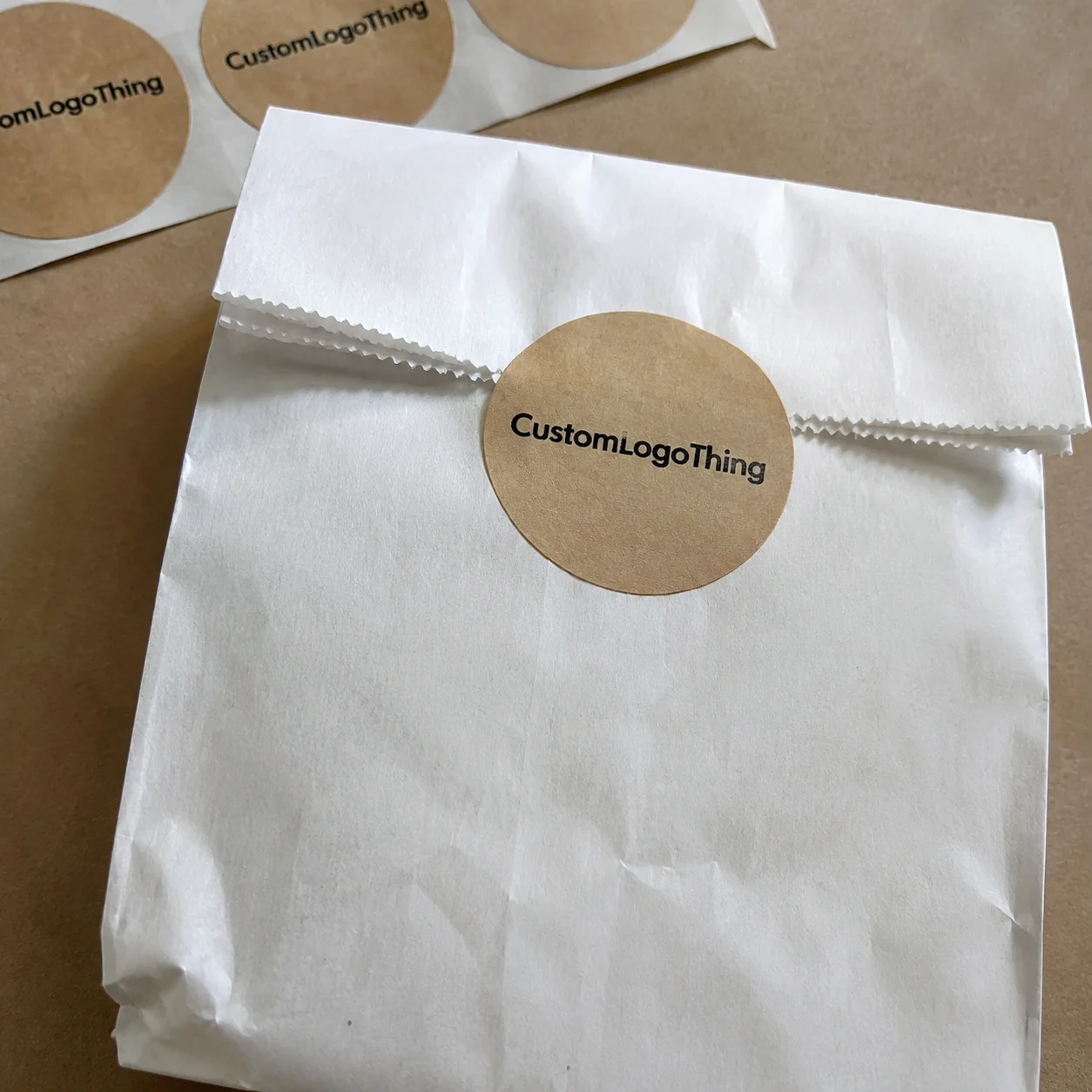
Order Custom Stickers and Business Cards Without Waste
A plain business card often disappears into a bag, drawer, or trash can. Pair that same card with a useful branded sticker, and the odds improve. Suddenly your print piece might land on a laptop, notebook, water bottle, shipping box, sample kit, or retail counter. Tiny format. Real exposure. Shocking, I know.
The goal is not to order “stuff with a logo” and hope customers feel inspired. Hope is not a print strategy. The useful move is matching paper, film, adhesive, stock, finish, and quantity to how each piece will actually be used.
Why Custom Stickers and Business Cards Work Better Together
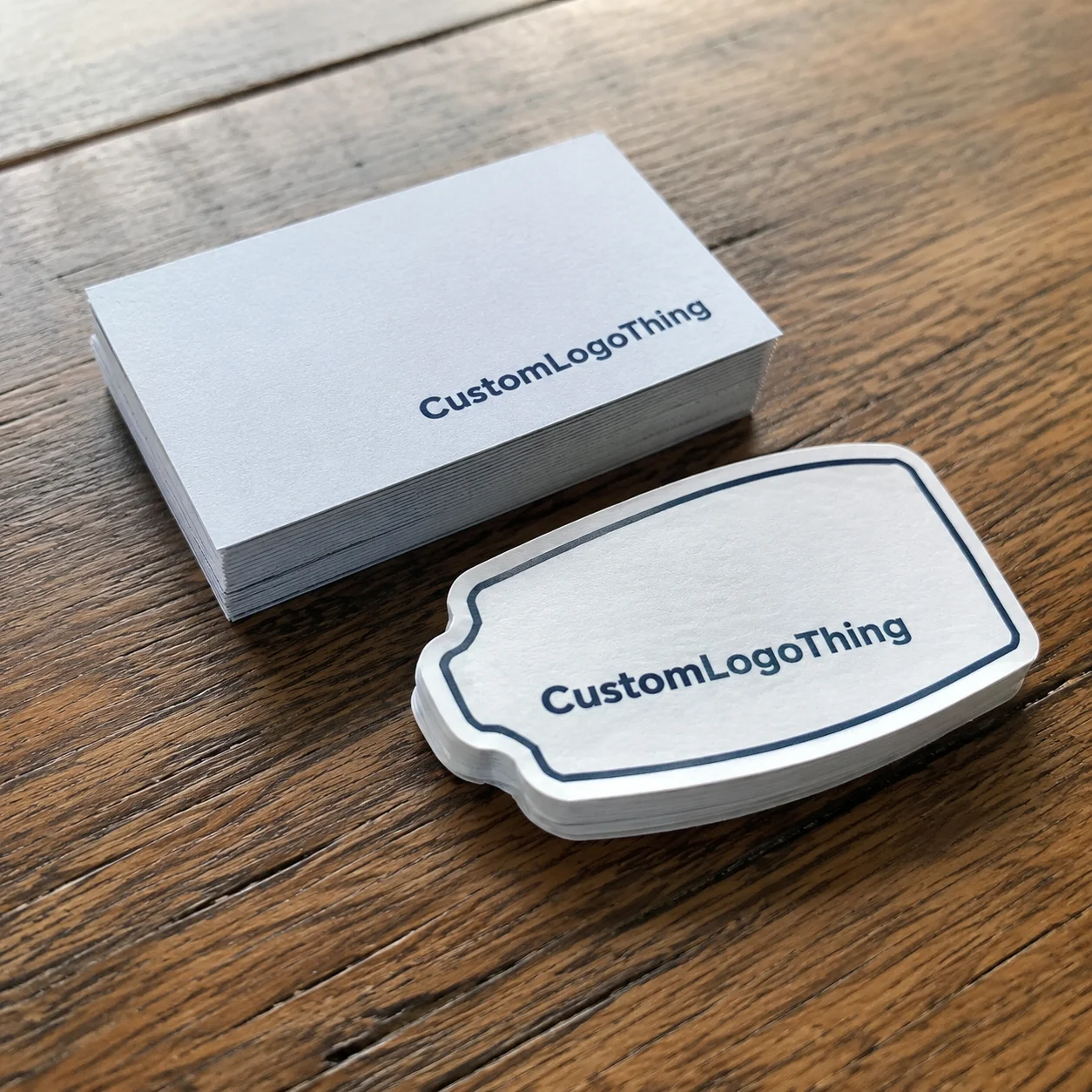
Custom stickers and business cards do different jobs. A card carries contact details, a title, a website, a QR code, and a small dose of credibility. A sticker creates repeat brand exposure, seals packaging, tags a sample, labels a giveaway, or makes an unboxing feel intentional instead of “we bought whatever mailer was cheapest on Tuesday.”
For small businesses, pop-ups, product launches, sales teams, creators, and subscription boxes, the pairing is low risk. You can build a compact brand kit without buying 10,000 printed boxes or committing to a full retail packaging program before the offer is proven. A 500-card run and a 500- to 1,000-sticker run can cover events, early orders, sample drops, and local outreach without turning a storage closet into a paper warehouse.
Here is where buyers often get it wrong: the two pieces do not need to match like a corporate binder from 1998. Please, no. They need to feel related. Use the same logo rules, color references, type family, and finish direction, then let each format work. A card can be clean and information-heavy. A sticker can be louder, simpler, and readable from three feet away.
The pairing makes sense when customers need to remember you after a quick interaction, orders ship in plain mailers, samples need a brand mark, or a handwritten thank-you note needs a polished leave-behind. In packaging, even a 2-inch round sticker can change the feel of a plain box or tissue wrap. It will not fix a weak product. It can make a decent experience feel more deliberate.
Practical rule: if the business card explains who you are, the sticker should remind people later. Different job, same brand.
How the Print Pairing Works From Design to Delivery
The basic workflow is simple: choose quantities, pick sticker type and card stock, prepare artwork, confirm proofs, print, finish, inspect, pack, and ship. Simple on paper. The expensive surprises hide in the specs.
Business card production starts with size, stock thickness, coating, corner style, print sides, and finishes. Standard cards are usually 3.5 by 2 inches in the U.S. Square cards, mini cards, and oversized cards show up often for creative brands, though unusual sizes can be harder to store, display, or mail. Most buyers choose single-sided or double-sided printing, then decide whether the card needs matte coating, gloss, uncoated paper, soft-touch lamination, foil, spot UV, painted edges, or rounded corners.
Sticker production has more variables. You need material, adhesive, size, shape, lamination, cut style, and delivery format. A candle jar label is not the same thing as a laptop sticker. A tissue seal does not need the same adhesive as a refrigerated bottle label. Start with the surface and handling conditions before picking the finish that looks best on a mockup.
- Kiss-cut stickers: cut through the top layer while staying on a backing sheet. Good for handouts and easy peeling.
- Die-cut stickers: trimmed so the backing follows the sticker shape. Good for premium giveaways, usually more setup-sensitive.
- Roll labels: efficient for jars, bottles, envelopes, packaging lines, and teams applying hundreds at a time.
- Sheet stickers: practical for small batches, event tables, sample packs, and manual sorting.
Proofing is the safety net. A digital proof checks layout, cut lines, bleed, spelling, logo placement, sizing, and general color expectations. It does not guarantee that every screen color will print exactly as displayed. Screens glow. Ink sits on paper or film. Anyone treating those as identical is selling fantasy with a PDF attachment.
Combined orders reduce back-and-forth because one design package can define logo sizing, CMYK values, typography, finish direction, and usage rules for both pieces. If you already use Custom Labels & Tags in your packaging, carry those rules into the card and sticker set. Consistency saves money because fewer decisions get remade every reorder.
Key Specs That Decide Quality, Durability, and Use
Sticker material decides how long the piece survives. Paper stickers work for indoor labels, tissue seals, envelopes, short-term promos, bakery bags, and budget-friendly product packaging where moisture is not part of the job. White vinyl, BOPP, and other durable films are better for bottles, laptops, outdoor exposure, refrigerated products, or anything customers handle often. Clear film suits minimalist packaging, though dark artwork on clear material may need white ink behind it. Textured paper gives boutique and handmade products a warmer look, especially on jars, boxes, and kraft surfaces.
Adhesive matters more than many buyers expect. Permanent adhesive is common for packaging seals and product labels. Removable adhesive fits temporary promos, event badges, and surfaces that should not be damaged. Stronger adhesives may be needed for textured cardboard, curved containers, or chilled surfaces. Freezer-grade adhesive is worth paying for only if the product actually lives in cold-chain conditions. Over-specifying is a cute way to burn money.
Business card specs are easier, but not automatic. Standard cards often use 14pt or 16pt stock. Premium cards can range from 18pt to 32pt, including duplexed stocks where two sheets are mounted together. Matte coating gives a softer, more restrained finish. Gloss makes color pop but can show fingerprints. Uncoated stock is best if staff need to write appointment times, discount codes, or personal notes. Soft-touch lamination gives that expensive handshake feel, but it can scuff when tossed loose into bags with keys and samples.
| Item | Common Spec | Best Use | Tradeoff |
|---|---|---|---|
| Paper sticker | White paper, permanent adhesive | Indoor packaging, tissue seals, envelopes | Lower moisture and abrasion resistance |
| Vinyl or BOPP sticker | Durable film with optional laminate | Bottles, laptops, outdoor or handled surfaces | Higher unit cost than paper |
| Standard business card | 14pt to 16pt coated stock | Events, meetings, sales outreach | Less distinctive than premium stock |
| Premium business card | 18pt to 32pt, soft-touch, foil, or spot UV | High-touch sales, luxury, retail packaging inserts | Higher cost and longer production time |
Sizing affects cost and usefulness. Standard cards fit wallets, card holders, counter displays, and event badge sleeves. Square cards stand out, but they can be annoying to store. Stickers from 1.5 to 3 inches work well for packaging seals and handouts. Larger stickers make stronger giveaways but use more material. Complex die-cut shapes can feel premium, though tiny notches and sharp points may slow production or peel poorly.
Color needs a reality check too. Most commercial printing uses CMYK. Pantone matching can help when brand color accuracy matters, especially for larger programs across Custom Packaging Products. Neon screen colors do not magically become neon ink unless specialty production is quoted. The laws of physics remain rude but consistent.
Cost, Pricing, and MOQ Factors to Budget For
Pricing depends on quantity, size, material, finish, print complexity, cut style, proofing needs, and shipping speed. One universal price rarely means much because the add-ons do the talking.
Basic business cards usually become economical around 250 to 500 pieces. Very small runs are useful for testing, but the unit cost tends to look ugly because setup, prepress, and handling do not shrink just because you ordered 50 cards. Sticker pricing often improves sharply at 250, 500, and 1,000 units. The jump from 100 to 500 can sometimes cut unit cost dramatically, depending on material and print method.
For planning, simple cards might land around $25 to $90 for 250 to 500 pieces, depending on stock, coating, and print sides. Premium cards with soft-touch, foil, spot UV, duplexing, or painted edges can move into $150 to $500-plus for similar quantities. Basic paper stickers may range from roughly $0.05 to $0.20 each at higher quantities, while durable vinyl die-cut stickers often sit closer to $0.25 to $1.25 each depending on size, laminate, and volume. These are planning ranges, not a quote. Freight, rush service, artwork cleanup, and supplier minimums can change the math fast.
Sticker cost drivers are predictable. Larger dimensions use more material. Die-cut shapes take more setup than simple circles or rectangles. Waterproof films and lamination cost more than paper. Roll labels can be efficient when hundreds of packages need labeling, while sheet stickers are easier for handouts and small packing tables.
Card cost drivers include thicker stock, foil, embossing, debossing, spot UV, painted edges, duplexing, letterpress, and custom shapes. Premium finishes can be worth it if the card supports a high-value sales moment. If the card is going into every shipment as a general insert, 16pt matte with clean design may beat a heavy foil card that adds cost without improving response.
BudGet Custom Stickers and business cards as a system. Order enough cards for events, counters, meetings, and shipments. Size sticker quantities around packaging volume, giveaway plans, reorder timing, and storage space. A tempting price break is not a commandment from the print gods.
Process and Timeline: What Happens After You Approve Art
Artwork prep and proofing often take 1 to 3 business days depending on file readiness, revision speed, and whether the design is already production-ready. Standard production commonly takes several business days after approval. Specialty finishes, custom dies, unusual materials, large runs, or layered effects can add time. Shipping is separate. Yes, separate. The delivery truck does not care that your event is Friday.
Approval starts the clock. Not the first email. Not the vague idea. The clock starts when final artwork, specs, quantity, delivery address, and proof approval are complete. Print shops are many things, but telepathic is not usually one of them.
The normal path is prepress review, proof approval, printing, drying or curing, cutting, finishing, quality checks, packing, and transit. Stickers with lamination may need extra handling. Cards with foil or spot UV may require additional passes. If the job has both cards and stickers, the pieces may finish at different times and then ship together or separately, depending on the supplier and schedule.
Quality checks should cover the boring details because those are the ones that cost money. Check trim accuracy, color consistency, scuffs, laminate bubbles, foil registration, QR code scanning, sticker peel performance, and whether the adhesive suits the intended surface. For roll labels, unwind direction can matter if labels are going onto applicators. For hand-applied stickers, it usually matters less, but backing split and peel ease still affect packing speed.
Use real standards as a sanity check for packaging programs. If stickers or cards are part of a larger shipping kit, standards from ISTA can help teams think about transit stress, while paper sourcing claims may reference FSC certification. A business card does not need a drop test, obviously, but your branded packaging system should be built around actual handling conditions, not showroom photos.
To avoid delays, submit vector logos, include bleed, outline fonts, use high-resolution images, confirm shipping deadlines upfront, and respond quickly to proof questions. For most flat print pieces, 0.125-inch bleed is common, with text kept safely inside the trim line. QR codes should be tested at final printed size, not judged while zoomed to 300% on a monitor.
Rush production can help, but it may limit material choices, finishing options, or proof revisions. The fastest option is usually the simplest spec: standard size, standard stock, simple shape, no foil, no specialty adhesive, no elaborate die line. The prettiest mood board rarely wins a deadline fight.
Common Ordering Mistakes That Cause Reprints
The classic mistake is designing stickers and cards separately, often weeks apart, with slightly different logo versions, color values, spacing, and tone. Small inconsistencies make a brand look patched together, especially when both pieces land in the same package. Customers may not know why it feels off. They just feel it.
File mistakes cause plenty of reprints. Low-resolution logos look fuzzy. Missing bleed creates white slivers at the edge. Text too close to trim can get clipped. RGB files can shift when converted to CMYK. Fonts that are not outlined can reflow or substitute. Cut lines that look decorative may not be production-ready paths. None of this is glamorous, which is exactly why it gets ignored until boxes arrive.
- Low-resolution art: use vector files for logos whenever possible, or 300 DPI raster art at final print size.
- No bleed: extend background colors and images past the trim edge, often by 0.125 inch.
- Tiny QR codes: test scanning at final size, especially on matte, textured, or dark backgrounds.
- Wrong material: do not use paper stickers on damp jars, chilled bottles, or outdoor gear.
- Wrong coating: do not order glossy cards if staff need to write appointment times or personal notes.
Clear stickers deserve extra caution. Dark artwork on clear film can disappear against dark packaging unless white ink is printed underneath. Metallic, kraft, or colored surfaces also change how the design reads. If the sticker is part of retail packaging, request a proof that shows white ink areas and cut paths clearly.
Overbuying the wrong version is another expensive habit. Testing 250 to 500 pieces before ordering thousands is often smarter for new packaging, new offers, new QR campaigns, or event-specific designs. Inventory is not a personality trait. It is cash sitting in a box, slowly becoming outdated.
The underrated mistake is forgetting how the pieces work together. A sticker meant to seal tissue paper needs different sizing than a giveaway sticker. A business card tucked into a mailer should not be so thick it pushes postage into a new bracket. If cards, stickers, inserts, and mailers are all part of the same packing flow, test the full pack-out before approving a large run.
Action Plan Before You Request a Quote
Before asking for pricing, gather the basics: final logo files, brand colors, preferred card size, sticker dimensions, quantity range, intended sticker surface, indoor or outdoor use, finish preference, deadline, and shipping destination. Provide those details in the first request and the quote gets cleaner. The back-and-forth gets shorter too, which everyone secretly wants.
Choose one main use for the sticker first. Packaging seal, product label, giveaway, event handout, QR code promo, or sample tag. One sticker can do several jobs badly, but one clear job usually produces a cleaner spec. If you need two jobs, order two stickers: maybe a 2-inch packaging seal and a 3-inch durable giveaway sticker. That is not waste. That is using the right tool.
A small brand print kit is usually enough for early growth: one business card design, one packaging sticker, one giveaway sticker if needed, and one shared design rule for logo size and color. That keeps ordering simple and makes reorders less painful. It also helps your branded packaging feel intentional before you invest in larger items like printed boxes, mailers, sleeves, or retail displays.
Compare quotes fairly. Check material, thickness, coating, proofing, finishing, packaging format, production time, and shipping terms. Cheapest is only cheapest until the sticker peels off or the card feels like a cereal box coupon. Ask whether the sticker is paper, vinyl, BOPP, or clear film. Ask whether the card is 14pt, 16pt, or thicker. Ask if lamination, die-cutting, foil, or spot UV is included or extra.
- Write down where each piece will be used: event table, shipment, counter, sample kit, or product label.
- Pick practical quantities at 250, 500, and 1,000 units so you can compare price breaks.
- Send print-ready vector artwork with bleed, safe margins, outlined fonts, and clear cut paths.
- Proof cards and stickers side by side to catch color, scale, and logo inconsistencies.
- Test one packed mailer or box before approving a large reorder.
Before Ordering Custom Stickers and business cards, write down how each piece will be handed out, shipped, stored, and reordered. That one boring exercise keeps the quote tied to real use instead of wishful thinking. In print buying, boring usually beats expensive reprints.
FAQ
What is the best way to design custom stickers and business cards as a set?
Use the same logo file, color values, font system, and general visual style, but let each piece do its own job. Business cards need readable contact details. Stickers need quick recognition from a few feet away. Create both layouts at the same time if possible, then proof them side by side. This catches mismatched colors, inconsistent logo spacing, and awkward scale issues before printing.
How much do custom sticker and card orders usually cost?
Cost depends on quantity, size, stock, sticker material, finish, shape, and deadline. Basic cards and paper stickers sit at the budget end. Vinyl stickers, thick card stock, foil, spot UV, die-cuts, and rush production move the price up. For planning, compare prices at 250, 500, and 1,000 units. Unit cost usually drops with volume, but only order higher quantities once the design and use case are proven.
How long does it take to print stickers and business cards?
Standard orders often need a few business days after proof approval, with extra time for specialty finishes, custom shapes, large quantities, or unusual materials. Shipping time is separate. The biggest controllable delay is artwork readiness. Clean vector logos, correct bleed, outlined fonts, and fast proof approval can save days. Half-finished files and vague deadlines do the opposite.
Should I order paper or vinyl stickers with business cards?
Choose paper stickers for indoor packaging, short-term promotions, envelopes, tissue seals, and budget-friendly branding. They work well when moisture, abrasion, and outdoor exposure are not part of the job. Choose vinyl or durable film stickers for laptops, bottles, outdoor use, refrigerated products, or anything customers may handle often. They cost more, but failed stickers cost more in reputation.
What file format is best for custom stickers and business card printing?
Vector files such as AI, EPS, or print-ready PDF are best for logos, cut lines, and clean typography. High-resolution PNG or TIFF files can work for images, but they need to be sized correctly at print resolution. Include bleed, safe margins, CMYK color setup when possible, and clear cut paths for stickers. If the design has small text or QR codes, test readability at actual printed size before approving custom stickers and business cards.