Order Custom Vinyl Stickers Decals That Build Brand Recall
Learn how custom vinyl stickers decals are made, priced, and ordered, with practical guidance on materials, adhesives, finishes, artwork, timelines, and failure points.
What Custom Vinyl Stickers Decals Really Do for Products
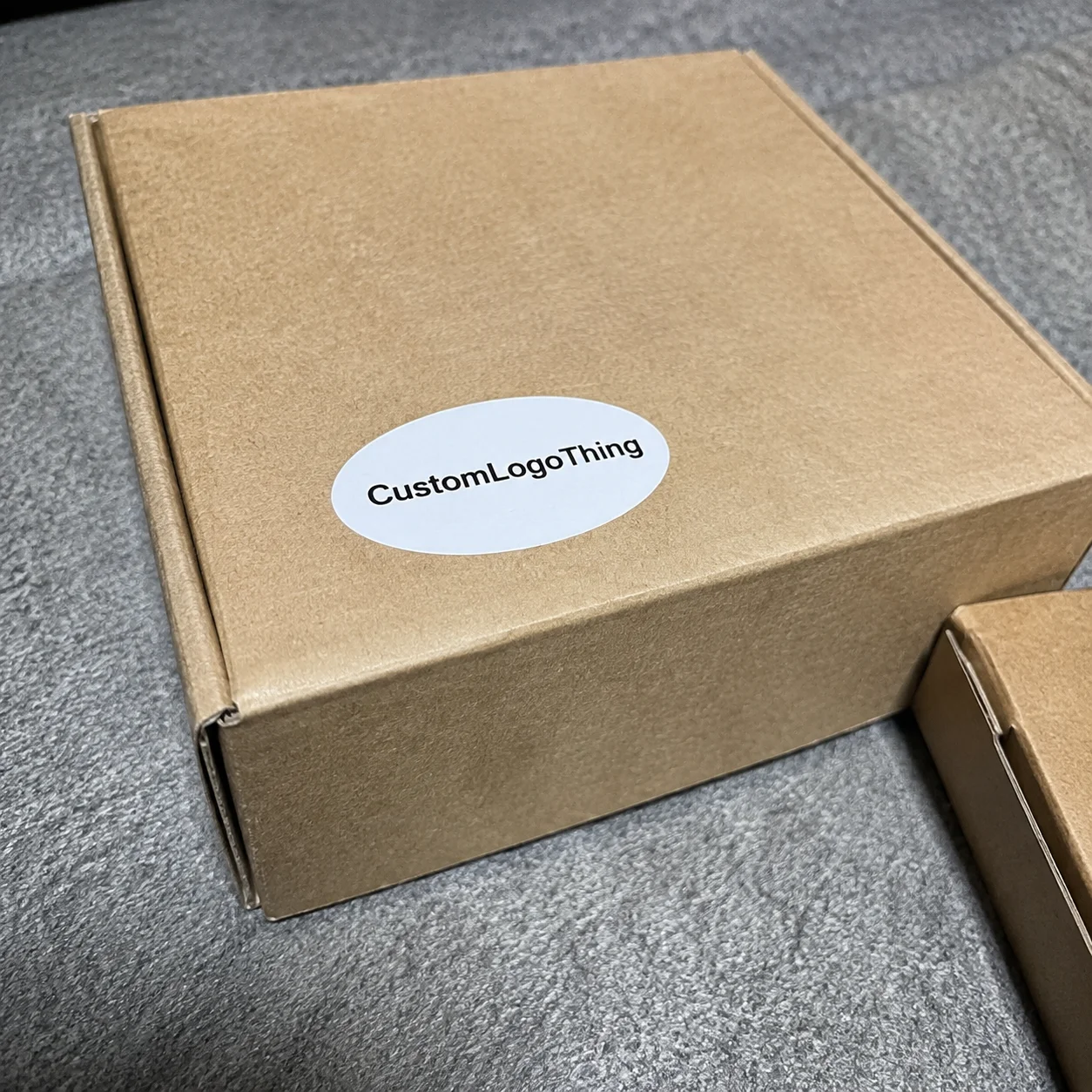
A sticker can rescue a packaging budget. Not by magic. By carrying the logo, QR code, batch message, compliance note, seasonal offer, or launch badge that would otherwise force a new box run, label plate, sleeve, or retail insert.
That flexibility is the useful part. Custom vinyl stickers decals can sit on mailer boxes, bottles, pouches, sample kits, laptops, storefront glass, event tables, shipping cartons, outdoor gear, and customer giveaways. A plain stock carton becomes branded packaging without redesigning every shipper in the system.
Stickers and decals are often used as if they mean the same thing. In buyer conversations, they usually do. Technically, stickers tend to mean peel-and-stick graphics printed on a liner, while decals often suggest more durable graphics, transfer-applied lettering, window graphics, or shaped designs meant to stay in place longer. The wording matters less than the specification: vinyl type, adhesive, surface, finish, cut style, and exposure.
Vinyl earns its place because it tolerates abuse better than many paper stocks. Paper labels can scuff, wrinkle, absorb moisture, or fail around condensation. Vinyl resists water, abrasion, sunlight, and repeated handling more effectively, especially with UV-resistant ink and the right laminate. That matters after a package leaves the design file and enters warehouses, delivery vans, retail shelves, coolers, and customer hands.
The testing value is easy to underestimate. A brand can trial a limited-drop badge, loyalty message, tamper seal, QR campaign, warning label, or seasonal graphic without committing to pallets of printed boxes. If the campaign works, scale it. If it misses, the loss may be a few hundred unused stickers rather than an obsolete packaging inventory problem.
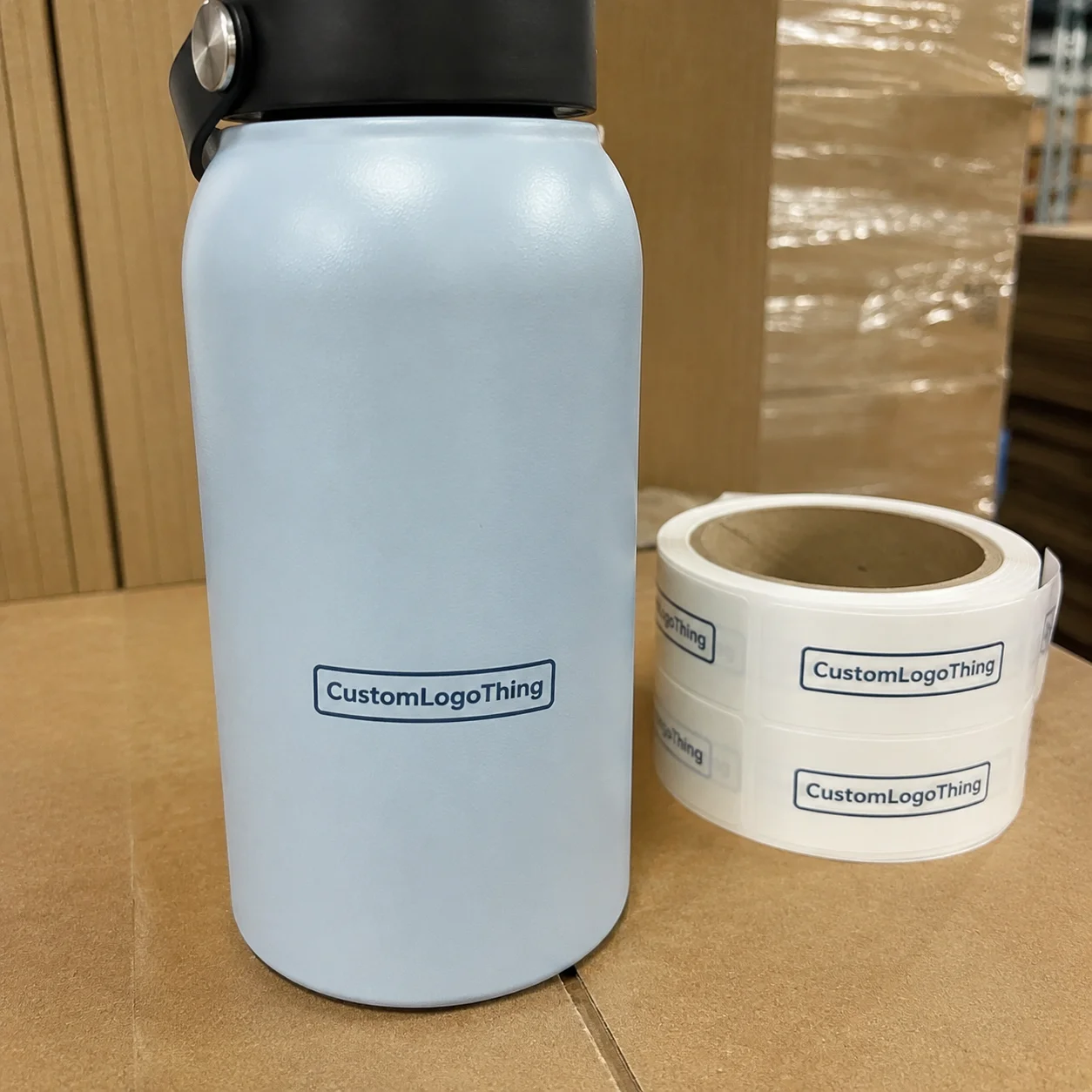
Common uses include product labels, box seals, logo giveaways, safety markings, vehicle windows, storefront decals, mailer decoration, fulfillment inserts, sample kits, and event handouts. The same visual cue can travel from retail packaging to trade-show tables to unboxing videos, which is why stickers remain one of the quiet workhorses of branded packaging.
How Vinyl Stickers and Decals Are Made
The production chain looks simple from the outside: prepare artwork, choose material, print, cut, laminate or coat if needed, inspect, pack, and ship. The complications hide in details. A clean vector logo with a defined cut path can move quickly. A low-resolution screenshot with no bleed can stop the job before it reaches the press.
Printed vinyl stickers suit full-color branding: gradients, product icons, illustrations, photos, campaign graphics, and subtle color shifts. Cut vinyl decals work better for simple logos, single-color graphics, lettering, silhouettes, and glass applications. If the design has eight colors and a shadow, print it. If it is a bold white logo for a window, cut vinyl may look sharper.
Digital printing is common for short and mid-size orders because setup is fast and quantities can stay flexible. It also supports versioned designs, which helps when a campaign has several product flavors or event dates. Screen printing can still make sense for high-volume work, spot colors, heavy ink coverage, or certain specialty effects. After printing, contour cutting follows the approved cut line so the final piece matches the design instead of staying rectangular.
Two cutting terms create regular confusion: kiss-cut and die-cut. A kiss-cut sticker is cut through the vinyl layer while the backing sheet remains intact. It is easier to peel and leaves space on the liner for instructions, SKU details, or extra branding. A die-cut sticker follows the outer shape of both the sticker and backing, creating a finished piece that feels more retail-ready.
Adhesive is not a footnote. Removable adhesive is useful for short-term promotions, event signage, temporary retail displays, and surfaces that need clean removal. Permanent adhesive is better for bottles, equipment, shipping materials, corrugated mailers, outdoor gear, and high-touch surfaces. Neither is automatically superior. The correct choice depends on service life, surface material, temperature, moisture, handling, and what should happen when the sticker comes off.
Lamination and coatings add another decision layer. Matte laminate reduces glare and often makes the sticker feel more refined. Gloss laminate increases color saturation and gives a sharper retail shine. UV-resistant and scratch-resistant finishes extend service life outdoors or on high-contact items. On bottles, toolboxes, helmets, reusable cases, or shipping containers, the finish can decide whether the brand mark still looks intentional after a week of handling.
Key Material, Finish, and Adhesive Choices
Before requesting a quote, define seven variables: size, shape, surface, exposure, finish, adhesive, and quantity. Miss one, and the supplier has to guess. Guesswork is expensive in packaging because a sticker can look correct on screen and fail on the actual product.
White vinyl is the standard workhorse. It gives strong opacity, bright color, and predictable results on boxes, jars, pouches, laptops, bottles, sample kits, and event merchandise. Clear vinyl works better when the background should show through, such as glass jars, transparent bottles, windows, or minimalist packaging. Clear film has a catch: colors may lose contrast unless white ink is printed behind key artwork.
Holographic vinyl creates a rainbow effect and is popular for limited drops, cosmetics, collectibles, creator merchandise, and promotional inserts. Metallic vinyl gives a foil-like look without traditional foil stamping, which can suit premium packaging, event stickers, or decorative accents. Static cling is different. It does not use standard adhesive; it clings to smooth glass or polished surfaces and works best for temporary window graphics.
| Material Option | Best Use | Buyer Watchout |
|---|---|---|
| White vinyl | Logo stickers, box seals, product labels, mailer inserts | Choose laminate for heavy handling or outdoor exposure |
| Clear vinyl | Glass, windows, transparent bottles, minimalist packaging | May need white ink backing for readable colors |
| Holographic vinyl | Limited drops, collectibles, cosmetics, promotional stickers | Fine text can lose clarity over reflective patterns |
| Metallic vinyl | Premium branding, event badges, decorative packaging accents | Proof carefully because metallic surfaces shift color perception |
| Static cling | Temporary window graphics and glass displays | Not suitable for rough, dusty, or curved surfaces |
Finish changes both appearance and function. Matte reduces glare, photographs well, and pairs cleanly with soft-touch cartons or muted brand systems. Gloss adds contrast, saturation, and shine. On a bright shelf, gloss can pull attention. Under harsh overhead lighting, it can also reflect enough to make small type harder to read.
Surface compatibility is the hidden variable. Glass is usually friendly. Metal often bonds well if clean. Smooth plastic can work, unless it has low surface energy. Corrugated cardboard varies by coating, dust, and recycled fiber content. Textured paper, pebbled plastic, curved bottles, and waxy cartons deserve caution. If the sticker will go onto coated paperboard, a chilled bottle, or a powder-coated case, say that before pricing.
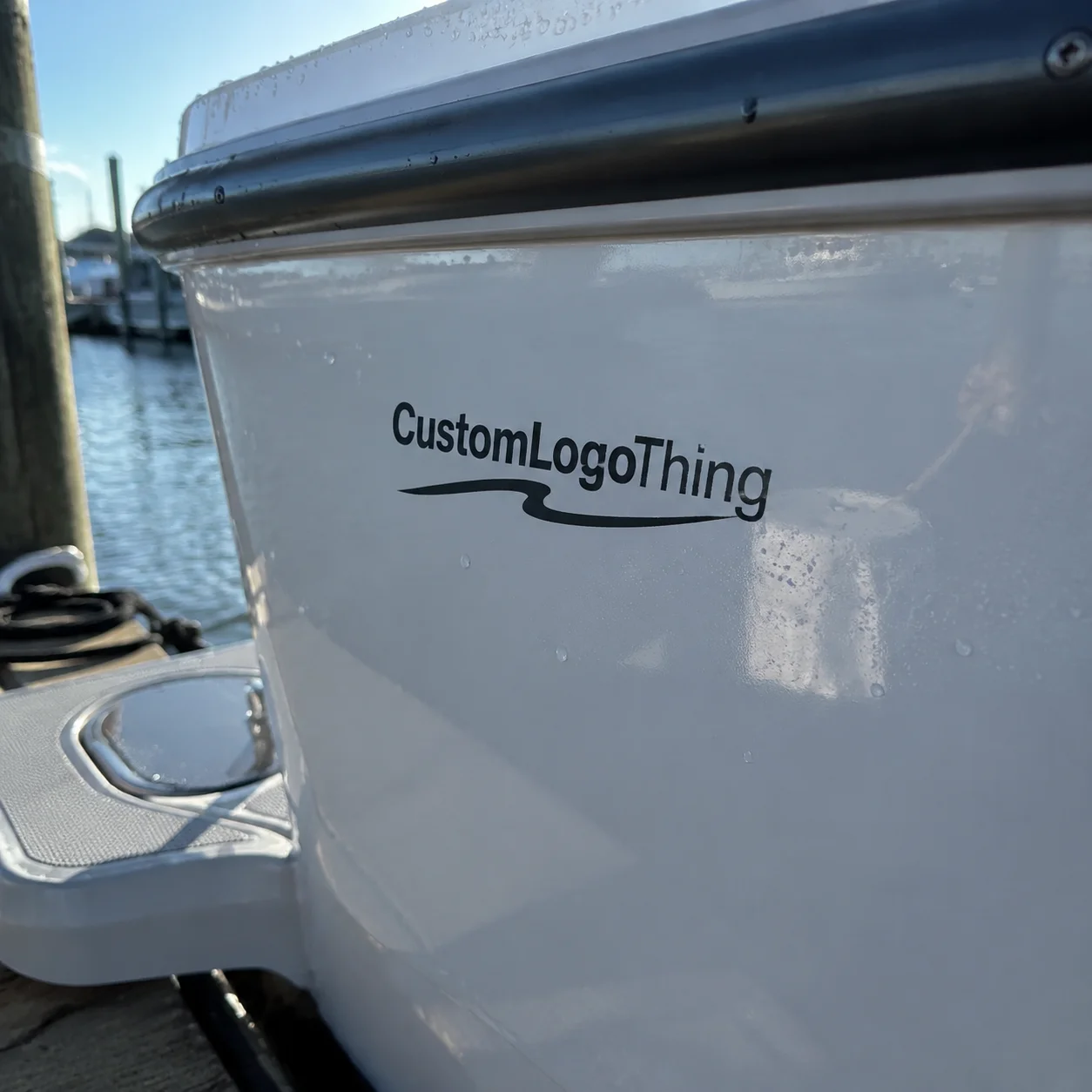
Outdoor durability requires a tougher construction: quality vinyl, compatible adhesive, UV-resistant inks, and often lamination. Rain is only one threat. Sunlight fades pigments. Abrasion scratches the surface. Heat can soften adhesive. Cold can make some films less flexible. The practical shortcut is blunt: match the sticker to the harshest condition it will face, not the easiest one.
For sustainability-minded buyers, vinyl may not be the first answer. If the application can use paper or certified paperboard, ask about alternatives and sourcing. The Forest Stewardship Council offers useful context on responsible fiber sourcing, though FSC certification applies to paper-based materials rather than vinyl film. Material choice should balance performance, cost, disposal, and brand expectations. A recyclable paper label that fails in a cooler is not a good environmental outcome; neither is overbuilding a short-lived indoor sticker with an outdoor-grade film it does not need.
Pricing, MOQ, and Unit Cost Drivers
Sticker pricing is not just square inches. Size matters, but material, adhesive, finish, shape complexity, color coverage, lamination, proofing, packing style, freight, and quantity all affect unit cost. A simple 2-inch white vinyl circle is not the same job as a 5-inch holographic die-cut decal with dense ink coverage and scratch-resistant laminate.
Economies of scale are real because the first pieces absorb artwork checks, proofing, setup, material loading, color calibration, cutting setup, and packing time. Once those steps are covered, the per-unit cost often drops sharply. A small digital run may land around $0.40 to $1.20 per sticker depending on size and finish. Mid-size orders may fall closer to $0.12 to $0.45 per unit. Large runs can go lower, especially for standard materials and simple shapes. Treat those ranges as planning numbers, not promises; equipment, freight, labor, artwork complexity, and market conditions move the final quote.
Minimum order quantities vary. Some digital suppliers can support 50, 100, or 250 pieces for standard vinyl. Specialty films, custom dies, transfer decals, multiple SKUs, or complex finishes may require 500, 1,000, or more. If a supplier has to order a special roll of material, the MOQ can rise because the unused film still has to be paid for somewhere.
| Order Scenario | Typical Quantity | Common Cost Drivers | Planning Tip |
|---|---|---|---|
| Event giveaway | 100-500 pieces | Digital setup, die-cut shape, rush shipping | Use standard white vinyl and one shared size if timing is tight |
| Product label add-on | 1,000-5,000 pieces | Adhesive, laminate, roll or sheet format | Test on the real package before approving the full run |
| Retail campaign | 5,000-25,000 pieces | Color consistency, packing method, multi-location freight | Ask for price breaks and shipping splits upfront |
| Outdoor equipment decal | 500-10,000 pieces | UV laminate, permanent adhesive, abrasion resistance | Specify rain, sunlight, cleaning, and handling exposure |
For a useful quote, send dimensions, shape, quantity, artwork file, intended surface, indoor or outdoor use, finish preference, packing needs, and deadline. If you already buy Custom Labels & Tags, include the label material or carton coating as well. Adhesive behavior can change sharply between uncoated kraft, gloss-laminated paperboard, PET bottles, and powder-coated metal.
Do not compare quotes by price alone. A cheaper sticker that curls on a bottle, fades in a window, or leaves residue on a reusable case can cost more through returns, repacking, customer complaints, and brand damage. A $0.03 unit difference looks meaningful on a spreadsheet. It looks less clever if 4,000 pieces need rework.
A practical buying move: ask for a starter quantity and scaled quantities. For example, request pricing at 500, 2,500, and 10,000 pieces. That exposes the cost curve and helps finance teams decide whether to test small or buy ahead. Custom vinyl stickers decals are flexible, but the best value usually appears after setup cost has been spread across a sensible run size.
Process, Timeline, and Turnaround From Artwork to Delivery
A typical order moves through seven steps: submit artwork and specifications, receive a quote, review a digital proof, approve production, print and finish, complete quality checks, then ship. The sequence is not complicated. The delays usually come from unclear artwork, late approvals, unavailable material, or quantity changes after the quote.
Artwork review is more technical than many buyers expect. Suppliers check resolution, bleed, cut paths, color mode, font outlines, safe zones, line thickness, QR readability, and whether the artwork matches the requested dimensions. Vector files such as AI, EPS, or PDF are preferred for logos and cut lines because they scale cleanly. Raster files can work, but resolution should usually be 300 dpi at final print size.
Production timelines vary by job. A standard digital run with approved artwork may take roughly 5-8 business days before shipping. More complex decals, specialty vinyl, lamination, multiple designs, transfer tape, custom packing, or larger quantities can push production to 10-15 business days or more. Rush work may be possible, but rush fees do not solve missing art, unclear specifications, or an untested surface.
Proof approval is a common bottleneck. A one-day delay can push production by more than one day if the job misses a print window or cutting schedule. The fastest orders usually come from buyers who have final artwork, exact dimensions, internal approval authority, and delivery dates ready before requesting pricing.
Packaging planning rule: build the schedule backward from the event date, launch date, fulfillment window, or retail delivery deadline. Then add a buffer for proof revisions and freight. Stickers are small; missed delivery dates are not.
Quality checks should cover color, cut alignment, liner release, adhesive consistency, surface defects, count accuracy, and packing format. For programs tied to finished-product shipping, standards from organizations such as ISTA can help packaging teams think through vibration, compression, and transit exposure. Stickers are one component, but they still need to survive the same distribution reality as the rest of the package.
If the sticker program connects to broader Custom Packaging Products, align timelines across cartons, inserts, sleeves, and labels. A decal that arrives on time is not useful if the matching boxes are late. The reverse is just as frustrating.
Common Ordering Mistakes That Cause Sticker Failure
The biggest failure pattern is ordering by appearance alone. A sticker can look perfect in a PDF and still fail because the adhesive is wrong, the surface is dusty, the bottle sweats, the window faces direct sun, or the carton coating resists bonding. Good production starts with the real environment, not only the artwork.
Artwork mistakes are common and preventable. Low-resolution logos print soft. Missing bleed can create thin white edges. Unoutlined fonts can shift. Thin lines may break during cutting. QR codes can become unreadable if they are too small, low contrast, or placed on a curved bottle. Critical text should not sit too close to a cut path; even a small cutting tolerance can make the design feel off-center.
Adhesive mistakes are more expensive than they look. Removable adhesive is useful for temporary campaigns, but it is a poor choice for long-term outdoor exposure. Permanent adhesive is strong, but it can damage surfaces or leave residue if customers expect clean removal. Refrigerated products, oily surfaces, textured cartons, reusable containers, and low-surface-energy plastics should be discussed before approval.
Sizing errors happen because screens lie. A 1.5-inch mark may look generous on a monitor and tiny on a mailer, toolbox, bottle, or storefront window. Print the design at actual size on plain paper before approving. Hold it against the product. Step back three feet. Scan the QR code. Check whether the logo reads under normal lighting rather than perfect desk lighting.
Finish mismatches are subtler. High-gloss stickers can glare under retail lights, especially on dark artwork. Matte finishes can soften colors, which may suit premium packaging but weaken a bright promotional graphic. Holographic and metallic films can make fine type harder to read. The finish should support the message, not compete with it.
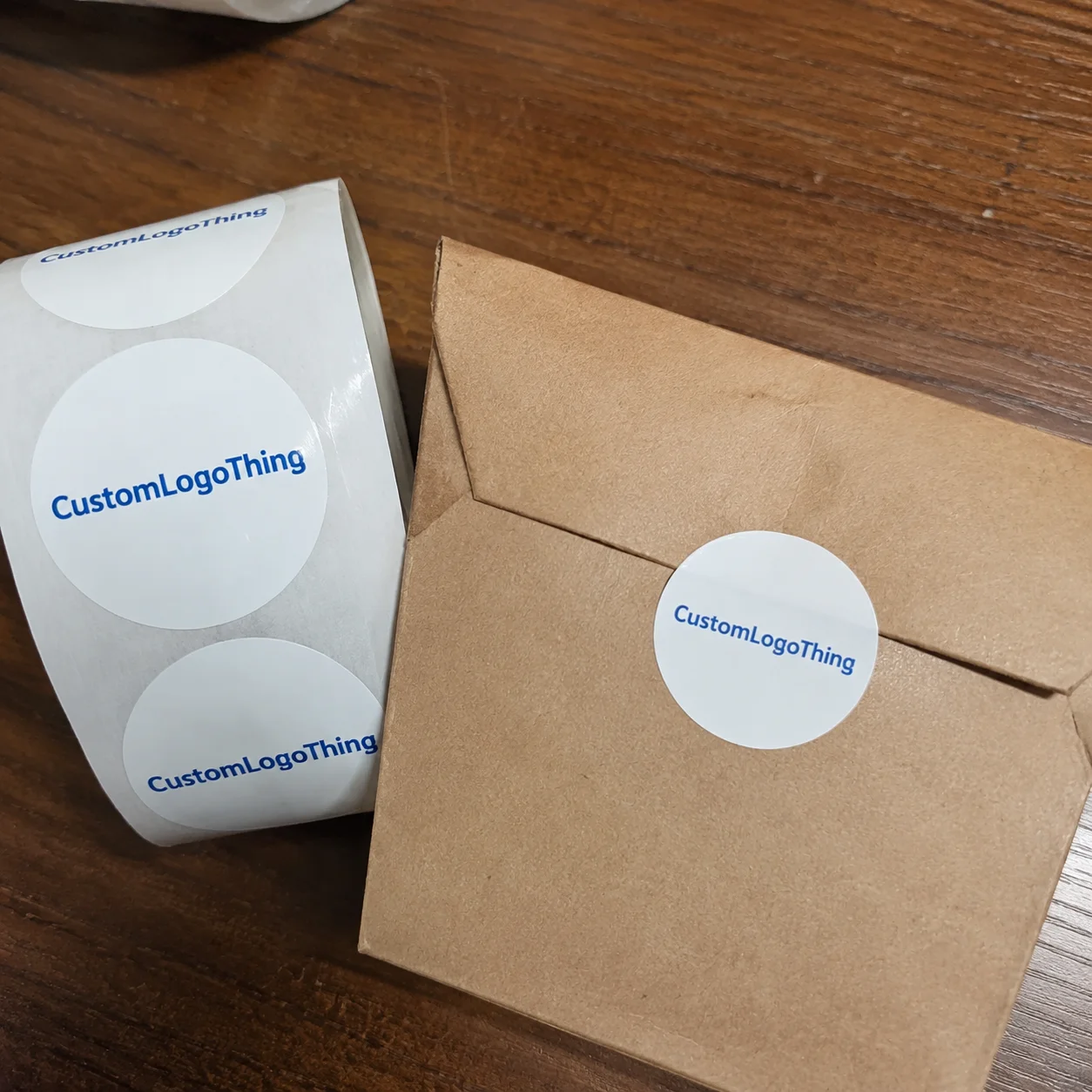
Packing format can also cause trouble. Singles are useful for giveaways. Sheets can make hand application faster. Rolls may fit automated or semi-automated labeling, but core size, unwind direction, gap, and roll diameter need to match the equipment. A perfectly printed sticker in the wrong roll orientation can slow a packing line to a crawl.
Skipping proofs or samples multiplies small problems. If a logo is 2 mm too close to a cut line, that error may seem minor on one piece. Across 5,000 stickers, it becomes a visible production issue. Digital proofs catch layout problems. Physical samples catch surface, scale, adhesive, and finish problems. For custom vinyl stickers decals used on customer-facing product packaging, a small sample round is often cheap insurance.
Next Steps Before You Request a Sticker Quote
Start with the application, not the decoration. Choose the surface, estimate exposure conditions, decide the size and shape, confirm quantity, and gather final artwork. That information lets a manufacturer recommend a construction instead of simply pricing the cheapest material that fits the dimensions.
Photograph the intended surface or product. A quick image can reveal texture, curvature, coating, moisture risk, narrow placement areas, or sizing constraints. For bottles, show the filled product if condensation is likely. For boxes, show whether the sticker crosses a flap, crease, or corner. For storefront glass, specify whether the decal goes inside-facing or outside-facing.
Define success before ordering. Should the sticker survive shipping? Promote a campaign for 30 days? Seal packaging? Label a product through refrigeration? Become a keepsake that customers put on laptops and water bottles? Each goal points toward a different mix of vinyl, adhesive, finish, and cut style.
Ask for material and adhesive recommendations, especially for refrigerated products, outdoor equipment, bottles, coated cartons, textured packaging, or reusable containers. Many buyers ask for “a waterproof sticker” when they really need to describe water exposure, temperature, handling, surface material, cleaning, and expected life span. Waterproof is not one specification. It is a set of conditions.
- Application surface: glass, plastic, coated paperboard, corrugated, metal, bottle, laptop, or window.
- Exposure: indoor handling, refrigeration, rain, sunlight, abrasion, cleaning, or shipping stress.
- Artwork: vector logo, final dimensions, bleed, cut path, fonts outlined, and QR code tested.
- Finish: matte, gloss, UV-resistant, scratch-resistant, holographic, metallic, or clear.
- Quantity: starter run, launch quantity, and scaled price-break quantity.
- Deadline: proof approval date, production target, shipping method, and required delivery date.
Request a digital proof every time. If the stakes are high, request a physical sample before approving the full run. The strongest sticker programs start with clear specifications, realistic timelines, and a surface-tested material choice. That is how a small adhesive graphic becomes a reliable part of product packaging rather than a last-minute patch.
Frequently Asked Questions
What is the difference between custom vinyl stickers and custom vinyl decals?
Stickers usually refer to peel-and-stick printed graphics, while decals often describe more durable, shaped, or transfer-applied graphics. Many buyers use the terms interchangeably, so the important details are material, adhesive, finish, cut style, and application surface.
Are custom vinyl sticker decals waterproof?
Most vinyl options are water-resistant, and many can be made effectively waterproof with the right adhesive, ink, and laminate. For bottles, coolers, outdoor products, or wet packaging, describe the water exposure before production so the manufacturer can recommend the right construction.
How much do custom vinyl stickers decals cost?
Cost depends on size, quantity, material, finish, adhesive, shape complexity, packing format, and whether lamination or specialty films are used. Unit cost usually drops as quantity increases, so ask for price breaks at several quantities instead of quoting only one run size.
What file type should I send for custom vinyl decals?
Vector files such as AI, EPS, or PDF are best for logos, cut lines, and sharp text. High-resolution PNG or TIFF files may work for full-color artwork, but the supplier should still check resolution, bleed, safe zones, and cut-path setup.
How long does it take to produce custom vinyl stickers and decals?
Turnaround depends on proof approval, quantity, material availability, finishing, cutting complexity, packing requirements, and shipping method. Standard digital runs may take about 5-8 business days before shipping, while specialty or larger orders can take 10-15 business days or more.