Buying these caps for a home fragrance brand is not just a blank-hat decision. The product has to fit the line, pack cleanly, and leave room for decoration, packaging, and freight. What good is a low quote if it quietly drops one of those pieces? Usually, the real comparison starts with the full landed cost, not the factory sticker price.
Cheap is not cheap once freight, decoration, and rejects enter the math.
An accurate review looks past the blank cap price and checks how the style supports the brand. The soft, low-profile shape sits naturally beside candles, diffusers, linen sprays, and room mists, so it feels calm and giftable instead of sporty or loud. As a result, the cap can read like part of the collection rather than a leftover promo item.
The style also works well for merch programs. It wears easily, is simple to explain, and usually bundles well with retail sets or staff kits. That mix is why buyers keep returning to it when they need a low-risk branded item that still looks intentional.
What matters most is whether the cap spec, decoration, and production plan support the launch without creating avoidable cost or delay. The sections below focus on the details that change buyer decisions.
Why Unstructured Dad Hats Work for Home Fragrance Launches
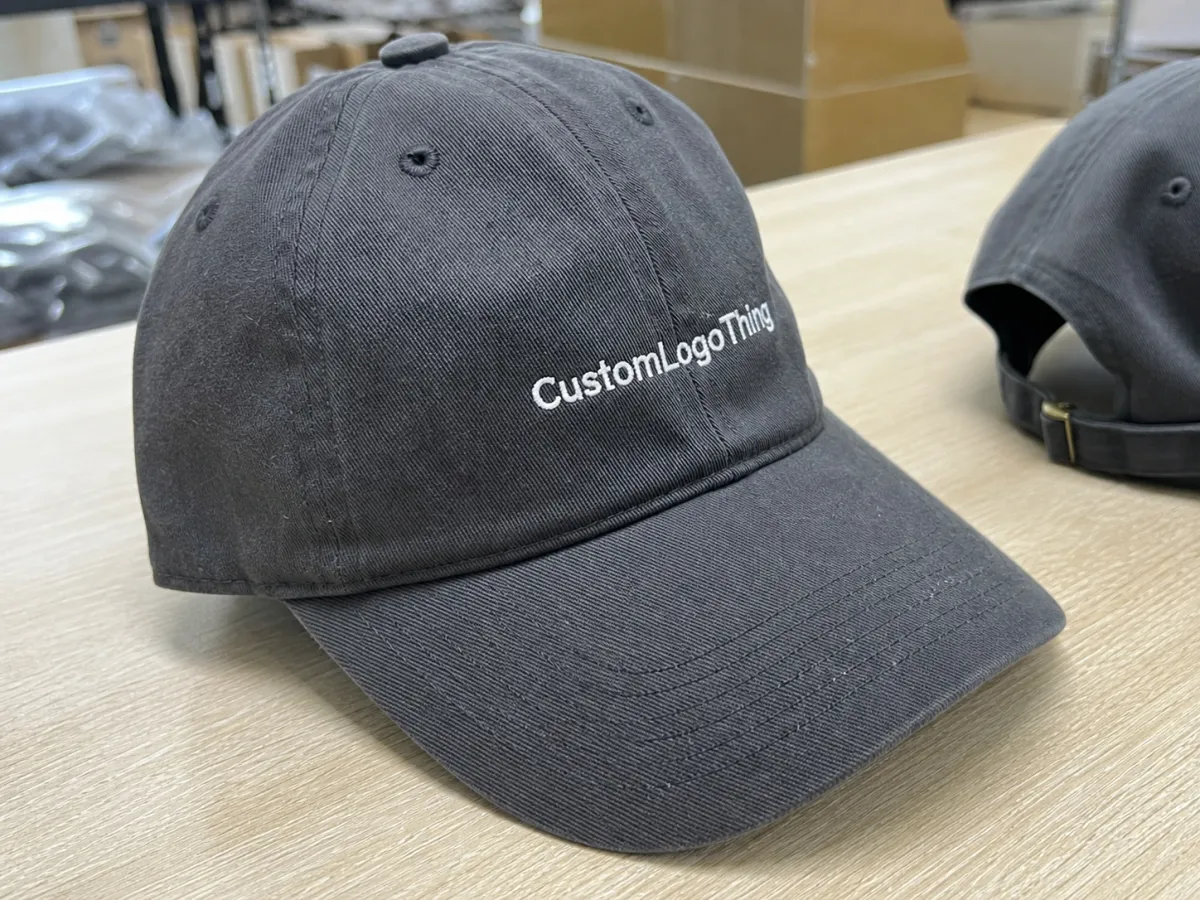
The relaxed silhouette fits home fragrance branding because it reads as understated merch instead of promotional gear. The lower crown and soft front panel pair well with warm packaging materials, muted colors, and premium gift presentation. That combination makes the cap feel deliberate, not random.
There is a packing benefit too. A soft crown usually takes less space than a rigid style, which helps when hats ship inside seasonal sets or mixed cartons. It will not erase freight costs, but it can make carton planning easier and cut wasted air.
Why settle for a cap that fights the rest of the line?
The key question is whether the hat looks deliberate next to the rest of the collection. If the front panel collapses awkwardly, the logo sits off-center, or the brim shape looks sloppy, the cap feels like an afterthought no matter how strong the product story is.
If the sample looks improvised, the finished run usually will too.
That warning usually proves true.
Familiarity helps the style as well. Buyers already know what it is, so the product does not need much explanation. That makes it easier to position as an add-on item, a gift-with-purchase, or a staff piece without confusing customers at the point of sale.
What Buyers Should Expect From the Cap Build
A good cap build stays simple, but the details still matter. Most retail-ready versions use cotton twill, washed cotton, or brushed cotton with a soft crown, curved brim, adjustable back closure, and a neat interior finish. Mid-weight fabric is usually enough; heavy fabric often makes the cap feel stiffer than this style needs to be.
Each part of the build changes how the cap wears and how it looks after packing. Too little structure and embroidery can distort the front. Too much structure and the relaxed profile disappears. A weak brim or poor closure also makes the product feel cheaper than the quote suggests.
Before comparing prices, check these five items:
- Front panel: soft enough for the look, but firm enough to hold decoration.
- Brim: curved consistently and able to survive folding or carton pressure.
- Closure: strap, buckle, snap, or slide should match the brand position.
- Sweatband: clean interior finishing makes the cap feel more retail-ready.
- Stitching: even joins and tidy edge work reduce rejects and remake risk.
For most home fragrance programs, the cleanest spec usually wins. Buyers generally do not need heavy construction or extra panels. A polished but light build is easier to approve, easier to ship, and less likely to create waste during packing.
Decoration Specs That Affect Look, Wear, and Margin
Decoration is where cost and appearance change fastest. The blank cap can stay straightforward, but embroidery, patches, and labels each bring different setup effort, labor time, and durability. That is why decoration choice often matters more than the cap body itself.
Embroidery
Embroidery is the most common option because it wears well and gives the cap a premium finish. It works best for simple logos, monograms, and short brand names. Tiny text, fine lines, and gradients usually need simplification, especially on a soft front panel that can distort under dense stitching.
Woven patches
Woven patches help when the artwork needs more detail than embroidery can handle cleanly. They can preserve small text and sharper edges, but they add another production step. Custom patch shapes can also bring tooling charges, so they make the most sense when the visual payoff is worth the extra setup.
Printed or woven labels
Labels keep branding subtle and work well when the cap is only one part of a larger bundle. They are usually the least expensive option, but they are not the strongest choice if the cap needs to read clearly at retail distance. They fit best for staff wear, internal use, or low-pressure promotional runs.
| Decoration method | Typical setup charges | Typical cost per piece at 500 pcs | Best use case |
|---|---|---|---|
| Embroidery | $35-$80 for digitizing and thread setup | $0.55-$1.25 | Retail merch, clean logo work, daily wear |
| Woven patch | $60-$150 if the patch shape is custom | $0.85-$1.80 | Fine detail, textured branding, premium presentation |
| Printed or woven label | $25-$60 | $0.25-$0.70 | Subtle branding, lower footprint, tighter budgets |
Artwork files also change the cost. Thin lines, multiple color changes, and tiny text can force revisions before production begins. A clean logo with a simple stitch path is cheaper to approve and more likely to look the same across batches.
When comparing suppliers, keep the spec identical across quotes. Match the cap color, decoration size, decoration position, back closure, and packaging. A lower price means little if one supplier quietly changed the build to get there.
If the caps will be packed inside a retail set, check carton performance against the way the full bundle ships. A soft crown can reduce bulk, but compression can flatten the front panel or distort decoration if the packout is too tight.
Home Fragrance Unstructured Dad Hats Unit Cost Review: Pricing and MOQ
A useful cost review should break the quote into parts: blank cap, decoration, packaging, sampling, and freight. Looking only at the factory unit price is the fastest way to miss what the order actually costs.
For a basic launch run, many programs can start around 100 to 300 pieces if the cap color is standard and the decoration is simple. At 500 and 1,000 pieces, the price per unit usually improves because setup work is spread across more pieces.
A realistic factory-direct range often looks like this:
- Blank cap body: roughly $2.10-$3.90 per piece at 500 units, with better pricing at higher breaks.
- Embroidery add-on: often $0.55-$1.25 per piece depending on stitch count and logo size.
- Patch add-on: often $0.85-$1.80 per piece, plus tooling if the shape is custom.
- Packaging: polybags, size stickers, or hang tags can add $0.08-$0.45 per piece.
- Sample or proofing: usually separate, though some suppliers credit part of it back on bulk orders.
MOQ matters because it changes the economics of the fixed work. A small order can look attractive at first, but setup charges weigh more heavily when the run is short. A 300-piece order may carry a higher per-unit cost than a 1,000-piece order using the same cap and same artwork.
To compare quotes fairly, keep five variables aligned:
- Same hat style and body fabric.
- Same decoration method and stitch count.
- Same logo size and placement.
- Same packaging format and carton count.
- Same freight terms and destination.
When a supplier trims the setup fee, another line item often rises to meet it. That is why a full cost sheet matters more than a single unit price. The cheapest number on the page can still be the most expensive decision.
Production Steps, Lead Time, and Approval Milestones
Production usually starts with a spec check, then moves to sample review, bulk approval, decoration, assembly, and packing. Each step can shift the schedule if artwork changes or if the cap body needs revision.
Lead time depends on fabric stock, decoration complexity, and order size. A simple order can move quickly, but a custom patch or unusual colorway can add days before the first bulk unit is even cut.
Before release, buyers should confirm the sample against the approved spec. That check should cover crown shape, stitch quality, logo placement, closure, and packaging. If the sample misses any of those items, the bulk run will probably miss them too.
Keep one approval path. Too many revisions create confusion, slow the factory, and increase the chance that the wrong version gets signed off.
How to Keep Repeat Orders Consistent Across Batches
Repeat orders stay consistent when the buyer keeps the original spec locked. Save the fabric code, thread colors, patch dimensions, logo files, and packaging details in one place. Without that record, even a good supplier can drift over time.
Color variation is one of the biggest risks. Cotton dye lots can shift, and decoration materials can do the same. That is why reorders should reference the prior approved sample whenever possible.
Ask for the same factory reference points on every re-run. A clear spec sheet is better than memory, and a photo helps even more. If the batch changes, you will know exactly where it happened.
Who wants to relaunch a best seller only to discover the hat no longer matches the first run?
What to Send for a Fast Quote and Cleaner Launch
A fast quote starts with clean input. Send the hat style, target quantity, cap color, decoration method, logo file, packaging preference, and delivery country. If any of those pieces are vague, the quote will be vague too.
It helps to include a photo reference or a previous sample. That way the supplier can see the profile, finish, and decoration intent instead of guessing from a short message. Clear references also reduce revision loops, which saves time on both sides.
For a smoother launch, confirm the following before approval:
- Artwork file: vector file preferred, with fonts outlined.
- Decoration size: measured in inches or millimeters.
- Color targets: Pantone or clear visual references.
- Quantity split: total units by color or size if needed.
- Ship date: target delivery window and final destination.
The more precise the brief, the cleaner the quote. Precision makes it easier to compare suppliers, catch hidden costs, and avoid surprises during production. It also gives the brand a better shot at receiving a cap that actually matches the line.
FAQ
Are unstructured dad hats good for retail home fragrance brands? Yes. The relaxed profile feels approachable, pairs well with premium packaging, and keeps the merch from looking too promotional. That balance helps it work across candles, room sprays, and gift sets.
Is embroidery better than a patch? It depends on the artwork. Embroidery is usually cleaner for simple logos, while patches are better when the design needs fine detail or a more tactile finish. The right choice is the one that fits the logo without forcing unnecessary complexity.
What quantity should I start with? Many buyers begin at 100 to 300 pieces if the artwork is simple and the cap color is standard. Larger orders usually improve unit cost because the fixed setup work gets spread out.
How can I keep the order consistent on reorder? Keep the approved sample, spec sheet, artwork files, and packaging notes together. When those references stay locked, the next batch has a much better chance of matching the first one.

