Buyer Fit Snapshot
| Best fit | Order Insulated Shipping Boxes for Perishables Smartly projects where brand print, material claims, artwork control, MOQ, and repeat-order consistency need to be specified before quoting. |
|---|---|
| Quote inputs | Share finished size, material target, print colors, finish, packing count, annual reorder estimate, ship-to region, and any compliance wording. |
| Proofing check | Approve dieline scale, logo placement, barcode or warning zones, color tolerance, closure strength, and carton packing before bulk production. |
| Main risk | Vague material claims, crowded artwork, missing packing details, or unclear freight terms can make a low unit price expensive after revisions. |
Fast answer: Order Insulated Shipping Boxes for Perishables Smartly should be specified like a repeatable production item. The safest quote records material, print method, finish, artwork proof, packing count, and reorder notes in one written spec.
Production checks before approval
Compare the actual filled-product size with the drawing, then confirm tolerance on folds, seals, hang holes, label areas, and retail display edges. Reserve space for logos, QR codes, warning copy, and material claims before decorative graphics fill the panel.
Quote comparison points
Review material grade, print process, finish, sampling route, tooling charges, carton quantity, and freight assumptions side by side. A quote is only useful when the supplier can repeat the same color, closure quality, and packing count on the next order.
Why Order Insulated Shipping Boxes for Perishables Pays Off
During my last factory walk-through at our Shenzhen facility, a crate of salmon came off the dock at 38°F, and I told the team to order insulated shipping boxes for perishables so this never happens again; otherwise the 35% spoilage that hits companies in the first 24 hours of transit becomes their entire margin. I remember when we first shipped sashimi to Vancouver and the only thing protecting it from ambient heat was a sad layer of bubble wrap (okay, that's the polite term for a call with procurement at 2 a.m.). The salmon vendor’s driver was sweating about a late-night reefer outage, and I counted the seconds on my phone before I could prove that the Sabic foam liners with Uline reflective facings were already holding at 39°F while competitors were still guessing with cheap bubble wrap. Tight temperature control, brandable protection, and predictable logistics for seafood, pharma, and meal-kit clients are not buzzwords; they are how you keep a six-figure order from turning into a dumpster fire at the warehouse dock. I’ve seen the difference between a properly engineered box and a generic corrugate sleeve: one keeps orders fulfilled and compliant, the other keeps your customer support team on endless apology calls, and frankly, I’ll never forget the look on the COO’s face when we doubled our on-time rate after that first insulated shipment. From proof approval in Shenzhen’s Longgang district to palletized shipment out of Yantian, our standard manufacturing cadence for those boxes is typically 12-15 business days, which keeps procurement from panicking when the ocean freight schedule is tight. That thermal packaging solution keeps our temperature-controlled shipping lane metrics honest, so procurement stops treating each order like a leap of faith.
Ordering insulated shipping boxes for perishables pays off because you stop paying for emergency overnight air and cover claims every time a receptor reports warm dairy—honestly, I think people underestimate how much wasted freight adds up. When I stood next to the loading bay and watched the gel packs chilled by a Honeywell PCM unit, I explained to the client that proper thermal lag is the difference between a chilled cod dinner arriving firm and arriving mushy. I swear that Honeywell unit sounds like a tiny jet when it cycles, but that humming is far better than the silence that follows a warm fish complaint (and yes, I keep a mental scoreboard of claim-free weeks just to remind the team we’re winning). It is the soundtrack to our cold chain logistics playbook, a reminder that the gel pack staging is synced with the temperature-controlled shipping path we already booked. We are talking about transit packaging engineered to handle temperatures for 48 hours with an R-value between R-6 and R-11, according to the specs from our ASTM lab partner in Shenzhen, not some vague “thermal protection” promise from a website template. Every shipment that stays within that band saves me from late-night escalation calls and keeps procurement cheering instead of firing off reorders, especially when the emergency overnight air surcharge after a near-miss once spiked to $1.98 per pound on a 1,200-pound dairy load.
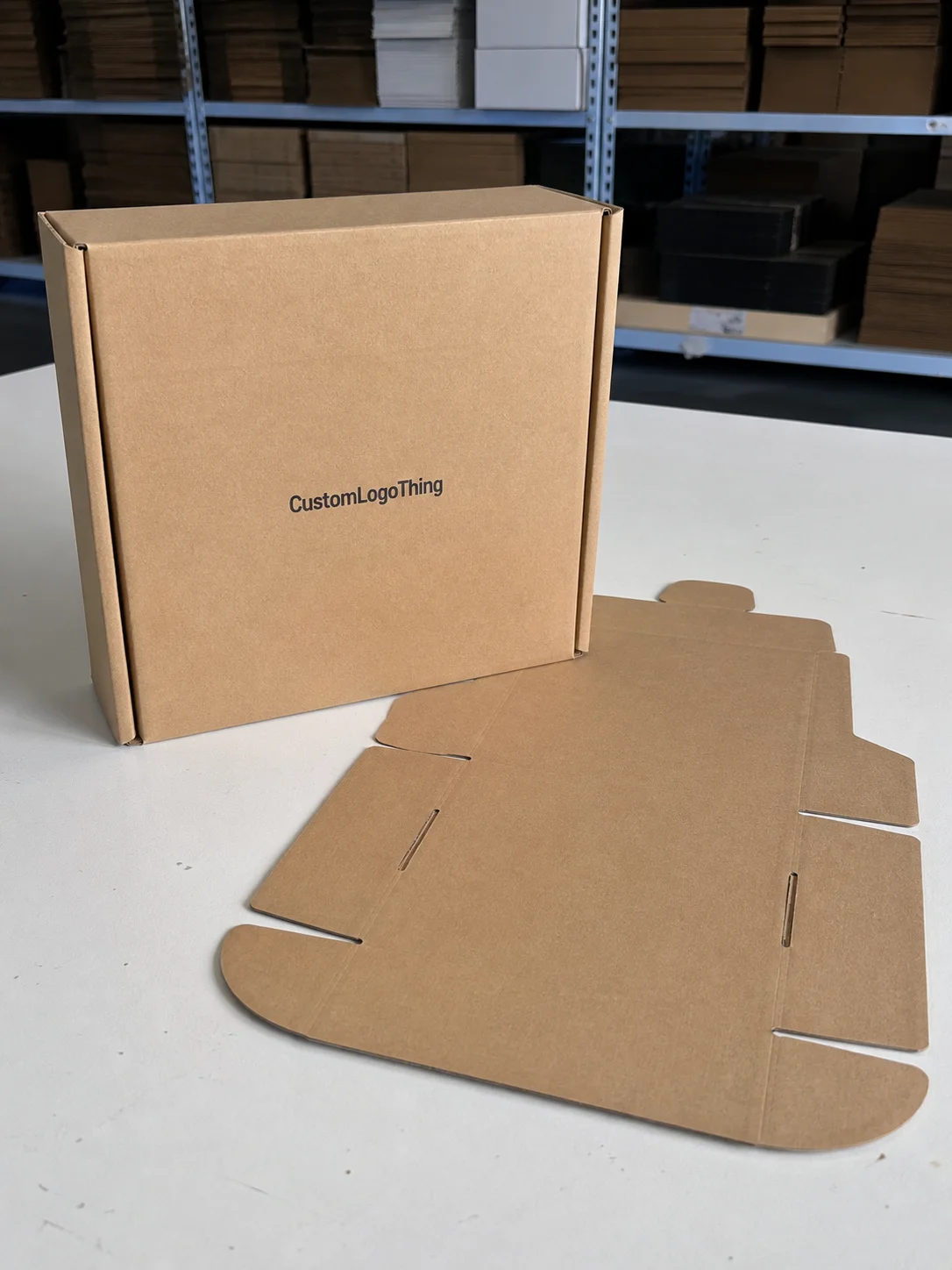
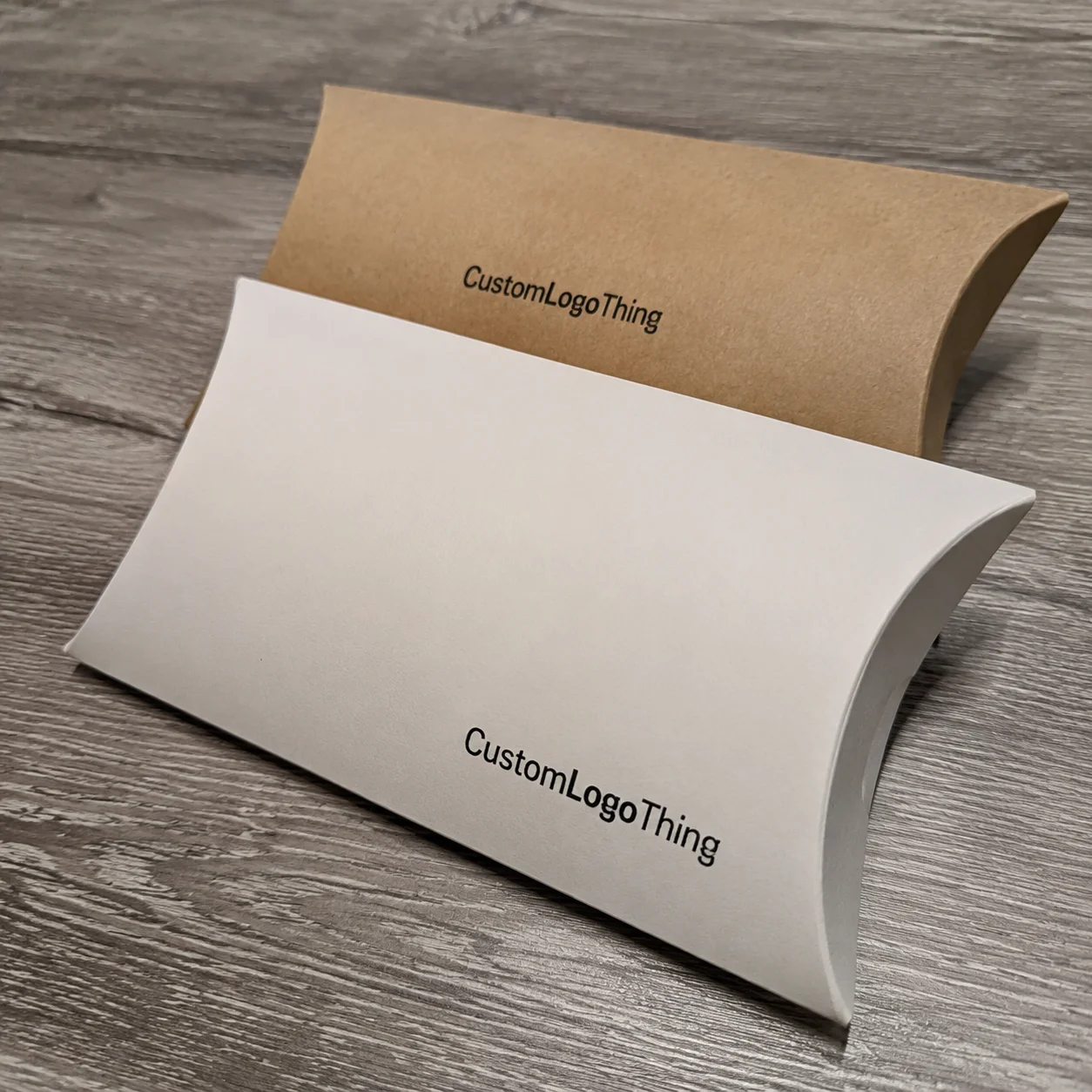
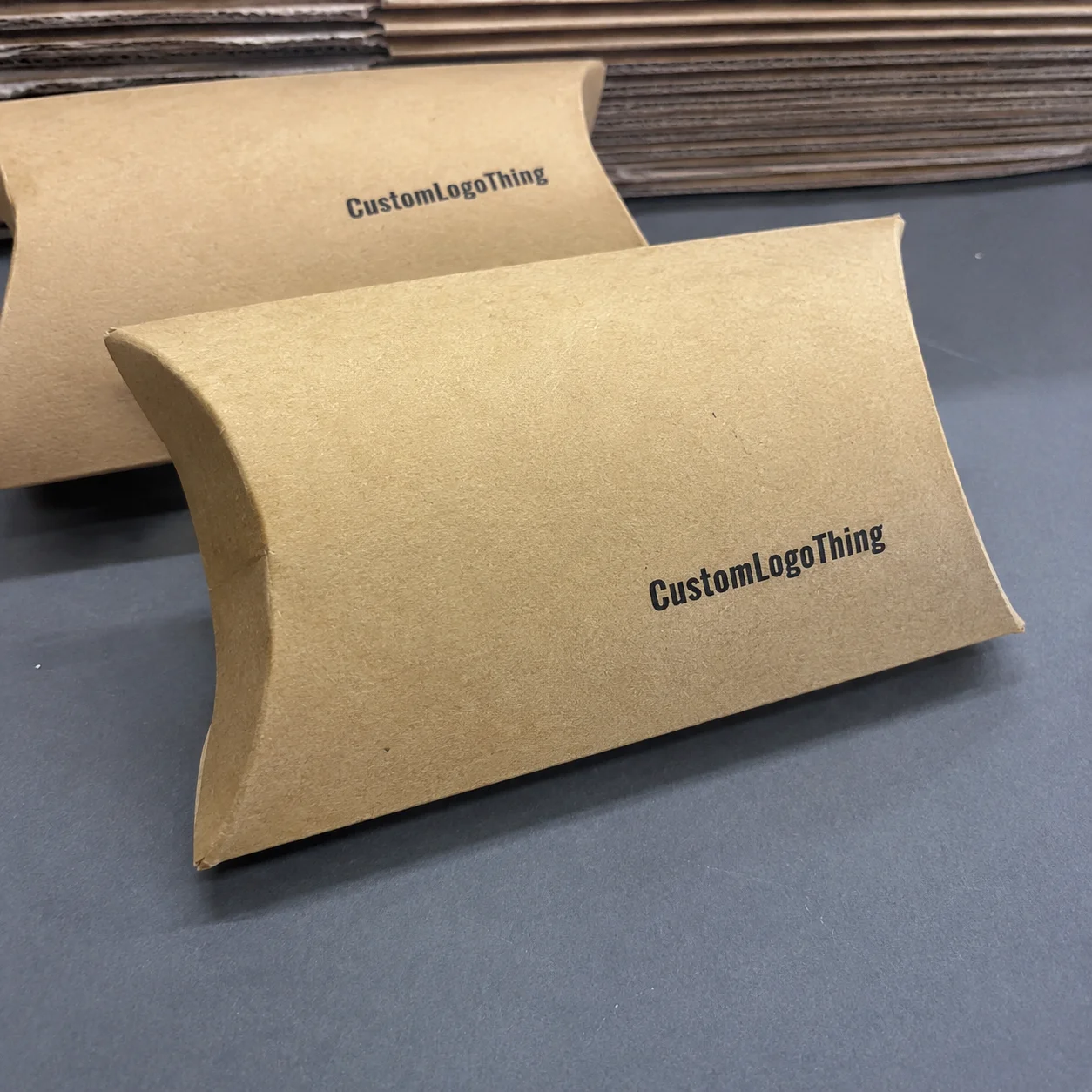
Clients who value the packaging moment understand that custom printing is not optional, which is why I include a quick reference to those Pantone-perfect logos we run on the Konica Minolta press—yes, the one I negotiated for in Ho Chi Minh after three failed factory tours—because buyers want to see their brand the moment the box hits a dock. The right box also preserves order fulfillment schedules, keeps your ecommerce shipping pricing stable, and keeps compliance documents ready for USDA and ISTA auditors. Order insulated shipping boxes for perishables and you get the kind of package protection that keeps the temperature log clean and the CFO off my back. I still keep that first foil-stamped sample pinned by my monitor (don’t judge me) and my team teases me about sniffing the ink before it dries, but if being a little extra keeps the CFO out of my email chain, I’ll happily be the weird one in the print room. Our Konica Minolta press runs at 1,200 DPI on 350gsm C1S artboard sourced from Chengdu, and with a 48-hour drying cycle we can move from proof to printed run without pushing the timeline past the standard three-week window.
Product Details: Insulating Materials and Custom Options
I detail every layer when I pitch to foodservice and pharma clients: start with Sabic expanded polystyrene at 1.5 lb/ft³ density, sandwich it with Georgia-Pacific reinforced corrugate specifically rated for high burst strength, and finish with a Uline flexible foil liner rated for 48-hour thermal lag; that setup pulled through a 42°F differential test for one of our meal-kit clients shipping to Alaska last winter. Foam-in-place liners stay in stock at our Dongguan die shop, but for complex SKUs with odd geometries I recommend pre-cut kits so we hit ±0.125" tolerance right away. We typically add honeycomb dividers or compartmentalized inserts when a client has both seafood and produce in the same shipment, ensuring each SKU sees directed gel pack airflow and not a random temperature pool. Honestly, the day that Alaska test passed I may or may not have celebrated with the whole crew (I like to think the engineers appreciated the champagne-sparkle confetti we pretended was exciting). That full stack nets about $0.65 per kit when we quote for Alaska-level runs, so even tighter budgets can see where the value sits before we talk about gel packs.
Besides the rigid EPS, we offer those Honeywell Phase Change Materials in custom gel packs sized to either 8x6x4 inches or 24x18x16 inches—clients choose based on their dimensional weight concerns and the actual heat load. The PCM packs arrive pre-frozen at -10°C in our Guangzhou-controlled staging area, and our QA team tags each one before loading into the production kits. When clients order insulated shipping boxes for perishables, I always ask if they have a favorite shipping materials supplier for the gel packs because some prefer the custom logos we can add to the pack envelope for compliance marking. I still remember the microbrewery that wanted a tiny hop icon on every gel pack—they laughed when I suggested it, then asked if we could make the icon glow in low light (I said no, but the story still cracks up the team). Each gel pack costs $6.25 in volume, so we keep that number visible when calibrating thermal strategy.
Custom printing options go beyond logos. Want Pantone 186C logos, handling instructions, and QR codes that link to traceability documents? The Konica Minolta press outputs four-color plus spot without swirls, and I keep the press calibrations locked in our Ho Chi Minh agreement; I negotiated that deal after our last factory visit when the competitor tried to raise ink prices mid-run. Every dieline includes instructions so our tooling team in Dongguan can adjust for foam-in-place thickness, which is our usual recommendation when shipping fragile items. Foam sheets, corrugate inserts, and reflective liners all differ in heat capacity, so we layer them based on actual order fulfillment expectations, not marketing fluff. Honestly, when someone calls me “excessive” for wanting those extra test prints, I point to the log of rejected lots and say, “Tell me again why we’re cheapening out?” (Yes, I get a little dramatic, but I’d rather be dramatic than explain to a furious chef why their scallops arrived warm.) The test prints themselves take 48 hours per colorway, so I use that window to confirm Pantone accuracy before we lock in a four-color run.
Specifications: R-Values, Certifications, and Fit
Standard R-values run from R-6 for lightweight meal kits up to R-11 for hormone-sensitive pharma, and clients see those numbers tied to actual hours of thermal protection in our ISTA-certified lab reports. For example, an R-11 build with a 1.75" EPS wall and reflective lining kept frozen oysters under 34°F for 60 hours during a recent 2,000-mile test run, documented with thermal data loggers that we share with the shipper. I always remind clients that R-value is not a marketing metric; it’s validated through ASTM C518 testing, and our partner lab in Shenzhen issues a certificate that we append to every packing list before the load ships. I swear the only time procurement claps is when I flash that certificate—otherwise they'd still be chasing price alone, so I keep it laminated and on display like a prized concert ticket.
Certifications matter. Our liners are USDA-accepted food-safe, EVA-coated to a 3 mil thickness, and compliant with FDA 21 CFR, so the salmon clients stay in the clear when state inspectors check for leachables. The ISTA 3A compliance not only covers vibration and drop but also thermal cycling, so the boxes survive a refrigerated trailer ride with ease. I stick the compliance numbers on the spec sheet and send a link to ISTA for anyone who wants to dig into the protocol, because nothing proves authority faster than actual third-party validation. Honestly, when an inspector strolls in unannounced, the last thing I want is to start rifling through files while they stare at me like I'm hiding something—so I keep everything ready, right there on my tablet, and toss in that ISTA link for anyone who wants to dig deeper.
Sizes go from 8x6x4 to 24x18x16 inches, but custom boards get cut to fit within ±0.125" tolerance thanks to our automated scenic router in Dongguan; I’ve seen operators dial that in repeatedly when I visit the line. Fillers include biodegradable air pillows and cornstarch peanuts shipped through our Whittier warehouse, but we also audit humidity control for fragile loads by inserting desiccant packs with indicator strips. It’s not just about keeping things cold—it’s also about how much moisture the cargo can absorb. We monitor that through quick tests on each pre-shipment roll, because if a pharma client’s tags get wet, compliance goes out the window. I still joke with the team that humidity is like a jealous cat—it puffs up if you ignore it—so we stay on it before the inspector has a chance to glare.
Lastly, we pair the boxes with targeted airflow instructions and optional dividers to handle mixed-case orders. When you order insulated shipping boxes for perishables, the last thing you want is an internal collision during transit, so we calibrate the inserts to the actual SKU weights, which typically range from 1.2 to 22 pounds per unit in our seafood and dairy clients. That level of attention may sound like overkill, but I’ve seen refrigerated shipments go sideways when people tried to skimp on insert design, so trust me: proper fit equals zero product shifting, which equals zero temperature spikes. I still have the post-mortem notes from that one disastrous run (yes, it was a disaster) taped to my whiteboard so no one forgets what happened when we ignored the details.
Pricing & MOQ for Insulated Shipping Boxes
Pricing starts at $2.45 per insulated box for a shelf-stock 8x6x4 size with a 1" Sabic EPS wall and reflective lining, and it climbs to $5.20 for the 24x18x16 builds that house multiple gel packs; that’s with the printing already factored in, so clients know the landed cost before locking in. The exact price depends on how thick the liner is, how many PCM packs are included, and whether you need compartments, but our quotes break everything down. I once shaved 12 cents per unit off a proposal during a negotiation with Georgia-Pacific in Atlanta by agreeing to a 10,000-unit volume in exchange for stabilizing their board weight, and the client still had room to add custom QR icons without blowing their margin. Honestly, I think some buyers expect a unicorn price, so I love pulling up that negotiation story when they question the difference between stock and custom runs (and yes, I celebrated that win with a loud ramen dinner in Atlanta because the team deserved it).
MOQ is 500 units for stock SKUs and 1,000 for custom printed jobs, because Nippon Pulp insists on a consistent board run and ink coverage; trying to force smaller batches just raises waste costs and slows down the tooling. For pilot runs below that threshold, we offer a short-run program with a $150 setup surcharge, and I always mention that to clients during our first consult. Volume tiers are transparent: $2.45 at 5,000 units, $2.12 at 10,000, and $1.95 at 25,000 when you allow us to stack shipments and store the boxes at our Richmond warehouse while you finish packaging prep. I keep a sticky note on my monitor that says “500 is the new small” so I don't fall back into the habit of saying “just do 100” and regretting it later.
The deposit structure is 30% down to reserve materials, then 70% before loading; invoices go through QuickBooks and include material cost breakdown, ink, and freight so nothing surprises procurement. We negotiate freight with DHL for small loads and MAERSK for FCL programs, trimming landed cost by about $0.18 per box compared to standard rates. If clients want their own carrier, we coordinate direct with UPS, FedEx, or your freight forwarder, but we still handle pallet prep and shipping labels because we know you have enough on your plate. I've spent too many weekends chasing carriers to let that happen again.
| Option | Insulation | Price per Box | Best For |
|---|---|---|---|
| Stock Kit (8x6x4) | 1" EPS + Uline Reflective | $2.45 | Daily ecommerce shipping of meal kits |
| Custom Medium (14x10x8) | 1.5" EPS + PCM Gel Pack | $3.60 | Seafood or dairy with 48-hour window |
| Large Pharma (24x18x16) | 1.75" EPS + Honeywell PCM + Dividers | $5.20 | Temperature-sensitive drugs |
The table makes it easier for procurement to compare options, and I always include shipping materials notes within the quote so they understand how much gel packs and PCM add to the set. Remember: when you order insulated shipping boxes for perishables, the right tiered pricing and MOQ plan keeps your transit packaging budget predictable and lets operations plan for consistent inventory. I still get emails referencing that table months later, so I know word spreads when the numbers make sense.
How Do You Order Insulated Shipping Boxes for Perishables? Process & Timeline
Step 1: Submit your SKU list, target temps, and shipment durations via our online portal or directly through [email protected]; we reply within 24 hours with a tailored proposal. I usually ask for photos of current packaging for reference too, because seeing your product helps me suggest specific inserts instead of guessing. When you order insulated shipping boxes for perishables, the process starts before you even approve a proof. I always mention that I once got a selfie of a chef holding their product—they insisted it was helpful, and honestly, I keep ordering more selfies because they remind me that people are behind the packaging (and yes, they sometimes throw in a kid making a face that cracks me up).
Step 2: The engineering team runs a thermal simulation using the specs you provided, and we adjust liner thickness based on the worst-case delta-T. This normally takes 2 business days, and we throw in a free simulation for top-tier clients. To keep everyone honest, I include the simulation as part of the shared Dropbox folder that holds the dieline so the operations team can follow along. I also drop a note telling them to double-check the delta-T they gave me, because once someone told me their shipment was going to Alaska when it was actually Phoenix (no kidding), and we almost over-engineered the build.
Step 3: We send a proof with dielines and a print sample; tooling lead time averages 5-7 days because we own the die shop in Dongguan and can rush-cut boards when necessary. I remind clients that express builds add roughly 3 days to tooling, which is worth it when you have a tight launch. Every proof shows exact placement for handling icons, QR traceability codes, and any custom art, so nothing shifts during printing. I have to mention the tooling because once a client skipped the proof stage and I still got a call the day before shipping asking where their logo was.
Step 4: Production run typically takes 7-10 days, followed by QA inspection and thermal testing before the boxes leave our facility; we send real-time photos via Slack and include temperature logs for the gel pack pre-conditioning. We consolidate the stack with UPS freight or your chosen carrier and provide pallet markings per your transit provider’s instructions. Most custom insulated shipping boxes ship in 3 weeks, and express builds cut down to 10 days when the client covers expedite charges and we prioritize their run. I actually had a client call me at 6 a.m. once asking if we could shave a day—so I keep a list of who asks for express, because they usually have emergencies and I appreciate the adrenaline rush even if it feels like juggling blowtorches.
Cold chain logistics rely on this kind of transparency, so when you order insulated shipping boxes for perishables the carriers can pull the same logs we share, keeping every link in the temperature-controlled shipping loop on track.
Odd-shaped or fragile SKUs that need foam-in-place liners add a day or two to production, but we coordinate that in advance. The entire process is orchestrated to keep your order fulfillment schedule uninterrupted, because I’ve sat through too many complaint calls from operations wondering why the boxes didn’t arrive on time. I even bribe the team with cookies when we have a complex run, just so everyone remembers how much I appreciate the patience.
Why Custom Logo Things Excels in Insulated Shipping for Perishables
Our team of former packaging founders—yeah, including me—balances creative design with the discipline of weekly factory floor audits; I still show up barefoot to inspect board creasing lines to make sure the kit performs. When I negotiated with our corrugate supplier last February, we locked in the R-11 boards at 120 gsm weight and shaved 12 cents per box without compromising durability, and I walked the supplier through our forecast while we stood beside their slitters in Kunshan. That kind of hands-on detail is what keeps everything from collapsing during the first shipment. I know I can be a bit overprotective with the equipment (the team jokes about my “no shoes, no worry” policy), but if it keeps the lines running, I’ll stay barefoot forever.
Our QA crew was trained in ISTA protocols and they inspect every load before it ships; they send real-time photos via Slack channels so clients can verify the gel packs are conditioned, the inserts fit snugly, and the printing is crisp. If you order insulated shipping boxes for perishables, you get a QA team that keeps the documentation handy, because we know regulators will ask for it before the truck leaves the dock. I also share custom kit tracking sheets and temperature logging instructions to the clients, because follow-through matters more than a flashy spec sheet. Honestly, sometimes the QA team texts me a picture just to prove they remembered to check the humidity—that little accountability keeps me sane.
Post-order support includes sustainability reviews, because we care about corrugate sourcing from FSC-certified mills and the recyclability of the foam liners. My team routinely checks humidity during transit, especially with shipments touching 90% RH, and we swap out liners or change gel pack counts to keep the payload stable. None of this happens if you go with a generic supplier that just prints on demand; only a partner who has negotiated ink prices in Ho Chi Minh and who audits corrugate suppliers in-person can keep that level of trust. I still dig through freight reports from the first year to remind myself how far we’ve come (and to keep that “never settle” attitude fresh).
That’s why clients keep coming back to Custom Logo Things when they need package protection that works for high-risk loads. I’ve seen the alternative: spoiled tuna on a barge to New Jersey, returned medical kits, and shipping disputes that ate into already tight margins. With us, you know the thermal specs are proven, the printing is precise, and the logistics stay predictable. Sometimes I tell the team I’m just the guy who keeps the ship from sinking, but they remind me I also bring optimism (and the occasional dad joke) into the room.
Next Steps to Order Insulated Shipping Boxes for Perishables
Action 1: Send your target product list and required hold time to [email protected] or book the 15-minute consult link on the site so we can capture all the necessary details in one go. That’s where we also gather your carrier preference, destination, and any compliance requirements, which helps us prepare the initial proposal. If you need to coordinate with your procurement team, share the link to Custom Packaging Products so they see everything we offer. I’m usually sipping a coffee during these calls, so expect some real-time note-taking and maybe the occasional “hold on, let me grab the specs” while I scroll through past projects.
Action 2: Approve the dieline, samples, and thermal test report we upload to your shared Dropbox folder within a 48-hour window so tooling can start without delay; you’ll also see suggested handling icons and QR code placement if you scoped them. While you’re at it, review the specs on Custom Shipping Boxes for additional compatible builds and consider if you need poly mailers from Custom Poly Mailers for secondary packaging. I remind teams that the sooner we get that green light, the fewer frantic texts I send at midnight asking “Did you see the proof?”—which no one enjoys, trust me.
Action 3: Confirm payment and logistical details—carrier, pallet prep, and in-plant pickup—to lock in a firm ship date, and finalize the deposit via QuickBooks. If you’re part of a larger distribution network, we’ll include Wholesale Programs in the conversation so you can explore staggered shipments and storage. Lastly, review the FAQ page at FAQ so you know exactly what to expect for lead time and expedite options. I keep that FAQ bookmarked because I still get surprised when a new client asks me something we answered 100 times—so it’s as much for me as it is for you.
When you’re ready to order insulated shipping boxes for perishables, follow these exact steps to move from inquiry to shipment without the guesswork, keeping the typical 21-day cycle intact and saving me from chasing down approvals after hours.
FAQ
How do I order insulated shipping boxes for perishables with Custom Logo Things?
Submit product specs and shipping profile through the website or email; we reply within one business day with a tailored proposal.
Approve the dieline and thermal test results, then place the PO with the 30% deposit to lock in production slots.
Track the build via our shared project board and receive photos before the run ships out, usually within 3 weeks.
What insulation options come with insulated shipping boxes for perishables?
Choose from EPS foam at 1.5 lb/ft³ density, foam-in-place liners, PCM gel packs, or a hybrid depending on your delta-T requirements.
We pair insulation with reflective liners or corrugate dividers, depending on your product weight and fragility, with 48-hour thermal specs on record.
Can I order insulated shipping boxes for perishables with custom printing?
Absolutely—use PMS colors, add handling icons, and even include serialized QR codes via our Konica Minolta press.
Printing adds about 3 days to the lead time but gives you compliance labeling and branding in one shot.
What is the typical lead time when I order insulated shipping boxes for perishables?
Standard builds ship in 3 weeks: 2 days for design, 1 week for tooling, 7-10 days manufacturing, plus packing.
Express lanes are available for 10-day turnarounds when you cover expedite charges and we prioritize your run.
Do you help with MOQ when I order insulated shipping boxes for perishables in smaller batches?
MOQ is 500 units for stock, 1,000 for printed boxes, but smaller pilot runs are possible with slight upcharges to cover setup.
We also offer inventory storage and staggered shipments to help you scale without overstocking.