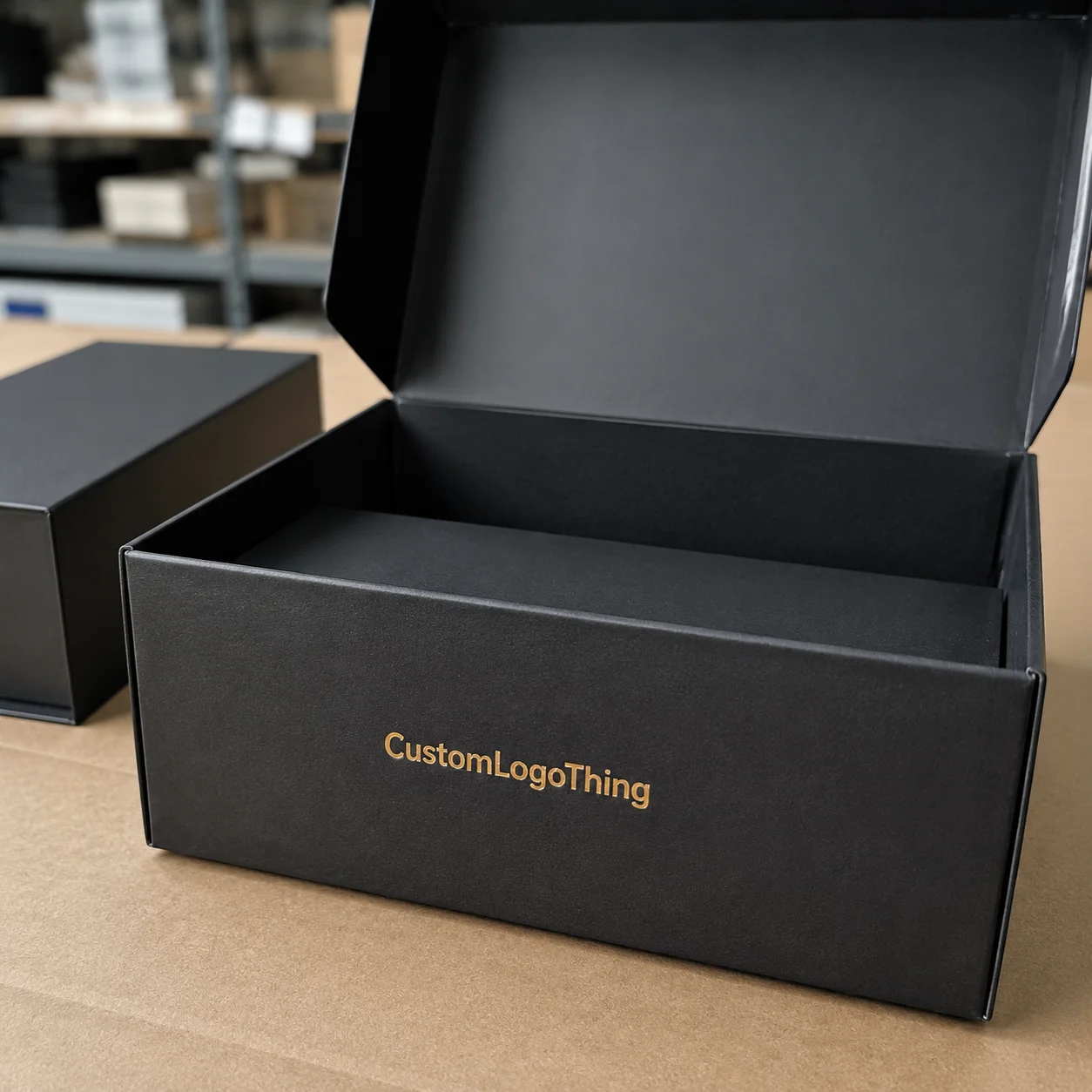
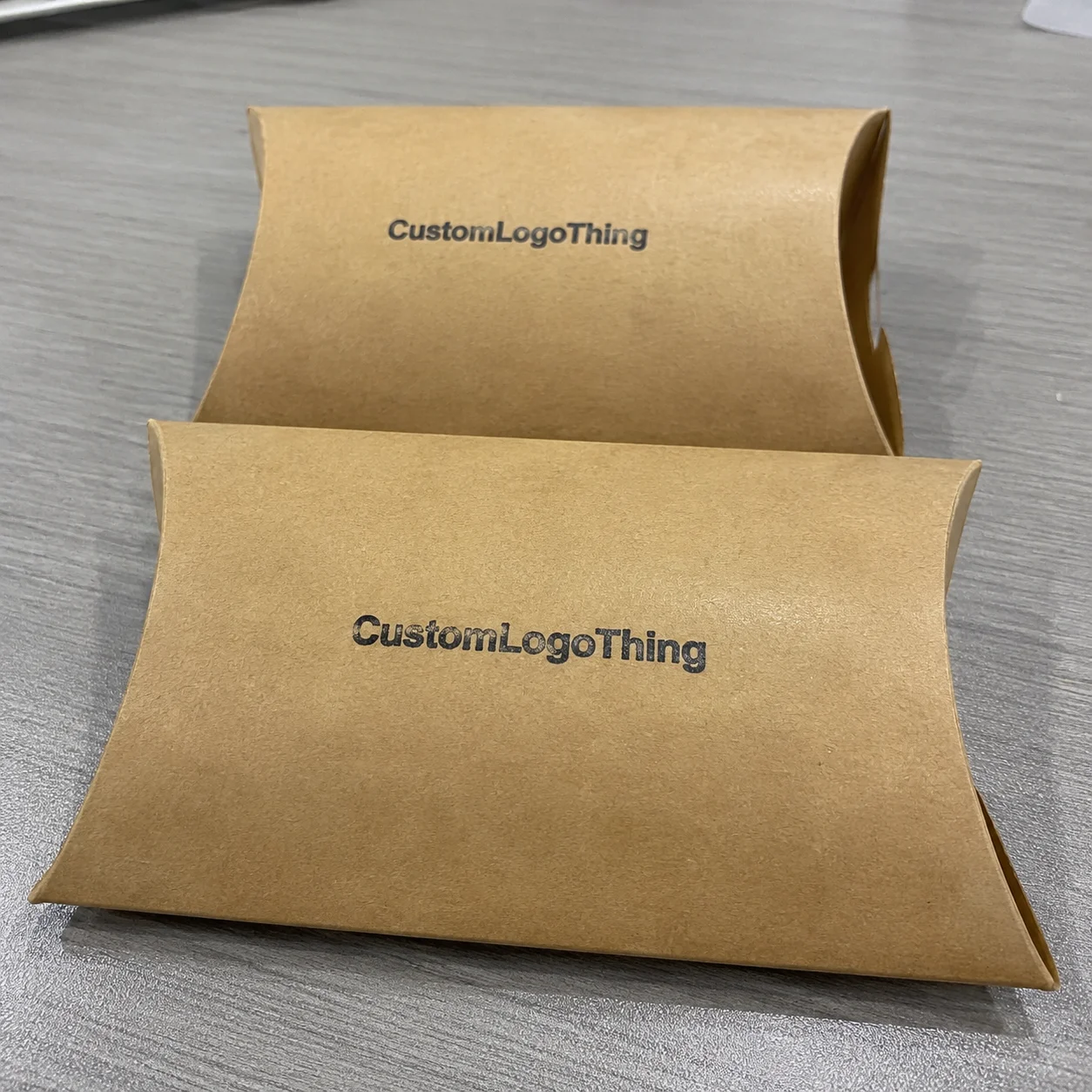
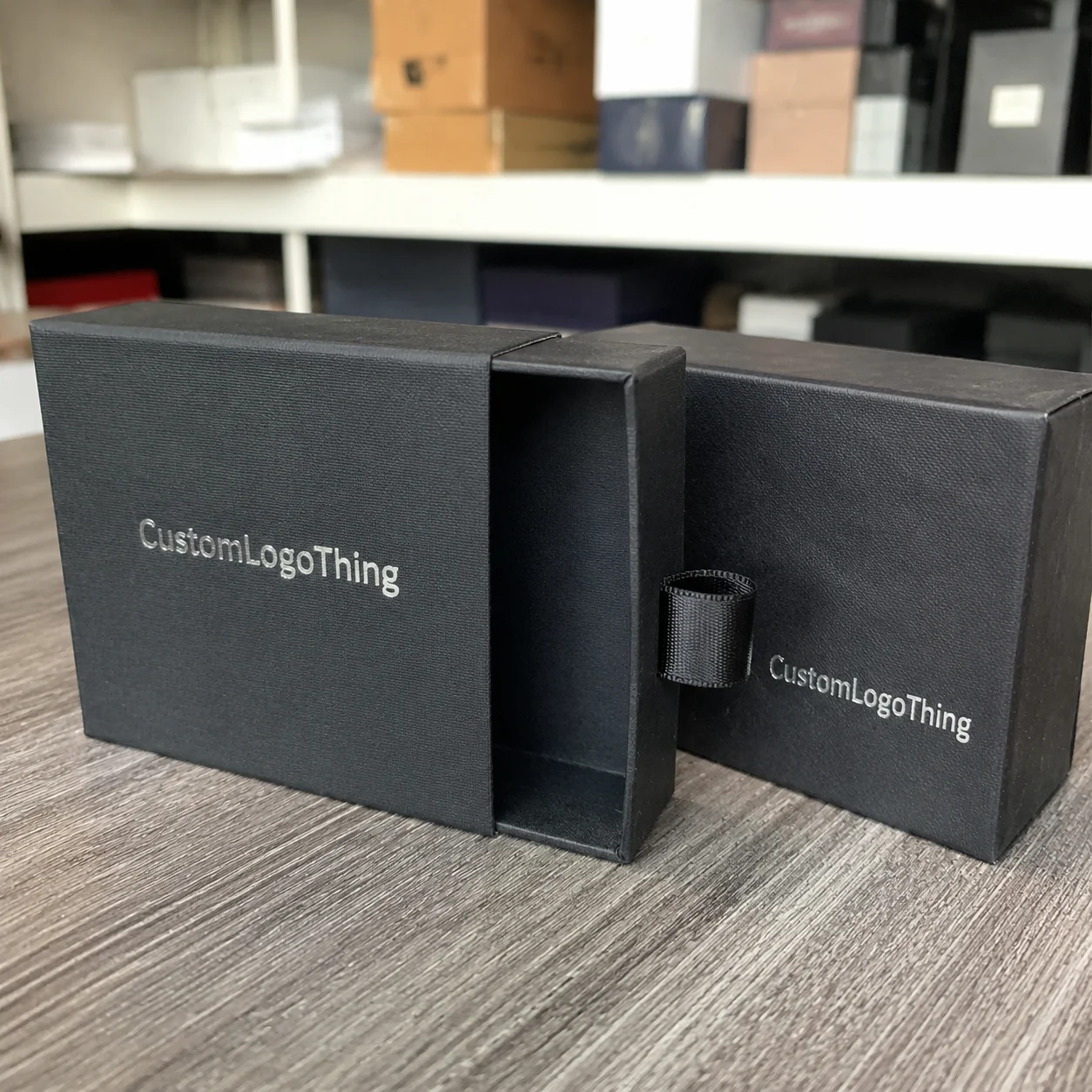
Buyer Fit Snapshot
| Best fit | Custom Boxes Supplier projects where brand print, material claims, artwork control, MOQ, and repeat-order consistency need to be specified before quoting. |
|---|---|
| Quote inputs | Share finished size, material target, print colors, finish, packing count, annual reorder estimate, ship-to region, and any compliance wording. |
| Proofing check | Approve dieline scale, logo placement, barcode or warning zones, color tolerance, closure strength, and carton packing before bulk production. |
| Main risk | Vague material claims, crowded artwork, missing packing details, or unclear freight terms can make a low unit price expensive after revisions. |
Fast answer: Custom Boxes Supplier: Artwork Proof, Packing Count, and Landed Cost should be specified like a repeatable production item. The safest quote records material, print method, finish, artwork proof, packing count, and reorder notes in one written spec.
Production checks before approval
Compare the actual filled-product size with the drawing, then confirm tolerance on folds, seals, hang holes, label areas, and retail display edges. Reserve space for logos, QR codes, warning copy, and material claims before decorative graphics fill the panel.
Quote comparison points
Review material grade, print process, finish, sampling route, tooling charges, carton quantity, and freight assumptions side by side. A quote is only useful when the supplier can repeat the same color, closure quality, and packing count on the next order.
If you need a custom boxes supplier guide, start with one uncomfortable truth: the cheapest quote can turn into the most expensive box you ever buy. I’ve watched a client save $0.04 per unit on paperboard, then lose $1,800 on a freight rebook because the die line was wrong and the cartons shipped flat in the wrong pallet configuration from a facility near Shenzhen. That is not a savings strategy. That is a packaging obituary.
I’m Sarah Chen, and I spent 12 years living inside custom packaging quotes, factory floors, and supplier negotiations that made grown adults stare at spreadsheets like they were ancient scrolls. Honestly, I think a good custom boxes supplier guide should help you buy more than cardboard. You’re buying structure, print quality, coating behavior, sampling discipline, and someone who can actually keep a production schedule without turning your inbox into a thriller novel. (And yes, I’ve had inboxes like that. Somehow they always arrive on Friday.) In one month alone, I reviewed 41 packaging quotes from Dongguan, Xiamen, and Chicago.
Brand owners, ecommerce teams, and procurement managers feel supplier choice in very different ways, but the impact lands in the same place: product protection, retail appearance, reorder consistency, and the way your brand feels in a customer’s hands. If the custom boxes supplier guide you’re reading skips material grades, finishing, and quality control, it’s not a guide. It’s a brochure wearing a fake mustache. A skincare brand in Los Angeles once learned this after 8,000 cartons arrived with a gloss level that made the logo look wet under store lighting.
At Custom Packaging Products, the packaging conversations I’ve had over the years usually start with a sample, then end with a story about damage, color drift, or a production delay that could have been avoided with better specs. So I’ll walk you through the real process, the real costs, and the real mistakes. No sugarcoating. Just useful advice from someone who has stood next to a corrugator in Dongguan while a plant manager explained why “almost the same” is not the same. A 350gsm C1S artboard quote in Guangzhou is not the same as a 300gsm SBS sheet in Illinois, and the freight bill will remind you quickly.
What Is a Custom Boxes Supplier and Why It Matters
A custom boxes supplier guide starts with the basics. A custom boxes supplier is the company that turns your packaging idea into a physical box. That sounds simple until you realize the supplier may handle structural design, board selection, printing, finishing, sampling, production coordination, packing, and delivery. If one of those pieces is sloppy, the box still shows up. It just shows up wrong. In practice, a supplier in Dongguan might manage all of that in-house, while a smaller operation in Dallas may outsource die cutting and print finishing to two separate partners.
In my experience, the cheapest quote often hides a bad assumption. I once reviewed a “low-cost” mailer box quote that looked great at $0.21 per unit for 10,000 pieces. Then we checked the board spec. They had quoted E-flute when the product needed B-flute for compression strength. After freight damage claims, the true cost was closer to $0.39 per unit. That is why every serious custom boxes supplier guide needs to talk about engineering, not just pricing. A similar job in Atlanta used 32 ECT board and failed after 14 days in humid storage; the replacement used 44 ECT and solved the issue immediately.
There are three supplier types you’ll run into: brokers, trading companies, and direct manufacturers. A broker sources from factories and manages the relationship. A trading company does something similar, often with more export handling. A direct manufacturer owns the production line. That difference changes pricing, speed, and control. A direct manufacturer can sometimes offer better unit pricing, but only if they are experienced with your exact box style. A broker may be easier to deal with if you need multiple factories coordinated. The middleman fee is not always the problem; the lack of production visibility is. A broker in Hong Kong may quote faster, but a manufacturer in Suzhou will usually know whether your tuck flap needs a 1.8 mm score or a 2.2 mm score.
Supplier choice affects more than the invoice. It affects how your branded packaging feels in hand, whether your print aligns with your packaging design, and whether the last reorder matches the first one. I’ve seen a cosmetics brand lose three weeks because the second run used a different white board shade and the brand’s soft blush graphics looked muddy. Same artwork. Different substrate. Same headache. The first run used a bright white board; the second came from a mill batch with a warmer tone that shifted the entire shelf presentation.
“We thought boxes were just boxes until the first shipment arrived with crushed corners and a coating that showed every fingerprint. That was an expensive lesson.” — E-commerce client, after switching suppliers mid-season
A solid custom boxes supplier guide should also explain what the supplier is really selling: a production process. You are not ordering cardboard in a vacuum. You are ordering structural accuracy, color control, and fulfillment-friendly packaging that can survive shipping, storage, and stacking without failing under pressure. If your supplier cannot explain that, keep looking. A rigid box from a factory in Qingdao may look beautiful in a showroom, but if the wrap paper is 157gsm C2S with weak adhesive, the corners may split after two warehouse moves.
For standards, I look for suppliers who understand at least the basics of ASTM testing, ISTA shipping tests, and FSC sourcing when clients ask for responsible fiber. You can read more about packaging and shipping practices through the ISTA site and fiber sourcing through FSC. A supplier who knows those names is usually more grounded than the one who says “we can do everything” and then forwards your file to five different people. If they can also tell you whether your shipper carton should be 200# test or 48 ECT, that is a very good sign.
How Custom Boxes Supplier Production Works
A practical custom boxes supplier guide has to show the workflow, because delays usually happen in the gaps between steps. The process starts with your inquiry. You send box style, dimensions, quantity, material preference, print colors, finish, destination, and target timeline. If you send “need boxes for skincare,” don’t be shocked when the quote comes back vague. Vague inputs produce vague numbers. I’ve done that dance more times than I care to admit, and it never ends with a miracle estimate. A buyer in Miami once sent only a logo and a target ship date; the factory in Guangzhou had to wait four days just to confirm whether the product was 50 ml or 100 ml.
Here’s the sequence I’ve seen across dozens of projects: inquiry, spec review, quote, dieline confirmation, sampling, approval, production, QC, and delivery. Some suppliers compress these steps, but they cannot delete them without risking error. Cardboard does not reward optimism. A standard custom printed folding carton job with a proof approved on Monday can still need 12-15 business days before it lands ready for dispatch, especially if the run is 5,000 units and the finish includes matte lamination.
What to send the supplier first
For a tighter quote, send exact dimensions in length × width × height, the box style, the board grade, the print method, the number of colors, any coating or lamination, insert requirements, and shipping city. If you need Custom Printed Boxes for a 2 oz serum bottle, say the bottle dimensions too. A box that “looks right” can still fail in a real carton test if the insert is sloppy by even 2 mm. If the product ships to Toronto, mention that too; a supplier pricing freight into Vancouver will give you the wrong landed cost by a meaningful margin.
I learned this the hard way during a factory visit in Shenzhen. A client had approved a rigid setup box for a candle line, and the sample looked beautiful on the table. But once we packed 24 units per shipper carton, the lids shifted during compression. The board was fine. The inner fit was not. We adjusted the insert thickness from 1.5 mm to 2.0 mm, and the problem disappeared. One extra detail would have saved a week. Packaging, apparently, enjoys humbling everyone equally. The plant manager in Bao’an kept repeating the same sentence: the product fits, but the shipment must survive the truck ride.
Where delays usually happen
The slowest parts are usually artwork revisions, plate setup, sample approval, and freight booking. Printing itself is often not the bottleneck. People love to blame the factory, but half the delays I’ve seen came from someone changing a Pantone shade after the proof had already been approved. That’s not a production issue. That’s a human issue wearing a design file. A proof approved on Tuesday can turn into a five-day delay if someone decides the brand red should be “just a little warmer.”
For a standard folding carton with offset print, I usually expect 7-10 business days for sampling and 12-18 business days for production after proof approval. A mailer box may move faster, around 10-14 business days total depending on quantity and finishing. Rigid boxes are usually slower because hand assembly eats time. Anyone promising every box style in “3 days” is either guessing or hoping you won’t ask follow-up questions. A plant in Ningbo may hit 15 business days on a 3,000-piece rigid order and still be on schedule because the foil stamping alone requires two passes and overnight drying.
A reliable supplier should tell you what is realistic. If they promise magic, you should hear warning bells. Not because they are lying every time, but because packaging production has too many moving parts for fairy tales. Glue dry time, board availability, plate scheduling, and freight booking all matter. A real custom boxes supplier guide should teach you to respect those parts. A line in Kunshan might run 20,000 folding cartons a day, but a sudden board shortage can still stop the job for 48 hours.
Sampling matters more than people admit. A prototype is not just a tiny box to admire on your desk. It tests structure, artwork alignment, closure behavior, and shelf presence. For luxury or ecommerce packaging, a pre-production sample prevents the kind of mistake that can cost $2,500 to fix after launch. I’ve seen brands approve a digital proof, skip the physical sample, and then discover the lid overhang looked awkward under store lighting. Screen approval is not the same as hand feel. In one case, a fold-down mailer in 350gsm C1S artboard looked perfect on PDF and failed because the tuck tab needed an additional 1.5 mm allowance.
If your supplier offers a production sample or a white sample before full run, take it seriously. I’ve had clients pay $35 to $120 for sample work and save thousands by catching fold-scoring issues early. That is a bargain, not an expense. A good custom boxes supplier guide tells you to treat sampling like insurance. One client paid $48 for a white sample from a factory in Dongguan and avoided a $4,600 rerun when the insert slot was 3 mm too narrow.
Custom Boxes Supplier Guide to Cost and Pricing
Cost is where buyers get emotional. I get it. Packaging budgets can be annoying. But a real custom boxes supplier guide breaks pricing into pieces so you can see what you are actually paying for. The main factors are box style, board grade, print method, number of colors, finish, quantity, inserts, and shipping distance. If one supplier is quoting $0.28 and another is quoting $0.41, there is usually a reason. Sometimes it is a good reason. Sometimes it is a trap with a nice email signature. A quote from Shenzhen to Houston will not look the same as a quote from Ohio to Chicago because freight, duty, and pallet handling stack up differently.
For example, a plain kraft mailer with one-color print and no insert might land around $0.22 to $0.38 per unit at 5,000 pieces depending on board and freight. A printed folding carton with matte lamination and one insert can run $0.35 to $0.80 per unit at similar volume. A premium rigid box with foil stamping and magnetic closure can jump to $2.20 to $6.00 per unit depending on complexity. Those are not universal numbers, but they are close enough to keep you from getting hypnotized by a suspiciously low quote. A 1,000-piece run in Chicago might still cost more per unit than a 5,000-piece run in Dongguan, even before you account for warehousing in New Jersey.
What changes the price fastest
Quantity matters. Higher quantities usually reduce per-unit cost because setup work gets spread across more boxes. A 1,000-piece run will almost always cost more per unit than a 10,000-piece run. But don’t pretend storage is free. If your warehouse can only handle 3 pallets and you order 12,000 cartons because the unit price dropped by 6 cents, you may just be trading one problem for another. A client in Phoenix once saved $360 on unit price and then paid $420 for extra pallet storage over eight weeks.
Finishing also moves the number fast. Soft-touch lamination, spot UV, foil stamping, embossing, and special coatings all add cost. A soft-touch finish can add $0.05 to $0.15 per unit depending on area and setup. Foil stamping can add even more if the coverage is large. That extra shine is nice, but not if the box margins are already thin. A full-bleed foil on a rigid box made in Suzhou can add $0.30 to $0.60 per unit before the carton even leaves the factory.
Tooling fees are another line item people miss. Dies, cutting plates, printing plates, and setup charges may be one-time or recurring depending on the supplier and whether the tool stays with the factory. I always ask that in writing. The last thing you want is paying for a die twice because nobody clarified ownership. I’ve seen that argument play out, and it’s about as fun as watching a printer jam during a launch deadline. In one case, a die for a 6 x 4 x 2 inch mailer cost $180 in Shenzhen and then another $180 when a second supplier claimed the first tool “could not be located.”
| Supplier Option | Typical Unit Cost | Setup / Tooling | Lead Time | Best For |
|---|---|---|---|---|
| Domestic small-run supplier | $0.60–$1.25 | $75–$300 | 5–12 business days | Fast replenishment, lower volume |
| Overseas direct manufacturer | $0.18–$0.55 | $120–$500 | 15–30 business days | Higher volume, lower unit cost |
| Broker or trading company | $0.24–$0.70 | $0–$400 | 12–28 business days | Managed sourcing, mixed product lines |
Domestic versus overseas manufacturing is not a moral debate. It is a logistics and budget decision. Domestic suppliers may offer faster turnaround, simpler communication, and lower freight risk. Overseas suppliers often reduce unit cost at larger volumes, but freight, duties, and longer lead times can eat part of that advantage. I’ve had clients save $4,000 on unit pricing, then spend $2,300 on expedited air freight because they waited too long to approve samples. The quote looked amazing until reality got involved. Reality, as usual, had the better spreadsheet. A facility in Xiamen can beat a domestic price by 18% on a 20,000-unit run, but only if the ocean timeline stays intact.
The cheapest quote often hides weak board strength, loose print tolerances, or poor QC. One of my old clients ordered 20,000 retail packaging mailers at a bargain price and then discovered the flaps were scoring unevenly. The boxes closed fine on the line, then popped open in transit. We replaced them with a slightly heavier board and tighter scoring. Unit cost went up by $0.03. Claim costs went down by a lot more than that. That box used 32 ECT board on paper and needed 44 ECT in practice.
A solid custom boxes supplier guide should push you to compare total landed cost, not just unit price. That includes freight, duties, palletization, sample fees, and any rework risk. If you only compare the first number in the quote, you are not buying smart. You are buying suspense. I usually ask for a landed estimate on 5,000 units to Chicago, 10 pallets to Atlanta, or a door-delivered quote to Toronto so the comparison stays real.
For environmental considerations, some brands also ask about recycled content, FSC-certified fiber, or recyclable coatings. The U.S. Environmental Protection Agency has useful guidance on sustainable materials and waste reduction at EPA Sustainable Materials Management. That matters if you want your packaging design to support both brand perception and waste reduction goals. A supplier offering 100% recycled kraft in Vancouver or FSC board in Portland should be able to state the mill source and certification number clearly.
How to Compare Suppliers Without Getting Burned
Comparing suppliers is where a strong custom boxes supplier guide earns its keep. Never compare only price. Compare the quote line by line: board grade, GSM or flute thickness, print method, finish, insert, freight terms, sample charge, and QC process. If one supplier says “same spec” and the other actually lists 350gsm C1S artboard with matte varnish, guess which one is telling you more truth? The paper weight alone can swing the quote by 8% to 15% depending on the source mill.
I always ask for physical samples, past project photos, and references from similar products. A supplier that has done rigid boxes for candles may not automatically be great at folding cartons for supplements. Same industry. Different engineering. I’ve seen suppliers produce gorgeous samples and then struggle with production consistency across 8,000 units because they never planned the press calibration properly. Pretty sample, ugly run. Classic. A reliable supplier should show you a sample made in Guangzhou, a production photo from Shanghai, and a QC sheet with actual measurements, not just marketing copy.
Red flags that deserve attention
Watch out for vague pricing, no dieline support, unclear QC steps, and unwillingness to explain substitutions. If a supplier avoids answering questions about glue type, board source, or coating behavior, they are probably hoping you will stop asking before you catch the weak spot. A supplier who understands packaging engineering can explain the difference between aqueous coating and matte lamination in plain language, then tell you which one resists scuffing better in shipping. A factory in Ningbo that says “same same” for every question is not giving you engineering; it is giving you a slogan.
Communication style matters too. I’ve worked with brilliant factories that were terrible communicators, and mediocre ones that were excellent at follow-up. You want both competence and responsiveness. If a supplier takes 4 days to answer a simple dimension question, imagine how that will feel when a shipment is at customs and one carton size is off by 3 mm. You will not enjoy that experience. A buyer in London once lost a retail placement window because a supplier in Foshan waited 72 hours to confirm whether the insert pocket was 12 mm or 14 mm wide.
Here is the comparison framework I use when reviewing quotes:
- Price: unit cost plus setup and freight
- Quality: print sharpness, board strength, finish consistency
- Lead time: sample and production timing in business days
- MOQ: minimum order quantity and reorder flexibility
- Support: dielines, prepress help, QC reporting
- Risk: substitution policy, overrun/underrun tolerance, damage handling
A strong supplier should be able to show you packaging samples from similar projects. They do not need to have done your exact product, but they should understand the box style and print complexity. For branded packaging, the difference between “we can do that” and “we have done that many times” is huge. One statement is confidence. The other is evidence. Ask for the exact box style, the carton size, and the board spec; if they can quote a 4-color CMYK run on 157gsm C2S with confidence, they likely know what they are doing.
Step-by-Step: Choosing the Right Custom Boxes Supplier
A good custom boxes supplier guide should give you a decision process, not just theory. Here’s the version I use when a client wants to move from chaotic quote collection to an actual decision. It works just as well for a 2,000-piece cosmetics launch in New York as it does for a 25,000-piece subscription program bound for Texas.
- Define the box goal. Is the box protecting a glass bottle, selling a luxury product, or lowering freight costs? Be specific. “Looks nice” is not specific. A 10 oz candle in Seattle needs a different structure than a set of lip glosses in Miami.
- Gather specs. List dimensions, quantity, material, print colors, finish, inserts, and destination. If you need custom printed boxes, include artwork files in AI or PDF with fonts outlined. If the finish is soft-touch or UV, say so in the first email.
- Request comparable quotes. Give each supplier the same brief. Same specs. Same quantity. Same shipping terms. If not, your comparison is garbage. A quote based on EXW Shenzhen cannot be compared with a DDP Los Angeles quote unless you normalize freight and duty.
- Ask for samples. Review the structure, folding behavior, print accuracy, and finish under normal lighting. I check them under white LEDs and daylight. Both matter. A sample that looks clean under 4000K store lighting may still reveal scuff marks under sunlight at the loading dock.
- Confirm timeline and approvals. Get the sample timing, production timing, and freight terms in writing. A verbal promise is not a schedule. If production is 12-15 business days after proof approval, put that in the purchase order.
- Place a test order. Run a smaller batch first if the product is new, the finish is premium, or the supplier is unproven. A 1,000-unit pilot from Foshan can reveal more than a 10-page PDF.
- Inspect the first run. Check print alignment, board strength, glue lines, and pack-out behavior before you approve scaling. Look for corner crush, score cracking, and registration drift.
- Set reorder rules. Keep version control on artwork, SKU numbers, and approved sample photos so future runs match the original. Store the approved sample in a labeled box, not in a drawer beside old invoices.
I’ve used this exact process with clients ordering everything from subscription mailers to rigid gift boxes. The brand that follows the process usually spends less over time, even if the first quote is not the cheapest. Why? Because it avoids rework, bad freight decisions, and those lovely “we thought the sample was only for reference” conversations. No one likes those. I certainly don’t, and I have the gray hairs to prove it. A client in San Diego once saved 11% on the initial order by using a supplier in Guangzhou and then avoided a $3,200 redo by locking the sample in writing.
One of my better factory-floor memories came from a meeting where a buyer insisted on changing the inner tray material after approval because “the photograph looked nicer.” We were standing next to a stack of 6,000 partially assembled boxes. The plant manager smiled, looked at me, and said, “So we remake everything for the photo?” We changed nothing. The original spec was correct. The photo was not the product. That client learned a valuable lesson about packaging design and reality. The tray was 1.8 mm greyboard with a 157gsm wrap, and the change would have cost another full shift in Dongguan.
Set expectations early. Your supplier should know if you need retail packaging for shelf display, ecommerce mailers for parcel handling, or luxury rigid boxes for a premium unboxing. Different use cases need different structure and finish choices. A supplier that understands product packaging as a business decision will ask better questions and offer better options. A box for a candle brand in Austin does not need the same crush resistance as one shipping to warehouses in Minneapolis.
For more product categories and box formats, you can also review Custom Packaging Products. I like suppliers that can grow with a client instead of forcing them to restart every time a new SKU launches. If they can support a 500-piece pilot and a 30,000-piece reorder without changing the board spec, that is real continuity.
Common Mistakes When Choosing a Custom Boxes Supplier
Every custom boxes supplier guide needs a section on mistakes, because buyers repeat them constantly. The first big one is buying on price alone. A quote that is $0.05 cheaper can cost far more if the board is weaker, the print is inconsistent, or the factory has no real QC. I’ve seen this happen with subscription box programs where the outer mailer looked fine but collapsed in humidity during summer shipping. A carton that survives in Denver can fail in Houston at 85% humidity if the board spec is too light.
Skipping samples is another classic. People stare at a digital proof and assume the final box will behave exactly the same. It won’t. Ink can shift. Coating can reflect light differently. Creases can crush faster than expected. One client skipped samples to save $80 and then spent $1,100 on emergency replacements. That’s not thrift. That’s self-sabotage with better branding. The replacement order came from a supplier in Philadelphia, and even then the rush fee ate the supposed savings.
Another mistake is not confirming freight, duties, and pallet charges. I’ve watched finance teams celebrate a low per-unit number, only to discover that the landed cost had been underestimated by 18%. A quote is not complete if it ignores shipping terms. Ask whether the supplier quotes EXW, FOB, or DDP, and make sure everyone on your team understands what that means before you sign anything. EXW from Shenzhen is very different from DDP Chicago once port fees, brokerage, and inland trucking appear.
People also underestimate box-type differences. Folding cartons, corrugated mailers, and rigid boxes are very different animals. A supplier who is excellent at one may be mediocre at another. If you need luxury packaging, ask about hand assembly capacity. If you need shipping strength, ask about board performance and compression. If you need branded packaging for a retail launch, ask about print registration and finish durability. Same category. Different demands. A rigid box team in Shanghai may assemble 2,000 units a day, while a folding carton line in Dongguan can do 15,000 without blinking.
Finally, do not ignore QC and tolerance policies. Ask about overrun and underrun percentages, carton count tolerances, and what happens if a batch arrives damaged. A supplier who cannot explain their QC process in two minutes probably does not have one worth trusting. I know that sounds blunt. It is. Packaging failures are blunt too. If their allowed overrun is 5% on a 10,000-piece order, know that before you approve the PO.
Expert Tips for Getting Better Results From Your Supplier
The best suppliers are not just vendors. They are repeatable production partners. A strong custom boxes supplier guide should help you get more out of that relationship. My first tip is to use one decision-maker. Too many cooks do not just spoil dinner; they cost you revision rounds. If marketing, operations, and finance all send different box instructions, the supplier will quote the safest interpretation, which usually means higher cost and slower progress. One approved contact in New York can save a three-day argument with a factory in Foshan.
Ask for a tolerance sheet and QC checklist before production starts. That way, everyone knows what counts as acceptable for print shift, board variance, glue line coverage, and color range. If you wait until the shipment lands to define quality, you are already in trouble. I want the acceptable color range in Delta E terms, the board tolerance in GSM, and the glue line standard in writing before a press starts running.
Negotiate smarter. If you know you will reorder six times a year, say so. Ask for repeat pricing, storage options, or a locked rate for 3-6 months if the paper market is stable enough. I’ve seen suppliers give better pricing when a buyer bundles two SKUs into one run or aligns a reorder with the factory’s open press schedule. The factory likes predictable work. Shocking, I know. A supplier in Xiamen may shave $0.02 per unit if you commit to 15,000 units quarterly instead of splitting the job into small unpredictable lots.
Plan lead times around packaging approvals, not product launch dates. The launch date is the finish line. The packaging approval date is the starting gun. If your art approval slips by four days, the box does not care that your launch party is booked. A proof approved on the 8th with production starting on the 9th can still miss a ship date if the freight booking window closes on the 20th.
Build a relationship with a supplier that can scale. The same supplier should ideally handle your first 1,000-piece test run and your later 25,000-piece reorder without changing the spec standards. That continuity helps maintain package branding and avoids those annoying “the second run looks a little different” surprises. A factory in Suzhou that keeps your original dieline, board source, and finish formula on file is worth more than a one-time bargain in a random marketplace search.
Here are the next moves I recommend:
- Collect exact specs and artwork files
- Shortlist 3 suppliers, not 12
- Request quotes on the same spec sheet
- Order samples before paying for full production
- Compare unit price, freight, quality, and lead time side by side
- Document the approved sample for every future reorder
I’ve negotiated with factories where the difference between a good result and a headache came down to one clear email, one approved sample, and one person owning the decision. That is why a smart custom boxes supplier guide keeps coming back to the same idea: clarity saves money. A well-written PO with the exact size, board grade, and finish can eliminate two revision rounds and a week of back-and-forth.
If you want better packaging outcomes, stop treating the supplier like a vending machine. Treat them like a production partner. You will get cleaner custom printed boxes, fewer mistakes, and better consistency across your product packaging line. Funny how that works. A good partner in Guangzhou or Dallas will also flag a bad dieline before the press ever starts.
FAQ
What should I ask in a custom boxes supplier guide before placing an order?
Ask about box material, print method, MOQ, sample cost, lead time, and whether freight is included. I also recommend requesting a dieline review and a QC process summary so you know what gets checked before shipment. That one step can prevent a lot of expensive surprises. If the supplier can tell you whether your box uses 350gsm C1S artboard or 32 ECT corrugated board, you are already ahead.
How do I know if a custom boxes supplier is reliable?
A reliable supplier answers technical questions clearly, shares samples, and explains pricing without hiding fees. They should provide realistic timelines and show examples of similar packaging work, not just one polished photo from a random project. A factory in Dongguan that sends a measured sample, a QC sheet, and a production timeline of 12-15 business days from proof approval is usually more trustworthy than a supplier promising impossible speed.
What is the usual timeline when working with a custom boxes supplier?
Small projects can move from quote to sample in a few days, but production often takes longer once artwork and structure are approved. Delays usually come from revisions, sample approval, and freight booking rather than printing itself. For many folding carton jobs, sample work takes 7-10 business days and full production takes 12-18 business days after proof approval.
Why do custom box prices vary so much between suppliers?
Prices change based on material grade, print complexity, finishing, quantity, and whether the supplier is a broker or direct manufacturer. Hidden costs like tooling, plates, shipping, and duties can make a low quote much less attractive once the full bill shows up. A quote for $0.24 per unit in Shenzhen may become $0.41 landed in Los Angeles once freight and duty are added.
Should I choose a local or overseas custom boxes supplier?
Local suppliers may offer faster turnaround and easier communication, while overseas suppliers can offer lower unit prices on larger runs. The right choice depends on your budget, timeline, storage space, and how much quality control you need. If you need 2,000 boxes next week, a domestic supplier in Ohio or California may be the safer choice; if you need 25,000 units and can wait 20 business days, an overseas factory in Dongguan or Ningbo may win on cost.
If you remember nothing else from this custom boxes supplier guide, remember this: the right supplier is not the one with the prettiest email or the lowest quote. It is the one that understands your spec, gives you realistic numbers, and produces Boxes That Protect the product, support brand perception, and reorder cleanly every time. Before you place the order, verify the board grade, confirm the freight terms, and approve a physical sample that matches the final run. That is how you avoid the expensive box. That is how you choose well. A supplier who can quote a 5,000-piece run at $0.15 per unit for a simple mailer and still explain the board grade, freight terms, and proof timeline is the one worth keeping.