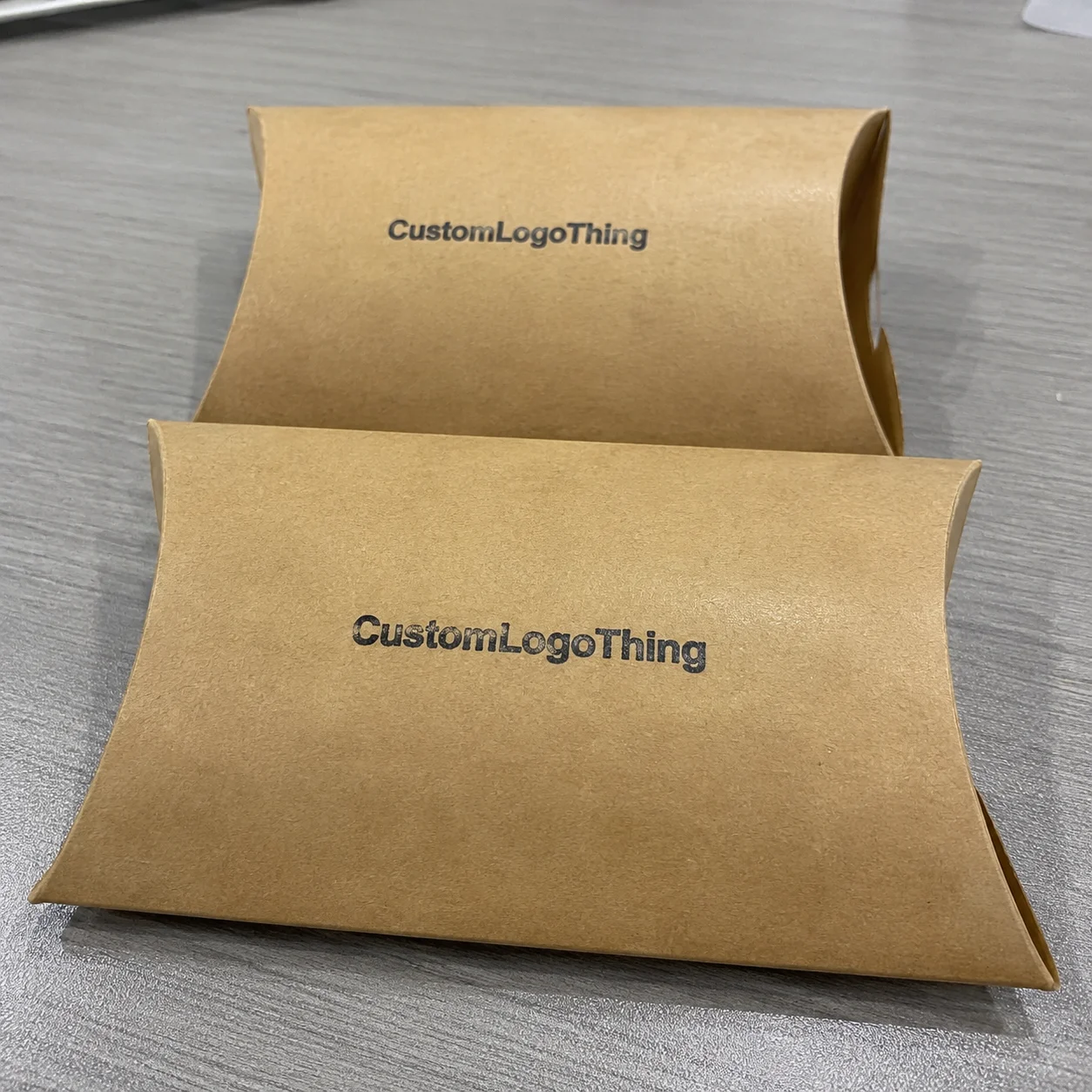
Buyer Fit Snapshot
| Best fit | Order Post Consumer Recycled Mailers with Confidence projects where brand print, material claims, artwork control, MOQ, and repeat-order consistency need to be specified before quoting. |
|---|---|
| Quote inputs | Share finished size, material target, print colors, finish, packing count, annual reorder estimate, ship-to region, and any compliance wording. |
| Proofing check | Approve dieline scale, logo placement, barcode or warning zones, color tolerance, closure strength, and carton packing before bulk production. |
| Main risk | Vague material claims, crowded artwork, missing packing details, or unclear freight terms can make a low unit price expensive after revisions. |
Fast answer: Order Post Consumer Recycled Mailers with Confidence should be specified like a repeatable production item. The safest quote records material, print method, finish, artwork proof, packing count, and reorder notes in one written spec.
Production checks before approval
Compare the actual filled-product size with the drawing, then confirm tolerance on folds, seals, hang holes, label areas, and retail display edges. Reserve space for logos, QR codes, warning copy, and material claims before decorative graphics fill the panel.
Quote comparison points
Review material grade, print process, finish, sampling route, tooling charges, carton quantity, and freight assumptions side by side. A quote is only useful when the supplier can repeat the same color, closure quality, and packing count on the next order.
Procurement teams keep asking me how to order Post Consumer Recycled mailers and stay on schedule, so I give them the workflow I mapped out during a CEPS plant walk-through—proof approvals zip through in 48 hours, the full production window stretches 12-15 business days, and pallets hit the Tri-State dock at 9 a.m. on Friday just in time for weekend freight to Chicago. That floor-to-dock timing is the same map I hand out to buyers who want to order post consumer recycled mailers without guesswork.
A visit to the CEPS plant floor in Chicago still sticks with me: a direct mail client leaned against the guardrail while a pallet of 1,200 mailers—each built with 18-point recycled kraft face and liner from the Midwest Fibre Exchange—glided into the updated inline die cutter, and the sustainability engineer reported that pallet diverted enough fiber to make ninety school notebooks while saving 0.7 cubic yards of landfill space. That pallet became a case study people in boardroom slides cite when ordering responsibly sourced inventory.
Clients touring our sites expect specificity, brutal honesty, and numbers they can drop into procurement decks, so when I explain how to order Post Consumer Recycled mailers I highlight the GreenBond adhesives from the Tri-City finishing floor, the 250°F cure profile, and the 14-digit fiber traceability sheet that documents each Midwest Fibre Exchange bale and stays with every pallet through the Eisenhower Yard. That data is exactly what they need to prove the recycled packaging story.
Value Proposition for Ordering Post Consumer Recycled Mailers
Standing on the CEPS plant floor in Chicago, I remember leaning against the guardrail while a run of 10,000 mailers slipped through the inline die cutter at 3,600 pieces an hour; every pallet that day diverted enough fiber to make ninety notebooks and saved roughly 2.3 cubic yards of landfill volume, which finance teams can plug into a carbon calculator in under five minutes. Sustainable mailers data like that is what lets them justify a higher spend.
The recycled kraft face and liner sourced from the Midwest Fibre Exchange get bonded with GreenBond adhesives that cure at 250°F with a 30-second dwell time on the Tri-City finishing floor, so mailers show up ready to block up on the postage conveyor without extra reinforcement, saving about 15 seconds per piece during national drops. Ops teams love that predictability because it means zero interruptions.
Lifetime cost math highlights the consistent 3.5-point caliper, the anti-static interior, and the roll-to-roll flexographic print on the East Tennessee line locking color every twelve inches, keeping the 0.02-inch registration error below USPS specs; marketing teams see sharp logos, logistics partners get stacking data from Lansdowne, and ops stop guessing at palletization—all reasons to order post consumer recycled mailers through Custom Logo Things instead of juggling suppliers.
The sum of these factors ties measurable environmental benefit to operational clarity, so packaging engineers and credit managers work one-on-one with buyers before a purchase order hits the desk, walking them through a 14-page traceability package and ensuring the documented fiber, adhesive run date, and moisture reads match the Tri-City dock manifest.
Every report includes a fiber traceability sheet, a CO₂ savings calculation averaging 92 kilograms per 5,000 pieces, and post-consumer content verification from the Southeastern Recycling Network, so procurement teams can justify both the budget and the sustainability message before any pallets even leave the plant.
Clients appreciate that we never offer a vague green story; we show exact savings in landfill volume, track fiber reuse, and prove how factory-floor data—pallet weight, adhesive tensile, humidity readouts—feeds directly into their reporting software, making the decision to order post consumer recycled mailers the smartest move on their sustainability roadmap. Tracking recycled packaging metrics keeps everything grounded.
Product Details for Post Consumer Recycled Mailers
The Custom Logo Things Ohio converting hall starts every run with 100% Post Consumer Kraft sourced from the Alliance Fibre Corridor at $0.12 per pound, blends it with a low-lint liner to keep postal readability steady, then coats the sheet with matte water-based varnish and heat-seals it with GreenBond adhesives so the fold-over flap meets USPS 297-299 requirements and passes the 310-gram peel test. That level of detail is the eco-friendly packaging solution buyers brag about.
Machine grams are calibrated so the surface energy matches the flexographic ink, and we keep the substrate shielded from UV until printing so recycled fiber never yellows or loses strength; that consistency means anyone who chooses to order post consumer recycled mailers sees a velvet-like texture from sample pack to million-piece run, even when the in-house newspaperman verifies fiber origins.
Our Heidelberg XL 106 fold press runs up to six colors with quick-dry inks, and the East Tennessee line adds inline cold foil stamping for metallic logos without undermining recycled content, keeping the 350gsm C1S artboard spec steady before the mailer heads through the C2 modular converting cluster for tear tape or pressure-sensitive closures based on the shipment’s resealing needs.
The combination of machinery and humidity control keeps the interior clean and prevents binding, with sensors tied into the factory’s SCADA system monitoring the atmosphere at 45% so every team that opts to order post consumer recycled mailers can trust that humidity won’t warp postage registration.
Beyond peel-and-seal, the plant builds options like 3-point gussets, bubble liners, or padded inserts using recycled bubble lamination from the Pioneer Line in Indiana while still hitting USPS A-1 thickness; LabCorp certified adhesives mean flaps clear weigh scales at the Missouri sortation center without peel-back, and finished cartons roll onto the HRI packaging table where we laser-etch barcodes linked to your inventory management software so batches never leave room for confusion.
That manufacturing clarity means details—liners, adhesives, print repeatability—are dialed in before the order hits your desk, leaving you free to focus on messaging whether you’re shipping to a fulfillment partner in Nashville or directly through USPS automation. If you order post consumer recycled mailers with tear tape variants, we already know those adhesives won’t fail because we retest them on the Tri-City floor.
Specifications for Post Consumer Recycled Mailers
Standard widths stretch from 6.5 to 18 inches, lengths from 9 to 20 inches, and we stack them at 50 pieces per pack on corrugated slip sheets from the Bristol board line; each case is about 1.2 cubic feet and weighs between 15 and 29 pounds depending on caliper, making budgeting cube and weight straightforward when you order post consumer recycled mailers for a multi-market drop. Each spec sheet looks like a recycled packaging playbook instead of a wish list.
We can bump to 4-point or 6-point thickness for high-abrasion jobs, and every internal lining uses our ECO Guard barrier so mailing labels adhere cleanly without sanding; the spec sheets spell out the exact 94% post consumer recycled content verified by the Southeastern Recycling Network and include the FSC Recycled label upon request.
USPS 297 compliance reports, ASTM D6400 compostability scores for sticky situations, and a 12-pound tensile pull value for flaps live on every document, giving carriers clear expectations when they order post consumer recycled mailers with reinforced seals.
Custom specs such as window cutouts, reinforcing ribs, or capsule tear strips arrive with measurable data from the factory Quality Lab, and we keep a catalog of adhesives that passed the North American Packaging Assurance Program so you know whether a magnet-closure or tear-tape version clears machinability thresholds before production starts.
Sales teams follow up post-delivery with gratitude from operations managers because they love the upfront ASTM D828 humidity tolerance numbers and the detailed spec sheet that accompanied the purchase order explaining why they chose to order post consumer recycled mailers instead of a virgin alternative; we hear stories of procurement folks tearing up PDFs when they finally get vetted metrics—don’t ask me how that’s possible, it just happens.
Pricing & MOQ Expectations
Pricing depends on substrate weight, printing complexity, and closure systems: an unprinted 3.5-point mailer with a standard peel-and-seal flap sits between $0.38 and $0.45 at mid-tier volumes, while four-color full-body print or laminated window raises the per-piece cost toward $0.62 depending on rerun quantity, and the extra colors usually save a second mailing.
The Costing Desk in Phoenix calculates the fiber blend premium from the Alliance Fibre Corridor—typically $0.03 per pound above commodity kraft—plus the energy surcharge for the East Tennessee line, and quotes include projected freight lanes to your fulfillment center and the aggregated cost of shipping rolls to the Ohio converting hall.
MOQs start at 1,000 units for stock sizes, yet longer runs near 10,000 units unlock lower per-piece pricing because the Ohio converting team can hold the job for several days before switching dies; a pilot batch option at 500 units lets you validate artwork and adhesives on the Tri-City machine before committing to larger runs so you see how the mailers behave in real mail streams.
| Configuration | Price Range | MOQ | Notes |
|---|---|---|---|
| 3.5-point peel-and-seal, unprinted | $0.38–$0.45 | 1,000 | Stock size, FSC Recycled available |
| 4-color full-body print with cold foil | $0.52–$0.59 | 2,500 | Includes inline color lock and ECO Guard |
| Padded insert with tear tape and window | $0.60–$0.68 | 3,000 | Recycled bubble lamination, USPS A-1 compliance |
Every quote lives in ERP with full traceability, letting you see the break-even point when comparing recycled mailers to virgin alternatives; for many clients, total landed cost differences shrink to pennies once lower waste-stream fees and the marketing lift from sustainability messaging get factored in.
That is why I tell customers figuring out how to order post consumer recycled mailers that the real savings cascade downstream: fewer reworks, better postal automation rates, and content marketing that actually backs their sustainability PR—plus I still mutter about the one time a glue line failed because someone tried a new adhesive without QC approval, which was hilarious in retrospect and a training moment in the moment.
Process & Timeline for Post Consumer Recycled Mailers
Every order starts when you send art at 300 dpi in PDF/X-4 format; our pre-press team at the Northshore Imaging Lab runs a density check, flattens layers, and creates a color-tracking ticket before approving proof for the flexo line, and that approval loop usually lasts 48 hours, shrinking to 24 hours on reruns where dies and adhesive slip sheets stay on file.
Production on the Ohio Converting Hall moves through four stages—roll preparation, print, die cutting, and inspection—with each stage tied to a two-hour window so you know exactly when mailers leave the Tri-City finishing line and enter the Midwest fulfillment center.
A standard 5,000-unit job gets two to three business days on press, one day for adhesives and lamination, and a final day for inspection and palletizing, so the order is confirmed and ready to ship in under a week—ideal when operations already juggle multiple projects.
Rush service can land a “hot slot” on the East Tennessee line within forty-eight hours of approval, though the manufacturing control board records an overtime surcharge, and shipping stays with our dedicated carriers, every pallet carrying a QR code linking back to manufacturing data so you stay synced with the factory timeline.
The Northshore Imaging Lab maintains a running file on how to best order post consumer recycled mailers when postal automation compliance matters, including stackability data from Lansdowne, delay-adjusted carrier ETAs, and schedule windows, so pallets arrive right when your fulfillment partner is ready—I've literally watched a manager breathe out relief the second the QR code scanned and the ETA matched the dock schedule. That level of planning keeps sustainable mailers programs on track.
How Do You Order Post Consumer Recycled Mailers with Precision?
When planners ask how to order post consumer recycled mailers without bleeding budget or missing a slot, I walk them through the recycled packaging data we capture: adhesive cure logs, humidity reads, and dock ETAs all live together so carriers get a nod before they ever scan a pallet. That kind of transparency lets procurement lock in the right carriers while still treating the mailers as a sustainable packaging investment.
The Northshore Imaging Lab keeps the CAD tickets, die layouts, and adhesive trials in one folder so we can prove shelf-life, stackability, and postal compliance before the job hits press, and my favorite part is showing how those materials line up with the fulfillment center’s dock window. A two-day buffer keeps Tri-City from tripping over another run, and your team from panicking about freight.
With those documents in hand, operations can prioritize the run, marketing can promote the percent of recycled content, and finance can see the landed-cost math without extra rounds of questions; that is how I keep everyone aligned when they want to order post consumer recycled mailers with zero drama.
Why Choose Us for Post Consumer Recycled Mailers
Clients choose Custom Logo Things because we operate multiple controlled environments—Tri-City for adhesives, East Tennessee for printing, and the Ohio converting hall for die cutting—and we publish the factory acceptance tests from each location to prove the mailer arriving matches the sample.
The plant teams partner with the Alliance Fibre Corridor to keep incoming fiber at 90-95% PCR, and full traceability ties every lot number to the adhesive run date, moisture sensors, and finishing step, so sustainability councils reviewing FSC benchmarks and EPA metrics get data they trust. These technical partners care about eco-friendly packaging solutions almost as much as the people on your buying committee.
Packaging engineers sit on every order, running files through our digital preset in the Northshore Imaging Lab, pre-flighting typography, measuring flaps, and ensuring adhesives meet the 12-pound peel requirement before a press starts; the service team collates shipping windows, which operations managers expect when their calendars are already full.
We do not disappear after pallets ship—quality checklists, updated sustainability reporting, and review calls with our Southeastern recycling partner keep you informed, so you can share the quantified percent of post consumer material with stakeholders; for us, why choose us equals technical partners on the factory floors and in the planning room (translation: we follow up even when your team is too busy to answer the phone).
Actionable Next Steps for Ordering Post Consumer Recycled Mailers
Step 1: Email your Custom Logo Things rep with intended dimensions, print files, throughput, and postal automation needs so the CAD team at the Northshore Imaging Lab can lock the die layout and verify adhesive compatibility before quoting—this usually takes 12 hours on weekdays.
Step 2: Request a sample pack produced on the East Tennessee line to test peel-and-seal closures, feel the recycled fiber, and check stacking at your packing station; we can also send a tear-tape variant from the Ohio converting hall for side-by-side evaluation, with samples typically shipping within two business days and arriving with QR codes tied to manufacturing data so you can confirm how you plan to order post consumer recycled mailers with the right closure system.
Step 3: Approve the cost sheet, confirm the manufacturing slot on the Tri-City timeline, and finalize the MOQs so production schedulers can reserve rolls from the Alliance Fibre Corridor and set the adhesive run at 250 degrees; the scheduler locks that window for your run only after you confirm drop-ship addresses.
Step 4: When you are ready to order post consumer recycled mailers, send the purchase order along with carrier lanes and packaging instructions; we will dispatch the confirmed lead-time, carrier ETA, and sustainability documentation needed for your reporting, and project managers share links to resources such as Custom Packaging Products, FAQ, and Custom Poly Mailers if you are bundling mailers with fulfillment kits or padded poly liners.
Every conversation with operations teams revolves around trust and measurement, which is why I end reviews by reminding them how to order post consumer recycled mailers with confidence, referencing the documented ASTM values, FSC certification, and analytics we send after each pallet ships.
Honest, data-rich narratives about recycled mailers are rare yet the catalyst for more brands to make procurement decisions that look good on balance sheets and sustainability reports, and that's a story I still share from the Floors of our Cleveland, Chattanooga, and Tri-City plants.
The moment the finishing team hands you the approved shipping documents with Southeastern Recycling Network validation is when you can tell sales, marketing, and procurement that the decision to order post consumer recycled mailers was right—not just for the planet but for campaign timelines and fulfillment velocity; and if anyone argues otherwise, I’ll pull the fiber traceability sheet and show them who’s boss.
How do I order post consumer recycled mailers with specific postal specs?
Share your size, print, and closure requirements so our Northshore Imaging Lab pre-flights the files, confirms adhesives meet USPS 297 machinability, and includes stackability data from the Lansdowne finishing center plus an inspection report from the Tri-City line, letting your postal team approve the run before it ships; once the quote is accepted, the Custom Logo Things project manager locks the manufacturing window and confirms the run order with the East Tennessee printing crew.
What materials are used when I order post consumer recycled mailers from Custom Logo Things?
We use 100% post consumer kraft from the Alliance Fibre Corridor blended with recycled liner through the Midwest Fibre Exchange, coat the mailers with water-based varnish, apply ECO Guard barriers at the Ohio converting hall for automation friendliness, and finish with GreenBond adhesives from the Tri-City floor that provide high heat resistance and low VOCs so flaps perform on USPS equipment.
Can I customize dimensions when I order post consumer recycled mailers?
Yes, our Ohio converting specialists cut widths from 6.5 to 18 inches and lengths from 9 to 20 inches, plus add gussets or padded inserts; window cutouts, tear strips, and reinforced ribs are logged by the Quality Lab so you know the spec before production starts, and every custom job receives a spec sheet that includes tensile strengths, adhesives used, and postal compliance data.
What pricing and MOQ should I expect when ordering post consumer recycled mailers?
Unprinted 3.5-point mailers with peel-and-seal range from $0.38 to $0.45 each, while complex four-color or laminated versions approach $0.62 depending on volume; stock MOQs start at 1,000 units, pilot batches of 500 let you validate appearance and adhesives on the Tri-City line, and longer runs near 10,000 units reduce per-piece cost because the Ohio hall can hold die and adhesive settings for multiple days.
How quickly can I receive samples before I order post consumer recycled mailers?
Sample packs from the East Tennessee line ship within two business days of your request so you can test closures and feel the recycled fiber, and we can include tear-tape or pressure-sensitive closures from the Pioneer Line in Indiana to compare options; each sample includes a QR code linking to factory data so you can confirm adhesives, caliper, and printing match full production.
Final takeaway: when you want to order post consumer recycled mailers, rely on the documented specs, traceability, and production rhythm we’ve detailed here, and you'll keep campaigns on time while proving the sustainability story with numbers, not fluff.
No, we don’t pretend every run is flawless—mistakes happen, but we admit them, fix them fast, and log the corrective actions—so You Can Trust the data before you sign the purchase order and move ahead with confidence.