Buyer Fit Snapshot
| Best fit | Negotiate Lower Eco Packaging Fees from The Floor projects where brand print, material claims, artwork control, MOQ, and repeat-order consistency need to be specified before quoting. |
|---|---|
| Quote inputs | Share finished size, material target, print colors, finish, packing count, annual reorder estimate, ship-to region, and any compliance wording. |
| Proofing check | Approve dieline scale, logo placement, barcode or warning zones, color tolerance, closure strength, and carton packing before bulk production. |
| Main risk | Vague material claims, crowded artwork, missing packing details, or unclear freight terms can make a low unit price expensive after revisions. |
Fast answer: Negotiate Lower Eco Packaging Fees from The Floor: Material, Print, Proofing, and Reorder Risk should be specified like a repeatable production item. The safest quote records material, print method, finish, artwork proof, packing count, and reorder notes in one written spec.
Production checks before approval
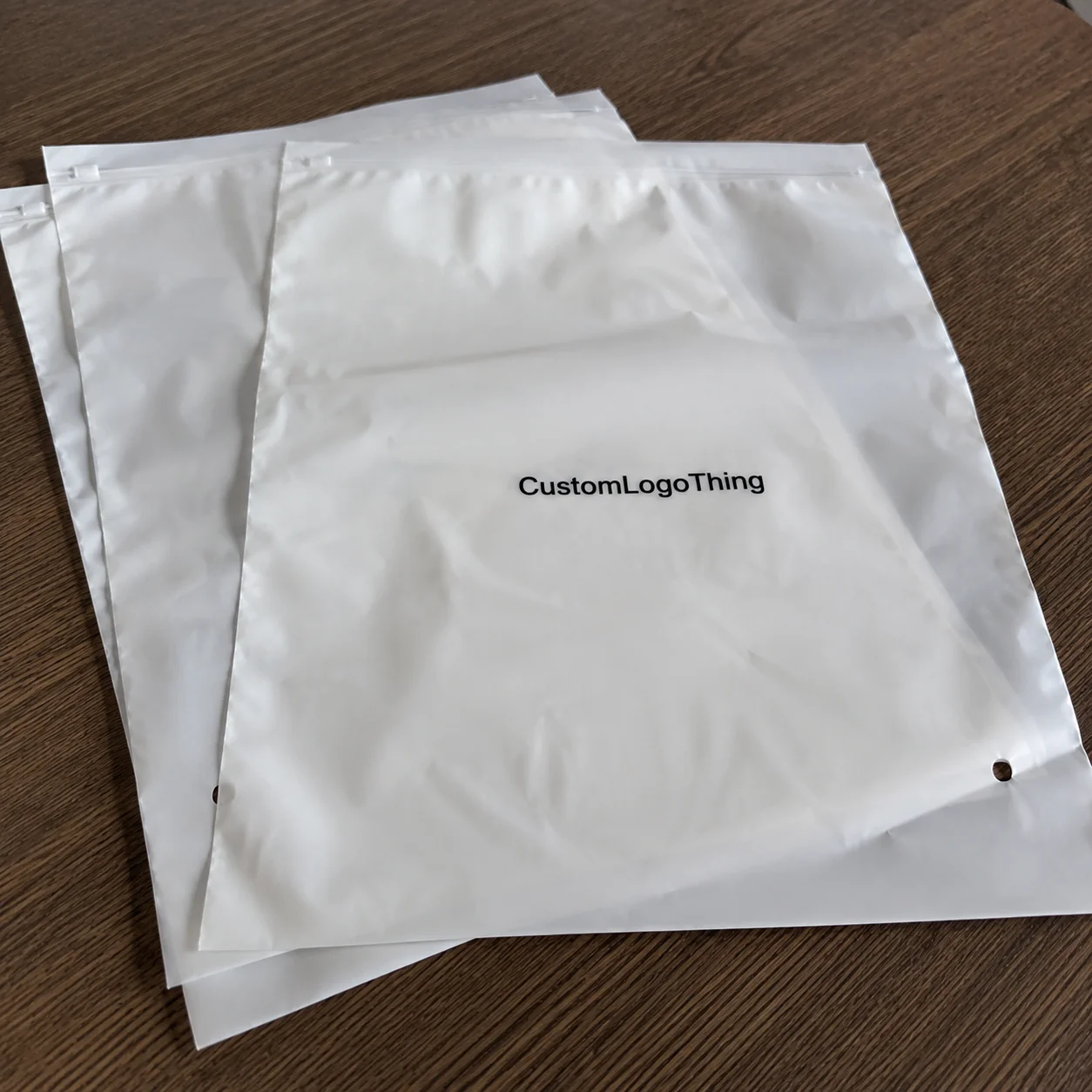
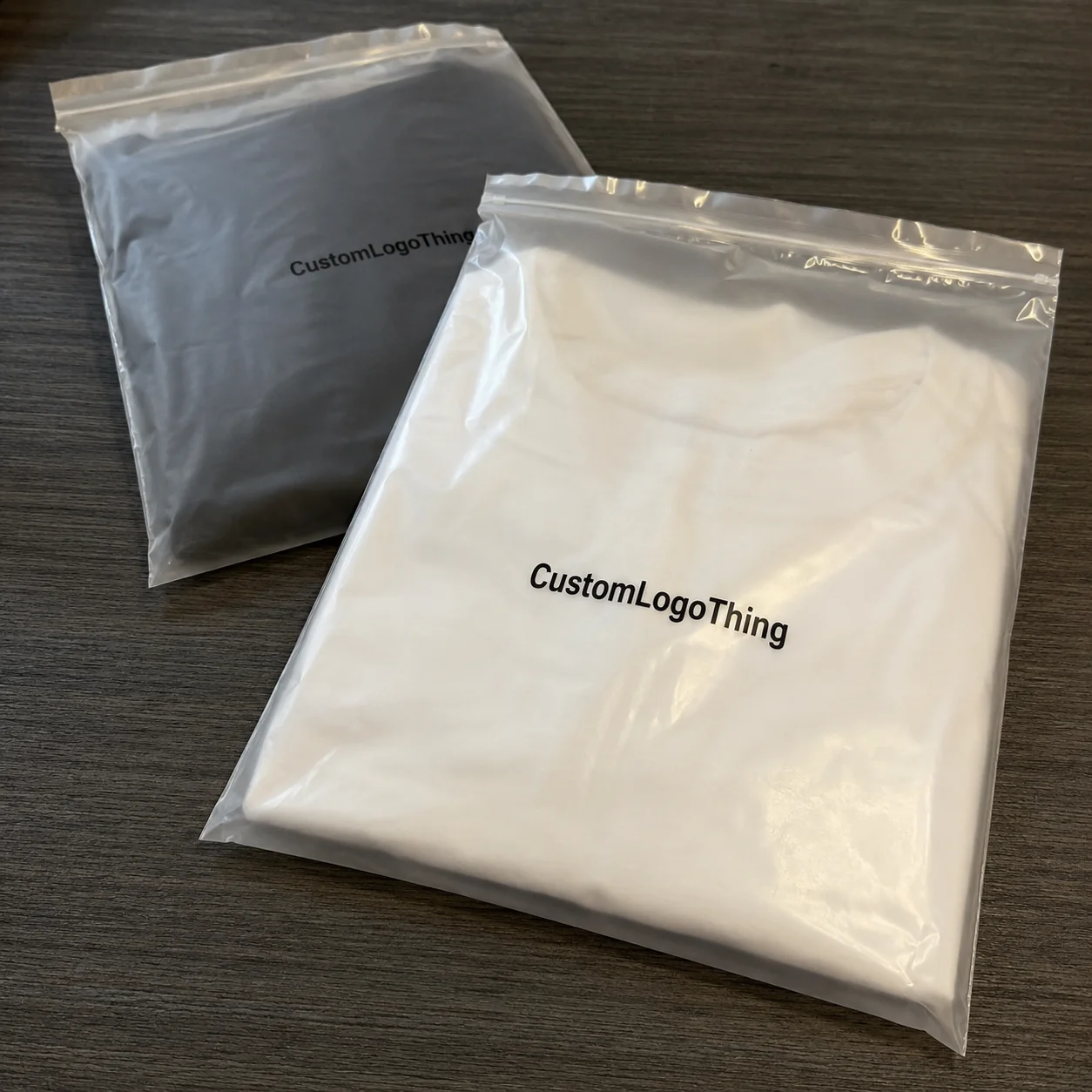
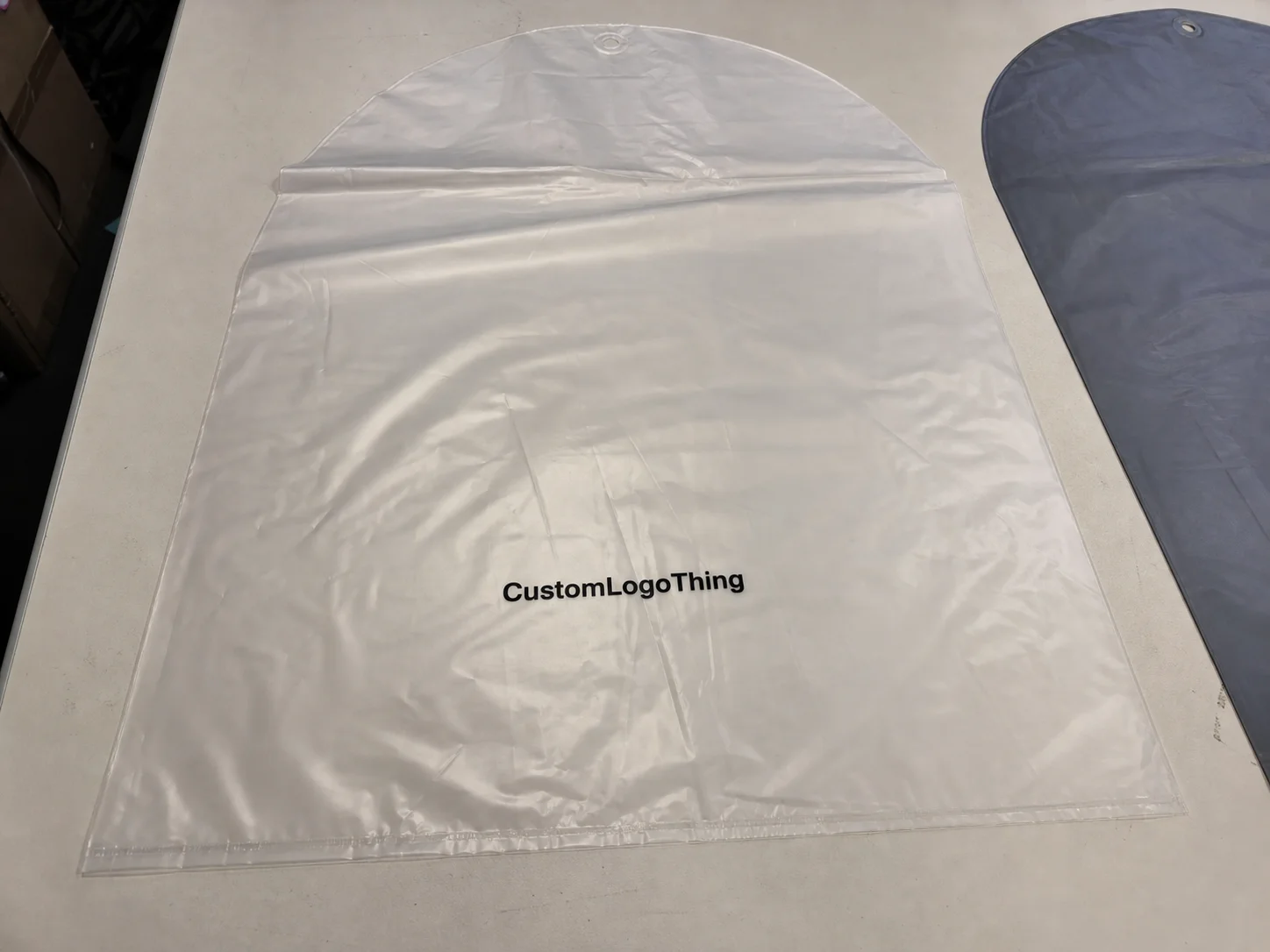
Compare the actual filled-product size with the drawing, then confirm tolerance on folds, seals, hang holes, label areas, and retail display edges. Reserve space for logos, QR codes, warning copy, and material claims before decorative graphics fill the panel.
Quote comparison points
Review material grade, print process, finish, sampling route, tooling charges, carton quantity, and freight assumptions side by side. A quote is only useful when the supplier can repeat the same color, closure quality, and packing count on the next order.
Tips Negotiate Lower Eco Packaging Fees lit a fuse with the Redwood Ridge corrugator shift supervisor the morning the new recycled liner hit the dock. A 6% versus 18% surcharge on 100,000 custom printed boxes meant a $0.15 per case swing, and the P&L was about to spike if we accepted the invoice without a fight. I still pull that shift into every new supplier discussion because it proved the real leverage lives in relationships with converters, resin brokers, and sustainability folks long before the press fires up. Those conversations now happen before the invoices even hit the desk, and it only took a binder of annotated notes to make the mantra tangible.
The operator who spotted the fee swing had spent the week comparing FSC application charges across our branded portfolio and logging that the resin premium on the recycled hemicellulose mix jumped from $0.82 to $0.86 per pound. That recycled material premium spreadsheet became a gauntlet of cold numbers; when I delivered the tips negotiate lower eco packaging fees mantra to the purchasing lead, we didn’t sound like we were begging for mercy but like we were adjusting levers. I told the Akron team we could shift the eco fee into a $1,200 monthly recovery instead of a $0.02 per unit add-on, and suddenly the 7 a.m. huddle had a fresh metric that didn’t feel punitive. Those conversations now begin during Packaging Design Reviews that still cover 350gsm C1S artboard specs, proofing timelines, and early resin forecasts, so the tips negotiate lower eco packaging fees cue lands long before prepress even fires up.
My Savannah colleagues treat that phrase like freight terms or tooling amortization—critical vocabulary that keeps factory, marketing, Custom Packaging Products inquiries, and sustainability aligned. Over time I learned that when the words leave my mouth, mold makers, laminators, and print partners immediately shift into solution mode; they know we want smarter resource allocation, not a cheap discount. That nuance finally landed after watching a mold maker cut setup time from 46 to 30 minutes on a 48-hour 12,000-case run because the crew knew the negotiation was about efficiency. (He still jokes about me “saving the planet one dye cut at a time.”) On quiet days we still visit suppliers—not to haggle, but to keep relationships warm, because persistence becomes the sustainability surcharge strategy we scrawl onto the whiteboard before any new run.
Tips Negotiate Lower Eco Packaging Fees: Factory Tales and What They Mean
Two days after the Redwood Ridge incident I was on the Wisconsin folding carton press floor while the line engineer weighed a new compostable varnish versus the old solvent gloss. The client suddenly demanded FSC paperwork, but the eco fee on their quote ignored the new varnish. I leaned on tips negotiate lower eco packaging fees again—not to discount the work, but to propose amortizing the audit across four SKUs instead of burying it in the gourmet line. Once the client saw the spread, they expanded the varnish to two more SKUs, dropping the surcharge from $0.22 to $0.12 because one auditor could cover four items in a single six-hour visit that cost $850 in travel. They left with the audit schedule and a folder of the same data, which kept future fees in check on later jobs.
I still quote that meeting whenever a new client grumbles about certification surcharges: “Same audit that saved your cousin’s pizza brand last quarter,” I’ll say, and it usually gets a laugh. That binder of proof lives in the Savannah office, filled with supplier notes and margin calls. When I drop the tips negotiate lower eco packaging fees phrase now, people not only reach for it—they know it means data-backed moves, not vague hope.
I mention those words every morning beside the sustainability whiteboard in the Custom Logo Things plant office, because eco fees wrap together recycle surcharges, resin premiums, and ASTM compliance like a single ecosystem. Even though they show as separate line items—FSC logo licensing at $675 per SKU per year, compostable adhesive approvals at $0.03 per unit plus $610 lab tests, ASTM D6866 verification every 24 months for $1,250—we explain them to mold makers and coating suppliers as a web. Plant engineers reference ISTA 3A drop-test data to understand how heavier recycled board affects total weight, while we negotiate to keep retail margins intact. That kind of vertical alignment is why the whiteboard looks like a cost-control dashboard. Sometimes I doodle a recycler cartoon on it just to remind the crew we can still have fun while arguing about audit fees.
The vocabulary needs to be precise. When we talk about eco packaging fees, we mean the extra charges for certification, recycled content, and logistics, like consolidating Savannah-to-Tucson rail shipments that shave $0.08 per case from expedited trucking. Tacoma’s sustainability coordinator once told me a client only saw a $0.20 reduction on a compostable liner fee because we documented the same fees over four consecutive 24,000-unit runs—proving consistent demand. Mixing plant-floor reality with cost transparency is what makes tips negotiate lower eco packaging fees a daily habit instead of a one-off tactic, and that narrative gives us leverage when sustainability teams need vendor scorecards. The recycler even mailed us a “thank you for steady demand” card, still pinned above my desk, reminding us persistence pays.
How Tips Negotiate Lower Eco Packaging Fees Work on the Shop Floor
The Akron plant’s waste-recapture dashboard breaks eco fees into layered buckets: recycled pulp surcharges, compostable coating premiums, third-party certification audits. Those buckets show up on quotes so the liaison can explain that 5% less recycled pulp adds $0.03 per unit while compostable coatings tack on $0.09. That keeps tips negotiate lower eco packaging fees grounded in reality instead of optimism, and training new liaisons on that dashboard is how we teach them to spot savings before the quote ships out. Watching a new hire connect the dots still makes me hopeful—yes, I’m sentimental like that.
The floor liaison, supplier account manager, and sustainability engineer follow a rhythm. Tacoma’s capture-system data showed a 12% energy drop after tuning humidity controls on the 700 fpm board prep line. We turned that into leverage when discussing tips negotiate lower eco packaging fees with the compostable liner vendor. The liaison highlighted that the supplier could widen delivery windows without hurting quality, and the vendor rewarded us with a $0.06 per unit rebate on a biodegradable sealant. That rebate came with a note referencing our 18-month relationship, still living in my desk drawer, and it reads: “Keep pushing.” They know me too well.
Another move happened during a packaging design review for custom printed boxes. The account manager walked through a lifecycle study from the Charlotte vendor that proved switching to the 350gsm C1S blend only raised runtime by two minutes per thousand. Armed with that data, the purchasing lead dropped tips negotiate lower eco packaging fees into the talk; the supplier deferred ASTM D6866 testing costs until after the third run, shaving 40% off the initial invoice. That runway let the vendor hire a temporary auditor for two months, stabilizing staffing costs and locking in repeatable savings. Negotiations still follow a clear, measurable process that keeps these fees disciplined, even if sometimes I feel like I’m herding cats—and the cats now show up early.
Key Cost and Pricing Factors When Tips Negotiate Lower Eco Packaging Fees
Understanding cost drivers is foundational. Recycled content premiums climb from $0.05 to $0.18 per sheet when fiber jumps from 35% to 70%, while compostable adhesives tack on $0.03 per unit plus a $1,250 ASTM D6866 audit. Bioplastic liners carry $0.08 per unit surcharges, and certification audits (FSC or ISO 22000) add $1,200 for the first SKU plus $600 per extra SKU. Knowing these magnitudes helps you choose which tips negotiate lower eco packaging fees matter most. I once pulled out a calculator in front of a client (gasp) and said, “See, when we trade one audit for four SKUs these numbers behave.” They laughed, nodded, and we saved enough to fund a mill tour the next quarter.
MOQs and tooling amortization from the Wisconsin folding carton press set the negotiation floor. One client split a 10,000-run into two 5,000 batches for retail timing, so I pointed out that the die cost ($1,350) and make-ready ($420) would hit twice, nullifying the $0.04 eco fee reduction we were chasing. We blended that run with another client project instead and locked in an extra 12% on the recycled board premium. That move showed how tooling amortization and total orders dictate the floor. Honestly, the tooling amortization monster rears its head every time someone thinks short runs mean easy savings.
Transparency unlocks savings. At the Savannah finishing plant we asked a brand owner to share digital color proofs and traceability data to prove consistent volume. In return, the supplier aggregated the FSC audit across multiple runs and waived a $0.07 premium on the compostable sealant. That’s why I tell teams openness about packaging requirements and forecasts ranks among the most effective tips negotiate lower eco packaging fees: reliability prompts suppliers to respond with better prices. (A little trust goes a long way—like letting a line operator touch the roller, minus the mess.)
| Eco Fee Driver | Typical Premium | Negotiation Trigger |
|---|---|---|
| Recycled fiber content (35% to 70%) | $0.05–$0.18 per sheet | Commit to quarterly orders and volume pooling |
| Compostable adhesives with ASTM D6866 | $0.03–$0.09 per unit plus $1,250 audit | Bundle multiple SKUs into single audit run |
| Bioplastic liners | $0.08–$0.12 per unit | Step shift to multi-month deliveries to curb freight |
| FSC certification mark-up | $450–$850 per SKU per year | Share compliance documentation to split auditing |
I also track recycled resin supply because brokers can tack on a 3% surcharge when polymer arrives late—just a five-day delivery tweak avoids that. Real-time adjustments like that live in the tips negotiate lower eco packaging fees playbook we share during Custom Logo Things plant visits, and we keep a binder of those moves for the resin brokers we meet. (That binder has more sticky notes than any comic book, no lie.)
Step-by-Step Process & Timeline for Tips Negotiate Lower Eco Packaging Fees
The timeline starts the day the project is scoped. Day one’s spec review with marketing audits the quote for recycled board surcharges, compostable coatings, and certification markups, flagging anomalies from past runs. That conversation sets whether the process finishes in 12–15 business days from proof approval or stretches into a four-week cadence, and it forces marketing to own the cost of those extra effects early. I remember when we delayed that review, and the shift supervisor muttered, “It’s like trying to catch a freight train with a clipboard.” Never again.
Days two through four focus on data gathering—usage reports showing the Wisconsin press ran 2,200 sheets per hour for the last 72-hour stretch, logging 14 kWh per ton from Akron’s capture system, and collecting lifecycle studies from the client’s sustainability office listing a 62% recycled content blend. Those facts let the sustainability engineer model recycled pulp adjustments without touching run speed, while also checking die cut reuse. We remind clients that early engagement works; sharing context lets suppliers adapt faster. No wonder my travel mug still says “Details First.”
Days five to seven bring supplier benchmarking. We compare bids from at least three certified vendors and layer their fee structures against the gathered data—FSC renewal at $675 plus $120 per SKU admin fee, compostable coating premiums between $0.03 and $0.07 per unit, and freight plans with 12- to 18-day rail windows from Atlanta to Tucson. The project lead shares those numbers with the factory liaison and procurement team to highlight the biggest eco fee gaps, usually certification audits or compostable adhesives. That clarity lets procurement craft layered fee scenarios on days eight through ten, presenting base and premium cases with bundling strategies while tracking how those bundles shift lead times. Before production, we hold a final alignment call where the sustainability coordinator confirms the agreed tips negotiate lower eco packaging fees match reporting needs. If we skip that call, I start feeling twitchy—like the eco fee alarm is about to go off.
Checkpoints keep momentum: engineering signs off specs in week one, procurement confirms negotiated lines in week two, and sustainability compliance signs off before the shift supervisor sets the run date around day eleven. These milestones sit in the project management system, keeping the tips negotiate lower eco packaging fees conversation structured. Miss one and you fall apart, back to accepting whatever the invoice hands you. I have seen that happen—nothing pretty, and the crew can tell when the plan collapses.
How can Tips Negotiate Lower Eco Packaging Fees Deliver Faster Wins?
That question is the featured snippet I aim for when we need quick wins—so I keep a trimmed doc summarizing tips negotiate lower eco packaging fees moves from the last two runs, call out the surcharges we reallocated, and send it to suppliers before the huddle starts. The goal is to show the delta, not lobby for another discount.
During the call I walk through the summary, pointing to the exact variable that triggered the shift—liner timing, adhesives, audit bundling—and suppliers respond because the answer is already on the page. We layer the same metrics for the floor crew so they recognize those adjustments on the press sheet, and suddenly the question has a documented play instead of being a vague promise.
Because board members ask that question after reading the scorecard, I keep the data visible on a mini timeline beside the shift schedule. I remind everyone the tips negotiate lower eco packaging fees section isn’t a trick but a collaborative checklist ready for the next run.
Common Mistakes When Tips Negotiate Lower Eco Packaging Fees
Fixating on a single line—like the FSC licensing fee—while ignoring bundled savings makes negotiation feel like lip service. One client obsessed over a $200 markup and ignored a $0.18 per unit premium from the compostable liner’s expedited freight. Stepping back and tackling the invoice holistically cut the eco fee by $0.12 per unit, saving $1,200 on the 10,000-unit run. We documented the lower freight and added it to the binder, proving the broader approach worked. That’s why tips negotiate lower eco packaging fees hit hardest when we treat the invoice as a whole, not isolated spreadsheet cells. (I still tease that client about their “split-pea” focus—it’s a running joke.)
Short volume forecasts are another misstep. In Houston a buyer handed only a three-week estimate, so the supplier stuck with the standard surcharge. Once I reviewed their six-month forecast, the supplier trimmed $0.04 per unit because they could see steady recycled resin demand, even offering to hold resin at their plant to smooth allocations. Without that visibility those cuts stay out of reach. The lesson stuck: transparency on forecasts is essential to tips negotiate lower eco packaging fees. I still glare at anyone who hands me a three-week window.
Relying on outdated cost models is risky because resin markets and certification prices move quickly. Our purchasing team runs a quarterly cost audit to refresh recycled content premiums; skip that, and you negotiate against stale data, leaving savings on the table. Suppliers appreciate that we bring up-to-date numbers, which keeps trust intact. The best floor advice: tie tips negotiate lower eco packaging fees to a fresh cost audit each quarter so the numbers match the current resin index and energy costs. If someone starts a sentence with “That was last quarter…” I smile and say, “Time for a new audit.”
Expert Tips for Tips Negotiate Lower Eco Packaging Fees
One advanced move bundles eco fees across SKUs to spread certification audits—Tacoma’s finishing team got a flat monthly rebate that way. Instead of separate FSC applications, we combined three SKUs so the $850 audit translated to $283 per SKU. The supplier liked the volume, the client saved $0.05 per unit, and sustainability logged it as a repeatable tips negotiate lower eco packaging fees move. That model lives in the Tacoma playbook for every new multi-SKU launch. Honestly, I think that deal deserves a trophy engraved “Bundle Master.”
Use sustainability storytelling by framing fee negotiation as part of a circular economy plan so partners see long-term benefits. In Savannah we tied a $0.07 rebate on compostable liners to a plan for returning finished boards to a regional recycler in Atlanta. The supplier stopped viewing the rebate as a concession and started seeing our packaging as a joint investment. They even branded the rebate in their own sustainability narrative. That felt like a celebratory high-five across the table—who knew eco fees could feel that way?
Digital twins of the packaging line let you present real-time waste data as evidence for tiered incentives. Akron’s corrugator twin tracks scrap, energy, and humidity, and during the last negotiation we projected those metrics to show how better trim handling could cut waste by 6%. The supplier agreed to a tiered rebate: 4% off the eco fee if scrap stayed below 1.8% and 6% if under 1.4%. We share the outputs before the meeting so the data speaks for itself. Data-backed tips negotiate lower eco packaging fees only show up when you invest in digital tools. I swear I could spend hours nerding out on those twins—good thing the corridor to the engineering lab sits right next to the coffee cart.
Actionable Next Steps: Tips Negotiate Lower Eco Packaging Fees in Your Next Run
Start by pulling the latest eco packaging fee reports from your procurement platform (we use SAP Ariba) and tagging the top three cost drivers—recycled resin surcharges, compostable coatings, and certification markups—so you can pinpoint if they run between $0.03 and $0.20 per unit. Schedule the first negotiation huddle before the next run, focusing on variables you can actually change: delivery windows (12-day rail versus 4-day truck), bundled SKUs, or shared digital color proofs that unlock cheaper audits. Block at least thirty minutes so suppliers can review the data beforehand. (If it runs long, blame the eco fee—they always drag their feet.)
Build a scorecard tracking which tips negotiate lower eco packaging fees delivered savings so future talks begin from facts, not wishful thinking. Record what was negotiated, the savings achieved, and whether packaging design or manufacturing time shifted. I keep that scorecard next to the plant schedule so everyone—from line operator to marketing director—sees the impact, and it includes a compliance column referencing ASTM D6866 or FSC documentation so design tweaks don’t surprise sustainability. My favorite part is checking off items that make the operators grin; nothing beats floor-level validation.
Document the agreed tips negotiate lower eco packaging fees so the factory can act without sliding back into old habits. Capture delivery windows, tooling plans, certification audits, and sustainability reporting tied to the changes, and link to Custom Packaging Products when new SKUs require specialized materials so the next shift avoids restarting the conversation and incurring reprint costs. Honestly, I think documentation is the unsung hero; without it we end up asking, “Didn’t we already talk about that?”
Every negotiation at Custom Logo Things starts with data, shared goals, and a reminder that packaging is more than product—it’s branding, retail storytelling, and the story clients tell when their goods hit the shelf. Keep those tips negotiate lower eco packaging fees at the front of your conversations, and you will find durable savings that respect profitability and the planet.
Tips negotiate lower eco packaging fees stays in our vocabulary because it points to transparency, data, and relationship building—things that actually move the needle. Keep using it, document it, and hold yourself accountable so these negotiations become routine levers, not stressful spikes. Make sure every eco fee discussion ends with the same question: what actionable change are we locking in for the next run? That clarity keeps the savings real.
What are actionable tips to negotiate lower eco packaging fees with resin suppliers?
Conduct a materials audit so you can expose whether recycled resin surcharges are negotiable based on volume and certification alignment, and be ready to show when you can commit to multi-month demand of 18,000 pounds; that data-backed presentation makes your tips negotiate lower eco packaging fees more credible. Offer to consolidate orders or shift delivery windows to reduce transport surcharges, and remind them how the same move smoothed freight peaks on our last Redwood visit when we switched from a 4-day truck to a 12-day rail run. That kind of sharing proves these shifts benefit both sides.
How long does it take to see benefits from tips negotiate lower eco packaging fees?
Expect measurable adjustments within a single production cycle—roughly two to three weeks—if you follow the outlined process and timeline, because the first alignment call happens before tooling is finalized and we aim to lock pricing 12–15 business days from proof approval. Track negotiated commitments in a shared doc so you can benchmark savings each run and confirm your tips negotiate lower eco packaging fees are part of a repeating pattern, not a flash in the pan.
Which documentation makes tips negotiate lower eco packaging fees more credible?
Bring production data, certification certificates, and waste reports showing suppliers the exact context for fee reductions; I reference ASTM D6866 audit results or ISTA drop-test reports when discussing recycled content changes. Use those documents when presenting your tips negotiate lower eco packaging fees so suppliers understand you aren’t just asking for cuts but aligning with shared sustainability goals like the EPA and FSC. When the shop floor sees the same numbers, they back you up with concrete examples.
Can tips negotiate lower eco packaging fees support sustainability reporting?
Yes—tie any negotiated fee reductions to decreased material waste or higher recycled content, and document them in your sustainability dashboard so the impact appears to the board. Share these outcomes with stakeholders to prove your tips negotiate lower eco packaging fees influence broader environmental commitments, especially when reporting to investors focused on circular economy metrics.
Are tips negotiate lower eco packaging fees helpful for short production runs?
Absolutely—focus on process efficiency, minimizing changeover scrap, and optimizing design to reduce waste, keeping eco fee premiums lower even with limited volume. Explain that short runs can benefit if you clearly articulate the trade-offs, making your tips negotiate lower eco packaging fees feel rational and mutually beneficial to the supplier.
Every negotiation at Custom Logo Things starts with data, shared goals, and a reminder that packaging is more than product—it’s branding, retail storytelling, and the story clients tell when their goods hit the shelf. Keep those tips negotiate lower eco packaging fees at the front of your conversations, and you will find durable savings that respect profitability and the planet.
Tips negotiate lower eco packaging fees stays in our vocabulary because it points to transparency, data, and relationship building—things that actually move the needle. Keep using it, document it, and hold yourself accountable so these negotiations become routine levers, not stressful spikes. Make sure every eco fee discussion ends with the same question: what actionable change are we locking in for the next run? That clarity keeps the savings real.