For skincare teams, sticker buying is rarely about finding the cheapest piece. It is about balancing appearance, adhesion, MOQ, lead time, and reorder risk on small packaging components that customers see up close. When buyers compare skincare brands Die Cut Stickers unit cost, they are really comparing whether a sticker will hold shelf value without creating waste or avoidable reprints.
A small die cut logo on a jar lid, sample sachet, insert card, or gift bundle can materially change how the pack feels. Because stickers sit close to the hand and eye, edge quality, finish, opacity, and placement often influence perceived product value more than buyers expect. They are also easy to oversimplify. Two stickers with similar dimensions may price very differently once material, white ink, lamination, or contour complexity changes.
Why a 2-inch label can change perceived shelf value fast
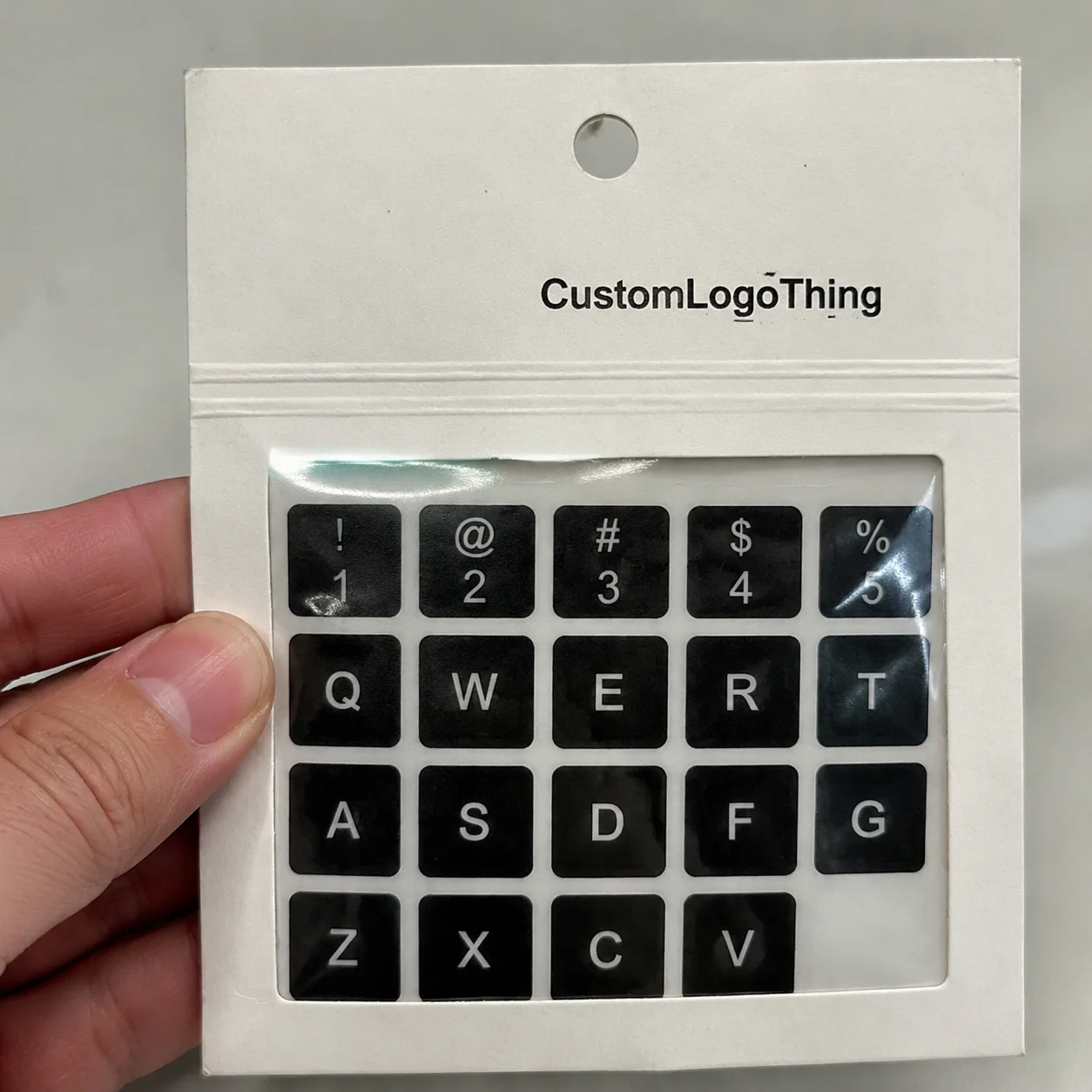
Small branding elements carry a lot of visual weight in skincare. A clean die cut sticker on a jar lid can make a short-run line look considered instead of temporary. On a shipping insert or tissue seal, it sets tone before the product is opened. On a tester or sample pack, it may carry most of the brand signal in a single glance.
The effect comes less from size than from precision. Consumers notice cut quality, finish, contrast, and placement quickly. A contour that follows a logo or icon usually reads more intentional than a stock circle or rectangle. For premium skincare, that difference can raise perceived value without forcing a full packaging redesign.
That flexibility is why Die Cut Stickers fit so well into skincare packaging systems. Brands use them on jar lids, secondary boxes, refill pouches, PR mailers, seasonal kits, inserts, and short-run collaborations. They let teams change artwork faster than a carton reprint cycle, which matters when ingredient claims, launch timing, or campaign assets shift late.
“Small format branding can look expensive or accidental. The difference is usually not the logo; it is the spec discipline behind it.”
For buyers, the practical takeaway is simple: evaluate stickers as packaging components, not as generic accessories. If the spec is vague, the quote comparison will be weak.
Where die cut stickers work best for skincare packaging systems
Die Cut Stickers work best where presentation and speed both matter. Common skincare uses include ecommerce inserts, subscription kits, PR mailers, testers, refill pouches, salon backbar items, discovery sets, and seasonal bundles. These formats often need quick artwork swaps by scent, active, market, or campaign.
They are also useful when a brand wants to update existing packaging without scrapping inventory. For short runs, localized promotions, or promotional overlays, a sticker can be a more controlled spend than reprinting cartons or sleeves. The better question is usually not “sticker or carton,” but “which option creates the least waste for this launch cycle?”
In skincare, waste can come from obsolete claims, formula changes, size adjustments, or slow-moving seasonal stock. Stickers reduce commitment and make smaller corrections easier. That matters for launches where packaging details may still move after first approval.
Use case should also guide performance requirements. A sticker on a dry outer box has different needs than one on a bathroom-shelf jar or a refill pouch handled repeatedly during fulfillment. If the piece will be photographed for retail listings, PR content, or social assets, finish and contour quality matter even more because the sticker becomes part of the product image, not just the package.
Material, adhesive, and finish specs buyers should verify before quoting
The biggest quoting mistake is treating all stickers as interchangeable. A usable quote needs size, shape complexity, material, adhesive, finish, print coverage, quantity, and delivery format. Change any of those and the price can move materially.
For skincare, white BOPP is often the safest baseline because it handles moisture better than paper and prints consistently on jars, bottles, and cartons. Paper stocks can work for dry inserts or a more natural look, but they are less forgiving around water, oils, and humidity. Clear film suits minimalist designs and transparent packs, though it often requires white ink and tighter artwork control. Vinyl is durable, but many skincare applications do not need that level of material.
Adhesive choice matters as much as face stock. Permanent adhesive is usually the right starting point for glass jars, PET bottles, and packs that need to stay intact through normal handling. Removable adhesive is better for temporary promos, event packs, or some seal applications. Surface type matters: frosted glass, coated cartons, soft-touch laminates, and refill films do not behave the same.
Finish affects both appearance and cost. Gloss pushes color saturation and contrast. Matte cuts glare and often fits premium skincare better. Soft-touch can improve tactile feel, but it raises unit cost and is usually better reserved for hero SKUs or gift sets. Specialty effects may be worth it on a premium serum, but not always on low-value sample packs.
| Option | Typical use | Durability | Relative unit cost |
|---|---|---|---|
| Paper stock | Dry inserts, artisanal packs | Low to medium | Lowest |
| White BOPP | Jars, bottles, humid spaces | High | Moderate |
| Clear film + white ink | Minimal branding, transparent packs | High | Moderate to higher |
| Soft-touch laminated film | Premium gift sets, hero SKUs | High | Higher |
Before quoting, buyers should also verify minimum text size, bleed, cut-line spacing, opacity on clear stock, and repeat-order color expectations. These are common failure points on small-format stickers. Teams that need sustainability or transit-performance context can review guidance from the EPA and testing resources from ISTA.
Skincare brands die cut stickers unit cost: what changes the price most
Skincare Brands Die Cut Stickers unit cost is usually driven first by quantity, then by size, material, finish, and cut complexity. Quantity matters most because setup and make-ready costs are spread across the run. A 500-piece order can look expensive per unit even if the sticker is simple, while a 5,000-piece order may drop sharply on the same construction.
MOQ is where many teams misjudge risk. A low MOQ helps when a SKU may change after launch feedback. A higher MOQ often improves unit economics, but it also raises exposure to obsolete inventory if claims, ingredients, or pack dimensions change. In skincare, that happens often enough to treat as a planning factor, not an exception.
Print construction can raise cost quickly. Clear stock with white underprint, premium laminates, specialty adhesives, intricate contours, or individually cut pieces all add production or finishing time. Delivery format matters too: individually cut stickers often cost more than sheeted formats, and rolls may price differently again depending on width, core, and finishing setup.
The pricing behavior below is typical, though exact numbers depend on size, material, print coverage, and finish:
| Run size | Typical cost per piece | What usually drives it |
|---|---|---|
| 500 pieces | $0.30-$0.60 | Setup spread over fewer units |
| 2,000 pieces | $0.16-$0.32 | Better balance of setup and volume |
| 5,000 pieces | $0.08-$0.20 | Stronger economies of scale |
| 10,000+ pieces | $0.05-$0.14 | Bulk pricing and efficient production |
These numbers are reference bands, not promises. Clear film with white ink, soft-touch lamination, tight contour cuts, or special pack-out can push pricing higher. Simpler paper labels or standard shapes may sit lower. Buyers should ask for all-in pricing that includes proofing, finishing, freight assumptions, and any overrun or reprint terms. Otherwise, two quotes may look comparable while covering different scopes.
A useful quoting method is to request at least two or three quantity bands. That makes price breaks visible and helps buyers decide whether a higher run actually offsets the inventory risk.
What is the average skincare brands die cut stickers unit cost?
The average skincare brands Die Cut Stickers unit cost usually falls between $0.05 and $0.60 per piece, depending on run size, material, finish, and cut complexity. Most skincare brands ordering standard white BOPP or film-based stickers in mid-volume quantities land near the middle of that range.
- Small runs: often around $0.30-$0.60 each
- Mid-volume runs: often around $0.16-$0.32 each
- Large-volume runs: often around $0.05-$0.20 each
That average is only useful when tied to performance. A lower unit rate is not a better buy if the sticker fails on humid surfaces, photographs poorly, or becomes dead stock after a packaging change.
Production steps, process, and turnaround from artwork to delivery
The usual workflow is inquiry, spec confirmation, quotation, artwork review, proof approval, production, finishing, packing, and shipment. Delays usually come from missing information, not from the print step itself.
Common schedule problems include missing dimensions, low-resolution files, unoutlined fonts, unclear adhesive requirements, and artwork changes after quoting. Compliance edits can also hold proofs if ingredient copy or claims are still in review.
Lead time depends on quantity, material availability, finishing, and destination. Standard constructions usually move faster than clear film with white ink or premium laminates. Shipping planning matters as much as factory speed; a short production window does not guarantee a short in-hands date.
- Send vector artwork, not a screenshot.
- Confirm the application surface up front.
- Consolidate SKUs when possible.
- Approve proofs quickly.
- Be specific about finish and packing format.
Physical samples are worth requesting when adhesion, opacity, or tactile finish is critical. Digital proofs are useful for layout review, but not enough for packs exposed to humidity, oil contact, or fulfillment handling. Buyers comparing adjacent options may also find Custom Labels & Tags useful.
Common buying mistakes that increase waste, delays, or reorders
Material mismatch is one of the most expensive mistakes. Paper stock on a humid shelf, weak adhesive on frosted glass, or a finish that fingerprints easily can turn a small part into a visible packaging failure. These issues are often blamed on print quality when the real problem was the spec.
Another common problem is artwork that works on screen but not at application size. Tiny text, thin lines, and crowded layouts break down quickly on mini jars or sample packs. If legibility matters for ingredients, claims, or brand mark recognition, the review has to happen at actual size.
Over-ordering is a major risk in skincare. Claims change, ingredients shift, and dimensions get revised. A low cost per piece may still be the wrong decision if the brand is left with obsolete stock. Buyers should weigh inventory exposure alongside price breaks.
Quote comparison also goes wrong when specs are not matched. Matte lamination versus no lamination, sheeted versus individually cut, or freight included versus excluded are not equal offers. Delivery format affects labor, too: individual cuts suit PR kits and hand packing, sheets can speed certain manual workflows, and rolls may fit semi-automated application.
“The cheapest quote is often the one with the most missing detail.”
A simple live test prevents many reorders: apply the sticker to the real pack, let it sit, and check edge lift, scuffing, and visual fit after handling or moisture exposure. For broader examples of spec discipline in practice, see our Case Studies.
How to request a precise quote and place the right reorder
A strong quote request should include dimensions, shape, artwork file type, quantity bands, material preference, finish, adhesive needs, application surface, delivery format, and target in-hands date. That reduces assumptions and produces cleaner comparisons.
It also helps to send one acceptable alternate material or pack-out option. For example, if white BOPP is preferred but paper is acceptable for a dry insert, or if sheets are acceptable instead of individual cuts, the supplier can show meaningful cost and lead-time tradeoffs.
Before approval, review bleed, cut-line spacing, white ink layers, and text legibility. For a new design, uncertain surface, or premium finish, a pilot run is often the lowest-risk option. Reorders become easier when approved specs, color references, and pack-out notes are kept on file.
For buyers, the decision order is straightforward: match specs first, confirm performance second, check timeline third, and compare unit cost after that.
FAQ
What affects skincare brands die cut stickers unit cost the most?
Quantity tier usually has the biggest impact, followed by size, material, finish, and cut complexity. Clear stock, white ink, soft-touch lamination, specialty adhesives, and intricate shapes generally raise cost. The best comparison is an all-in quote across multiple quantity bands, not a single headline rate.
What is a typical MOQ for custom die cut stickers for skincare brands?
MOQ varies by material, size, print method, and finishing requirements. Lower MOQs are useful for launches, sample kits, and limited editions. Higher volumes usually reduce unit cost, but they also increase the risk of obsolete inventory if claims or packaging specs change.
Which material is best for skincare brand die cut stickers on jars and bottles?
White BOPP or similar film stocks are often the safest choice for jars and bottles because they resist moisture and regular handling well. Paper can work for dry secondary packaging, but it is less forgiving around water and oils. Final choice depends on the surface, storage conditions, and finish required.
How fast is the turnaround for custom die cut stickers for skincare packaging?
Turnaround depends on proof approval speed, quantity, material availability, finishing, and shipping destination. Standard constructions usually move faster than specialty combinations such as clear film with white ink or premium laminates. Complete specs and vector artwork are still the easiest ways to reduce delays.
Should skincare brands order individually cut stickers or sheets?
Individually cut stickers are convenient for PR kits, hand packing, and event distribution. Sheeted formats can improve efficiency for some manual packing workflows, and roll formats may suit larger-volume application. The best option depends on how the stickers will be applied, packed, stored, and used after delivery.


