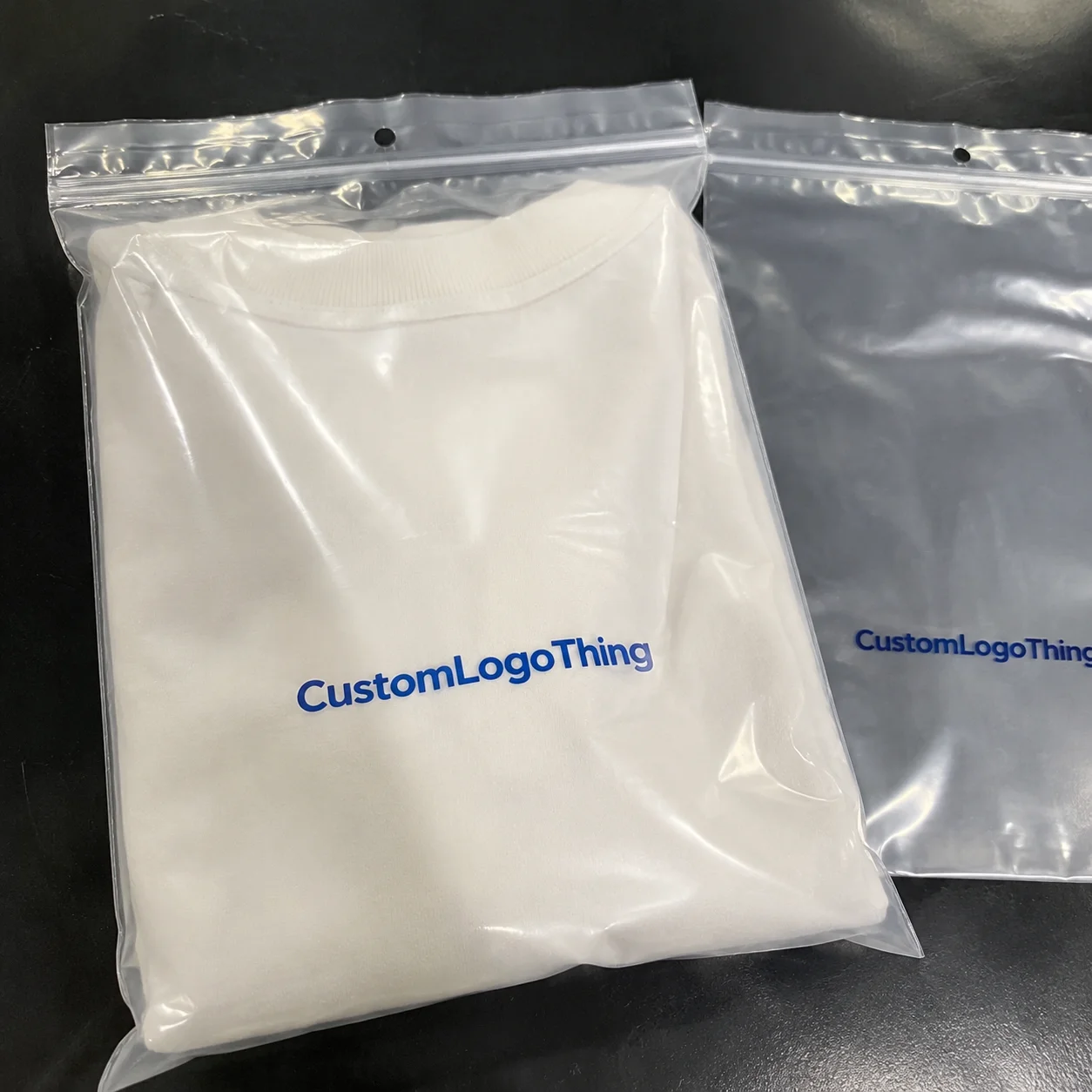
Buyer Fit Snapshot
| Best fit | Packaging Branding Affordable projects where brand print, material claims, artwork control, MOQ, and repeat-order consistency need to be specified before quoting. |
|---|---|
| Quote inputs | Share finished size, material target, print colors, finish, packing count, annual reorder estimate, ship-to region, and any compliance wording. |
| Proofing check | Approve dieline scale, logo placement, barcode or warning zones, color tolerance, closure strength, and carton packing before bulk production. |
| Main risk | Vague material claims, crowded artwork, missing packing details, or unclear freight terms can make a low unit price expensive after revisions. |
Fast answer: Packaging Branding Affordable: Material, Print, Proofing, and Reorder Risk should be specified like a repeatable production item. The safest quote records material, print method, finish, artwork proof, packing count, and reorder notes in one written spec.
Production checks before approval
Compare the actual filled-product size with the drawing, then confirm tolerance on folds, seals, hang holes, label areas, and retail display edges. Reserve space for logos, QR codes, warning copy, and material claims before decorative graphics fill the panel.
Quote comparison points
Review material grade, print process, finish, sampling route, tooling charges, carton quantity, and freight assumptions side by side. A quote is only useful when the supplier can repeat the same color, closure quality, and packing count on the next order.
Packaging branding affordable does not have to mean plain, flimsy, or forgettable. I have stood on enough corrugated lines and watched enough press checks to know the strongest results usually come from disciplined structure, clean print, and a finish chosen with restraint, not from piling on expensive extras that the customer barely notices. Get the box size right, keep the typography balanced, and make the folding score clean, and packaging branding affordable can look every bit as intentional as a luxury program that costs three times as much.
One thing I learned early, while walking a line in a Shenzhen folding-carton plant, is that customers notice precision before they notice price. A carton with consistent gray balance, tight registration, and a crisp opening sequence feels more premium than a box loaded with foil, embossing, and spot UV that was rushed through setup. That is the real sweet spot for packaging branding affordable: spend where the eye lands, save where it does not, and keep the whole package honest to the product inside.
And honestly, that lesson keeps coming back no matter the category. Beauty, supplements, candle sets, specialty foods, electronics accessories—they all benefit from the same disciplined approach. You do not need a luxury budget to make a box feel considered. You need a clear hierarchy, a clean material choice, and a production partner who knows the difference between nice-to-have decoration and the parts that actually carry the brand.
Why Affordable Branding Can Still Look Premium
Most buyers assume premium appearance requires expensive embellishment. In practice, the first impression usually comes from box rigidity, print consistency, and how the product presents during the unboxing experience. I have watched a simple 350gsm C1S folding carton outperform a highly decorated rigid box because the fold lines were sharp, the logo sat in the right place, and the inside panel carried one clean message instead of clutter.
At a client meeting for a skincare startup, we replaced a full-coverage metallic design with a kraft outer, one-color black print, and a small foil mark on the lid edge. Their unit cost dropped by nearly 18% at 10,000 pieces, yet the shelf sample looked more controlled and more credible. That is the kind of practical thinking behind packaging branding affordable: not cheap packaging, but cost-efficient branding that still supports brand identity and retail packaging goals.
Small upgrades can do heavy lifting. A one-color foil hit on the logo, a strategic spot UV on only the brand name, or a kraft board paired with strong typography can create a higher-end impression without turning the spec sheet into a budget problem. I have seen plain mailer boxes become memorable simply because the inside flap carried a smart message and the outside stayed clean. In my opinion, restraint often reads as confidence.
“The customer rarely remembers how many finishes you used. They remember whether the box felt deliberate.”
That is why packaging branding affordable should be viewed as a balance, not a compromise. You are not cutting every corner. You are choosing structure, print discipline, and selective finishing so the money goes to the parts customers actually see and touch.
For brands comparing options, I often point them to Custom Packaging Products and to real project examples in our Case Studies, because nothing clarifies a packaging decision faster than seeing what worked for a brand with a similar budget and shipment profile.
Packaging Branding Affordable: Custom Packaging Formats That Fit Brand Budgets
The box format you choose changes both your cost structure and your brand story. Tuck boxes, mailer boxes, rigid boxes, sleeve packaging, and folding cartons all follow different manufacturing paths, and those paths affect die-cut time, board consumption, printing steps, and pack-out labor. For packaging branding affordable, the smartest move is usually to match the format to the sales channel instead of chasing a more expensive style just because it feels premium on paper.
Mailer boxes are a strong fit for ecommerce and subscription programs because they are efficient to manufacture, easy to ship flat, and durable enough for parcel handling. Tuck boxes are often the budget-friendly choice for lightweight retail items, supplements, candles, and cosmetics, especially when the artwork is simple and the die-line stays standard. Folding cartons remain one of the most versatile options for product packaging because they print well, stack cleanly, and can carry strong shelf presence without heavy board cost.
Rigid boxes deliver a premium feel, but they are not always the right answer if you are trying to keep packaging branding affordable at scale. They use chipboard, wrapping paper, and additional labor, which drives up the quote quickly. I have seen gift brands spend too much on rigid construction when a sleeved folding carton with a well-executed insert would have delivered nearly the same visual impact at a fraction of the cost.
Standard sizes Matter More Than most buyers realize. When a box can be made from an existing die pattern or a simplified custom dieline, the setup cost usually stays lower and the lead time stays more predictable. One-piece construction also helps, especially for mailer formats and simple tuck cartons, because fewer components mean fewer opportunities for error. That is one reason Packaging Branding Affordable Solutions often start with structure before artwork.
Material choice matters too. SBS paperboard prints sharply and works well when the design includes fine typography or photographic detail. Kraft paperboard brings a natural, honest look that suits eco-minded brands and Minimalist Packaging Design. E-flute corrugated board is a practical option for shipping-ready branded packaging, especially when the product is heavier or more fragile. Chipboard supports rigid packaging, but it should be reserved for products where the tactile experience justifies the added cost.
The best packaging branding affordable decisions are the ones that preserve brand presence without forcing expensive construction into the brief. A smart format can do that. A poor format choice can make even a strong design look forced.
If your product needs a label-forward solution, our Custom Labels & Tags can also support package branding without requiring a full box redesign.
Print, Finishes, and Materials: Where to Spend and Save
Printing method is one of the clearest cost drivers in Custom Printed Boxes. CMYK is usually the most flexible choice for artwork with gradients, photography, or multi-color branding. Pantone matching makes sense when brand color accuracy is critical, especially for retail packaging where the same blue, green, or red must appear consistent across box, label, and insert. For smaller runs, digital print can reduce setup burden, while offset print becomes more cost-effective once quantities climb and the layout is stable.
I have seen brands overspend because they wanted every surface printed. A better approach is selective branding: print the lid only, place the logo on one side panel, or keep the inner panel as the storytelling space. That reduces ink coverage and still builds recognition. For packaging branding affordable, you do not need full coverage to make a box memorable. You need a clear hierarchy.
Finishes deserve the same discipline. Matte lamination gives a clean, modern feel and helps scuff resistance during transit. Aqueous coating is a cost-conscious way to add surface protection while keeping the board workable for folding and packing. Uncoated kraft can look especially strong when the typography is confident and the print is kept simple. More premium effects like embossing, debossing, and heavy foil are useful in some categories, but they should be justified by the margin, not by habit.
Selective spot UV is one of my favorite tools when the budget is tight. Used on the logo, a pattern, or a small brand mark, it can create contrast without covering the entire box in extra finishing cost. On a cosmetics project I reviewed with a buyer in Los Angeles, we moved the spot UV from the whole front panel to just the brand name and icon. The visual lift stayed strong, the cost came down, and the press room had fewer issues with cure consistency.
Material tradeoffs matter just as much as the print line. Recycled board supports sustainability messaging and can be a smart fit for natural products, but it may not reproduce fine photographic detail as sharply as coated board. Coated SBS typically delivers cleaner graphics, while kraft communicates texture and restraint. If your packaging branding affordable strategy depends on a premium image, choose the board that supports the artwork rather than fighting it.
For brands that care about responsible sourcing, the Forest Stewardship Council maintains useful certification guidance at fsc.org, and the U.S. EPA provides solid context on packaging waste and recovery at epa.gov. Those references help buyers separate marketing language from actual material decisions.
My rule of thumb is simple: if a finish costs more but does not improve recognition, tactile quality, or shelf differentiation, it probably does not belong in the spec. That is how packaging branding affordable stays practical instead of drifting into wishful spending. I am not against decoration; I am against paying for decoration that does not do a job.
Pricing, MOQ, and What Actually Changes the Quote
Most quote surprises come from five items: box style, size, board grade, print count, finishing, and quantity. A tuck box in a standard size with one-color print and aqueous coating is a very different job from a Custom Rigid Setup with full-wrap print, foil, and insert fabrication. The difference is not arbitrary; it is built into the labor, setup, and materials. That is why packaging branding affordable starts with understanding the quote drivers before requesting revisions.
MOQ, or minimum order quantity, matters because presses, dies, and finishing equipment carry setup time whether you order 500 pieces or 5,000. Lower quantities usually mean higher unit cost because those fixed costs are spread over fewer boxes. I have had honest conversations with founders who wanted 300 units for a launch and were shocked by the per-piece price. Once we moved them to a 1,000-piece run with a standard box size and digital print, the numbers became much easier to live with.
There are a few places where savings show up quickly. Standard sizes reduce custom tooling. Fewer printed sides lower press time and make color control easier. Simplified inserts, especially E-flute or paperboard tabs instead of molded components, can trim material and assembly costs. Avoiding odd-shaped structures also helps, because complex geometry increases die-cut waste and slows production. That is the practical side of packaging branding affordable.
Custom Logo Printing, special coatings, and unusual structures all add cost, but not all of them add equal value. For example, a logo on the top panel and one side panel might create enough brand memory for an ecommerce box, while a full-wrap design may offer little added return unless the product is sold in a highly visual retail environment. I am always suspicious of unnecessary ornament. It usually looks expensive in the quote and ordinary on the shelf.
To put numbers in context, a simple 4-color digital tuck box at 1,000 pieces may land around $0.42 to $0.68 per unit depending on size and board, while a larger offset-printed mailer at 5,000 pieces may come in around $0.18 to $0.31 per unit before shipping if the structure is standard and finishing stays basic. Those ranges are not universal, but they show why quantity and specification drive the economics of packaging branding affordable.
The most useful client conversations happen when everyone is clear about what matters most: cost, shelf presence, transit protection, or perceived value. If you rank those priorities early, the quote gets easier to manage and the final box gets closer to the real business need.
Production Process and Realistic Timeline
Good production starts with clean information. The process usually moves from quote, to artwork review, to dieline confirmation, to sampling, to production, to finishing, and finally to shipping. Each step has a checkpoint, and if the checkpoint is skipped, delays appear later in the job. I have seen a week disappear because a brand approved artwork before confirming the insert size. That kind of mistake is avoidable, and it is exactly the sort of thing that keeps packaging branding affordable from turning into a rush-fee problem.
Artwork files matter more than many first-time buyers expect. Press-ready PDFs with outlined fonts, correct bleed, and linked images that meet resolution requirements can save days. Clear color targets matter too. If the brand needs a Pantone match, the approval should happen before the main run, not after the press is already loaded. A simple sample or physical proof can prevent expensive corrections on a 10,000-piece order.
Timeline depends on order size, print method, and finishing complexity. A straightforward digital project may move faster than a multi-step offset job with foil and lamination, while a custom structure can add prototype time before production even begins. If material stock is available and the artwork is final, things move quicker. If a special board has to be sourced or the design needs structural revisions, the schedule stretches. That is normal, and it is better to plan for it than to guess.
I still remember a retail launch where the client needed boxed product for a trade show in 16 business days. We simplified the finish, approved a single prototype overnight, and kept the outer carton to one board type with one-color print. It arrived on time, but only because the client had final dimensions, clean artwork, and a realistic view of what packaging branding affordable could do under pressure. Good planning is the cheapest material in the plant.
For launch planning, I usually advise buyers to confirm three things early: the exact product dimensions, the shipping destination, and the reordering expectation. If the packaging is going to be replenished monthly, the initial order should support that rhythm. If it is a seasonal promotion, the box can be optimized differently. That kind of thinking protects both margin and brand consistency.
Custom Printed Boxes should never be treated like a last-minute add-on. The earlier the specifications are locked, the more control the brand has over cost, finish quality, and shipment timing.
Why Custom Logo Things Is a Strong Fit for Budget-Minded Brands
Custom Logo Things is built for brands that need practical manufacturing support, not just artwork placement. The value is in the details: custom die-cutting, offset and digital print lines, lamination, finishing workflows, and a team that understands how each choice affects both appearance and unit cost. That matters when you are trying to keep packaging branding affordable without losing the feel that makes people trust the product.
I appreciate suppliers that speak in specifics. If a team can tell you whether your box should be SBS, kraft, or E-flute, explain the effect of 1-color versus 4-color print, and estimate the impact of a matte coating versus foil, then you are working with a real production partner. That is the kind of support brands need when they are balancing brand identity, retail packaging presentation, and margin control.
We also know that repeat orders must stay consistent. A run that looks great once but drifts on the second order is not useful for a growing brand. Material sourcing, die accuracy, and quality checks all matter. I have seen a packaging line in Chicago reject a shipment because the score line was off by just enough to make the flap buckle. That is not nitpicking. That is the difference between a box that protects the product and one that creates returns.
Another thing I like is the focus on fit. A packaging vendor should help you decide where to spend and where to save, not just quote the most expensive version of your idea. For some clients, a simple mailer with bold typography and a single finish is the right move. For others, a retail-ready folding carton with a custom insert and subtle inside print gives better value. Either way, packaging branding affordable works best when the manufacturing plan matches the sales plan.
Custom Logo Things also keeps the conversation grounded. If a finish does not improve shelf presence, durability, or perceived value, it should not be treated as mandatory. That kind of honesty saves time and money, and it is a big reason smaller brands keep coming back once they have a first run in hand.
Next Steps to Order Affordable Branded Packaging
Before you Request a Quote, gather the basics: box dimensions, product weight, target quantity, artwork files, and any branding rules such as Pantone colors or logo clear-space requirements. If you know the box style you want, include that too. A clear brief shortens the quoting cycle and makes packaging branding affordable much easier to achieve because there are fewer assumptions in the estimate.
I recommend choosing one preferred format and two or three finish options so the comparison is meaningful. For example, compare a matte-laminated mailer against an aqueous-coated mailer and a kraft tuck box with one-color print. That gives you a real cost spread instead of a dozen disconnected options. If fit or shelf presentation matters, request a sample or prototype before approving the full run. A few dollars spent on proofing can save a lot of money in rework.
Launch date should be part of the first conversation. So should the shipping destination. If the boxes are going by ocean freight, the production schedule, transit time, and receiving buffer all matter. If they are shipping directly to a fulfillment center, pallet configuration and carton count matter too. These are not minor details; they shape the whole job and influence whether packaging branding affordable stays affordable after freight and handling are added in.
Here is the checklist I give founders and procurement teams:
- Confirm exact product dimensions and weight.
- Pick the box style that matches the channel: ecommerce, retail, or gift.
- Decide on one primary finish and one backup finish.
- Prepare final artwork in print-ready format.
- Ask for a sample if structure or color matters.
- Set the launch date and shipping destination early.
- Plan the reordering quantity before the first run ships.
That list may feel simple, but it prevents most of the expensive surprises I have seen on factory floors. Good packaging does not happen by accident. It happens when the brand, the print spec, and the production plan are all aligned.
If you are ready to compare options, Custom Logo Things can help you build packaging branding affordable around a real budget, a real timeline, and a real product requirement. That is how custom printed boxes become a sales tool instead of a cost center. Start with the product, not the decoration, and the packaging budget will usually make a lot more sense.
FAQs
How can packaging branding affordable options still look premium?
Use strong structure, clean typography, and one or two focused print effects instead of overdecorating every surface. Choose materials and finishes that look neat and consistent, such as matte lamination or quality kraft board. Keep the design disciplined so the brand feels intentional rather than cheap.
What is the best box type for affordable custom branding?
Mailer boxes and tuck boxes are often the most budget-friendly because they are efficient to manufacture and print. Standard sizes usually cost less than highly custom shapes. The best choice depends on whether the packaging is for ecommerce, retail, or gift presentation.
Does a lower MOQ make packaging branding affordable?
Lower MOQ helps brands test the market without large inventory risk, but unit cost is usually higher. Affordable results come from balancing quantity, print method, and material selection. Digital print often works well for smaller runs, while offset becomes better at higher volumes.
Which finishes add the most value without raising costs too much?
Matte lamination, aqueous coating, and selective spot UV can improve appearance without the cost of full luxury finishing. Simple foil accents or partial coverage may work better than full-wrap decorative effects. Choosing one standout finish is usually more cost-effective than combining several.
How long does custom packaging production usually take?
Timelines depend on artwork approval, sampling needs, order quantity, and finishing complexity. A simple project with final files approved quickly can move faster than a highly customized job. Planning ahead helps avoid rush fees and keeps packaging branding affordable.
What is the most common mistake brands make with affordable packaging?
The biggest mistake is spending on features that do not improve the customer’s experience or the product’s perceived value. I have seen teams add foil, heavy lamination, and complex inserts all at once, then realize the box no longer fits the budget. A tighter spec usually delivers a better result and a calmer production run.