Buyer Fit Snapshot
| Best fit | Packaging Branding Affordable projects where brand print, material claims, artwork control, MOQ, and repeat-order consistency need to be specified before quoting. |
|---|---|
| Quote inputs | Share finished size, material target, print colors, finish, packing count, annual reorder estimate, ship-to region, and any compliance wording. |
| Proofing check | Approve dieline scale, logo placement, barcode or warning zones, color tolerance, closure strength, and carton packing before bulk production. |
| Main risk | Vague material claims, crowded artwork, missing packing details, or unclear freight terms can make a low unit price expensive after revisions. |
Fast answer: Packaging Branding Affordable: Quote Scope, Sample Proof, MOQ, and Lead Time should be specified like a repeatable production item. The safest quote records material, print method, finish, artwork proof, packing count, and reorder notes in one written spec.
Production checks before approval
Compare the actual filled-product size with the drawing, then confirm tolerance on folds, seals, hang holes, label areas, and retail display edges. Reserve space for logos, QR codes, warning copy, and material claims before decorative graphics fill the panel.
Quote comparison points
Review material grade, print process, finish, sampling route, tooling charges, carton quantity, and freight assumptions side by side. A quote is only useful when the supplier can repeat the same color, closure quality, and packing count on the next order.
Packaging branding affordable is not about pretending a $0.18 carton can pass for a $4 Rigid Gift Box; it is about making smart choices on structure, print method, and finish so the product feels intentional the moment a customer picks it up. I remember standing on pressroom floors in Guangdong, coffee in hand and a little too much noise in my ears, watching a plain kraft mailer with a sharp one-color logo outperform a fully foiled package simply because the text was clear, the seal opened cleanly, and the brand looked disciplined instead of crowded. That job ran on 325gsm kraft board with black flexographic print, and the unit price at 5,000 pieces came in around $0.22 before freight, which is exactly the kind of detail that can make a budget work without making the brand look tired.
A lot of buyers spend too much in the wrong place. They chase foil, embossing, and heavy lamination before they know the carton size, the shipping weight, or whether the package can survive a 3-foot drop, which is where a lot of “beautiful” packaging starts acting like a dramatic little diva. Packaging branding affordable starts earlier than artwork; it starts at the spec stage, where the dimensions, board grade, and print plan can save real money without weakening brand identity. In one Ningbo project, trimming the carton height by 6 mm reduced void fill by 14% and shaved roughly $0.03 per unit from outbound fulfillment.
That matters for custom printed boxes, retail packaging, and e-commerce packaging systems that need to do more than look nice on a mockup. The package has to fit the product, protect it in transit, and make the unboxing experience feel controlled. A well-planned packaging branding affordable strategy can help a small brand test three SKUs, keep margins intact, and still present like a serious operation, especially when the cartons are produced in Shenzhen or Dongguan on a 12- to 15-business-day schedule after proof approval.
“The nicest-looking package on paper is not always the best seller on the shelf.” I heard a buyer say that during a line review at a folding-carton plant outside Shenzhen, and he was right. The carton that sold best was the one that used 2-color offset print, a clean tuck-end structure, and no unnecessary inserts. Not glamorous, maybe, but the numbers didn’t care about glamour. That run used 350gsm C1S artboard with a matte aqueous coating, and the converted cost stayed under $0.40 at 10,000 pieces.
Why Affordable Packaging Branding Still Wins Attention
On a factory floor, you see the truth fast: customers respond to clarity before they respond to luxury. A plain box with tight typography and a bold logo placement can look more credible than an overdesigned package with seven colors, busy graphics, and a finish that scratches in transit. Packaging branding affordable works because it focuses attention where buyers actually look, which is front-panel hierarchy, readable product claims, and a structure that opens without frustration, whether the carton is shipping from Guangzhou or a domestic facility in Ohio.
I remember one cosmetics client who had been spending heavily on soft-touch rigid boxes with magnet closures. The presentation was beautiful, sure, but sell-through lagged because the carton was too bulky for their retail shelf footprint and freight costs kept climbing like they had somewhere better to be. We moved them to a folding carton with SBS paperboard, a matte aqueous coating, and a spot UV logo panel. Their packaging branding affordable solution looked cleaner on shelf, shipped lighter, and cut landed packaging cost from $1.12 to $0.56 per unit at 8,000 pieces, enough to fund a second SKU test. That was a good day in my book.
Affordable branding is not cheap branding. It is disciplined packaging design. You select the right material thickness, the right board surface, the right print coverage, and the right finishing method for the product category. For supplement packaging, a crisp white board with PMS color control may Matter More Than an expensive metallic effect. For apparel, a sturdy mailer with a strong black logo can carry the whole brand story at a low per-unit cost, sometimes starting at $0.19 per unit for a 4x9 inch mailer in an E-flute structure.
In e-commerce, packaging branding affordable can even improve the unboxing experience because fewer elements often mean less confusion. A customer opening a mailer should see the product instantly, not fight through layers of oversized tissue, foam, and inserts that add cost without adding value. I have watched warehouse teams in distribution centers in Dallas and Rotterdam speed up pick-and-pack by 15% simply because the branded packaging was easier to assemble and closed with fewer steps. Nobody in the warehouse ever said, “You know what I need? More fiddly stuff.”
Lower packaging spend also protects margin in a way finance teams appreciate immediately. If your box costs drop from $0.62 to $0.31 and you ship 20,000 units, that is not an abstract savings line; that is cash that can support marketing, sampling, or a seasonal design refresh. Packaging branding affordable gives brands room to test, and testing is where a lot of winners are found, especially when sampling runs are produced in batches of 1,000 to 3,000 pieces before a full 25,000-piece order.
The strongest packages are often designed with one question in mind: what can we remove without hurting the brand? Remove one print color, use a standard dieline, simplify the insert, or switch from film lamination to aqueous coating, and the package may still feel premium enough for the sales channel. In my experience, the best results come from making those decisions before the artwork is locked, not after everyone has already fallen in love with a fancy mockup that nobody can afford. A simple 2-color design on 300gsm C1S artboard can often outperform a crowded four-color layout that costs $0.11 more per unit.
Product Details: Box Styles, Bags, Inserts, and Labels
There are several common formats that support packaging branding affordable without making the product look generic. Folding cartons are often the first choice for cosmetics, supplements, candles, small electronics, and personal care items because they print well, stack efficiently, and can be produced in moderate volumes. Mailer boxes work well for subscription kits, influencer sendouts, apparel, and direct-to-consumer orders because corrugated E-flute provides enough stiffness for transit while still giving a good print surface, usually at 350gsm to 400gsm liner equivalents depending on the board source in Guangdong or Jiangsu.
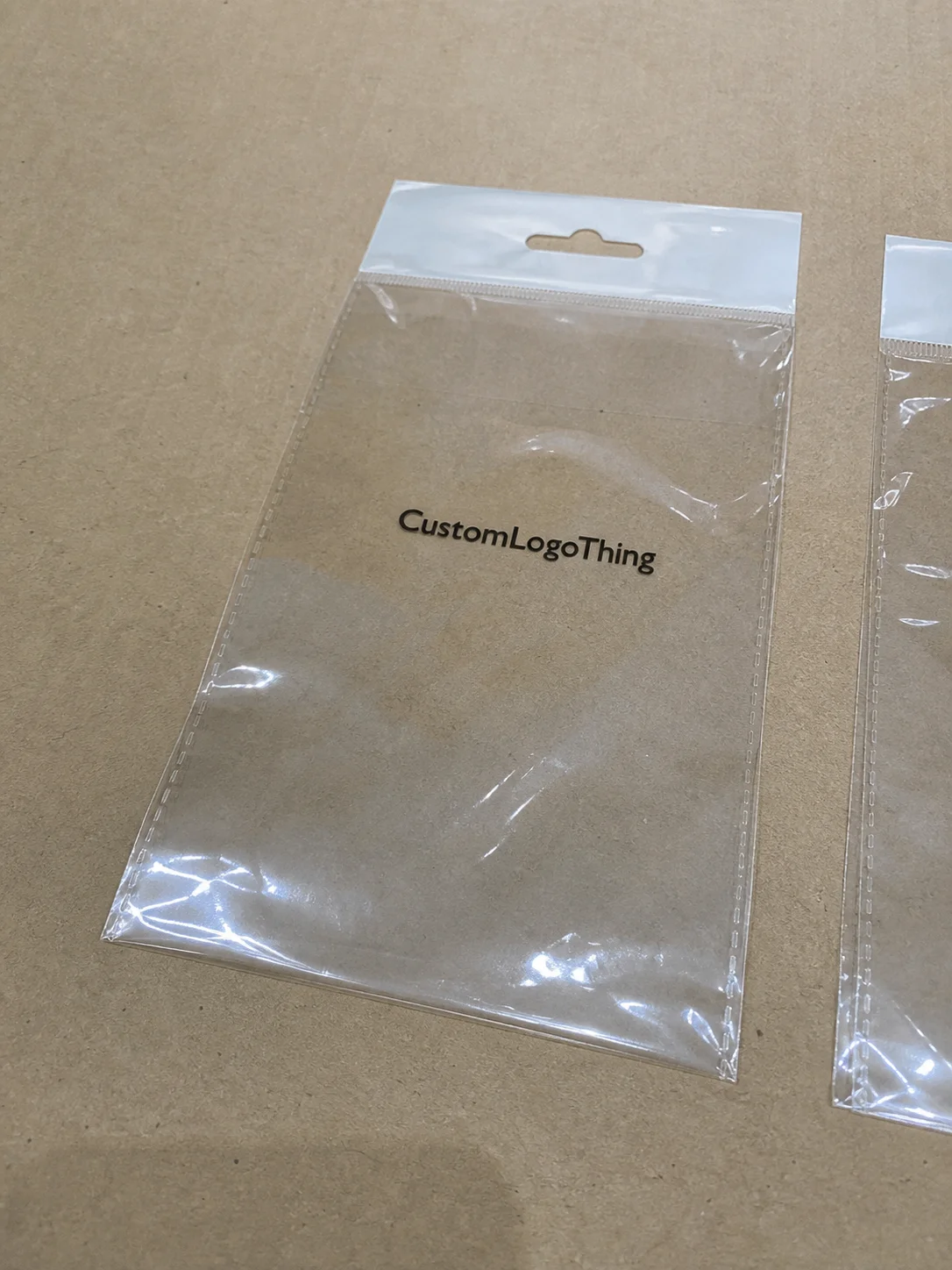
Paper bags belong in retail packaging where carryout matters. A paper bag with twisted handles, 1-color flexographic print, and a modest kraft stock can carry branding far more effectively than people expect, especially if the logo is placed on both sides with clean margins. I have seen boutique shops in Austin and Manchester use packaging branding affordable paper bags that cost far less than laminated shopping bags, often around $0.15 to $0.28 per unit at 5,000 pieces, yet the customer still walked out with a polished, recognizable package. It is funny how often a simple bag ends up doing more brand work than a complicated display box.
Rigid boxes do have their place, but they are not always the smartest answer for budget-sensitive brands. If your product needs a premium gift presentation, a rigid box with paper wrap can work well, but the cost structure rises quickly once you add wrap labor, trays, and specialty finishing. For many brands, custom printed boxes in SBS or kraft board deliver a better balance between looks and spend, especially when sourced from a folding-carton factory in Dongguan rather than a hand-gluing line in a higher-cost city.
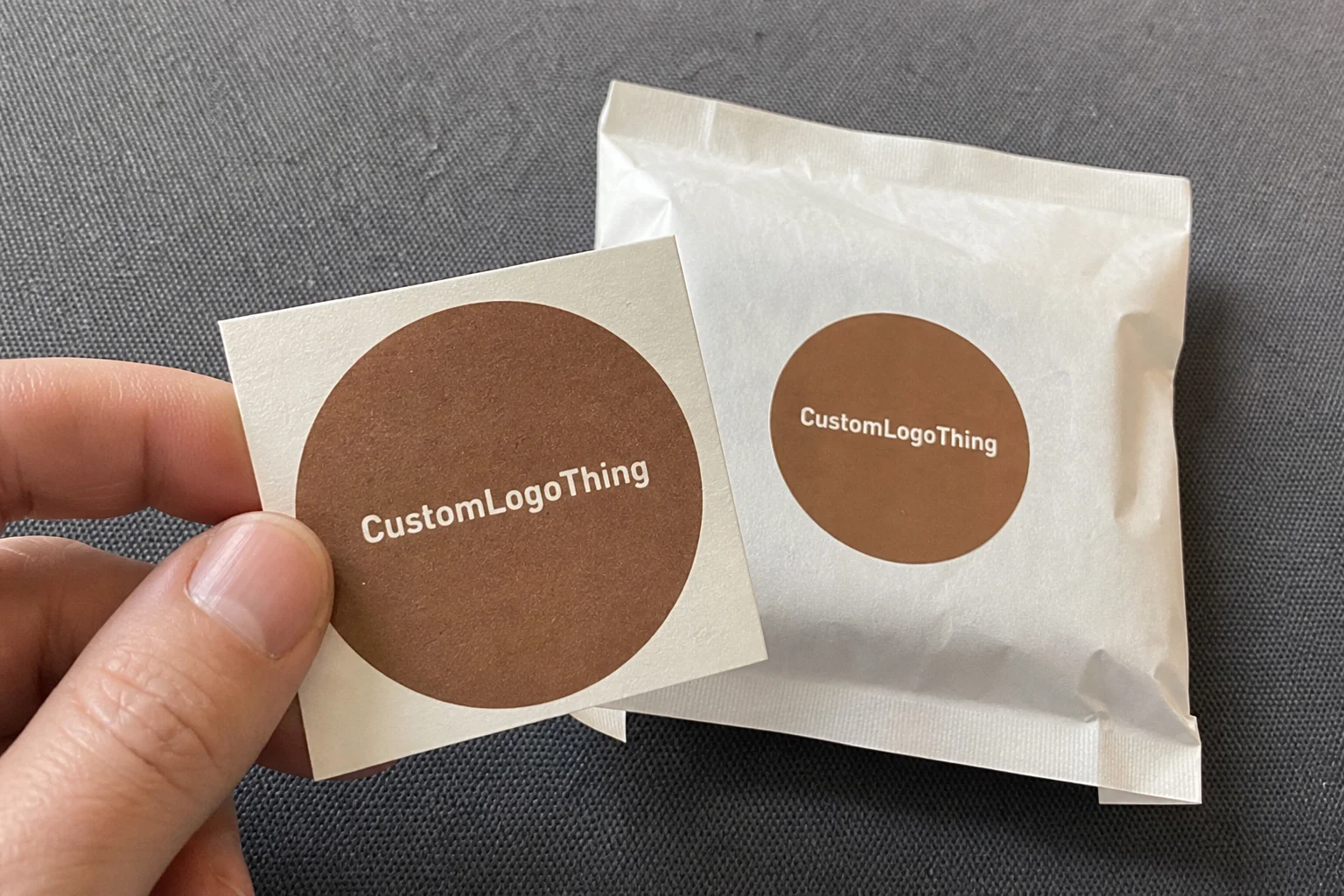
Labels and hang tags are often the fastest route to package branding when the primary package is already in place. A pressure-sensitive label on a stock jar, pouch, or bottle can create a consistent brand identity at a low setup cost. If you need to see options, our Custom Labels & Tags page shows how a small printed component can do a lot of heavy lifting for packaging branding affordable, with short-run digital label pricing often starting around $0.04 to $0.09 per unit depending on size and finish.
Here is the practical breakdown I give clients:
- Folding cartons for cosmetics, supplements, and retail-ready shelf packs.
- Mailer boxes for e-commerce shipping, kits, and subscription programs.
- Paper bags for retail carryout and point-of-sale branding.
- Sleeves for wrapping stock boxes, cups, trays, or existing packaging.
- Hang tags for apparel, accessories, and lightweight add-on branding.
- Pressure-sensitive labels for jars, bottles, pouches, and flexible containers.
Print method matters just as much as format. A 1-color flexographic print on kraft corrugated can keep package branding affordable for large runs, while CMYK offset print gives tighter detail for folding cartons and retail packaging. Hot stamping can still be used, but I usually recommend it on a small logo area instead of a full-panel treatment. Digital print is valuable for short runs and SKU testing because it cuts plate costs and supports faster design changes, though the per-unit price can be higher if quantities climb past 2,000 to 3,000 pieces.
Material choice changes everything. SBS paperboard feels cleaner and prints brighter than brown kraft, which is why it is common in branded Packaging for Beauty and food supplements. Kraft board sends a more natural message and can lower perceived waste, which is useful for eco-minded positioning. Coated paper wraps and gloss varnish can lift the appearance of a simple box, but they also change cost, rub resistance, and recyclability, so the application needs to match the channel. A 350gsm C1S artboard with a matte aqueous coat, for example, can deliver a far sharper shelf read than uncoated stock without adding the expense of film lamination.
Little features can improve presentation without blowing the budget. Tear strips make mailers easier to open. Window patches show the product without requiring a full box redesign. Simple paperboard inserts keep items from rattling during transit. A tuck flap, crash-lock bottom, or auto-bottom carton can improve assembly speed and reduce glue labor. These are the details that make packaging branding affordable feel purposeful rather than improvised, and they often add only $0.02 to $0.06 per unit when planned from the start in a factory in Foshan or Wenzhou.
Specifications That Control Brand Impact and Cost
Size is the first cost control lever, and it is often the one buyers ignore until freight bills arrive. A carton that is 4 mm too tall can force extra filler, slower packing, and more warehouse space per unit. Tight sizing also improves shelf fit and makes the packaging look intentional. In packaging branding affordable projects, I almost always push for the smallest practical internal dimensions once the product tolerances are confirmed, because a 1 mm adjustment in board blank size can save thousands of dollars across a 30,000-unit run.
Board caliper matters too. A 300gsm SBS board may work for lightweight cosmetics, while a thicker 400gsm board or an E-flute corrugated structure is better for heavier items or shipping cartons. If the board is too light, the package can crush at the corners and the brand looks careless. If it is too heavy, the price rises and the package may feel overbuilt for the item inside. For a 120 ml serum carton, I often specify 350gsm C1S artboard with a 1.2 mm greyboard insert if the bottle is glass and the brand wants a tight retail presentation.
Finish selection is where many buyers overspend. Matte finishes usually feel more modern and can hide fingerprints better than gloss, while gloss coatings can make colors pop and improve visual contrast. Aqueous coating is often a smart middle ground because it offers protection without the higher cost and heavier feel of film lamination. If the product is going through humid storage or rough distribution, lamination may still be justified, but I would not pick it by default. I have seen too many projects where the finish budget got treated like a buffet, and the result was a carton that cost $0.14 more per unit than it needed to.
For branded packaging, ink coverage deserves careful attention. Large solid panels use more ink and can reveal banding if the press setup is weak. Fine type needs enough contrast, especially when the artwork includes legal copy, ingredient panels, or retail barcodes. PMS color matching helps keep the brand identity stable across reruns, and that matters when your cartons are printed in one plant and your labels or inserts are printed elsewhere, such as a carton line in Shenzhen and a label converter in Zhejiang.
On a production line, I have seen dieline accuracy make or break a job. If the safe area is off by 2 mm, a barcode can land on a fold or a logo can disappear into a crease. That is not a theory; that is a reprint. Before approving any packaging design, I make sure the bleed, fold lines, closure zones, and barcode placements are confirmed against the physical dieline, then I ask for a folded sample or white dummy before the print run begins.
Structural details also affect both look and spend. A standard tuck-end carton may cost less than an auto-bottom style because it is simpler to manufacture. A crash-lock bottom adds speed in packing, which can save labor on the customer side. Scored folds reduce cracking on coated stocks, which helps the package keep a clean edge. These things do not sound glamorous, but they are exactly where packaging branding affordable gains its edge, especially when labor rates in a converting plant near Suzhou are lower than hand-assembly rates in a premium finishing shop.
For companies trying to align with material stewardship goals, there are credible resources worth reviewing, including the EPA guidance on containers and packaging and the Forest Stewardship Council for responsibly sourced paper options. Those references are useful because package branding choices increasingly connect to supply chain expectations, not just shelf appearance, and many buyers now ask for FSC-certified board on projects over 10,000 units.
Pricing, MOQ, and Where Savings Actually Come From
Pricing for Packaging branding affordable is driven by five main variables: material, print process, quantity, finishing, and tooling. If a job needs a custom die, multiple inks, foil, and lamination, the total will rise. If the design uses a standard dieline, one or two colors, and a common board grade, the unit cost can drop fast. Buyers often ask for “cheap packaging,” but what they usually need is a package that hits a target price without damaging presentation, such as a folding carton at $0.28 per unit for 10,000 pieces instead of a rigid box at $1.45.
Minimum order quantity affects the math more than most people expect. A lower MOQ gives you flexibility, but each unit carries more setup burden because the plates, dies, proofing, and machine setup are spread across fewer pieces. Higher quantities typically reduce per-piece pricing, though they also create inventory commitment. If a brand is still testing the market, I usually recommend a moderate run rather than locking up cash in 50,000 cartons before product-market fit is proven. A 3,000- to 5,000-piece run often gives enough data without forcing the warehouse in Chicago or Hamburg to hold four months of inventory.
To keep packaging branding affordable, standard sizes are one of the best tools. If your product can fit into an existing die size, you may avoid custom tooling and reduce waste. Limiting the print to 1 or 2 colors can also help, especially on kraft stocks where the natural paper tone does part of the visual work. Avoiding full-panel specialty finishes, heavy embossing, or complex inserts can save both material and labor, sometimes by $0.05 to $0.20 per unit depending on the format.
Here is a practical pricing framework I have seen hold up across many packaging projects:
- Simple labels: usually the lowest-cost branded option, especially for shorter runs.
- Folding cartons: moderate cost, with strong value for shelf presentation.
- Kraft mailers: efficient for shipping-focused brand programs.
- Rigid boxes: higher cost because of structure, wrap, and labor.
- Special finishes: best used selectively on logos or focal points, not everywhere.
When comparing quotes, make sure you know what is included. Plates, dies, proofing, sampling, and shipping can be listed separately or bundled, and that changes the true landed price. I once sat in a supplier meeting where the “low” quote looked attractive until the buyer realized the freight, die charge, and one-time prepress fees had not been added. The final number was not low at all. Packaging branding affordable only works if the quote is compared apples to apples, which sounds obvious until you are staring at three spreadsheets and one of them is quietly lying. A quote that reads $0.24 per unit can become $0.37 once you add a $180 die, $95 in prepress, and $260 freight.
There is also a real savings opportunity in ordering multiple SKUs together when the structure is the same. If you have one carton shape and three artwork versions, you can often reduce setup friction and keep the packaging system consistent across a product family. That is a smart move for brands that want package branding consistency without paying for three separate engineering programs. In one Brooklyn skincare line, three SKUs sharing one dieline saved nearly $1,200 in tooling and reduced approval time by six business days.
For buyers trying to understand broader packaging economics, the industry resources at the Packaging Association site are worth a look because they cover material trends, sustainability topics, and manufacturing realities. I find that useful when a client wants to align branded packaging with both cost control and category standards, especially if the project is being sourced from plants in Guangdong, Pennsylvania, or the Midlands.
Process and Timeline From Dieline to Delivery
The production process usually starts with discovery: product size, shipping method, brand goals, and the target budget. After that comes quotation, then dieline confirmation, then artwork setup. If the dieline is wrong, everything downstream slows down. Packaging branding affordable depends on getting the structural file right before design hours pile up, because fixing a bad dieline after the team has already built out the artwork is a headache nobody enjoys. In most factories, that means confirming internal dimensions, board thickness, and closure style within the first 24 to 48 hours.
Proofing is the next major checkpoint. Flat digital proofs are useful for checking copy, layout, and barcode placement, but they do not show how the package feels in hand. Physical prototypes and pre-production samples take more time, yet they are worth it when the structure is new or the product is fragile. I have seen one sample save a 10,000-unit reprint because the client noticed that a flap interfered with a tray edge during manual packing. One tiny fold, one huge sigh of relief. A prototype from a Shanghai sample room can usually be turned in 3 to 5 business days, depending on whether the job needs a printed mockup or a white dummy.
Lead time changes based on print method and finish complexity. Offset printing with die-cutting and coating is often efficient for mid-size runs, while digital print can shorten the setup path for short runs and urgent SKU tests. If you add foil, embossing, window patching, or special glues, the schedule usually extends. Overseas production can be cost-effective, but transit time and customs clearance must be planned into the calendar. Domestic production can move faster, especially if the brand is in a rush to launch a retail program. For a carton run from proof approval, 12 to 15 business days is a realistic factory timeline, while ocean freight to the U.S. West Coast can add 18 to 24 days depending on port congestion.
Here is the workflow I recommend for most buyers:
- Confirm product dimensions and target quantity.
- Choose a box style or package format.
- Review the dieline and structural recommendations.
- Approve artwork with bleed, safe area, and barcode placement.
- Request a proof or sample before production.
- Confirm material, finish, and shipping instructions.
- Track production milestones until packing and dispatch.
Communication milestones matter because delays rarely happen in the pressroom alone. A buyer who takes five days to approve a proof can lose a production slot. A missing logo file can stall artwork setup. A last-minute color change can require a revised plate. Packaging branding affordable is not just about low material cost; it is about reducing avoidable delays that create hidden expense. In a 20,000-unit run, a single revision cycle can add 2 to 4 business days and increase admin cost by $75 to $150.
When I visited a converting plant in the Midwest, the production manager told me his biggest time sink was not the machine speed. It was artwork confusion. Wrong revision numbers, unclear file naming, and unconfirmed barcode versions were the things that pushed shipments off schedule. That holds true whether the job is small or large, and it is one of the reasons I push clients to organize specs before requesting quotes. A clean file name like BrandName_500ml_Box_v04.ai can prevent far more trouble than people expect.
Why Choose Custom Logo Things for Affordable Branding
Custom Logo Things is a good fit for buyers who want practical Packaging Branding Affordable Solutions rather than inflated promises. The advantage of working with a team that understands carton converting lines, flexographic presses, offset printing, and die-cutting equipment is simple: you get advice that reflects how packaging actually runs on the floor, not just how it looks in a render. That matters whether the job is a 2,500-piece label order or a 30,000-piece carton program.
In my experience, a lot of cost savings come from the right recommendation at the beginning. If a client wants a premium look on a budget, I would rather suggest a smarter paperboard selection, a more efficient print setup, or a better insert design than push a flashy finish that adds cost without improving sell-through. That is where real manufacturing guidance matters, and frankly, it saves everyone from pretending a pricey effect will fix a weak structure. A move from soft-touch lamination to matte aqueous coating can reduce cost by 8% to 15% while keeping the visual tone clean.
Custom Logo Things can also help brands standardize packaging systems across SKUs, which is one of the most effective ways to protect margin. A family of products that shares one carton size, one print style, and one insert format is easier to source, easier to store, and easier to scale. That matters whether you are shipping 500 units a month or 50,000. It also makes reordering simpler, because the same dieline can be used again with only artwork changes, often saving 3 to 7 days of engineering time on repeat runs.
For buyers comparing options, our Custom Packaging Products page is a useful starting point because it shows how different package styles support different sales channels. If you want to see how those choices play out in real projects, our Case Studies section gives a clearer picture of what changed, what it cost, and what the final package achieved in the market. In one case study, a switch from a 2-piece rigid box to a folding carton reduced unit cost from $1.08 to $0.44 at 12,000 pieces.
Trust comes from clear specs and direct quoting. I prefer a quote that names the board grade, print method, finish, MOQ, and lead time rather than a vague estimate that shifts later. That kind of clarity helps buyers make fast decisions and keeps packaging branding affordable from the first conversation to the final shipment. A precise quote from a factory in Shenzhen or Hangzhou should tell you whether you are paying for 300gsm C1S artboard, a 1-color print, and a 14-business-day turnaround, not just “custom packaging.”
That is what most brands need: a partner who can say, “Yes, we can do that, but here is the version that protects your margin better.” That kind of answer is grounded in factory reality, and it usually saves more money than a flashy proposal ever will. I have seen that advice turn a $2.10 gift box into a $0.58 carton that sold just as well because the hierarchy, board choice, and print discipline were all stronger.
Next Steps to Launch Packaging Branding Affordable
If you are ready to move forward, prepare a simple spec sheet first. Include the product dimensions, target quantity, logo files, brand colors, finish preference, shipping needs, and any retail compliance requirements. The better the starting information, the more accurate the quote will be, and the faster packaging branding affordable can move from idea to production. If possible, add the target board thickness, such as 350gsm C1S artboard or 1.5 mm greyboard, so the factory can quote more accurately from the start.
I also recommend asking for two quote paths. One can be the budget version using a standard structure and limited print colors, and the other can be the upgraded version with a more polished finish or premium board. Seeing both side by side makes it much easier to judge whether a 9-cent upgrade actually adds value to the customer experience or just raises cost. Sometimes the nicer option is worth it; sometimes it is just a very expensive way to make the accounting team squint. On a 20,000-piece order, that 9-cent difference becomes $1,800 very quickly.
Start with one hero SKU if your brand is still shaping its packaging system. One carton size, one label format, or one mailer style can establish the design language before you expand into a broader product line. That is how many strong package branding programs begin: focused, measured, and built on repeatable standards rather than scattered one-offs. A single well-executed 500ml bottle carton in one factory run can set the template for an entire range.
Ask for the dieline, a material recommendation, and a sample option before approval. If the package is a folding carton, check the fold lines and closure style. If it is a mailer, verify the opening and shipping performance. If it is a label project, confirm adhesive type, roll direction, and applicator compatibility. These details may seem small, but they are the difference between a package that looks good on screen and one that works in the warehouse. A label on a 3-inch core with a 0.25-inch gap, for example, is a different production decision than a sheet-fed sticker, and the wrong format can stall an entire bottling line.
Packaging branding affordable is a practical goal, not a compromise. With the right specs, the right print plan, and a clear view of your sales channel, you can build branded packaging that supports the product, protects the budget, and still feels polished in the customer’s hand. If you are ready to get a quote, send the specs to Custom Logo Things and start with the version that makes the most sense for your margins first. In many cases, the best starting point is a 5,000-piece test run produced in Dongguan, quoted at a real landed cost, and approved within 48 hours of receiving the proof.
The takeaway is simple: start with the structure, not the sparkle. Lock the size, choose a sensible board, keep the print plan tight, and ask for a sample before you commit to a full run. That is the cleanest path to packaging branding affordable, and it usually leaves you with better margins, fewer surprises, and a package that does its job without acting fancy for no reason.
Packaging Branding Affordable: decision table
| Decision area | Best fit | What to verify | Risk if skipped |
|---|---|---|---|
| Product fit | Protection, display, and unboxing consistency | Measurement, tolerance, material, and sample approval | A nice design fails because the product fit was guessed |
| Brand presentation | Logo visibility, finish, and customer perception | Print method, color target, texture, and proof review | Packaging protects the item but does not sell the brand |
| Operations | Packing speed, storage, shipping, and reorder control | Carton count, warehouse label, and repeat spec | The package is attractive but hard to pack or reorder |
FAQs
How can packaging branding affordable still look professional?
Answer: Use clean typography, disciplined logo placement, and a limited color palette instead of depending on expensive finishes. Choose the Right structure and paperboard for the product so the package feels intentional, not improvised. In many cases, a simple folding carton with accurate print registration on 350gsm C1S artboard looks more professional than a crowded premium box, especially when the job is produced in a well-controlled offset line in Shenzhen or Suzhou.
What is the cheapest packaging option for branded products?
Answer: Simple folding cartons, kraft mailers, and printed labels are often the most cost-efficient branded options. The lowest cost usually comes from standard sizes, fewer print colors, and minimal finishing. If your product can work with a stock-like structure and a single logo print, packaging branding affordable becomes much easier to achieve, with some label projects starting around $0.04 per unit and basic mailers around $0.15 to $0.22 at 5,000 pieces.
What MOQ should I expect for affordable custom packaging branding?
Answer: MOQ depends on the packaging type and print method, but larger quantities usually reduce unit cost significantly. Digital or short-run options may have lower minimums, while offset and flexo jobs often need higher volumes. The best MOQ is the one that balances unit price with the amount of inventory you can realistically hold, whether that means 2,000 cartons for a launch test or 25,000 for a stable SKU.
How do I keep printing costs down without hurting brand quality?
Answer: Limit the number of inks, avoid full-coverage specialty finishes, and use standard dielines where possible. Approve accurate artwork early so revisions do not add extra prepress or sampling costs. In my experience, packaging branding affordable stays strongest when the design is simplified before it reaches the pressroom, and a 2-color print with aqueous coating often delivers better value than a heavily embellished treatment.
What files do I need to get a quote for packaging branding affordable?
Answer: Provide product dimensions, estimated quantity, logo files, brand colors, and any print or finish preferences. If available, include a dieline, reference packaging photo, or retail or shipping requirement to improve quote accuracy. The more specific your input, the more useful the quote will be for comparing options and protecting margin, especially if you want factory pricing that includes board grade, finish, lead time, and shipping from the outset.