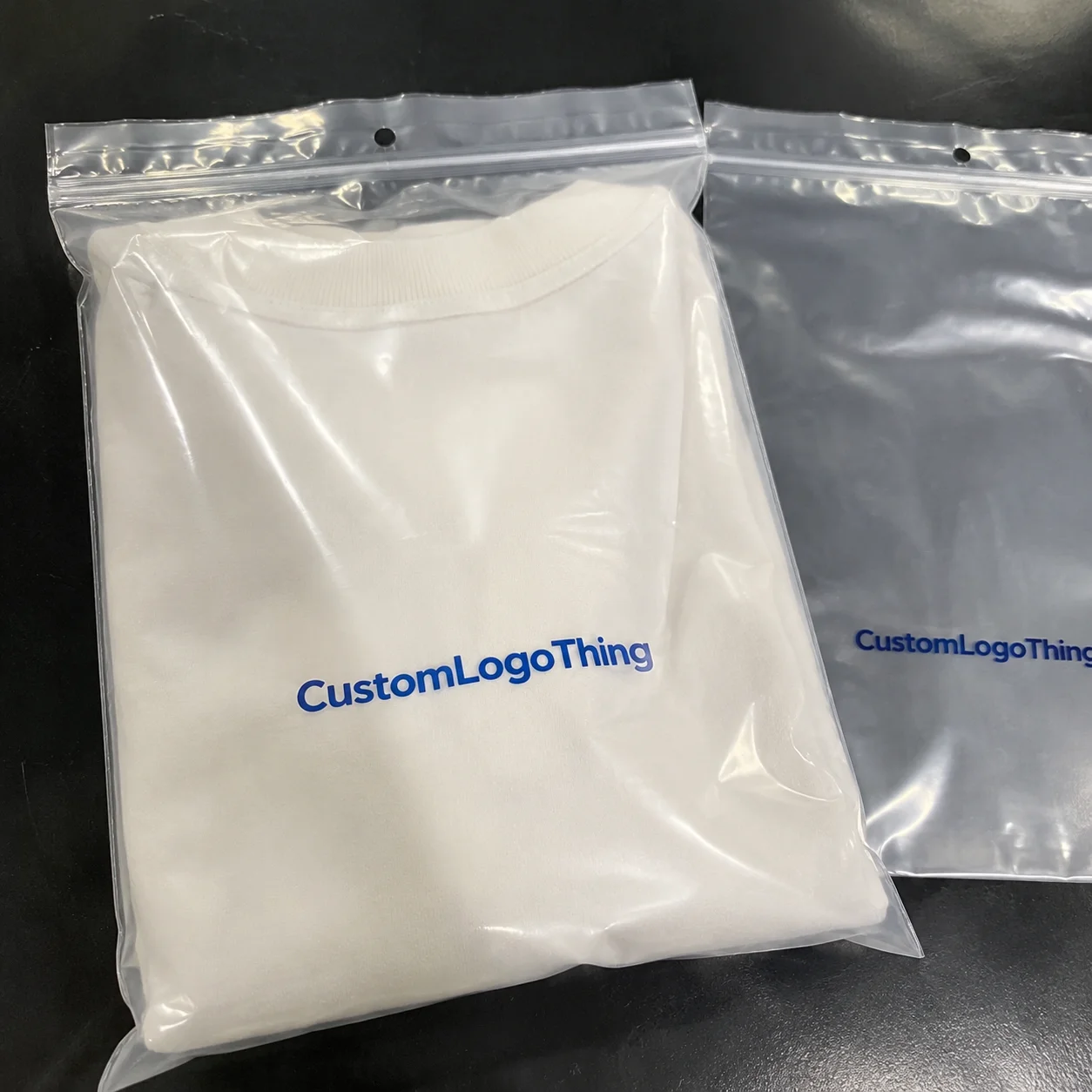
Buyer Fit Snapshot
| Best fit | Packaging Branding Affordable projects where brand print, material claims, artwork control, MOQ, and repeat-order consistency need to be specified before quoting. |
|---|---|
| Quote inputs | Share finished size, material target, print colors, finish, packing count, annual reorder estimate, ship-to region, and any compliance wording. |
| Proofing check | Approve dieline scale, logo placement, barcode or warning zones, color tolerance, closure strength, and carton packing before bulk production. |
| Main risk | Vague material claims, crowded artwork, missing packing details, or unclear freight terms can make a low unit price expensive after revisions. |
Fast answer: Packaging Branding Affordable: Artwork Proof, Packing Count, and Landed Cost should be specified like a repeatable production item. The safest quote records material, print method, finish, artwork proof, packing count, and reorder notes in one written spec.
Production checks before approval
Compare the actual filled-product size with the drawing, then confirm tolerance on folds, seals, hang holes, label areas, and retail display edges. Reserve space for logos, QR codes, warning copy, and material claims before decorative graphics fill the panel.
Quote comparison points
Review material grade, print process, finish, sampling route, tooling charges, carton quantity, and freight assumptions side by side. A quote is only useful when the supplier can repeat the same color, closure quality, and packing count on the next order.
Packaging branding affordable is not about stripping your product down until it feels cheap; it is about making smart decisions in the pressroom, on the gluing line, and even in the carton pack-out room so the customer sees intention, not compromise. I have stood on enough factory floors in Dongguan, Ningbo, and Shenzhen to tell you that some of the strongest brand impressions come from a clean dieline, a solid board grade, and one disciplined print color, not from piling on foil, embossing, and soft-touch lamination just because they sound premium. On a 5,000-piece run, that difference can mean $0.15 per unit instead of $0.38 per unit, which is a very different conversation when finance joins the call.
Honestly, packaging branding affordable gets misunderstood because people confuse visual noise with brand impact. A well-made corrugated mailer with a sharp one-color logo can feel more confident in hand than an overloaded rigid box with four finishes fighting each other. What matters is brand identity, structural consistency, and how the package opens, folds, and presents the product in the first three seconds of the unboxing experience. If the customer sees a clean reveal in 12 seconds and the box closes square every time, that beats a fancy mockup that costs $2.10 a unit and arrives dented.
When I visited a folding-carton plant outside Guangzhou last spring, the production manager showed me two runs side by side: one with six colors, spot UV, and two custom inserts, and another with a single PMS color on 350gsm SBS board with an aqueous coat. The second one moved faster, had fewer rejects, and still looked cleaner on shelf because the client had clear packaging design rules. That job went from proof approval to packed cartons in 14 business days, and the simpler run also reduced scrap by roughly 8% because there were fewer setup variables and less chance for print drift.
Packaging Branding Affordable: Why Low-Cost Does Not Mean Low Impact
In a lot of supplier meetings, I hear the same concern: “If we keep the budget low, will the packaging look weak?” My answer is usually no, provided the structure, graphics, and finishing are chosen with discipline. Packaging branding affordable works best when the box does one job very well instead of trying to do five jobs badly. A simple folding carton with a crisp tuck flap and a clean matte varnish can communicate more confidence than a crowded premium box that never quite closes properly. I saw that exact thing in a Suzhou sampling room on a Thursday afternoon, where the $0.29 carton looked better than the $1.60 version because the simple one aligned properly and did not fight itself.
The key is to separate perceived value from actual production cost. A consumer does not calculate paper caliper or print setup charges when they open a product. They notice weight, fit, texture, and whether the logo sits where it should. A kraft rigid-style wrap can feel earthy and handmade, while a corrugated mailer can feel sturdy and practical. Neither has to be expensive to support packaging branding affordable if the message matches the product. If your box uses a 1.5mm grayboard wrap with 157gsm art paper and one hot-stamped logo, that can feel more deliberate than a full-color box with no structural logic.
I remember a subscription brand I helped in a client meeting in Xiamen. They wanted rose-gold foil on every panel, but their monthly order was only 3,000 units and their margin was tight at $2.40 per box. We switched to a one-color black print on E-flute with a clean internal reveal, and the customer response improved because the unboxing was calmer and the box looked intentional. The production quote dropped from $1.18 per unit to $0.47 per unit, and the lead time tightened to 13 business days from proof approval because we removed two extra finishing passes. That is packaging branding affordable in real life: fewer moving parts, fewer defects, better story.
Another thing most people get wrong is thinking branding means decoration. It does not. Branding means recognition. If your logo is legible at 1.5 meters, your color is consistent across cartons and labels, and your box opens in a predictable sequence, you are building trust. That is why packaging branding affordable often starts with strong package branding rules, not with expensive effects. The irony? The “simple” version usually takes more discipline, a tighter spec sheet, and fewer last-minute panic emails from marketing at 6:30 p.m.
For brands selling through retail packaging, the shelf impression must work from three feet away, under mixed lighting, often next to ten competitors with louder graphics. For ecommerce, the outer mailer has to survive handling while still delivering a neat reveal. Packaging branding affordable is simply the practice of aligning those needs with a budget that leaves room for product margin. If your launch budget is $8,000 and the box eats $3,500 of it, that is not smart branding. That is self-inflicted pain.
“A cheap box looks expensive when it is well drawn, well cut, and well glued. A pricey box looks cheap the moment the flap fails or the print drifts 2 millimeters.” — what I told a client in our Shenzhen sampling room after checking a rejected run
For more background on packaging and material choices, I often point buyers to the Packaging Association because it helps frame the basics of material performance, recovery, and print compatibility. That knowledge makes packaging branding affordable decisions much easier to defend inside a finance meeting, especially when a procurement manager in Shanghai wants a justification for moving from a $0.22 board to a $0.27 board because it scores cleaner on a 4-color carton.
Packaging Branding Affordable Product Options That Deliver Value
Packaging branding affordable starts with choosing the right format for the product and the sales channel. Not every brand needs a rigid box. Not every product deserves a mailer. I have seen teams save thousands simply by matching the package type to the use case instead of forcing a luxury structure onto a budget launch. Honestly, this is where a lot of projects go sideways: someone falls in love with a fancy mockup, and then the quote arrives like a slap in the face. A box that costs $1.95 to make is not “affordable” if the product inside retails for $9.99.
Folding cartons are often the first stop for brands that want retail packaging with good print quality and controlled costs. They work well for cosmetics, supplements, small electronics, and lightweight food items. On a 350gsm SBS board, you can get sharp offset printing, decent rigidity, and efficient packing in shipping cartons. For packaging branding affordable, folding cartons are hard to beat when the product is light and the shelf story is simple. In factories around Dongguan and Foshan, I usually see a 5,000-piece carton run quote between $0.12 and $0.42 per unit depending on size, coating, and whether the layout uses one or two print sides.
Corrugated mailer boxes are another strong option, especially in E-flute or B-flute depending on crush requirements. They give you structure and shipping protection in one unit, which is why ecommerce brands love them. If you print one or two colors with flexo, you can keep the cost low while still producing a branded Packaging Experience That feels deliberate. I have seen mailers outperform more expensive boxes simply because they survive the courier chain better. On a 3,000-piece run in Ningbo, a two-color mailer on E-flute often lands around $0.28 to $0.85 per unit, and that is before anyone starts pretending a luxury rigid box is necessary.
Kraft paper has its own place in packaging branding affordable projects. It gives a natural look, accepts simple graphics well, and pairs nicely with black, white, or dark green ink. You do have to respect the substrate, though. Kraft is not the best choice for tiny type or photographic images, and if you want a perfectly clean white background, it can work against you. But for handmade goods, coffee, apparel accessories, and eco-positioning, it does a lot with very little. I have seen a 120gsm kraft wrap with a black logo outperform a far pricier printed sleeve because the brand story felt honest.
Recycled chipboard is often overlooked, especially by startup teams. It can be an excellent fit for sleeves, insert cards, and lightweight cartons where budget matters and the visual story can stay minimal. It is also useful when the brand wants to emphasize responsible sourcing without stepping into a premium rigid-box budget. Packaging branding affordable can absolutely include recycled board if the print and construction are kept tight. A 400gsm recycled chipboard sleeve with a single-color print can come in at $0.06 to $0.20 per unit at 10,000 pieces if the dimensions are standard and the print coverage stays restrained.
For brands that already use stock packaging, labels and sleeves can be the smartest entry point. This is especially true if you are testing a new market and do not want to commit to a full custom printed box run. A high-quality label on a standard jar or pouch can carry strong brand identity while preserving cash for ads, photography, or inventory. We offer Custom Labels & Tags for that exact reason: sometimes the lowest-cost branding move is also the most strategic. A 10,000-piece label run in Shenzhen can start at roughly $0.03 to $0.14 per unit, which is a lot easier to stomach than a fully custom rigid setup.
| Packaging Format | Best Use | Typical Cost Range | Branding Strength | Notes |
|---|---|---|---|---|
| Folding carton | Retail product packaging, cosmetics, supplements | $0.12–$0.42/unit at 5,000+ pcs | High | Good print detail, efficient for shelf presentation |
| Corrugated mailer | Ecommerce and subscription boxes | $0.28–$0.85/unit at 3,000+ pcs | High | Combines protection and branding in one box |
| Rigid box | Gift sets, premium launches | $1.20–$4.50/unit at 1,000+ pcs | Very high | Premium feel, but not the first choice for budget-sensitive runs |
| Printed sleeve | Stock boxes, jars, and pouches | $0.06–$0.20/unit at 10,000+ pcs | Moderate | Excellent for quick branding without changing the base pack |
| Labels/tags | Existing stock packs, secondary packaging | $0.03–$0.14/unit at 10,000+ pcs | Moderate | Fast, flexible, and often the lowest entry cost |
For buyers looking at material and format decisions, I always recommend keeping an eye on how the product will move through warehousing, display, and shipping. A gorgeous rigid box that gets crushed on pallet wrap is not good packaging branding affordable. A simpler carton that stacks cleanly may outperform it in both cost and customer satisfaction. In one warehouse visit in Guangzhou, I watched a pallet of oversized gift boxes collapse under its own void space; the replacement carton, one size smaller and made from 1.8mm corrugated, cut freight volume by 11% and held up better in transit.
There is also a practical sustainability angle here. If you can reduce overpackaging, right-size the carton, and choose a recyclable substrate with FSC certification, you often lower freight costs too. That is why I often point people to FSC when they want to understand how certified fiber sourcing can support both brand story and responsible procurement. Packaging branding affordable should not ignore that connection. A board sourced from certified mills in Guangdong or Zhejiang can still be budget-friendly if the order size is right and the spec is not overengineered.
Packaging Branding Affordable Specifications That Affect Cost and Appearance
If you want packaging branding affordable, you need to get specific early. The quote does not start with “I need a nice box.” It starts with dimensions, quantity, board choice, print coverage, and how the finished pack ships. When those details are vague, pricing gets padded, samples get delayed, and revisions eat money. On one project in Shenzhen, the client left out the inner depth by 8 mm, and that tiny omission turned a $0.24 carton into a retooling headache that added four days and a new die charge.
Dimensions matter more than most buyers think. A difference of 6 mm in width or height can change board usage, tray layout, and shipping density. On a 20,000-unit run, that small change may affect how many cartons fit per master case and how many master cases fit per pallet. I have watched a packaging line in Dongguan lose nearly half a day because the carton height was adjusted late and the nesting pattern no longer matched the die layout. That kind of mistake is expensive, and it is completely avoidable. If the outer size changes, the board map changes too, and suddenly the quote you approved in Ningbo is no longer the quote you get.
Board caliper affects both feel and performance. A 300gsm paperboard can work for a lightweight cosmetic carton, while a 350gsm or 400gsm board may be better for a heavier product or a box that must stand up in retail display. For corrugated structures, the flute profile matters just as much. E-flute gives a thinner, cleaner look; B-flute gives more crush resistance. Packaging branding affordable improves when the substrate is selected for the real handling environment, not for a mood board. A 350gsm C1S artboard with an aqueous coat will feel very different from a 320gsm folding board with no coating, and the price will show it.
Print coverage is another major driver. A full-bleed CMYK box with deep solids, gradients, and photographic detail costs more than a one-color or two-color design. Spot colors are often economical and predictable, especially when your brand palette is simple. I have seen clients spend too much trying to recreate complex artwork on a budget that would have supported stronger typography and better contrast instead. That is one of the first lessons in practical packaging design: control the art, and the process gets easier. In many Guangzhou print shops, switching from full CMYK coverage to one PMS color plus a blank panel can shave 10% to 18% off the production quote.
Finishing decisions also matter. Aqueous coating is usually more budget-friendly than soft-touch lamination, and a straightforward matte varnish can look clean without adding much cost. Foil stamping, embossing, debossing, and spot UV all raise the unit price because they add tooling, labor, or extra process time. I am not saying never use them. I am saying use them where they actually improve recognition. For packaging branding affordable, the best finishing is often the one that lets the structure and typography do the talking. A simple matte varnish on a 5,000-piece carton in Dongguan might add $0.03 to $0.06 per unit; spot UV can add more if the plate area is large.
Insert needs can silently push a project out of budget. A simple folding carton with no insert is easy. A thermoformed tray, molded pulp insert, or custom paperboard divider adds complexity. If the product can be secured by a well-designed tuck structure or a single folded insert, you can hold costs down without sacrificing performance. That is especially useful for custom printed boxes used in subscription kits or promotional sets. A molded pulp insert in a 3,000-piece launch may be ideal, but if it adds $0.22 per unit and delays delivery by a week, the budget team is going to notice.
Dieline requirements deserve real attention. If the file is not built correctly, the printer has to adjust, which introduces risk. Clean dielines with proper bleed, safety margin, fold line marking, and glue flap allowance reduce disputes later. Structural consistency also improves shelf presentation, because a box that opens square and closes square reads as higher quality even when the budget is modest. In practice, a dieline approved in Shanghai and cut in Dongguan should be checked against the actual board thickness, not guessed from the art file.
Practical specification checklist
- Final dimensions: outer size and internal fit in millimeters
- Board or substrate: SBS, kraft, chipboard, E-flute, B-flute
- Print method: offset, flexo, digital, or label application
- Color count: one-color, two-color, or CMYK
- Finishing: aqueous, matte varnish, lamination, foil, emboss
- Insert type: none, paperboard, molded pulp, foam, tray
- Packaging format: carton, mailer, sleeve, rigid-style wrap
- Shipping plan: flat packed, pre-glued, master carton count
There is also a sustainability specification that often helps the budget: right-sizing. If your product fits in a smaller carton, you save board, reduce void fill, and cut freight density. EPA guidance on waste reduction is worth a look if your team needs data to back those choices, and I point people to EPA sustainable materials management resources when they want to connect cost reduction with waste prevention. Packaging branding affordable and smarter material use usually go hand in hand, especially when your order moves out of Shenzhen by sea freight rather than air.
Finally, do not ignore tolerance. A box that is 1 or 2 mm out on every panel may still assemble, but it will not always stack well or present cleanly. On a factory floor, that translates into more manual correction, more inspection time, and sometimes more scrap. That is why I keep telling buyers that packaging branding affordable begins before printing ever starts. A 0.5 mm crease shift may look tiny on a PDF and huge on the line.
Packaging Branding Affordable Pricing, MOQ, and Where Savings Really Come From
People often ask me for a single cheap packaging number, and I always push back a little because pricing depends on setup, tooling, size, finish, and quantity. Still, there are patterns. In most factory quotes I review, the biggest cost drivers are setup, dies or plates, board grade, print method, finishing, and insert complexity. If you understand those six points, packaging branding affordable becomes much easier to plan. A carton spec that seems inexpensive at 500 units can look very different at 5,000 units, especially once plate costs are spread across the run.
For example, digital print can be ideal for a 500 to 2,000 unit test run because it avoids plate charges and shortens lead time. Offset printing usually becomes more economical as volume rises, especially on repeated SKUs with stable artwork. Flexo is often a strong fit for corrugated boxes and labels where the image area is simple and repeatability matters. If you are comparing custom packaging products, the hidden cost is often not the print itself; it is the prep behind it. In a plant outside Ningbo, I saw a digital sample approved in 4 business days, while the offset version needed 2 extra days for plate output but then dropped the unit cost by nearly 30% on the 10,000-piece order.
MOQ changes everything. A 1,000-piece rigid box run can look attractive on paper until you compare the per-unit cost with 5,000 folding cartons or 10,000 labels. The larger run spreads fixed costs across more units, so the unit price drops. I once helped a skincare client in a supplier negotiation reduce their box cost from $0.74/unit to $0.31/unit simply by moving from 2,000 to 8,000 pieces and switching from a two-pass finish to a one-pass matte varnish. Nothing flashy. Just solid math. The supplier in Dongguan was happy too, because fewer finishing passes meant less queue time on a line already booked for a hotel amenity order.
Here is where savings really come from:
- Use standard dimensions instead of forcing a custom size that wastes board.
- Limit print colors to one or two if your brand palette allows it.
- Reduce finish layers and reserve premium treatments for hero products.
- Choose one hero SKU first before rolling out multiple variants.
- Keep inserts simple or eliminate them if the structure already protects the product.
- Plan restocks in batches so you can place repeat orders at better pricing.
For startup teams, the smartest budget move is often to launch with one controlled packaging format and then expand. I have watched brands burn cash by creating four box sizes, two sleeve styles, and three label versions before they had steady demand. Packaging branding affordable does not mean under-investing; it means sequencing spend in the right order. A brand in Xiamen once spent $6,400 on three sizes of sleeve Packaging for Products that had not yet sold 500 units combined. That is not strategy. That is expensive optimism.
Seasonal launches need a different approach. If you only need 2,500 units for a holiday set, you may accept a slightly higher unit price to avoid overstock. In that case, packaging branding affordable means protecting cash flow and inventory risk, not only squeezing the lowest quote. A budget that looks good on a spreadsheet can still be wrong if it leaves you sitting on pallets for six months. I would rather see a $0.58 carton for a December promo than a $0.41 carton that occupies half a warehouse in March.
One more practical point: freight can quietly erase savings. A larger, heavier box may cost less to print but more to ship. A flatter structure, better nesting, or a flat-packed shipment format can save real money at the container level. That is why I like to ask where the boxes are going, how they will be stored, and whether the receiving warehouse charges by pallet, cubic meter, or carton count. Good packaging branding affordable always looks at the full landed cost. A carton that saves $0.05 at print but adds $0.11 in freight is not savings. It is accounting theater.
If you want to see how these choices play out across actual client work, our Case Studies page is a useful place to compare real structures, print choices, and production outcomes. You will see how a $0.19 mailer in Foshan can outperform a pricier, overfinished box simply because the spec matched the shipping lane and the product weight.
Packaging Branding Affordable Process and Timeline From Quote to Delivery
A clean process is one of the easiest ways to protect budget. Packaging branding affordable gets harder when a team sends half-finished artwork, waits two weeks to confirm dimensions, and then asks for a rush sample. I have seen jobs stall for reasons that had nothing to do with the factory and everything to do with missing information. And yes, the classic “Can we change the size after sampling?” email always arrives right after everyone else has gone home. Usually at 7:12 p.m. If you know, you know.
The normal workflow starts with inquiry, then moves into dieline review, artwork preparation, proofing, sample approval, production, and shipping. If the product dimensions are clear from the beginning, the quote is more accurate and the sample arrives faster. For simple boxes, a proof can be turned quickly once the artwork is final and the print method is set. For more complex branded packaging, especially with inserts or unusual closures, you need a few more rounds of checking. A straightforward carton built in Shenzhen can often move from approved artwork to first proof in 3 to 5 business days.
Here is the practical timeline I usually see for a straightforward packaging branding affordable project once the details are locked:
- Quote and specs review: 1–2 business days
- Dieline confirmation and artwork prep: 2–4 business days
- Digital proof or physical sample: 3–7 business days
- Production: 8–15 business days after approval
- Outbound freight: depends on lane, carton count, and destination
That is not always the case, of course. If you are using unusual materials, custom inserts, metallic inks, or a large rigid structure, the lead time will be longer. But if the specs are disciplined and the artwork is ready, the process can move very efficiently. A lot of delays happen because the barcode is missing, the logo file is low resolution, or the brand color was approved in one format and sent in another. I wish I could say that was rare. It is not. I have personally watched a two-day delay happen because someone emailed a logo as a screenshot from WeChat.
Before you request a quote, have these items ready:
- Logo files in vector format
- Brand colors in Pantone or CMYK references
- Final dimensions with unit measurements
- Expected quantity by SKU
- Print colors and finish choice
- Insert or divider requirements
- Shipping destination and deadline
- Barcode or compliance text, if needed
Inside the factory, the checkpoints are simple but critical. Prepress confirms artwork registration. Color matching checks ink drawdown against the approved reference. Cutting and creasing verify the die accuracy. Gluing looks at flap alignment and bond strength. Final carton inspection checks scuffing, print drift, and pack-out quantity. That is where packaging branding affordable either holds up or falls apart, and honest quality control matters more than flashy promises. In Guangzhou, I once saw a run paused because the crease line was 1.2 mm off; that pause cost less than letting 4,000 flawed units move forward.
When I visited a mailer line in Shenzhen during a rush season, I watched a production lead stop the line because the glue nozzle was laying down too much adhesive on one flap. That single correction prevented hundreds of units from warping in carton. It was a small decision, but it saved money, time, and customer frustration. That is the kind of operational detail buyers rarely see, yet it is exactly what makes a project affordable in the real sense. The box looked ordinary. The process was not.
Why Choose Us for Packaging Branding Affordable Projects
Custom Logo Things works from the manufacturing side, not from a catalog-only resale model, and that matters when a project needs real control over material, structure, and cost. We understand packaging branding affordable because we deal with the actual moving parts: paperboard selection, print alignment, board utilization, die cost, glue lines, and repeat-order consistency. That factory-floor view helps us guide buyers toward decisions that hold up under production pressure. When a client in Dongguan asks for a 7,500-piece run with a target of $0.26 per unit, we know exactly which variables matter and which ones are just decoration with a bigger invoice.
We can support custom dielines, sample development, print registration, and scalable runs across folding cartons, mailer boxes, sleeves, and rigid-style structures. If a customer needs a simpler path, we can recommend stock-based branding with labels or sleeves instead of overbuilding the pack. If they need more structure, we can tighten the specs so the box still fits budget. That kind of practical support is what makes packaging branding affordable projects work over time. Our typical production cycle for approved simple cartons is 12 to 15 business days from proof approval, which is far more useful than vague promises about quick turnaround.
One of the biggest advantages of a hands-on manufacturer is that we can spot unnecessary cost before the order starts. I have had more than one client send a design with three finishes, a custom insert, and a complicated emboss pattern for a launch that only needed clean shelf presence and a strong logo. We simplified the structure, reduced the print pass count, and kept the customer within target without weakening the look. That is not hype. It is just careful packaging branding affordable planning. On one job in Foshan, that meant moving from a $1.12 unit cost to $0.54 without changing the overall brand feel one bit.
We also pay attention to repeatability. A first order is one thing. The second and third orders tell you whether the supplier really understands the job. If a box opens differently on reorder, or if the ink shade shifts too far, the brand pays for it later. Our quality checks are set up to reduce that risk, and our communication is built around keeping specs stable from one run to the next. That includes checking master carton counts, pallet height, and whether the packaging will store flat or pre-glued in your warehouse in Los Angeles, Singapore, or Manchester.
For buyers who want to explore available structures and materials, our Custom Packaging Products page gives a useful overview of formats we work with regularly. And if you want to see how specific brands solved budget and presentation problems, our Case Studies page shows the kind of packaging design decisions that make a measurable difference. You will see examples built in Shenzhen, Ningbo, and Guangzhou with board specs, finish choices, and actual order quantities instead of marketing fluff.
Honestly, a lot of suppliers talk about premium presentation without understanding production reality. We prefer to talk about board thickness, carton count, shipping format, and what the customer will actually feel in hand. That is how packaging branding affordable becomes reliable, not just attractive on a mockup. A box that looks good in a PDF but costs you $0.19 in rework is not affordable. It is just poorly managed.
Packaging Branding Affordable Next Steps to Get a Quote Right
If you want a serious quote for packaging branding affordable, send the full spec set the first time. The more complete your request, the more useful the pricing will be. Start with the packaging type, then include dimensions, quantity, print colors, finish, insert needs, and delivery address. If you already know your target ship date, include that too, because freight timing can influence how the order is scheduled. A quote for a 10,000-piece order going to California is not the same as one shipping to Rotterdam, and the factory in Shenzhen will price that difference.
I also suggest choosing one hero format first. If you are launching a new line, begin with the pack that matters most to the customer experience, then test variants later. That approach keeps upfront spend under control and helps you learn what actually resonates. For most teams, packaging branding affordable works best when version two is built from real sales data, not from guesswork. I have seen brands save $4,000 to $9,000 on the first launch simply by not forcing three package types into one rollout.
Ask for a sample whenever the product fit or finish is important. A pre-production proof is worth the small delay because it confirms structure, print placement, and assembly behavior. Then confirm carton count per shipment so your warehouse does not receive more or fewer units than expected. Those are simple steps, but they prevent expensive surprises. In practical terms, a sample in 3 to 7 business days can save you from a 3,000-unit mistake that would otherwise take weeks to unwind.
Your best quote request includes:
- Box style or package format
- Exact dimensions
- Order quantity
- Number of print colors
- Finish choice
- Insert or divider needs
- Artwork status
- Destination and timing
If you are still deciding between styles, ask for a recommendation rather than forcing a decision too early. A good manufacturer can usually tell you whether a folding carton, mailer box, sleeve, or label-based solution will support your budget better. Packaging branding affordable is not about winning the lowest quote at any cost; it is about choosing the structure that protects margin and still communicates your brand clearly. A factory in Ningbo can often tell you in one call whether your idea needs 350gsm artboard, E-flute, or just a better label.
Send the brief, review the proof carefully, and keep the design disciplined. That is the path to packaging branding affordable That Actually Works in production, looks good on shelf, and gives your customer a clean first impression without wasting money. If your spec is tight and your timeline is realistic, the difference between cheap and smart becomes very obvious very quickly.
FAQs
How can packaging branding affordable still look premium?
Use strong structure, clean typography, and a single focused print approach instead of stacking expensive finishes. A well-constructed box in 350gsm board or E-flute can feel substantial if the size is right and the print is crisp. In my experience, disciplined packaging design usually outperforms decoration-heavy packaging. A matte aqueous coat, one PMS color, and clean creases from a plant in Dongguan often beat a cluttered box with foil, emboss, and a crooked flap.
What is the most affordable packaging branding option for small brands?
Folding cartons, corrugated mailers, and printed labels on stock packaging are usually the lowest-cost entry points. Digital print can be practical for smaller runs because it reduces setup costs, and standard sizes help keep the unit price under control. For many startups, packaging branding affordable begins with a label or sleeve before moving into fully custom printed boxes. A 1,000-piece label program at $0.05 to $0.10 per unit can be a far better first step than a $2.00 rigid box run.
What MOQ should I expect for branded packaging?
MOQ depends on packaging type, print method, and whether custom tooling is required. Simple printed cartons may start lower than rigid boxes or custom inserts, while mailers often sit in the middle. Larger quantities usually reduce the price per unit because setup costs are spread across more pieces, which is one of the main reasons packaging branding affordable improves with scale. In many Shenzhen and Ningbo factories, 3,000 to 5,000 pieces is a common starting point for cost-efficient carton pricing.
How long does an affordable custom packaging order take?
Timing depends on artwork readiness, sample approval, and production complexity. Straightforward projects move faster when specs are finalized early and changes are limited, while complex finishing or insert work adds time. Shipping time also matters, especially if the cartons are traveling overseas or by freight, so packaging branding affordable planning should always include transit. For a simple carton, 12 to 15 business days from proof approval is a realistic production window, not a fantasy number pulled from a sales deck.
What details do I need before requesting a quote for packaging branding affordable?
Provide dimensions, quantity, packaging style, print colors, finish, insert needs, and delivery destination. Share logo files and any brand color references to reduce revision time, and mention whether you need retail packaging, ecommerce mailers, or custom packaging products for a specific product line. If you are unsure about specs, ask for material and structural recommendations before quoting so the numbers reflect the actual job. A quote with board grade, quantity, and shipping lane is useful; a quote with “something nice and affordable” is not.
Packaging branding affordable is achievable when the project is planned like a production job, not a wish list. I have seen too many good brands spend money in the wrong places and too few spend it where customers actually notice. If you keep the structure sensible, the artwork clear, the specs complete, and the process disciplined, packaging branding affordable becomes a practical advantage rather than a compromise. And yes, it can still look good. That part is not magic. It is just good manufacturing. Start with the format that fits the product, lock the specs early, and cut the fluff before it cuts into your margin.