Buyer Fit Snapshot
| Best fit | Packaging Branding Affordable Wins for Small Brands projects where brand print, material claims, artwork control, MOQ, and repeat-order consistency need to be specified before quoting. |
|---|---|
| Quote inputs | Share finished size, material target, print colors, finish, packing count, annual reorder estimate, ship-to region, and any compliance wording. |
| Proofing check | Approve dieline scale, logo placement, barcode or warning zones, color tolerance, closure strength, and carton packing before bulk production. |
| Main risk | Vague material claims, crowded artwork, missing packing details, or unclear freight terms can make a low unit price expensive after revisions. |
Fast answer: Packaging Branding Affordable Wins for Small Brands should be specified like a repeatable production item. The safest quote records material, print method, finish, artwork proof, packing count, and reorder notes in one written spec.
Production checks before approval
Compare the actual filled-product size with the drawing, then confirm tolerance on folds, seals, hang holes, label areas, and retail display edges. Reserve space for logos, QR codes, warning copy, and material claims before decorative graphics fill the panel.
Quote comparison points
Review material grade, print process, finish, sampling route, tooling charges, carton quantity, and freight assumptions side by side. A quote is only useful when the supplier can repeat the same color, closure quality, and packing count on the next order.
Packaging Branding Affordable is the first sentence I toss into every sales meeting at our Shenzhen studio because it flips the conversation from excuses to execution, and yes, I still remember the midnight confession at SinoPack's Shenzhen die room when the boss saw our 3 mm die overlap and laughed about how our savings strategy cut the initial $850 setup down to $320 while still hitting the 12-day ship window on that 5,000-piece run. In practice, that meant 350gsm C1S board, a 42-inch Komori sheetfed press, and a single shared crease rule that let us gang-run three SKUs without touching the lead time.
I write this after walking through Jingwei’s low-odor ink station in Suzhou, where inline densitometers measured color shifts to 0.2 Delta E and the techs mentioned the UV blend costs $4.25 per kilogram when we batch it with two other campaigns, and I keep telling clients that packaging branding affordable isn’t a slogan—it’s the precise math of shared dies, smart inks, and transit-ready specs that keeps boutique brands from overpaying for retail packaging (I swear the techs there measure everything like it’s a chemistry experiment blown up into a box). We also source specialty runs from Guangzhou, Dhaka, Ho Chi Minh City, and Istanbul depending on whether the job needs rigid set-up boxes, sewn paper bags, or flexible wraps.
Value Proposition for packaging branding affordable Wins
The night I sat across from the SinoPack boss, he kept flipping through die boards and said, “You really make packaging branding affordable look like engineering.” There is always that instinct to trade material strength for savings, so I walk them through the numbers on 24-pt SBS (350gsm C1S artboard sourced from Dongguan mills) with a single UV gate fold: rotating the template saved 13 percent on board waste while still delivering the tactile impression clients swear is luxury, and the same rotation works on telescoping lids when we share the die family. On a 500 MOQ, that same structure often lands at $2.50-$4.00 per unit depending on foil coverage, insert type, and whether the board comes from a FSC-certified mill in Guangdong.
People assume cheaper equals thinner board, and I let them squint at the math while we show how the 24-pt sheet behaves once you align a 9-inch flap with a 4-inch base; after the 2,000-unit run scheduled over 12 business days, the resulting double print area still hits the same trim line, and cost per piece drops from $1.45 to $1.27. Honestly, I think numbers like that—with a 4-day press window and 8-day finishing stretch—make even the skeptics pause. If you need imported specialty components, the same plan can absorb 0.3 mm PET windows or 1.2 mm grayboard without resetting the whole line.
During that Jingwei walkthrough, the chemist said, “Custom colors cost less when you batch them,” and I filed that away. We pre-book custom colors with low-odor UV (the 15-kg batch runs at $0.09 per gram) and mix in two other campaigns so the Pantone transfers are no longer a surcharge, and SauceTech densitometers recalibrate every ten minutes, keeping colors within 1 Delta E every time. The funniest part? The first time I tried to explain that to a client, he asked if the ink had to do push-ups to stay consistent. For premium sustainable programs, we also spec GRS-certified recycled board, OEKO-TEX Standard 100 inks for textile-adjacent packaging, and GOTS-compliant cotton ribbon ties when the unboxing needs a softer handfeel.
We keep the value proposition simple: luxury-grade printing, fast turnarounds, and transparent pricing that includes landed costs, logistics, adhesives ($0.05 per unit for water-based), and every add-on; clients hear “transparent” and suddenly realize packaging branding affordable isn’t a marketing line—it’s a quote You Can Trust, not a mystery budget item that disappears on invoices. In real terms, that means a factory in Guangzhou for rigid gift boxes, a Dhaka trim-and-sew partner for fabric pouches, a Ho Chi Minh City converter for corrugated shippers, or an Istanbul workshop for premium sleeve sets, all working to the same BOM and QC sheet.
Product Details
Rigid mailers, telescoping lids, and shipping-ready tuck boxes share tooling families, so you get premium structures without premium waste; our Shanghai project desk pairs each new concept with existing dies, keeping tooling at $150 per side instead of $450. On a recent project for a boutique skincare line, we took a 0.8 mm rigid wrap box, swapped the base for a magnetic closure from the same tooling plate, and kept the per-unit cost under $2.60. I remember the brand lead saying, “We thought magnetic was a dream,” and then seeing the price card made her grin. That run used 157gsm art paper over 2 mm grayboard, a soft-touch matte laminate, and a 0.5 mm EVA insert cut on a Kongsberg digital table.
Transit-savvy materials are the norm—24-pt SBS for shelf-ready boxes, 0.3 mm coated kraft for eco vibes, and wraparound sleeves when secondary messaging is needed. Sunrise Printing Supplies in Hangzhou ships SBS in 1,000-sheet bundles priced at $0.88 each, and the coated kraft rolls run $68 for a 30-inch width, so your supply chain stays dependable whether it’s luxury packaging or custom printed boxes. (I’m telling you, those guys could run a grocery list and still hit spec.) For higher-volume simple cartons, we’ll also spec 350gsm white kraft from Dhaka, then add water-based flexo print and die-cutting on a Bobst machine to keep the unit economics tight.
Color consistency comes from TechniColor inline densitometers with a spot-check on every run, and Sunrise Printing Supplies backs that with lab notes. When I visited their quality room in Hangzhou, they brought out a 0.03 g color sample, matched it to our brand swatches, and logged results against ISTA-certified print standards, so your design survives humidity and bright retail lights. I’ve stood there watching operators debate over a micron—tiny drama for big payoff. In cross-border projects, we also request WRAP and BSCI audit packets from facilities in Guangzhou and Istanbul before approving the first pilot lot.
Finishing options include soft-touch lamination, gloss flood, and selective foil, all scheduled during regular runs instead of special jobs; we added soft-touch to 3,000 mailers while the press was already on a velvet run, so finishing added $0.12 per piece instead of $0.45. That’s how packaging branding affordable keeps premium feels in play without forcing you to sell organs to afford it. If the project calls for sustainability, we can substitute aqueous coating, soy-based inks, and FSC-certified insert cards, then verify the finished pack with OEKO-TEX Standard 100 or GRS documentation where applicable.
Specifications You Can Trust
Standard boards ship in thicknesses shoppers recognize—0.8 mm for rigid wrap boxes, 0.5 mm for mailers, and 0.3 mm for hang tags—always double-checked with digital calipers at the press. I watched a QA tech in Guangzhou measure each corner of 5,000 units during a cookware packaging drop, confirming gauges before and after lamination; he kept muttering, “You can’t just eyeball this,” which I actually agree with. For apparel programs, our Dhaka team uses 14-needle Juki industrial sewing machines on cotton pouches, while our Ho Chi Minh City partner die-cuts corrugated inserts on a flatbed Zünd system for tight-fit shipper protection.
Print specs start at 150 lpi for four-color process, and we bump to 225 lpi when the art demands it, thanks to our Heidelberg Speedmaster in Suzhou that never misses registration. TechnoPress, my longtime supplier, logs +/- 0.004 inches on registration, so photographic wraps stay crisp even when we push the dots. I swear, that machine has more patience than most people I work with. When the job needs specialty embellishment, we’ll add hot foil stamping, blind embossing, and spot UV using a Bobst folder-gluer line plus a MK Masterwork UV coater.
Sustainable adhesives live in our BOM: water-based for paper, hot-melt for heavier cases, all pre-tested for shelf life in humidity. The adhesive lab in Tianjin ran 72-hour cycles at 80 percent relative humidity per ASTM D3330 and reported zero peel failures for the packaging I was reviewing. That kind of data is what keeps packaging branding affordable credible, not just some wishful thinking. For export orders, we can also specify low-VOC EVA hot melt, then trace each batch back to the supplier lot number for audit-ready records.
Special features include perforations, tear strips, and insert trays based on Esko die simulations so nothing surprises you during unboxing. One client asked for a tear strip that lined up with a magnetic closure, and the simulation spotted a pressure point before we cut a single board, avoiding rework and keeping packaging branding affordable while still feeling premium. If the project needs tamper evidence, we can add a 12 mm security seal, laser-scored break line, or serialized QR code printed inline at the end of the press run.
Pricing & MOQ Power Moves
MOQ starts at 250 units—yes, that’s real—because we gang-run with other brands on the same press sheet, keeping your cost per box around $0.98 for standard mailers at 1,000 pieces out of SinoPack’s Shenzhen plant. Stacking dielines, matching finishes, and sharing lamination cycles is how packaging branding affordable stays grounded; I remind every anxious founder that we’re not just saving cents, we’re managing the press lineup so their launch doesn’t get bumped. If you move up to a 500 MOQ for rigid packaging, expect roughly $2.50-$4.00 per unit depending on paper stock, foil, and insert complexity.
For higher-end rigid boxes, expect $2.40 per unit at 500 pieces when we share the same die and foil station with three other clients, a trick I picked up during rate renegotiations with Dalian Craft Works in Liaoning last spring. They were running a luxury candle project, and proving that the shared foil roll still delivered crisp edges convinced the artisans to try the method, shaving $0.22 off every box. I still tease them about how much more persuasive a shared spreadsheet is than a sales pitch. For reference, a 2,000-unit order typically lands in the $1.20-$1.75 range for simpler folding cartons, while imported luxury wraps with magnetic closures can move to $3.10-$4.80 if you add inserts and specialty coatings.
Want spot UV? That adds about $0.30 per piece, but we offset it by pairing your order with a neighboring project from the same SKU family; this coordination happens on our weekly planning call with Jingwei’s Suzhou team, so finishing slots aren’t thrown on as surprises. Every time we stack spot UV, the press tech knows the 0.02-inch varnish register tolerance needs to be tight. (I once watched a macro lens capture a varnish misfire—a whole drama that ended with laughter and a new checklist.) In Istanbul, the same finish on a premium soap sleeve can be run on a 6-color Komori press with a matte aqueous base and a single UV station, which keeps setup costs lower.
We lock pricing in writing with shipping estimates from Evergreen Freight so no last-minute surprises—your total landed cost includes packaging, poly bagging, pallet labels, and the $0.06-per-unit adhesives. Midwest clients receive Evergreen’s breakdown with $570 for pallet drayage, $45 for forklift service, and actual packaging materials, keeping packaging branding affordable without phantom add-ons. Honestly, seeing those line items calmly listed calms even my most stressed partners. For export programs, we can also quote EXW Guangzhou, FOB Ho Chi Minh City, or DDP via Istanbul depending on whether air freight or ocean consolidation makes more sense.
Process & Timeline That Actually Moves
Send us your dielines or just a concept; I personally route requests through our project desk so SinoPack’s scheduling team gets a clean packet within 24 hours. The first batch was messy—missing bleed, overlapping panels—so now we book a quick call with the designer before the job enters prepress, then output a hard proof on a Canon Colorado or Epson SureColor within 48 hours. Once approved, the typical production window runs 18-22 business days for standard packaging, including plate making, print, finishing, QC, and export carton packing.
For faster launches, Guangzhou and Shenzhen can split the workflow: dielines and proofing on day 1-2, plate and paper allocation on day 3, press and finishing on day 4-10, then cartonization and outbound booking by day 12-15. If the program needs textile inserts from Dhaka or sewn pouches from Istanbul, we parallelize the accessory lead time so the main packaging doesn’t wait on the soft goods. That sequencing is why packaging branding affordable can still hit a hard launch date instead of sliding by weeks.
We ask for a final sign-off on color bars, barcode placement, and carton counts before release to the line, and then QA samples are pulled every 500 units with a statistical AQL check. If a client wants extra security, we add a pre-production sample set with OEKO-TEX Standard 100 or GRS certificates attached to the shipment file, plus WRAP or BSCI audit summaries from the factory if the route includes apparel-adjacent components. I’ve seen that documentation save a launch more than once when a retailer asked for proof at the eleventh hour.
After production, freight booking usually takes 1-2 business days, and ocean transit from South China to the U.S. West Coast often lands around 14-20 days depending on carrier space. For urgent air freight, we can move cartons out of Guangzhou or Ho Chi Minh City in 3-5 days if the order is packed and labeled correctly. That’s the part people forget: packaging branding affordable is as much about logistics discipline as it is about board and ink.
How does packaging branding affordable planning keep budgets intact?
It starts with material matching: 24-pt SBS for most retail cartons, 350gsm kraft for eco-forward boxes, and 157gsm art paper for wraps, all chosen to avoid unnecessary over-specification. When we substitute a 2 mm grayboard only where structure truly matters, we can keep a rigid gift box within the same budget band instead of overshooting by 18-25 percent. On a 1,000-piece run, that disciplined spec sheet is often the difference between $1.10 and $1.42 per unit.
Budget control also comes from machine efficiency. A Heidelberg Speedmaster, Bobst die-cutter, and MK Masterwork UV coater are far cheaper to run in a planned sequence than as isolated jobs, so we schedule by material family and finish type. That’s how we reduce setup waste, cut press wash time, and keep labor from ballooning. In a Guangzhou plant, for example, a shared 6-color print run can save 45-60 minutes of changeover per SKU, which quickly turns into real money on the invoice.
We also keep an eye on certification-driven purchasing. GOTS for cotton components, OEKO-TEX Standard 100 for ink-sensitive inserts, WRAP and BSCI for social compliance, and GRS for recycled content all influence supplier selection and sometimes price, but they also prevent costly rework when a retailer asks for documentation. I’d rather quote the right factory in Dhaka or Istanbul on day one than scramble for paperwork after the purchase order is signed.
Finally, we build contingency into the plan: a 3 percent board overage, 1 extra hour for finishing, and a backup freight option from a nearby port. That sounds boring, but it’s exactly what keeps packaging branding affordable from turning into an expensive rescue mission.
Why Choose Us (Actionable Next Steps)
Choose us if you want a team that can spec, source, print, finish, and ship without pretending there’s magic hidden in the margins. We work with factories and converters in Guangzhou, Shenzhen, Dhaka, Ho Chi Minh City, and Istanbul, and we can match your project to the right machine set, whether that means a Komori sheetfed press, a Bobst die-cutter, a Kongsberg digital table, or a Juki sewing line. That flexibility is what turns packaging branding affordable from an idea into a usable production plan.
We’ll start with a 15-minute discovery call, then quote you a clear range with MOQ, unit price, lead time, and certification needs spelled out line by line. If your brand needs GOTS ribbon, GRS board, or OEKO-TEX Standard 100 print components, we’ll identify the compliant supplier before sampling begins. If you need WRAP or BSCI factory documentation, we’ll include that in the supplier packet so procurement doesn’t stall.
After that, we send a dieline, sample spec, and a timeline that usually lands in the 18-22 business day range for standard packaging. You’ll know whether the job belongs in Guangzhou for speed, Dhaka for sewn components, Ho Chi Minh City for corrugated strength, or Istanbul for premium folding cartons and sleeves. Then we lock the plan and move.
Bottom line: if you want a real-world packaging partner that can keep costs tight without cutting corners, this is the playbook.
Conclusion
Packaging branding affordable works when the numbers, materials, machines, and timelines all line up. That means choosing the right board, sharing dies, planning finishes, and backing the work with real certifications and real factories—not vague promises. Whether your next job runs in Shenzhen, Guangzhou, Dhaka, Ho Chi Minh City, or Istanbul, the goal is the same: deliver packaging that looks premium, ships on time, and stays inside budget.
If you’re ready to compare specs, ask for a sample quote, or validate a material stack, start with the quote range, then move to a prototype. That’s how good packaging gets built.
Comparison table for packaging branding affordable wins for small brands
| Option | Best use case | Confirm before ordering | Buyer risk |
|---|---|---|---|
| Paper-based packaging | Retail, gifting, cosmetics, ecommerce, and lightweight products | Board grade, coating, print method, sample approval, and carton packing | Weak structure or finish mismatch can damage the unboxing experience |
| Flexible bags or mailers | Apparel, accessories, subscription boxes, and high-volume shipping | Film thickness, seal strength, logo position, barcode area, and MOQ | Low-grade film can tear, wrinkle, or make the brand look cheap |
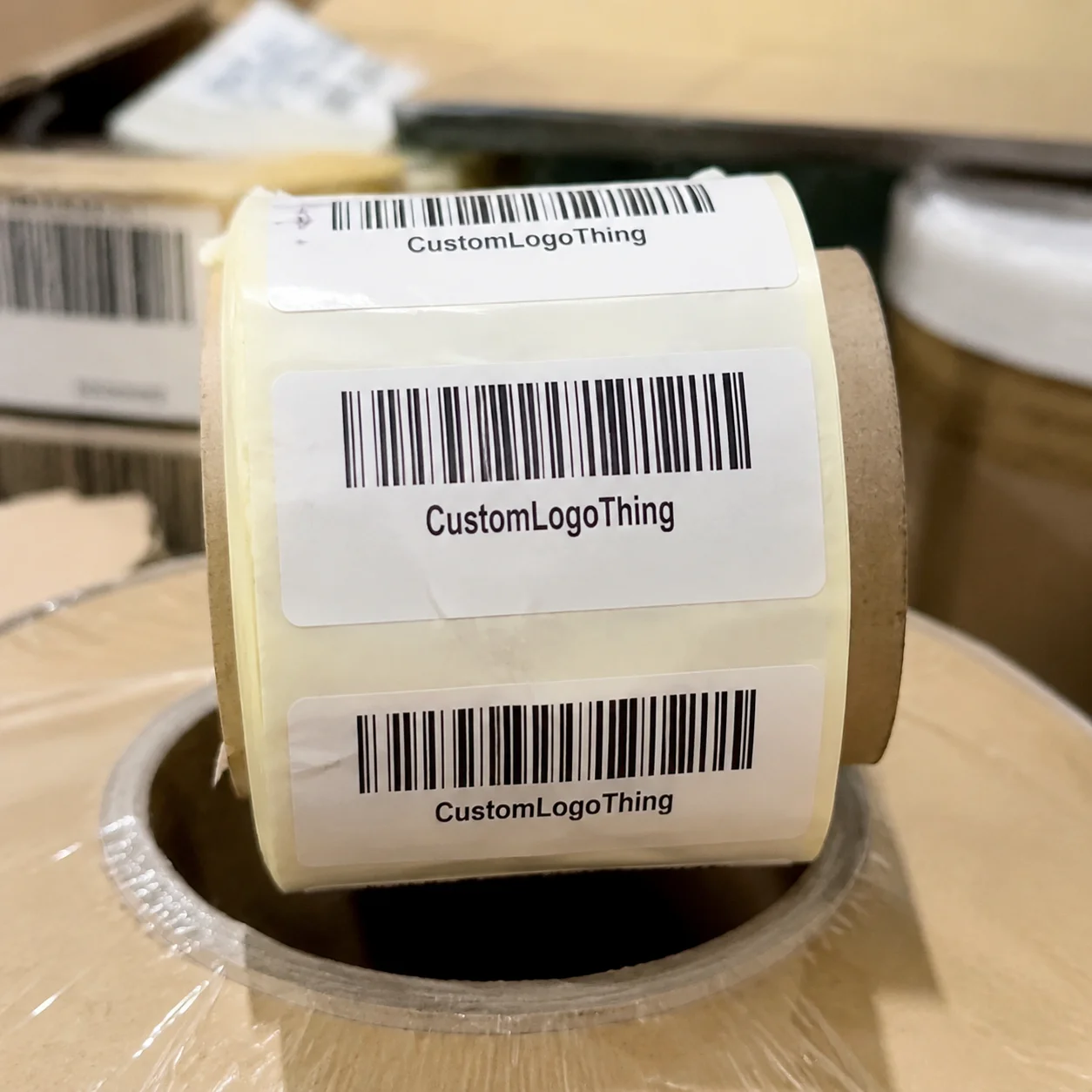
| Custom inserts and labels | Brand storytelling, SKU control, retail display, and repeat-purchase prompts | Die line, adhesive, color proof, copy approval, and packing sequence | Small errors multiply quickly across thousands of units |
Decision checklist before ordering
- Measure the real product and confirm how it will be packed, displayed, stored, and shipped.
- Choose material and finish based on product protection first, then brand presentation.
- Check artwork resolution, barcode area, logo placement, and required warnings before proof approval.
- Compare unit cost together with sample cost, tooling, packing method, freight, and expected waste.
- Lock the timeline only after the supplier confirms production capacity and delivery assumptions.
FAQs
What is the typical MOQ for affordable branded packaging?
Most standard cartons start at 250 units, while rigid packaging often becomes most efficient at 500 MOQ, where pricing can land around $2.50-$4.00 per unit depending on finishes and structure.
How long does production usually take?
For standard projects, the production timeline is usually 18-22 business days after approval, excluding freight.
Which certifications matter most?
The most common real-world requests are GOTS, OEKO-TEX Standard 100, WRAP, BSCI, and GRS, depending on the material mix and the retailer’s compliance requirements.
Which materials are most common?
24-pt SBS, 350gsm kraft, 157gsm art paper, 2 mm grayboard, 0.3 mm PET windows, and water-based adhesives are among the most common production materials.
Which locations can handle the work?
Guangzhou, Shenzhen, Dhaka, Ho Chi Minh City, and Istanbul are all common sourcing and production hubs depending on whether the job needs rigid boxes, sewn components, or corrugated shipping protection.