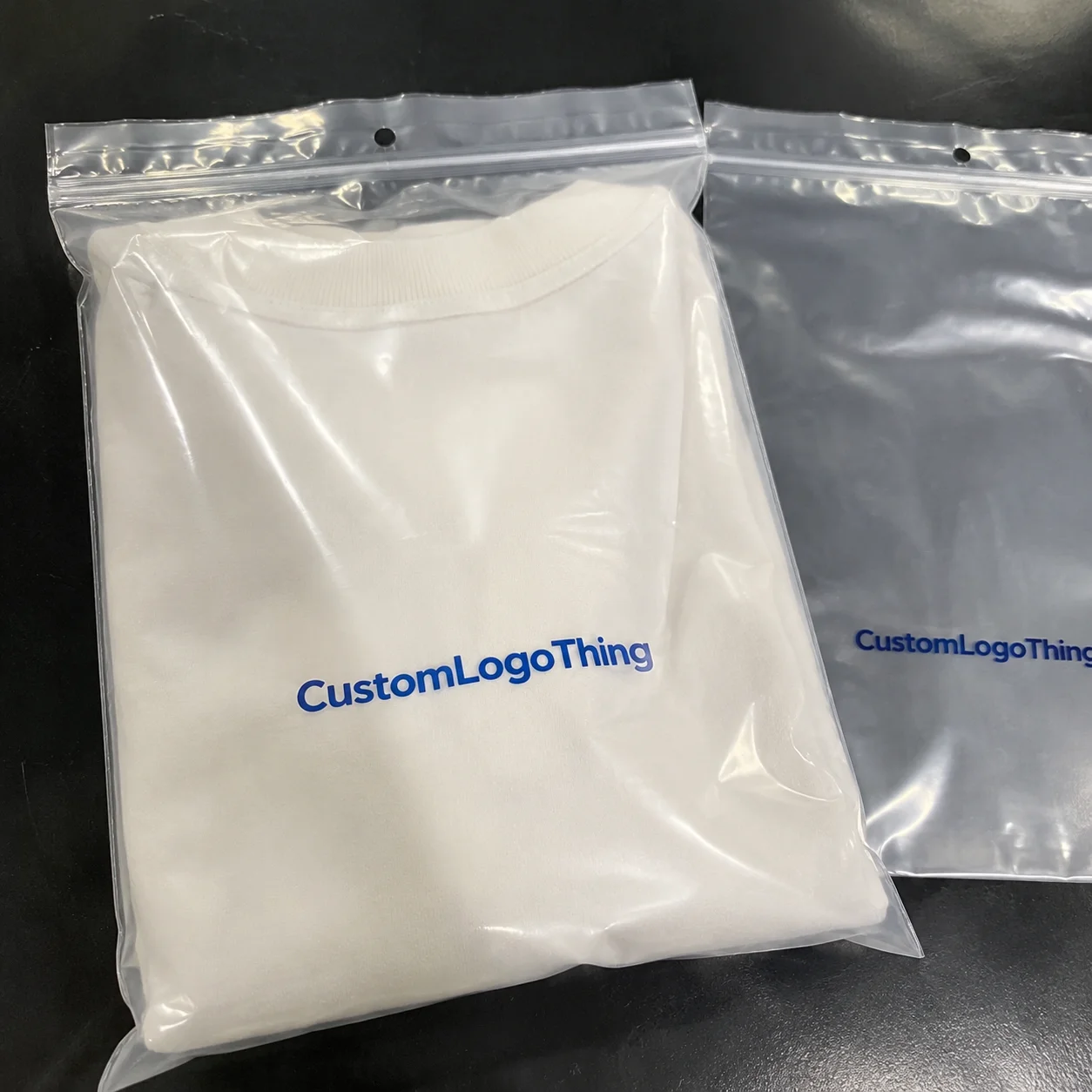
Buyer Fit Snapshot
| Best fit | packaging branding practices what for packaging buyers comparing material specs, print proof, MOQ, unit cost, freight, and repeat-order risk where brand print, material, artwork control, and repeat-order consistency matter. |
|---|---|
| Quote inputs | Share finished size, material target, print colors, finish, packing count, annual reorder estimate, and delivery region. |
| Proofing check | Approve dieline scale, logo placement, barcode or warning zones, color tolerance, and any recyclable or compostable wording before bulk production. |
| Main risk | Vague material claims, crowded artwork, or missing packing details can create delays even when the unit price looks attractive. |
Fast answer: Packaging Branding Practices What: Dieline, Finish, Proof, and Buyer Review should be specified like a repeatable production item. The safest quote includes material, print method, finish, artwork proof, carton packing, and reorder notes in one written spec.
What to confirm before approving the packaging proof
Check the product dimensions against the actual filled item, not only the sales mockup. Ask for tolerance on folds, seals, hang holes, label areas, and retail display edges. If the package carries a logo, QR code, warning copy, or legal claim, reserve that space before decorative graphics fill the panel.
How to compare quotes without losing quality
Compare board or film grade, print process, finish, sampling route, tooling charges, carton quantity, and freight assumptions side by side. A lower quote is only useful if the supplier can repeat the same color, closure quality, and packing count on the next order.
Packaging Branding Best Practices are not won by the prettiest mockup on a laptop; they are won on the press floor, on the fill line, and sometimes in a humid warehouse where a gorgeous carton starts scuffing after 40 minutes in a corrugated shipper. I’ve watched a buyer approve a beautiful concept in a conference room at a cosmetics client in New Jersey, only to reject the production sample two weeks later because the pale gray logo vanished under fluorescent retail lighting. That is why packaging branding best practices have to balance shelf impact, substrate choice, print method, and real production behavior, not just packaging design theory.
Honestly, too many brands waste money by chasing visual tricks that never survive contact with production. A package can look rich in a PDF and still fail as product packaging once the flexo plate stretches, the folding carton scores crack, or the matte varnish picks up fingerprints after handling. The better brands keep their package branding simple enough to reproduce, but distinct enough that a shopper recognizes them from six feet away.
And there is a human side to this that gets ignored in a lot of glossy presentations. I’ve had founders bring me three rounds of “final” art only to admit, with a little laugh, that they were kinda guessing on the structure because nobody had checked the liner, caliper, or shelf lighting yet. That sort of thing happens more than people admit, especially on fast-moving launches where marketing, operations, and procurement are all trying to move at once.
Quick Answer: The Packaging Branding Best Practices That Matter Most
The fastest way to improve packaging branding best practices is to start with readability, color consistency, tactile finish, unboxing experience, and production reliability. I’ve seen brands spend $12,000 on artwork and then lose the whole effect because the contrast was too weak for a 4-color offset run on coated SBS board. If the brand name can’t be read in two seconds, the package is working against you.
Branded packaging has to survive real manufacturing. That means your logo, palette, and typography must hold up across custom printed boxes, pouches, labels, and shipping cartons without looking like four unrelated products. In one supplier meeting in Shenzhen, a snack brand wanted gold foil, a soft-touch sleeve, and full-bleed dark navy ink on a gusseted pouch. On screen it looked elegant. On press, the dark ink showed scuffing at the seal area and the foil sat too close to the crimp, so the first 3,000 units looked tired before they even reached a distributor.
The strongest packaging branding best practices usually include these priorities:
- Shelf readability: the brand name, product type, and main benefit need clear hierarchy.
- Color consistency: keep brand colors stable across offset, flexographic, and digital print.
- Tactile finish: use soft-touch lamination, matte varnish, embossing, or spot UV with intent, not decoration.
- Unboxing experience: especially for e-commerce, make the inside of the package feel intentional.
- Production reliability: design for the actual press, not the rendering.
For reference on packaging performance and material standards, I often point clients to the industry basics at the Packaging Machinery Manufacturers Institute and test guidance from ISTA. Those aren’t design sites, and that is exactly why they matter. Great package branding fails fast if distribution testing, seal integrity, or compression strength are ignored.
“The package looked expensive, but the logo disappeared under store lights.” I heard that from a beverage client after their first retail rollout, and it was a textbook lesson in packaging branding best practices: if the shopper has to work to identify the brand, you already lost the shelf fight.
Top Packaging Branding Options Compared
There are five branding styles I see over and over in packaging design, and each one works best in a different channel. Packaging branding best practices are rarely about picking the “best” style in a vacuum; they are about matching the style to the product, the margin, and the way the customer buys.
Minimalist premium works beautifully for skincare, supplements, and boutique food items, especially when the package uses strong typography, lots of white space, and a single accent color. It looks clean on custom printed boxes and rigid cartons, but it can feel cold if the photography or copy is weak. I’ve seen a $0.68/unit folding carton look more expensive than a $3 rigid box just because the hierarchy was tighter and the matte board had a better feel.
Bold retail is the style for brands that need to stop motion in a grocery aisle or club store. Strong color blocks, large type, and obvious product claims make this format powerful for retail packaging. The tradeoff is ink coverage. Heavy solids on corrugated or SBS can show streaks, and tiny knockouts can fill in on flexographic runs if the plate and anilox setup are not dialed in.
Eco-natural branding uses kraft board, uncoated paper, soy-based inks, and restrained graphics. It does well for foods, wellness products, and brands that want a lower-impact story. It can also look generic if you do not give it a distinct brand system. I worked on a tea client where the switch to recycled kraft saved about 14% on board cost, but they lost shelf distinction until we added a custom line illustration and a warm copper Pantone that held up in offset.
Luxury tactile is all about soft-touch, foil stamping, embossing, and heavyweight materials. This approach is strong for cosmetics, premium spirits, fragrances, and high-margin gift sets. It sells sensation as much as information. The downside is cost. A rigid setup with foil and emboss can easily add $0.90 to $2.40 per unit depending on quantity, and that number climbs quickly when you layer in specialty inserts or complex die cutting.
Fast-turn e-commerce packaging needs speed, durability, and repeat brand recognition. Think mailer boxes, labels, and inserts that photograph well for social sharing but do not require elaborate finishing. If your fulfillment team ships 8,000 units a week, packaging branding best practices should favor predictable print, simple construction, and low spoilage. For many DTC brands, the best package is the one that survives distribution and still looks sharp when the customer opens it.
For brands selling across retail and direct-to-consumer, I usually recommend one visual system with two execution levels: a stronger shelf version and a slightly simpler shipper version. That keeps package branding coherent without forcing every format to carry the same cost burden. If you need a place to compare physical formats, our Custom Packaging Products page is a useful starting point, and our Case Studies show how different brands handled the same visual system across multiple substrates.
Detailed Reviews of the Most Effective Packaging Branding Methods
When I audit packaging branding best practices for a new client, I look at six things first: color, typography, logo placement, finish selection, storytelling, and structural design. Those are the parts that affect both perception and production. A gorgeous render means very little if the carton score cracks at the fold or the label adhesive lifts on a chilled bottle.
Color systems should be built for print reality, not monitor fantasy. A deep navy that looks elegant on a screen may shift toward purple on a digital press or a flat process blue on offset. In one plant visit, we matched a brand green with a Pantone spot color, and the first proof still came back 6 delta E units off because the substrate absorbed more ink than expected. That is why packaging branding best practices always include substrate testing, not just color selection.
Typography is where many brands sabotage themselves. Thin scripts, tiny legal copy, and overly compressed sans serif fonts are risky on small cartons and labels. I prefer type systems that create a clear reading order: brand name, product benefit, then compliance copy. That hierarchy matters on product packaging because the shopper is rarely standing still for long. If your package has 12 words on the front panel, make sure 4 of them do the selling.
Logo placement should stay consistent across every format, even if the package size changes. Some brands drift the logo toward the top on boxes and bury it in the center on pouches, then wonder why recognition weakens. Packaging branding best practices work better when a shopper can spot the same logo location across cartons, labels, and shippers. Consistency builds memory faster than decorative complexity.
Finish selection changes how the brand feels in the hand. Matte varnish gives a restrained look, soft-touch lamination adds a velvety feel, spot UV creates contrast, foil stamping brings brightness, and embossing adds physical depth. My honest view is that one strong finish often beats three weak ones. A beauty brand I worked with wanted foil, emboss, gloss varnish, and a textured paper all at once. We cut it back to soft-touch plus a small foil accent, and the package looked cleaner, photographed better, and came in $0.31/unit lower.
Storytelling panels can help, but only if they are concise. A side panel that explains ingredient sourcing, origin, or usage can strengthen brand identity, yet overloaded copy feels like a brochure pasted onto a box. For apparel and subscription boxes, a short origin story or values statement often improves the unboxing experience more than a long paragraph ever could.
Structural design matters as much as print. Corrugated mailers, folding cartons, rigid boxes, pouches, and pressure-sensitive labels each carry their own branding strengths. Corrugated gives you durability and decent graphic space, folding cartons are economical for mass retail, rigid boxes feel premium, pouches are efficient for food and supplements, and labels are flexible for variable SKUs. If you want a quicker way to compare label and tag options, our Custom Labels & Tags page shows how much brand expression can happen on a small format.
Production issues can ruin any of these methods. I’ve seen ink drift by 0.5 mm on a flexographic pouch run, fold cracking on a heavily coated carton, and adhesive limits on labels used in cold-chain distribution. These are not small problems. They are the exact reasons packaging branding best practices have to be judged on press, not just in the studio.
For environmental considerations, many brands also ask about material sourcing and recyclability. The EPA has useful guidance on waste reduction and packaging-related sustainability topics at epa.gov, and FSC certification can matter if your paper-based package needs chain-of-custody documentation. When a client wants recycled board, I always ask whether the visual goal and the end-of-life claim both make sense together. A green message that prints poorly is not a good trade.
Packaging Branding Process and Timeline: From Concept to Press Check
A clean process makes packaging branding best practices much easier to hit. The path usually starts with a brief, then moves into dieline selection, design, prototype, prepress, proofing, press approval, and final production. If any one of those steps is rushed, the whole package gets shaky.
Typical timelines vary by complexity. A simple digital print carton might move from approved artwork to production in 10 to 15 business days, while a multi-finishing rigid box with foil, embossing, and inserts can run 25 to 40 business days once the structure is locked. Custom tooling adds time. So do specialty inks, imported substrates, and late-stage revisions. I once had a client lose nine days because the barcode was approved at the wrong size and had to be regenerated after prepress already imposed the forms.
Proof types are different, and treating them as interchangeable is a common mistake. A PDF mockup shows layout only. A digital color proof gives a better color reference, but still not the final substrate behavior. A press proof is closer to final reality, and a production sample is the most honest version of all. Packaging branding best practices improve when brands approve on the material they will actually ship, because paper shade, coating, and ink absorption change the result in ways screens never show.
The biggest schedule delays I see are missing regulatory text, unapproved claims, last-minute language changes, and absent UPCs. If you are preparing branded packaging for a regulated category, build in extra time for compliance review. That is not a design issue; it is a production issue, and it can stop a whole job.
Price Comparison: What Packaging Branding Really Costs
Packaging branding best practices always come back to cost, because every finish, substrate, and print method has a price. A plain folded carton in 18pt SBS with standard 4-color offset printing may land around $0.22 to $0.45 per unit at 10,000 pieces, depending on size and layup. Add soft-touch lamination and spot UV, and that number can move to $0.40 to $0.85. Step into rigid box territory with foil and insert trays, and you may see $1.20 to $3.50 per unit or more.
Short runs almost always cost more per unit. A 1,000-piece digital carton run might be priced at $0.85 each, while a 10,000-piece offset run of the same design may drop under $0.30. That does not make the short run a mistake. For new launches, short runs reduce inventory risk and let you test the market before committing to large volumes. In packaging branding best practices, the cheapest package is not always the smartest one; the smartest one matches your launch confidence and sales channel.
Hidden costs can be sneaky. Plate charges, foil dies, emboss tooling, freight, color matching, and spoilage allowances all affect the final invoice. One food client thought they were saving money by selecting a complex metallic effect, then discovered the total setup cost added nearly $1,800 before the first good box left the line. I would rather see a brand spend that money on a better board, cleaner typography, or a stronger structural sample than on unnecessary decoration.
If you want the highest return on perception, I usually rank the spending this way: first, a clear brand hierarchy; second, a good substrate; third, one signature finish; fourth, a solid structural design. That order is not glamorous, but it works. Packaging branding best practices should help you sell more product, not just produce prettier artwork.
How to Choose the Right Packaging Branding Strategy
The easiest way to choose a strategy is to start with the channel. Retail packaging needs to win a shelf stop. E-commerce packaging needs to survive transit and still create a memorable unboxing experience. Industrial or B2B packaging may need more functional clarity than visual flair. Once you know the channel, the rest gets easier.
Ask three questions before you commit to package branding decisions:
- Does this package need to look premium, or does it need to move fast and stay affordable?
- Will it sit on a shelf, ship in a box, or do both?
- What one visual cue will people remember after the first exposure?
I’ve seen brands make the mistake of stacking too many finishes because they believe more effects equal more value. Usually it does the opposite. One hero element, like foil on the logo or a tactile varnish on the brand panel, creates focus. Packaging branding best practices work better when the package has one memorable moment rather than five competing ones.
Test the design in real lighting. Put the prototype on a retail shelf mockup under LEDs, fluorescent tubes, and daylight if you can. Place it beside competitor packaging. Then handle it with wet hands, gloves, and bare fingers. That is not a fancy lab test, but it reveals the truth quickly. I’ve watched beautiful custom printed boxes become nearly invisible once they were placed between two brighter competitors under grocery lighting.
Before you send files to a manufacturer, check these items:
- Artwork built on the final dieline, not a guess.
- Barcodes sized correctly and tested for scanability.
- Bleed, safe zones, and overprint settings confirmed.
- Finish calls clearly labeled in the file.
- Compliance text approved by the right stakeholder.
- Mockups reviewed on the actual substrate whenever possible.
If you want to compare structural and printing options before committing, our packaging team can help you narrow down the right custom packaging products for your channel and margin target. Packaging branding best practices become much easier to apply once the package structure and print method are aligned early.
Our Recommendation and Actionable Next Steps
My recommendation is simple: start with strong hierarchy, choose one signature finish, and use a substrate that fits the channel instead of forcing a premium effect onto a weak structure. That is the heart of packaging branding best practices. If the product is retail-facing, prioritize shelf readability and color contrast. If it is luxury, prioritize tactile feel and print precision. If it is e-commerce, prioritize durability and a sharp unboxing experience.
For most brands, the best path is not the fanciest one. It is the most repeatable one. Package branding should feel consistent across cartons, pouches, labels, and shipping boxes, and it should still look like the same brand after 5,000 units, not just after the prototype. That is where good packaging design becomes reliable business value.
Here are the next steps I’d take this week:
- Audit your current packaging and identify the weakest point: readability, finish, structure, or consistency.
- Request one structural sample from your supplier before approving full artwork.
- Compare 2 to 3 print and finish combinations with real pricing, not estimates.
- Test the mockup under store lighting or in a shipping simulation.
- Create a packaging checklist for brand identity, claims, barcode placement, and substrate notes.
If you want proof that these packaging branding best practices work across different product categories, our Case Studies are a practical place to see real examples rather than polished theory. I’ve learned over two decades that the right branded packaging is rarely the loudest option; it is the one That Holds Up in production, looks right in the customer’s hands, and makes the buying decision feel easy.
That is the real takeaway: packaging branding best practices are not about adding more decoration. They are about making every visual and physical choice earn its place, from the first sketch to the last carton on the pallet. If you keep the hierarchy clear, test on the actual substrate, and choose finishes with restraint, the package will do its job without overtalking the product.
FAQ
What are the most important packaging branding best practices for small brands?
Prioritize clear brand name visibility, consistent colors, and one memorable design cue instead of trying to use every premium effect at once. Choose Packaging Materials That fit your budget and production volume so the design can be reproduced reliably. For a small launch, a simple 4-color custom printed box with one accent finish often performs better than a complicated premium build that strains cash flow and slows replenishment.
How do packaging branding best practices differ for retail shelves and e-commerce?
Retail packaging must win attention in seconds, so contrast, hierarchy, and shelf-readability matter most. E-commerce packaging should focus on unboxing, shipping durability, and repeat brand recognition inside the box. A retail carton and a mailer box can share the same brand identity, but the retail version usually needs stronger front-panel messaging while the DTC version needs better interior storytelling and transit protection.
What printing finish is best for premium packaging branding?
Soft-touch, foil, embossing, and spot UV can all signal premium quality, but the best finish depends on your substrate and budget. Pick one or two finishes that reinforce the brand story rather than layering too many effects. On coated paperboard, soft-touch with a restrained foil logo often feels more elegant than stacking emboss, gloss flood coat, and multiple metallics.
How long does a custom branded packaging project usually take?
Simple printed packaging can move relatively quickly, but custom structures, specialty finishes, and approvals can extend the schedule. Most delays come from artwork revisions, proof approvals, and sourcing the right material or tooling. In practice, a straightforward carton may take 10 to 15 business days after proof approval, while a complex rigid setup can require several weeks longer.
How can I keep packaging branding costs under control?
Use standardized dielines, limit the number of special finishes, and choose a print method that fits your order quantity. Request samples and compare multiple options before committing to a full production run. Packaging branding best practices for cost control usually start with reducing unnecessary complexity, because every extra plate, foil die, or custom insert adds both setup cost and production risk.