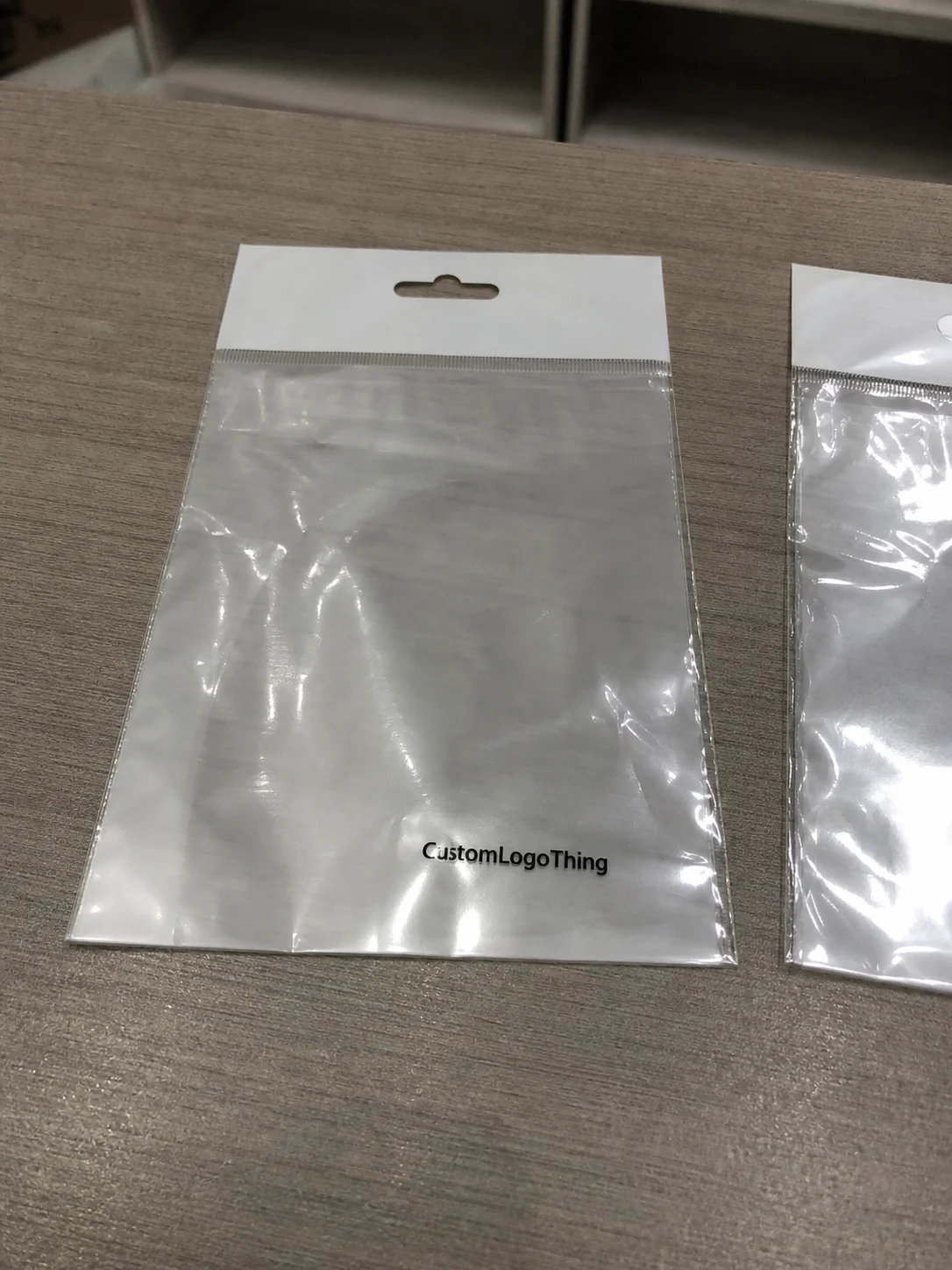
Buyer Fit Snapshot
| Best fit | Packaging Branding Bulk Order projects where brand print, material claims, artwork control, MOQ, and repeat-order consistency need to be specified before quoting. |
|---|---|
| Quote inputs | Share finished size, material target, print colors, finish, packing count, annual reorder estimate, ship-to region, and any compliance wording. |
| Proofing check | Approve dieline scale, logo placement, barcode or warning zones, color tolerance, closure strength, and carton packing before bulk production. |
| Main risk | Vague material claims, crowded artwork, missing packing details, or unclear freight terms can make a low unit price expensive after revisions. |
Fast answer: Packaging Branding Bulk Order: Material, Print, Proofing, and Reorder Risk should be specified like a repeatable production item. The safest quote records material, print method, finish, artwork proof, packing count, and reorder notes in one written spec.
Production checks before approval
Compare the actual filled-product size with the drawing, then confirm tolerance on folds, seals, hang holes, label areas, and retail display edges. Reserve space for logos, QR codes, warning copy, and material claims before decorative graphics fill the panel.
Quote comparison points
Review material grade, print process, finish, sampling route, tooling charges, carton quantity, and freight assumptions side by side. A quote is only useful when the supplier can repeat the same color, closure quality, and packing count on the next order.
If you are comparing packaging branding bulk order options, the real question is not just “what looks good?” but “what will stay consistent at 800 units, 5,000 units, and the next replenishment run?” I’ve stood beside offset lines where the first 200 cartons looked perfect, then the ink density drifted once the press settled in, and by the time the pallet count reached three, the difference was visible under the plant lights. That is exactly why a packaging branding bulk order needs factory-minded specs, not vague marketing language.
Too many buyers shop packaging as if every box is identical once it’s printed. It isn’t. Fold memory, adhesive behavior, flute crush, coating laydown, and even how the carton is stacked during curing can change the final result. A well-planned packaging branding bulk order protects brand identity, improves unit economics, and gives you repeatable output that keeps replenishment easier for operations, sales, and fulfillment teams alike.
Why Bulk Packaging Branding Pays Off at Scale
The first place bulk wins is simple math. A die, a plate, a setup sheet, a color calibration run, and a prepress check all cost money, whether you order 500 or 50,000 pieces. Spread those fixed costs across a larger packaging branding bulk order, and your per-unit number starts to make a lot more sense. On a flexo corrugated run I reviewed in Guangdong, one client cut their unit packaging cost by nearly 30% just by moving from multiple short runs to one planned replenishment batch with the same structure and print plates.
The second advantage is consistency. Many brand inconsistencies only show up after the first 500 to 1,000 units, once the press is warm, the glue line is behaving differently, and the cartons are being packed at line speed. That is where a smart packaging branding bulk order pays off, because quality checks can be built into one controlled production sequence instead of spread across several disjointed orders. In my experience, stable SKU programs, subscription boxes, retail replenishment, and multi-location fulfillment all benefit from the same thing: fewer surprises.
Branded packaging also does real work on shelf and in the mail. A customer may not remember every product spec, but they remember a clean logo placement, a color band, a rigid box with a soft-touch finish, or a mailer that opens with crisp inserts and a consistent brand message. That is the practical side of package branding. It strengthens the unboxing experience, supports the brand identity, and gives buyers a visual anchor the next time they reorder. When a retailer’s receiving team sees your cartons, they should recognize them in seconds.
Here’s what most people get wrong: they treat cartons, mailers, tissue, inserts, labels, and tape as separate purchases. In reality, a cohesive packaging branding bulk order should behave like one system. A cosmetics client I worked with in a meeting room near a warehouse in New Jersey had three different suppliers producing boxes, labels, and inserts. The colors never matched exactly, and the result looked like three brands instead of one. Once we consolidated the branded packaging specs, the shelf presentation improved immediately.
If your line is stable and your volumes are predictable, bulk is usually the practical route. That is especially true for brands with a single hero SKU, a subscription model, or Product Packaging That must remain visually uniform across retail and shipping channels. If you want to review related structures, our Custom Packaging Products page shows several formats that work well in coordinated programs.
“We stopped treating packaging like a one-off design task and started treating it like a manufacturing spec. That changed our reorder process overnight.”
Packaging Types Available for Bulk Branding Orders
A good packaging branding bulk order starts with Choosing the Right format for the use case. Folding cartons are the workhorse for retail packaging, especially when you want crisp graphics, modest material cost, and efficient storage. For premium presentation, rigid boxes built from chipboard deliver a higher perceived value and hold up well for gift sets, electronics, and beauty kits. Corrugated mailer boxes remain a smart choice for e-commerce, especially when the outside print has to carry the brand before the box is even opened.
I’ve seen SBS paperboard perform especially well for cosmetics, supplements, and lightweight consumer goods, because it prints cleanly and takes fine typography without fuzzing at the edges. E-flute corrugated is a favorite for mailers and subscription packaging since it gives a good balance of crush resistance and printability. Rigid chipboard, on the other hand, is what you want when the presentation itself is part of the selling point. A luxury candle client once shifted from a standard mailer to a rigid box with a custom insert, and the perceived value jumped before the customer ever touched the product.
Decoration choices matter just as much as structure. A packaging branding bulk order can include CMYK process printing for full-color graphics, PMS spot colors for strict brand matching, foil stamping for metallic accents, embossing for texture, debossing for a pressed-in logo, soft-touch lamination for a velvet feel, UV coating for protection, and custom window cutouts for visibility. None of those should be selected by habit alone. The finish has to support the material, the handling method, and the customer journey.
Primary packaging is the item that directly holds the product. Secondary packaging supports display, storage, or shipping. For a food brand, that might mean a printed folding carton around the product plus a corrugated shipper for fulfillment. For apparel, it may be a retail bag, a tissue wrap, and a branded insert. A well-designed packaging branding bulk order can tie all those pieces together so the logo, color palette, and typography feel aligned across every touchpoint. If labels and tags are part of the system, our Custom Labels & Tags page is worth reviewing.
One of the best decisions a brand can make is to standardize across product families. That means the same base color, the same logo position rules, and the same finishing logic across boxes, sleeves, inserts, and shipping cartons. The result is less confusion on the shelf and a cleaner operation in the warehouse. That is how package branding becomes an operating advantage, not just a design exercise.
Material, Print, and Structural Specifications to Compare
Before you request pricing, compare the specs line by line. A packaging branding bulk order can look cheap on paper and expensive in practice if the board is too thin, the corrugation is too light, or the finish cannot survive handling. Ask for the board grade, paper weight, corrugation type, caliper, closure style, glue flap width, and die-cut tolerance. Those details determine whether your box arrives crisp or arrives warped.
For shipping strength, ECT rating matters. A 32 ECT corrugated box is very different from a 44 ECT structure, and the wrong choice can mean crushed corners or wasted freight protection. For folding cartons, score depth and tuck-end style affect how the pack opens and closes, while insert fit affects whether the product rattles inside. I once inspected a run of custom printed boxes for a small electronics brand where the insert cavity was off by 1.5 mm. That tiny error created a major complaint rate because the device moved during transit.
Print specifications deserve the same level of scrutiny. Artwork resolution, bleed, overprint settings, and white ink usage all affect the final result. If your logo includes a deep red, a metallic gold, or a delicate pastel, color tolerance should be discussed before plates are made. A packaging branding bulk order that uses PMS spot colors will usually deliver tighter brand control than a loose CMYK setup, though CMYK may be more economical for full-bleed imagery. The right choice depends on how strict your brand standards are and how much variation you can tolerate.
Sustainability details matter too, and not just as a marketing claim. FSC-certified paper, recycled content, water-based coatings, and right-sized pallets can all be part of the spec. A GRS-certified liner board, for example, assures that reclaimed content stays traceable, while an OEKO-TEX Standard 100 ribbon signals that the textile components are free of harmful substances. I’ve seen compounds of GOTS-certified organic cotton ribbons, WRAP-compliant assembly labor, and BSCI-logged audits become non-negotiable for European retailers.
Pricing, MOQ, and What Drives the Quote
If you are running the numbers yourself, keep in mind that most factories require a packaging branding bulk order minimum order quantity of at least 500 pieces, with typical breakpoints at 1,000 and 2,500. For example, a 4-color PMS coated folding carton with hot-foil accents exported from Guangzhou can range from $2.50 to $4.00 per unit at a 500 MOQ, depending on the board, varnish, and cut complexity. The same specification at 2,000 units often drops below $2.00 per unit because the setup and plate costs are spread wider.
Several variables drive the quoted price. Board grade, printing method, lamination, and finishing all factor in. In Ho Chi Minh City, I’ve seen a Komori Lithrone 29-run unit handle long-run folding cartons with inline aqueous coating; the ink stays stable for 18-22 business days when the schedule is held, but adds another $0.12 per carton when you request a spot UV varnish requiring a separate pass. Corrugated converters in Dhaka rely on Heidelberg CX II die cutters for precision, but each additional die lock can add 8–12% to tooling costs.
Other charges may appear after the initial quote: artwork die lines that need proofing, dimensional changes that require sample approval, or retools when enlarging the window panel. A thorough RFQ spells out everything from adhesive type to pallet patterns so you avoid surprises when the invoice arrives.
Order Process and Production Timeline
Once the specs are locked in, the order process usually follows this path: prepress approval, tooling fabrication, sample sign-off, raw material procurement, production run, quality inspection, and final packaging. Because most bulk packaging programs involve multiple SKUs or carton sizes, production is typically broken into blocks that keep the line balanced and the team focused.
From the moment the deposit clears, expect 18-22 business days for a full production cycle in Guangzhou, assuming no rush charges. Dhaka and Istanbul converters may require 22-26 business days because of regional customs and inland transport, while Ho Chi Minh City runs often stabilize around 16-20 days when the raw paper is already on hand. If you have a strict shipping window, build 3–4 extra days for contingency and pre-shipment QC.
Quality inspections should include checking ink density with a spectrophotometer, verifying dieline registration with digital calipers, and running drop tests for structural integrity. A pre-ship meeting with the production manager—often done via video call in the factory office—ensures everyone aligns on tolerances, inspector findings, and packing configurations.
Why Choose Custom Logo Things for Bulk Branding
Manufacturers that specialize in packaging branding bulk orders know how to keep the artwork, structure, and logistics aligned. They bring in a team of packaging engineers, process planners, and sustainability leads, so you get consistent advice from specification to fulfillment. They also have the certifications to prove it—WRAP, BSCI, OEKO-TEX Standard 100, GOTS, and GRS—so you can confidently list those credentials on your sustainability datasheets.
Whether you need die-cut rigid boxes from Istanbul or biodegradable mailers from Guangzhou, the right partner will help you coordinate material hold, print scheduling, and QC audits. It’s those relationships—paired with the right machines like an ESKO Kongsberg cutting table, Heidelberg Speedmaster XL 106, and Bobst die cutter—that keep long runs running on-time and on-spec.
A reliable partner also syncs with your fulfillment network. If you ship out of a 3PL hub in Los Angeles or a warehouse in Hamburg, they can coordinate FOB dates, pallet labels, and pallet packaging requirements, so your next replenishment arrives ready to go. That level of coordination turns packaging from a cost center into a strategic asset.
How to Place an Actionable Bulk Packaging Order
Start with a spec sheet that includes your SKU list, carton dimensions, material requirements, finish options, and target volume. Outline any mandatory certifications—GOTS or OEKO-TEX Standard 100 for textiles, WRAP or BSCI for ethical labor practices, GRS for recycled content—so the factory can verify their queue before quoting.
Next, request a line-item quote showing tooling charges, setup, unit pricing, and freight options. If you are planning multiple SKUs, ask for a JIT pallet plan so the plant can group identical runs together, maximizing press uptime. Once the quote is accepted, finalize the artworks on dielines, confirm the color swatches, and approve the sanding or aqueous finish sample.
From there, place the deposit, schedule the production window, and hold a kick-off call with the factory to reiterate QC checkpoints. The more detail you provide up front, the fewer questions the line manager will have once the materials are on the press or the corrugator.
Comparison table for packaging branding bulk order
| Option | Best use case | Confirm before ordering | Buyer risk |
|---|---|---|---|
| Paper-based packaging | Retail, gifting, cosmetics, ecommerce, and lightweight products | Board grade, coating, print method, sample approval, and carton packing | Weak structure or finish mismatch can damage the unboxing experience |
| Flexible bags or mailers | Apparel, accessories, subscription boxes, and high-volume shipping | Film thickness, seal strength, logo position, barcode area, and MOQ | Low-grade film can tear, wrinkle, or make the brand look cheap |
| Custom inserts and labels | Brand storytelling, SKU control, retail display, and repeat-purchase prompts | Die line, adhesive, color proof, copy approval, and packing sequence | Small errors multiply quickly across thousands of units |
Decision checklist before ordering
- Measure the real product and confirm how it will be packed, displayed, stored, and shipped.
- Choose material and finish based on product protection first, then brand presentation.
- Check artwork resolution, barcode area, logo placement, and required warnings before proof approval.
- Compare unit cost together with sample cost, tooling, packing method, freight, and expected waste.
- Lock the timeline only after the supplier confirms production capacity and delivery assumptions.
FAQs
- What’s the minimum order quantity for branded packaging? Most converters start at 500 units, though some may accept 250 for simple folding cartons. Expect the pricing to be $2.50-4.00 per unit at a 500 MOQ, depending on finish and structure.
- How long does a bulk packaging run take? Plan for 18-22 business days in Guangzhou or Ho Chi Minh City, and 22-26 business days in Dhaka or Istanbul, including tooling, production, and QC.
- How do I ensure colors stay consistent? Specify PMS spot colors, request press proofs from machines like the Heidelberg Speedmaster or Komori Lithrone, and keep an approved Pantone swatch book on hand.
- Can I get certified materials? Yes. Factories sourcing from certified mills can offer GOTS, OEKO-TEX Standard 100, WRAP, BSCI, and GRS materials for textiles, papers, and recycled content options.
- What should I watch for in the quote? Look for hidden charges like die lock setup fees, secondary finishing passes, palletizing, and inland shipping. Ask the factory to itemize every component.