Buyer Fit Snapshot
| Best fit | Packaging Branding Bulk Order projects where brand print, material claims, artwork control, MOQ, and repeat-order consistency need to be specified before quoting. |
|---|---|
| Quote inputs | Share finished size, material target, print colors, finish, packing count, annual reorder estimate, ship-to region, and any compliance wording. |
| Proofing check | Approve dieline scale, logo placement, barcode or warning zones, color tolerance, closure strength, and carton packing before bulk production. |
| Main risk | Vague material claims, crowded artwork, missing packing details, or unclear freight terms can make a low unit price expensive after revisions. |
Fast answer: Packaging Branding Bulk Order: Specs, Pricing, Process should be specified like a repeatable production item. The safest quote records material, print method, finish, artwork proof, packing count, and reorder notes in one written spec.
Production checks before approval
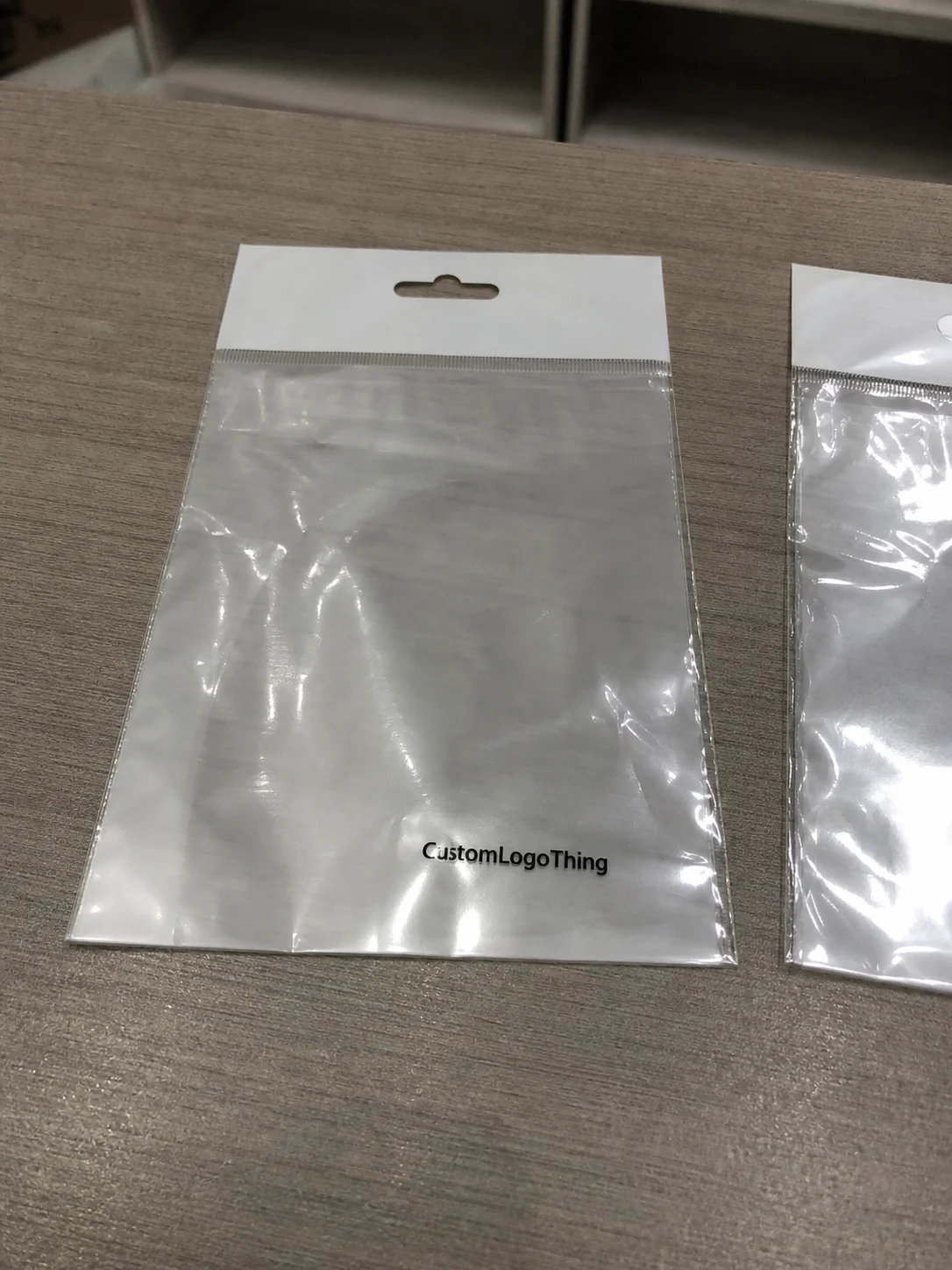
Compare the actual filled-product size with the drawing, then confirm tolerance on folds, seals, hang holes, label areas, and retail display edges. Reserve space for logos, QR codes, warning copy, and material claims before decorative graphics fill the panel.
Quote comparison points
Review material grade, print process, finish, sampling route, tooling charges, carton quantity, and freight assumptions side by side. A quote is only useful when the supplier can repeat the same color, closure quality, and packing count on the next order.
Packaging branding bulk order projects look simple on a spreadsheet, but the economics change fast once you move from 500 units to 5,000 or 50,000. In Guangzhou, a basic two-color flexo printed corrugated mailer might land around $2.50-4.00 per unit at 500 MOQ, then fall well below $1.00 at 5,000+ units once plate costs and setup are spread out. I’ve watched a plain kraft mailer cost less than a cup of coffee, then a branded version drop to a few cents more per unit once the run scaled up. That tiny delta often delivered a much bigger lift in perceived value, which is why packaging branding bulk order decisions deserve the same discipline as media buying, not the casual treatment many teams give them.
Honestly, I think most buyers underestimate how much packaging branding bulk order work affects margin, damage rates, and repeat purchase behavior at the same time. A good box does three jobs: protects product packaging, sells the brand, and keeps fulfillment moving without extra labor. I saw that firsthand on a factory floor in Shenzhen where a cosmetics client moved from unbranded mailers to custom printed boxes with a simple two-color flexo print on a Bobst folder-gluer line and Heidelberg offset press. Their unit cost rose by only $0.11 at 10,000 pieces, but their customer service team reported fewer “where’s the premium product?” complaints within the first replenishment cycle.
That is the part many people miss. Branding is not decoration. In a packaging branding bulk order, it is a unit economics decision. Retail packaging with a strong logo panel can improve shelf recognition. Ecommerce packaging can make the unboxing experience feel intentional rather than improvised. Subscription brands often benefit most because the same box is seen month after month, which compounds brand identity without buying more traffic. For apparel programs produced in Dhaka, for example, a GOTS-certified cotton drawstring bag or an OEKO-TEX Standard 100 tissue insert can reinforce the brand while meeting stricter material expectations.
When I visited a contract packer serving vitamins and supplements, the operations manager showed me three SKUs side by side. The generic shipper required handwritten inserts, extra labels, and more warehouse checks. The branded packaging version used printed carton panels, one QR code label, and a standardized insert. He told me labor dropped by roughly 14 seconds per pack. That sounds small until you multiply it by 30,000 units. Packaging branding Bulk Order Strategy is often about hidden efficiency, not flashy design.
There is also a measurable sales effect. Industry organizations such as the Flexible Packaging Association and ASTM-aligned testing practices repeatedly point to packaging performance as part of the total product experience. A stronger structure, clearer graphics, and better closure choices can reduce Damage in Transit, improve shelf presence, and support repeat purchase. I’m careful with claims here because results depend on category, but the commercial pattern is consistent: well-executed packaging branding bulk order work usually pays back in more than one place.
Why Packaging Branding in Bulk Orders Changes the Economics
Generic packaging is cheap to buy and expensive to defend. That sounds harsh, but I have seen it play out in warehouses where unbranded cartons needed extra stickers, more scanning, and manual differentiation between SKUs. A packaging branding bulk order can remove those touches. A pre-printed carton with color-coded panels, a part number, and a visible brand mark can reduce picking errors and speed up packing. That is real money, not a branding theory exercise.
The cost curve also bends in your favor at volume. Setup expenses, plates, and tooling are spread across more units, which is why a packaging branding bulk order often gets cheaper per piece as quantity rises. I have negotiated quotes from Ho Chi Minh City suppliers where a 3,000-piece run came in at $0.42 per unit, while 10,000 pieces dropped to $0.19 per unit using the same SBS board, aqueous coating, and die-cut tool. The only difference was scale. That spread is common in branded packaging, especially for custom printed boxes and paper-based mailers.
There is a brand effect that marketers talk about, but operations teams feel it first. Better package branding can make the product look more expensive before the customer even touches it. In ecommerce, the outer shipper and inner insert may be the only physical brand touchpoints. In retail packaging, the box fights for attention against competitors with similar claims. In subscription, repeat exposure matters more than one-time novelty. Packaging branding bulk order work becomes a consistency machine, and consistency is what makes a brand identity feel established.
I still remember a client meeting with a DTC apparel brand that had been spending heavily on paid search. They switched from generic poly mailers to printed mailers with one strong logo and a short return message inside the flap. They did not change their ads. They did not change the product. What changed was the unboxing experience. Their customer feedback shifted from “bag arrived” to “felt like a real brand.” That language matters because it influences referrals, social sharing, and return intent. In one Istanbul production run, the team used a 12-micron co-extruded PE mailer with water-based ink and a hot-bar seal to keep branding crisp without adding much weight.
There is another benefit that rarely makes the pitch deck. Branded packaging can help warehouses and 3PLs work faster. Color bands, repeat logo placement, and standardized pack graphics reduce confusion during peak periods. Packaging branding bulk order planning may sound like a marketing task, but in practice it touches fulfillment, quality control, and even inventory management. If you want more examples of how that works in real programs, our Case Studies page shows several multi-SKU launches.
One more point. Packaging branding bulk order projects can improve damage outcomes when structure is matched to product weight. A 32 ECT corrugated mailer with the right flute profile does more than print a logo. It protects. That matters for electronics, glass, and health products where returns are expensive. For a broader look at material options, see our Custom Packaging Products range. For premium textile and fashion brands, WRAP- or BSCI-audited factories often pair corrugated shippers with GRS-certified recycled mailers to support both compliance and sustainability claims.
What Packaging Branding Options Work Best for Bulk Orders?
Not every packaging branding bulk order needs foil, embossing, or a full flood of CMYK graphics. In fact, the best choice often depends on the packaging format, the unit economics, and how the product ships. I’ve seen brands waste budget on heavy finishes for items that were packed inside a corrugated outer shipper nobody ever opened on camera. That is a poor use of money. Strong package branding should match visibility.
Boxes are usually the most versatile format. Custom printed boxes work well with offset print for sharp graphics, flexographic print for simpler logos, and digital print for shorter runs or more frequent artwork changes. If the box is visible at retail, spot UV, embossing, or foil can add shelf impact. If it travels through parcel networks, durability and scuff resistance matter more than a decorative finish. In Guangzhou, many converters use automatic die-cutting machines, KBA or Heidelberg presses, and UV coating lines to keep registration tight on large bulk runs.
Mailers are common in ecommerce and subscription. Paper mailers and corrugated mailers can be branded with flexo or digital print. For high-volume packaging branding bulk order work, flexographic print is usually more economical once quantities rise. If you are shipping apparel, accessories, or samples, a simple two-color print often gets the job done. I once reviewed a mailer program for a beauty startup that added foil to the outside and then discovered the couriers scraped it off in transit. The lesson was obvious: finish has to survive the route. A 170 gsm kraft outer with a clean logo would have done the job just fine.
Labels and sleeves are the flexible option. They work when you need branded packaging without changing the base pack. That can be useful for seasonal runs, test launches, or private-label products where the core container stays the same. A pressure-sensitive label, an adjustable belly band, or a paper sleeve can carry a lot of visual identity without committing to a full custom box. I’ve seen this approach save a brand from overbuying inventory they were not ready to use.
Inserts matter more than people think. A printed insert can carry care instructions, QR codes, cross-sell offers, and compliance text without crowding the exterior design. They are also one of the cheapest ways to make a packaging branding bulk order feel complete. In one Shanghai run, a skincare client used an SBS insert with a soft-touch aqueous coating and a simple “open me first” message. Cost was low. The perceived polish was not.
And then there’s the finish question. Matte lamination looks clean but can hide scuffs. Gloss looks lively but shows fingerprints. Foil pops under retail lights, though it can be fragile. Embossing gives depth, but only if the artwork supports it. You do not need every effect. You need the one that fits the job.
Packaging Specifications That Affect Brand Quality and Order Approval
Specs are where a packaging branding bulk order succeeds or gets stuck in revisions. Art looks one way on a screen and another on a production line. I’ve seen buyers approve a design with tiny type, then discover it won’t hold up once the dieline wraps around a fold or a glue flap covers part of the panel. That is why the technical side matters as much as the creative side.
Board grade is a big one. A lightweight folding carton may be fine for cosmetics, but not for dense hardware. E-flute, B-flute, and 32 ECT corrugated each behave differently under pressure. If the package has to stack in transit or survive a humid route, the right substrate matters more than the graphic treatment. The brand can be beautiful and still fail if the box crushes.
Print method affects quality and cost. Offset gives crisp detail for large volumes. Flexo is efficient for simpler designs and longer runs. Digital is convenient for short runs, prototypes, or variable data. I have had clients fall in love with artwork that only made economic sense in digital, then switch to flexo once they understood the savings at scale. That adjustment usually makes the whole packaging branding bulk order plan more realistic.
Ink and coating choices also matter. Water-based inks are common for paper mailers and cartons, while UV coatings can improve appearance and abrasion resistance. But not every coating is worth the expense. If the package spends its life inside a shipping carton, the extra shine may never be seen. If it sits on a shelf, different story. Match the finish to the environment, not just the render.
Color tolerance is another one. Brands often want exact Pantone matching, and that is fair, but production reality introduces variation. Paper absorption, press calibration, and lighting conditions all influence the result. Good approval happens when the supplier shares a proper proof, not when someone signs off on a JPEG in a group chat. I’ve sat through enough prepress reviews to know that the fastest approval is usually the one that gets redone later.
Compliance can’t be an afterthought. Food contact, cosmetics labeling, recycled content claims, and country-of-origin requirements all affect approval. If your packaging branding bulk order crosses borders, ask for the paperwork early. FSC, GRS, REACH, and RoHS documentation may be required depending on category. A supplier who handles this cleanly saves time everywhere else.
For more detail on finishing choices, our Materials, Coatings, and Finish Guide breaks down the trade-offs. And if you are comparing different product categories, our product catalog gives a clearer sense of which specs make sense for which use case.
Pricing, MOQ, and What Actually Drives Bulk Order Cost
Price in a packaging branding bulk order is not just about box size. It is a mix of substrate, print complexity, tooling, freight, labor, and how much risk the supplier has to carry. MOQ matters because the fixed costs have to go somewhere. That is why smaller runs feel expensive even when the design looks simple.
One thing people underestimate is artwork complexity. A single-color logo on kraft paper is cheap. A full-bleed, six-color design with tight registration and a special coating takes more time, more waste, and more checking. If you are ordering in bulk, the most expensive version is often not the one with the best design. It is the one that looks great but is hard to produce consistently.
Tooling is another hidden driver. Die-cut knives, printing plates, embossing dies, and foil blocks all add upfront cost. That cost gets easier to live with as volume rises, but it still has to be justified. I’ve seen a team insist on a custom insert shape when a standard format would have done the same job. That kind of decision can quietly blow up a budget.
Freight can also change the math. A heavier board might feel more premium, yet it can raise landed cost and reduce pallet efficiency. On a long ocean move, that adds up. So does dimensional weight in parcel channels. The best packaging branding bulk order strategy usually balances appearance with cube efficiency. Pretty is nice. Profitable is better.
And MOQ is not always the villain. Sometimes a slightly higher minimum unlocks a much lower unit cost and a more stable supply plan. If you know demand is steady, taking the larger run can make sense. If you’re testing a new line, shorter digital runs or modular branding may be the smarter way to go. There is no single right answer, despite what some quote sheets imply.
From Quote to Delivery: Process and Timeline for Bulk Branding
The process usually starts with a brief, but a useful brief is more than a logo file and a target price. A supplier needs dimensions, product weight, shipping method, artwork, compliance needs, and quantity forecast. Without that, you are mostly trading guesses. That slows everything down.
Once the quote is approved, the next step is usually artwork and dieline confirmation. This is where mistakes get caught or missed. I’ve seen a packaging branding bulk order stall because the brand team forgot to account for a tuck flap that covered part of the slogan. A good vendor will flag that early. A rushed one will let it go through.
Sampling comes next. Depending on complexity, you may get a plain structural sample, a digital proof, or a pre-production sample with final materials. This is the stage where you check fit, print quality, color, and closure strength. Don’t skip it unless the item is truly low risk. I know it adds a week or two. It saves a lot more than that later.
After approval, production moves to press, converting, and finishing. For a straightforward packaging branding bulk order, this can be quick. For custom shapes, coatings, or specialty finishes, it takes longer. Then comes packing, QC, and shipment. If the order is international, transit time can be the longest part of the calendar. Air is fast and expensive. Ocean is slower and friendlier to the budget.
In practice, a simple run might take 2-4 weeks from final approval to ready goods. More complex programs can take longer, especially if the supplier is managing multiple approvals or sourcing specialty materials. Good communication keeps the schedule from drifting. Missing specs are what usually create the real delays.
Why Choose a Packaging Partner That Handles Branding at Scale
At scale, packaging is not just a product. It is a system. A partner who understands design, production, testing, and logistics can prevent the little failures that end up costing the most. That matters when your packaging branding bulk order has to land on time, look right, and work across multiple channels.
One advantage is coordination. A partner that handles branding in-house can keep print, finishing, and structural checks aligned. That cuts the back-and-forth between separate vendors. It also makes it easier to manage revisions, especially when the brand is updating artwork across several SKUs. Less friction, fewer surprises.
Another advantage is scale knowledge. A supplier who lives in bulk runs knows where the waste hides. They can recommend a different flute, a simpler finish, a better fold line, or a more efficient carton layout. Those suggestions are not always glamorous, but they are often the reason a program stays profitable.
And then there is the reliability piece. Big orders fail in boring ways: mismatched print batches, weak glue, inaccurate counts, poor palletizing, delayed freight. The right partner has systems for those things. They may not talk about them much, but you will notice if they are missing.
If you want a packaging team that can manage branded packaging across large volumes, ours is built for exactly that. We work with product teams, operations managers, and brand leads who need packaging branding bulk order support without spending weeks chasing every detail. If you’re comparing options, our contact page is the fastest way to start a quote.
Next Steps for Ordering Branded Packaging in Bulk
Start with the use case. What is the package protecting, where will it be seen, and what job does the branding need to do? That answer usually narrows the options fast. Then decide on quantity, budget range, and timeline. You do not need every detail perfect on day one. You do need enough clarity to avoid quoting the wrong thing.
After that, ask for material recommendations and a sample plan. A good supplier will help you compare costs without making the decision for you. That matters. Packaging branding bulk order projects work best when the brand team and the production team are talking about the same trade-offs.
And if you are still weighing formats, compare the package in context. Put it next to the product, the shipping method, and the customer journey. A design that looks understated in a mockup may feel exactly right once it arrives in hand. Another one might be too expensive for what it actually does. Real-world fit beats slides every time.
For a quick reference on options, browse our Custom Packaging Products, review the Case Studies, and then request a quote when you are ready. If you are early in the process, that is fine too. A rough brief is enough to get the conversation moving.
FAQ
What is the best packaging for a bulk branded order?
It depends on the product and channel. Boxes work well for retail and ecommerce, mailers are popular for apparel and subscription brands, and inserts or labels can support lighter-touch branding.
How do I lower packaging branding bulk order costs?
Keep artwork efficient, choose the right print method, reduce unnecessary finishes, and make sure the MOQ matches your demand. The cheapest-looking design is not always the cheapest to produce.
Do branded boxes really improve sales?
They can improve perception, repeat purchase, and unboxing experience. Results vary by category, but packaging does affect how customers judge the brand.
How long does a bulk branded packaging order take?
Simple orders may take a few weeks after approval. Custom shapes, specialty coatings, or international shipping can add time.
Can I order branded packaging in bulk with sustainable materials?
Yes. Recycled paper, FSC-certified board, GRS-certified mailers, and water-based inks are all common options depending on the product and compliance needs.